
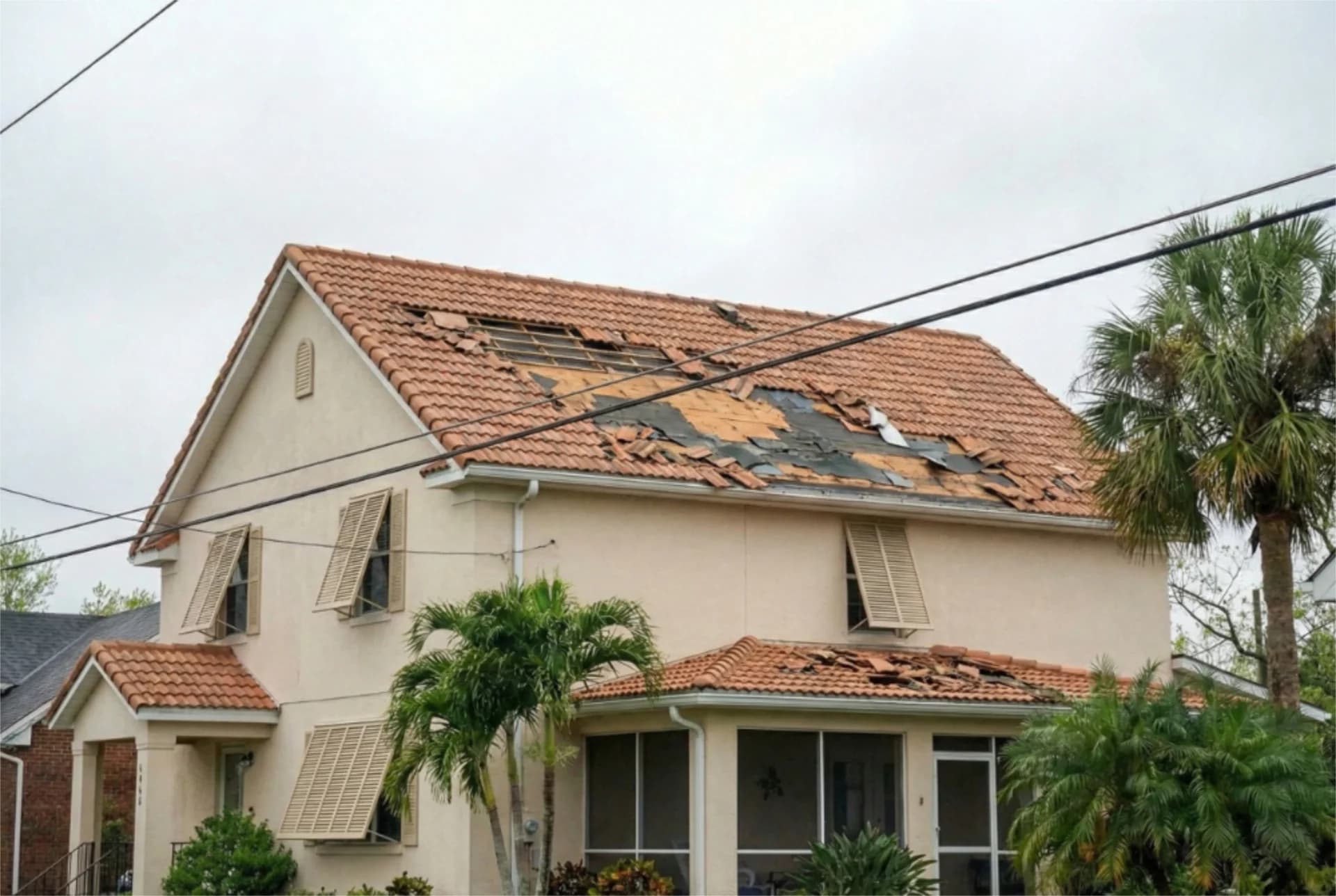
Hurricane & Wind Damage
Inland hurricane damage is routinely underpaid because the roof looks intact from the street. We document uplift, fastener failure and the water that followed it.

Property Damage in Orlando?
Central Florida takes hurricanes inland — Ian in 2022 and Milton in 2024 both crossed the region well after landfall, and the damage they left was wind-driven rain, lifted shingles and water that arrived through the roof rather than the front door. Five Star's licensed public adjusters work your claim from our Orlando South office so you are not arguing causation with an adjuster the insurer sent.
Call Our Orlando Team: (321) 295-7021
Insurance companies have a team working to minimize what they pay you. You deserve the same expertise on your side.
Five Star’s public adjusters step in immediately after a loss to manage every aspect of your claim — from documentation to negotiation — so nothing gets left on the table.
Central Florida claims are rarely one peril. Wind opens the building and water does the damage, and insurers pay the two very differently. Our Orlando adjusters document which came first.
Inland hurricane damage is routinely underpaid because the roof looks intact from the street. We document uplift, fastener failure and the water that followed it.
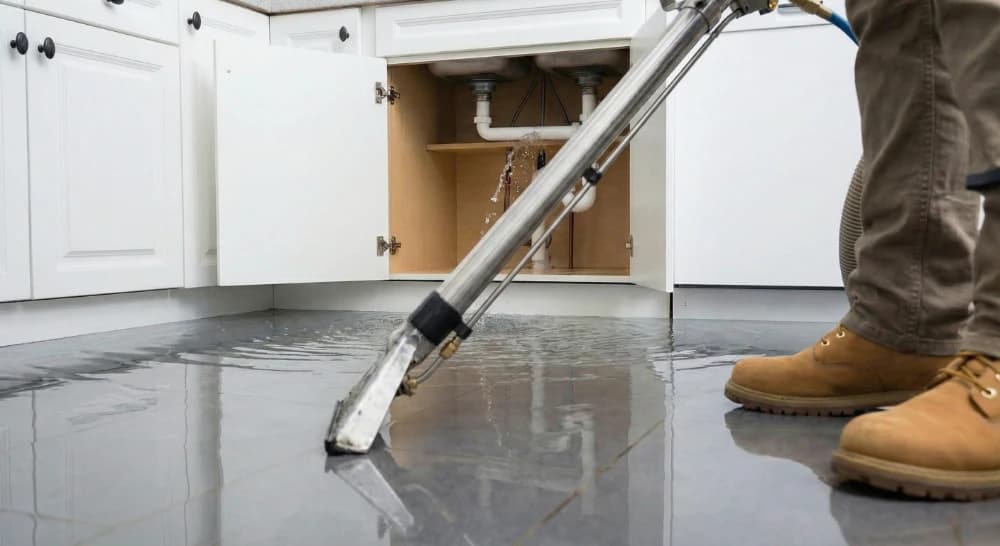
Wind-driven rain, supply-line failures and slow leaks behind walls. Where the water came from decides whether the claim is paid — so that is what we prove.
Central Florida is home base for Five Star Claims Adjusting: our headquarters is in Maitland, and our Orlando South office is on E. Michigan Street. Orlando is far enough inland that hurricanes arrive weakened, but the claims here are no simpler, because the damage comes from water, lightning and the ground as much as from wind.
When Ian crossed Central Florida in September 2022 it dropped well over a foot of rain on parts of the Orlando area, and neighborhoods such as Orlo Vista flooded. Many of the homes that took water were outside high-risk flood zones and had no flood insurance, because their mortgage lender never required it. FEMA notes that more than 20% of flood insurance claims come from outside high-risk zones. A homeowners policy excludes flood, so the claim that remains is whatever the wind and wind-driven rain did, and that portion is worth documenting carefully rather than letting the whole loss be written off as flood.
Florida records more lightning than almost any other state, and the corridor between Tampa and Orlando is among the most active in the country. Lightning claims are rarely only a scorch mark: a nearby strike can send a surge through the wiring that damages HVAC systems, pool equipment, well pumps, appliances and electronics across the house, and the damage can surface days later. Many homeowners policies cover sudden electrical damage from lightning, so connecting each failed item to the strike date is what gets it paid.
Central Florida sits on limestone, and sinkholes are a real claim risk here. Florida law requires homeowners policies to cover catastrophic ground cover collapse, but that coverage is narrow: the ground must collapse abruptly, leave a depression that is clearly visible, cause structural damage to the building including its foundation, and lead to the home being condemned and ordered vacated. Broader sinkhole coverage, for the cracking and settling that is far more common, is usually optional and has to be added to the policy. Check your declarations page before assuming either way.
Afternoon thunderstorms bring straight-line winds and occasional hail most summers. Roof damage from these storms is often small and scattered, and insurers often call it wear and tear. Documenting it soon after the storm, with dates, is what separates a storm claim from an age argument.
We have two: our headquarters at 1060 Maitland Center Commons Blvd, Suite 310, Maitland, FL 32751, (321) 444-6981, and our Orlando South office at 2488 E. Michigan St, Suite 209, Orlando, FL 32806, (321) 295-7021. We inspect at your property, so you don't need to come in.
Rising water is excluded under a homeowners policy, but damage caused by wind and by rain entering through wind-created openings is not flood, and it is often a large part of a hurricane loss. Separating the two is the work. If your insurer has treated the whole loss as flood, ask for its reasoning in writing.
Lightning is a covered peril under most homeowners policies, including damage from a power surge caused by a strike. Keep the failed equipment, get the repair technician's written diagnosis, and note the date of the storm. Lightning strike records for your area can help tie the damage to the event.
Every Florida homeowners policy must cover catastrophic ground cover collapse, which is defined narrowly and requires, among other things, that the home be condemned and ordered vacated. Cracking, settling and other sinkhole damage short of that is covered only if your policy includes sinkhole loss coverage, which is optional.
Real Results
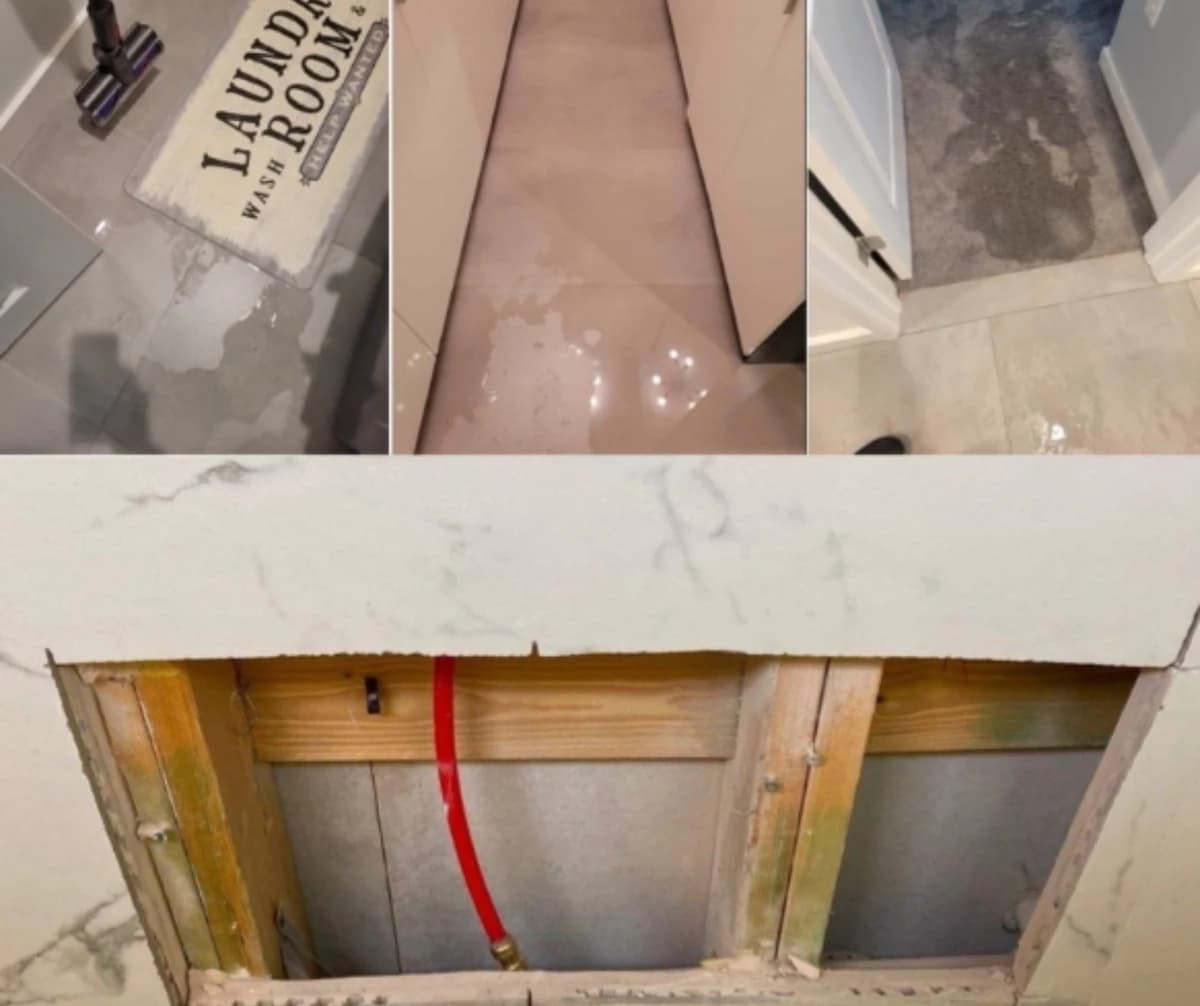
Initial Insurance Offers $9,211
Five Star Result: $82,425
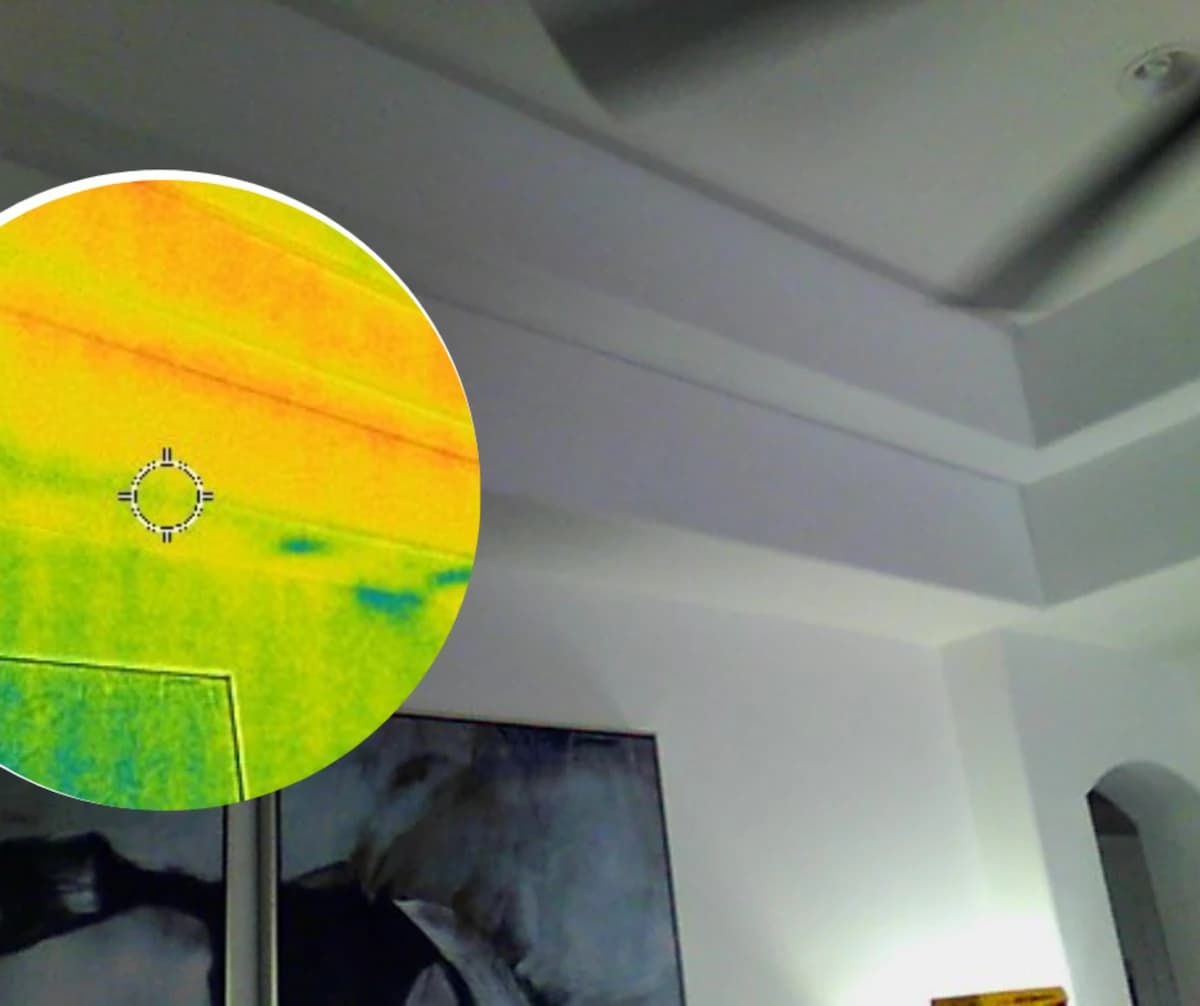
Initial Insurance Offers $20,646
Five Star Result: $147,000
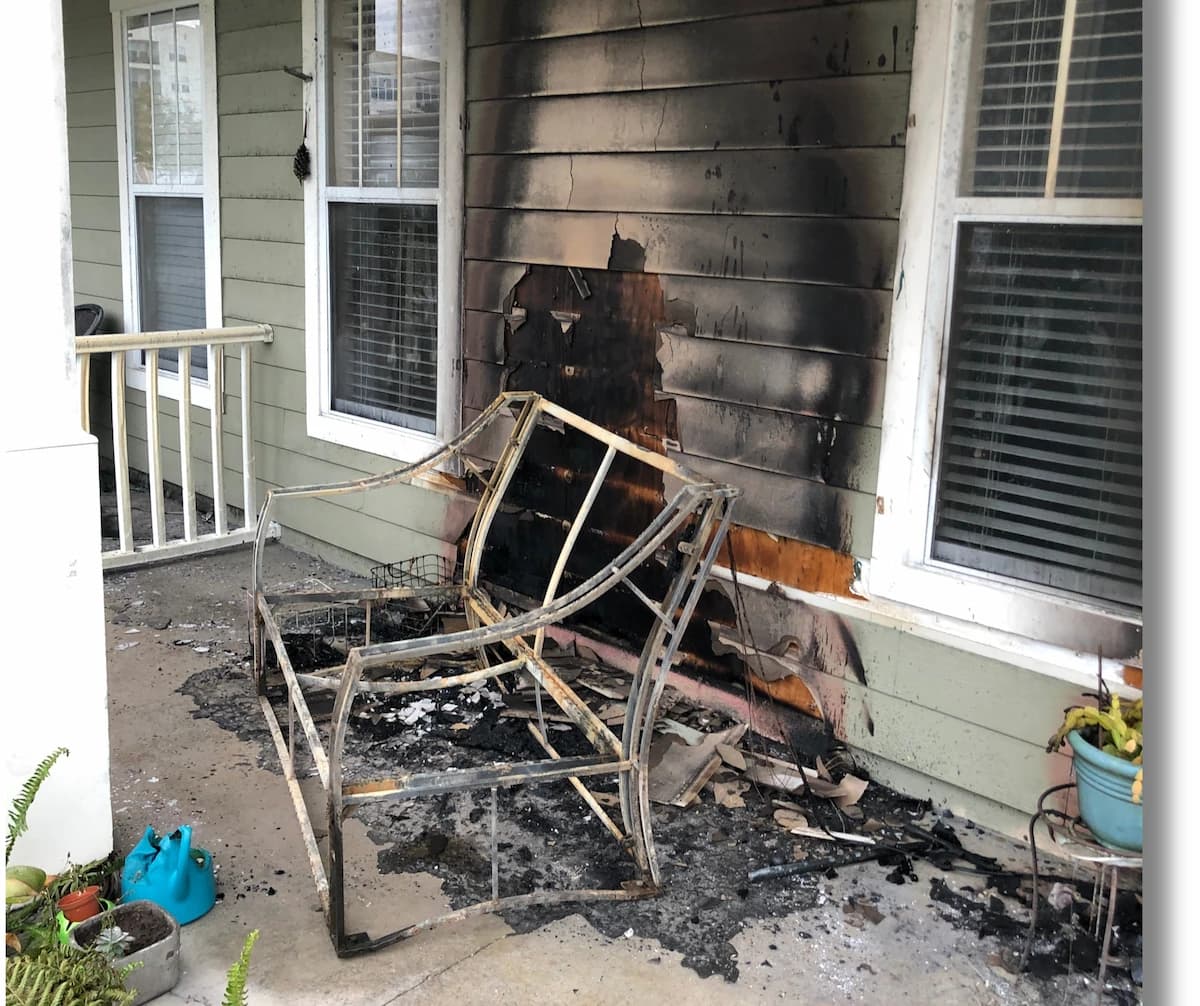
Initial Insurance Offers $19,118
Five Star Result: $37,088
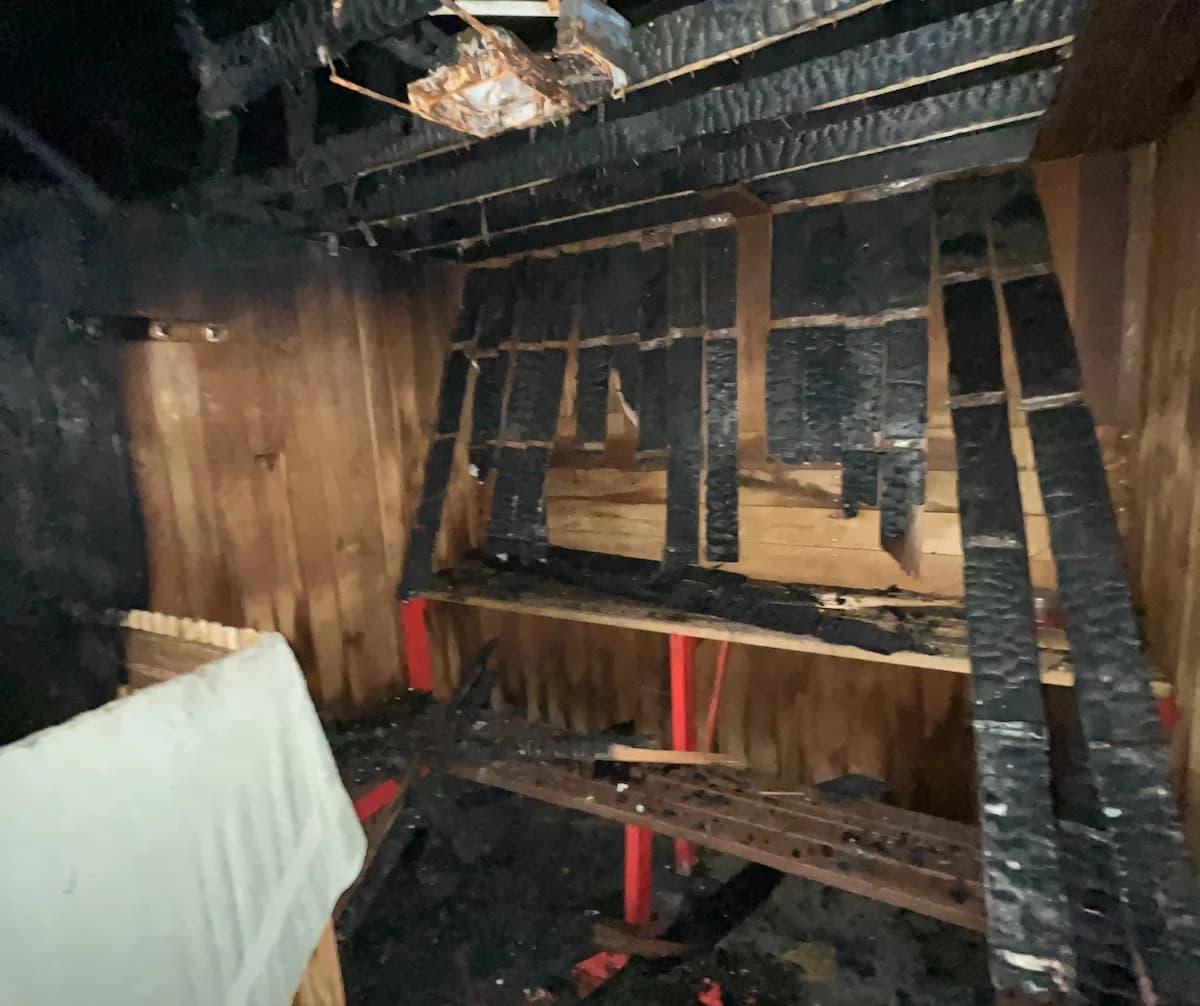
Initial Insurance Offers $740,182
Five Star Result: $2,112,227
Backed by Google Reviews Across Florida

Five Star Claims was super professional and detailed throughout every step of our claim process. They kept us abreast of what was happening at all times and worked extra hard for us! We recommend Five Star 100 percent!
Five Star made a difficult process seamless, painless, and easy. I strongly recommend their services when dealing with difficult insurance claims, and you will be a satisfied client like me.
I had a great experience with Five Star Claims. They are very professional and great communication through the process. A+ company
Thank you for all your help. You made this experience easier. Your commitment to do right by us is admirable. You made sure we understood the process and made sure communication was clear and consistent.
Five Star is truly phenomenal. They handled my claim as if I were a family member. They were courteous, caring, attentive, and communicated through the entire process.
Five Star did a wonderful job handling my claim. I would highly recommend them!
Trustworthy and effective! Five Star Claims Adjusting goes above and beyond.
I had a great experience! Help me with all the questions that I had and solve every problem easily!
The professionalism and honesty were outstanding. Most definitely recommend 5 Star if you are searching.