Illinois, Indiana, And Wisconsin Face Record Tornado Activity As Climate Patterns Reshape Traditional Storm Corridors
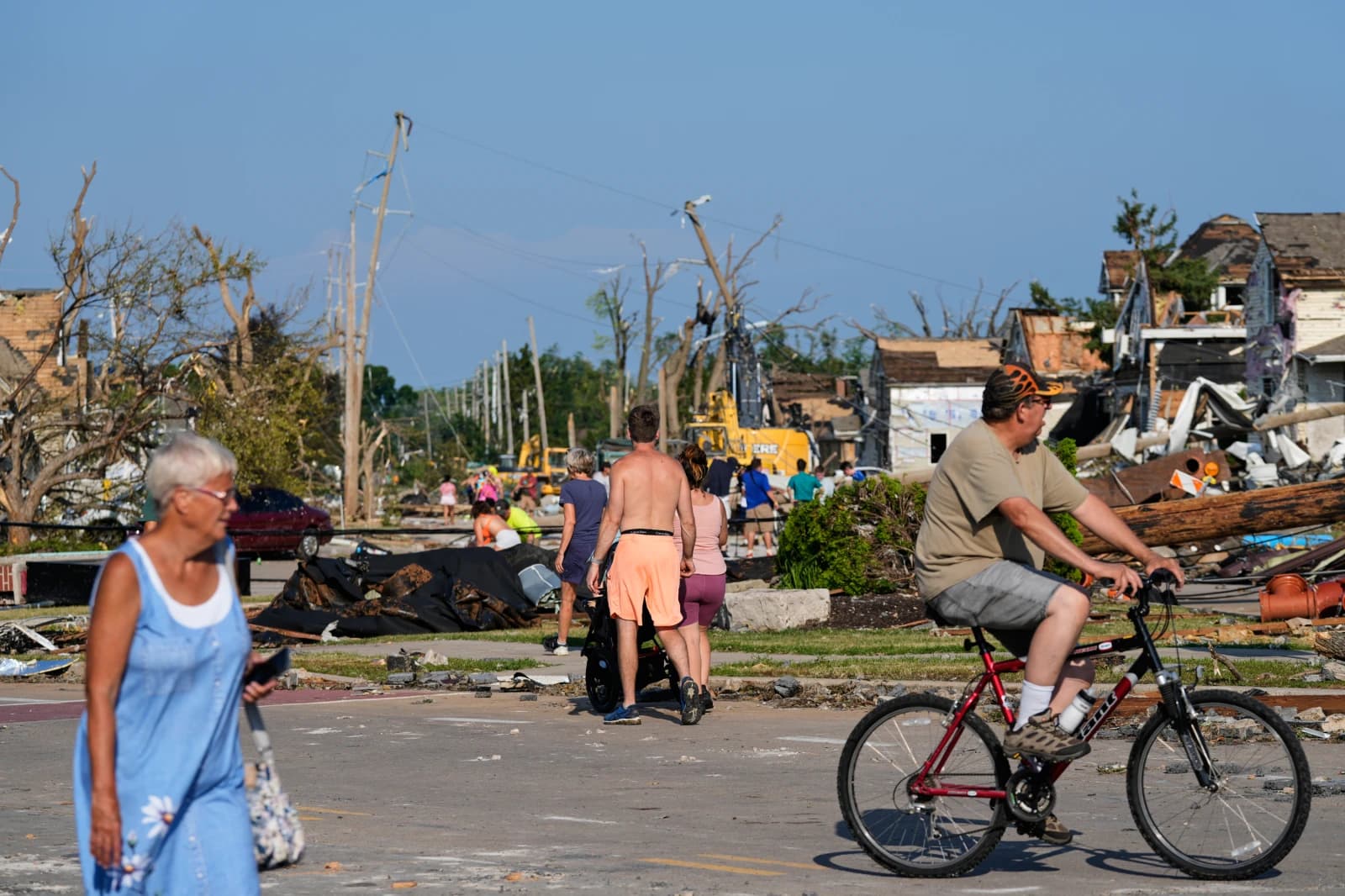
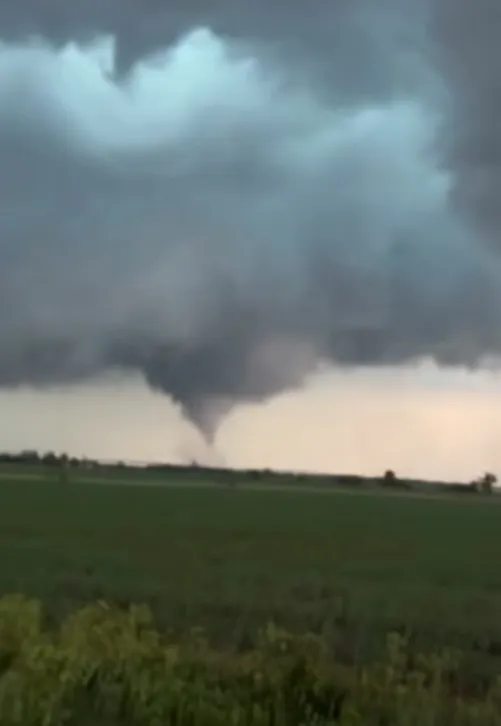
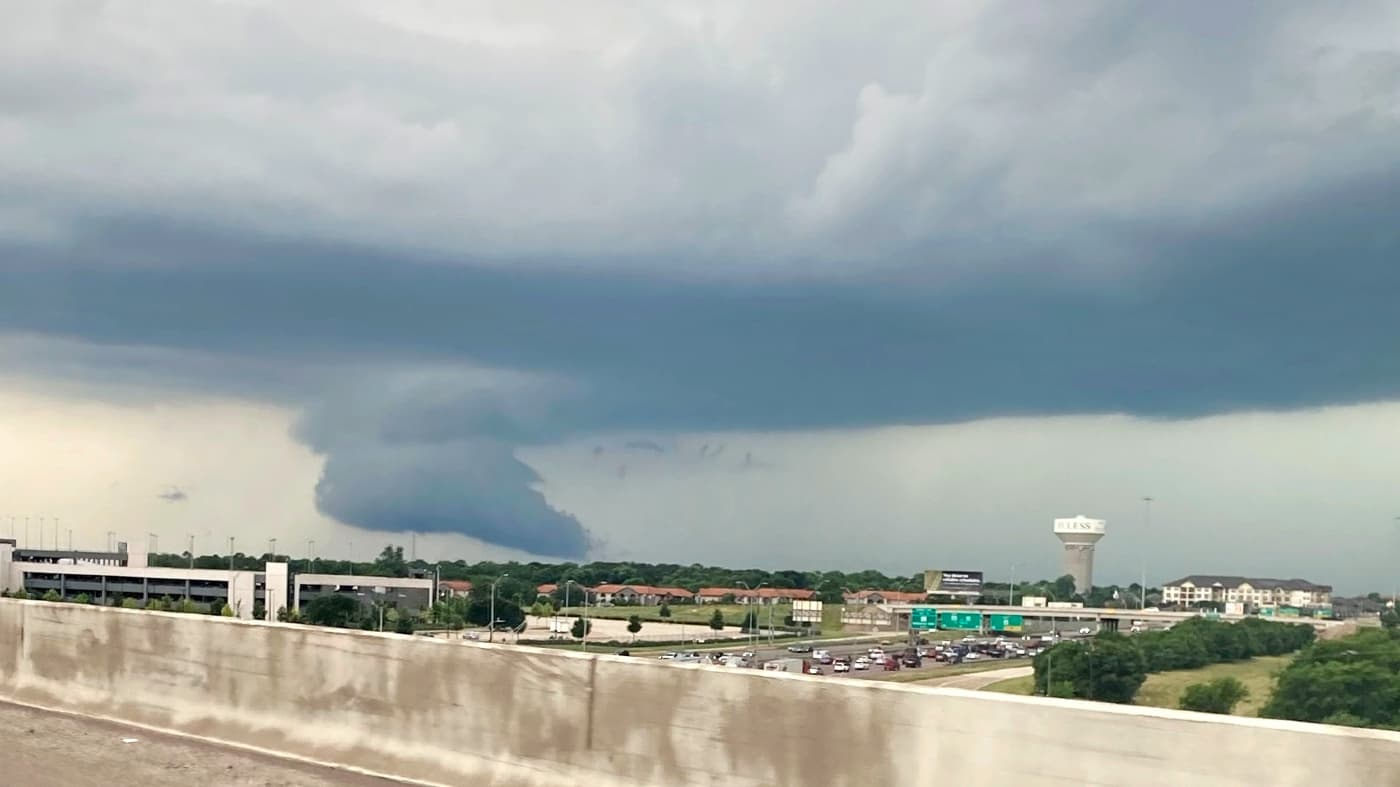
The peak of tornado season may be behind us, but the eastward expansion of what has been traditionally known as Tornado Alley into more populated areas continues to reshape insurance risk across the nation. Record tornado activity in Illinois, Indiana, and Wisconsin this year has driven elevated claims and increasing exposure because of the concentration of population in these regions. The surge in losses reflects not simply a rise in raw tornado counts across the United States, but rather a dangerous shift in where these storms are striking—moving from sparsely populated plains into densely developed metropolitan corridors.
Illinois led all states in tornado activity through the end of July, with 220 confirmed tornadoes recorded. Indiana and Wisconsin also set record-high numbers, marking a dramatic departure from historical patterns. Weather experts attribute the tornado alley shift—beyond traditional areas like Texas, Oklahoma, and Kansas—to a warming climate that transports warmer and more-humid air farther north and east than in the past. Illinois saw its third distinct spike in five years, and the year’s volume already exceeds 2024 and 2025 combined, with average severity up by a factor of four since 2022, according to catastrophe modeling firm Verisk. The 2026 Illinois surge has been concentrated, driven mainly by occurrences in June and July, with strikes concentrated in Cook, Kankakee, and Coles counties. Wisconsin experienced an even sharper spike, up 672 percent year-over-year, though that dramatic increase was driven largely by a single concentrated event in Winnebago County in July. From an insurance perspective, the implications are significant: as tornado activity moves eastward, it encounters far greater population density and property values than the traditional plains states ever experienced.
Tory Farney, vice president of Verisk Weather Solutions, emphasized the core concern facing the insurance industry. “The Tornado Alley’s kind of expanding or shifting a bit eastward, and so I think as we think about that from an insurance perspective and think about ‘What does that mean for insurers,’ I think one of the largest concerns is there’s a lot more population as you move eastward.” The data from Verisk reveal a critical distinction: the numbers of tornadoes nationwide are not increasing, but the losses have tended to be worse when they strike. Overall national tornado claim volume is down, but severity is up. Tornado volume peaked in 2023 and has declined every year since, yet the average estimated reconstruction value has risen every year and is now 72 percent above 2022 levels. There remains some debate about whether this shift will persist or eventually revert to historical patterns. Farney acknowledged the uncertainty: “It’s definitely measurable and we have strong evidence that it is occurring. But will it continue to occur, will it revert back at some point? I think it’s still a point of uncertainty.” Climate change appears to be a significant driver, but recent research is also examining large-scale oscillations such as the Pacific Decadal Oscillation and the Atlantic Multi-Decadal Oscillation as potential contributors to shifting weather patterns across the country.
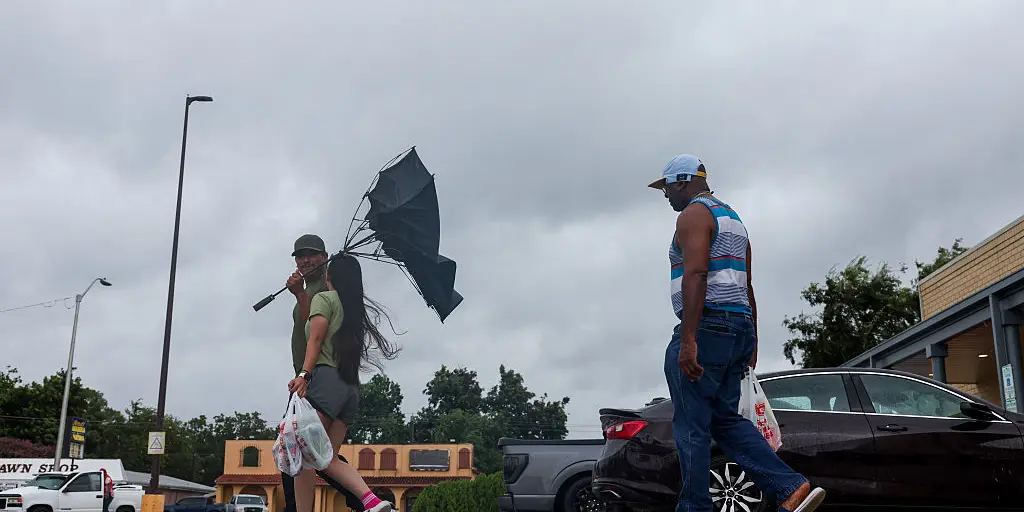
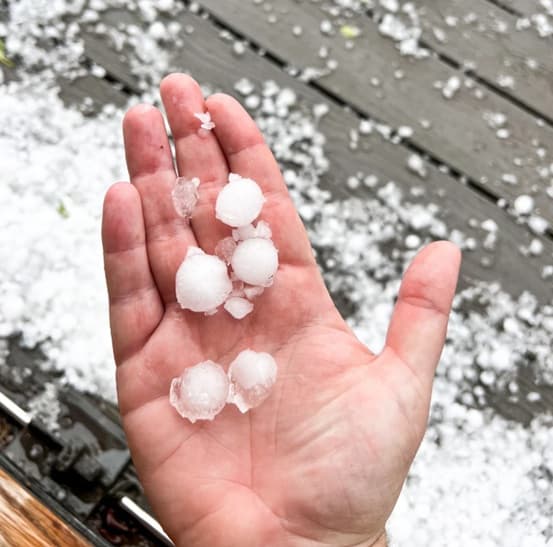
The eastward migration is not limited to tornadoes alone. Other perils associated with severe convective storms—hail, damaging wind, and flash flooding—are also moving eastward and becoming more frequent in regions that historically experienced lower exposure. Hailstorms have driven record insured damages as severe convective storms become more common and damaging in new geographic areas. Farney noted that the trend is comprehensive: “Now we see very similar trends in hail as we do tornadoes with the eastward shift, and so it’s not just a single peril, tornado, that’s shifting. It’s everything that kind of comes with severe thunderstorms. So, it’s hail, it’s wind, it’s instances of flash flooding that are sometimes associated with that—it’s kind of all of those threats, all kind of moving in the same way with that increased frequency more eastward.” Severe thunderstorms now rank among the insurance industry’s most significant catastrophe loss drivers. Frequency perils such as severe thunderstorms, wildfires, winter storms, and inland flooding now account for $98 billion of the industry’s modeled $152 billion average annual catastrophe losses. This represents a fundamental shift in the catastrophe risk landscape, with traditional high-frequency, lower-severity events now driving substantial aggregate losses.

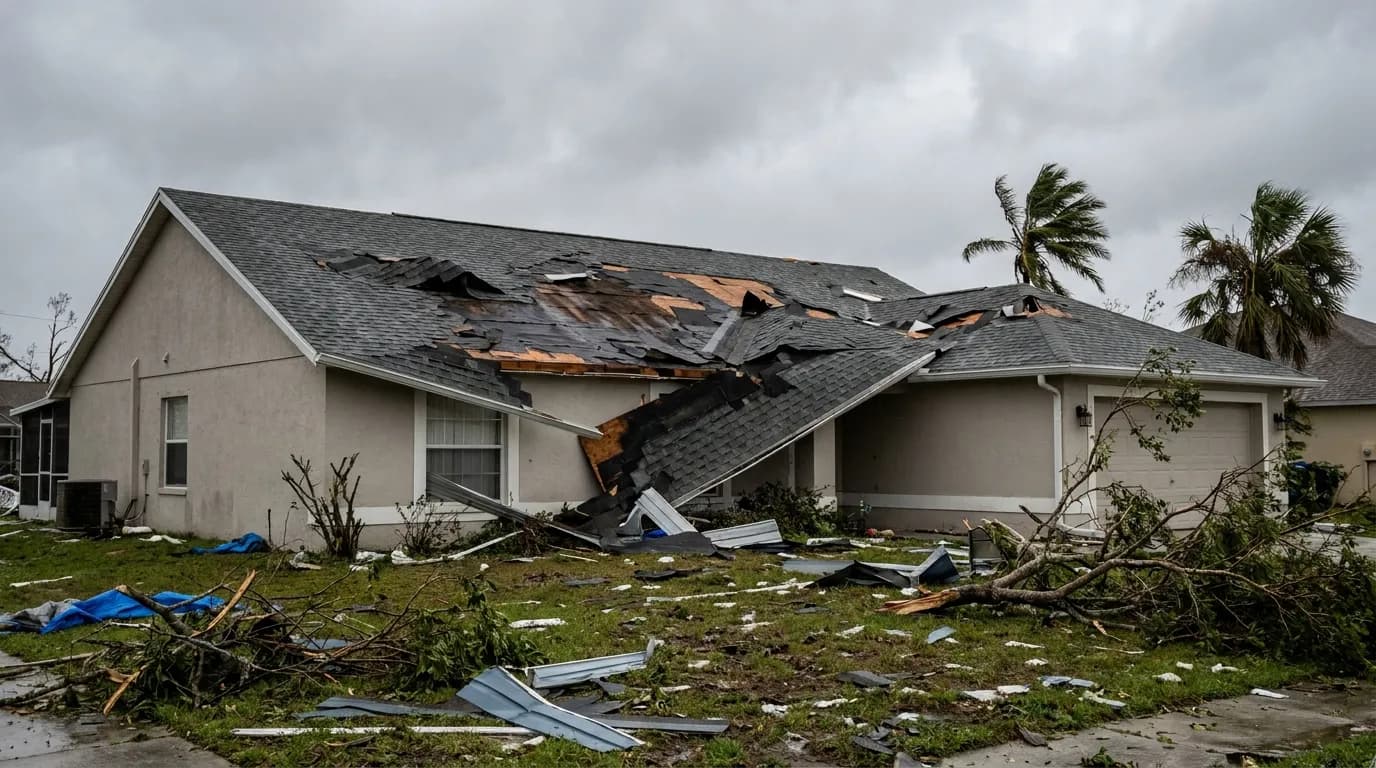
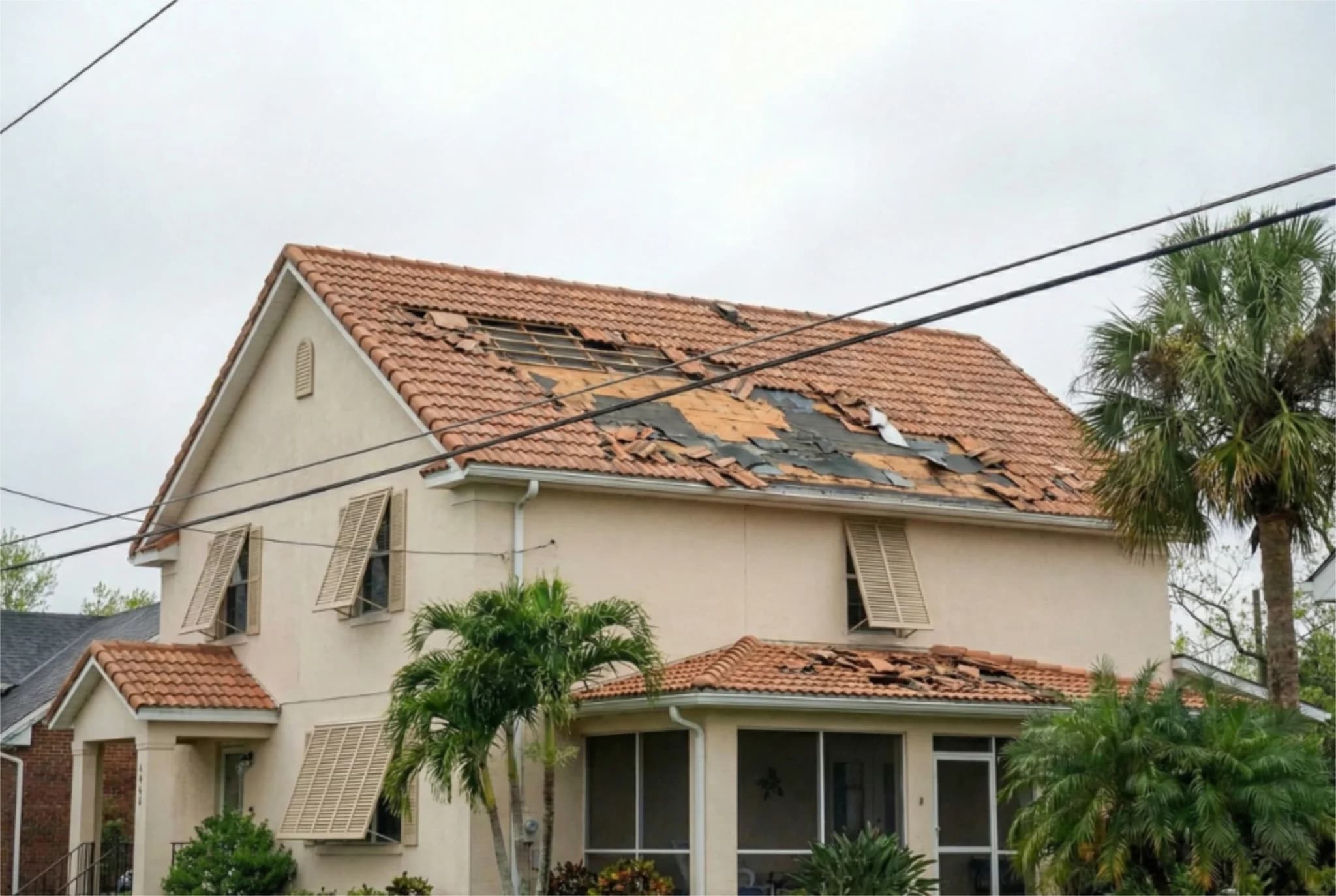
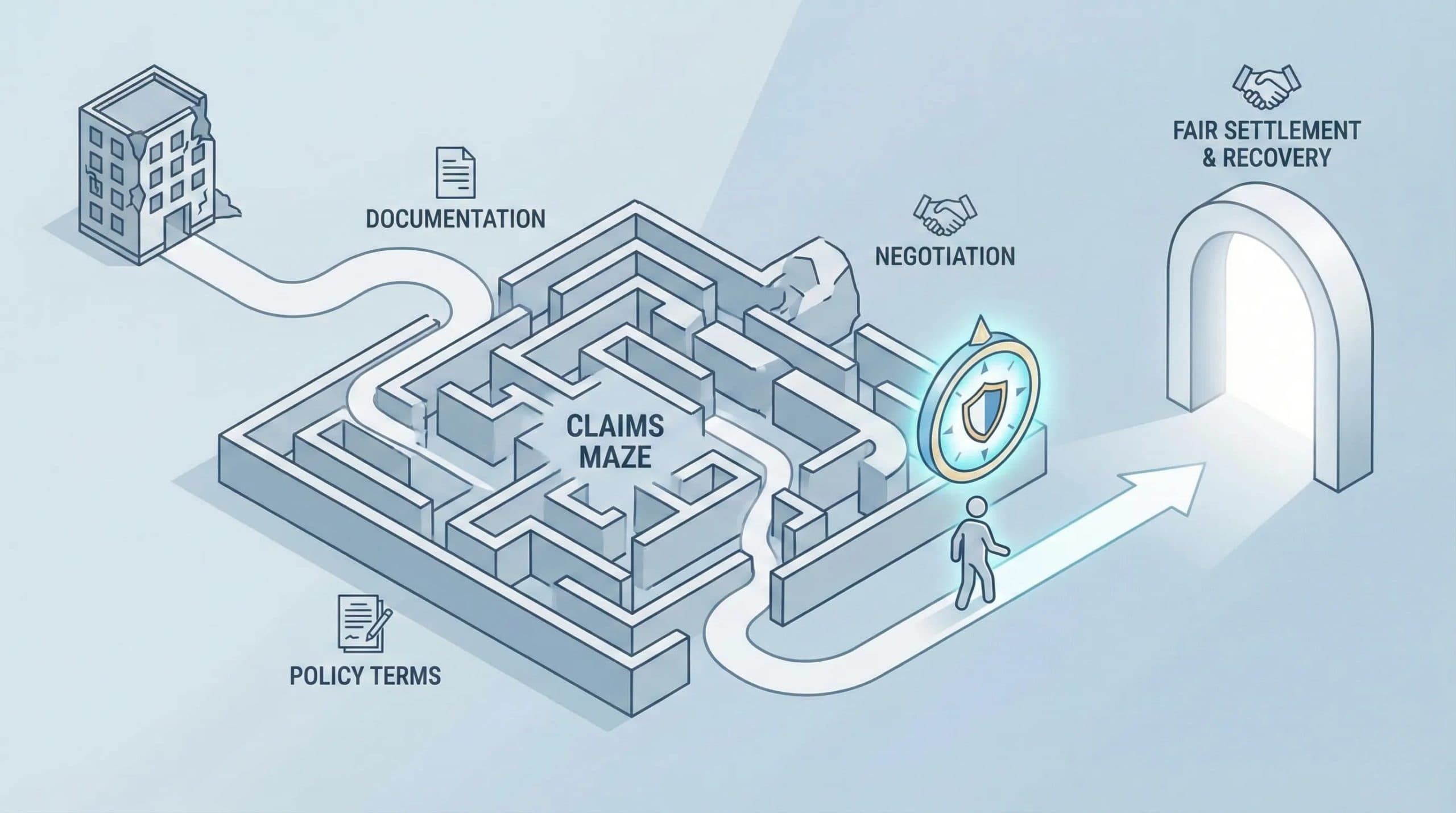
Property exposure growth is compounding the challenge. Verisk found that property exposure in its modeled countries grew an average of 7.3 percent per year between 2020 and 2024, driven by a combination of new construction and higher replacement costs. As population continues to migrate eastward and as climate patterns continue to evolve, the concentration of insurable property in the path of these shifting storm systems creates a compounding risk dynamic. For homeowners in Florida and Texas, and increasingly across the Midwest and Eastern seaboard, understanding the evolving nature of severe weather risk is critical to ensuring adequate coverage. Five Star Claims Adjusting recognizes that storm damage claims are becoming more complex and more frequent in regions that were historically considered lower-risk. Whether you are facing tornado damage, hail damage, wind damage, or the secondary effects of severe thunderstorms, professional assessment and advocacy are essential to maximizing your claim recovery. The shift in Tornado Alley underscores a broader truth: weather risk is dynamic, and insurance strategies must evolve accordingly to protect your property and your financial security.
This article has been sourced from press releases and cross-referenced with multiple websites. Facts originally seen at Source.