New AI Models Predict Storm Surge With Precision, Enabling Better Disaster Preparedness
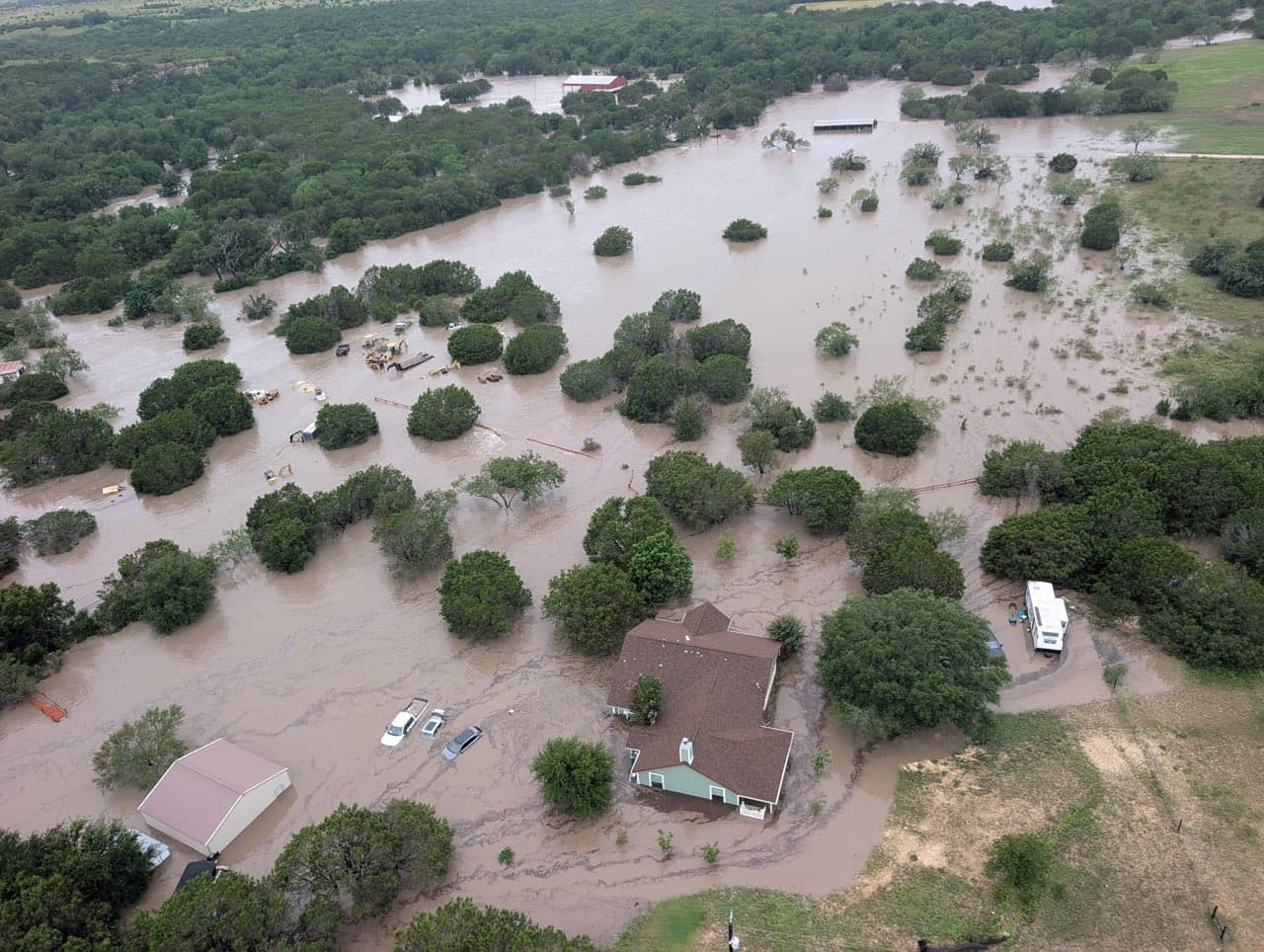
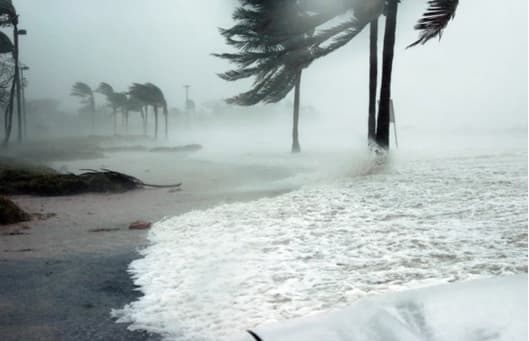
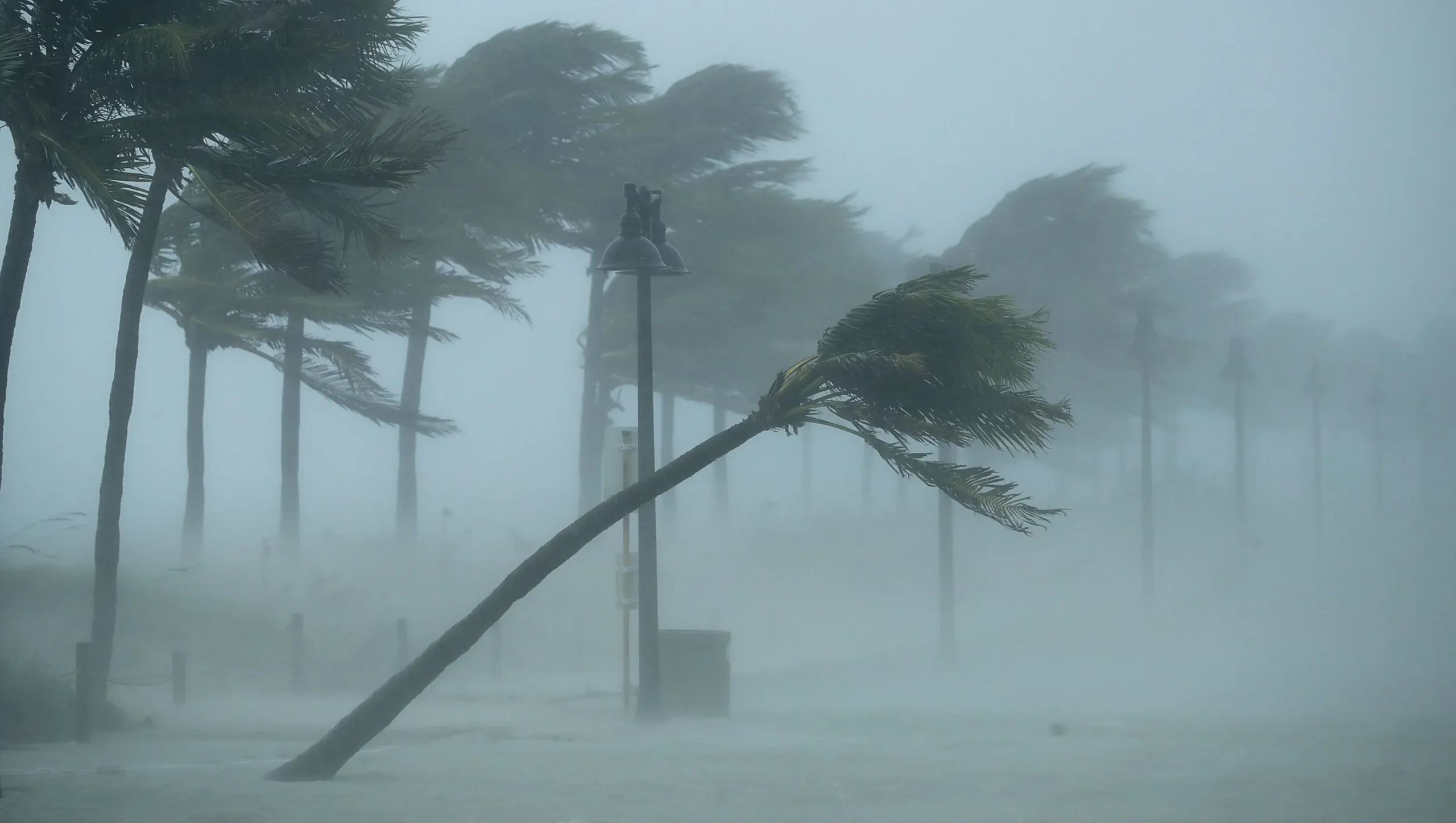
As sea levels continue to rise globally, coastal communities face an escalating threat from extreme storm surges—temporary rises in water level driven primarily by severe storms. For more than 10 percent of the world’s population living in low-lying coastal regions, the combination of gradual mean sea level rise and increasingly intense extreme events represents a growing challenge to infrastructure, urban planning, and disaster preparedness. Researchers have developed a novel artificial intelligence model that can predict these dangerous storm surges with remarkable accuracy, even under future climate conditions, offering coastal planners and policymakers a powerful new tool for adaptation and risk management.
The core challenge facing coastal communities is not simply the expected rise in mean sea level, but rather the changes in the likelihood and severity of extreme events. Traditional physics-based models, which use physical laws to represent how coastal waters move and respond to atmospheric forcing, can simulate these processes in considerable detail. However, these models are computationally expensive, making it difficult for planners to explore a wide range of future scenarios and uncertainties. This limitation has constrained the ability of decision-makers to understand the full spectrum of potential coastal flood risks. Artificial intelligence offers a transformative solution to this computational bottleneck. Because AI models can generate predictions much faster than traditional physics-based approaches, they enable the exploration of large ensembles of future scenarios that would be prohibitively expensive using conventional models alone. This capability is particularly important for risk assessment, where understanding the probability of rare but catastrophic outcomes is essential for protecting human lives and critical assets.
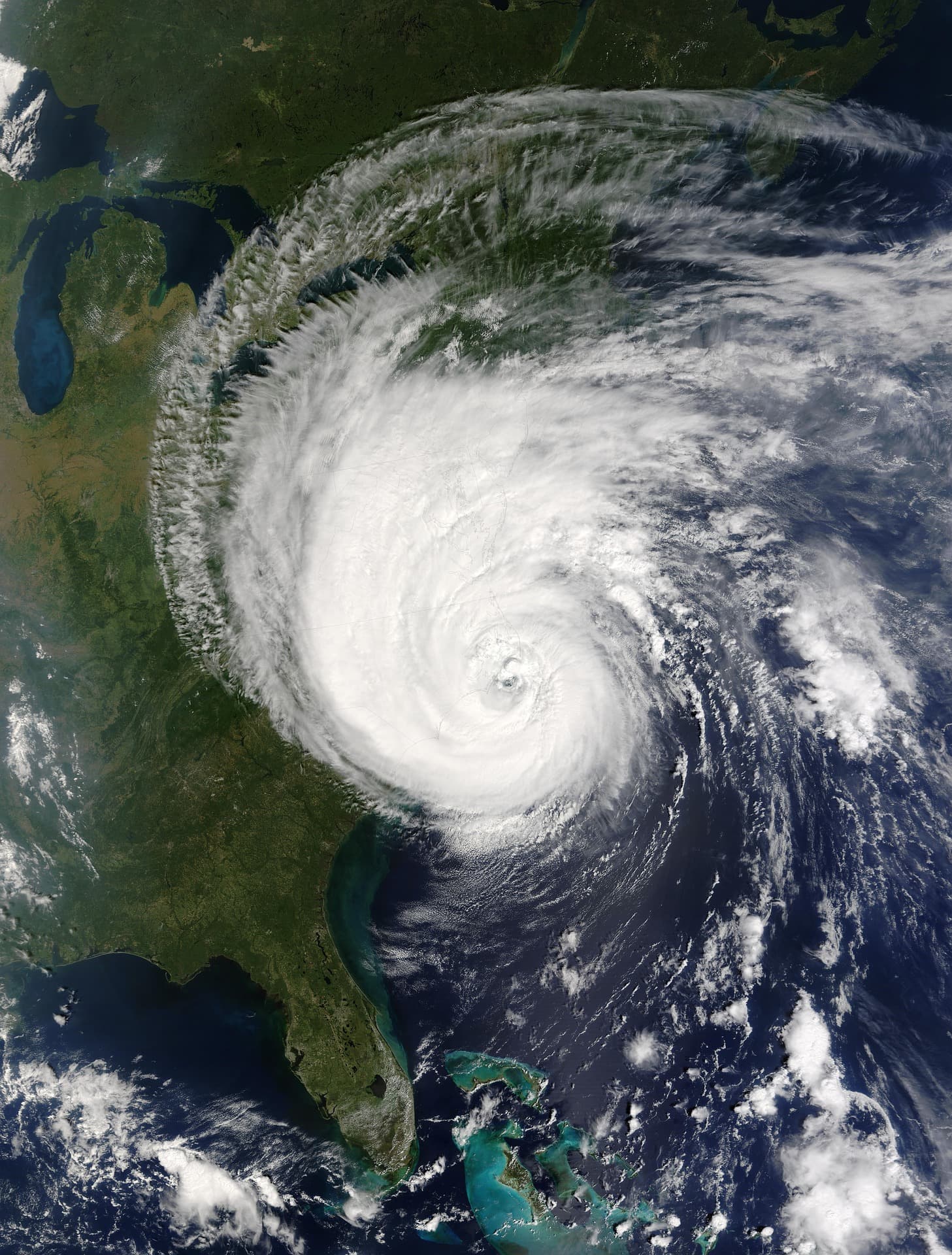
Researchers recently published findings in Earth’s Future demonstrating that AI-based models can accurately predict extreme sea level events when trained to emulate the outputs of physics-based simulations. The study focused on the New York City coastal area as a case study, given its high exposure to coastal flooding, dense population, critical infrastructure, and major economic assets. The region has experienced devastating storm surges in recent history, including during Hurricane Sandy in 2012, which caused numerous fatalities and over 60 billion dollars in economic damage. The AI emulator was trained using openly available physics-based simulations from the Global Tide and Surge Model, and the results show that AI models can successfully learn the complex dynamics behind storm surge events and reproduce extremes with high accuracy, including under future climate scenarios projected through the mid-21st century. The approach combines the physical realism of traditional models with the efficiency and flexibility of artificial intelligence. Physics-based models remain essential for representing the underlying processes and for generating the high-quality data needed to train and validate AI models, ultimately building trust in their AI counterparts. By merging these complementary tools, researchers are developing a new generation of coastal risk assessment frameworks that will be critical for informing adaptation strategies and helping societies better prepare for a future where extreme sea level events might become more frequent and more severe.
However, important gaps and limitations remain in the application of AI to coastal flood prediction. The next steps involve testing the robustness of such AI tools across a wider range of climate scenarios and integrating them into operational risk assessment frameworks and global climate data services that provide hydro-climatic and coastal information to decision-makers. More broadly, AI models have the potential to address several critical needs in coastal risk analysis, but researchers must improve and rigorously quantify their transferability across a wide range of future scenarios, better represent uncertainties associated with physics-based parameters embedded in the training data, and assess how well these models generalize across different geographic locations.
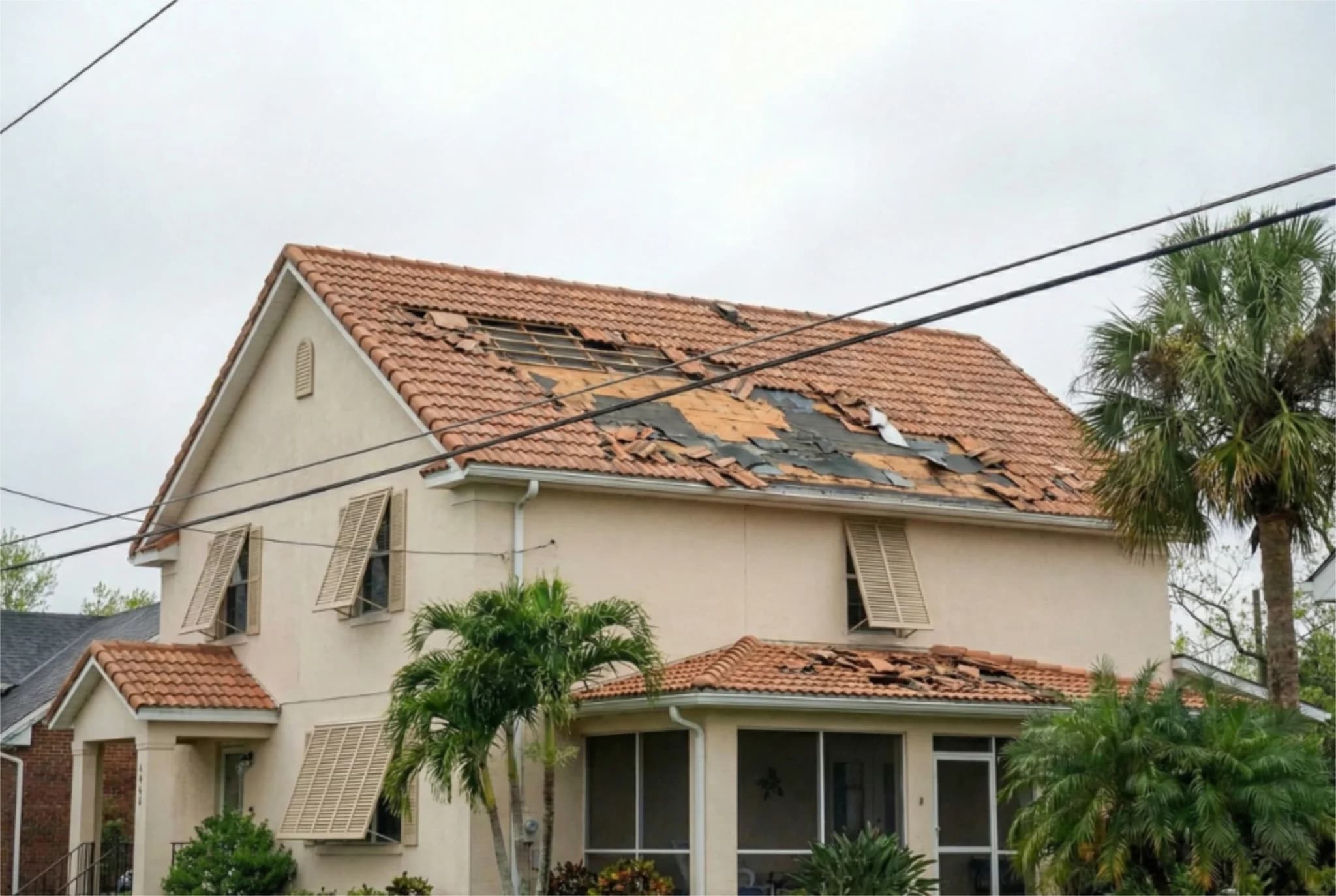
Clarifying the limits of AI extrapolation capabilities will be essential for building confidence in their use for decision-making, particularly under conditions not seen before due to climate change and non-stationarities—changes in climate regimes and more intense extremes than what was observed historically. For property insurance professionals and claims adjusters, particularly those working in high-risk coastal areas like Florida and Texas, these advances in storm surge prediction represent a significant opportunity to better understand and prepare for future extreme weather events. Five Star Claims Adjusting recognizes that accurate risk assessment and early warning systems are critical components of effective disaster preparedness and storm damage response. As coastal communities increasingly adopt AI-driven prediction tools, the ability to anticipate and respond to extreme weather events will become more precise, enabling better protection of both residential and commercial properties before storms strike and more efficient claims processing in their aftermath.
This article has been sourced from press releases and cross-referenced with multiple websites. Facts originally seen at Source .