Rising Waters and Insurance Gaps Create Urgent Need for Preparedness
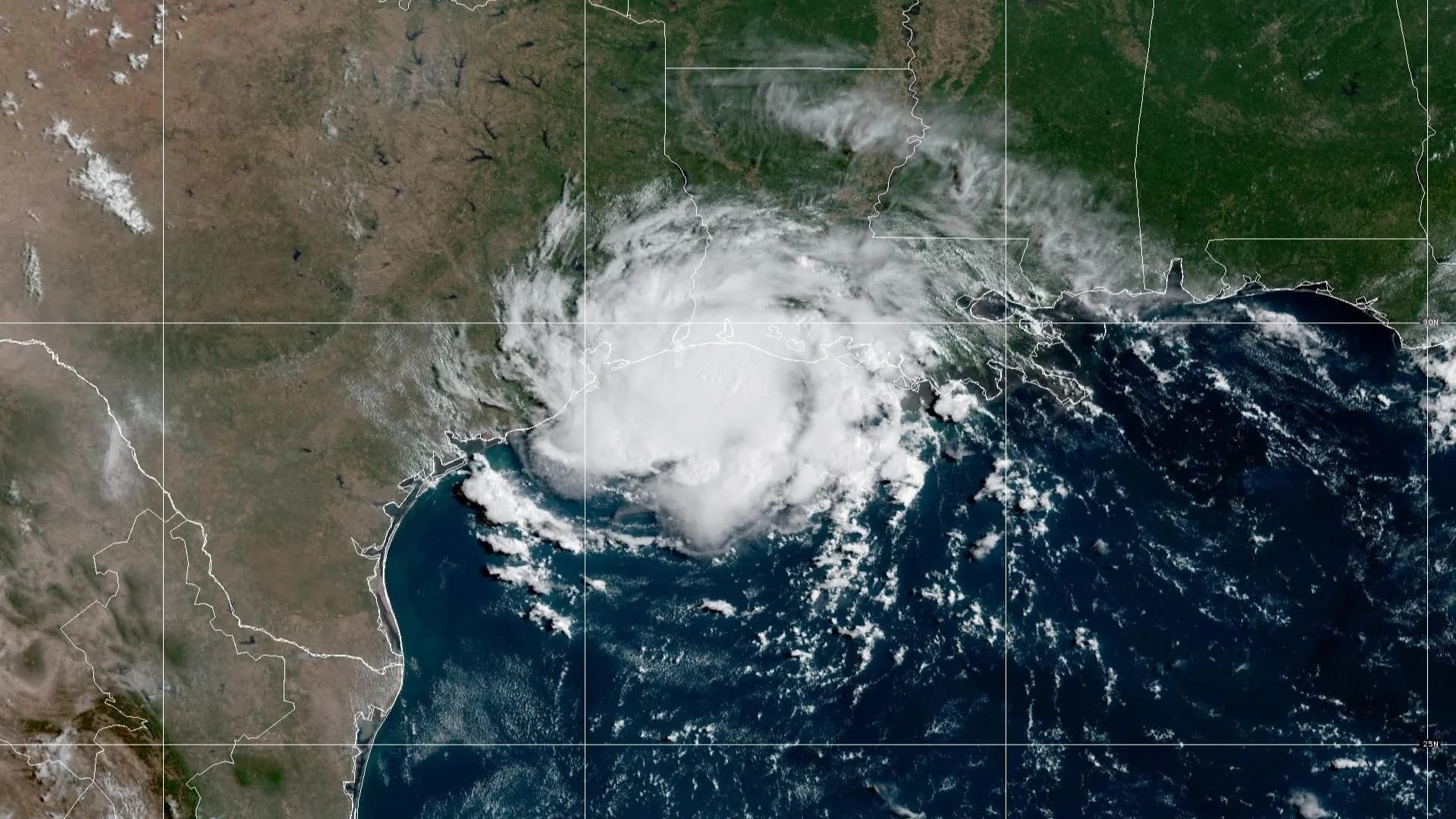
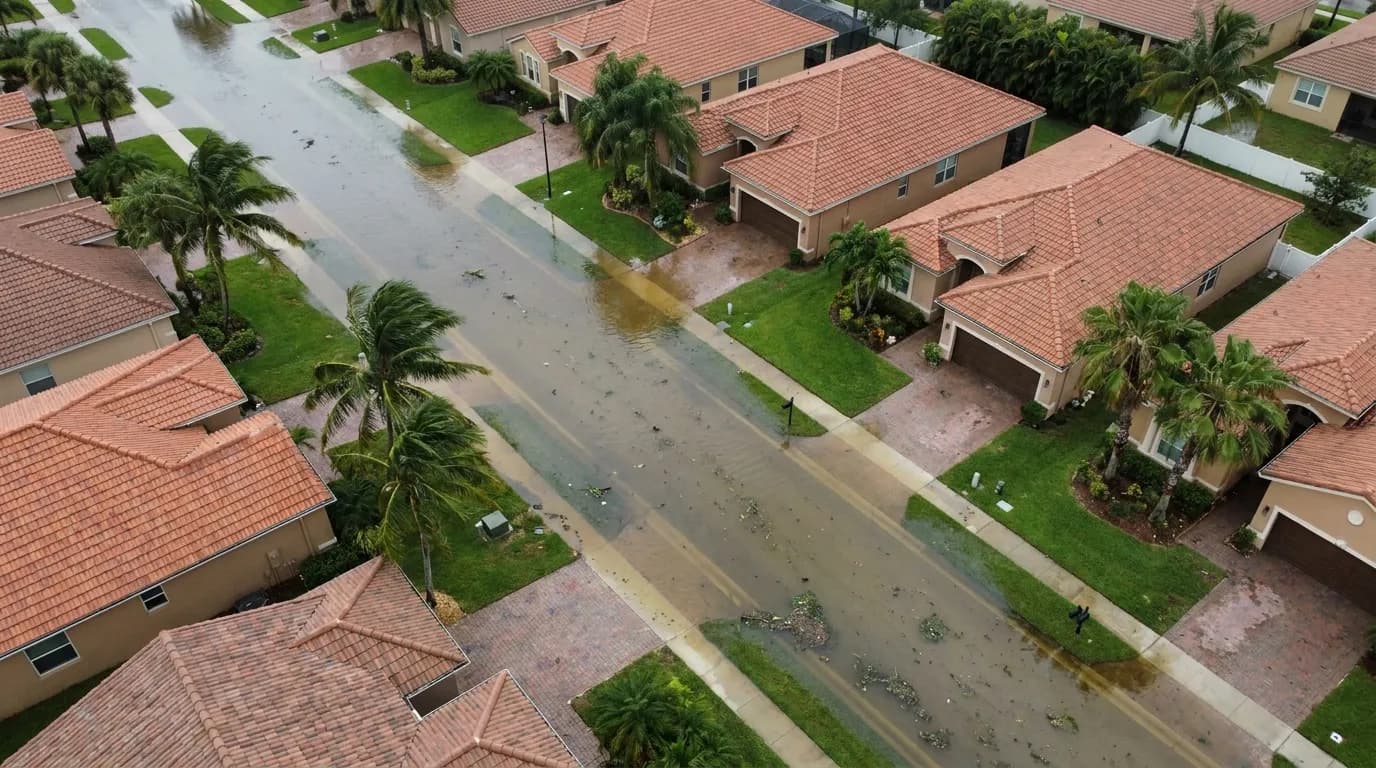
Across the United States, flood risk is rising at an alarming rate in regions many homeowners never considered vulnerable. The acceleration of flood-related disasters has outpaced traditional insurance models, leaving millions of Americans underprotected and unprepared for the financial devastation that water damage can bring. Understanding where this risk is concentrating and what it means for your property is no longer optional—it is essential. The geography of flood danger in America is shifting. While coastal areas have long been recognized as high-risk zones, inland communities from the Midwest to the Southeast are experiencing unprecedented increases in flood frequency and severity. States like Texas, Louisiana, and Florida have always battled water-related challenges, but newer hotspots are emerging in regions where historical flood data provides little comfort. Heavy rainfall events that were once considered rare are becoming routine, and communities built on assumptions about water patterns established decades ago are discovering those assumptions no longer hold.
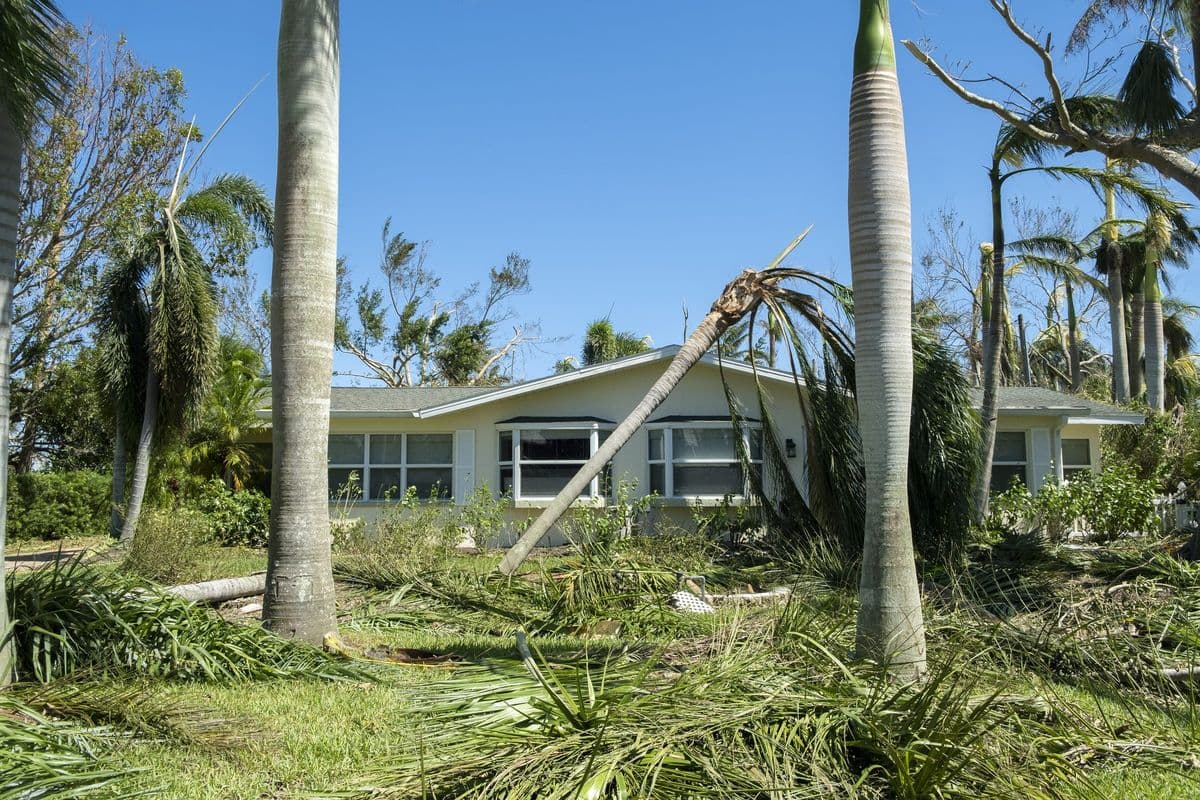
The insurance industry has been slow to adapt to this reality. Standard homeowners policies typically exclude flood damage, leaving property owners to rely on the National Flood Insurance Program or private flood insurance policies. However, many homeowners remain unaware of this critical gap in coverage. The disconnect between perceived risk and actual exposure has created a dangerous situation where families believe they are protected when they are not. In states experiencing the fastest-rising flood risk, this coverage gap has become a financial catastrophe waiting to happen. Florida and Texas exemplify this challenge. Both states face compounding pressures from heavy rainfall, aging drainage infrastructure, and in Florida’s case, sea-level rise driven by climate change. Homeowners in these states are discovering that their standard policies do not cover flood damage, and obtaining adequate flood insurance has become increasingly expensive and complicated. The situation is further complicated by the fact that flood risk assessment tools and insurance pricing models are still catching up to the reality of current conditions.
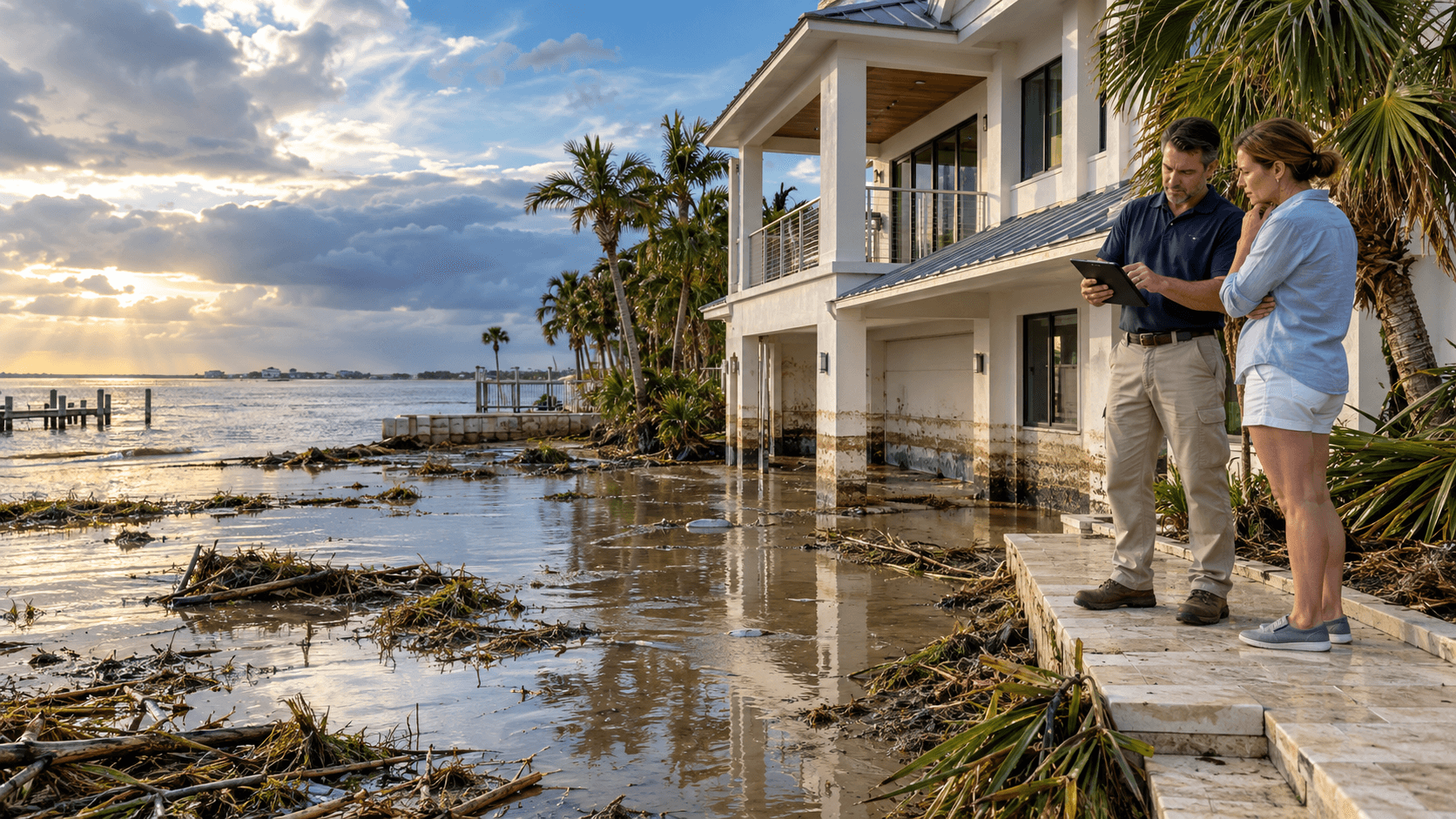
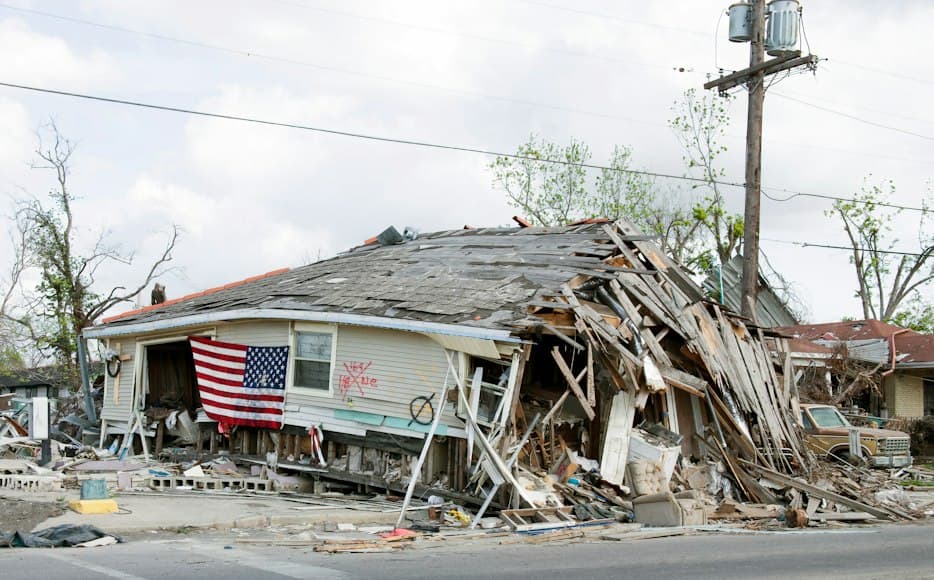
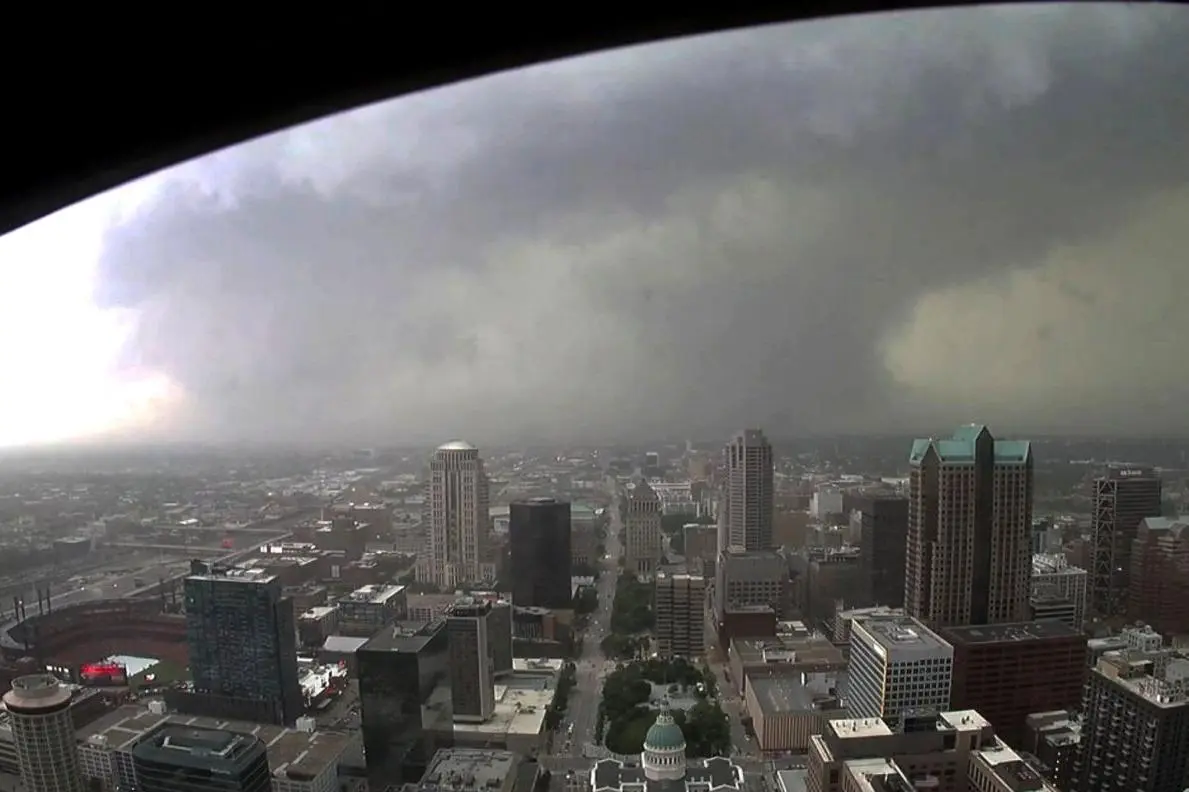
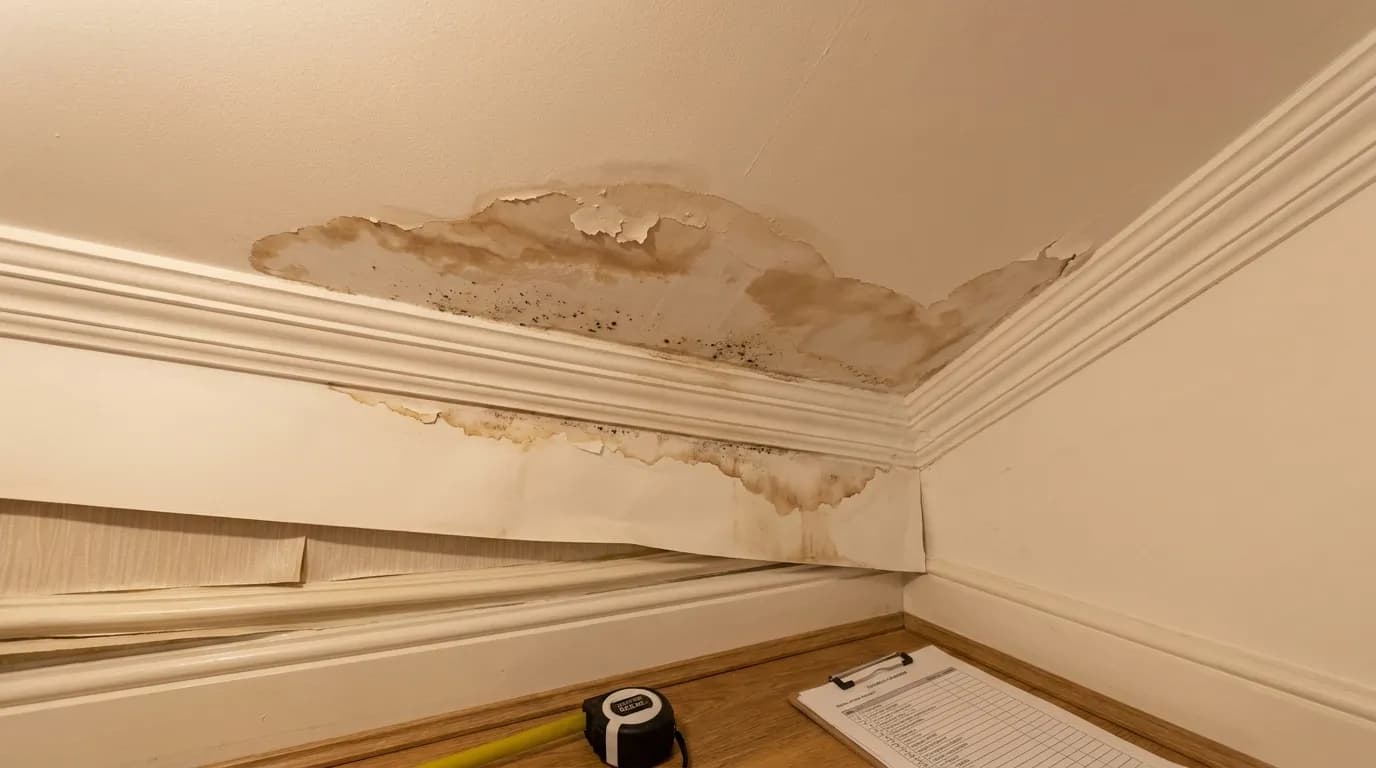
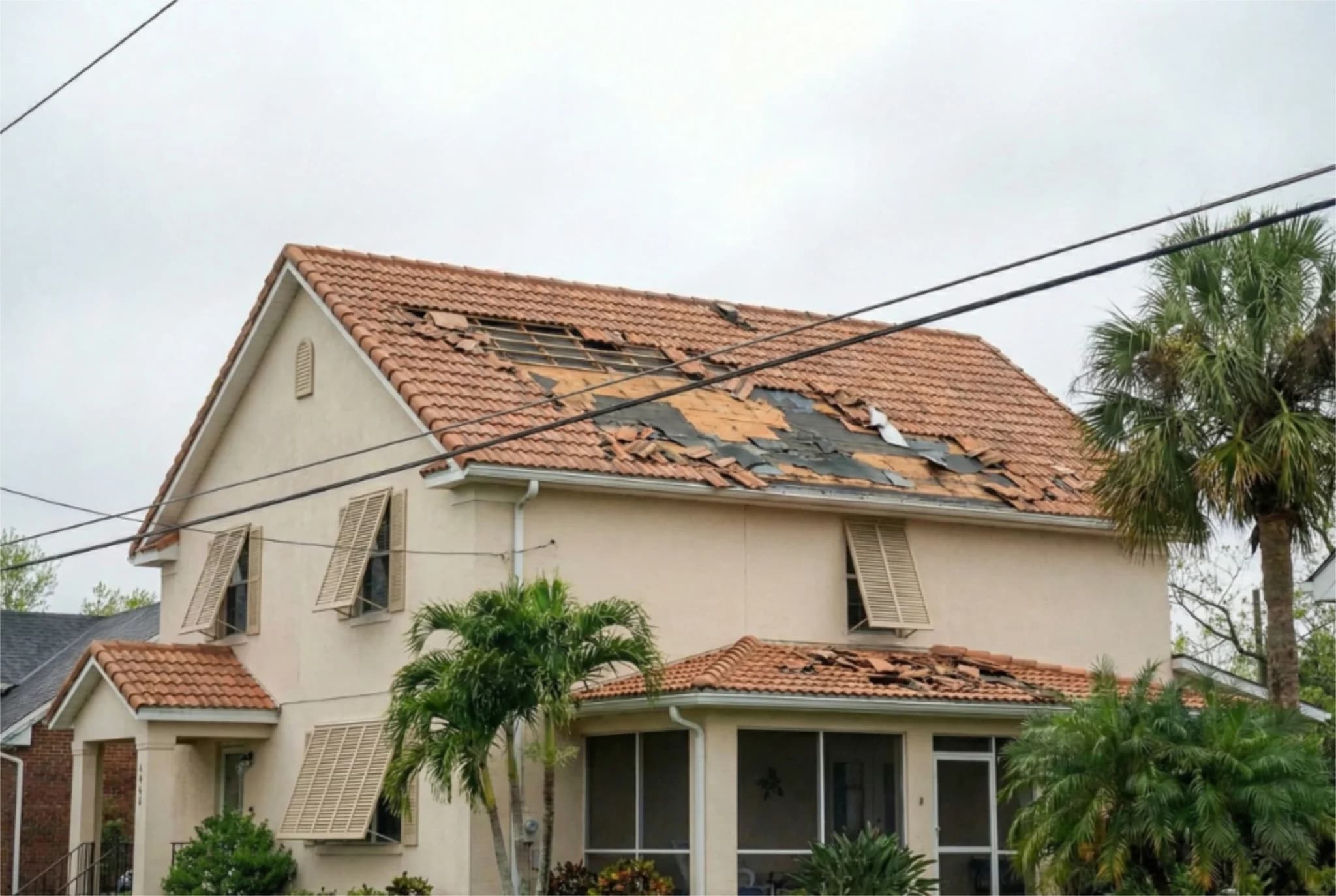
The fastest-rising flood risk areas share common characteristics. They tend to be regions experiencing rapid urbanization, where development has outpaced infrastructure upgrades. They often sit in areas with aging stormwater systems that were designed for historical rainfall patterns rather than current climate realities. Additionally, many of these communities lack the elevation or natural drainage features that might mitigate water accumulation. When heavy rain falls—and it is falling more frequently and intensely—these areas become vulnerable to flooding that can cause hundreds of thousands of dollars in damage. Property owners in high-risk flood zones face a difficult choice. Obtaining comprehensive flood insurance is expensive, but the alternative—going uninsured—exposes them to catastrophic financial loss. A single flood event can destroy a home’s foundation, ruin electrical systems, contaminate living spaces with contaminated water, and create mold problems that persist for years. The cost of recovery without insurance often exceeds the cost of premiums paid over many years.
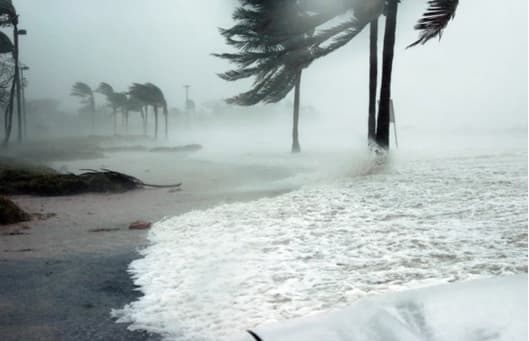
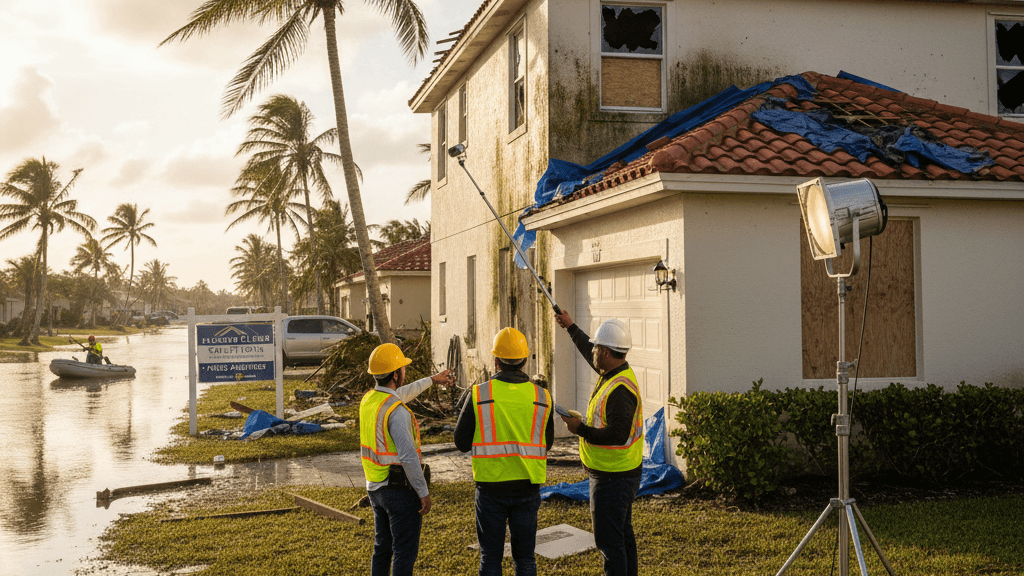
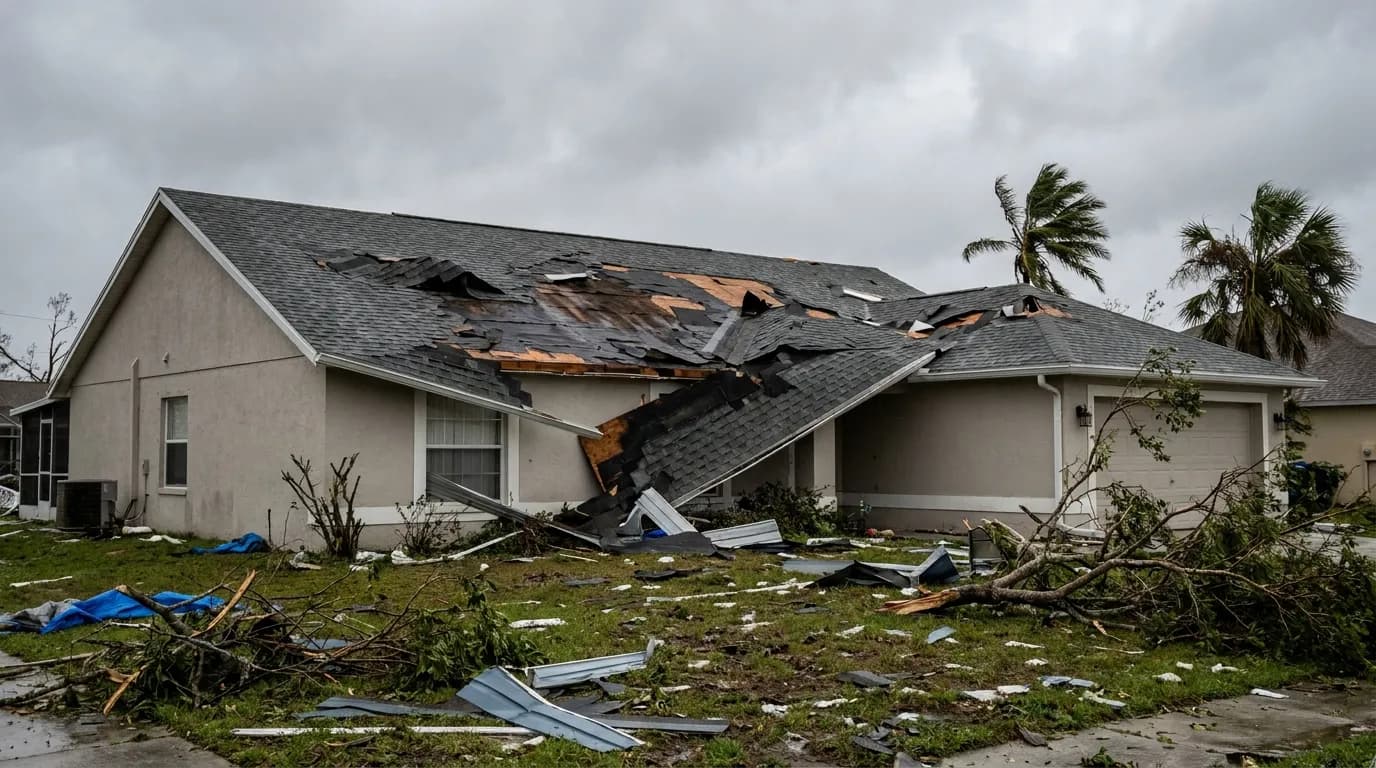
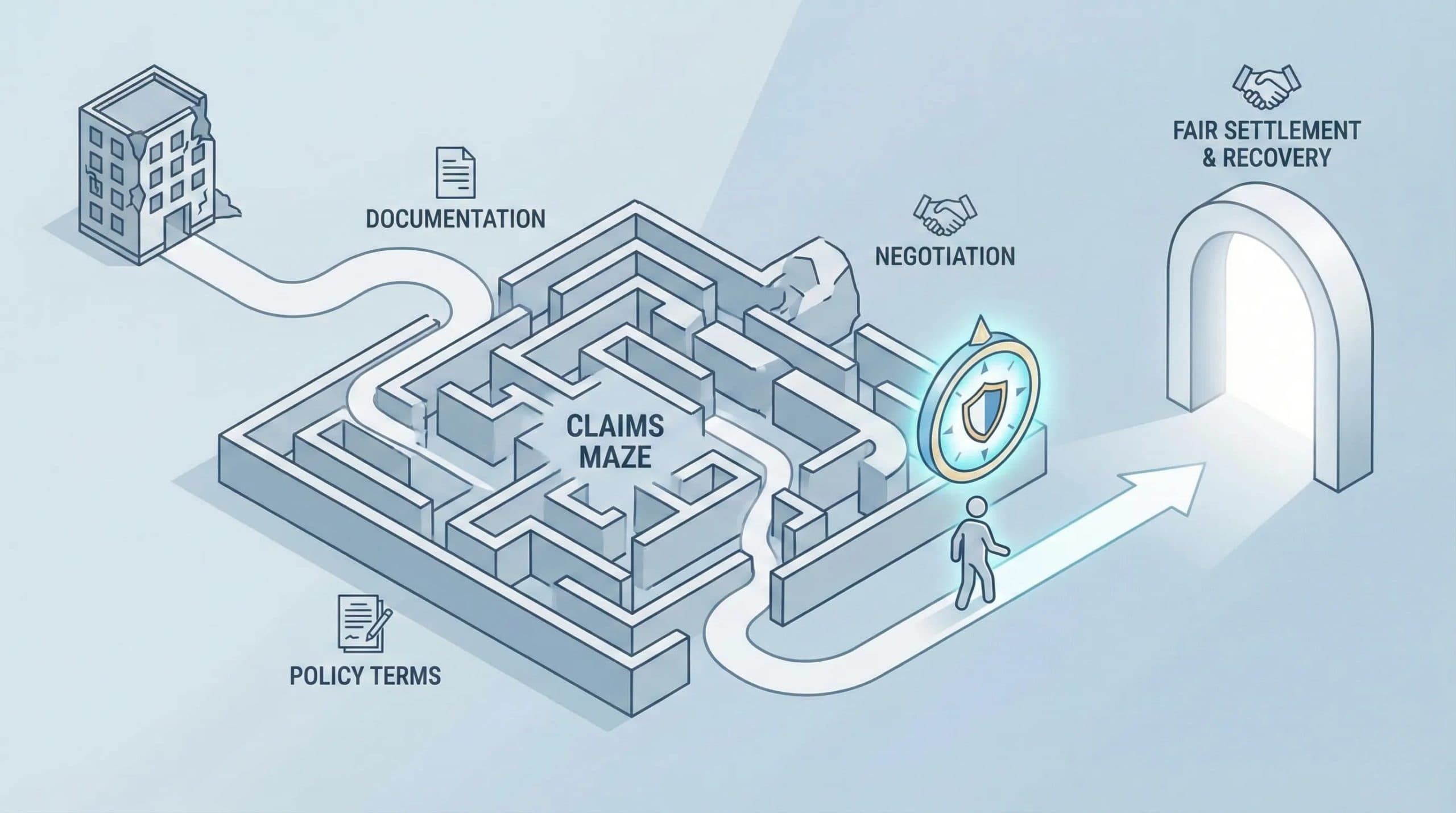
Beyond insurance, homeowners in rising-risk areas should consider structural and preventive measures. Elevating utilities, installing backflow preventers, improving grading and drainage around the property, and maintaining gutters and downspouts can reduce vulnerability. Some communities are investing in resilience infrastructure like improved stormwater systems and retention ponds. However, individual property owners cannot rely solely on community-level solutions. Personal preparedness and adequate insurance remain the most reliable protections. For those who have experienced flood damage or are concerned about their current coverage, professional guidance becomes invaluable. Five Star Claims Adjusting specializes in helping homeowners navigate the complex landscape of water damage claims and flood-related losses. Whether you are dealing with storm surge, heavy rainfall, or drainage failures, understanding your policy limits, coverage options, and claim rights is essential. Five Star’s storm damage assistance services can help you assess your vulnerability, review your current coverage, and develop a comprehensive protection strategy tailored to your specific property and risk profile.
The trend toward accelerating flood risk is not reversing. Climate patterns continue to shift, and communities continue to develop in ways that increase vulnerability. Homeowners who wait for flood damage to occur before addressing their insurance and preparedness will find themselves in a reactive position, often facing significant out-of-pocket costs. Those who act now—by securing appropriate coverage, making structural improvements, and understanding their policy details—position themselves to weather the storms ahead. The question is not whether flood risk will affect your community, but whether you will be prepared when it does.
This article has been sourced from press releases and cross-referenced with multiple websites. Facts originally seen at Source .