New Study Projects 36-42% Increase in Hailstorm Damage Potential by Late Century
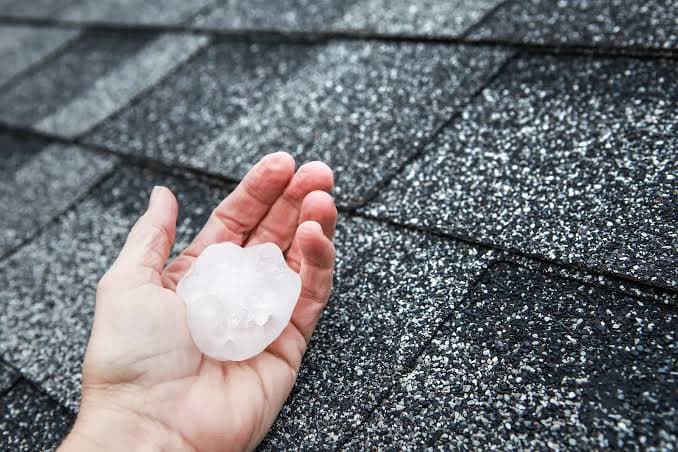
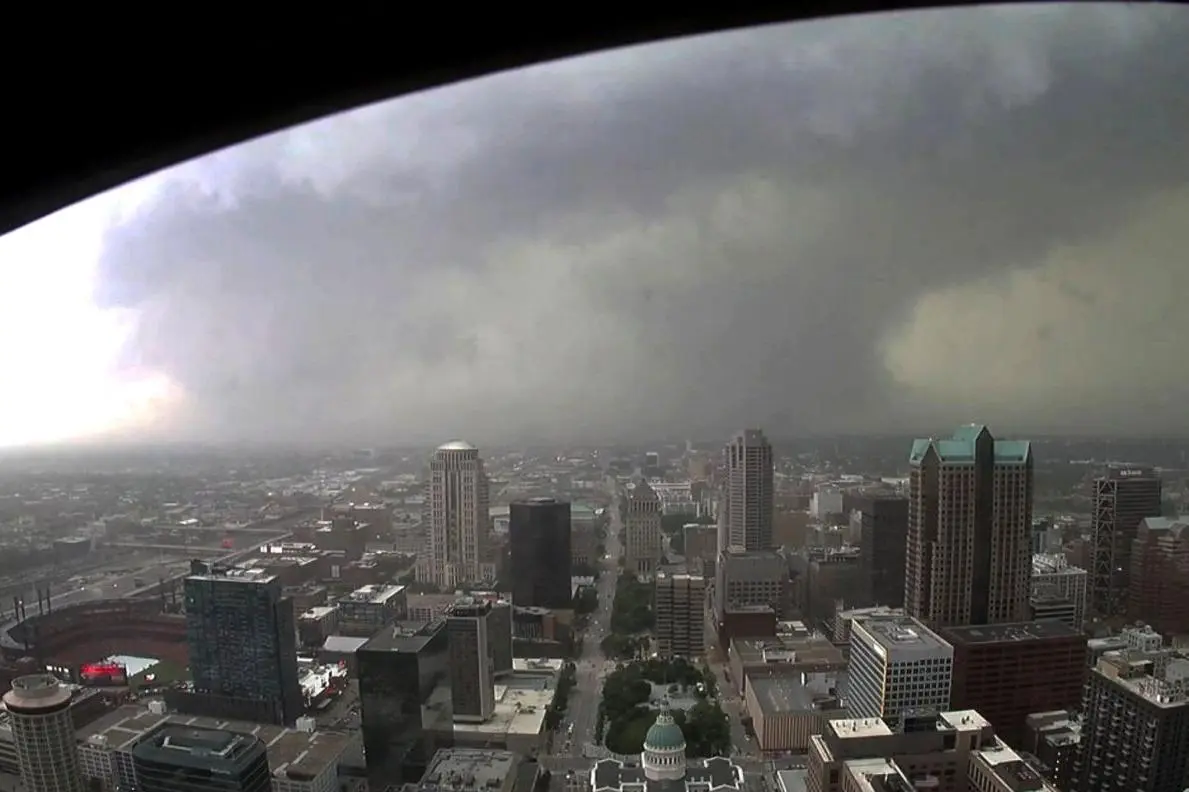
A landmark study published in Nature has confirmed what property insurers and homeowners are already experiencing: climate change is making hailstorms more destructive. Researchers from Peking University and Central Michigan University project a 36.5% to 42.1% increase in global hailstorm-induced damage potential by the late twenty-first century, with the magnitude determined by future emission scenarios. The findings align with troubling trends already visible in claims data across the country. The research reveals that the frequency of hailstones larger than 1.18 inches in diameter will rise by as much as 52%, while smaller stones will likely become less common. This shift toward larger, more damaging hail is driven primarily by warmer temperatures and higher humidity near the planet’s surface. John Allen, co-author from Central Michigan University, emphasized the urgency of the problem: “We’ve seen record hailstones in recent years. I find this extremely concerning because we’re not really building our environment to be resilient to hail. We don’t include this in our design standards, for example, for built homes in the U.S. or indeed internationally.”
The mechanism behind larger hail is straightforward but consequential. Warmer air holds approximately 4% more water vapor per degree Fahrenheit, which increases the available energy and strengthens updrafts in thunderstorms. This enhanced atmospheric energy leads to more thunderstorms capable of producing hail, and those storms generate larger, more damaging stones. As residential and commercial development continues to expand into hail-prone regions, and as solar panels and vehicles become more prevalent, the potential for catastrophic losses grows exponentially. Recent industry data corroborates the academic findings. The geographic variation is striking: Texas and Kansas experienced claim increases exceeding 27% during the same period, while Illinois and Colorado saw significant declines. This regional volatility underscores the unpredictable nature of severe convective storms and the challenge they pose to underwriting and claims management.
Cotality, a property data and analytics firm formerly known as CoreLogic, released a report in March that reframed the severity of the hail threat. In 2025, the United States recorded 142 days with damaging hail, seven more than in 2024 and well above the 20-year average of 122 days. This acceleration in frequency, combined with the projected increase in stone size, creates a compounding risk that extends far beyond traditional hurricane seasons. Allen’s research suggests that hailstorms actually cause more aggregate damage than tornadoes and hurricanes combined. For property owners and insurers alike, this represents a fundamental shift in risk exposure that demands immediate attention to mitigation, adaptation, and claims preparedness.
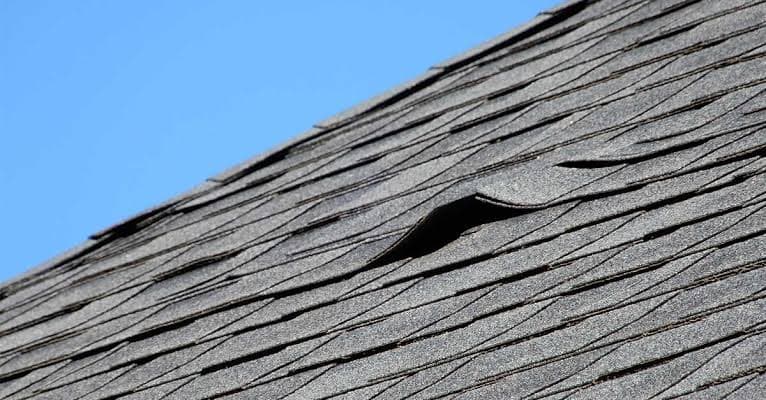
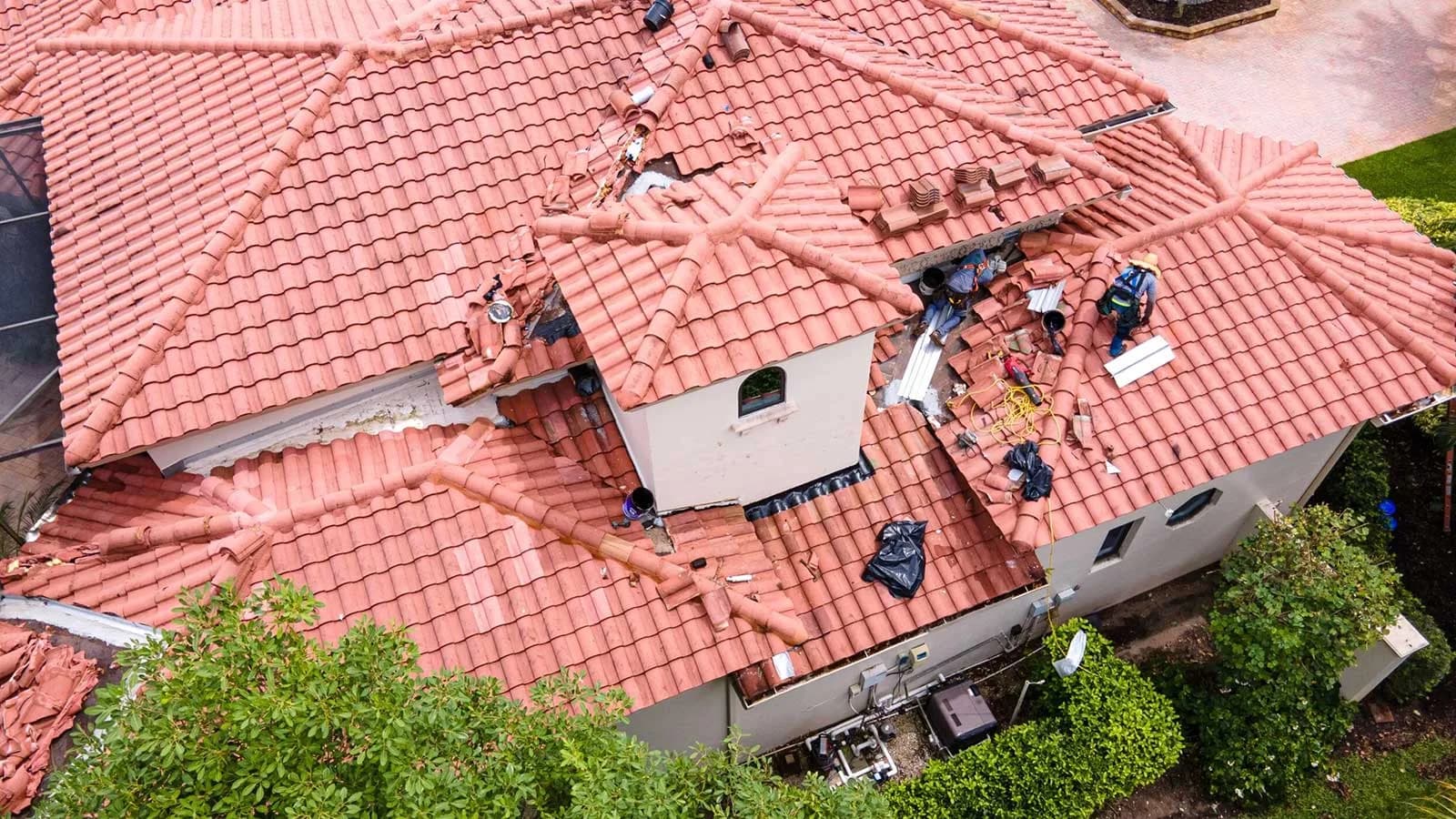
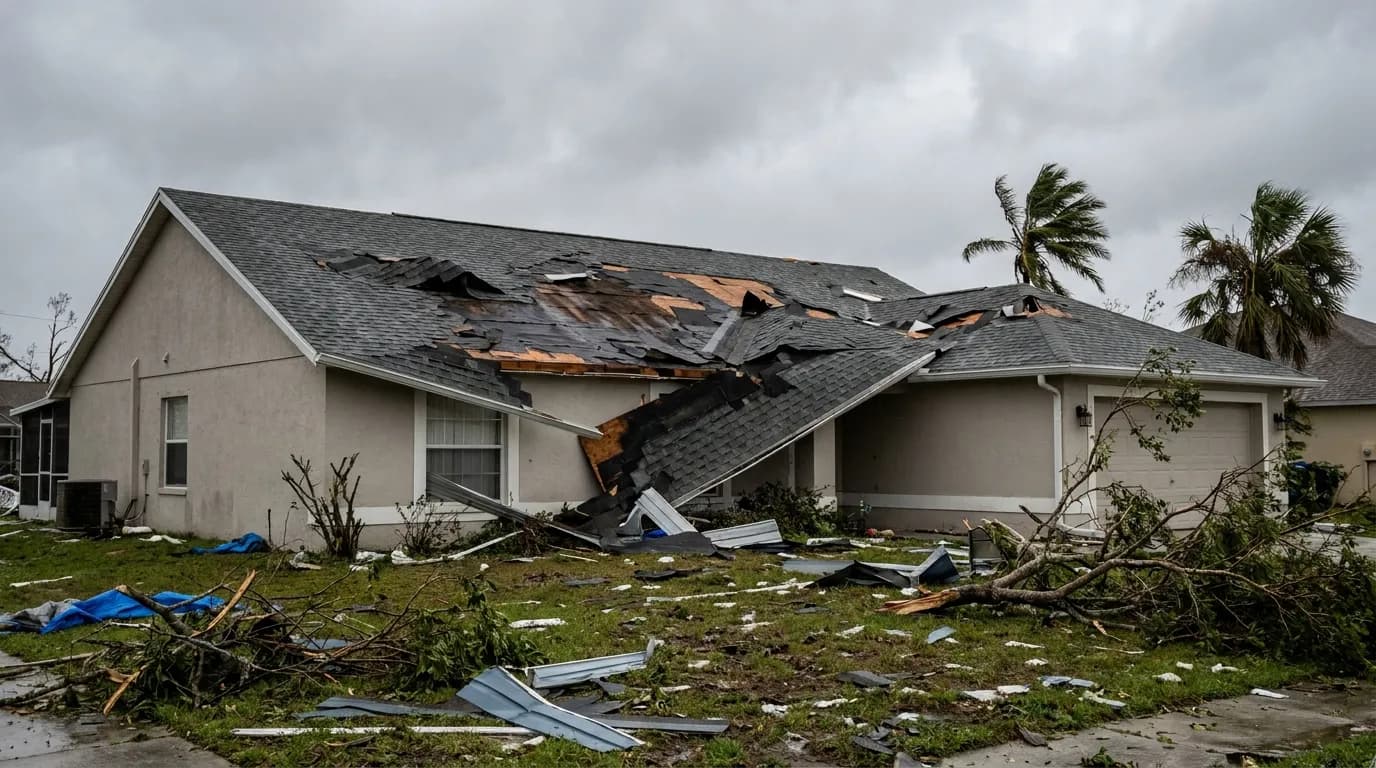
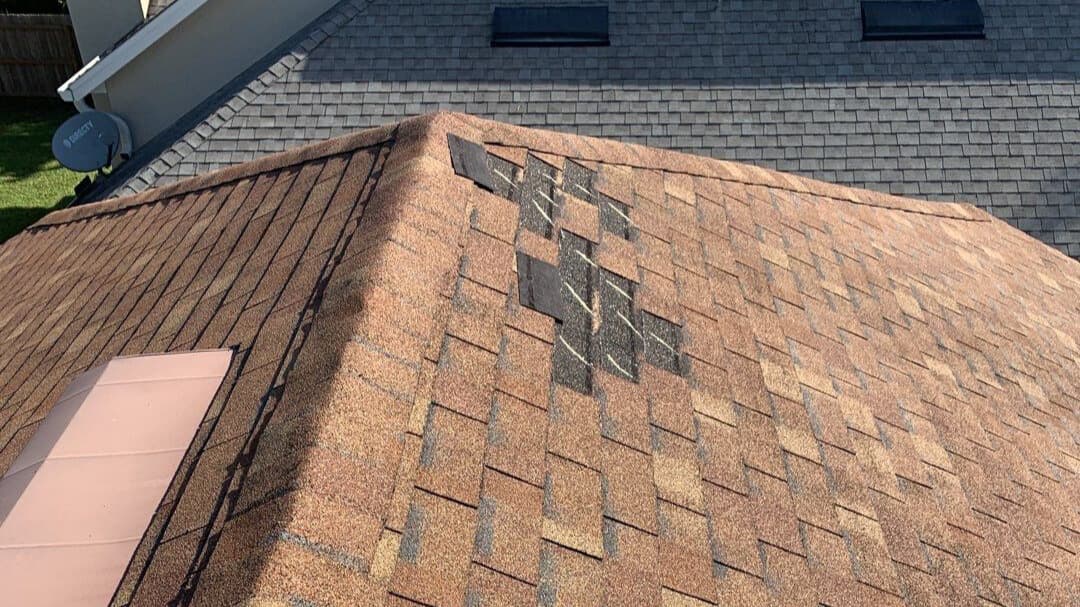
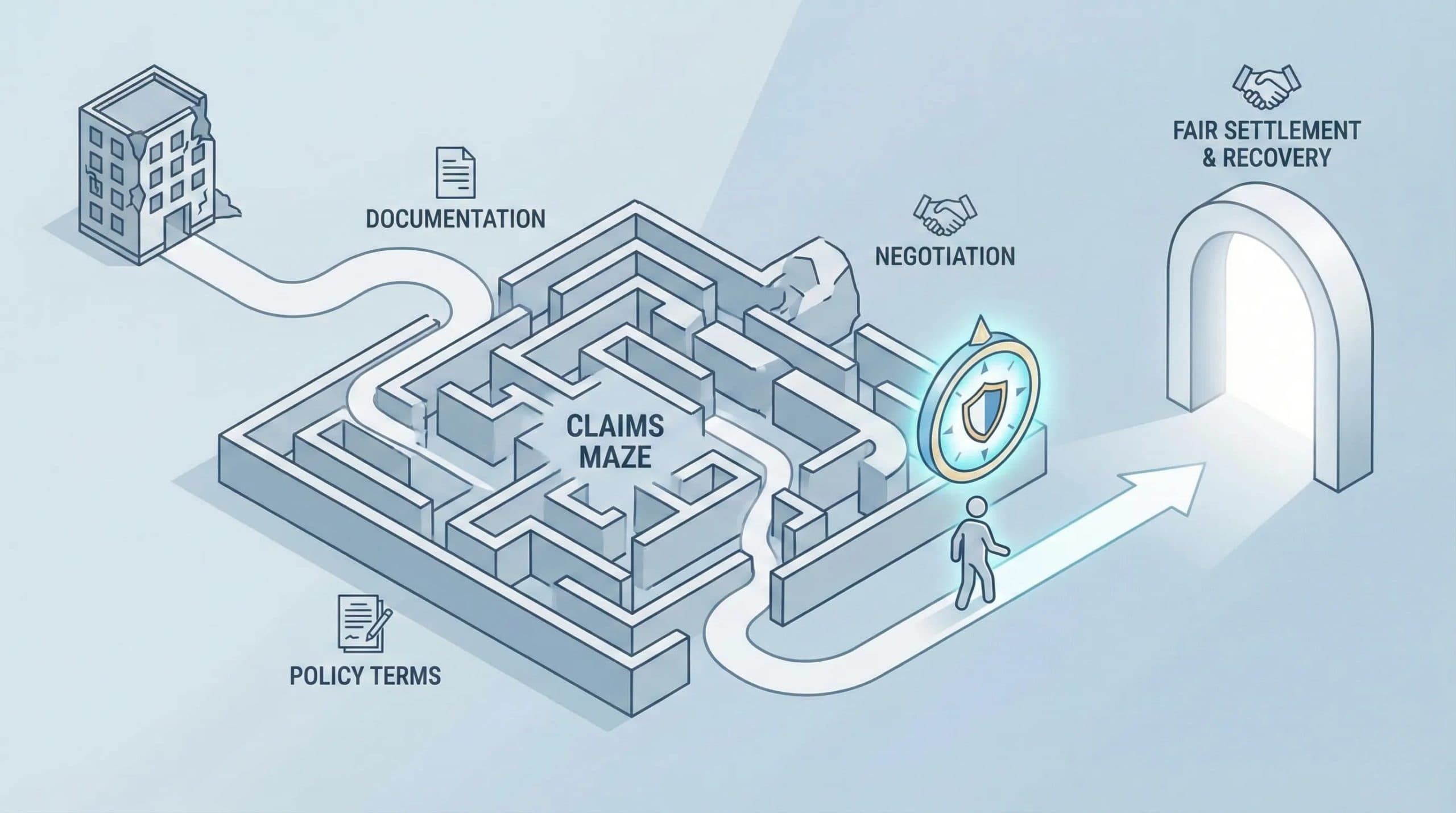
For homeowners and commercial property owners in vulnerable regions, the implications are profound. Roof damage from hail represents one of the most common and costly property insurance claims, yet many structures were built to standards that predate the current climate reality. As hailstones grow larger and storms intensify, the gap between design standards and actual environmental hazards widens. This creates both a coverage challenge and an opportunity for proactive risk management. Five Star Claims Adjusting recognizes that storm damage claims—including hail damage—require specialized expertise to maximize recovery for policyholders. With hail events becoming more severe and frequent, having experienced public adjusters and storm damage specialists on your side becomes increasingly critical. Whether assessing roof damage, evaluating comprehensive coverage, or navigating the claims process, professional guidance ensures that property owners understand their rights and receive fair compensation for losses.
The convergence of climate science, industry data, and real-world claims experience paints a clear picture: hail risk is escalating rapidly, and the insurance industry must adapt accordingly. Policyholders should review their coverage, understand their deductibles, and consider whether their current protection adequately reflects the changing threat landscape. For those who have experienced hail damage, engaging qualified claims professionals early in the process can make a substantial difference in claim outcomes and recovery timelines. As warming continues and hailstorms grow more intense, the importance of disaster preparedness and professional claims advocacy cannot be overstated. The future of property insurance will increasingly depend on how well the industry, regulators, and property owners prepare for a climate reality that is already here.
This article has been sourced from press releases and cross-referenced with multiple websites. Facts originally seen at Source .