When property damage strikes, most homeowners focus on the immediate aftermath. Cleaning up, calling contractors, and figuring out what went wrong. What many don’t realize is that the clock on their insurance claim starts ticking the moment the damage occurs, not when they notice it, not when they get around to calling their insurer, and not when a contractor finally gives them an estimate.
Florida has some of the strictest insurance claim filing deadlines in the country. Under Florida Statute 627.70132, missing even one of these windows can mean losing your right to recover what your policy entitles you to, regardless of how legitimate your claim may be. Understanding these timelines is one of the most important things you can do as a property owner in the state of Florida.
The 1-Year Deadline: Filing Your Initial Claim
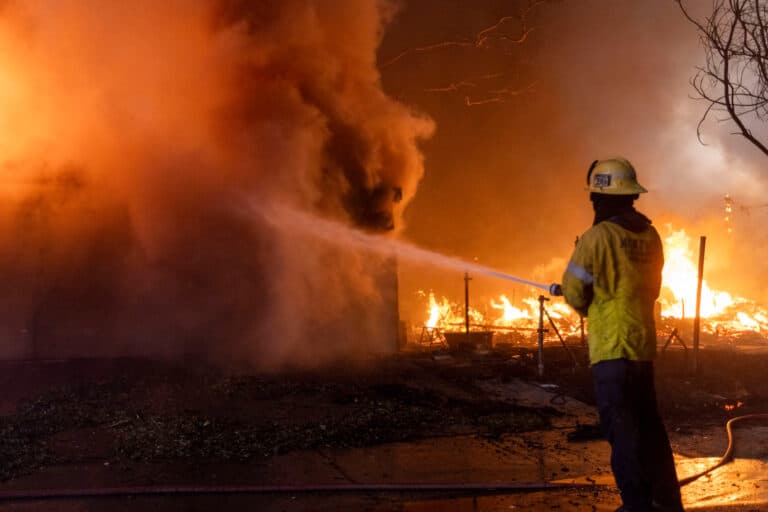
Under Florida law, you have one year from the date of loss to file your initial property insurance claim. This applies to all standard property insurance claims, whether the damage was caused by water, fire, wind, or any other covered peril.
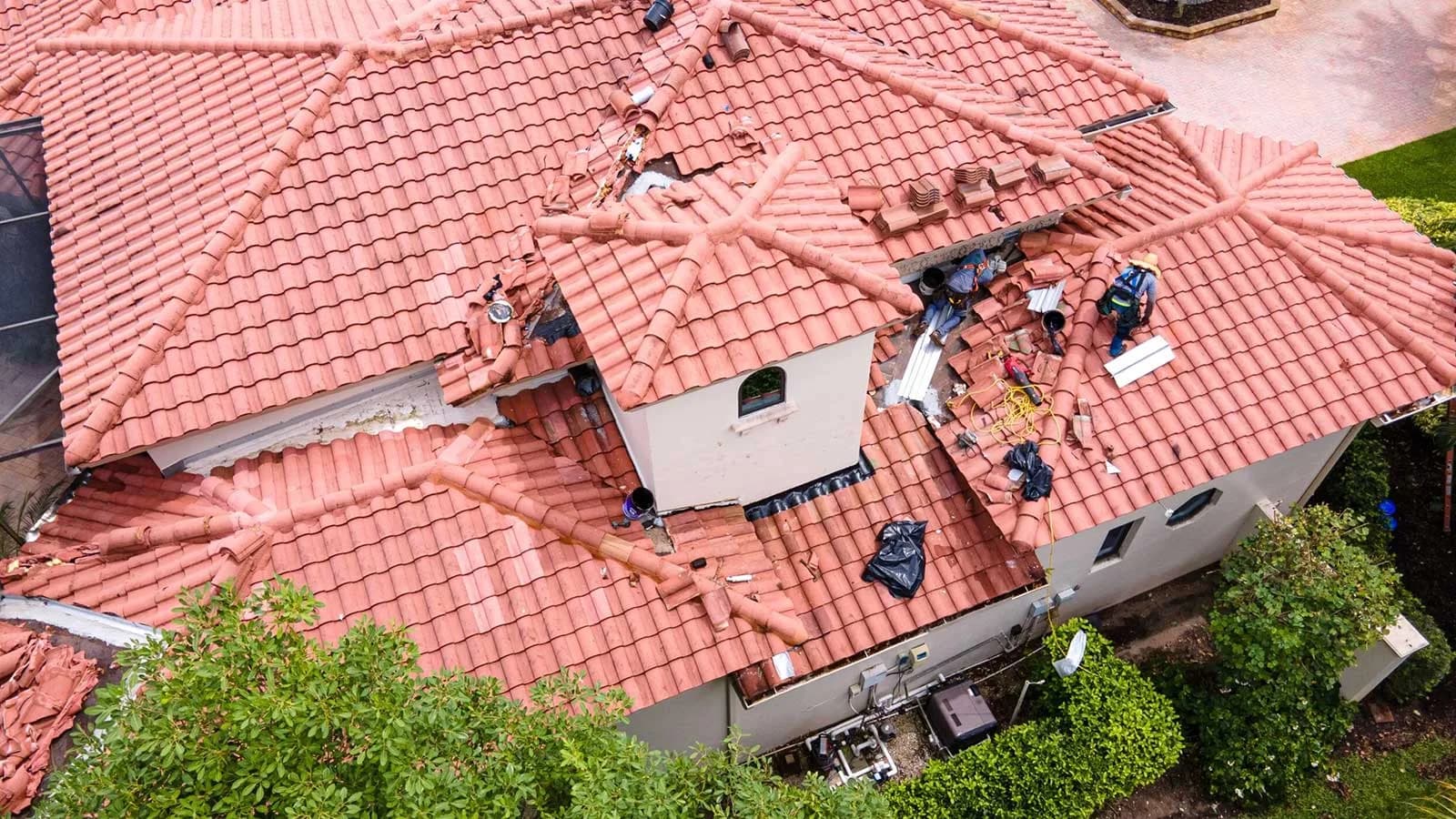
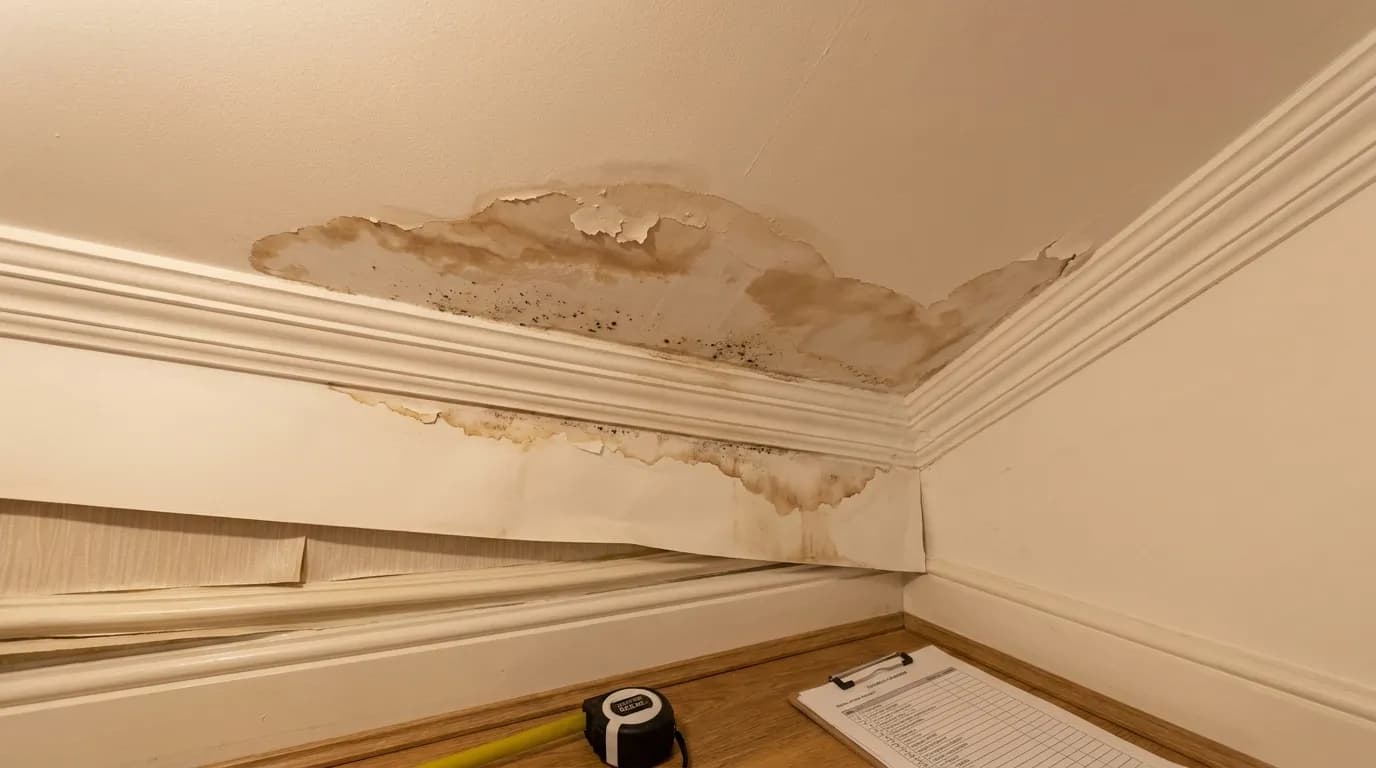
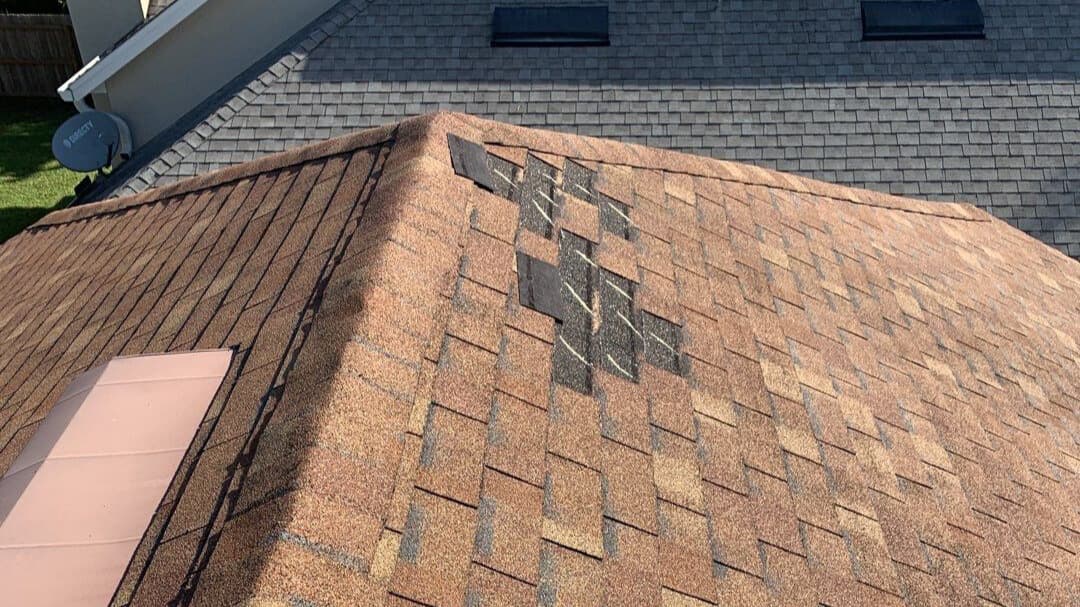
One year may sound like plenty of time, but it can go by quickly. Many homeowners don’t discover damage right away, especially when it involves slow leaks, hidden roof damage, or issues behind walls. By the time the problem becomes visible, months may have already passed. The important thing to understand is that the deadline is tied to the date the damage occurred, not the date you found it.
If you miss this one-year window, your insurer has every right to deny your claim entirely, and Florida courts have consistently upheld these denials.
The 18-Month Deadline: Supplemental Claims
Sometimes the full extent of damage isn’t apparent when you first file a claim. Maybe your initial claim covered visible roof damage, but months later, water intrusion has caused mold or structural issues that weren’t part of the original estimate. This is where a supplemental claim comes in.
A supplemental claim covers additional loss or damage from the same event that your insurer has already adjusted. Under Florida law, you have 18 months from the date of loss to file a supplemental claim. Again, this is measured from the original date the damage occurred, not from when you filed the first claim or when new damage was discovered.
This deadline is critical because repair costs frequently exceed initial estimates. If you don’t file a supplemental claim within that 18-month window, you may be stuck covering those additional costs out of pocket.
The 60-Day Rule: Your Insurer’s Deadline
Deadlines don’t just apply to you. Florida law also holds your insurance company to strict timelines.
Once your insurer receives your claim, they must acknowledge receipt within 14 days. From there, they generally have 60 days to investigate your claim and either pay, deny, or partially pay it. If a physical inspection is needed, their adjuster should complete it within 30 days of receiving your proof of loss.
If your insurance company is dragging its feet, not responding, or giving you the runaround, that’s a red flag. You have rights, and knowing these timelines gives you the leverage to hold them accountable.
Hurricane and Weather Event Claims: Special Rules Apply
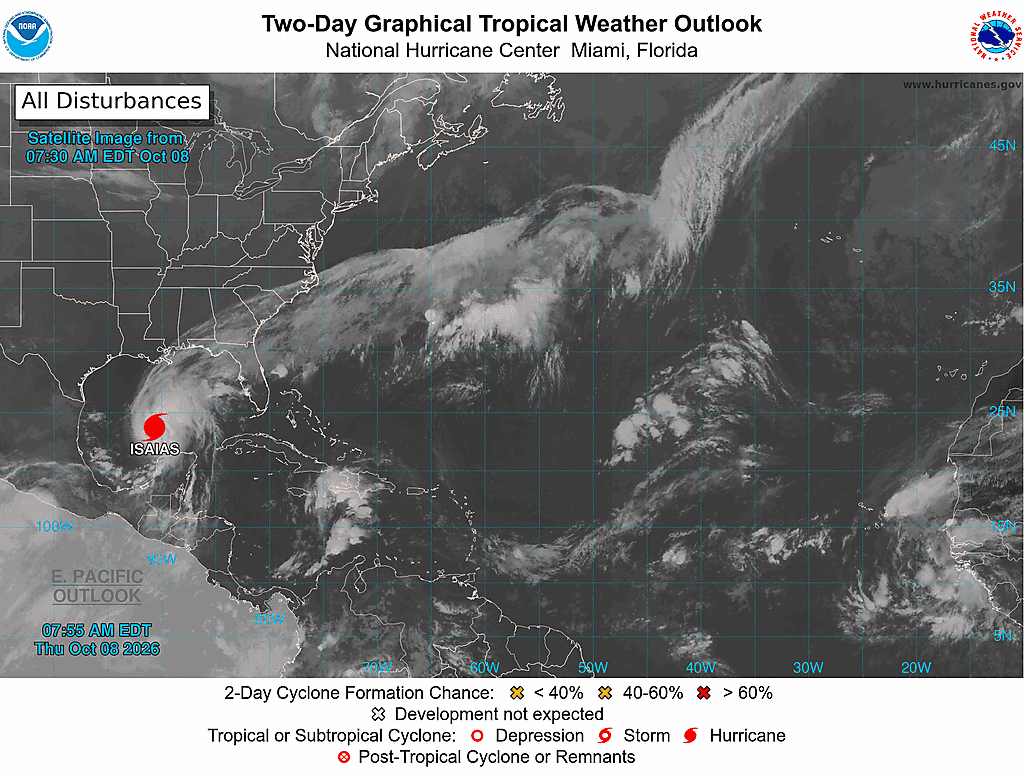
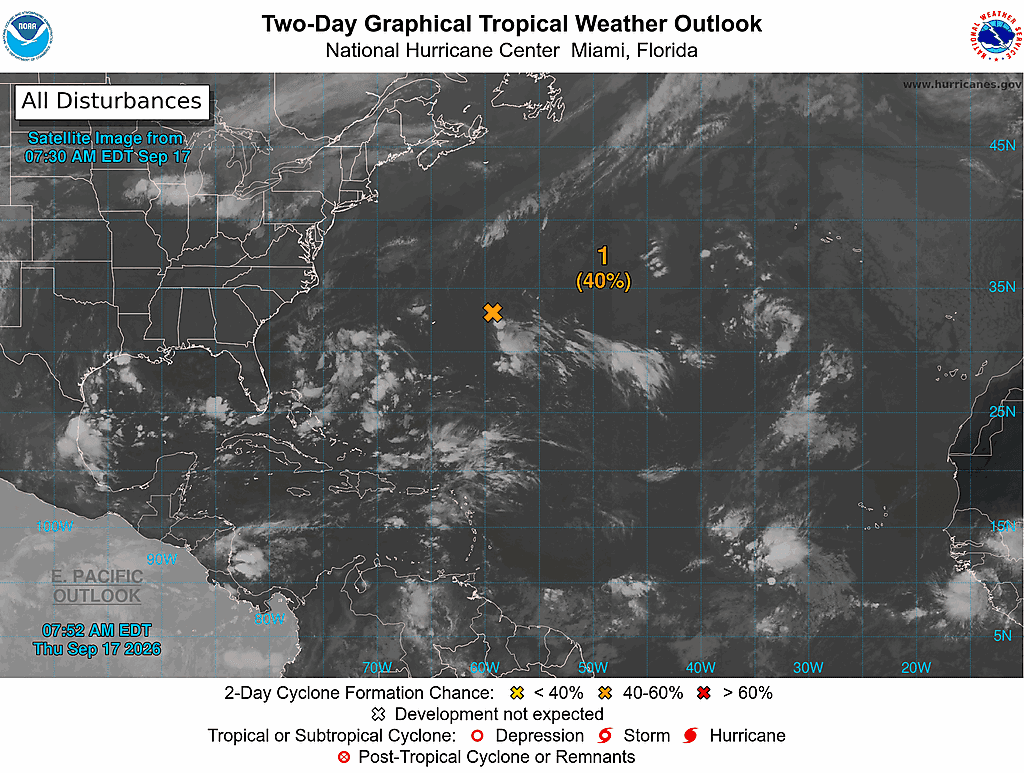
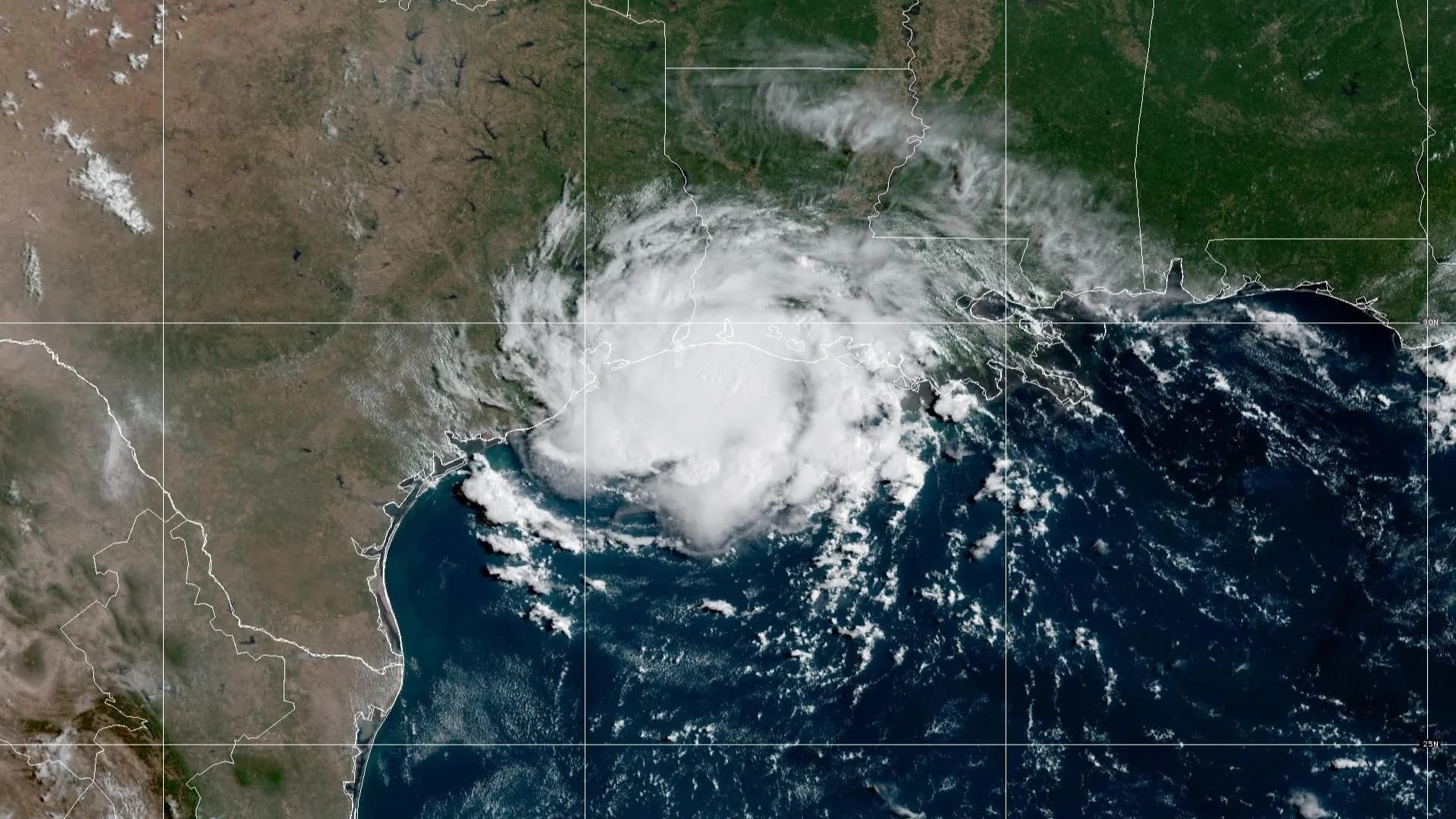
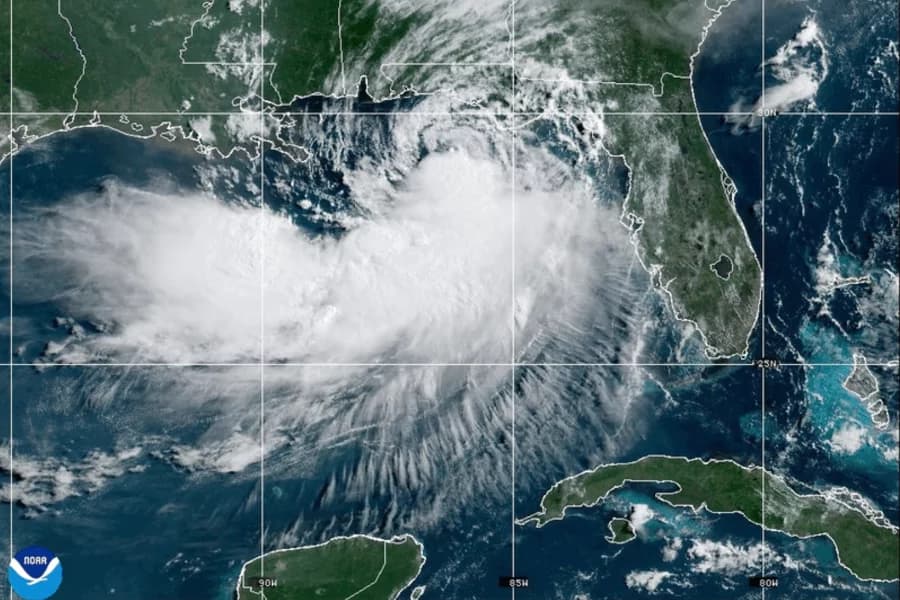
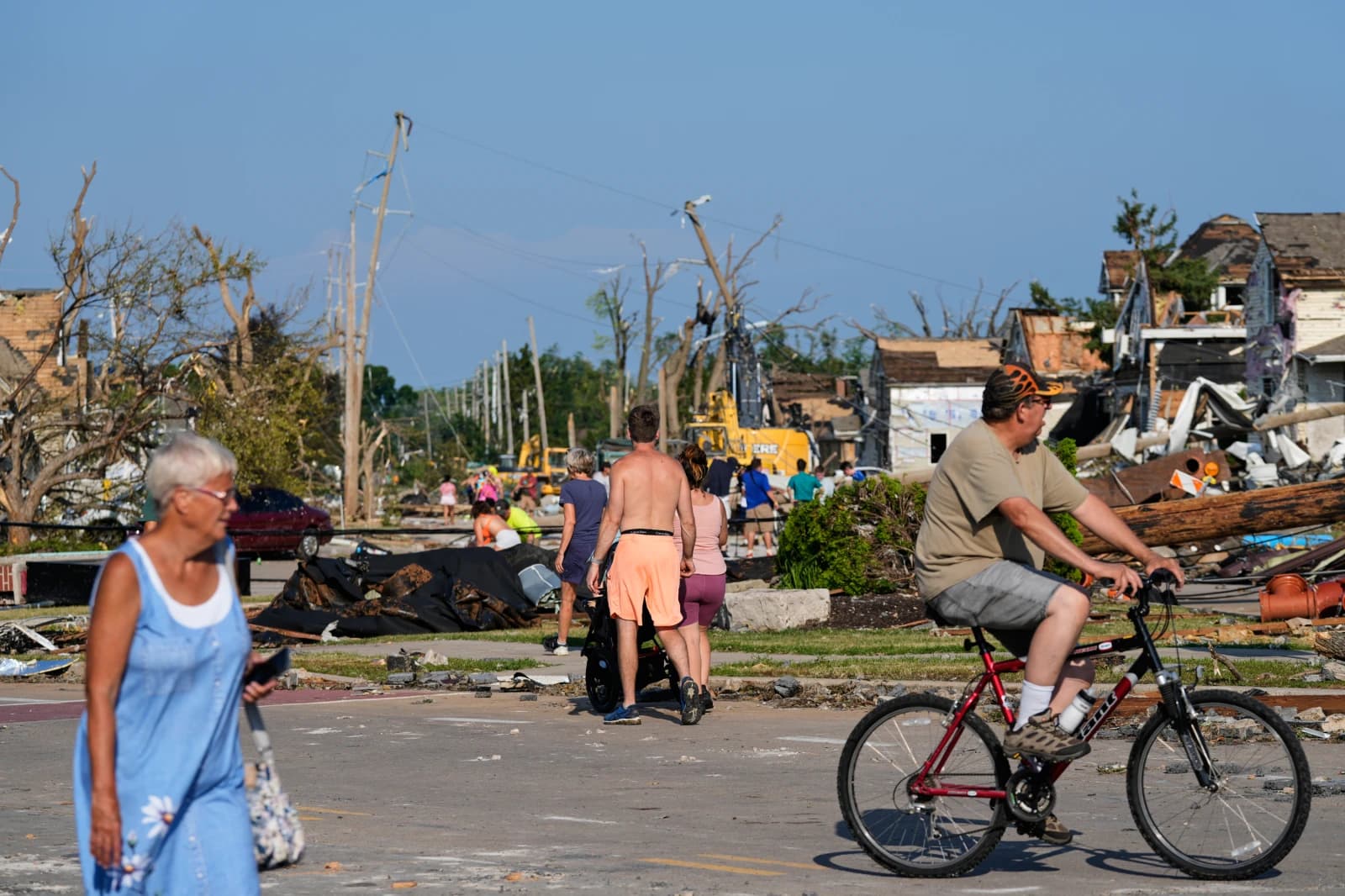
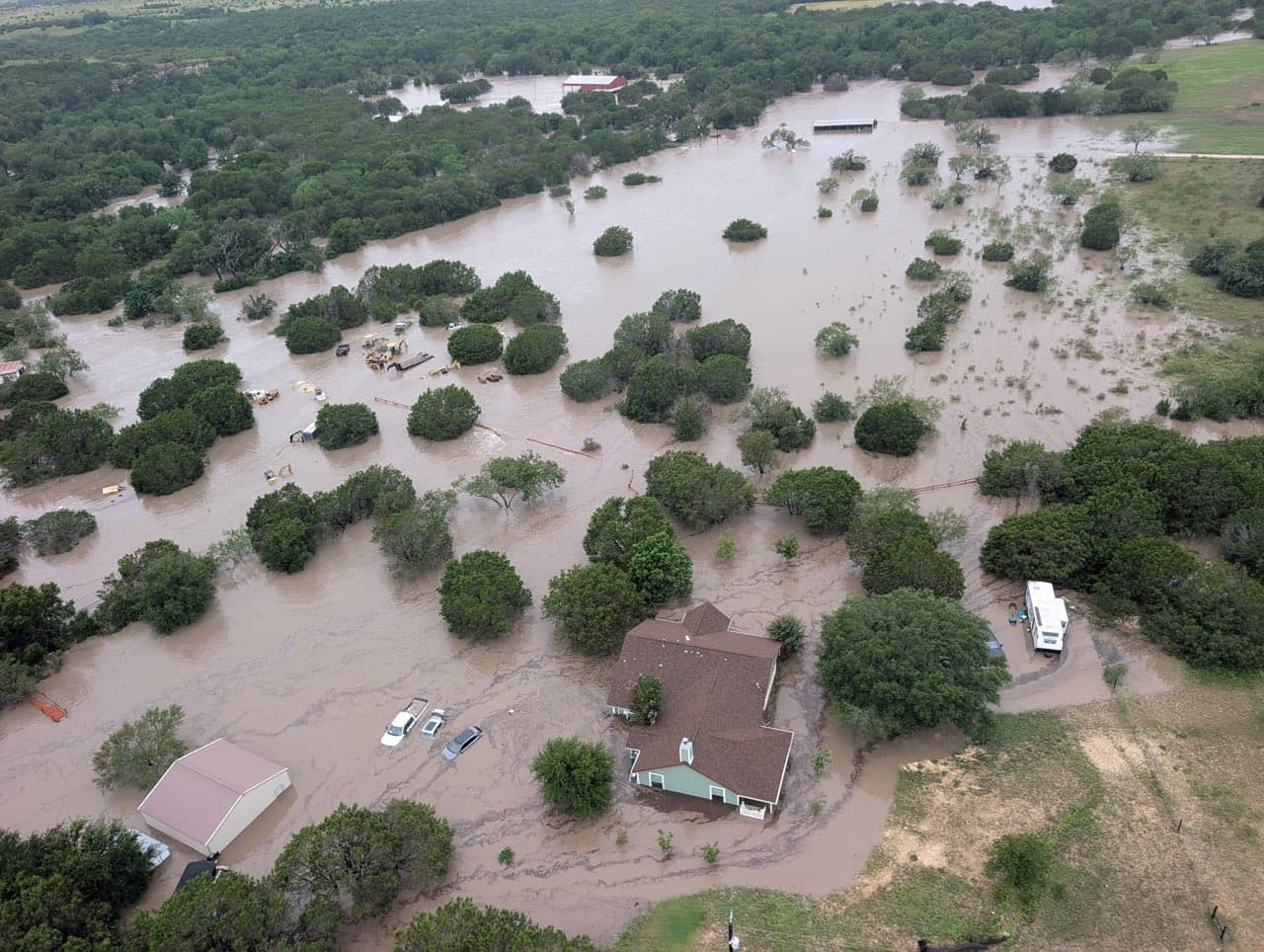
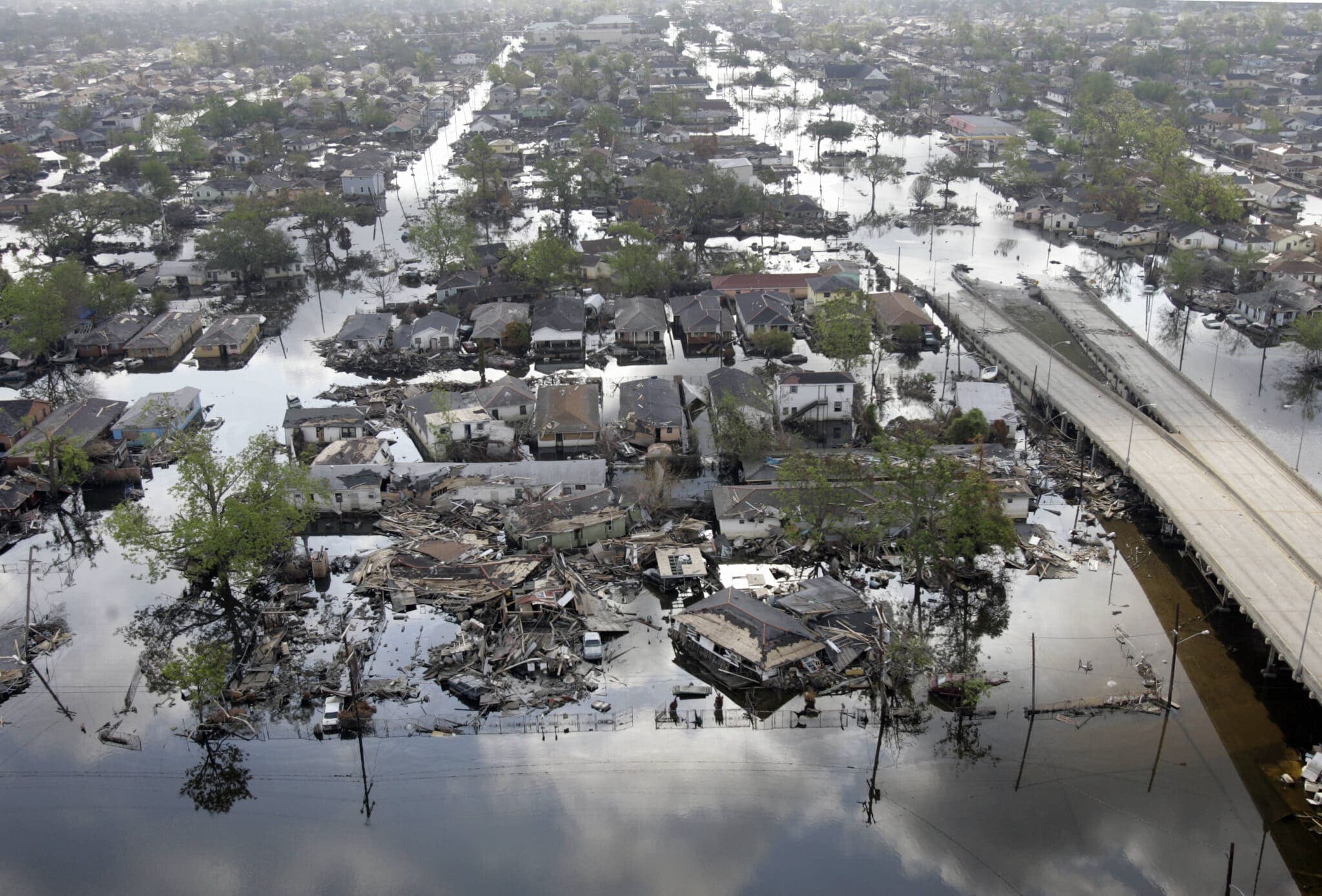
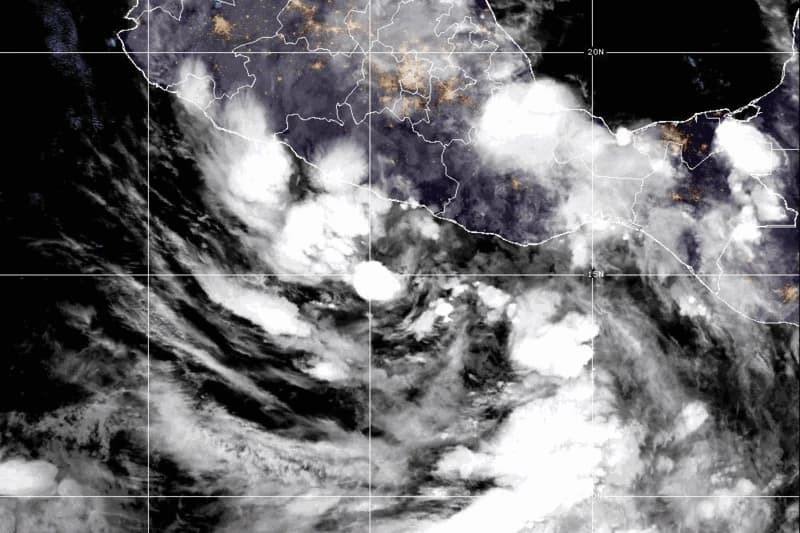
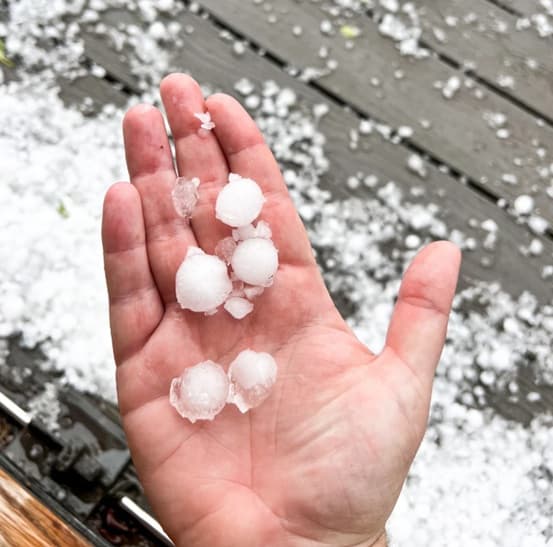
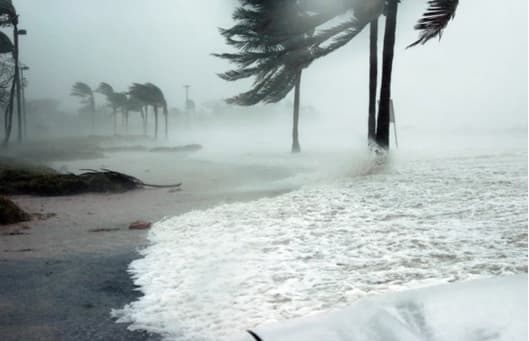
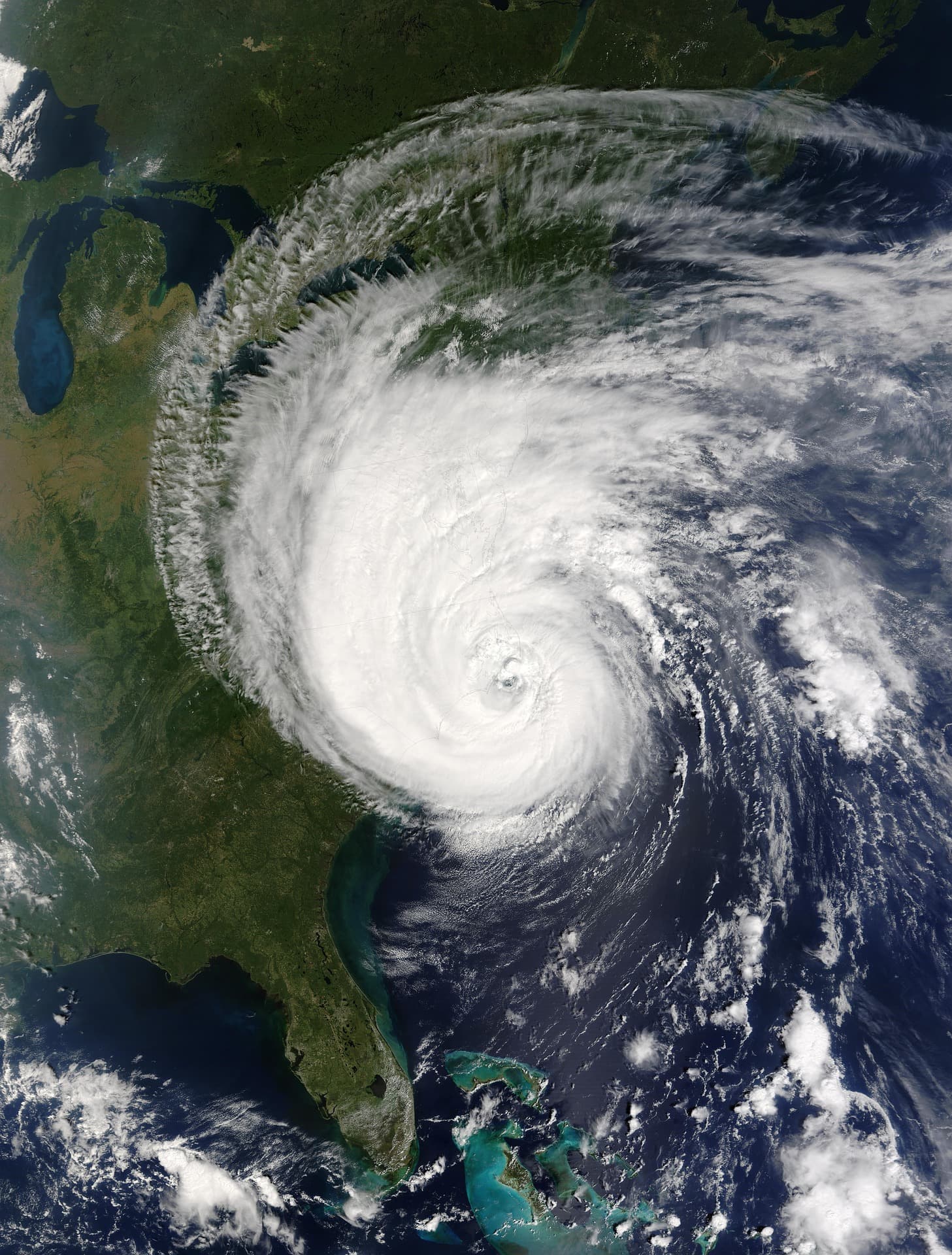
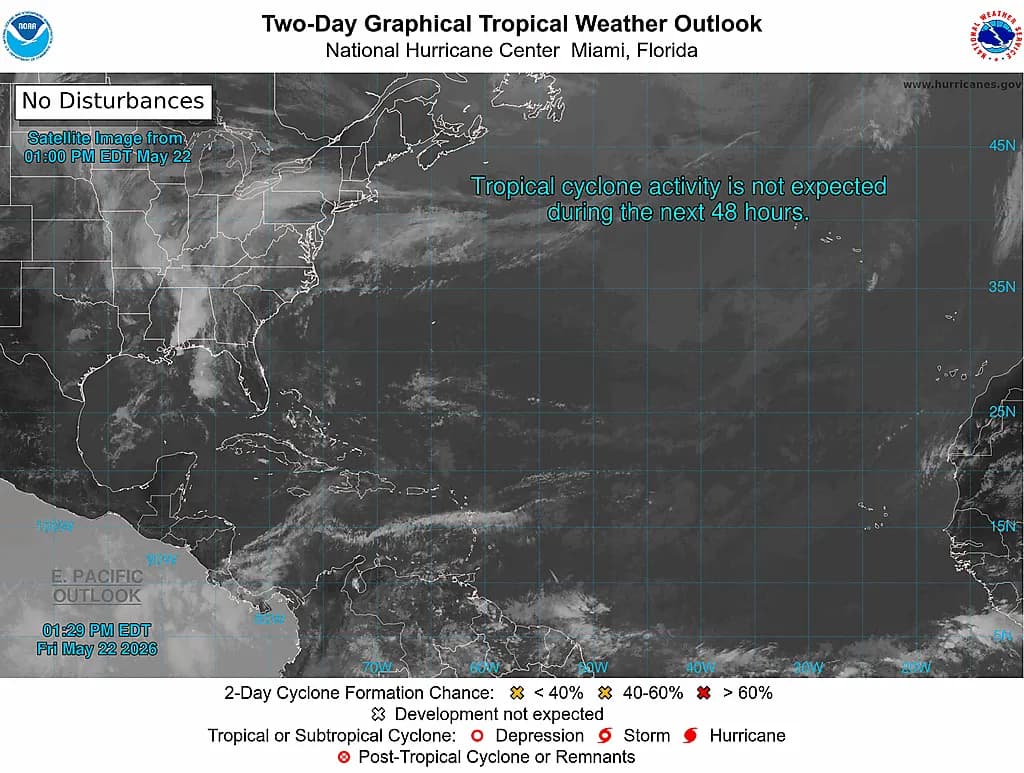
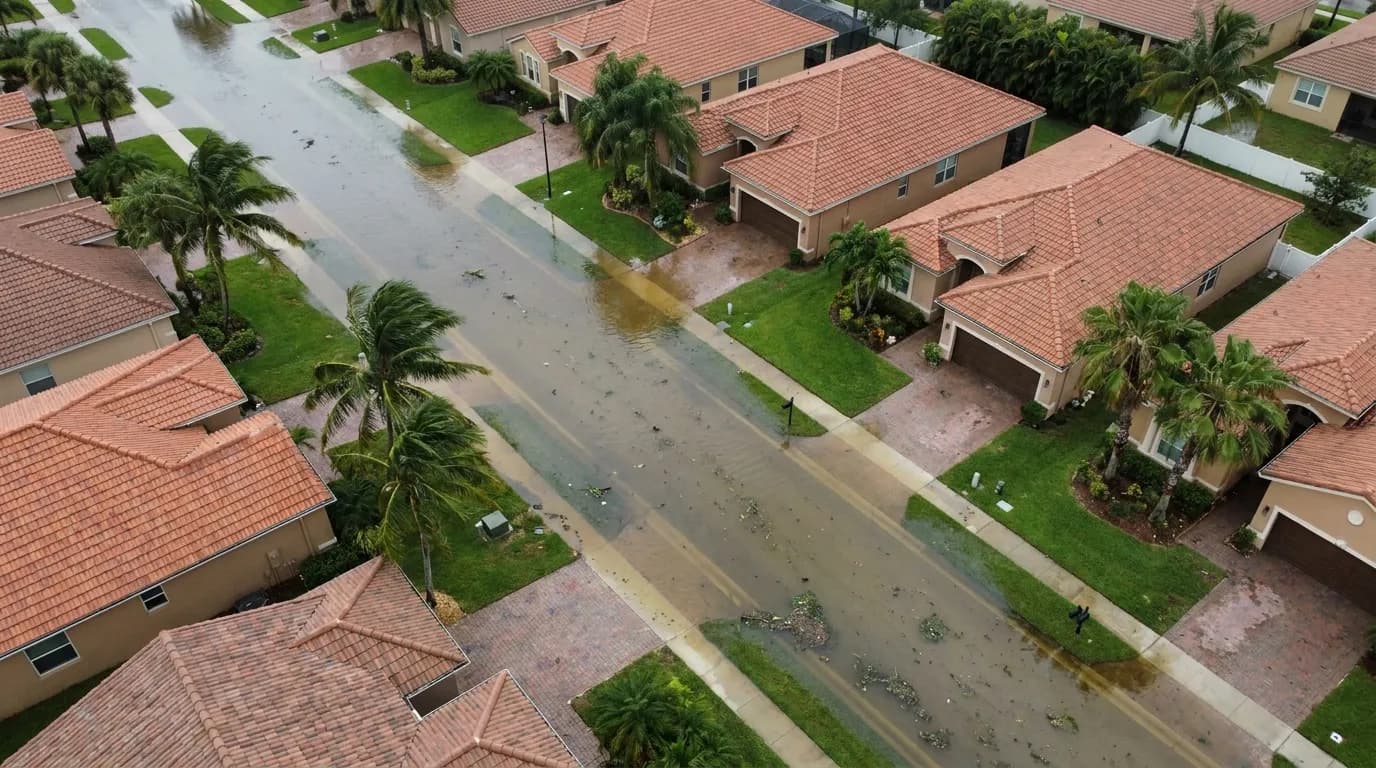
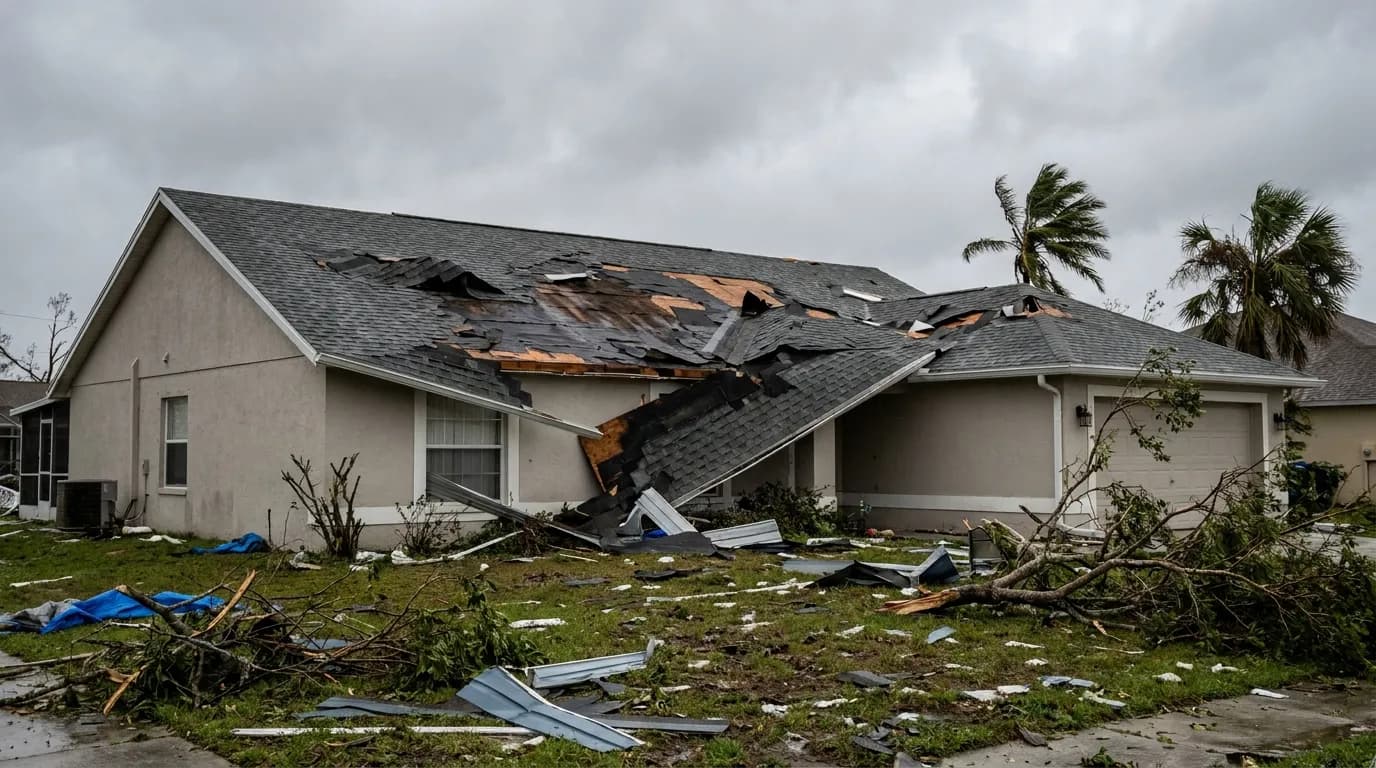
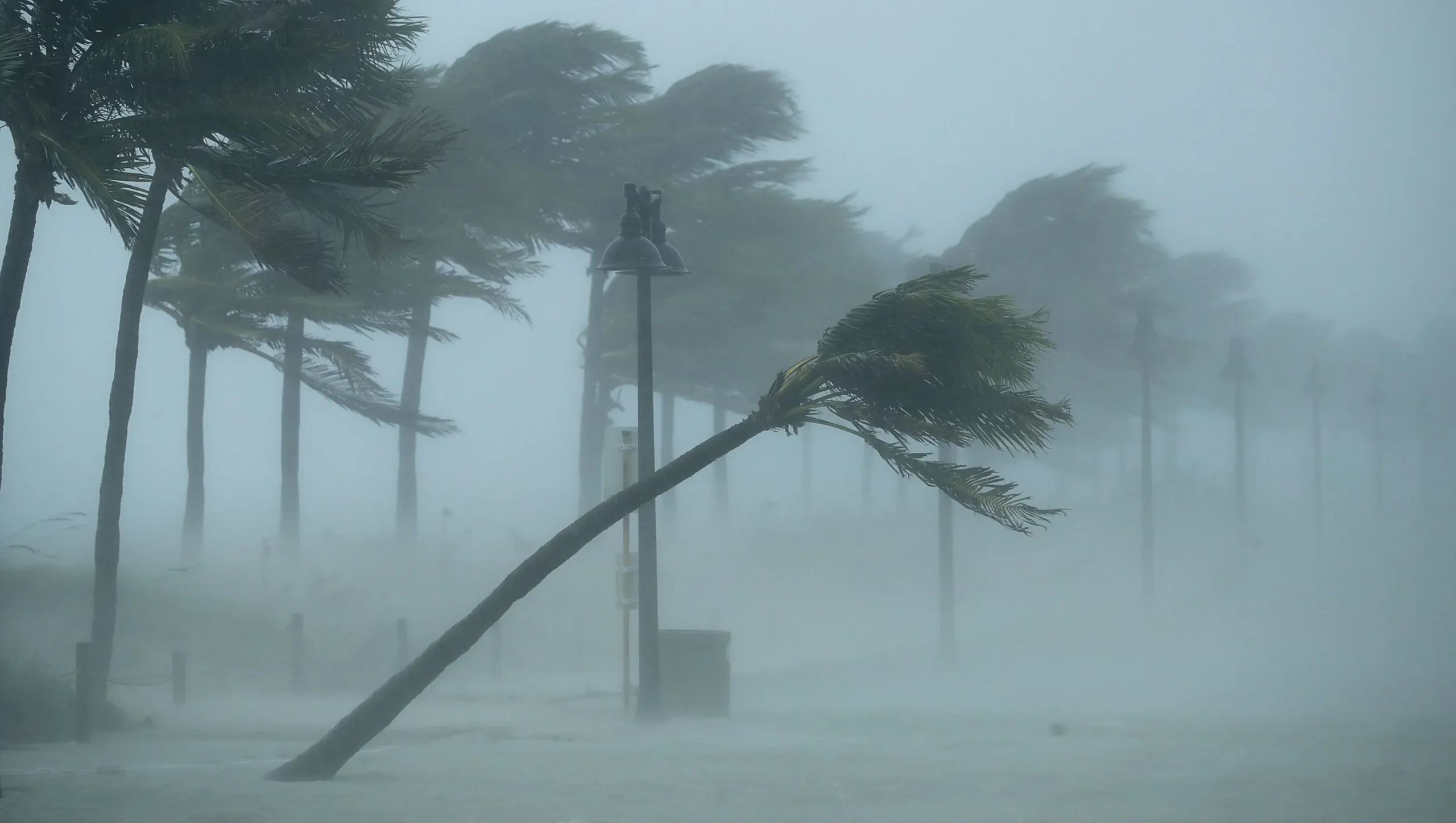
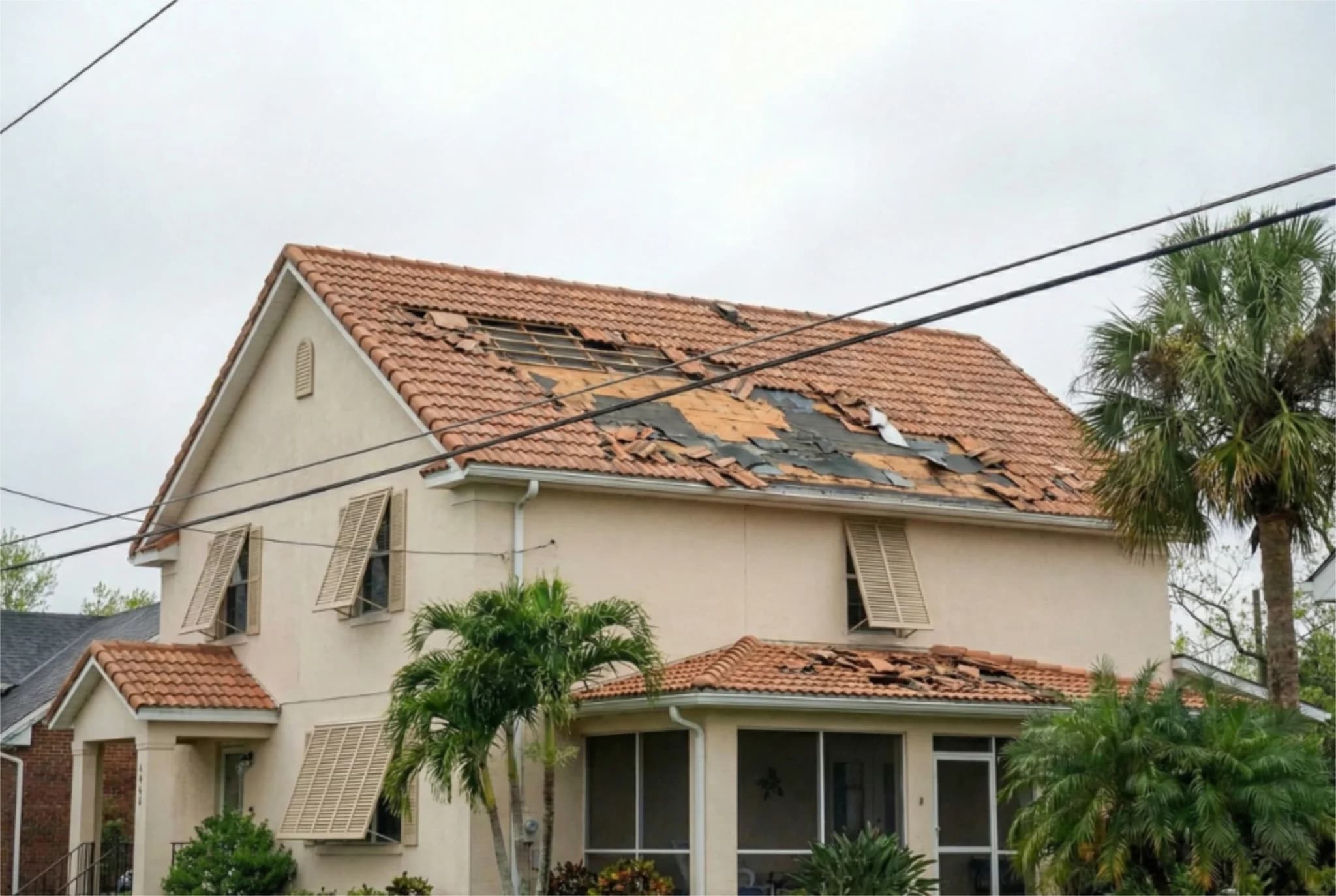
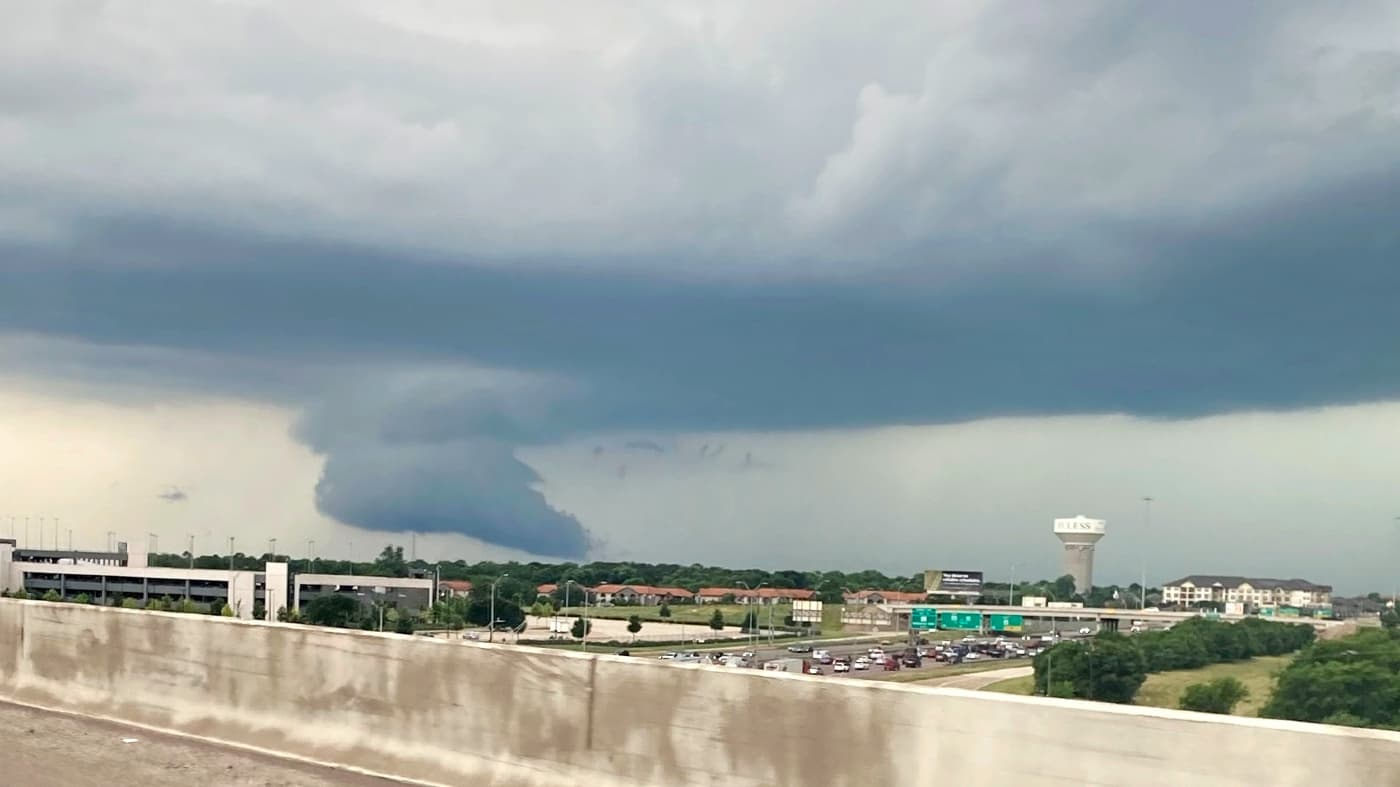
Florida has specific provisions for claims resulting from hurricanes, tornadoes, windstorms, and other weather events verified by NOAA (the National Oceanic and Atmospheric Administration). For these types of claims, the date of loss is defined as the date the hurricane made landfall or the date the weather event was officially verified.
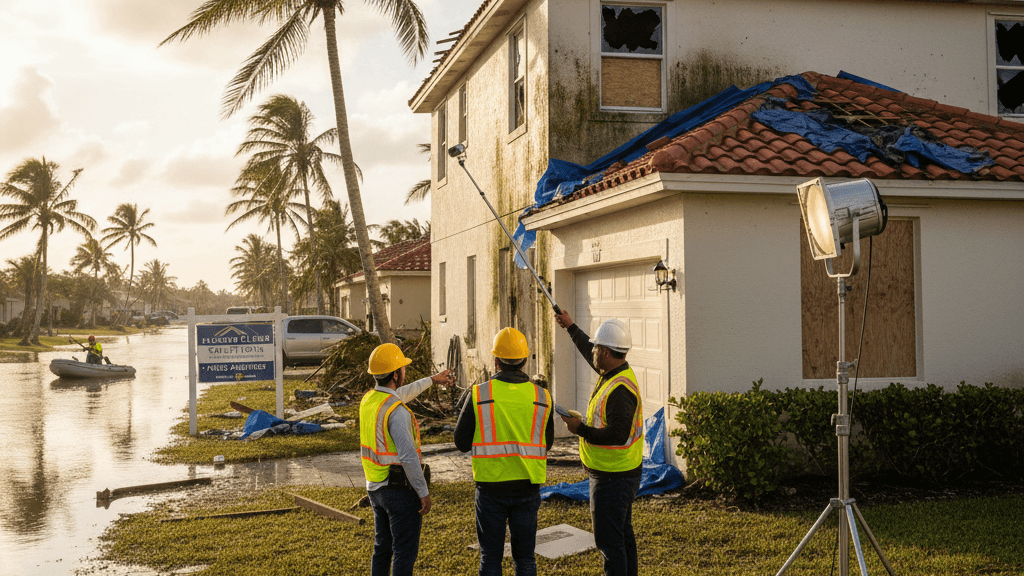
This distinction matters because storm damage can take weeks or even months to fully reveal itself. Knowing that the clock starts at landfall, not at discovery, makes it even more important to have your property inspected as soon as possible after a major weather event.
Why These Deadlines Matter More Than You Think
Insurance companies are well aware of these deadlines, and they use them. A delayed response from your insurer, a slow inspection process, or back-and-forth requests for documentation can all eat into your filing windows. In some cases, these delays may not be accidental.
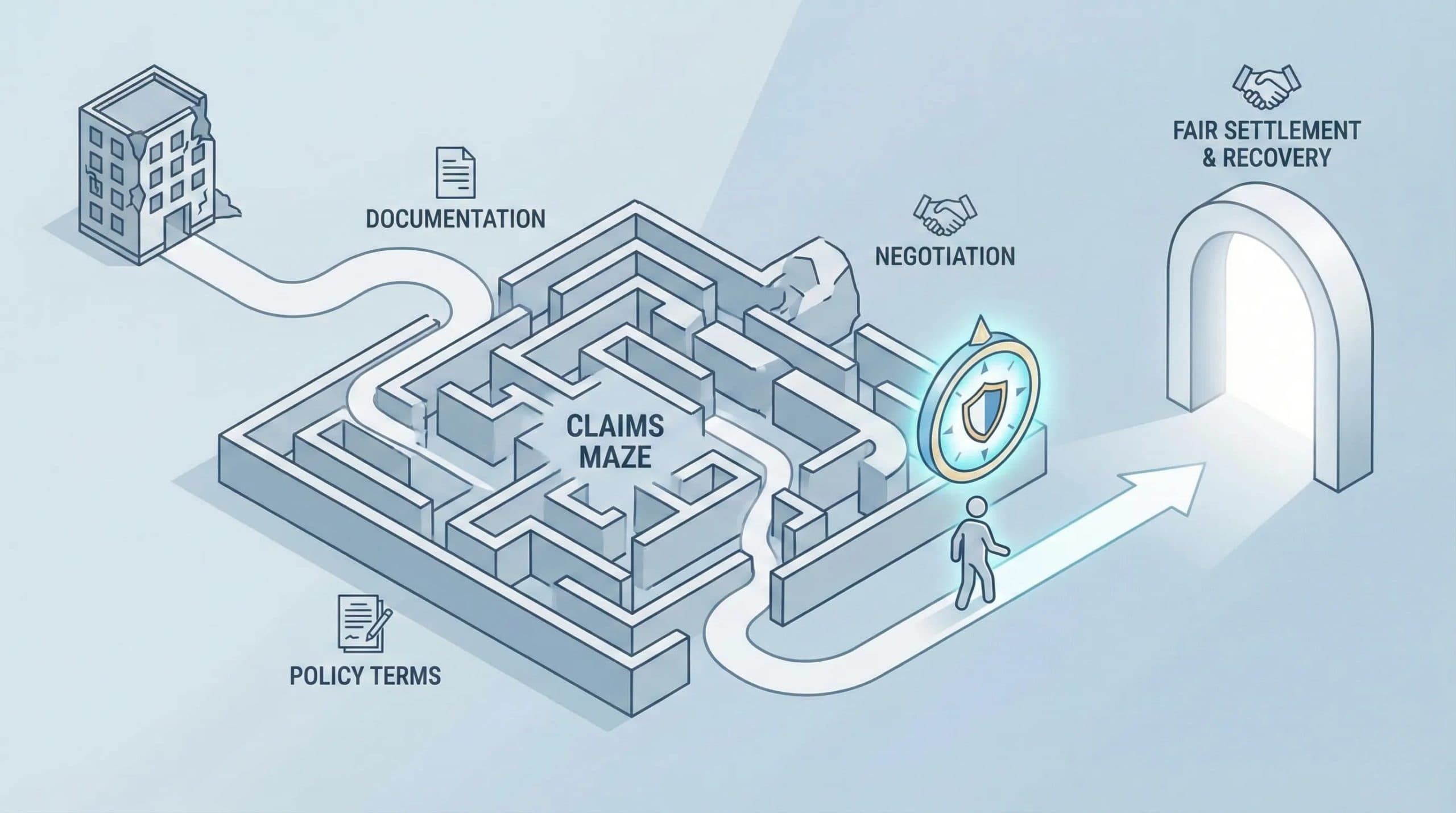
This is one of the biggest reasons homeowners turn to licensed public adjusters. A public adjuster works for you, not the insurance company. They understand the filing timelines, manage the documentation, coordinate inspections, and make sure every deadline is met so your claim stays on track.
Don’t Let the Clock Run Out
If you’ve experienced property damage, whether from a storm, a pipe burst, a fire, or any other event, the most important thing you can do is act quickly. Even if you’re unsure whether the damage is covered, getting a professional inspection on the record protects your rights and preserves your ability to file a claim.
At Five Star Claims Adjusting, we offer a FREE 11-Point Inspection and policy review. We’ll assess your property, review your coverage, and make sure you understand exactly where you stand before any deadlines pass.
Don’t leave your claim to chance. Contact us today.
Central Florida: (321) 444-6981 South Florida: (954) 302-1106 Southwest Florida: (941) 202-2343