Early Storm Activity Signals Active Season Ahead; Preparation And Insurance Review Are Critical
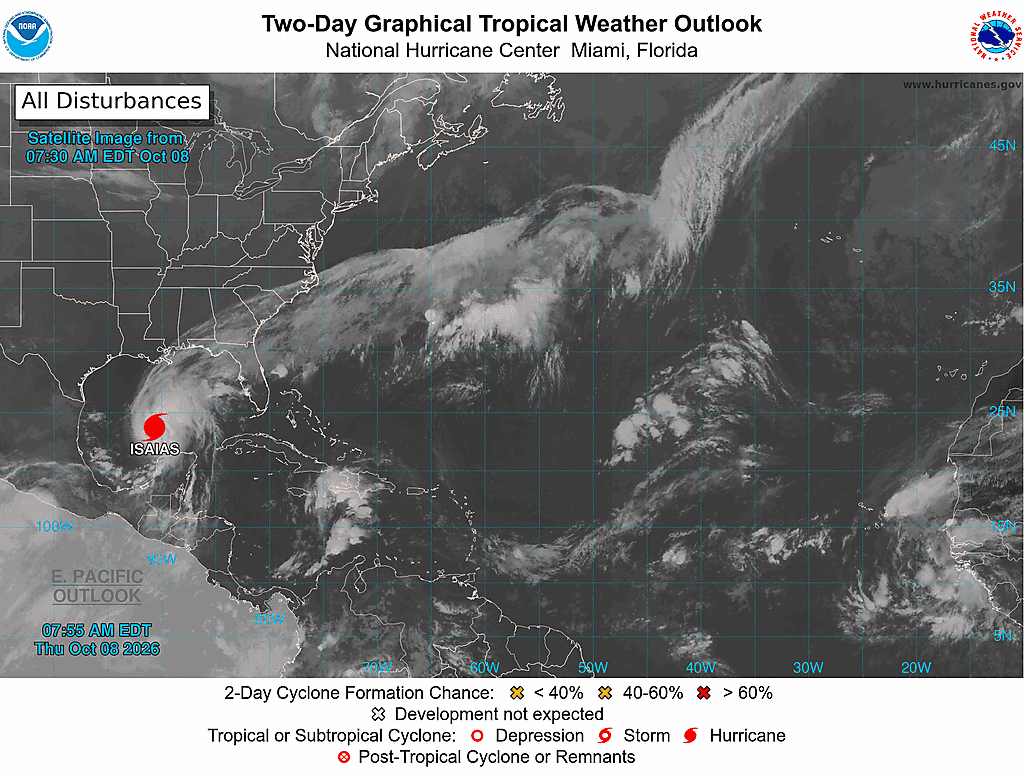
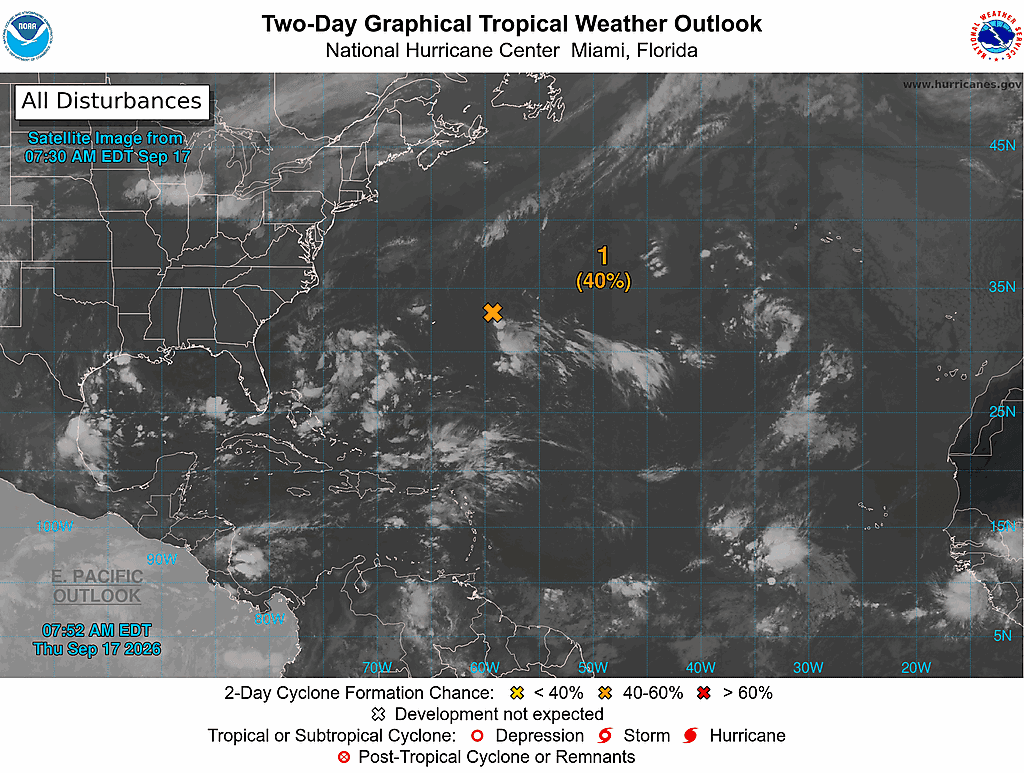
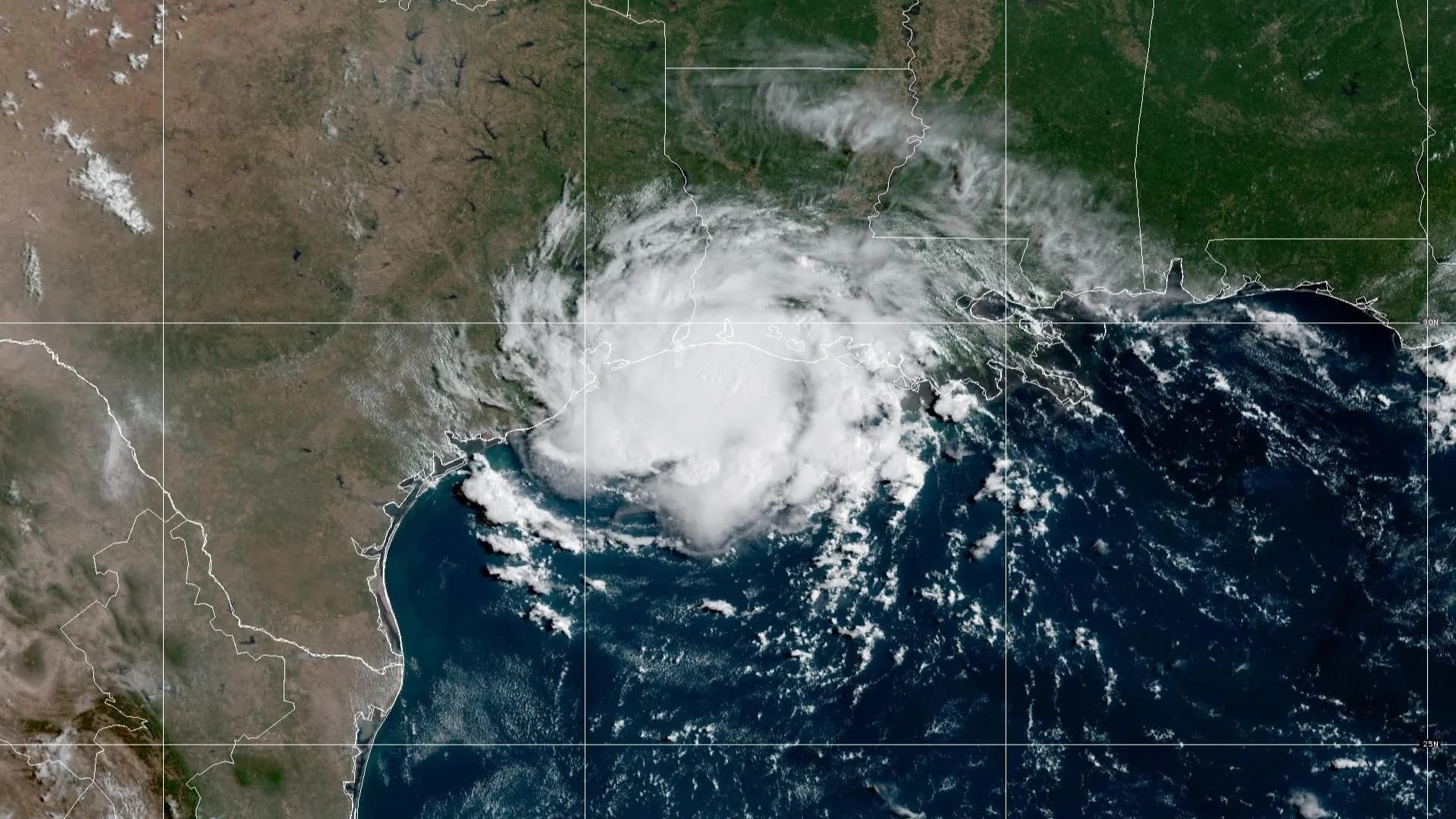
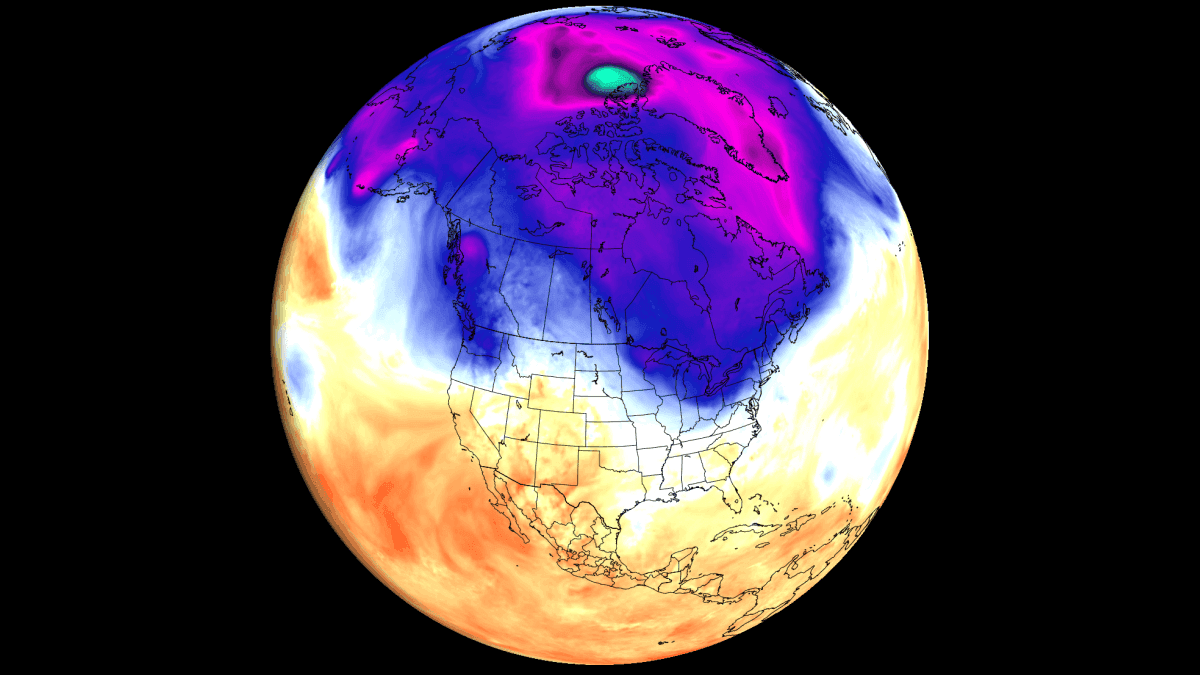
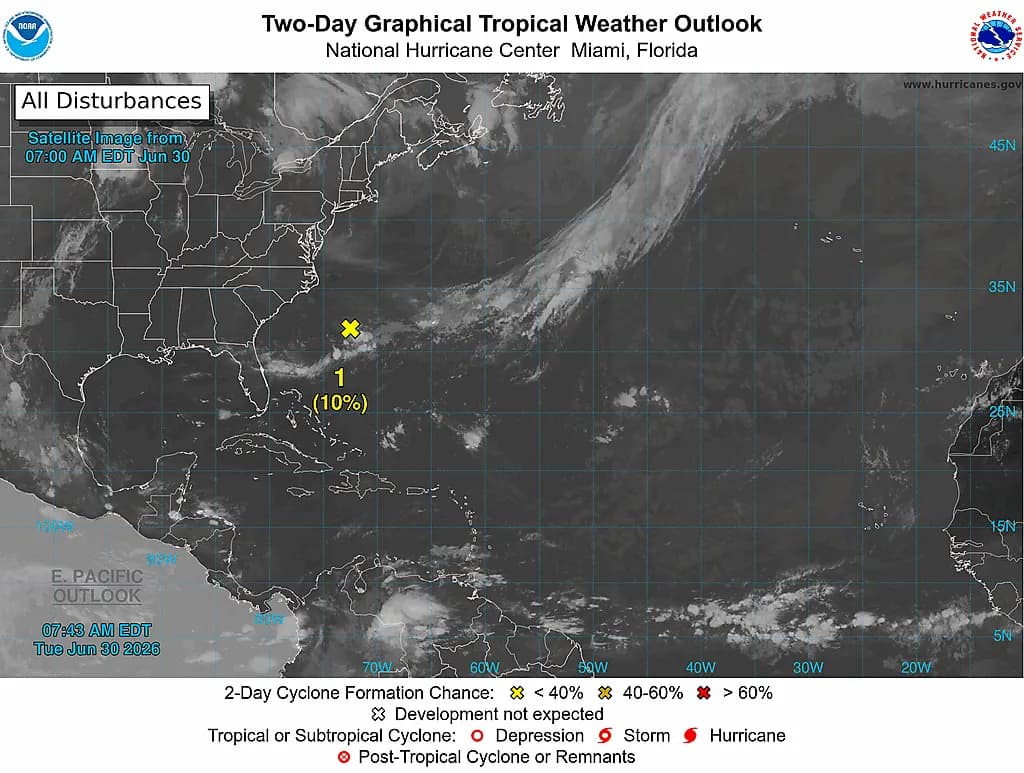
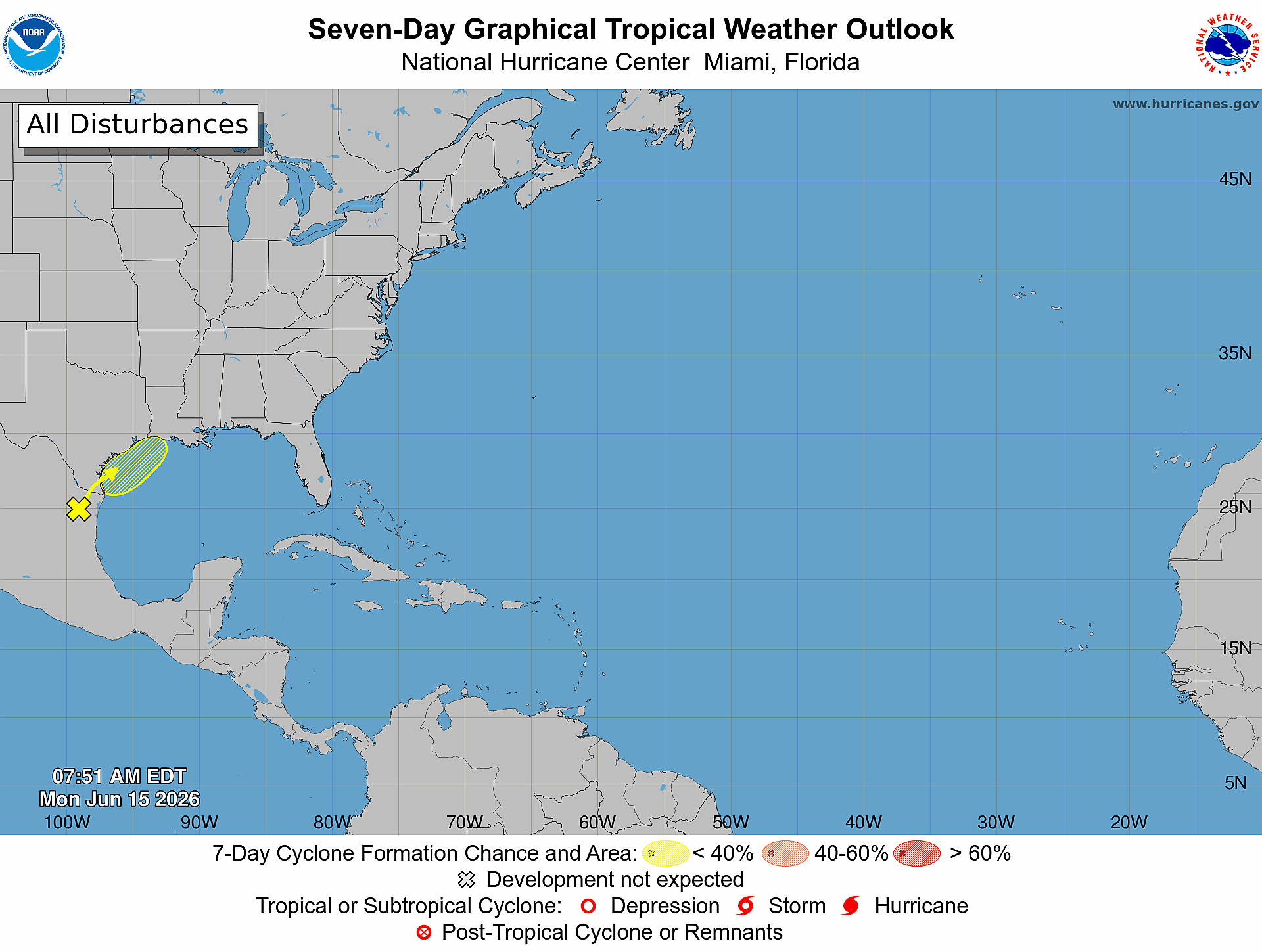
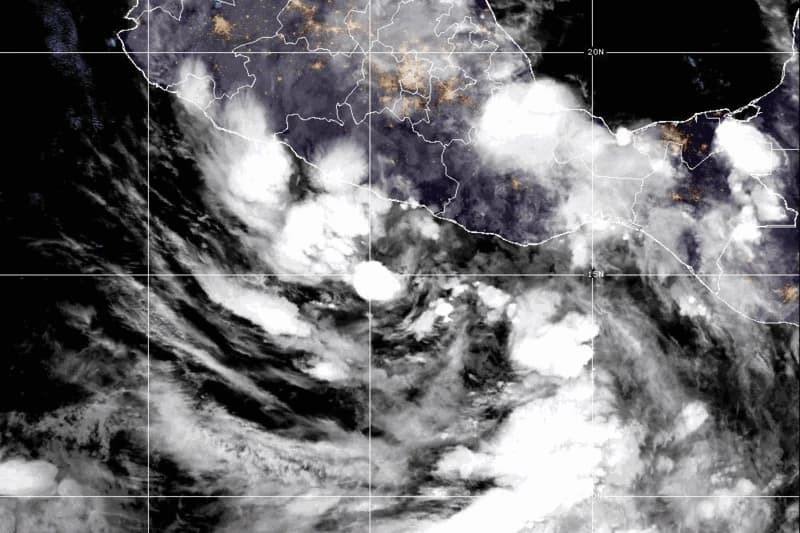
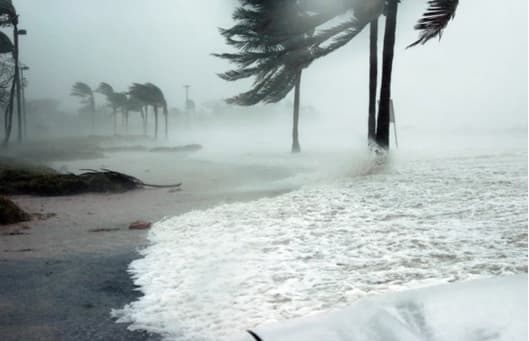
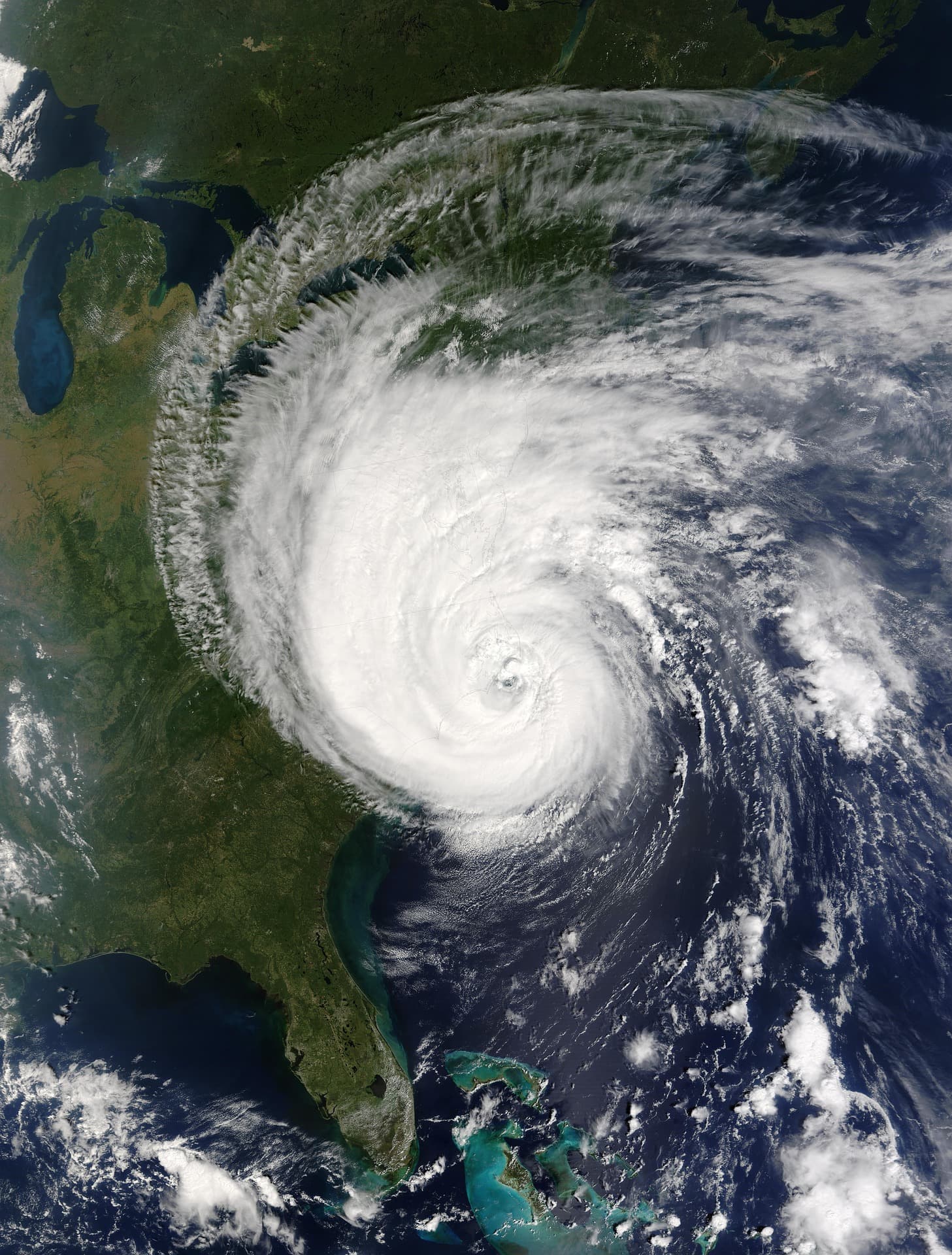
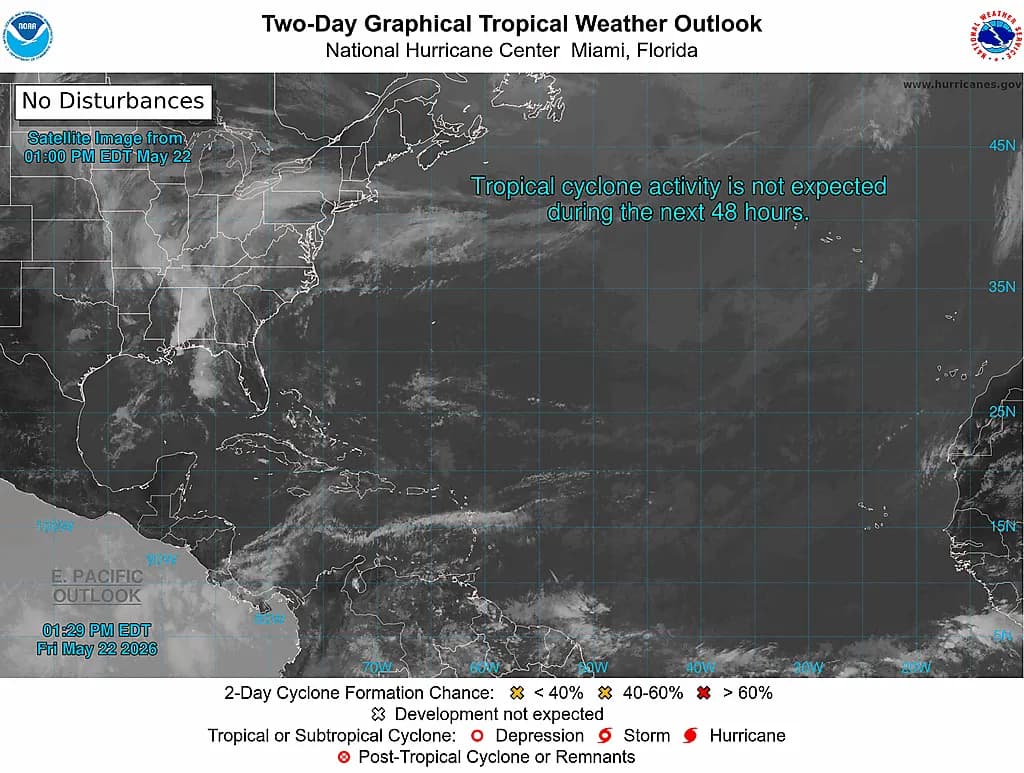
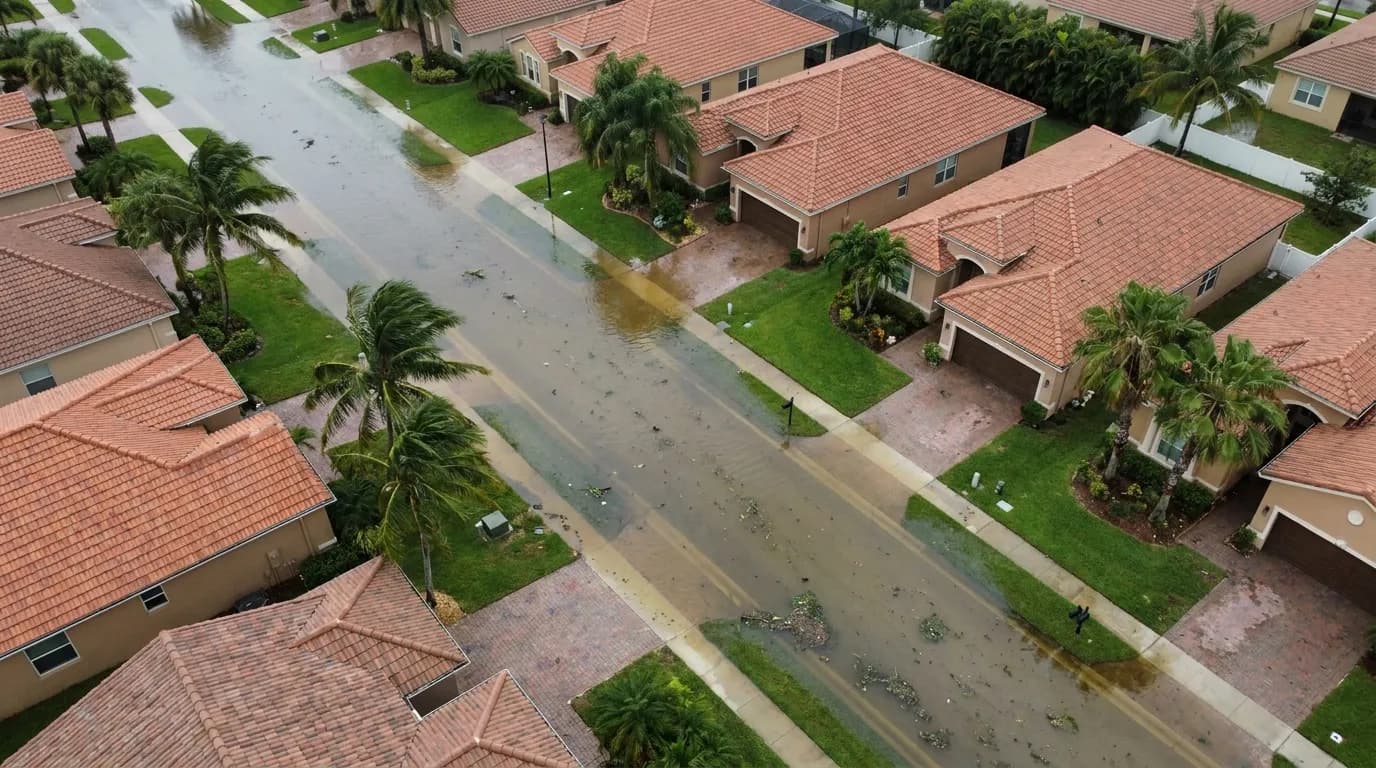
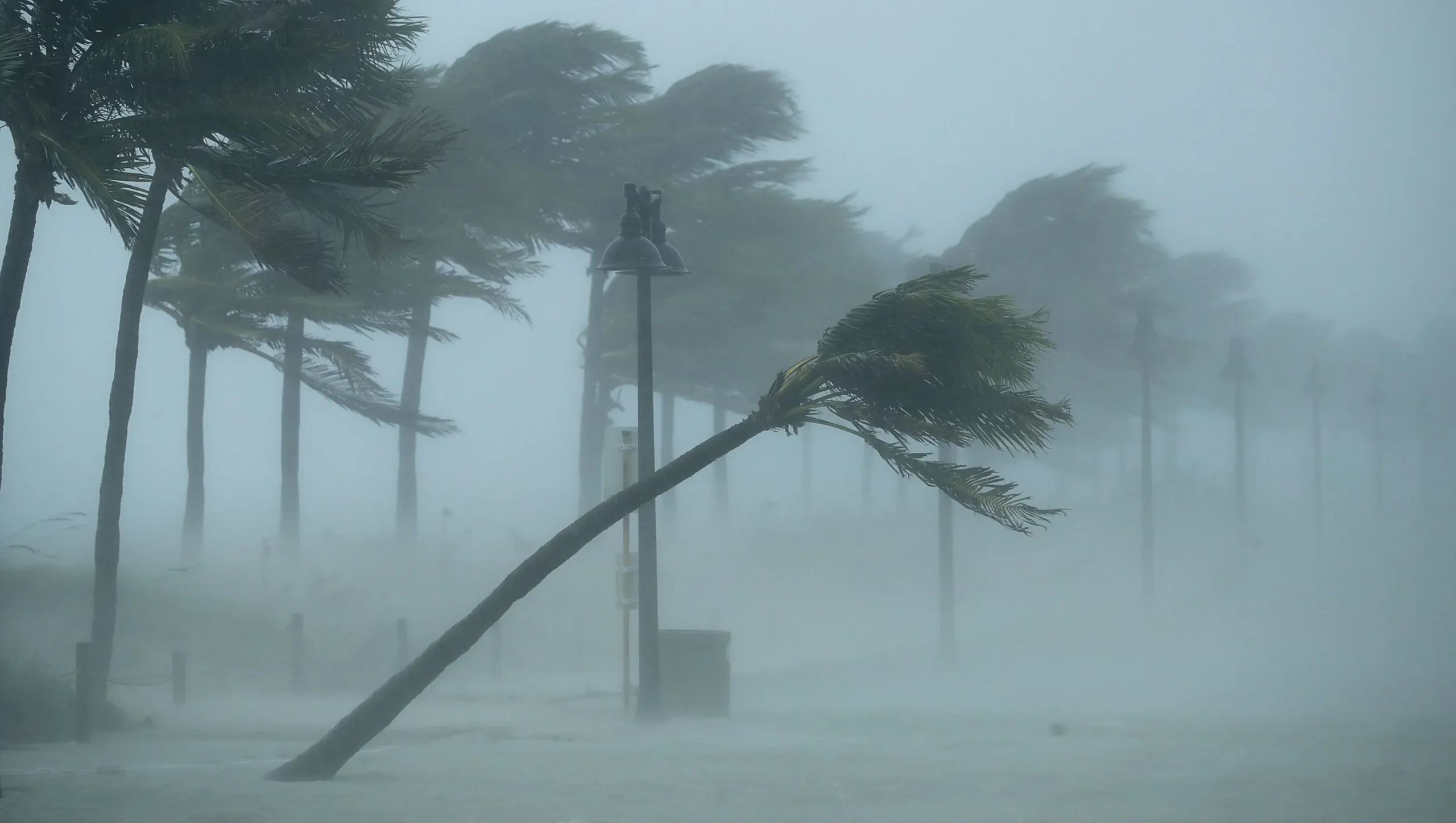
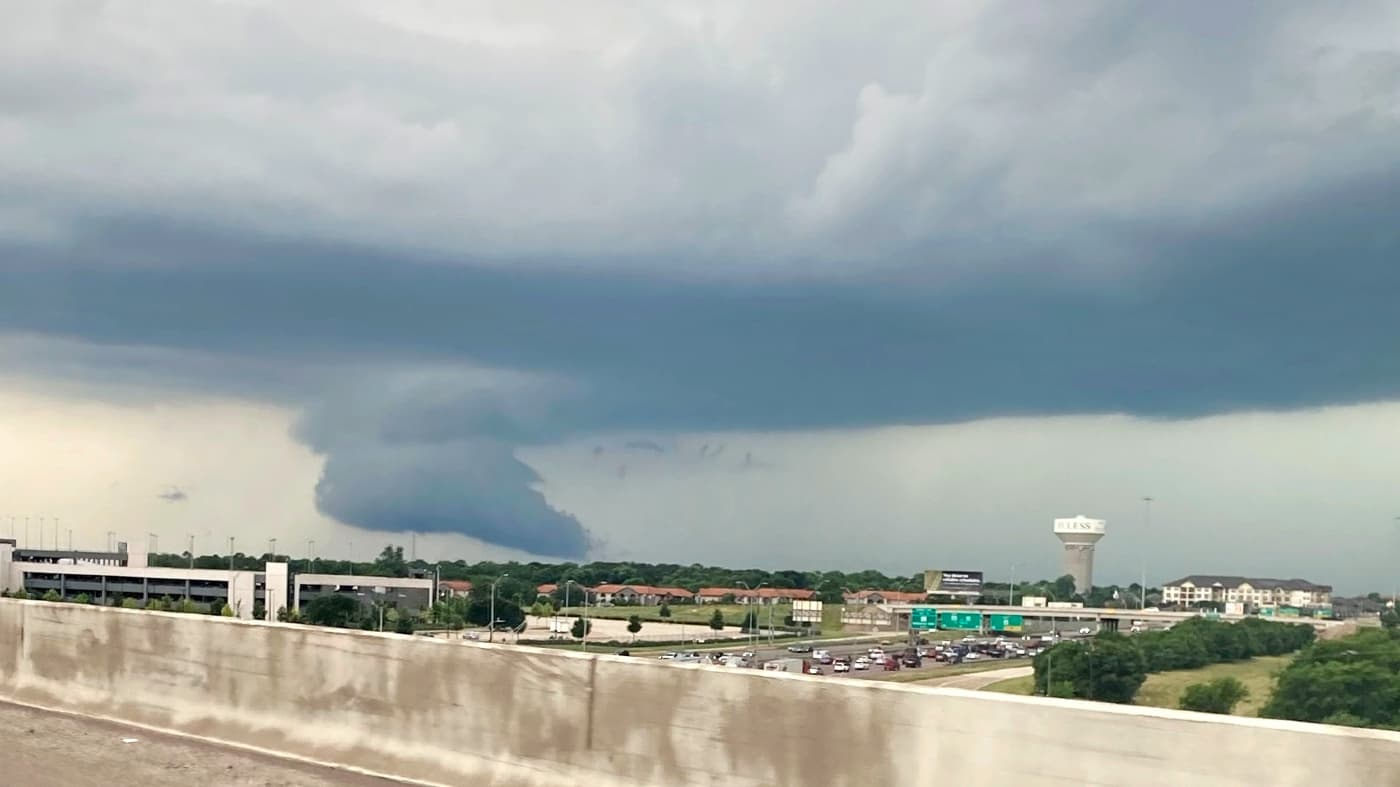
Tropical Storm Bertha has arrived earlier than many Florida residents anticipated, serving as a stark reminder that the 2026 Atlantic hurricane season is shaping up to be more active than average. The storm’s development and track have already prompted emergency management officials across the state to issue preparedness alerts, and insurance professionals are urging property owners to take immediate action to protect their assets and understand their coverage limits. The appearance of a named storm this early in the season is not unusual from a meteorological standpoint, but it does signal that atmospheric conditions are favorable for continued tropical development throughout the coming months. Sea surface temperatures in the Atlantic and Gulf of Mexico remain elevated, and wind shear patterns are expected to remain relatively benign through the peak months of August and September. For Florida homeowners and business operators, this forecast underscores the urgency of reviewing insurance policies, securing properties, and ensuring that emergency plans are in place before the season reaches its most active phase.
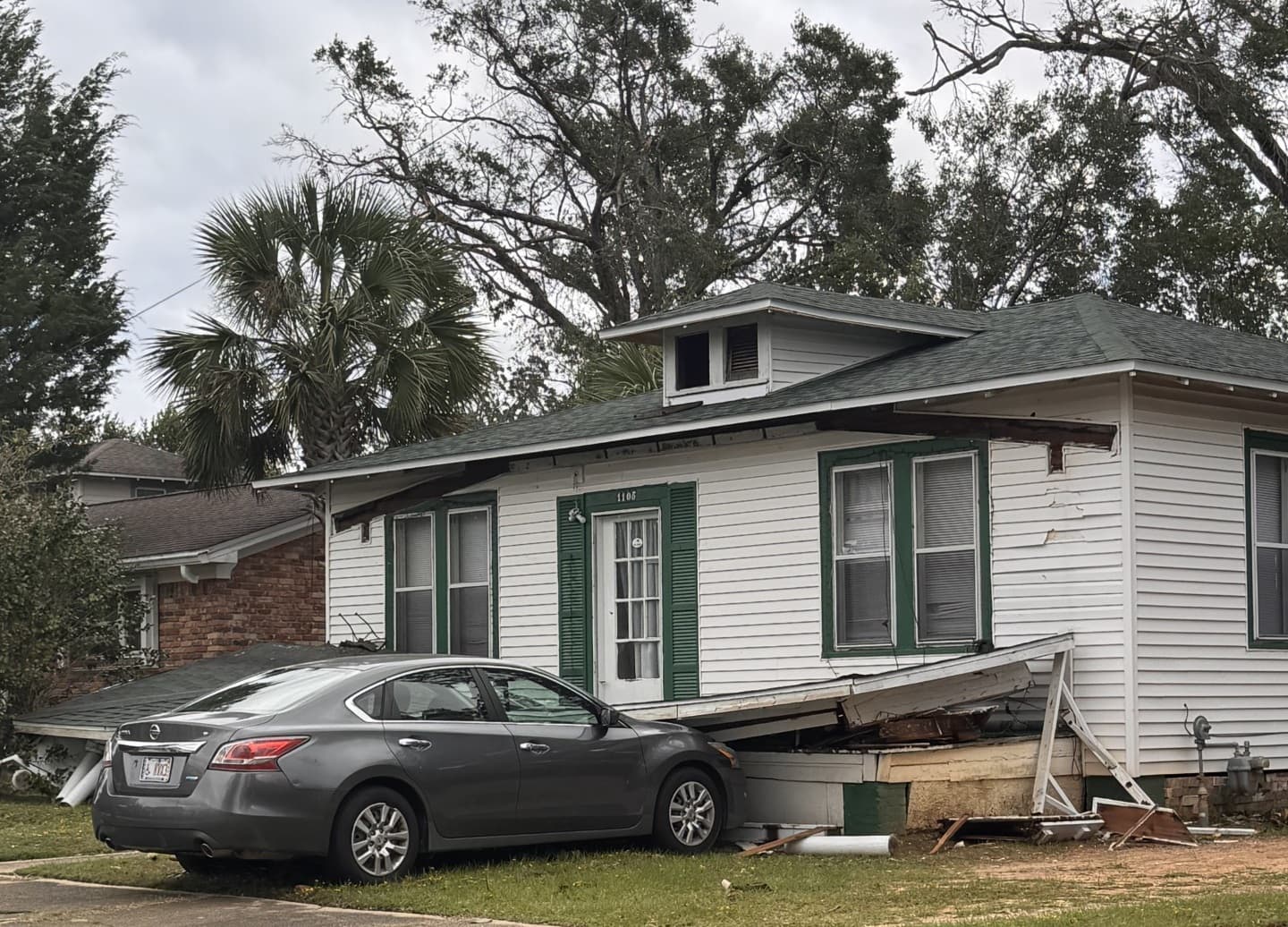
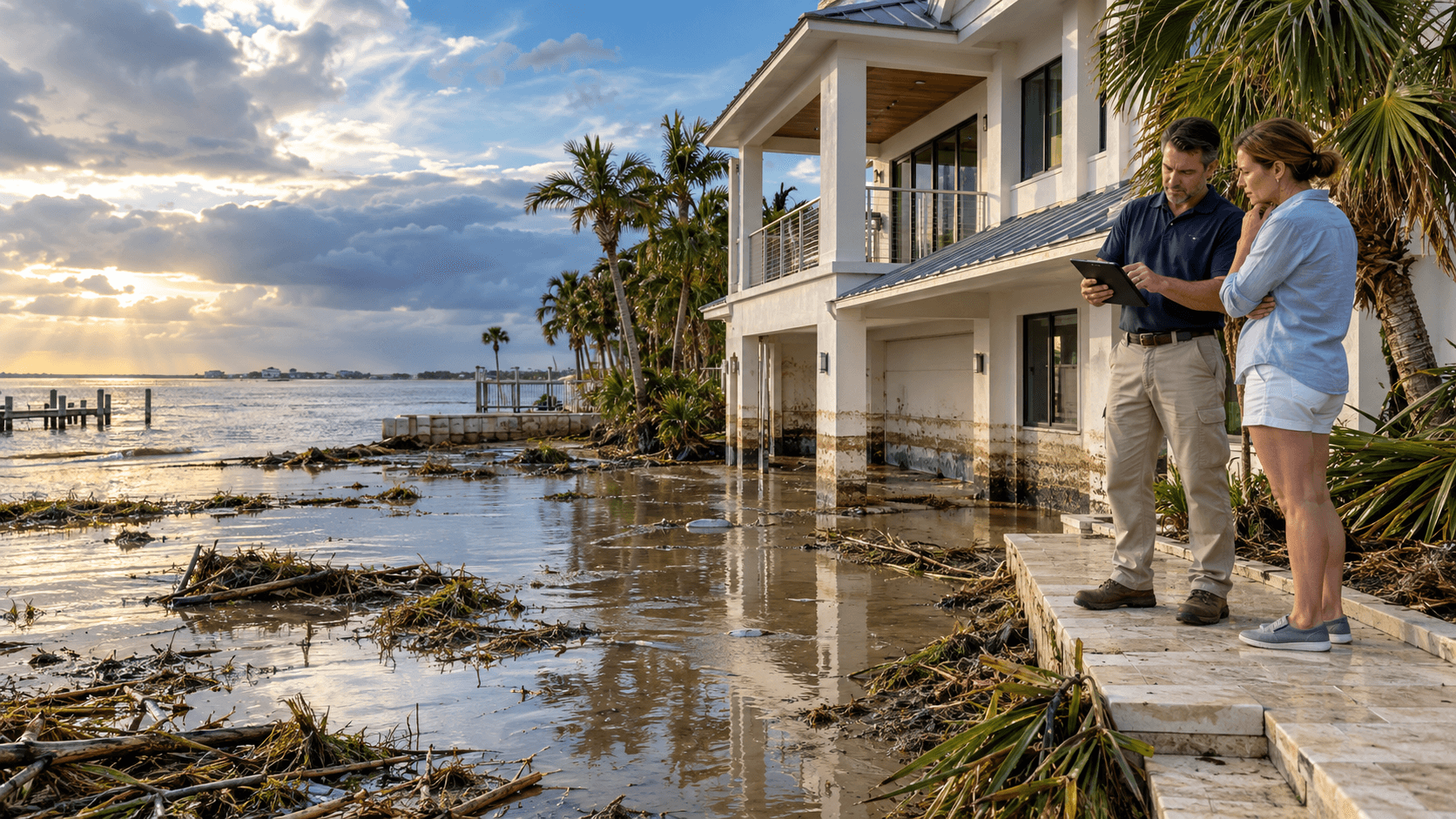
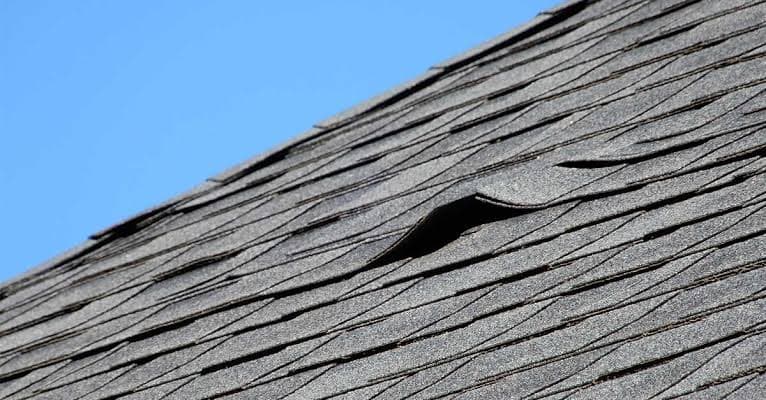
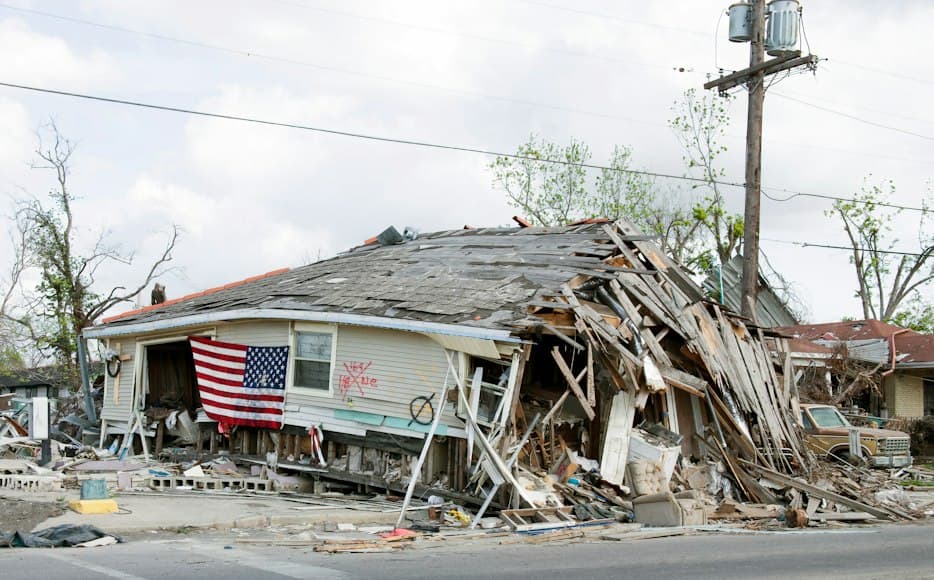
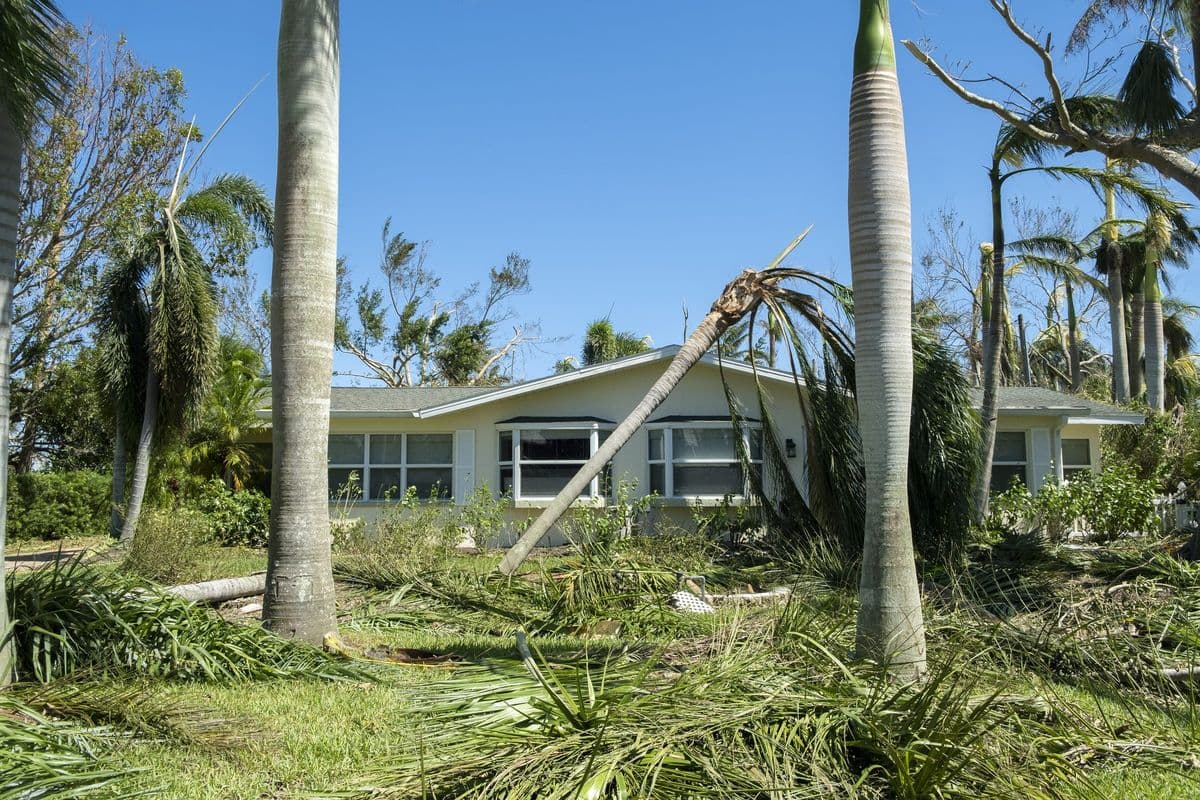
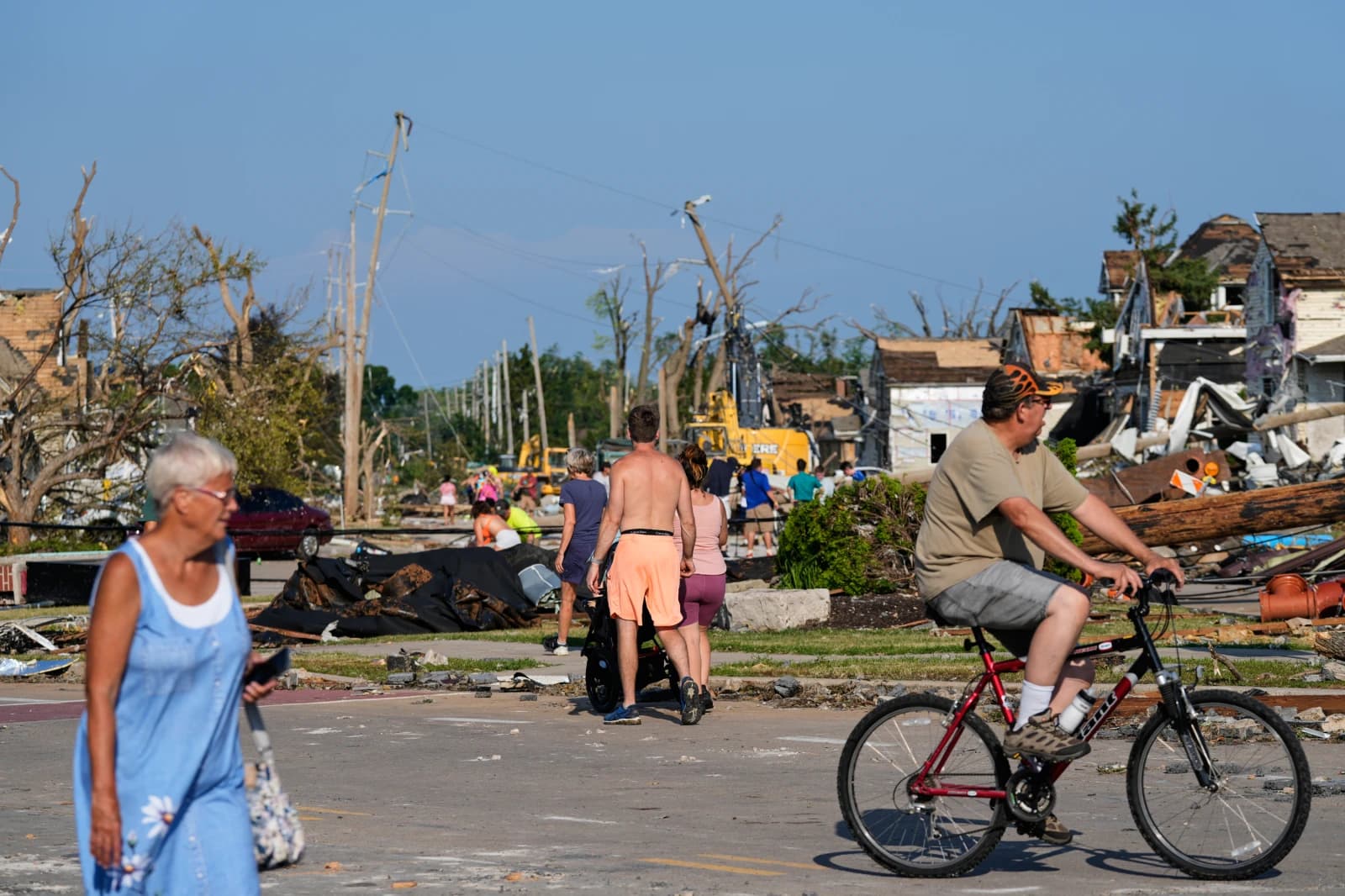
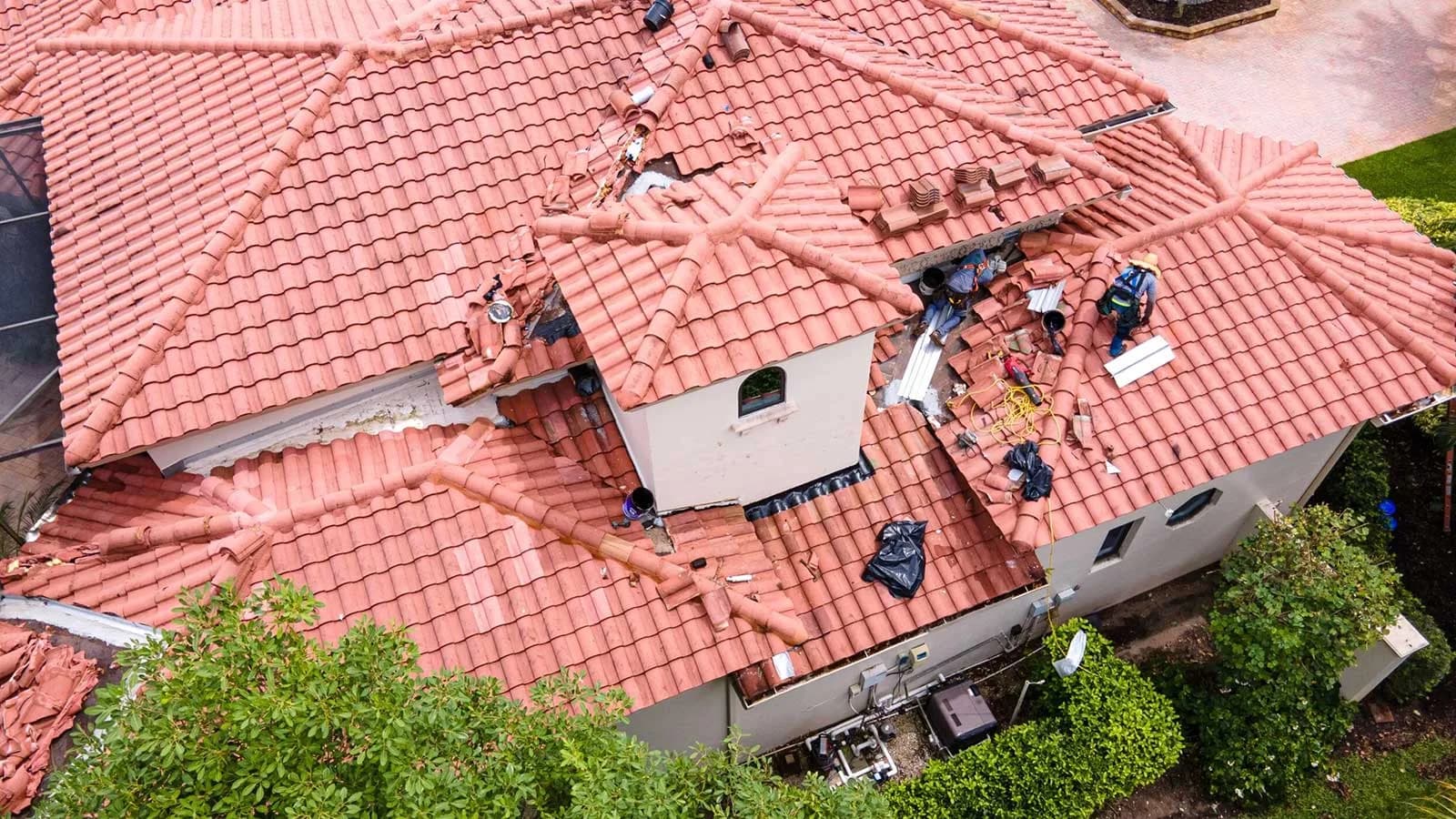
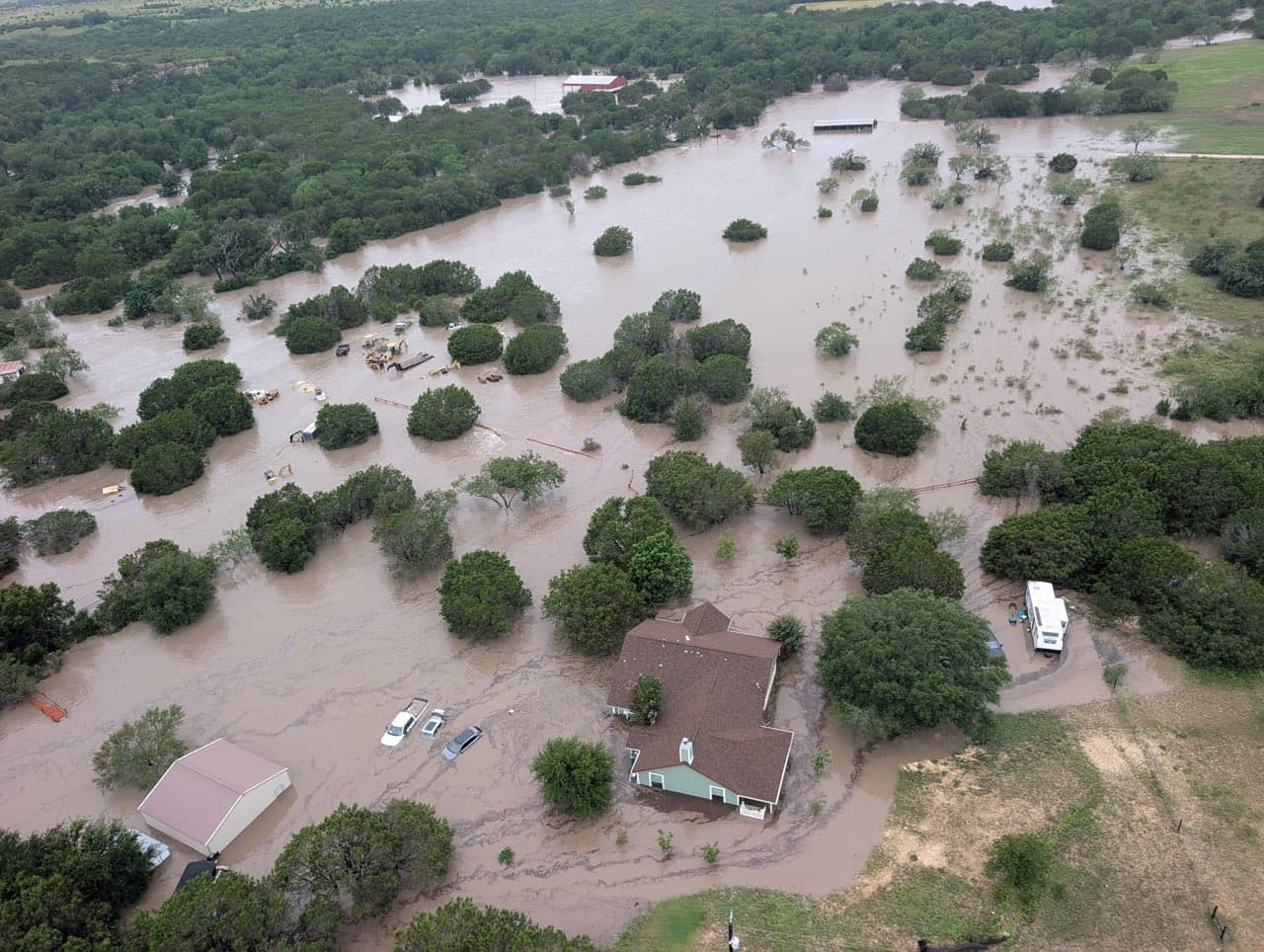
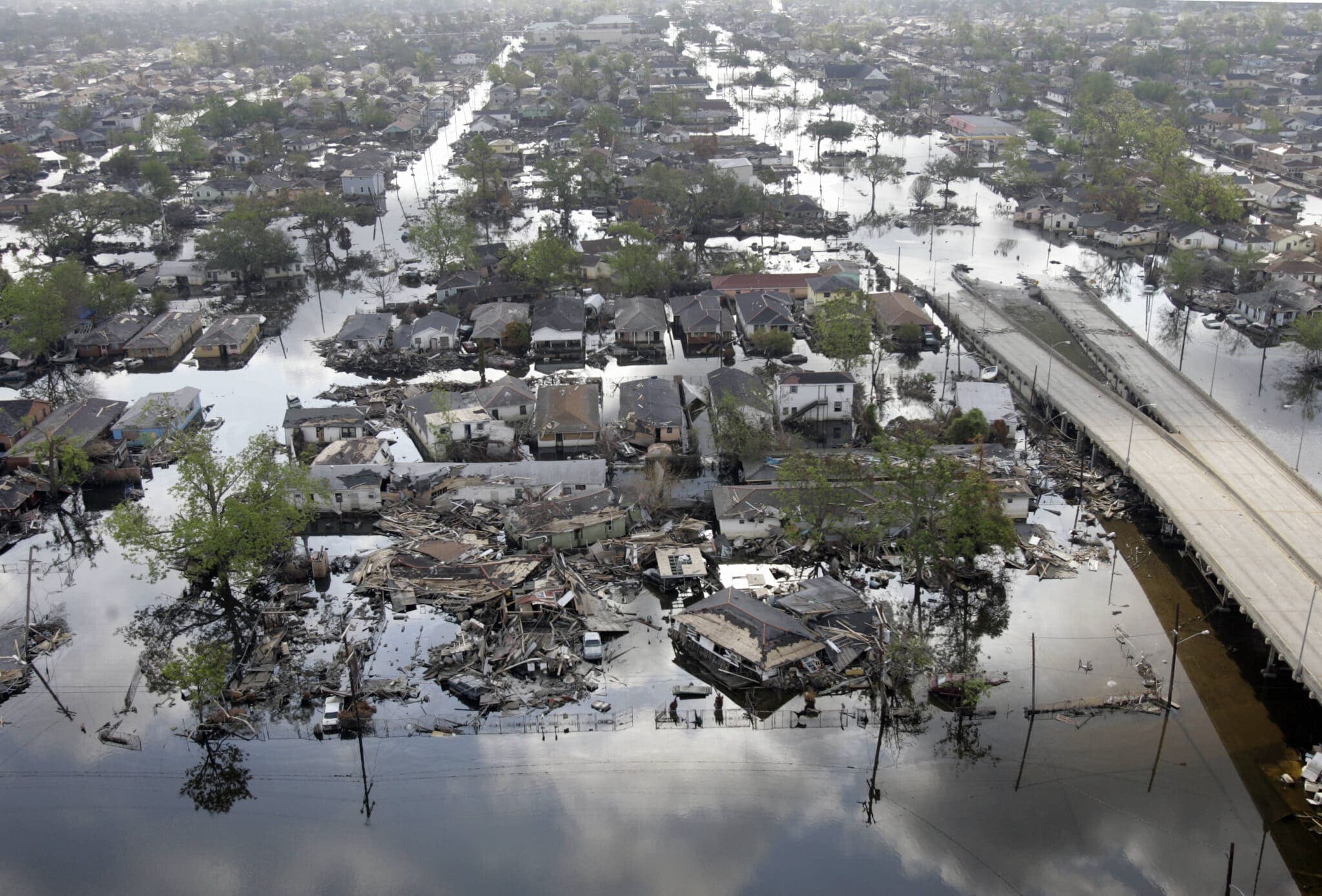
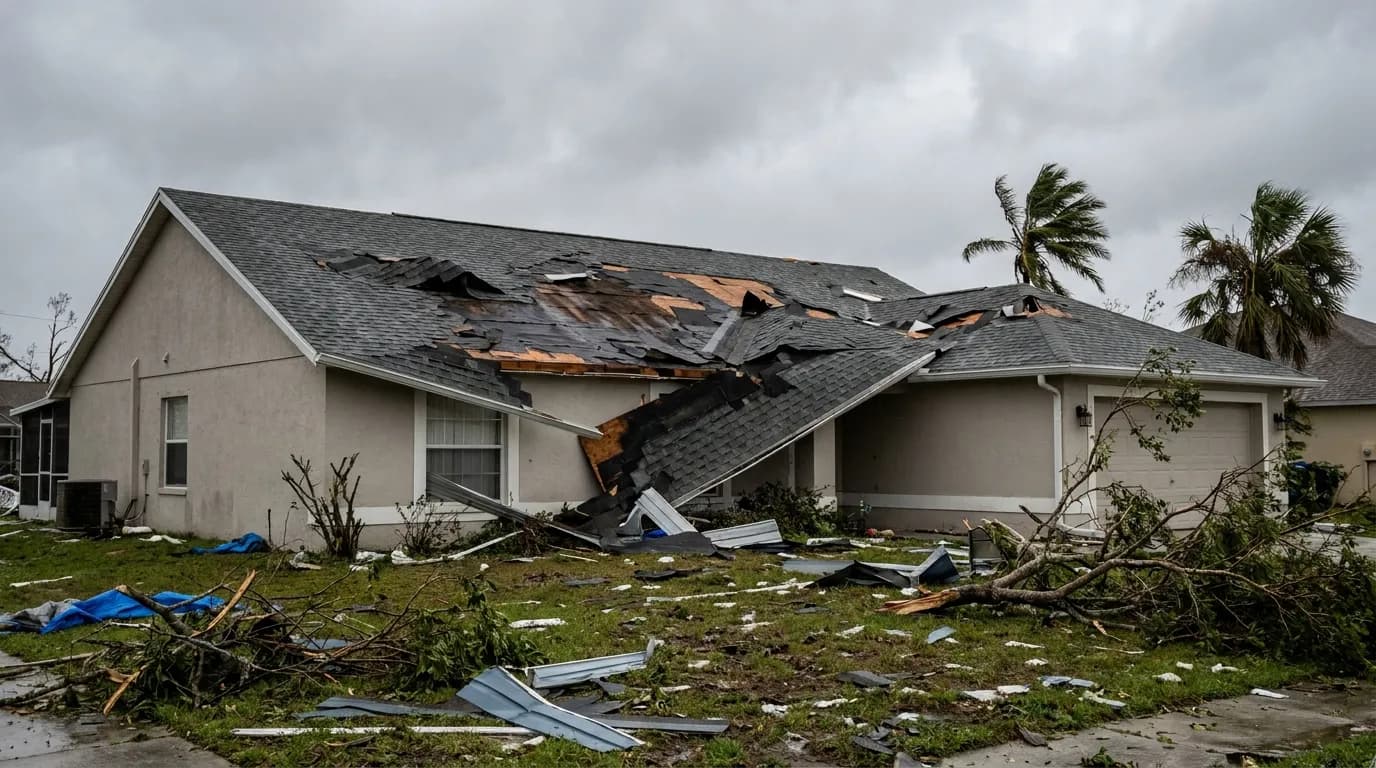
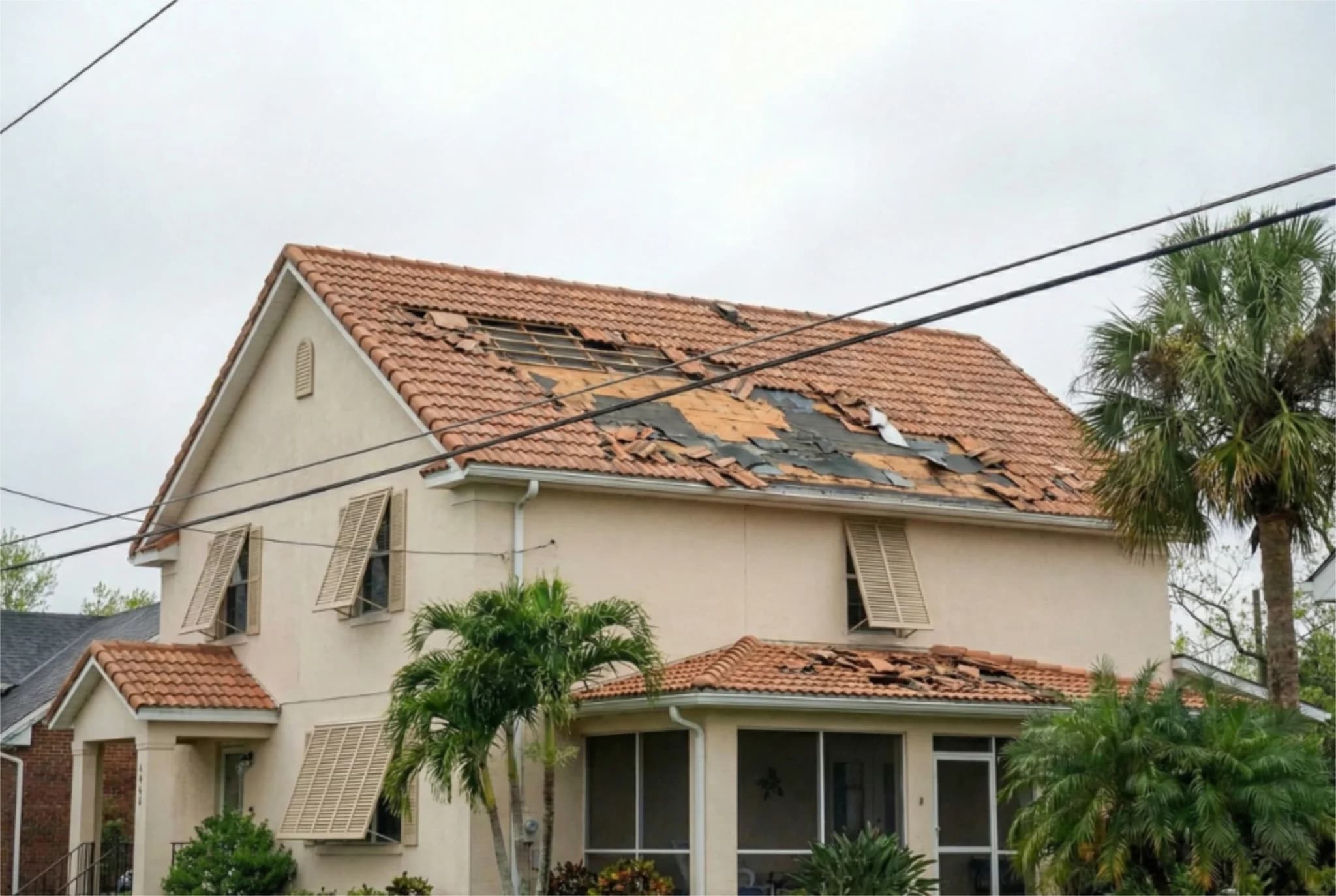
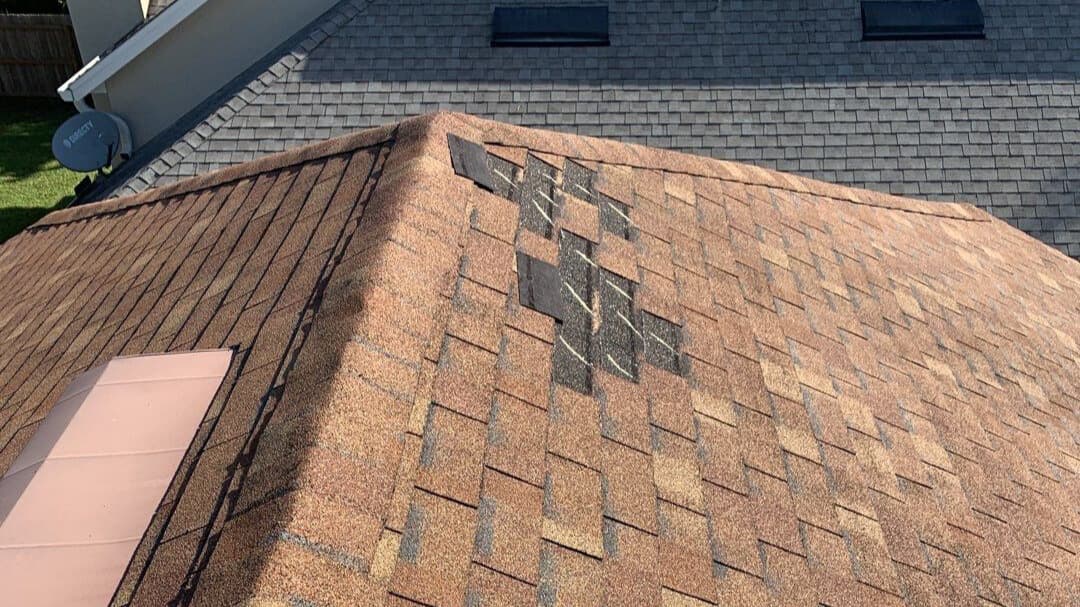
Many Florida property owners operate under the assumption that their homeowners or commercial policies provide comprehensive coverage for hurricane and tropical storm damage. In reality, wind and water damage claims often involve complex policy language, exclusions, and coverage limits that can significantly reduce the amount a policyholder receives after a loss. Roof damage from high winds, water intrusion from storm surge or heavy rainfall, and debris damage are among the most common claims filed during hurricane season, yet disputes over coverage and claim valuation are equally common. Understanding the distinction between wind damage and water damage—and knowing whether your policy covers both—is essential before a storm strikes. Florida’s unique insurance landscape adds another layer of complexity. The state’s property insurance market has experienced significant upheaval in recent years, with several carriers exiting the market and others tightening underwriting standards. Many homeowners have been forced to seek coverage through the state’s insurer of last resort, which typically offers more limited coverage and higher deductibles than private market policies. For those still insured by private carriers, reviewing policy documents to confirm coverage for named storms, understanding deductible structures, and verifying that coverage limits align with current property values are all critical steps that should be completed well before Tropical Storm Bertha or any subsequent storms make landfall.
Business owners face similar challenges, though their exposure is often greater due to larger property values, inventory, and business interruption concerns. A commercial property policy may cover structural damage but exclude coverage for inventory loss or lost income during a closure period. Some policies include hurricane deductibles that are separate from standard deductibles, meaning a business could face significantly higher out-of-pocket costs during a major event. Additionally, businesses that depend on supply chains or customer access may face indirect losses that are not covered by standard property insurance at all. For these reasons, commercial property owners should conduct a thorough insurance audit now, before the season intensifies. Preparedness extends beyond insurance review. Physical mitigation measures can reduce damage and may even lower insurance premiums. Installing storm shutters, reinforcing roof-to-wall connections, trimming trees near structures, and clearing gutters and drainage systems are all cost-effective steps that can minimize loss severity. For properties in flood-prone areas, elevating mechanical systems, installing backflow preventers, and maintaining proper grading around foundations can reduce water intrusion risk. Businesses should also ensure that critical documents, data, and equipment are backed up and stored in secure locations away from potential storm surge or flooding zones.
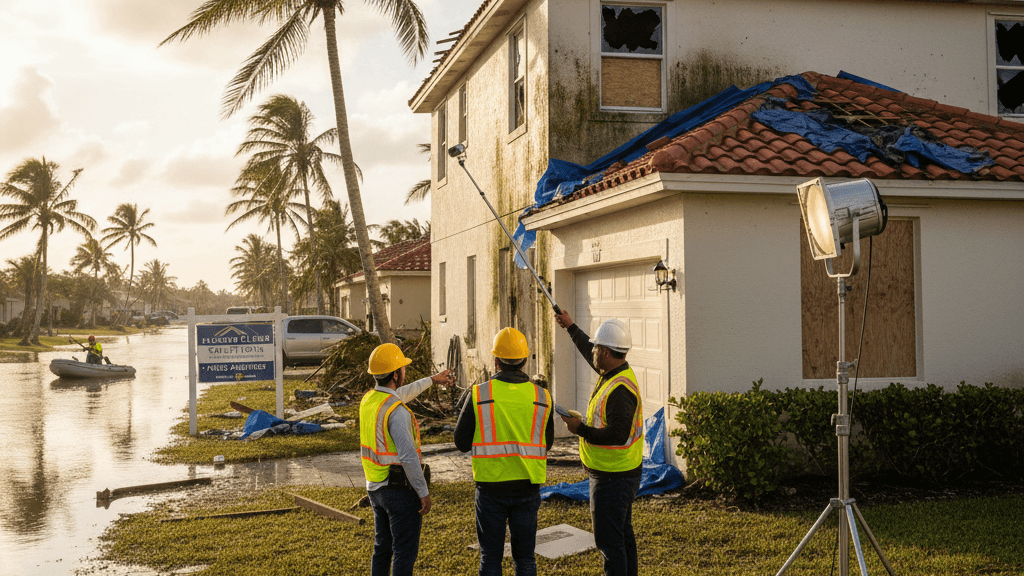
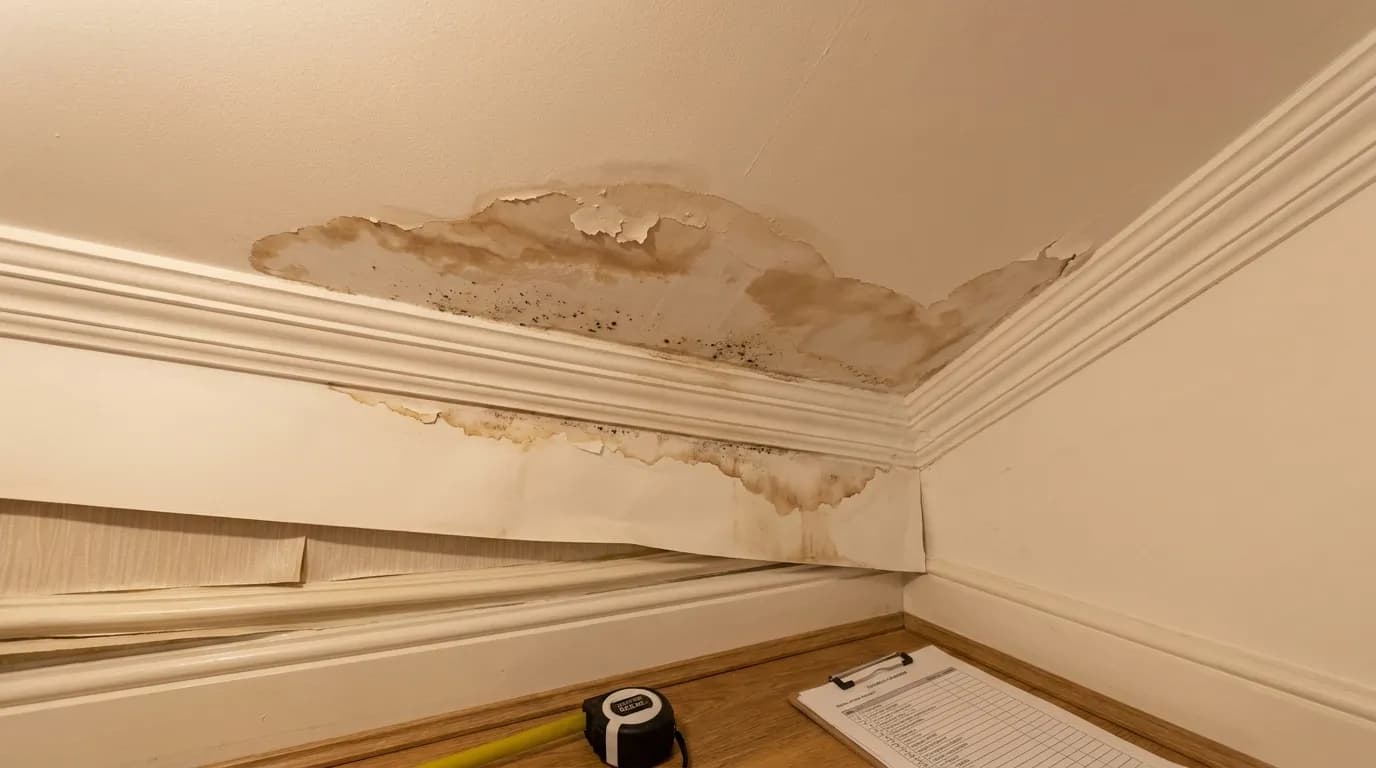
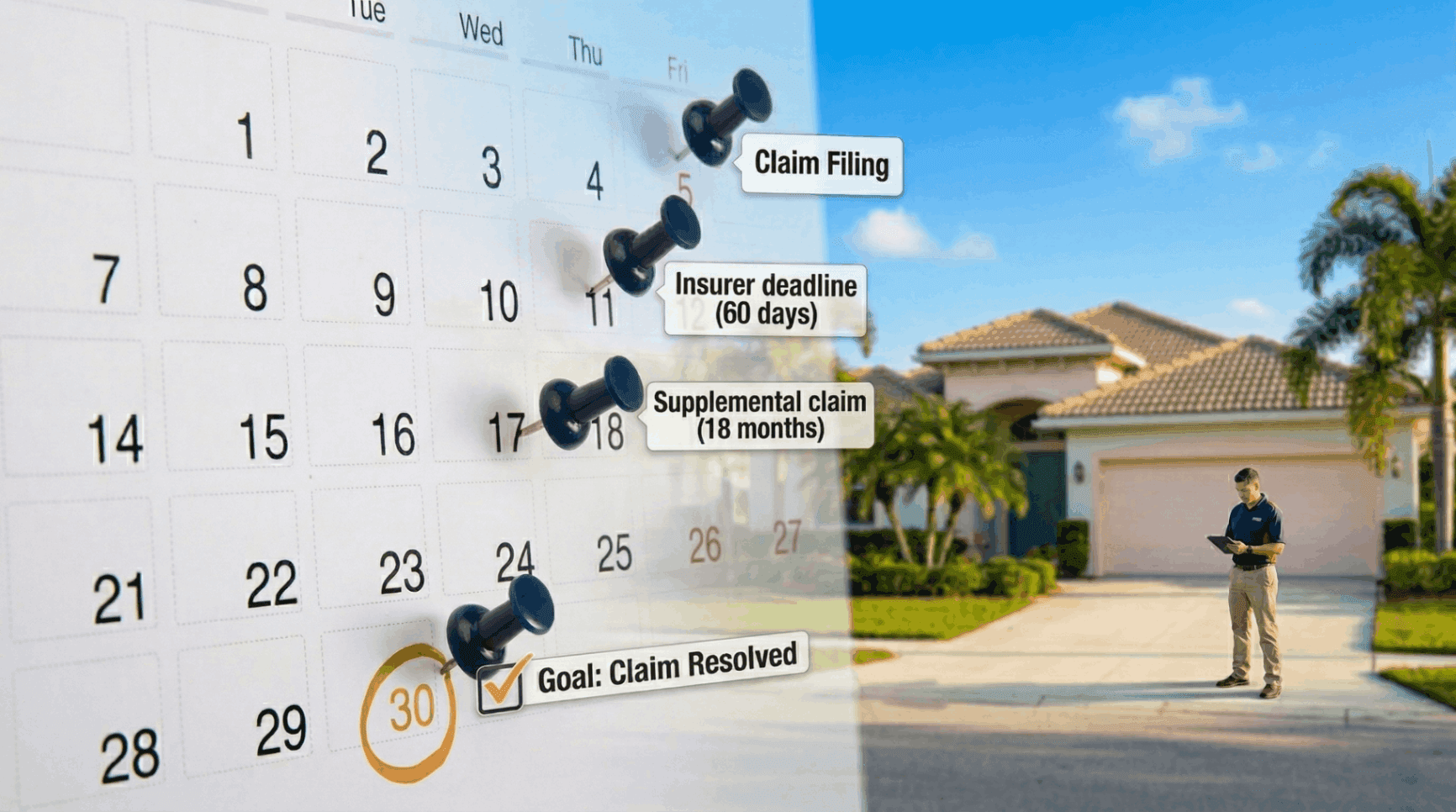
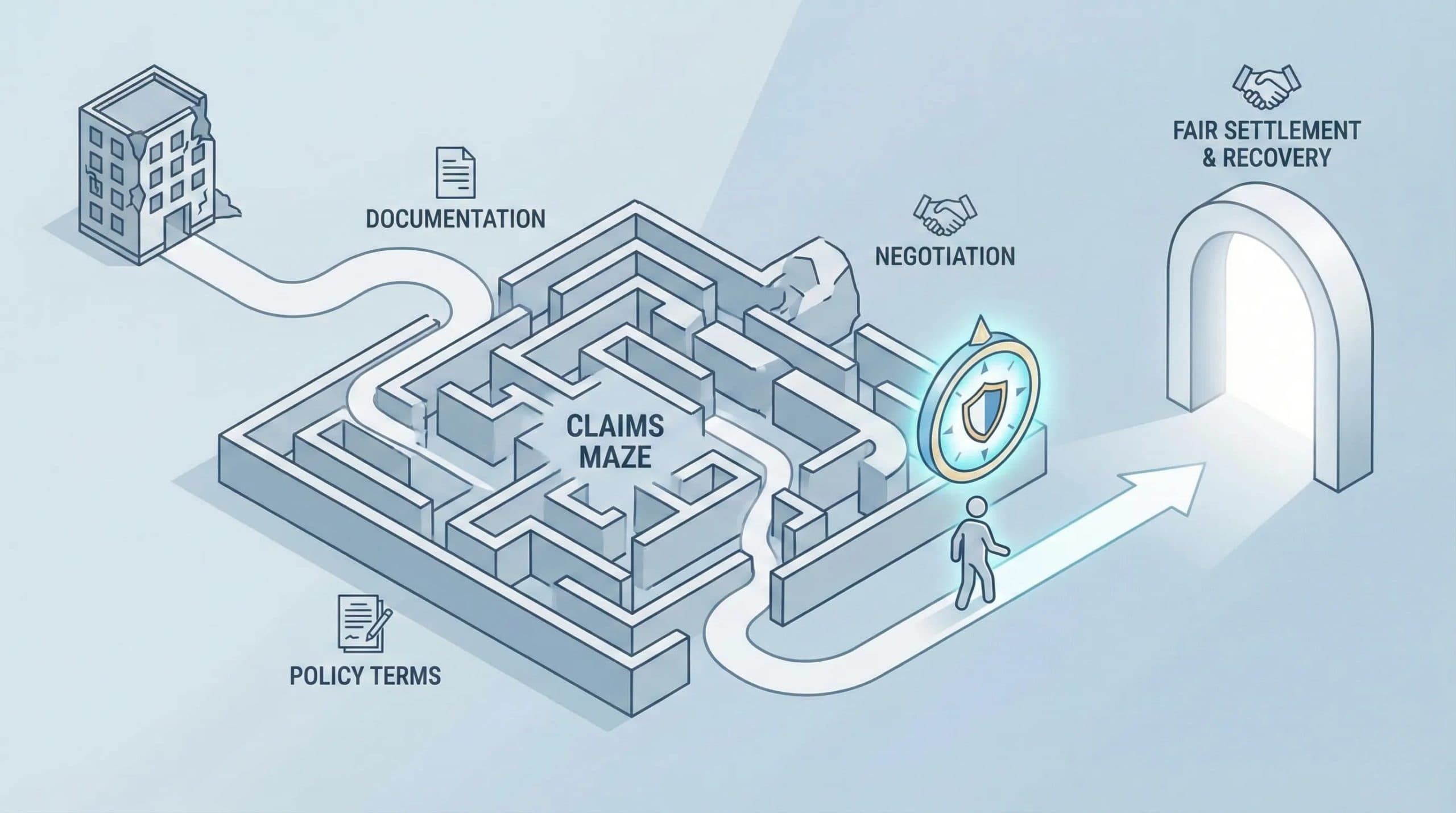
In the event that a storm does cause damage, the claims process itself requires careful attention and documentation. Property owners should photograph and document all damage before beginning any cleanup or repairs, as insurance adjusters will need to assess the loss. Obtaining multiple repair estimates and keeping detailed records of all expenses is essential for substantiating a claim. Many policyholders are unaware that they have the right to hire a public adjuster or attorney to represent their interests during the claims process, particularly if the insurer’s initial offer seems inadequate or if coverage disputes arise. Five Star Claims Adjusting specializes in helping Florida homeowners and businesses navigate storm damage claims, maximize their recovery, and resolve disputes with insurers. Whether you are facing a claim from Tropical Storm Bertha or preparing for future storms, professional guidance can make a significant difference in the outcome. The 2026 hurricane season will likely bring multiple storms to Florida and the broader Gulf Coast region. While Tropical Storm Bertha may not directly impact every property, the season ahead will test the preparedness and insurance readiness of thousands of residents and business operators. Now is the time to review policies, complete mitigation measures, and establish a relationship with professionals who can assist if a claim becomes necessary. By taking these steps before the next storm arrives, property owners can significantly reduce their vulnerability and ensure that they are positioned to recover quickly and completely if disaster strikes.
This article has been sourced from press releases and cross-referenced with multiple websites. Facts originally seen at Source .