A Guide To Insurance Claims And Policyholder Protections
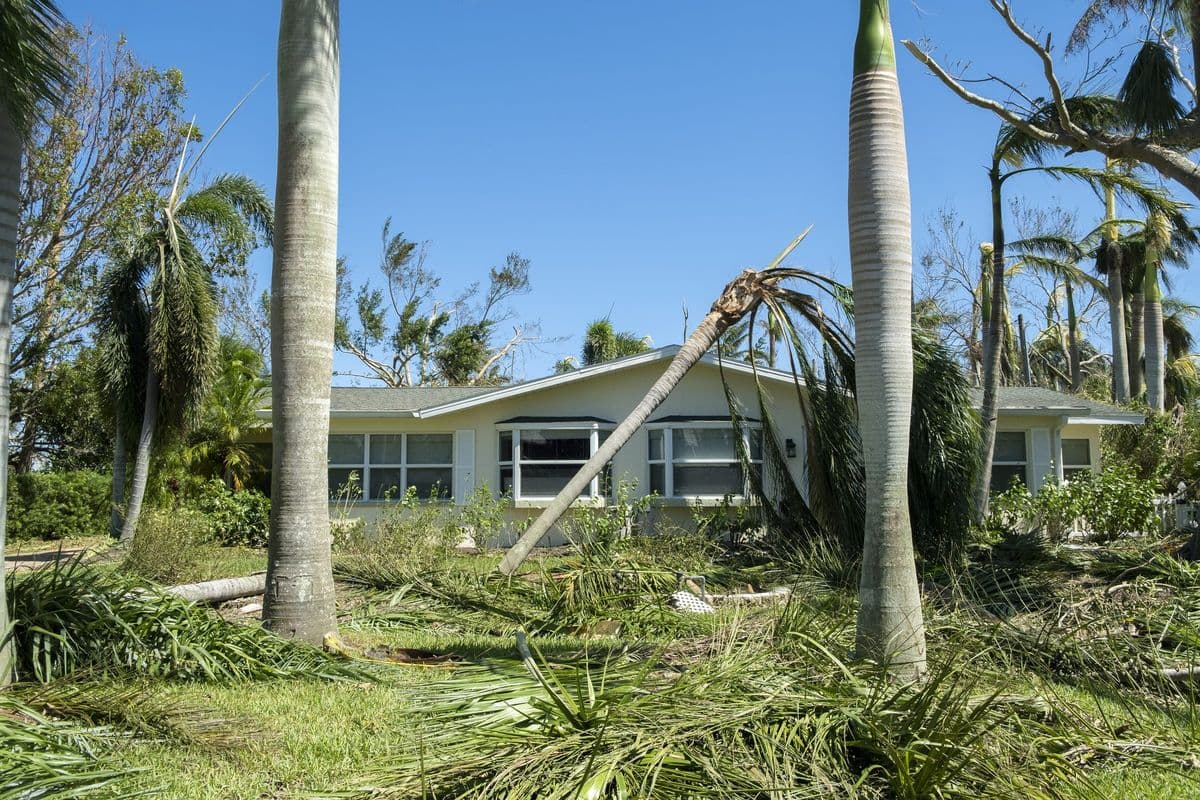
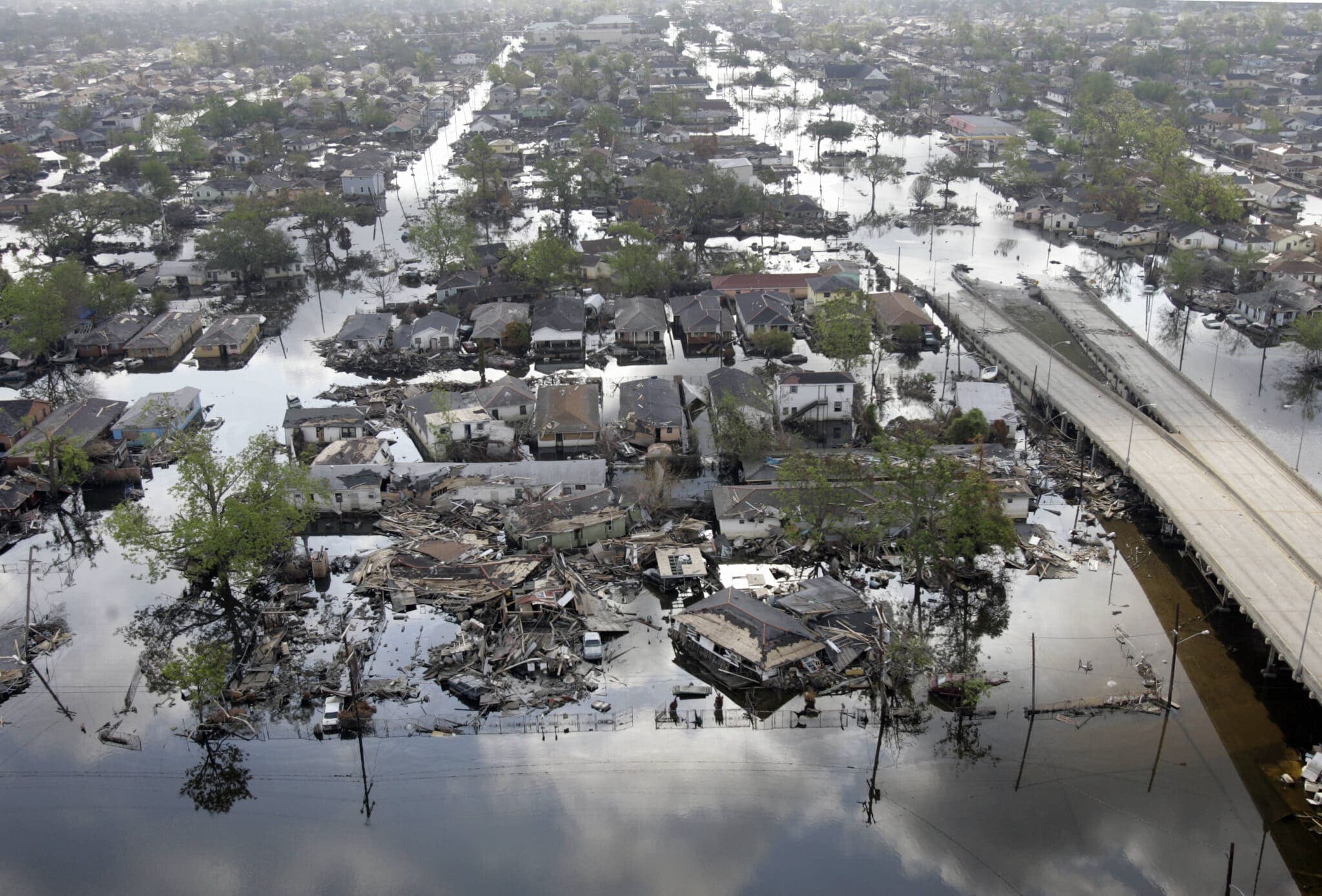
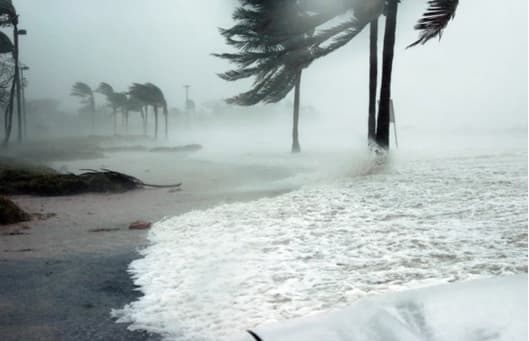
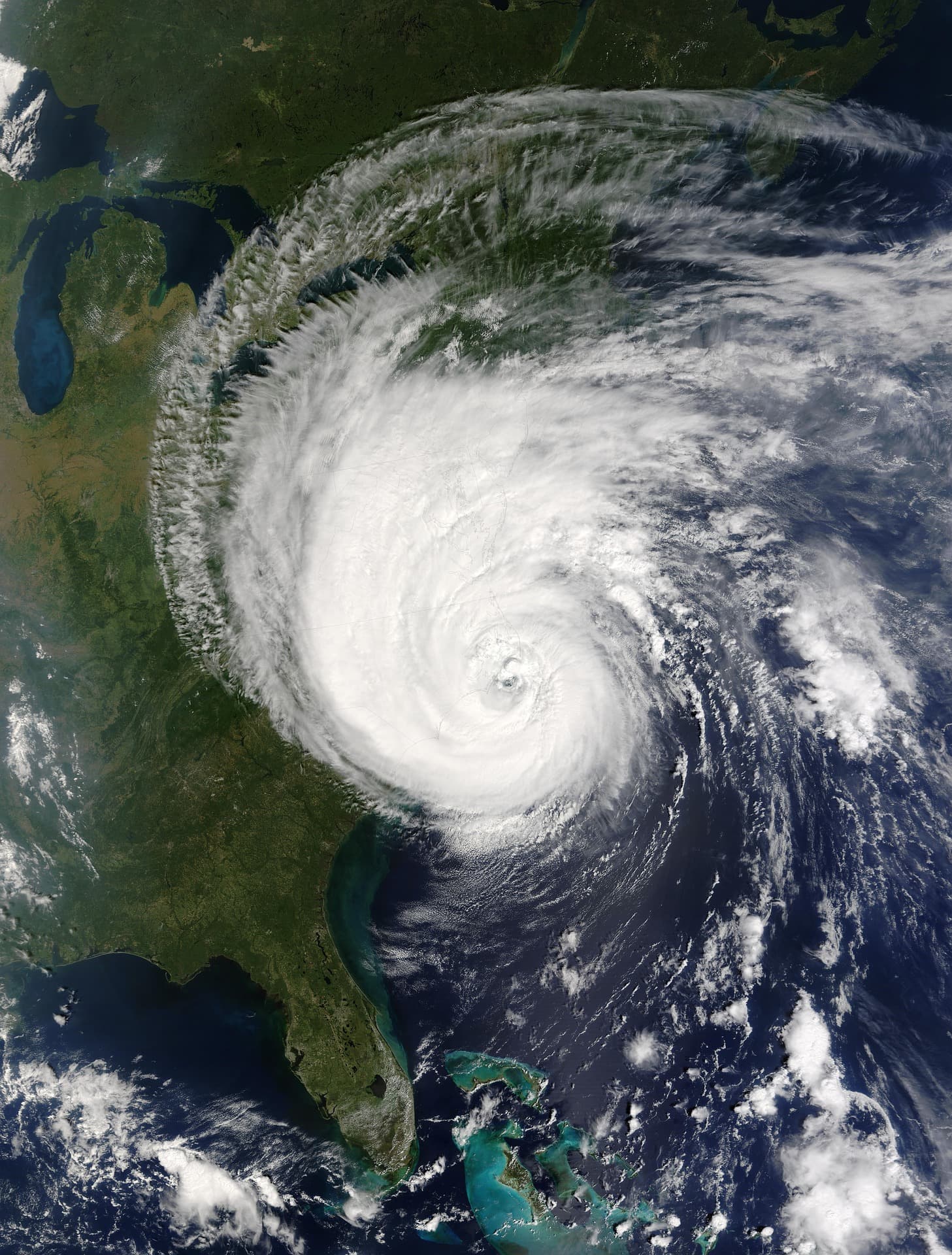
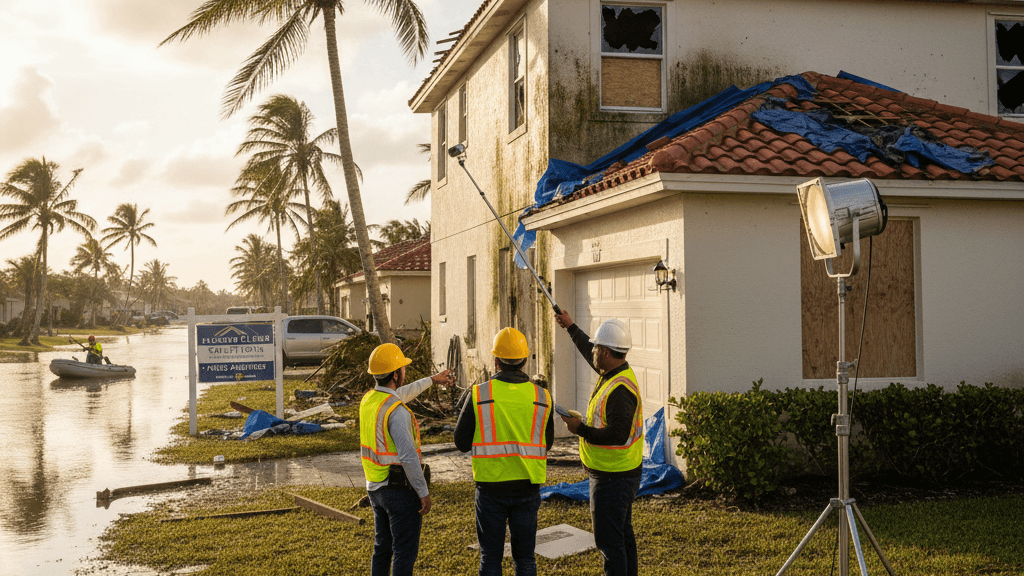
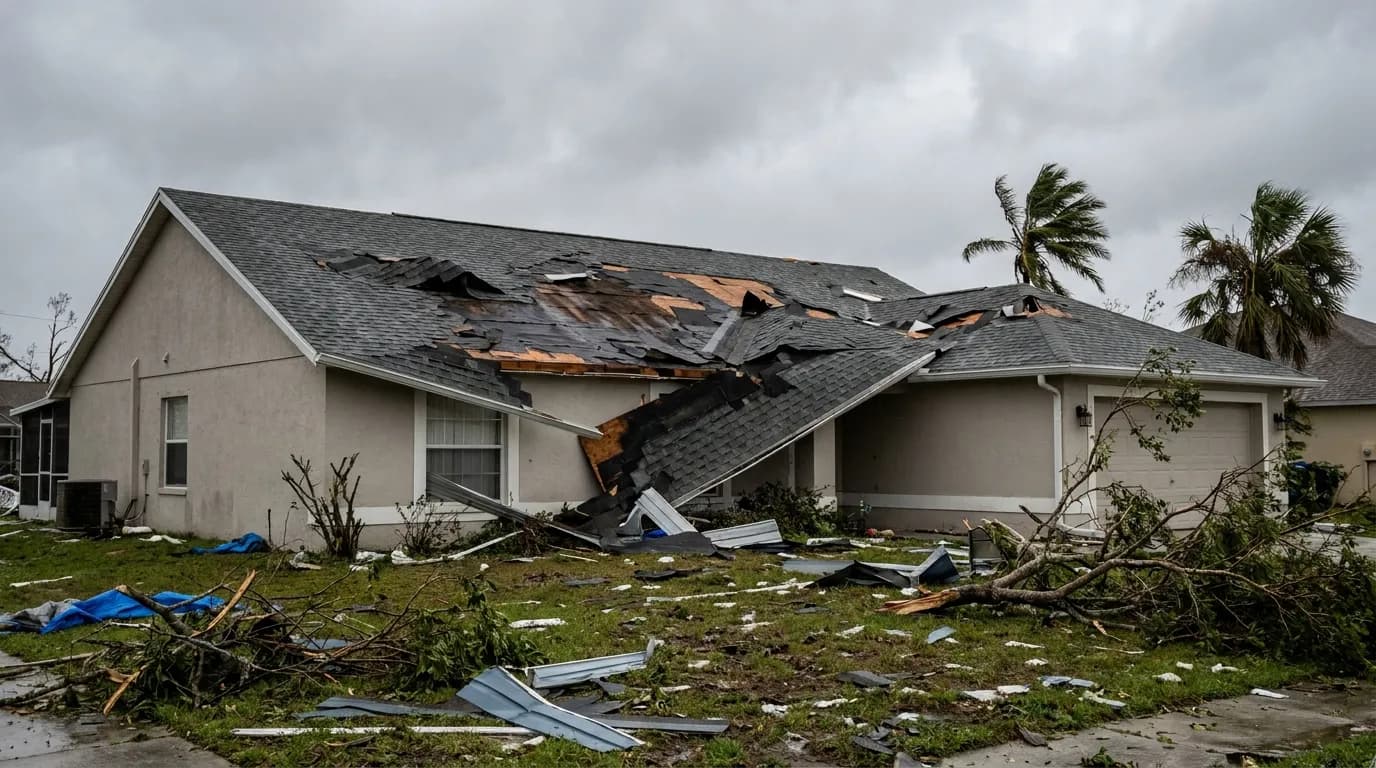
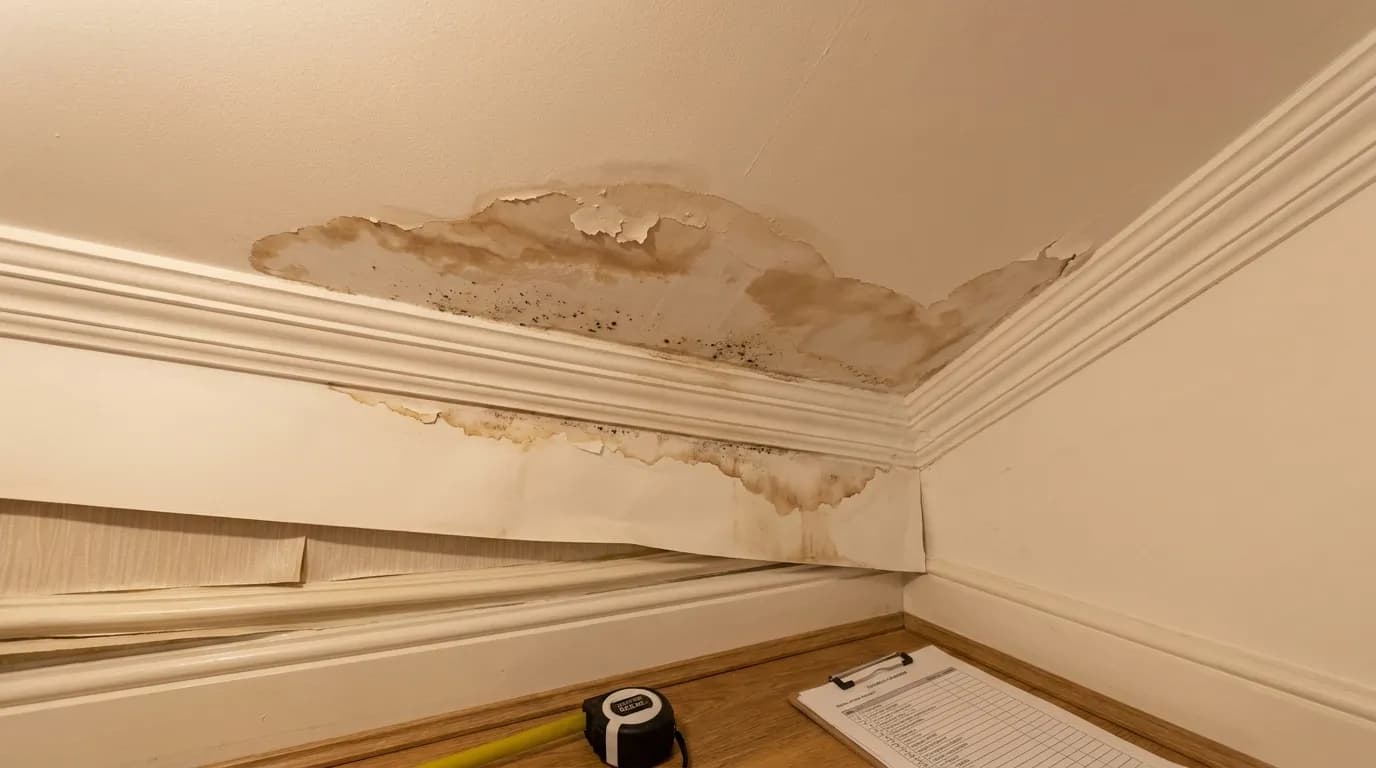
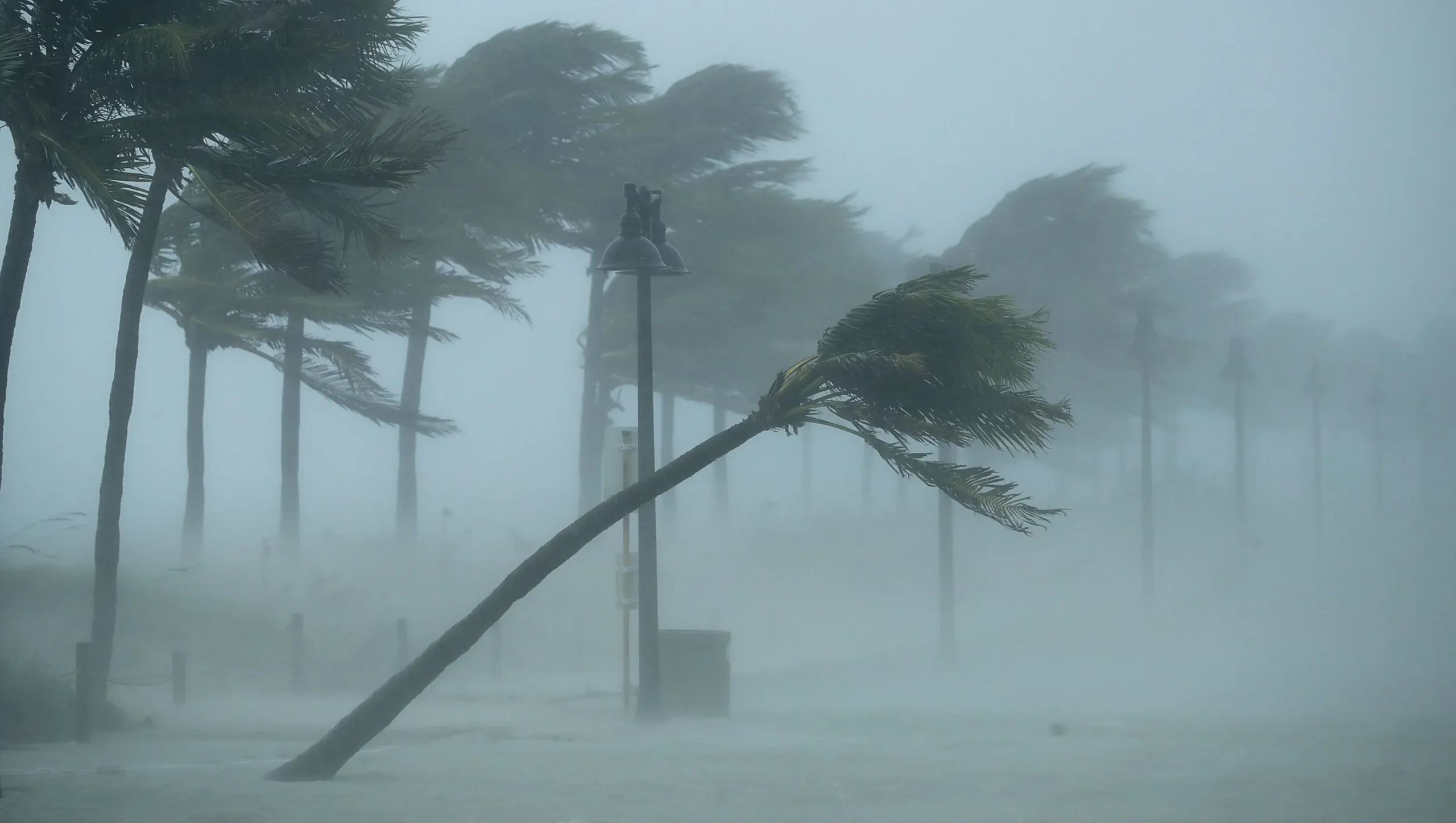
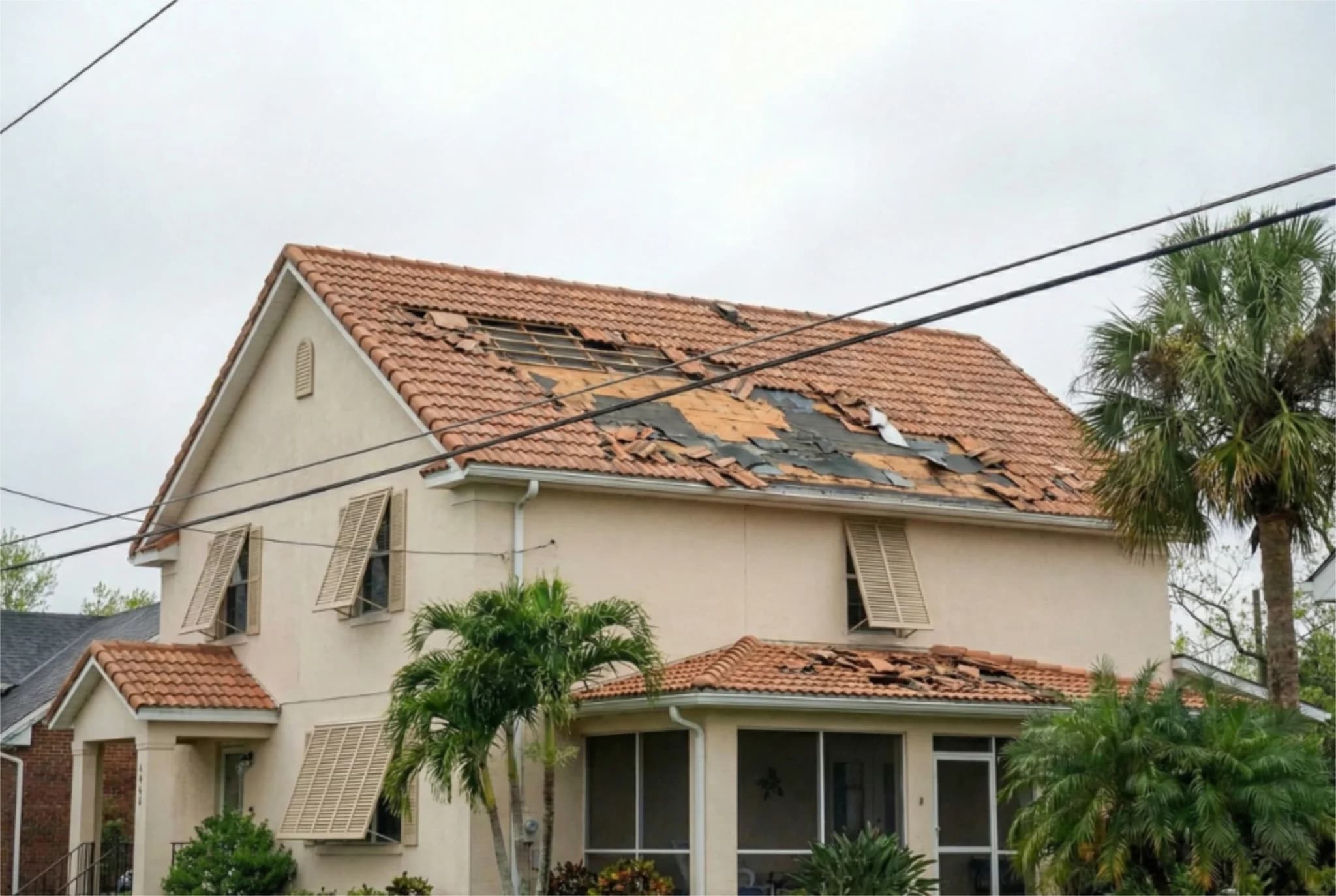
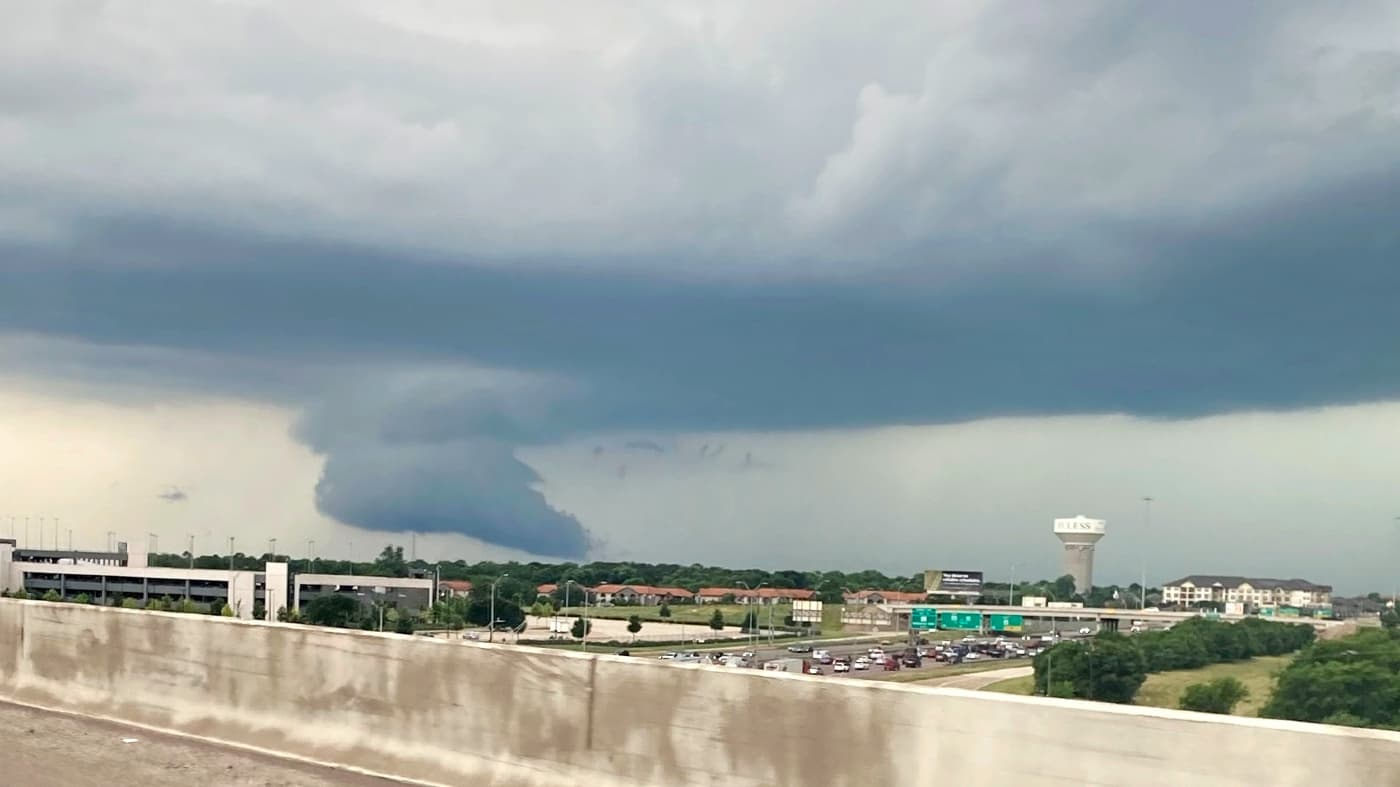
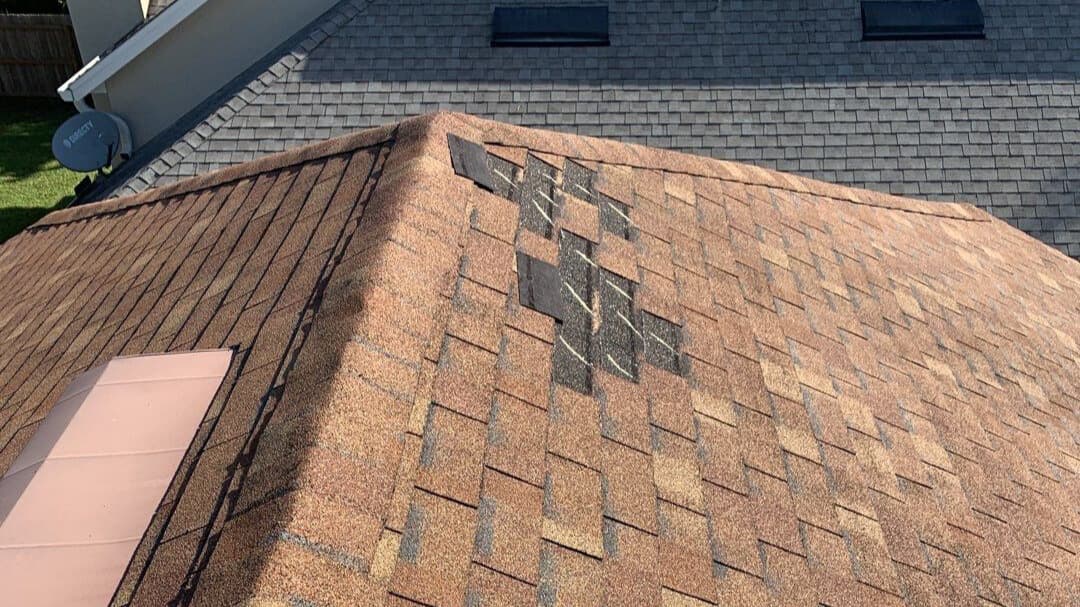
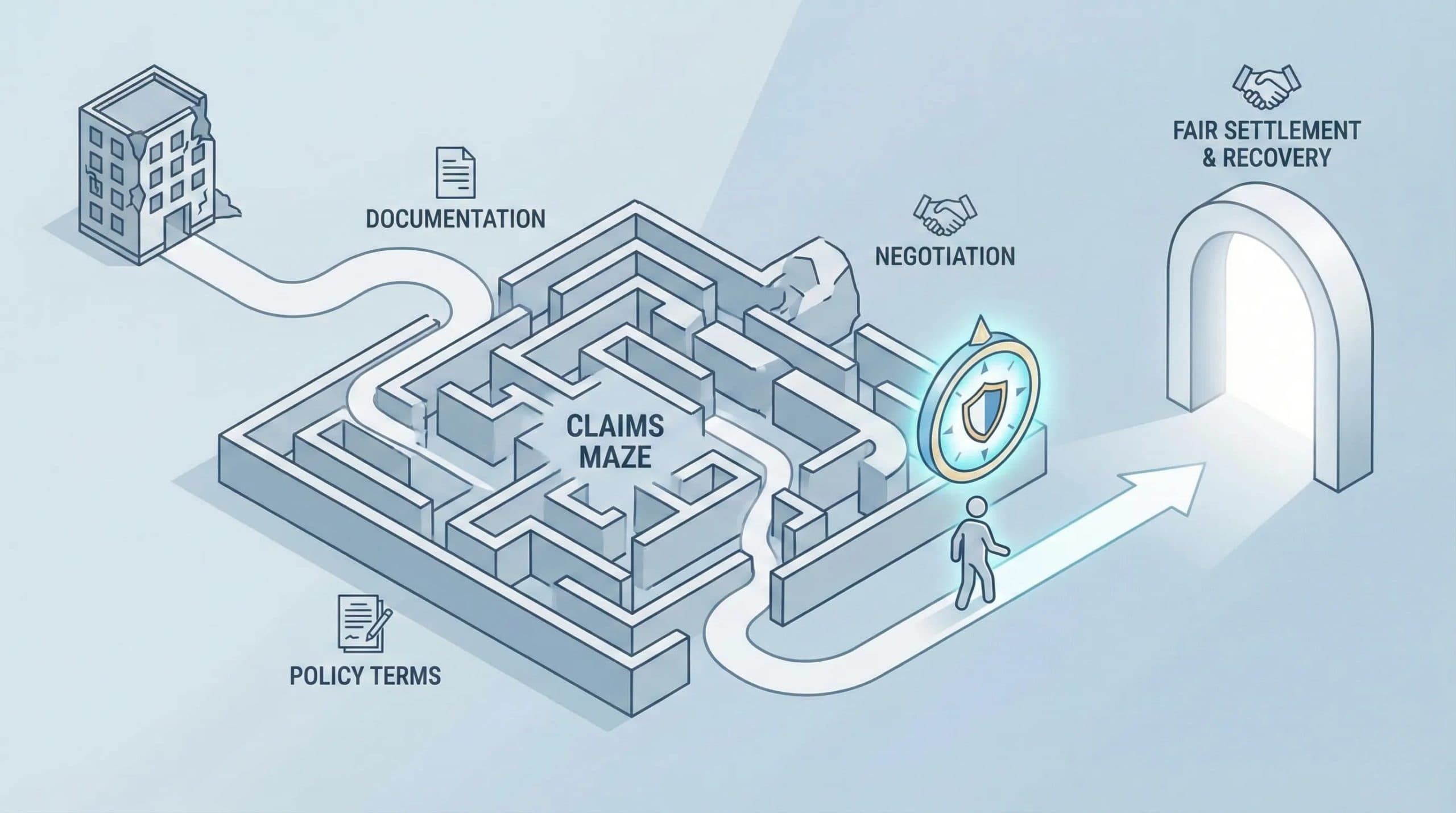
When severe weather damages your home, the path forward depends on understanding your insurance policy and the claims process. Florida homeowners face unique challenges when filing property insurance claims, especially after hurricanes and major storms. The difference between a denied claim and a fully compensated one often comes down to knowing what coverage applies, documenting damage properly, and understanding your rights as a policyholder. The first critical step after storm damage occurs is to secure your property from further harm. This means tarping roofs, boarding windows, and preventing water intrusion. Your insurance policy typically requires you to take reasonable steps to prevent additional damage, and failure to do so can jeopardize your claim. Once the property is stabilized, begin documenting everything with photographs and video. Capture wide shots showing the overall damage pattern, then close-ups of specific areas. This visual evidence becomes essential when your claim is reviewed.
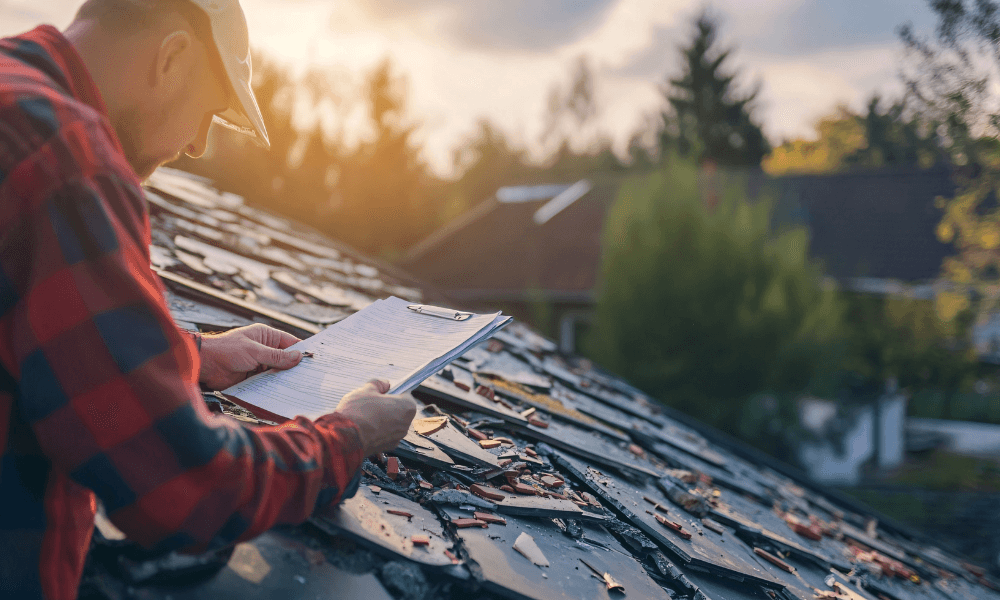
Many Florida homeowners discover that their initial claim estimate falls short of actual repair costs. This is where understanding the difference between actual cash value and replacement cost coverage matters significantly. Some policies depreciate the value of damaged materials and labor, while others cover the full cost to replace items as new. Review your policy declarations page carefully to determine which type of coverage you have. If you believe the insurance company's estimate undervalues your damage, you have the right to obtain independent assessments from licensed contractors and public adjusters. The inspection process is another critical phase where your knowledge of policy terms protects your interests. Insurance adjusters work for the insurance company, not for you. They may miss damage, misclassify the cause of loss, or apply depreciation in ways that reduce your payout. You have the right to be present during the inspection, ask questions, and request clarification on how damage is being assessed. If you disagree with the adjuster's findings, document your objections in writing and keep copies for your records.
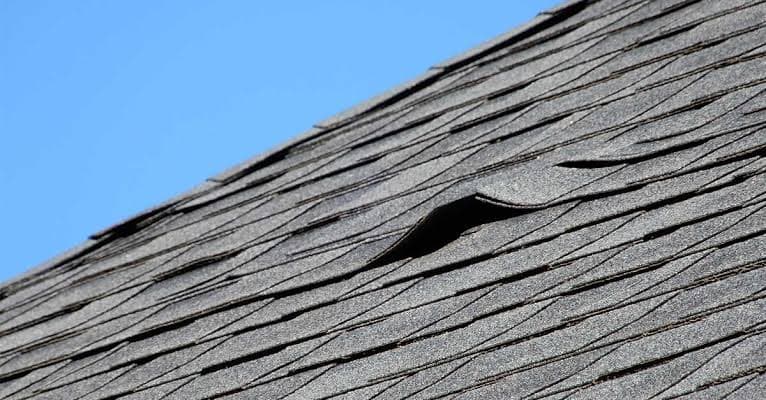
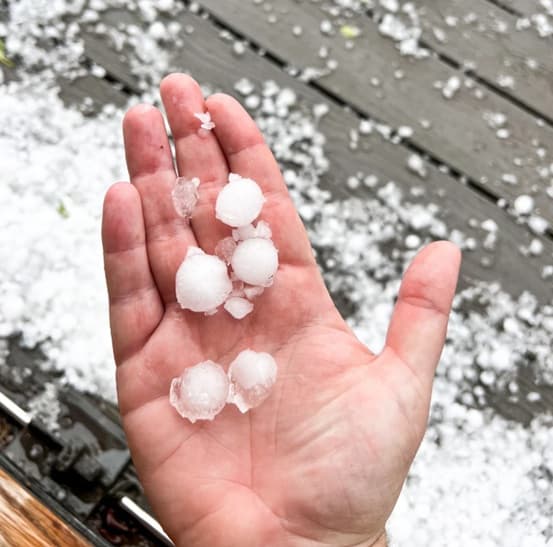
Florida law provides additional protections for homeowners through the appraisal process. If you and your insurance company cannot agree on the claim amount, either party can demand an appraisal. This involves selecting neutral appraisers who independently evaluate the damage and determine the appropriate payout. The appraisal process can recover thousands of dollars in underpaid claims, making it a valuable tool when initial estimates seem inadequate. Understanding this right ensures you are not pressured into accepting a settlement that does not fully cover your losses. Wind and hail damage claims require particular attention to policy exclusions and deductibles. Some policies include separate wind or hail deductibles that are higher than standard deductibles, sometimes reaching 5 to 10 percent of your home's insured value. Verify what deductible applies to your specific claim type. Additionally, review any exclusions related to maintenance issues. Insurance companies sometimes deny claims by arguing that damage resulted from lack of maintenance rather than the covered peril. Photographs showing the condition of your roof and property before the storm help counter this argument.

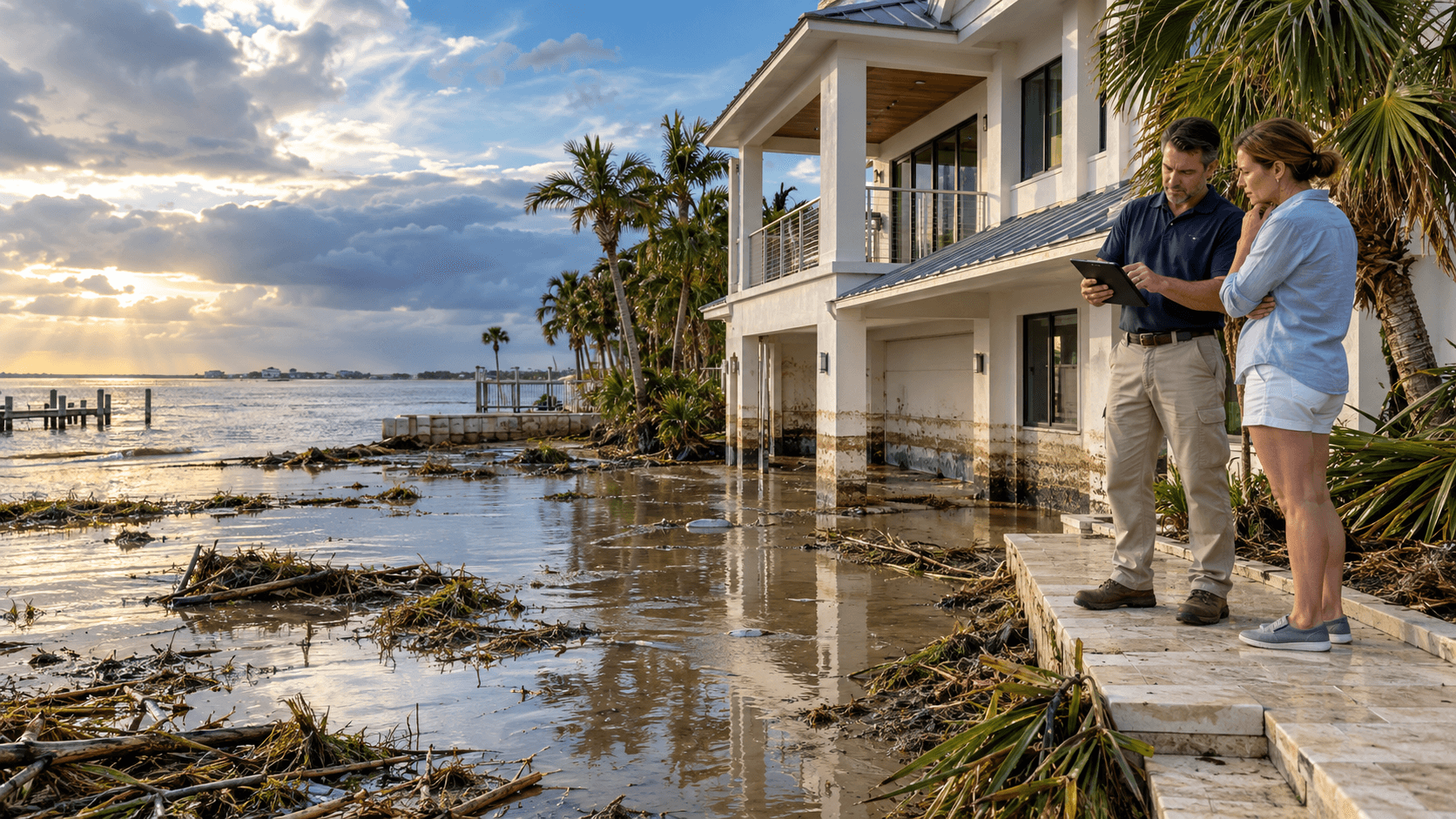
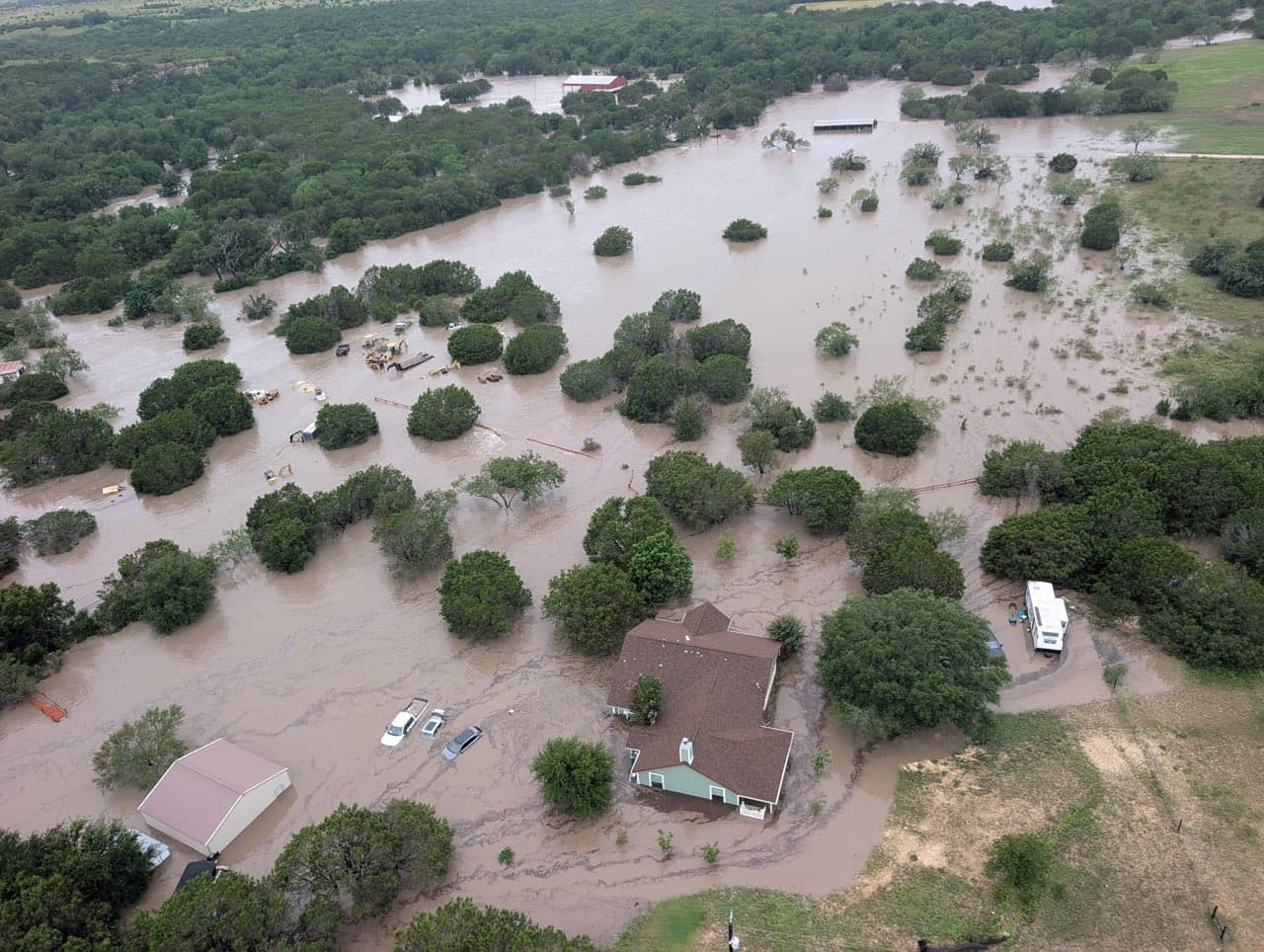
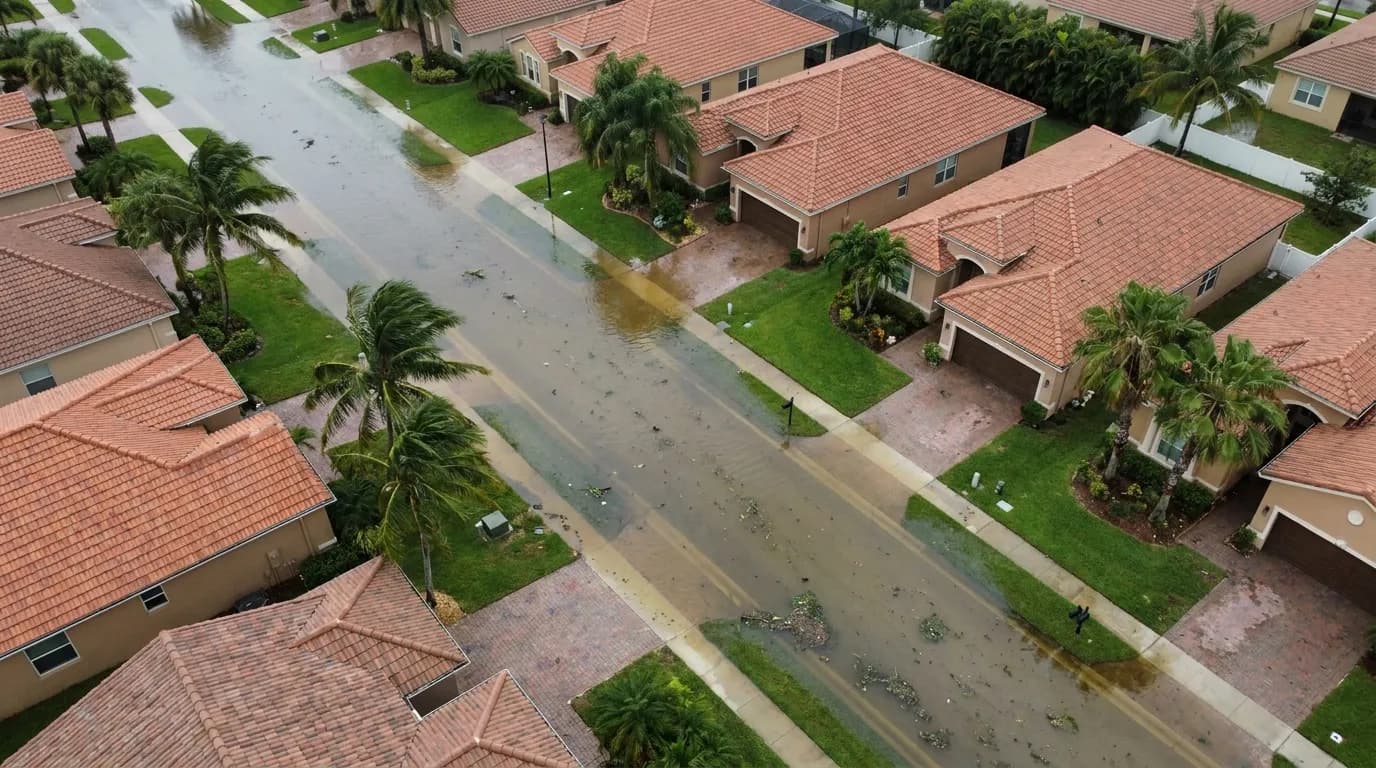
Water damage from storms presents another complex area where policy language determines coverage. Damage from wind-driven rain is typically covered under standard homeowners policies, but damage from flooding is not. Understanding this distinction is crucial. If your claim involves water intrusion, document whether the water entered through wind-driven rain or through ground-level flooding. The cause of loss directly affects whether your claim will be paid. Five Star Claims Adjusting assists Florida homeowners in navigating these distinctions and ensuring that legitimate water damage claims are not incorrectly denied as flood damage. After a major hurricane or severe storm, many homeowners face the challenge of managing repairs while waiting for claim resolution. Some policies allow you to proceed with emergency repairs and submit receipts for reimbursement. Others require pre-approval before you begin work. Contact your insurance company to clarify the process for your specific situation. Keep all receipts, invoices, and contractor estimates, as these documents support your claim for reimbursement. If you hire contractors for temporary repairs, ensure they provide detailed invoices that break down labor and materials.
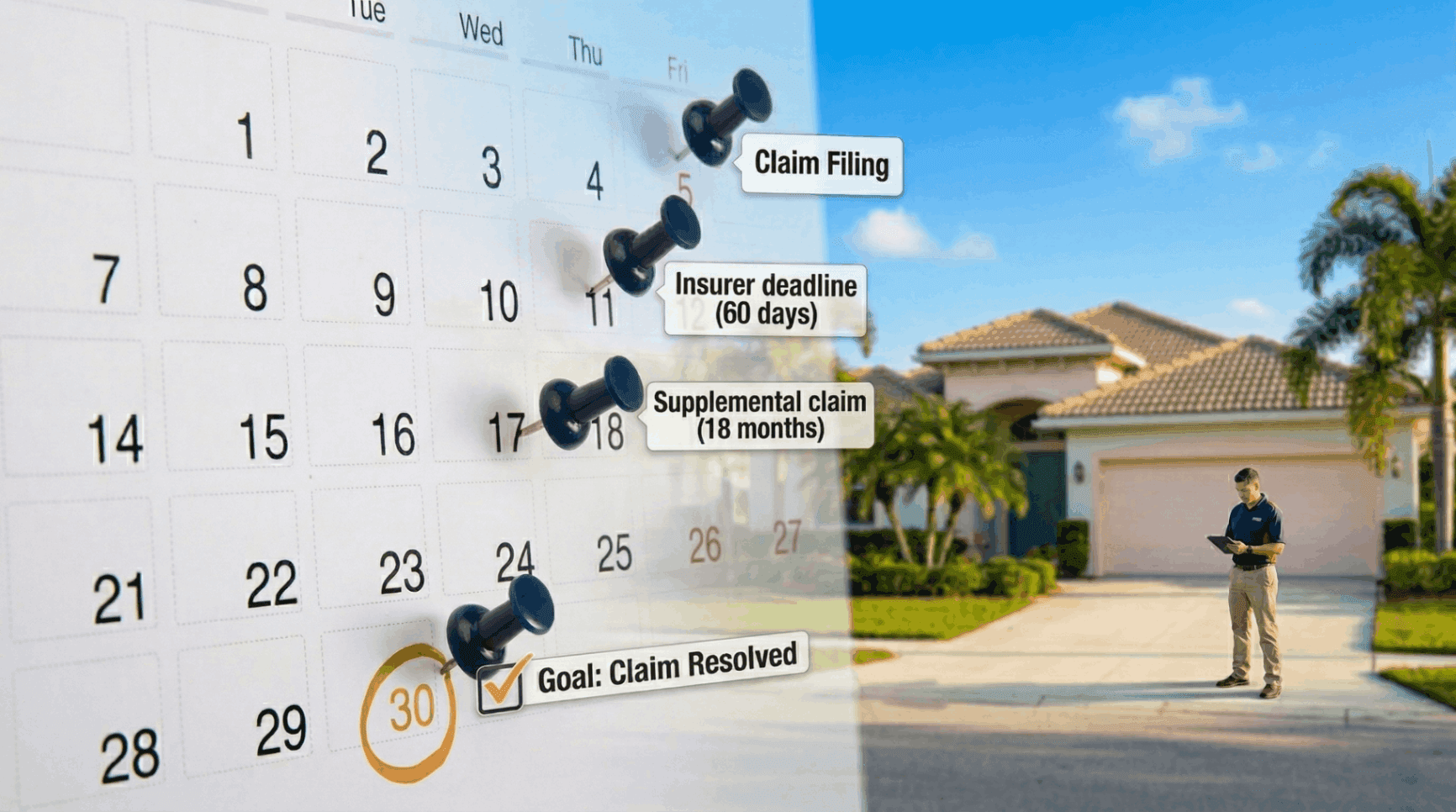
The timeline for claim resolution varies depending on the extent of damage and the complexity of your situation. Florida law requires insurance companies to acknowledge your claim within 14 days and to make a determination within 30 days, though this timeline can be extended for complex claims. If your claim is denied or underpaid, you have the right to appeal. Request a written explanation of the denial, citing the specific policy language and reasons for the decision. If you disagree with the denial, you can file a complaint with the Florida Department of Financial Services, which oversees insurance regulation in the state. Many homeowners benefit from professional assistance when claims are substantial or disputed. Public adjusters and insurance claim attorneys can advocate on your behalf, ensuring that all damage is documented and that your claim is presented persuasively to the insurance company. While these professionals charge fees, the additional recovery they often secure can far exceed their cost. Five Star Claims Adjusting works with homeowners throughout Florida and Texas to maximize claim payouts and ensure that policyholders receive the full benefits to which they are entitled.
After your claim is resolved, focus on preventive measures to reduce future damage risk. Roof inspections, gutter maintenance, and trimming trees near your home all reduce vulnerability to storm damage. Some insurance companies offer discounts for homes with impact-resistant roofing, reinforced garage doors, or other protective upgrades. These investments not only lower your insurance premiums but also protect your property and family. Documenting these improvements with photographs and receipts also supports future claims by demonstrating that you maintain your property responsibly. Understanding your insurance policy and your rights as a policyholder transforms the claims process from a frustrating ordeal into a manageable procedure. Review your policy annually, update your coverage as your home's value changes, and maintain detailed records of your property. When storm damage occurs, act quickly to secure your home, document the damage thoroughly, and do not hesitate to seek professional guidance if your claim is underpaid or denied. Your home is likely your most valuable asset, and your insurance policy is designed to protect that investment. Knowing how to navigate the claims process ensures that protection actually works when you need it most.
This article has been sourced from press releases and cross-referenced with multiple websites. Facts originally seen at Source.