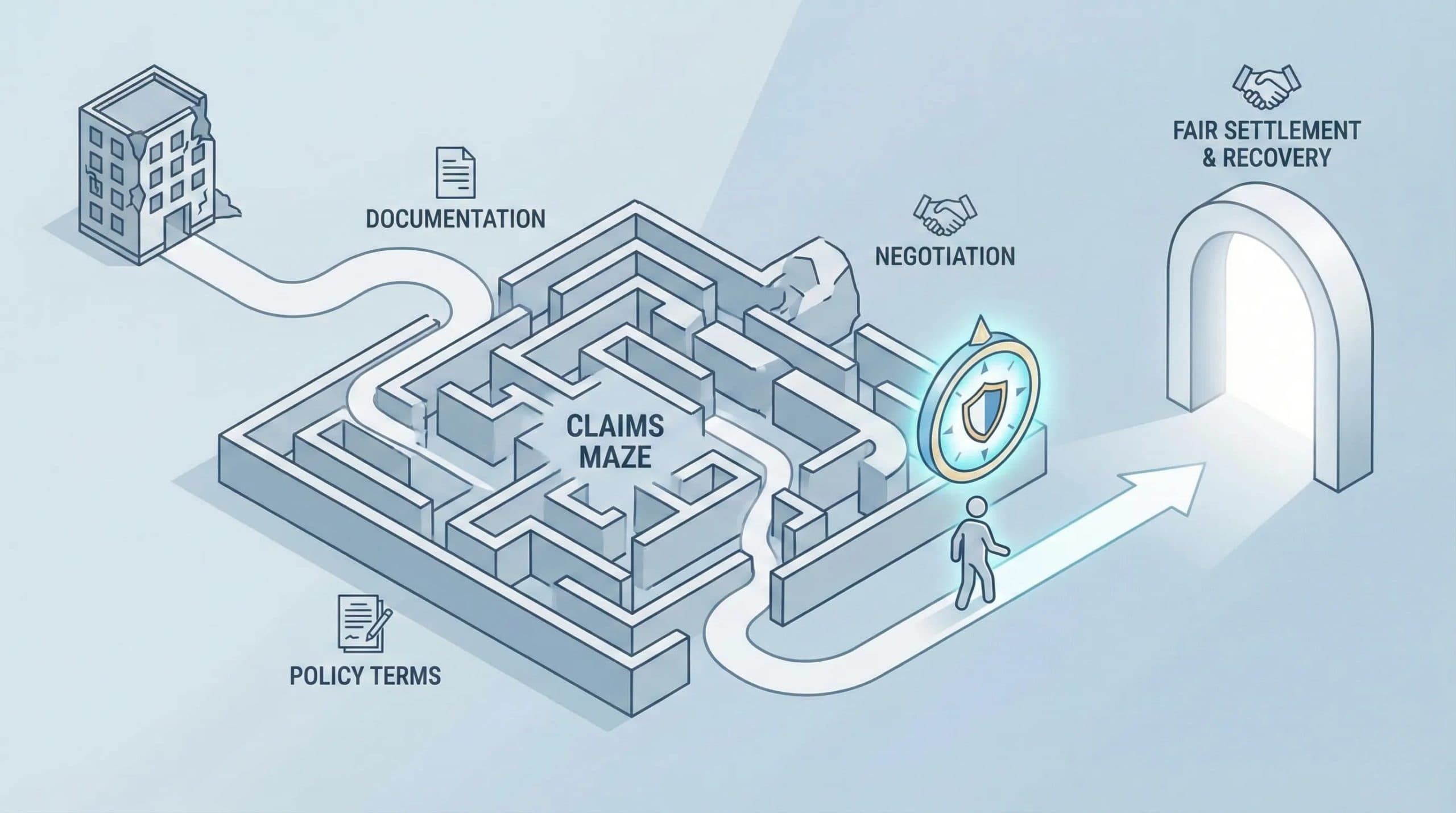
Wind, Rain, And Flooding Often Strike The Same Property Within Hours. Here's What Policyholders Need To Know.
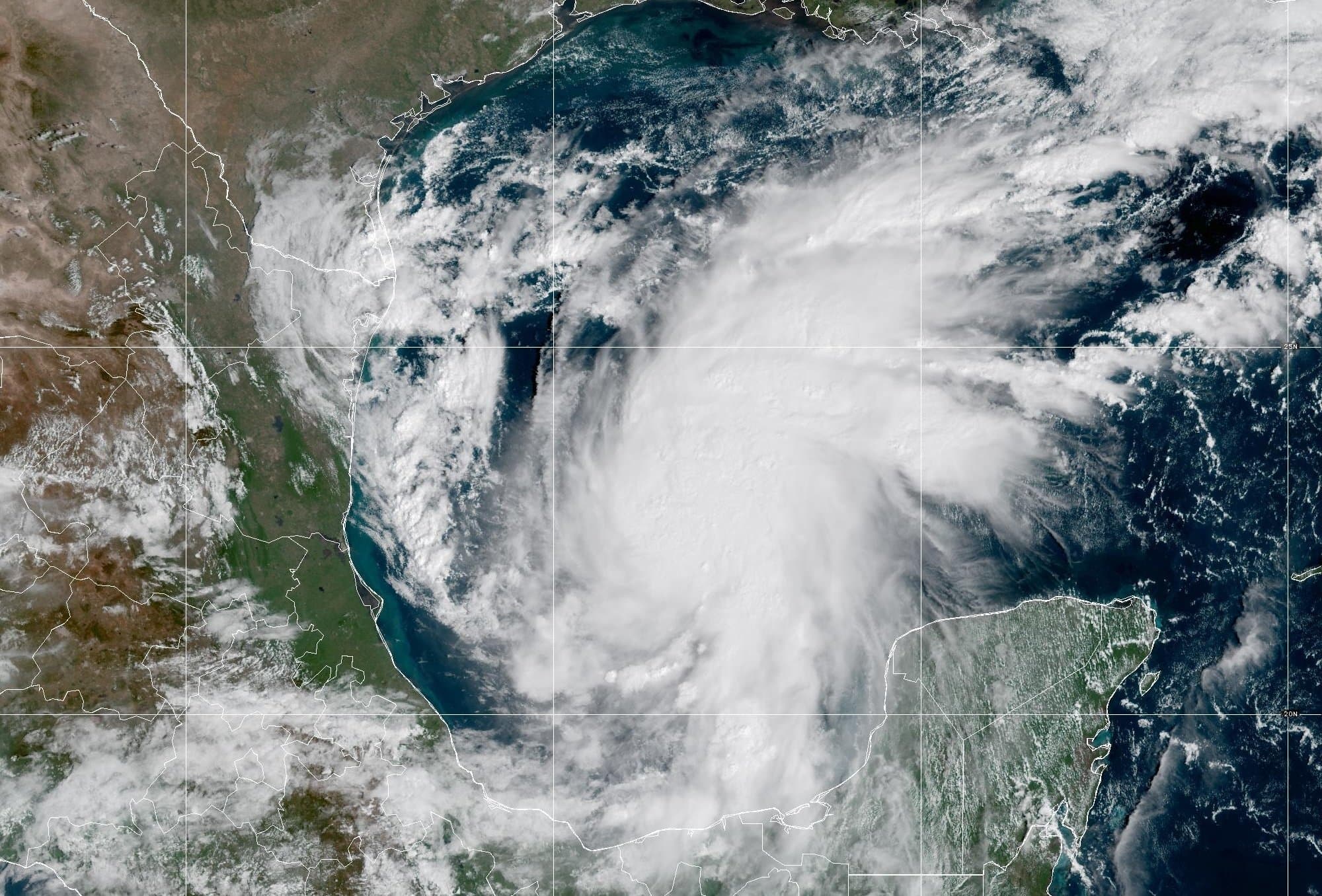
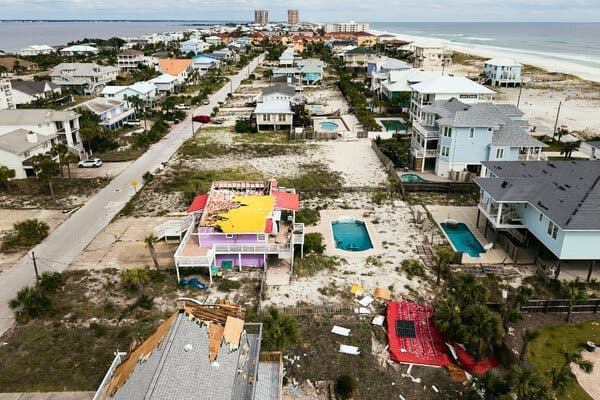
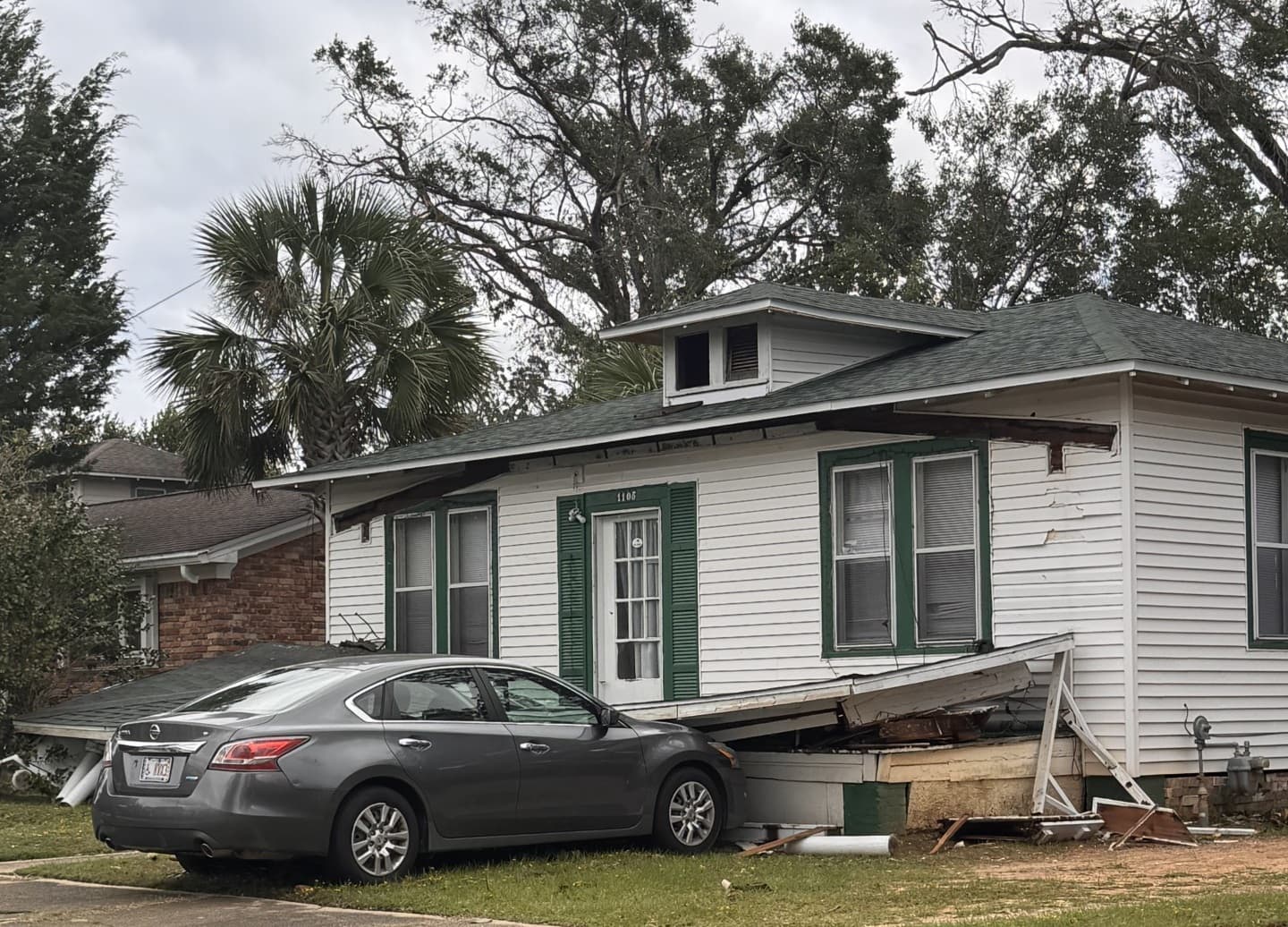
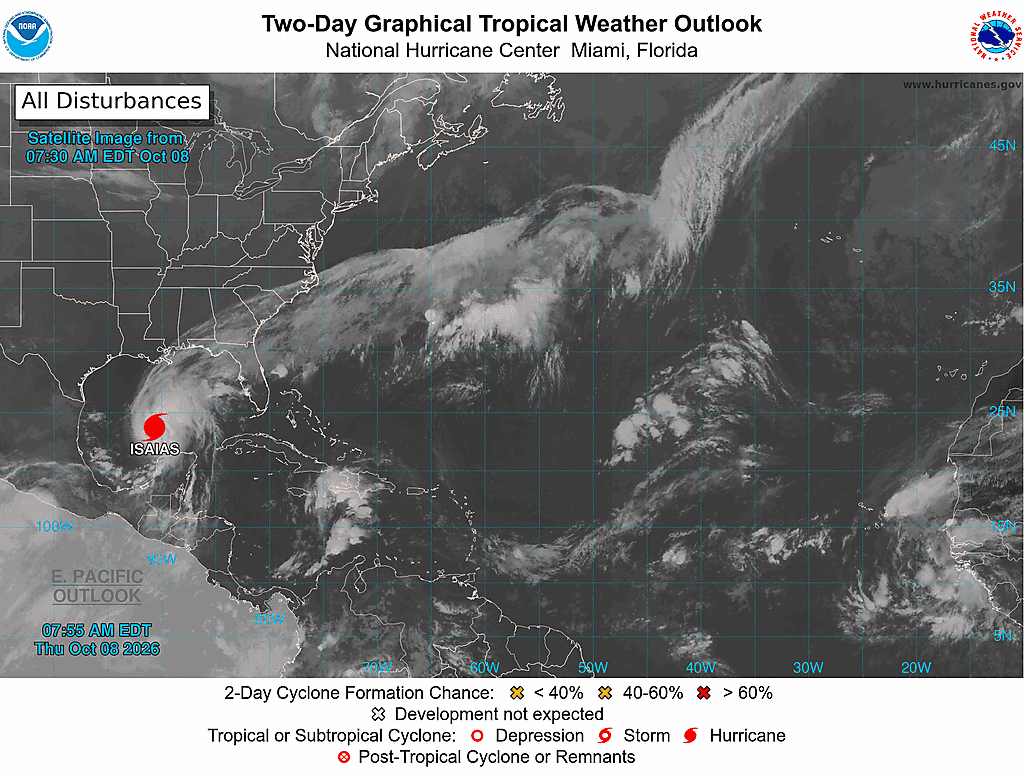
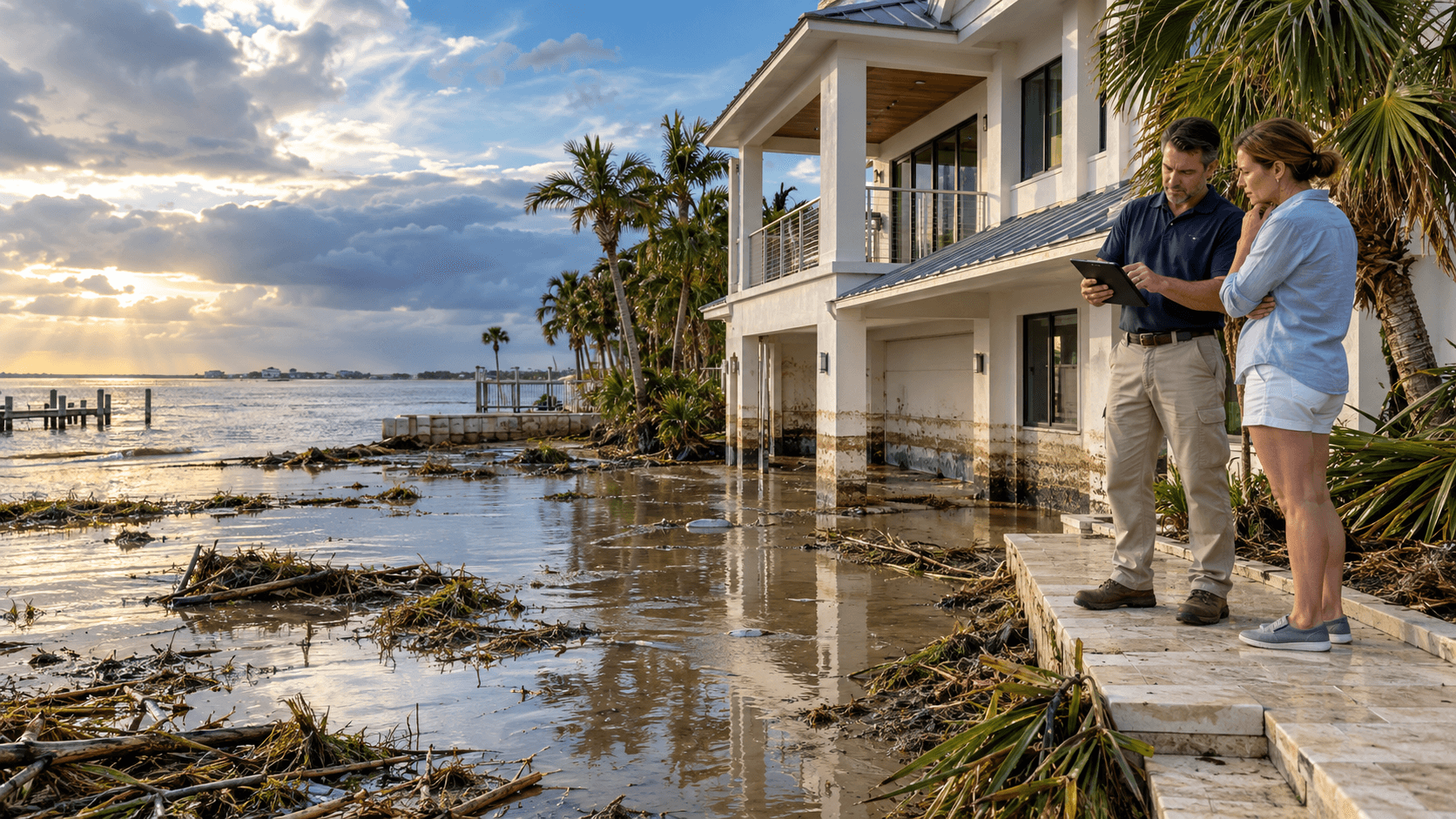
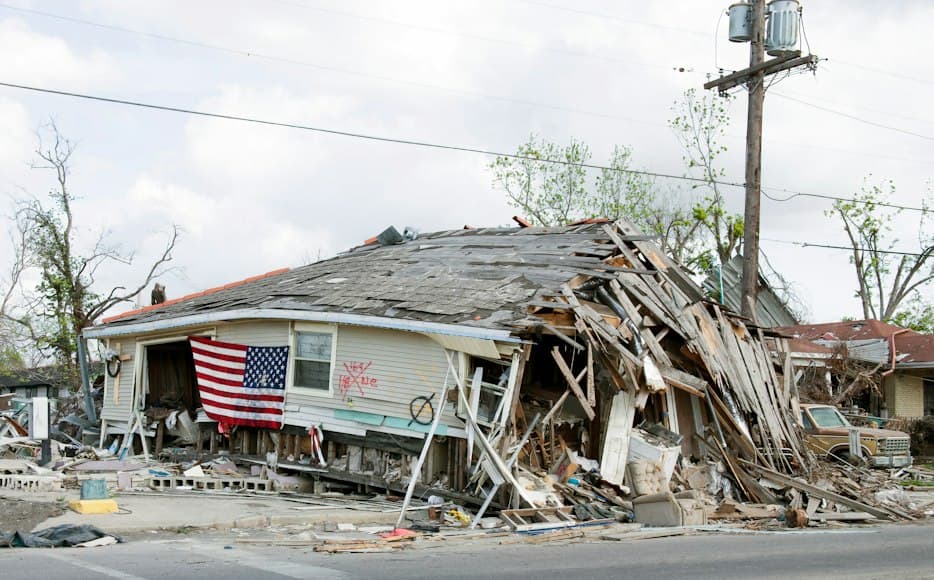
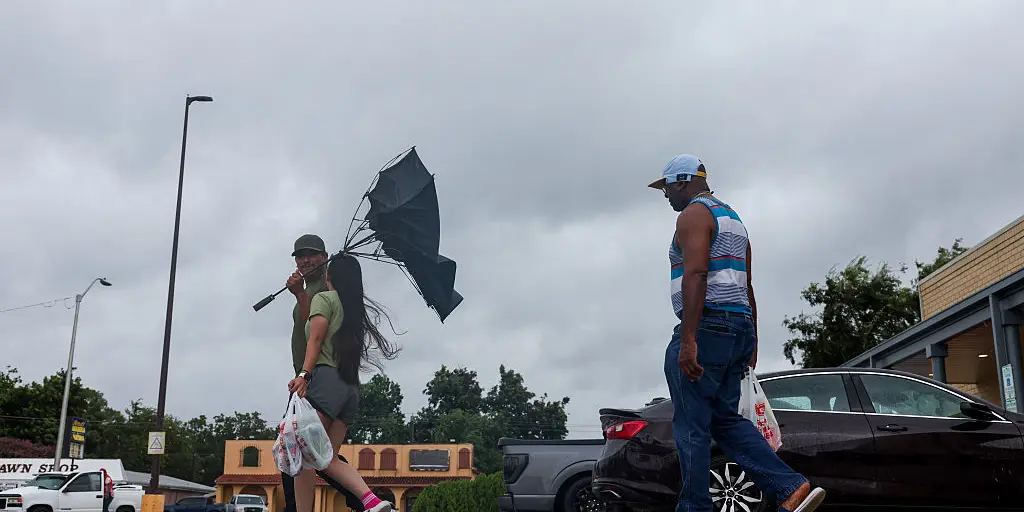
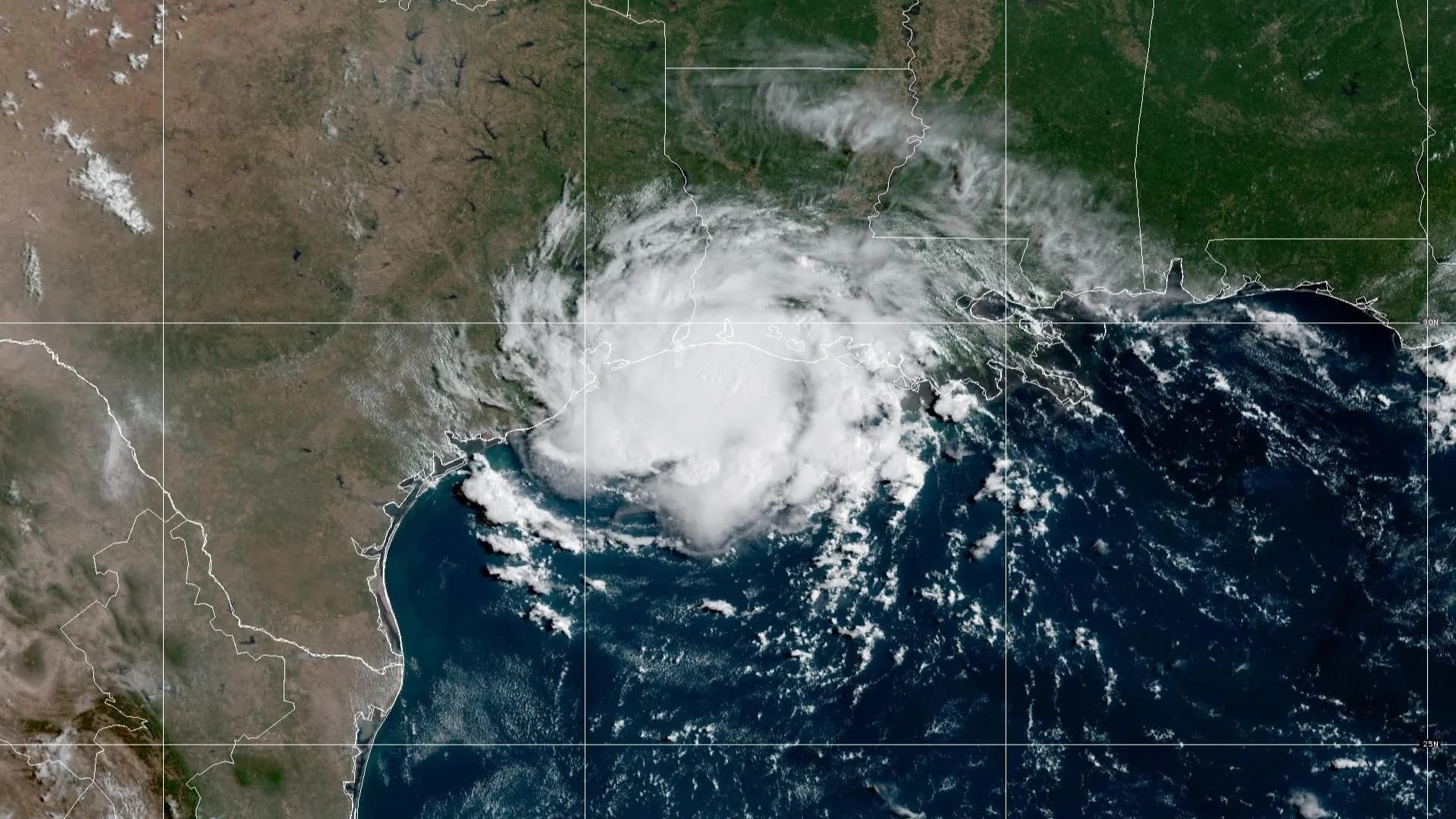
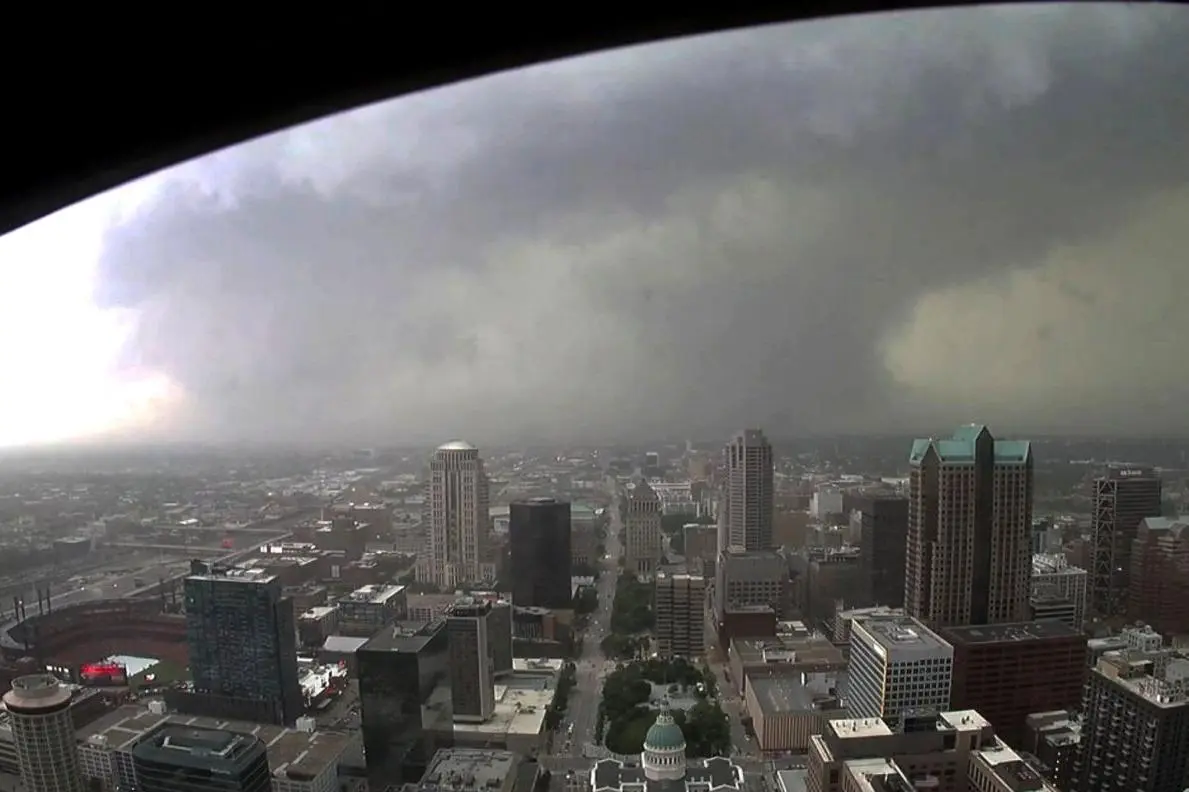
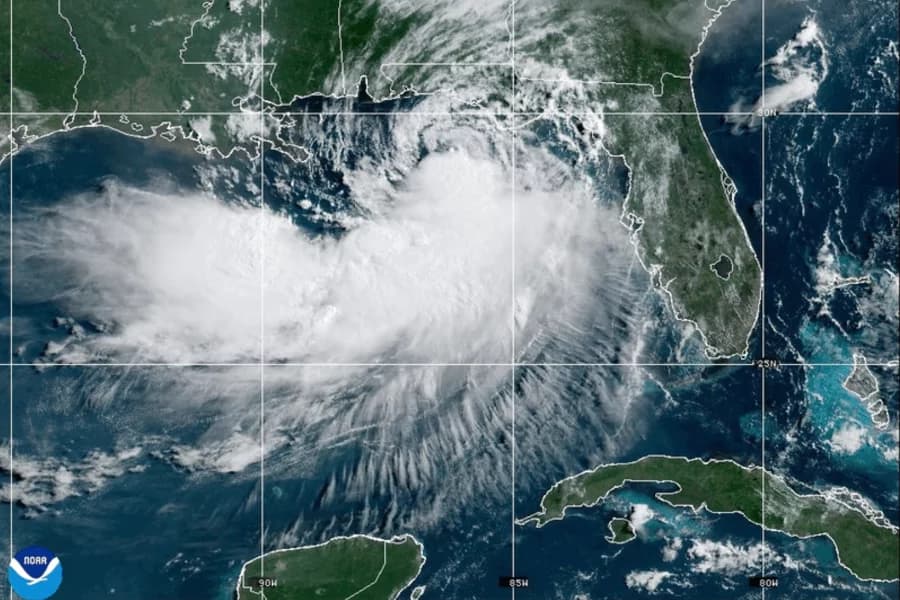
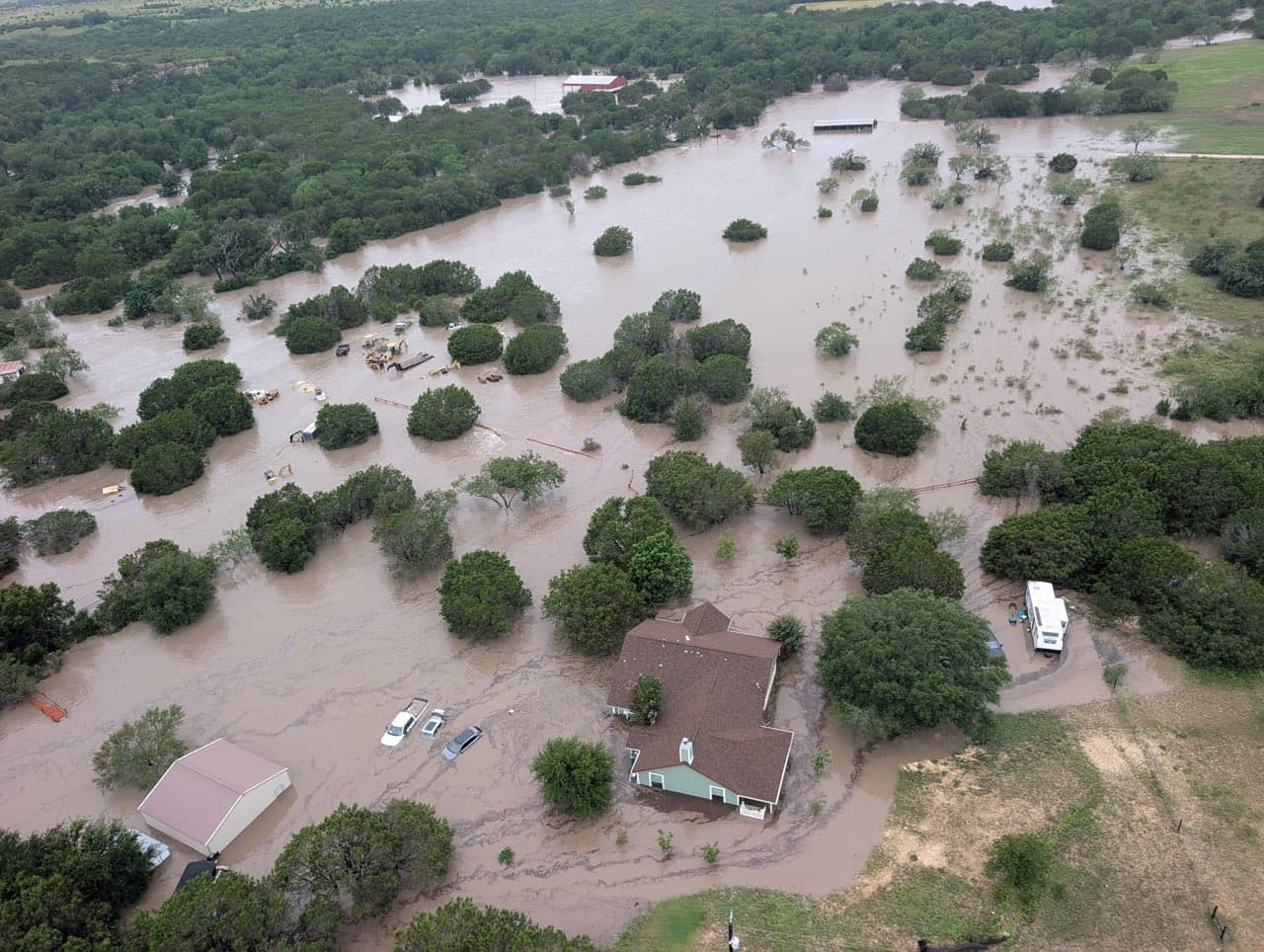
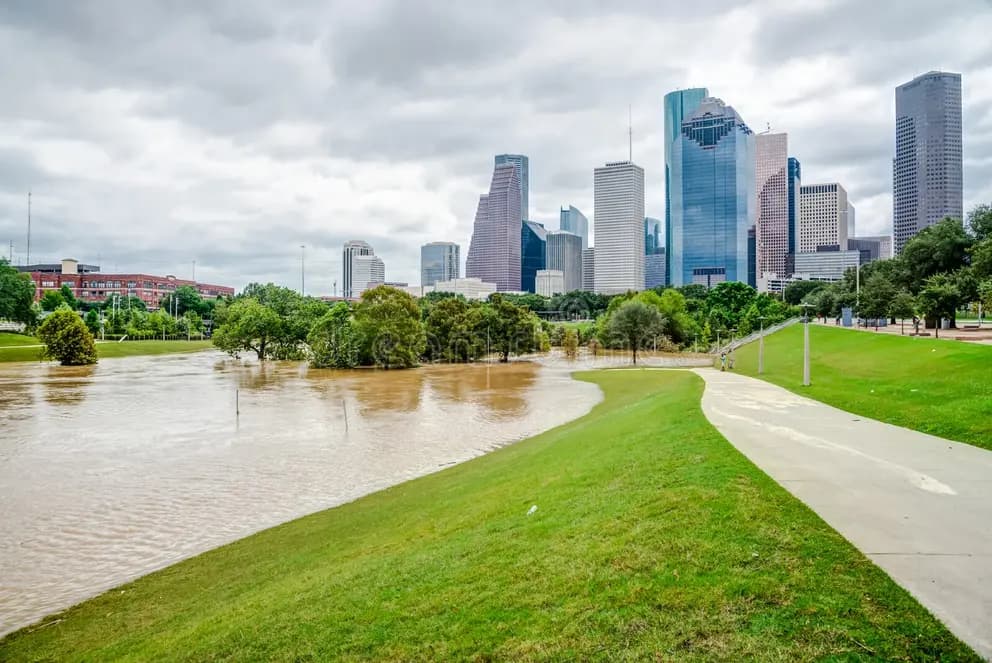
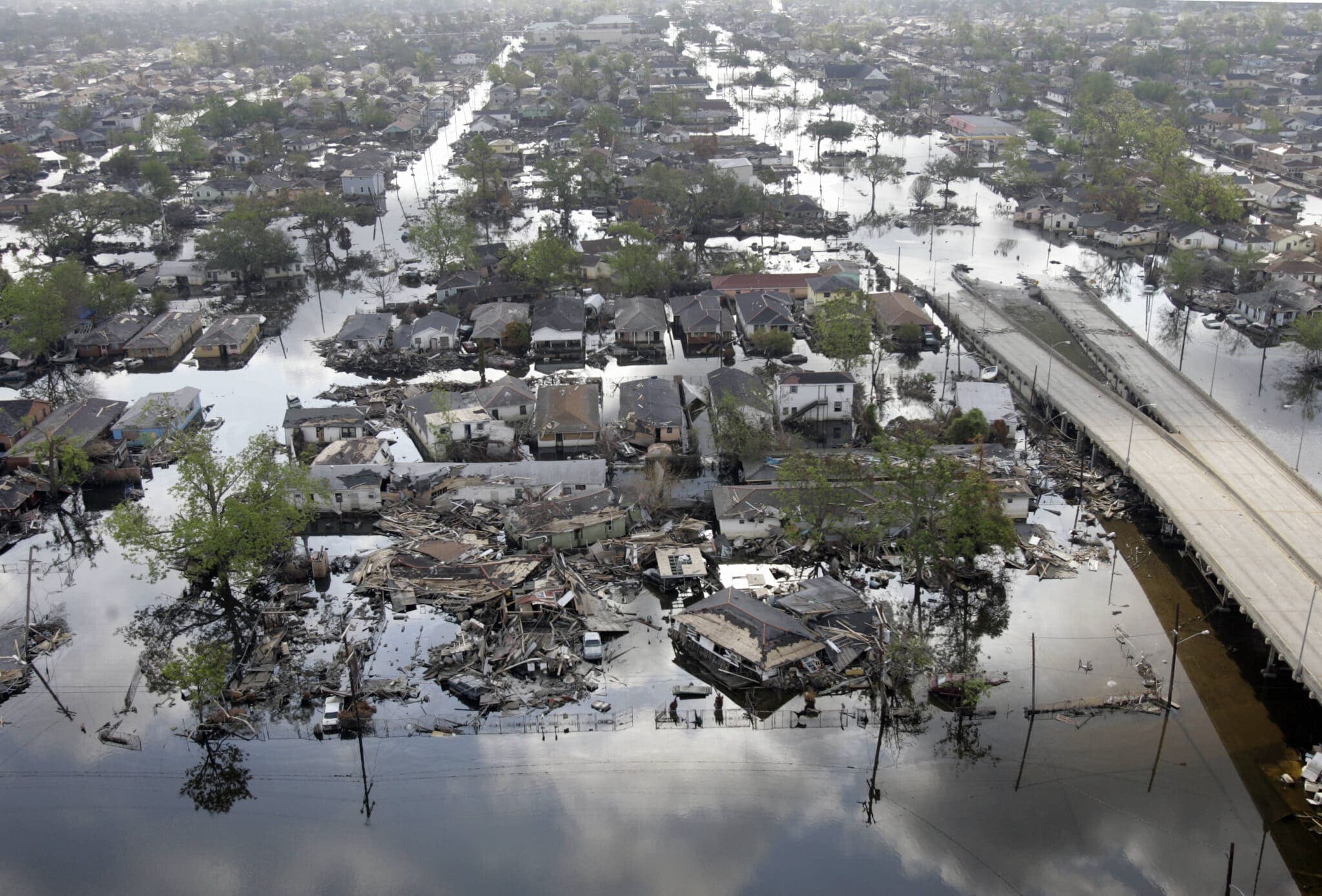
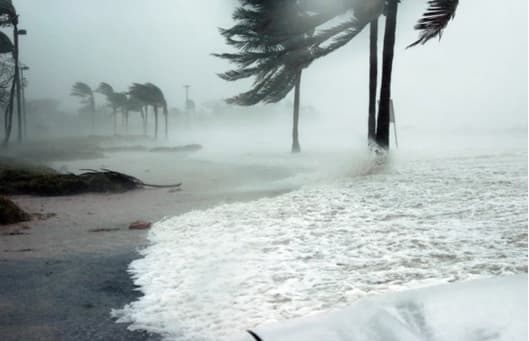
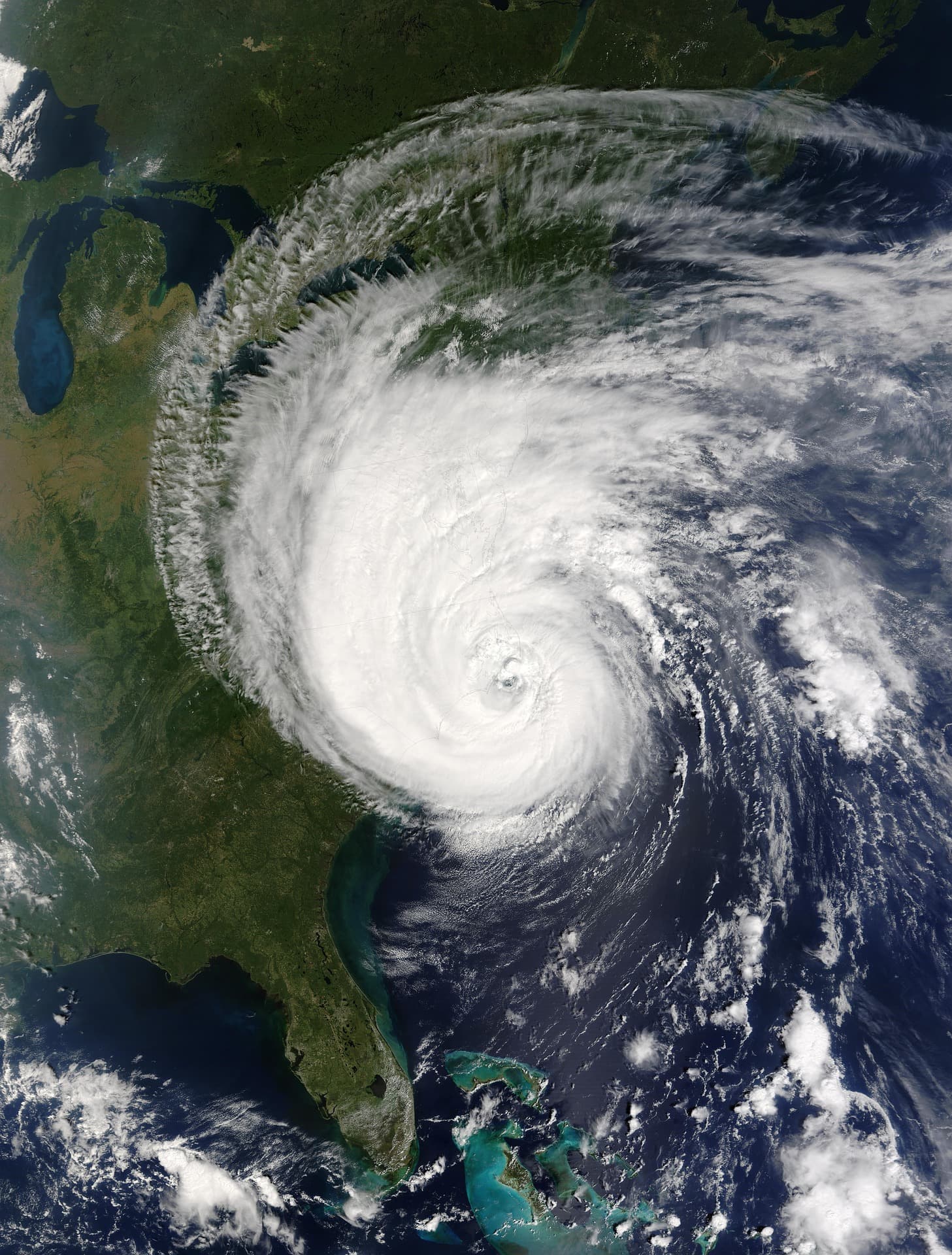
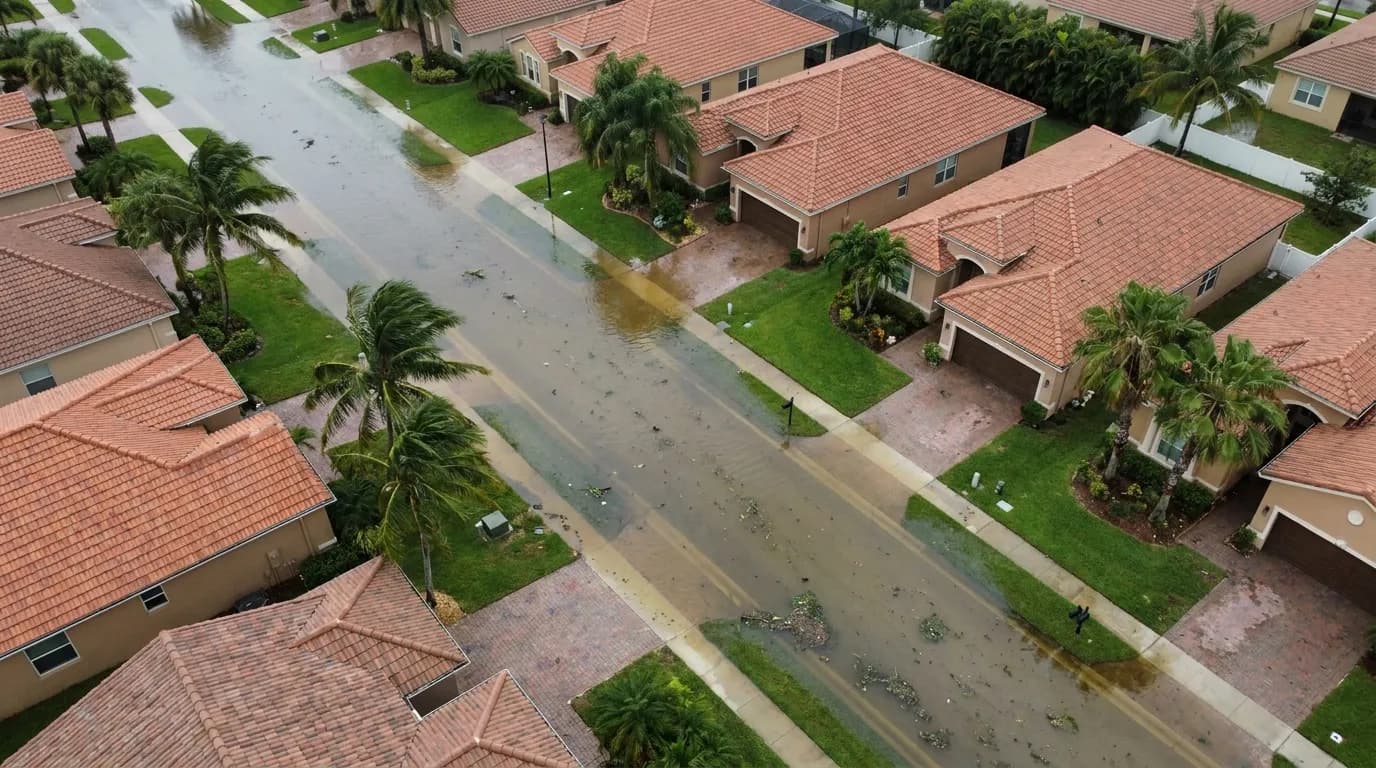
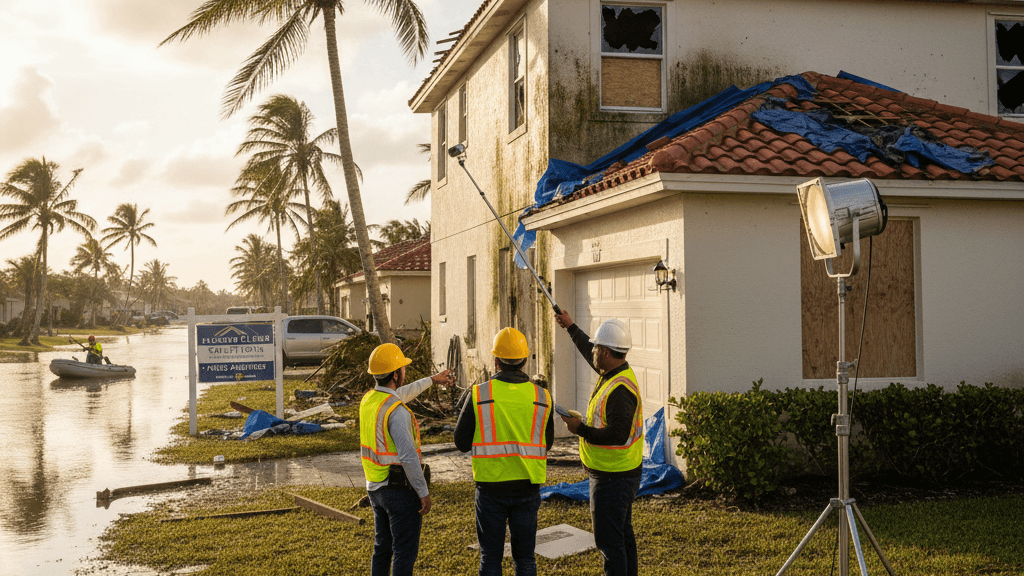
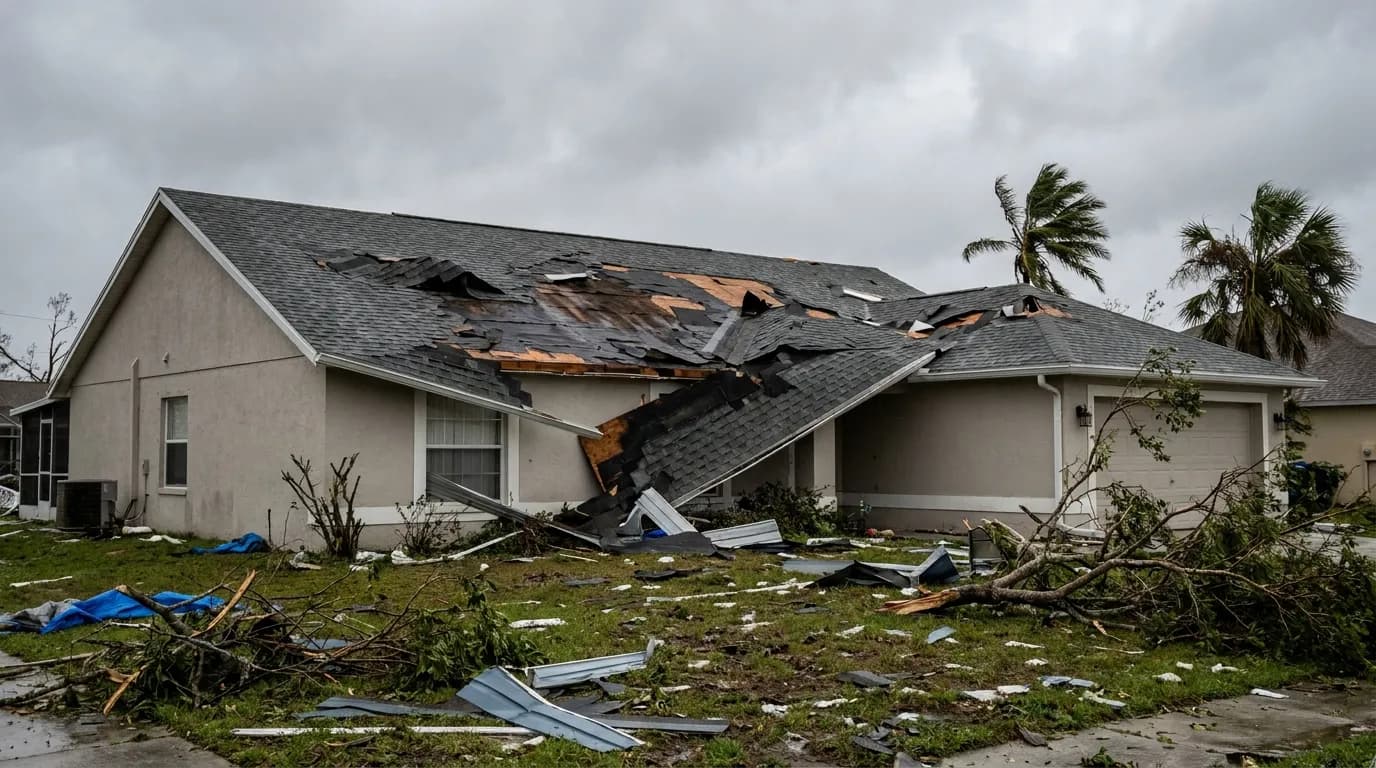
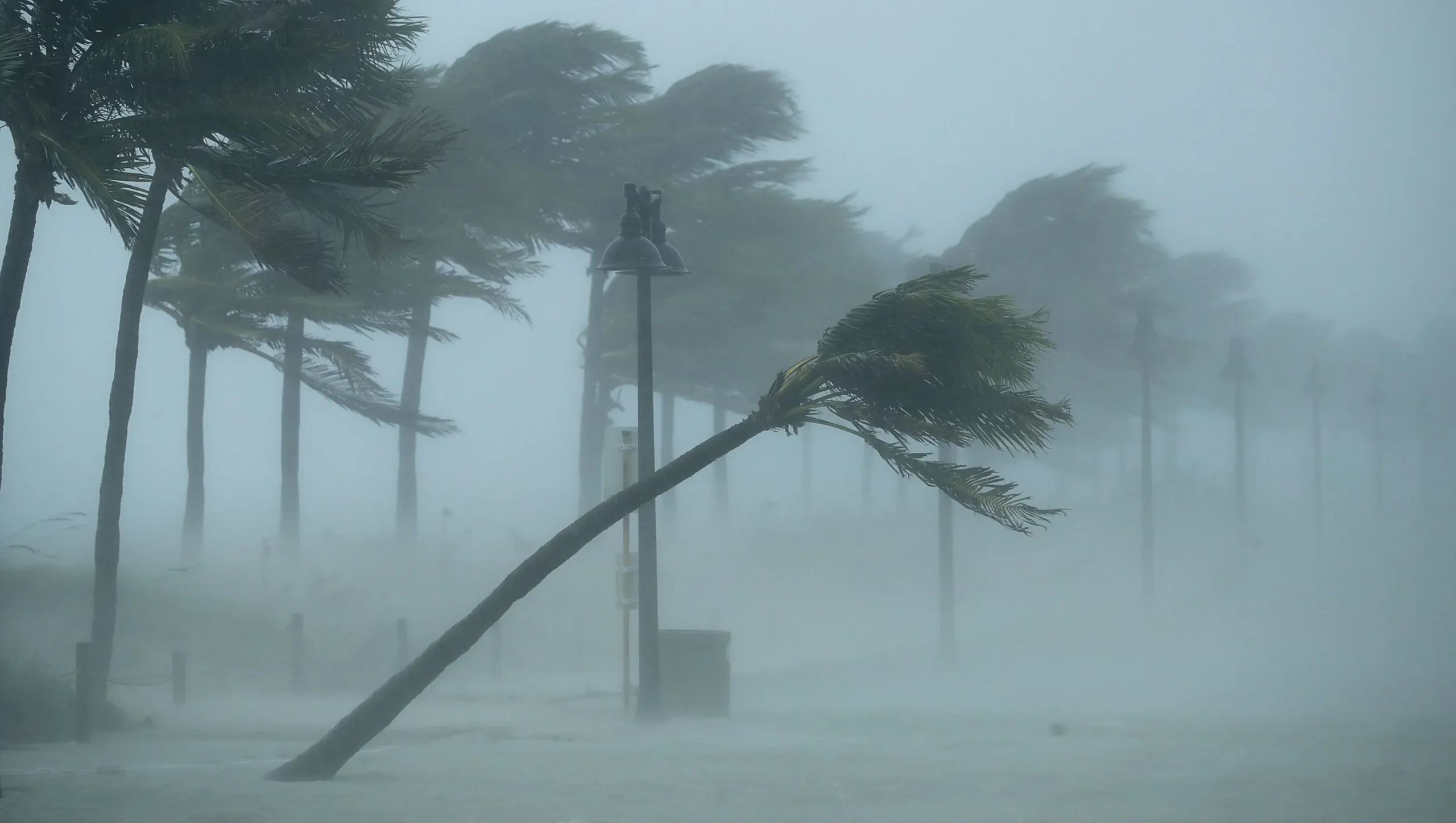
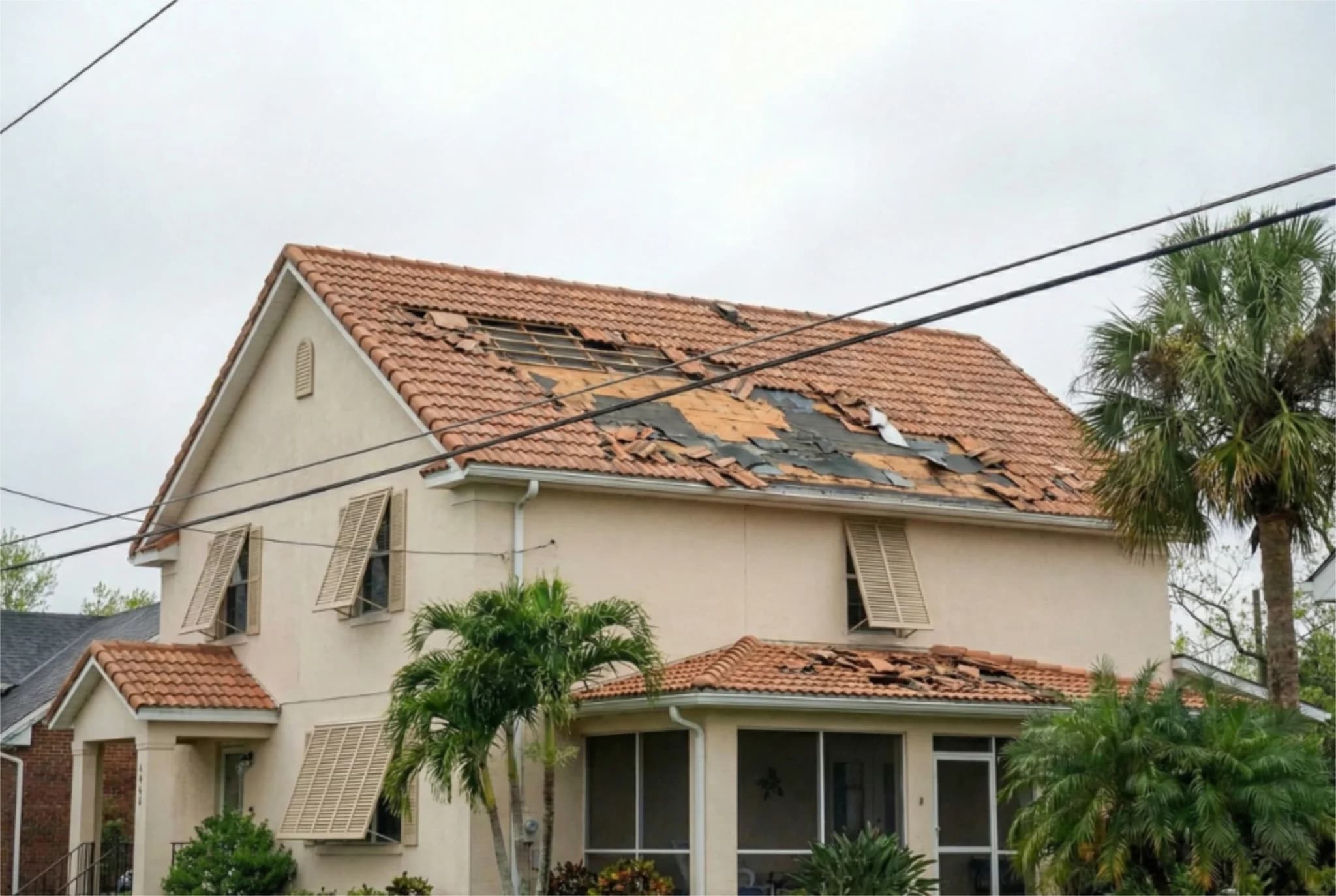
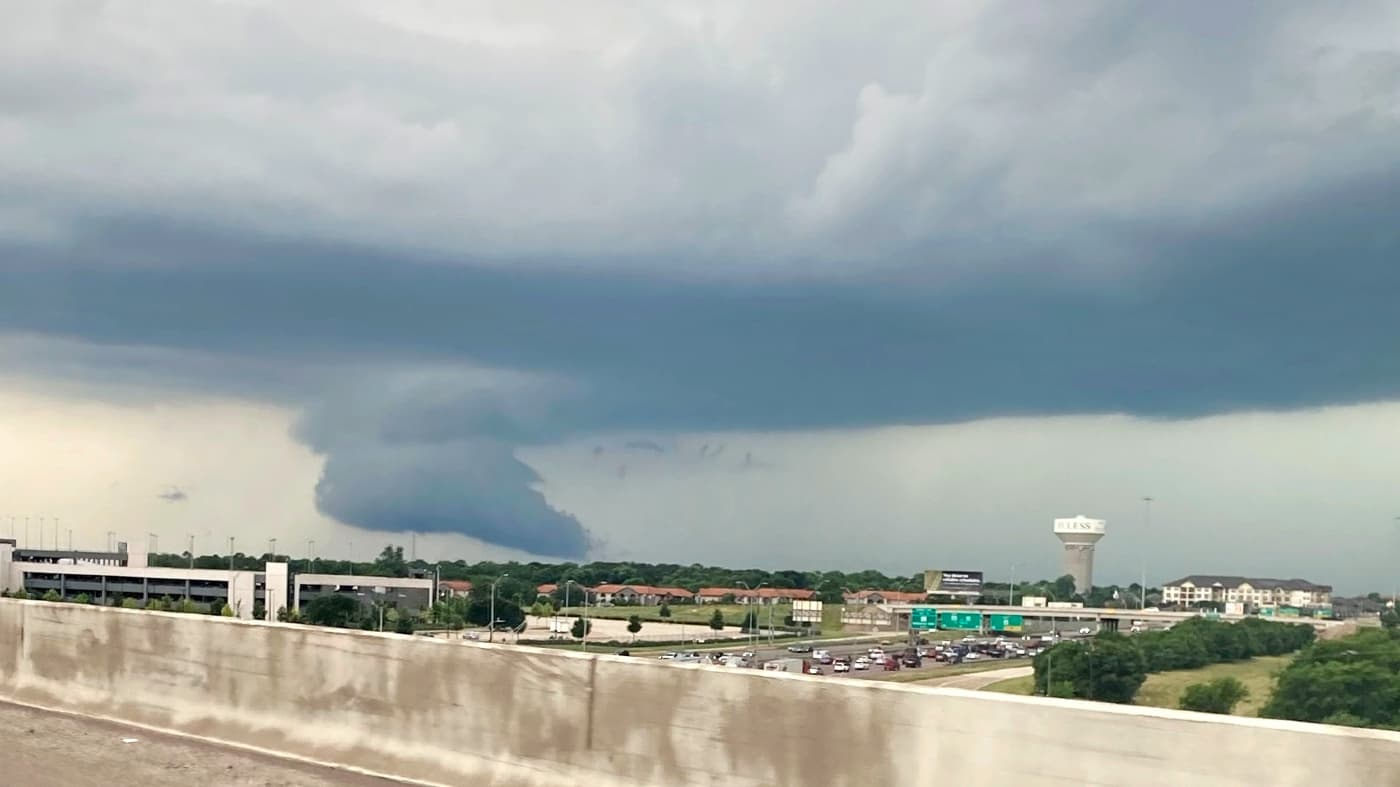
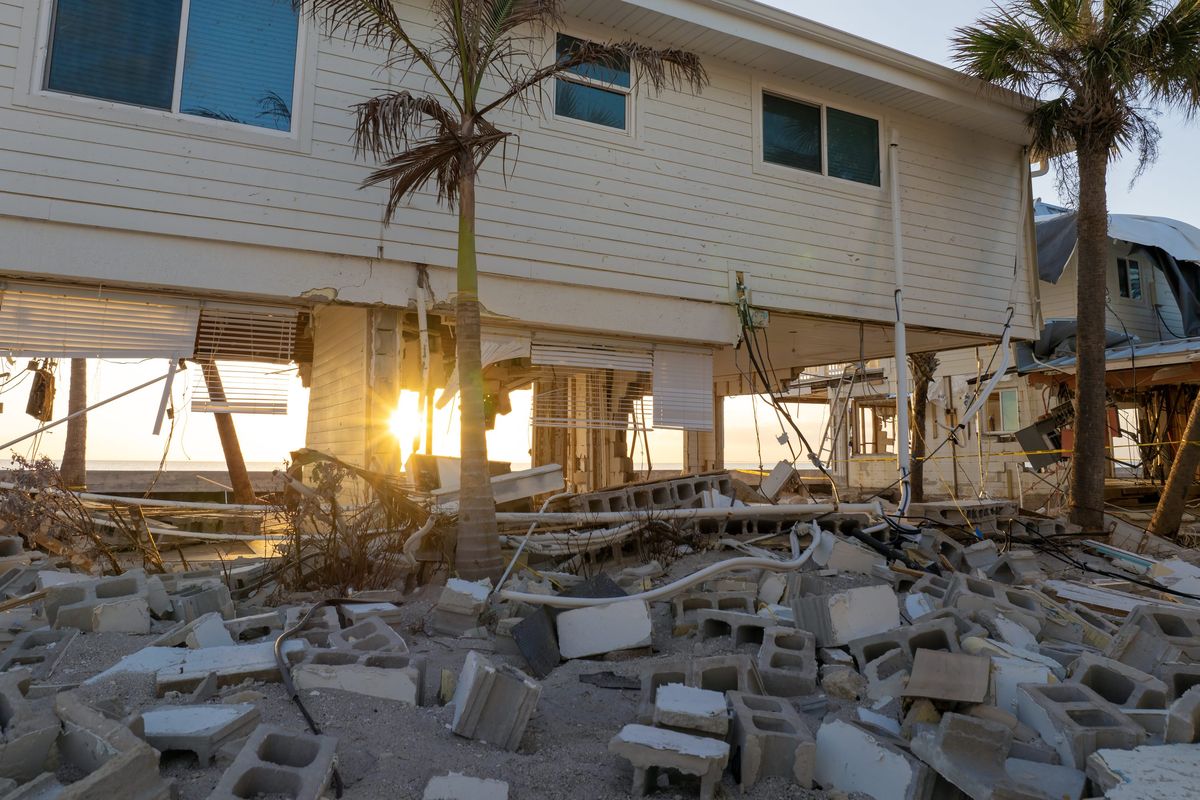
When a hurricane or tropical storm strikes Florida, the damage unfolds in layers. Wind tears at the roof and walls, rain-driven by extreme gusts penetrates through broken openings, and flooding can arrive within the same hours. Each of these perils is typically handled differently by homeowners insurance policies, and the way damage is categorized in the first days after the storm often determines whether a claim will be approved, denied, or underpaid.
The complexity begins with coverage itself. Most Florida homeowners policies cover wind damage directly, but flood damage is typically excluded from standard policies and requires separate flood insurance through the National Flood Insurance Program or private carriers. Because a single hurricane can produce both wind and flood damage at the same address, disputes frequently arise over which peril caused which part of the loss. An insurer might approve wind damage to a roof but deny water damage to the interior if the carrier argues the water entered through a flood rather than wind-driven rain. The distinction matters enormously to the final payout. Documentation in the immediate aftermath becomes critical. Photographs and video taken before any cleanup or repairs begin create a record of the damage as it existed right after the storm. This record often proves invaluable during the claims process, especially when the property adjuster arrives days or weeks later. Many homeowners make the mistake of beginning repairs or cleanup before that inspection, which can obscure the original damage pattern and weaken the claim.
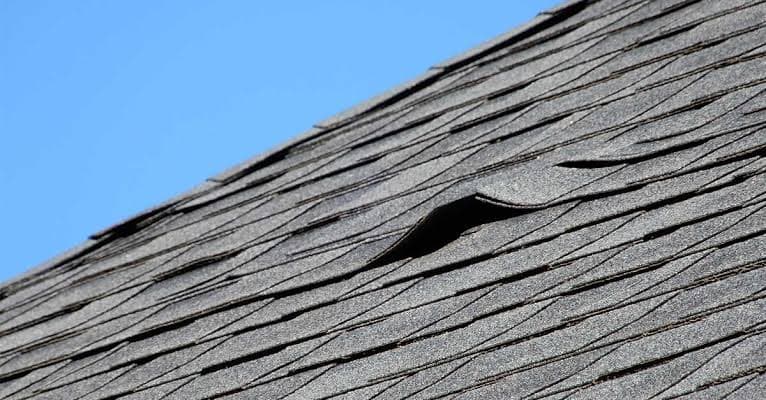
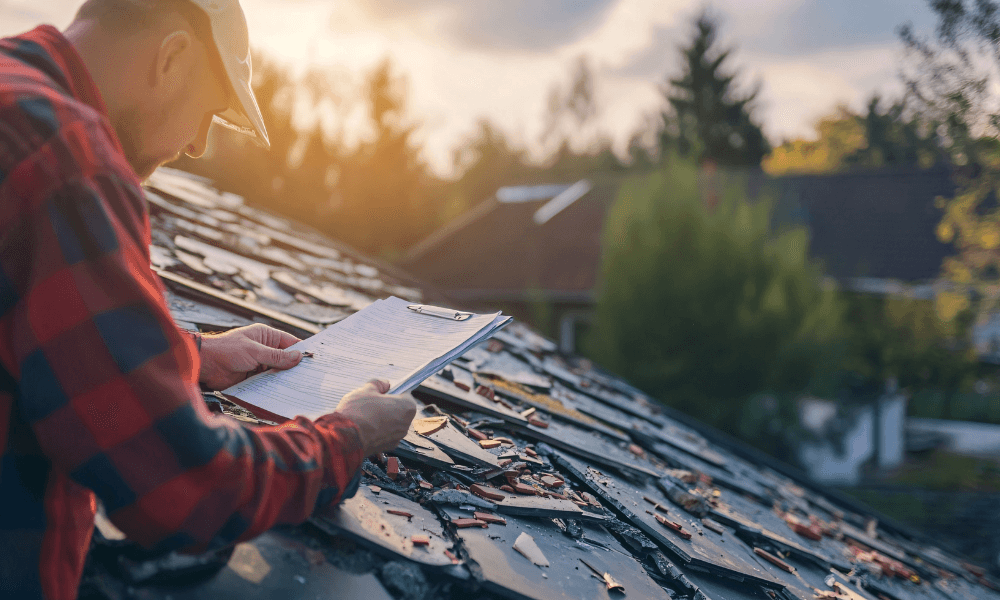
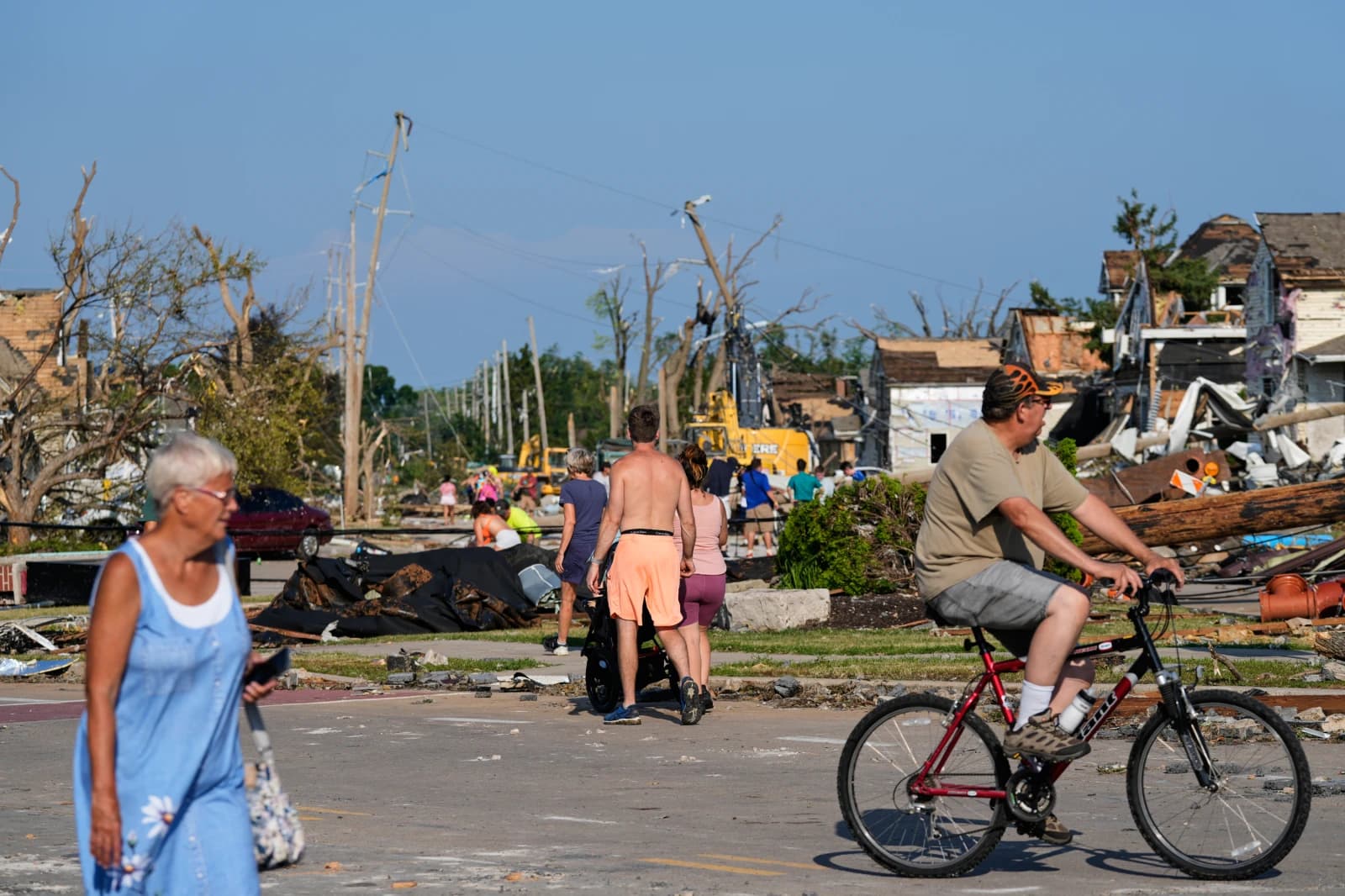
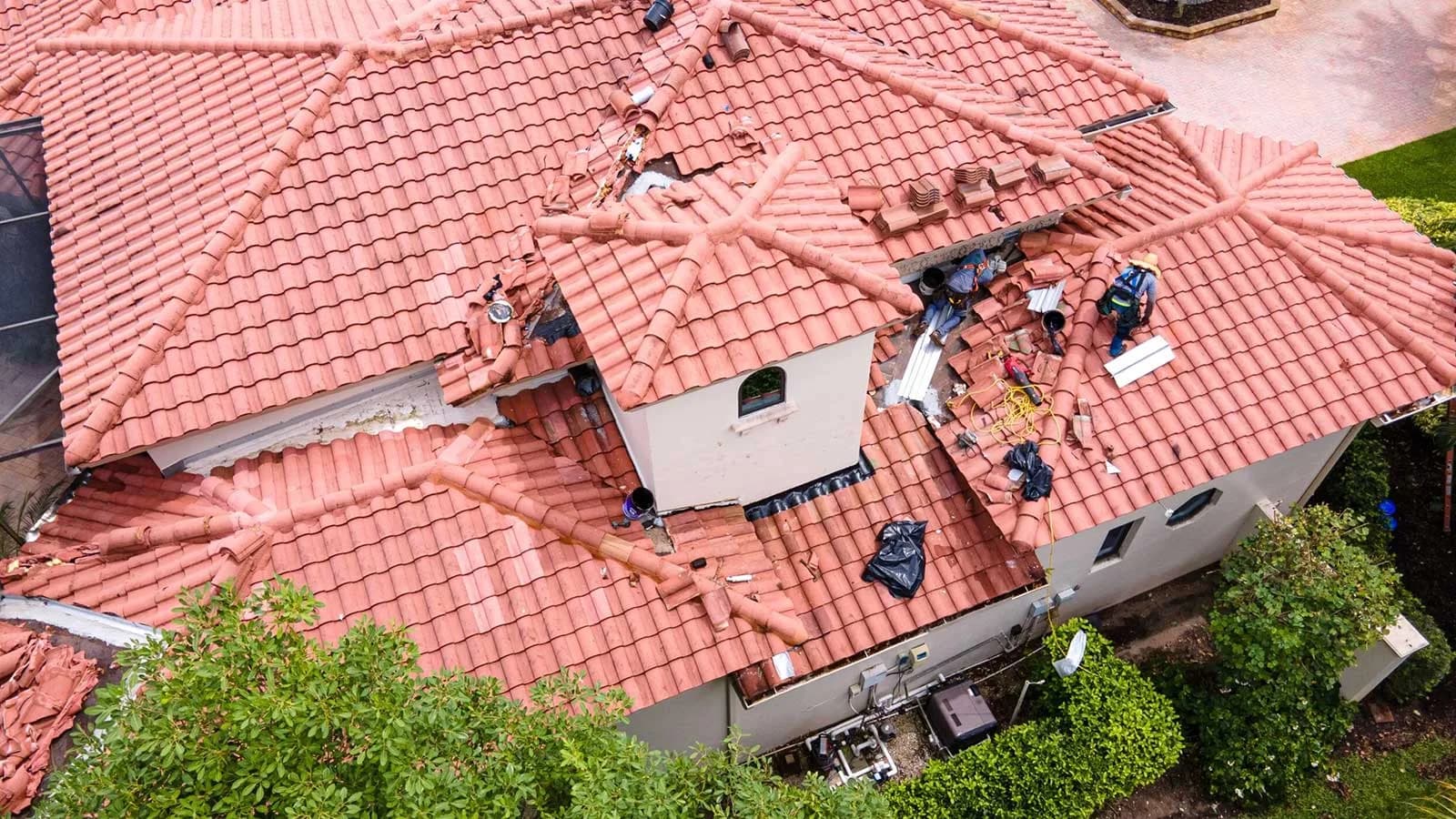
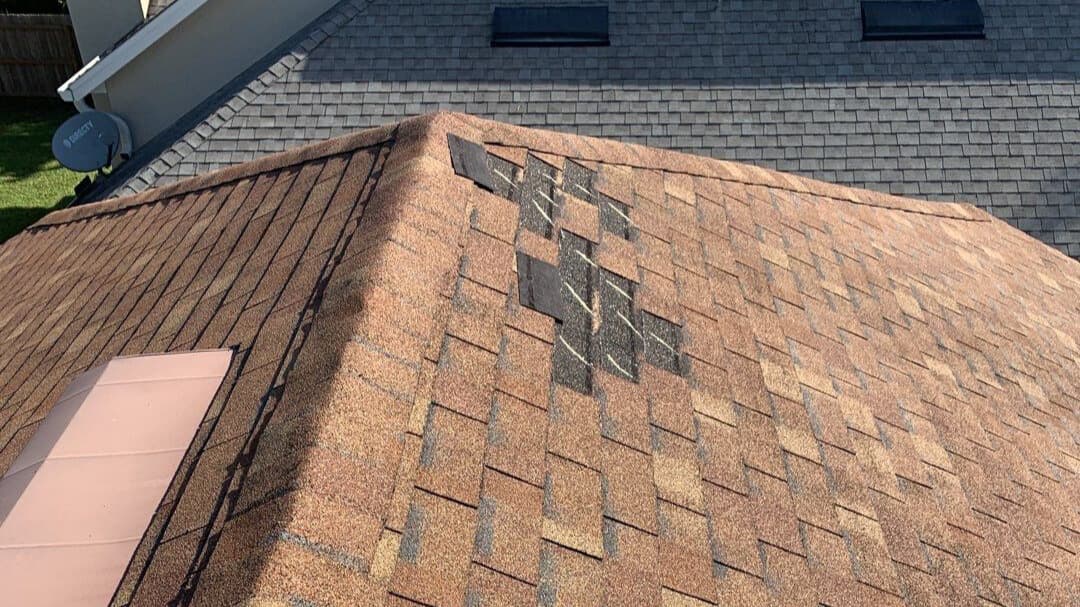
The steps to take after a storm are straightforward but essential. First, address immediate safety concerns: stay away from downed power lines, standing water, and unstable structures. Second, photograph and record damage both inside and outside the property before any cleanup begins. Third, make only temporary repairs such as tarping a roof or boarding a window, and keep every receipt for those emergency measures. Fourth, hold off on permanent repairs until the damage has been documented and inspected. Fifth, report the claim promptly and keep every reference number provided by the insurer. Sixth, save every written communication, including coverage letters, payment explanations, and adjuster correspondence. Many claims break down not because the damage is uncovered, but because the initial documentation is incomplete or the damage is underestimated during the field inspection. Roof damage in particular is often difficult to assess during a brief walkthrough, and wind-driven rain damage can extend far beyond the obvious entry points. The days immediately following a storm are when the most important evidence is created, and policyholders who take time to document thoroughly often find that evidence becomes the foundation of a stronger claim.
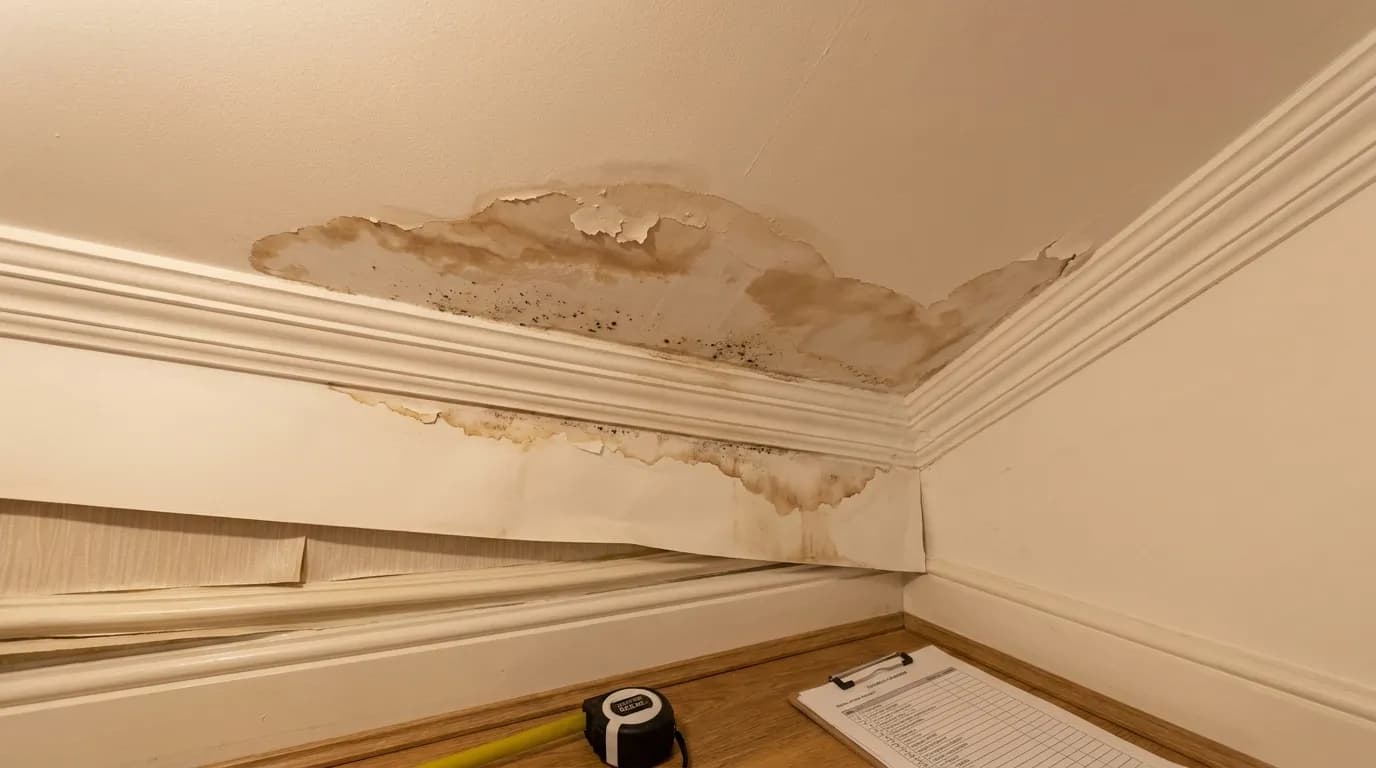
The period after the storm also brings secondary risks. Power outages, water shortages, and displacement are common, and buildings left standing but exposed to moisture can develop mold in the weeks that follow. Mold damage is often under-insured or excluded entirely from standard policies, creating a separate and sometimes more costly problem than the original storm damage. Understanding what is and is not covered under the policy, and what additional coverage may be needed, helps policyholders make informed decisions about repairs and recovery. When a claim is denied, delayed, or appears to be underpaid, the policyholder's next step should be to review the denial letter carefully and gather all documentation: the policy itself, photographs, receipts, and every piece of correspondence with the insurer. Many denials cite a specific reason, but the full picture often requires legal review. Five Star Claims Adjusting works with homeowners and businesses throughout Florida to assess storm damage, document losses thoroughly, and help policyholders understand their coverage options. Whether the claim is still in the early stages or has already been denied, professional guidance can make the difference between accepting an inadequate settlement and securing the full amount the policy provides.
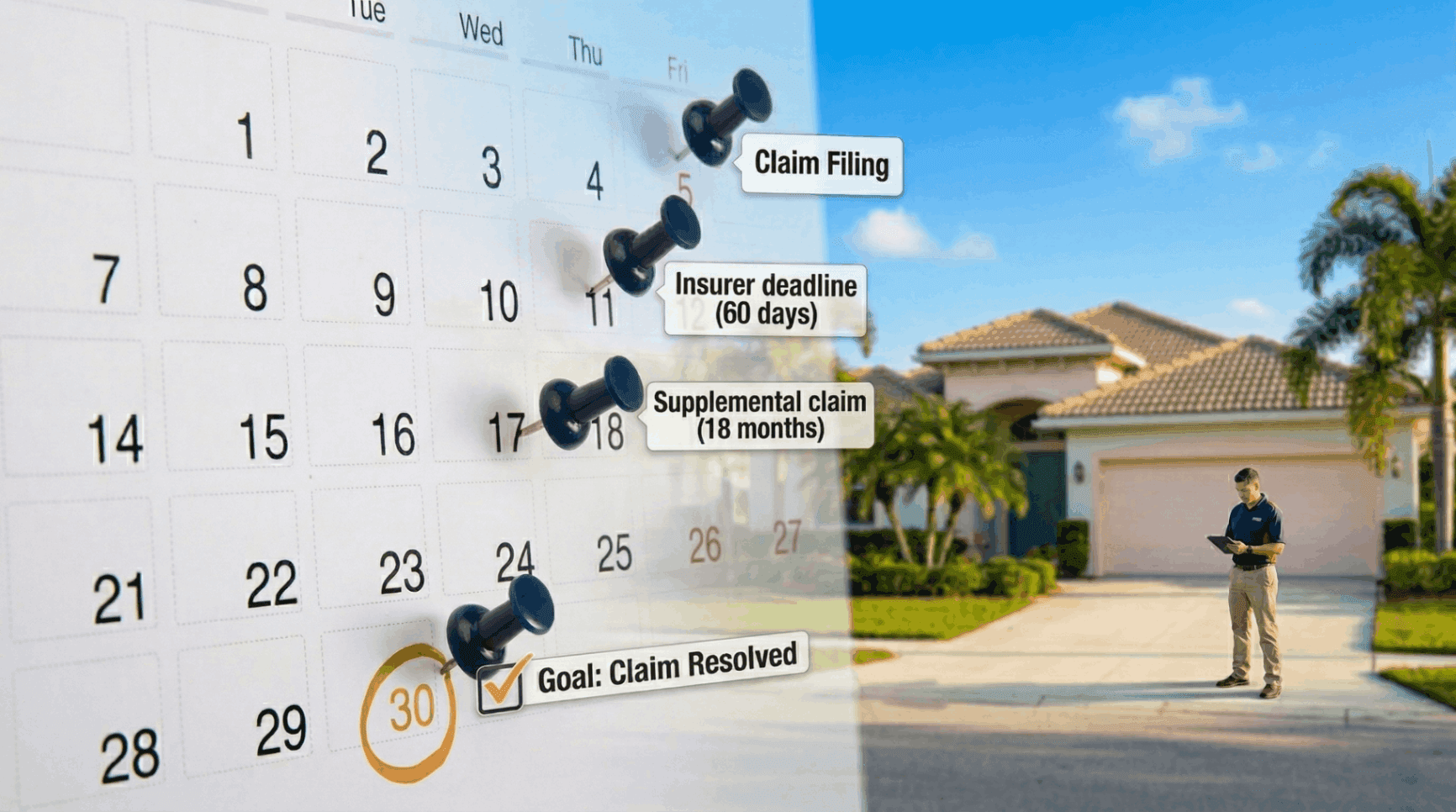
Hurricane and storm damage claims are among the most common and most disputed in Florida property insurance. The stakes are high, the coverage rules are complex, and the window for gathering evidence is narrow. Policyholders who act quickly to document damage, follow the proper reporting procedures, and seek professional review when needed are far more likely to receive fair settlements. Five Star Claims Adjusting stands ready to help property owners navigate the claims process, maximize their recovery, and hold insurers accountable to the terms of their policies.
This article has been sourced from press releases and cross-referenced with multiple websites. Facts originally seen at Source.