Why Standard Policies Exclude Flood Damage and What Policyholders Need to Know
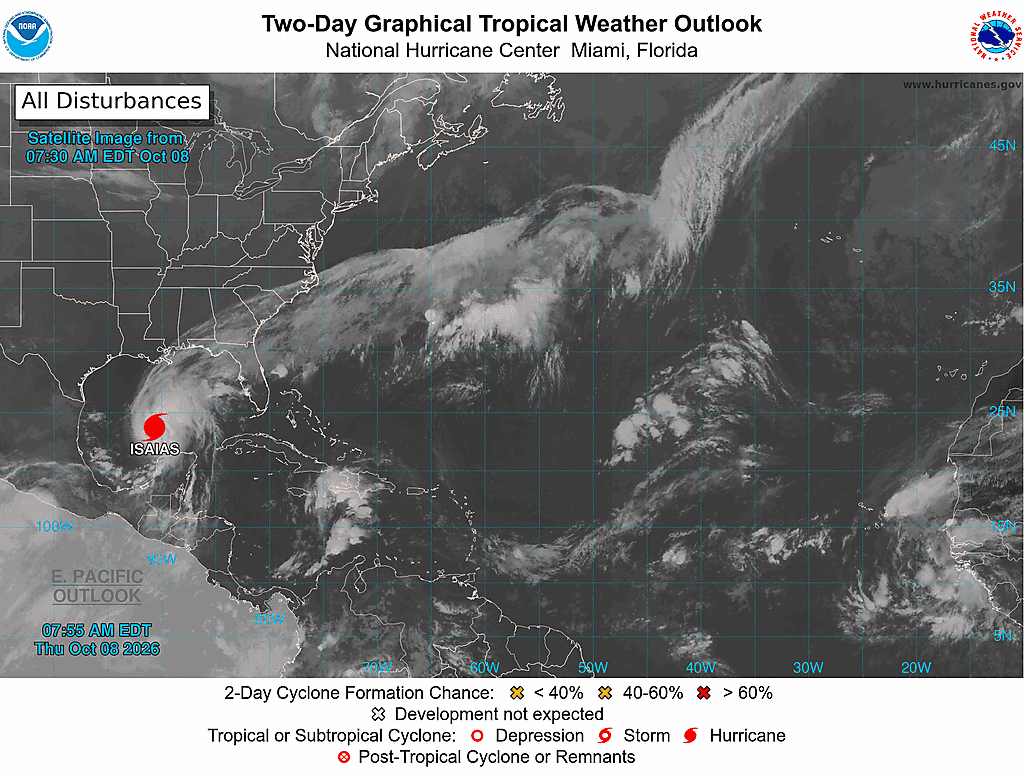
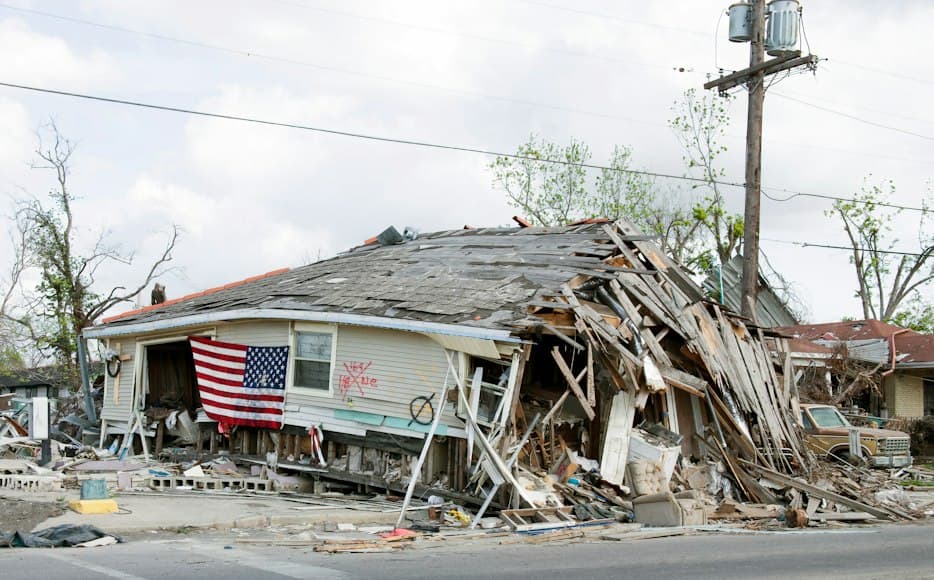
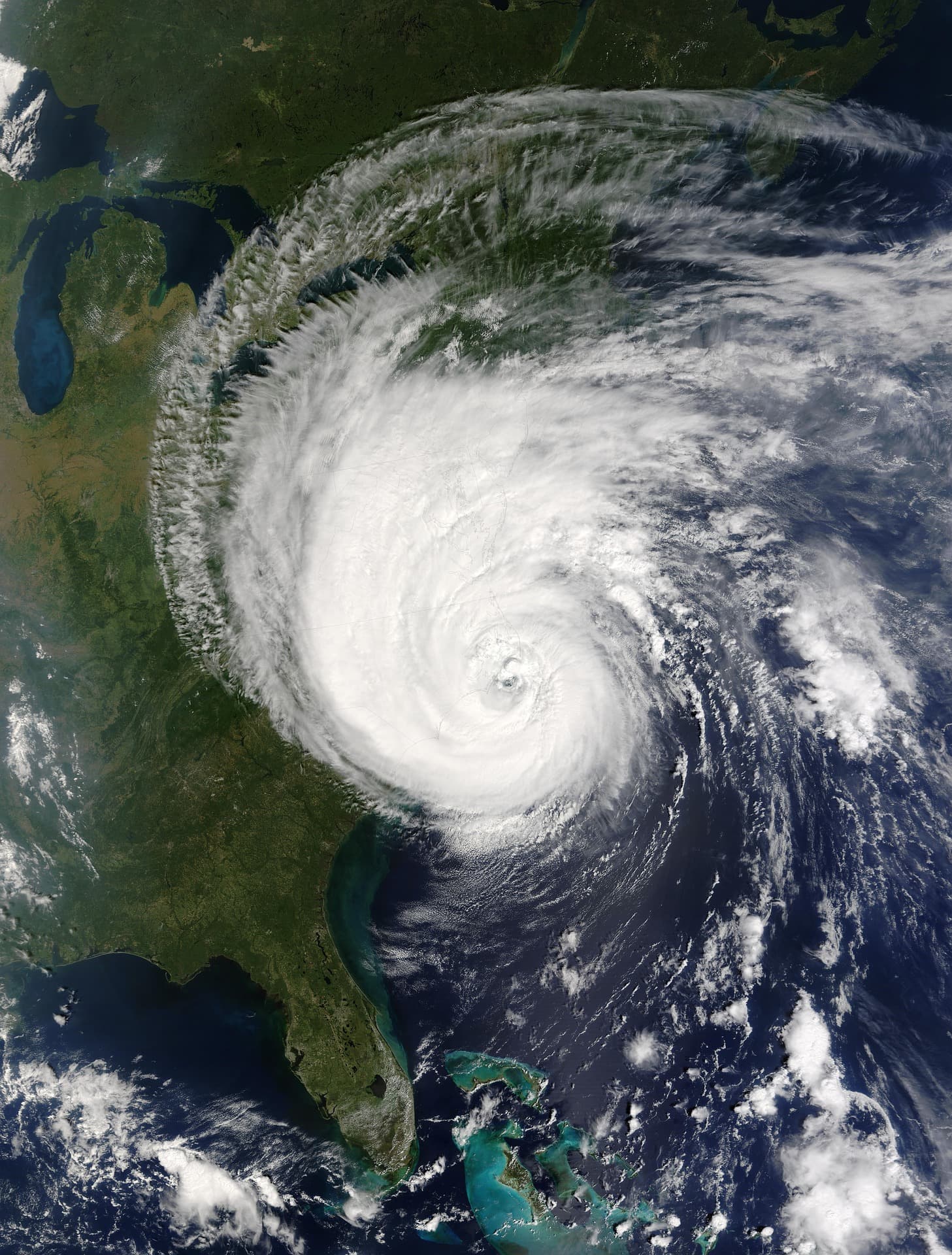
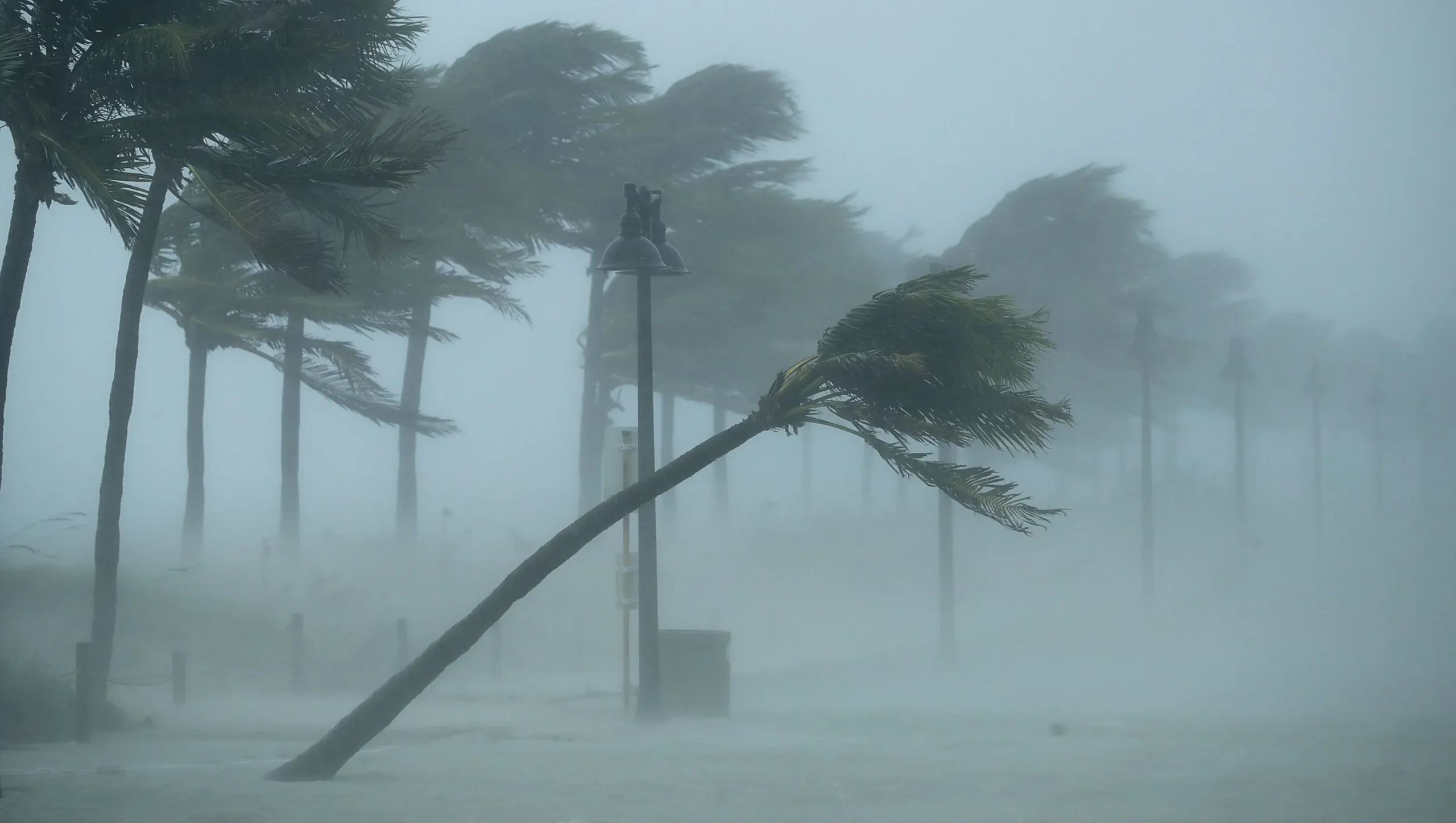
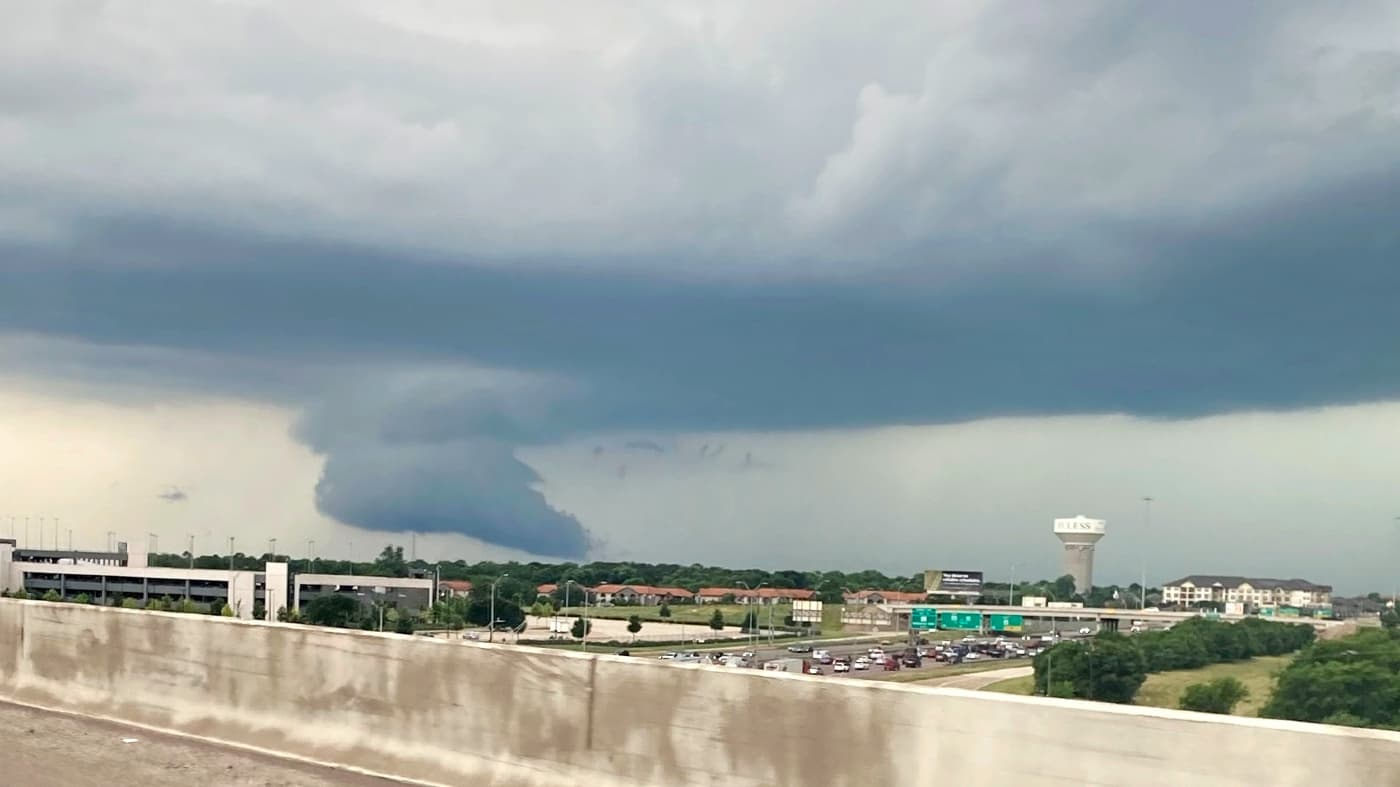
When a hurricane approaches Florida's coast, homeowners naturally worry about wind damage, roof failure, and flooding. But one of the most destructive hurricane hazards often gets overlooked in insurance discussions: storm surge. This raises a critical question that affects thousands of property owners each year: does homeowners insurance cover storm surge? The straightforward answer is no, and understanding why matters enormously when disaster strikes. Standard homeowners insurance policies typically exclude flooding, including flooding caused by storm surge. Storm surge is generally treated as a flood loss rather than wind or weather damage, which means coverage for that type of loss usually comes from a separate flood insurance policy rather than a standard homeowners policy. This distinction becomes especially important because hurricanes rarely cause just one type of damage. A single storm event can produce wind damage, roof damage, water intrusion from rain, and flooding from storm surge, all affecting the same property during the same event.
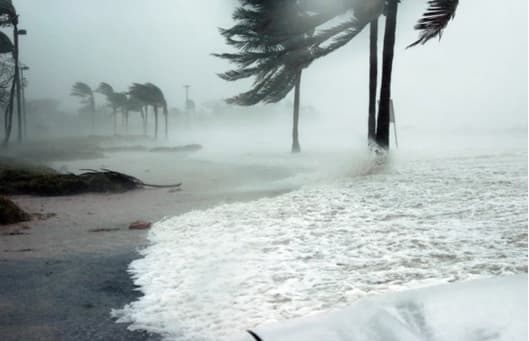
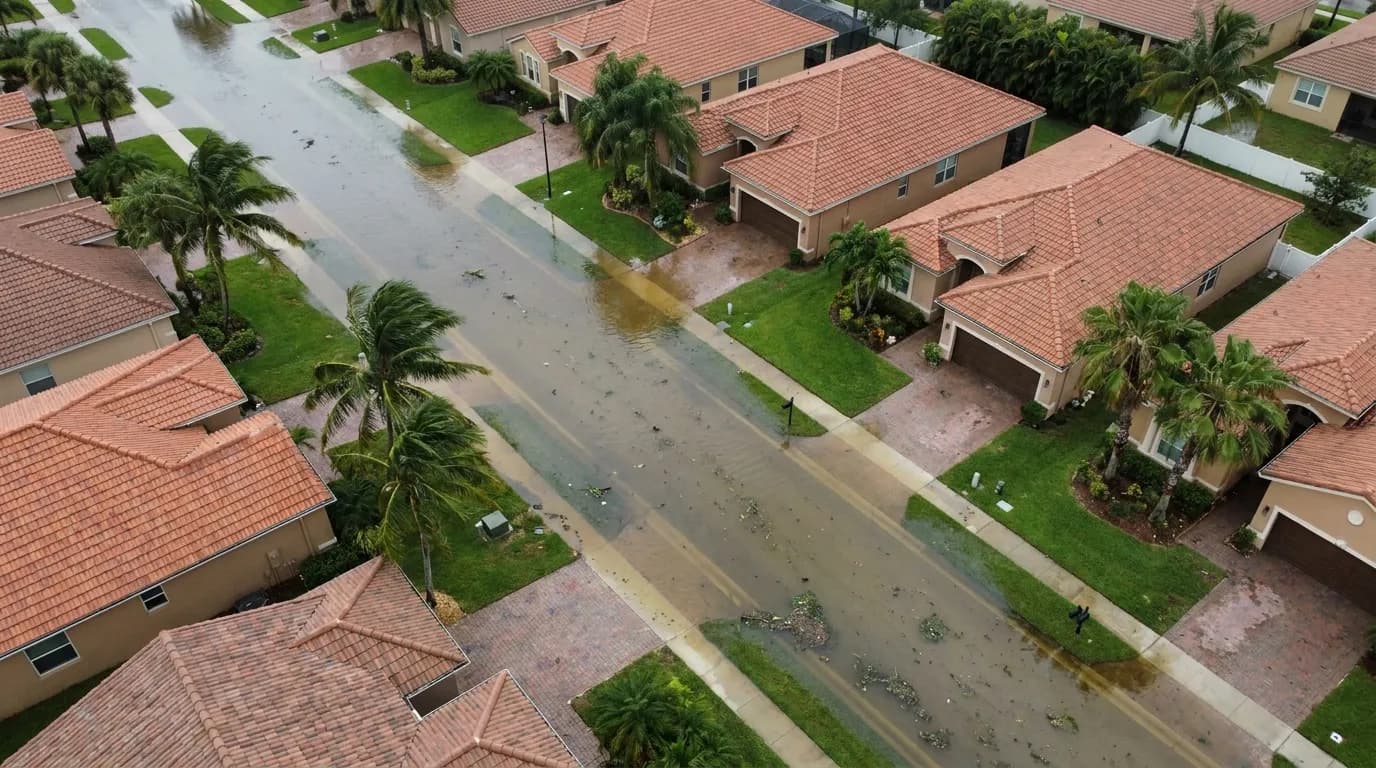
At Five Star Claims Adjusting, we help Florida property owners document and navigate property insurance claims involving hurricanes, floods, wind, roof damage, water intrusion, and other covered losses. When a hurricane causes several types of damage at the same property, determining how each part of the damage occurred can be an important part of the claims process. That distinction matters because a hurricane can cause wind-related property damage and flood-related property damage during the same event, but those losses may fall under different insurance coverage. Storm surge is an abnormal rise of water generated by a storm above the predicted astronomical tide. During a hurricane, powerful winds can push seawater toward the coastline, causing water to move inland and inundate normally dry areas. For insurance purposes, the source and movement of the water matter significantly. Storm surge is associated with the overflow of tidal waters, which is why damage caused by storm surge is generally considered flood damage rather than ordinary water damage under a homeowners policy. This distinction can become especially important after a hurricane because one property may suffer damage from several causes, including storm surge, flooding, high winds, wind-driven rain, roof damage, broken windows or exterior openings, falling debris, and interior water intrusion. Understanding what caused each area of damage can help determine which policy may apply and what coverage might be available.
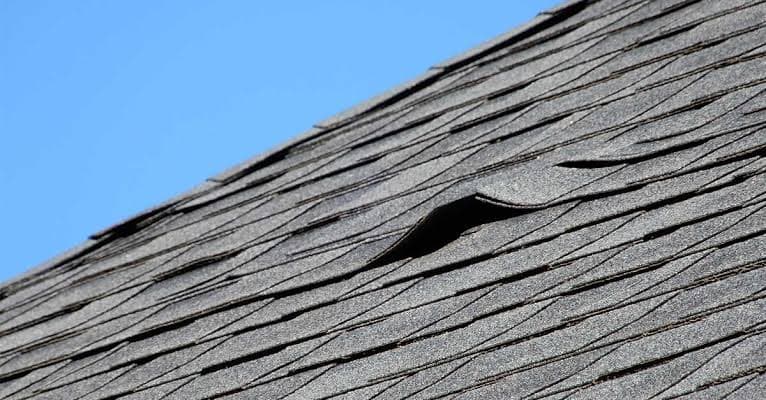
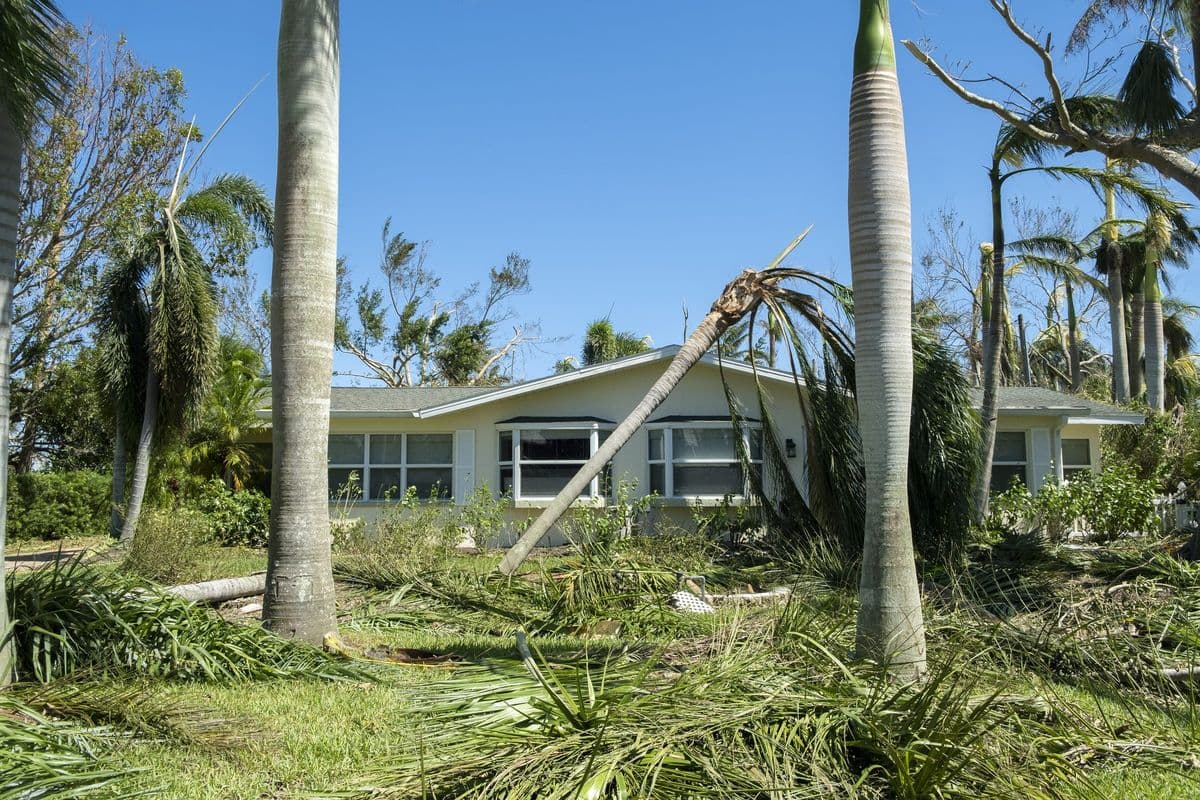
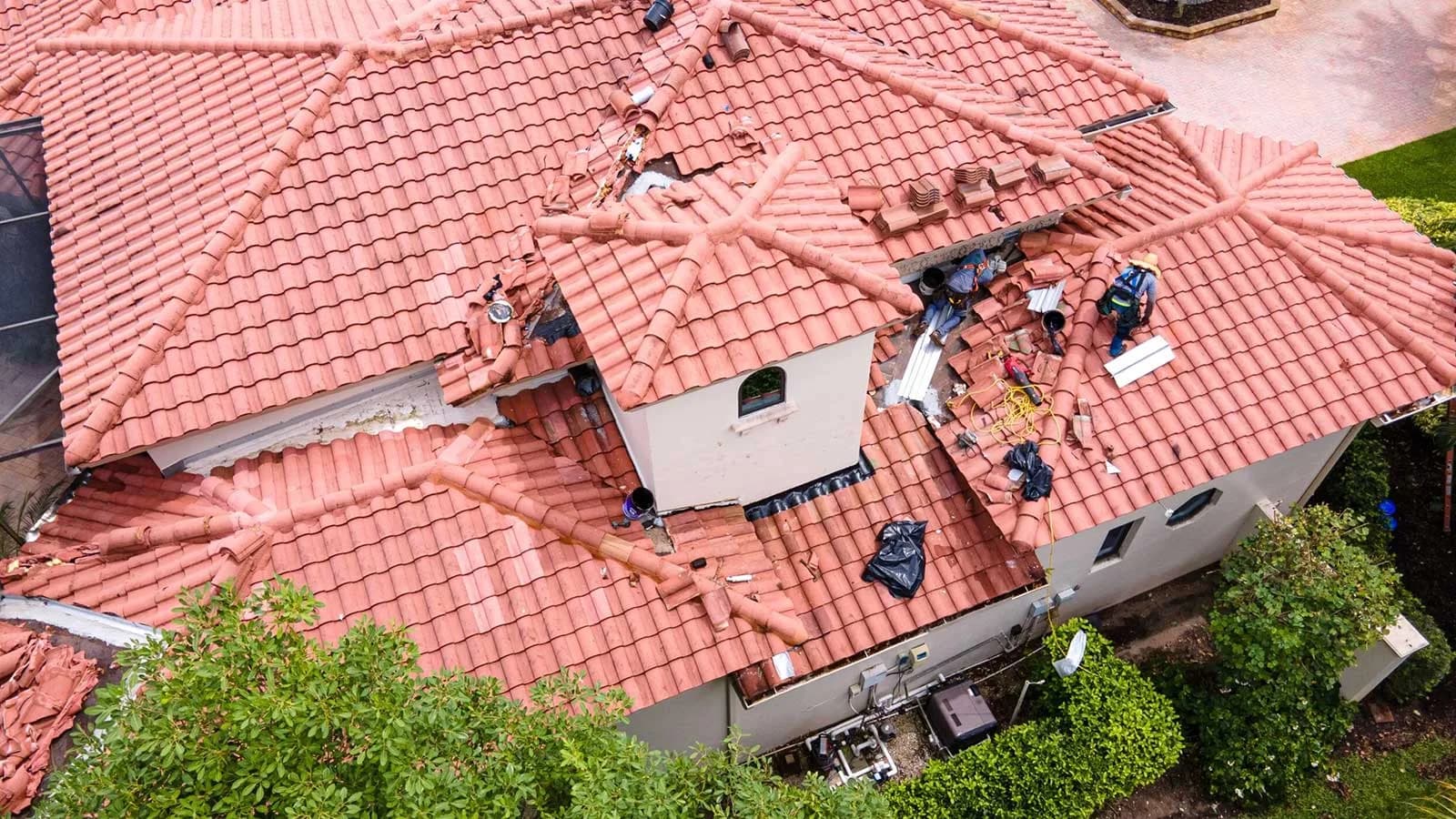
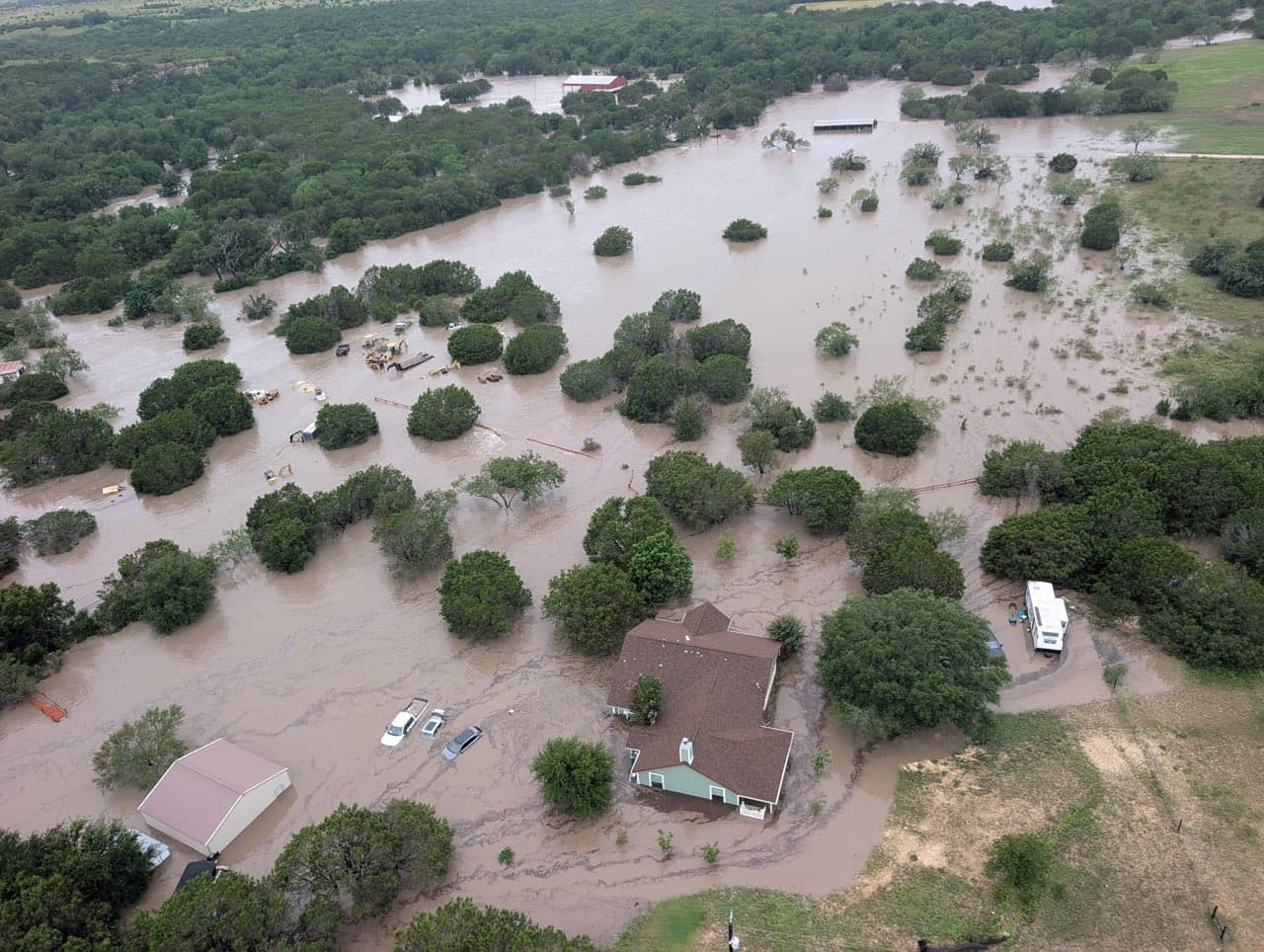
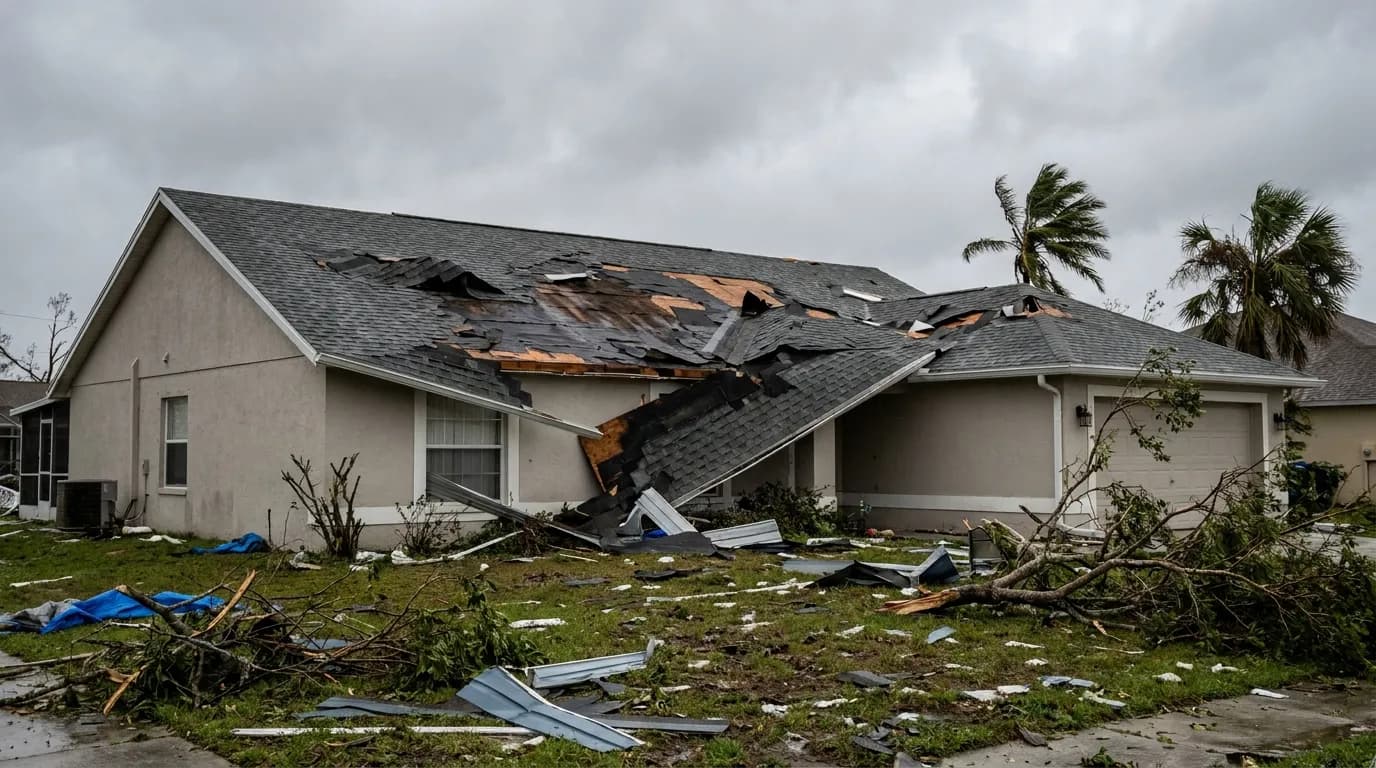
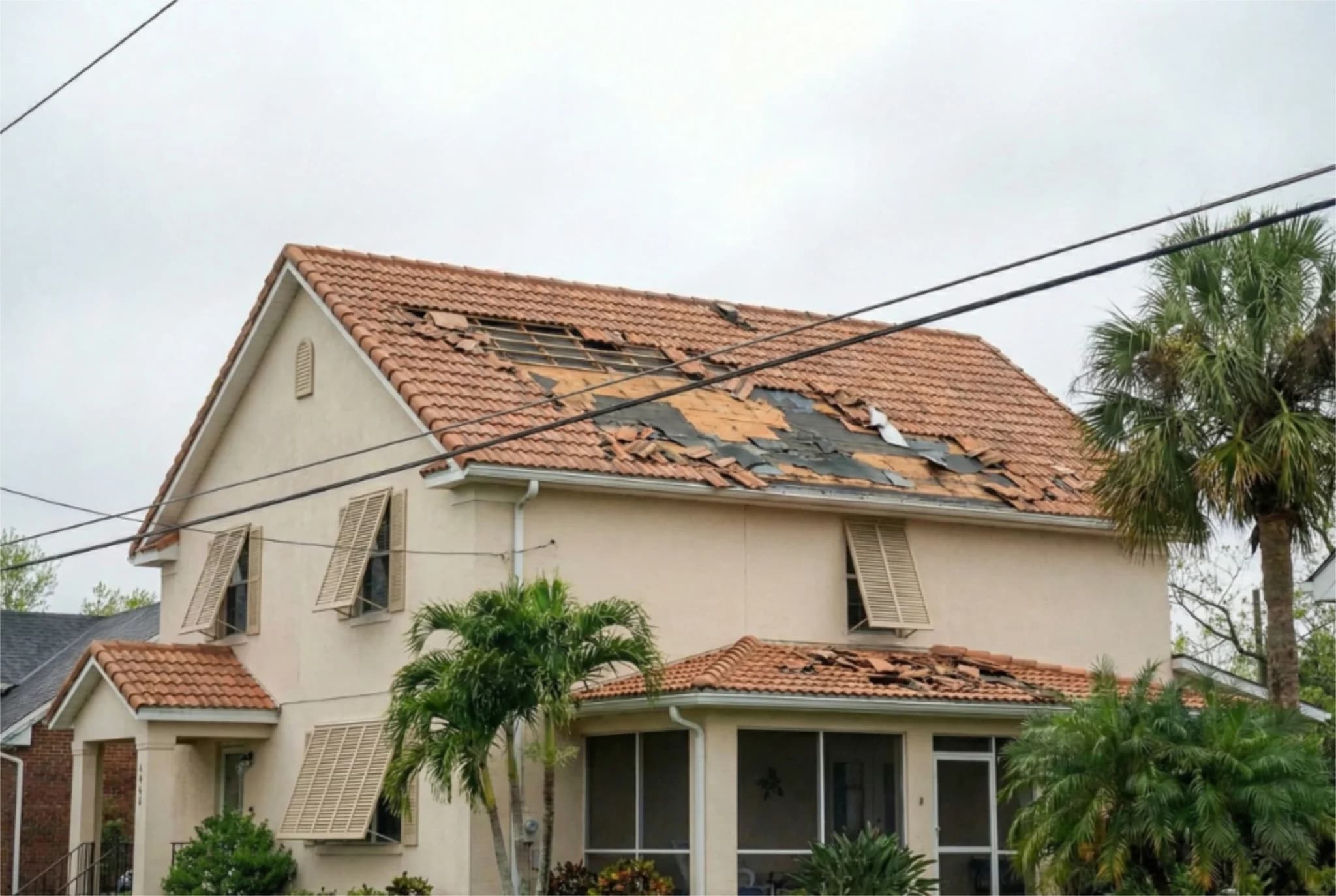
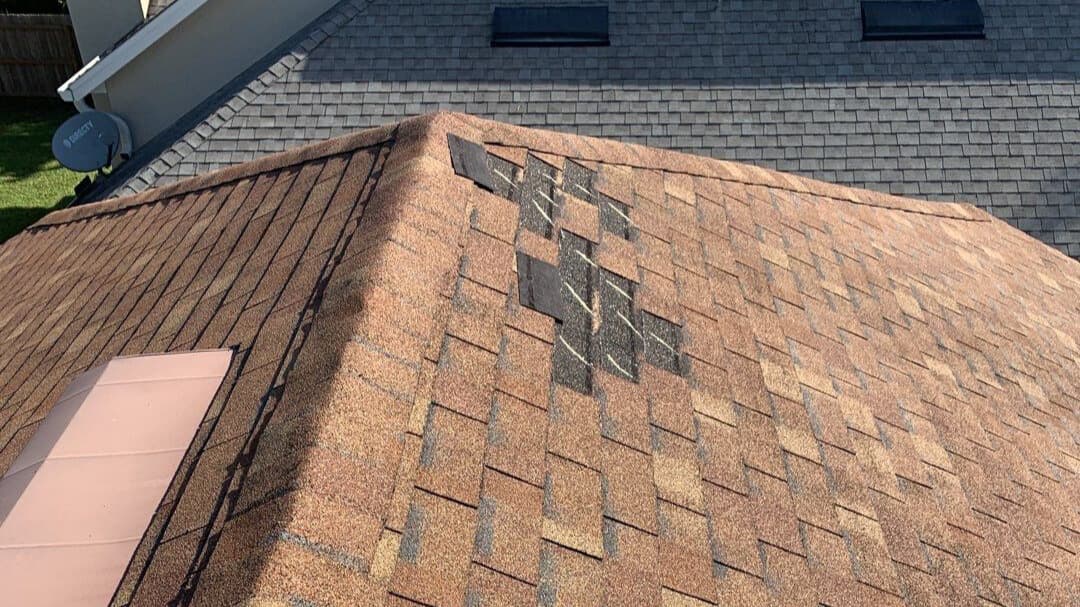
Generally, standard homeowners insurance does not provide storm surge coverage because storm surge is treated as flooding. However, that does not mean every type of damage that occurs during a hurricane is excluded. A hurricane can produce multiple causes of property damage. For example, strong wind may damage a roof before floodwater reaches the property. Wind may also damage windows, doors, siding, or other exterior components. The resulting claim therefore should not automatically be treated as one single type of damage. When reviewing hurricane damage, Five Star's team looks carefully at what happened to the property, what areas were affected, and what available evidence helps establish the cause and sequence of the loss. The specific insurance policy ultimately controls coverage. Policy exclusions, endorsements, deductibles, limitations, and the facts of the loss all need to be considered. Homeowners dealing with hurricane-related property damage should understand that careful documentation becomes essential when multiple causes affect the same structure. Storm surge generally falls within flood coverage because it involves rising water associated with an overflow of tidal waters. This is different from some other forms of water intrusion. Imagine that hurricane winds damage part of your roof. Rain then enters through that storm-created opening and damages ceilings, insulation, walls, and flooring. That situation involves a different cause and path of water than storm surge rising from outside the home. Now imagine seawater is pushed inland by the hurricane, rises around the property, and enters the home from ground level. That is the type of event generally treated as flooding. The distinction is important because standard homeowners policies generally exclude flooding, while flood insurance is specifically designed to address covered flood losses. For homeowners dealing with this type of damage, understanding how flood insurance works becomes critical. A separate flood insurance policy may provide coverage for direct physical losses caused by flooding, subject to the policy's terms, limits, exclusions, and applicable requirements. The National Flood Insurance Program defines flood insurance coverage through its Standard Flood Insurance Policy forms. These policies can provide building and contents coverage depending on the applicable policy form and coverage purchased.
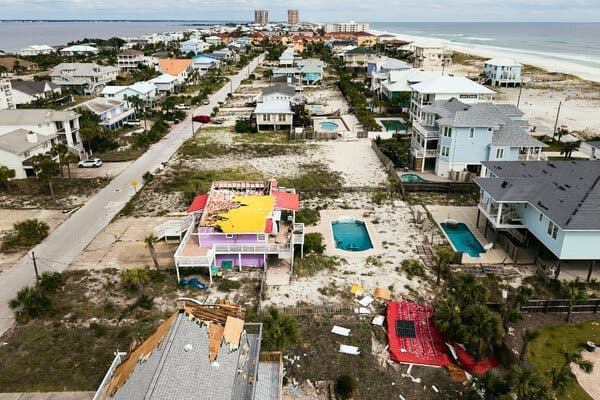
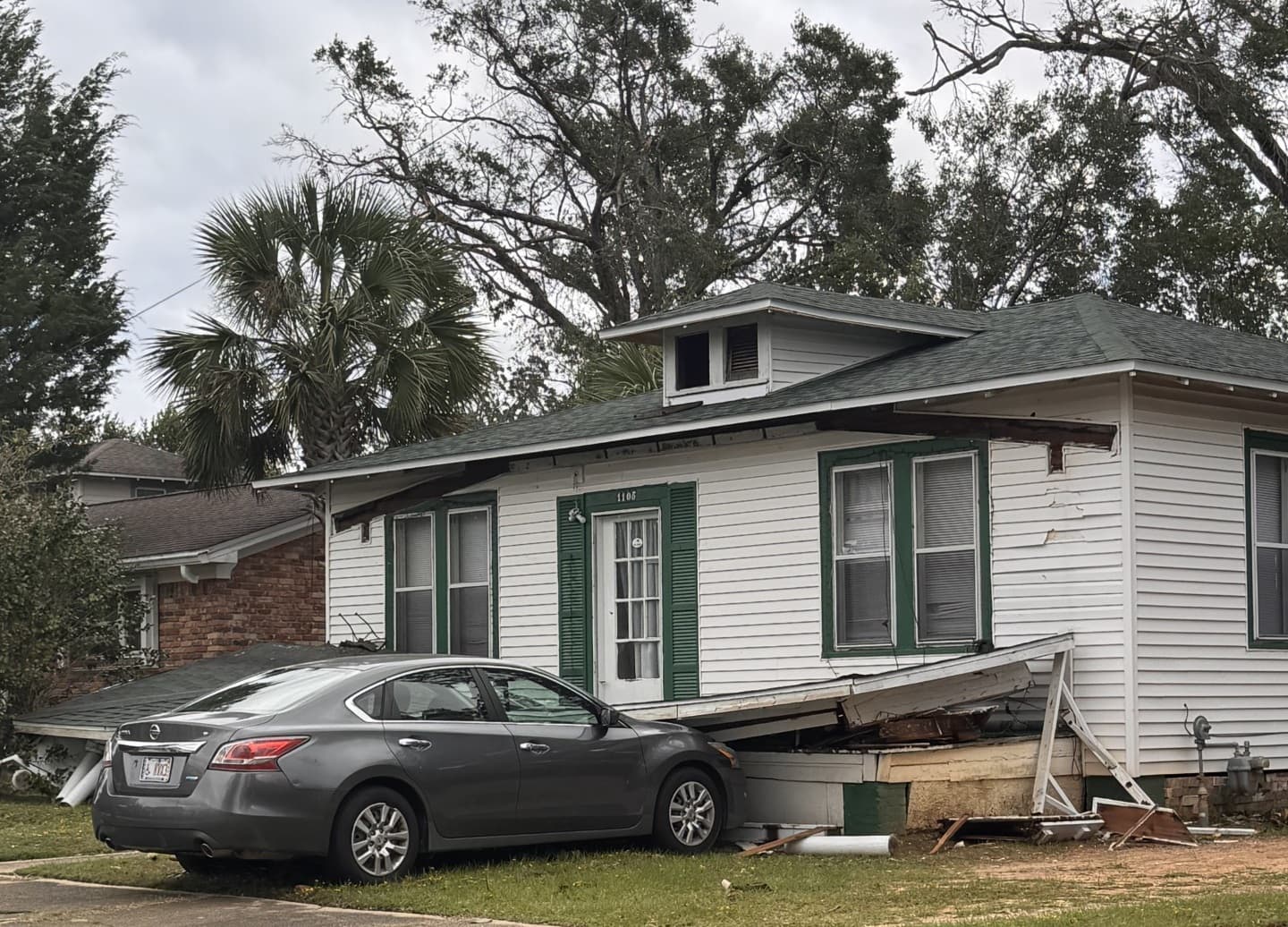
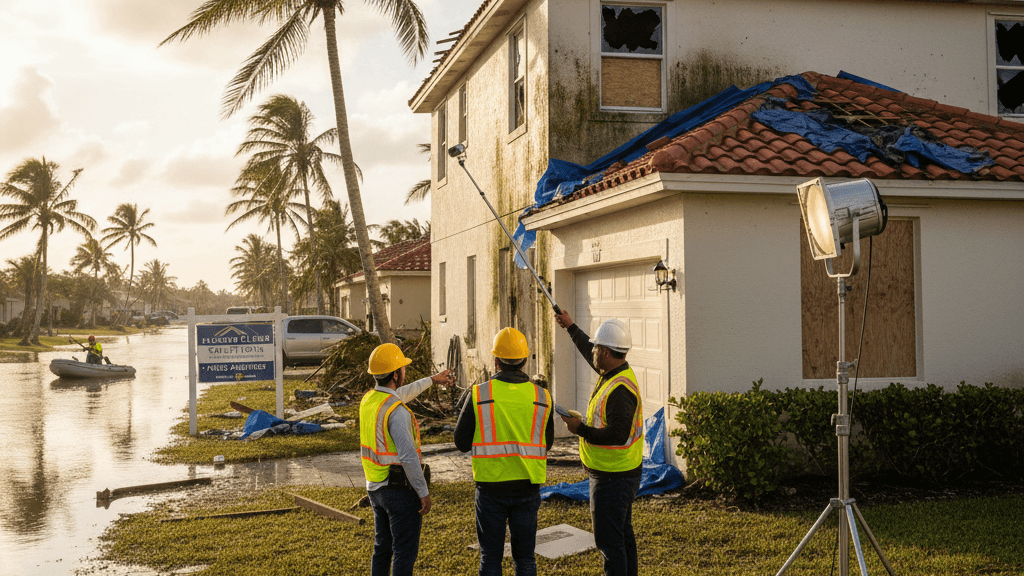
This is why homeowners should not assume their homeowners policy automatically provides storm surge insurance coverage. Instead, review the policies you actually have. Important questions include: Do you have a separate flood insurance policy? What building coverage did you purchase? Do you have contents coverage? What limits apply? What deductible applies? Which damaged property is covered? Are there limitations affecting certain areas or property? What documentation is required after the loss? A hurricane can cause both wind-related property damage and flood-related property damage. Depending on the policies in place and the facts surrounding the loss, different coverage may need to be considered. For example, a property could experience roof damage from hurricane winds and later experience flooding from storm surge. This is one reason documentation becomes so important. Photographs, videos, inspection findings, weather information, repair estimates, and other evidence can help establish what happened to different portions of the property. The sequence of damage may also matter. If wind damaged the structure before floodwater arrived, documenting that condition can be important when the losses are evaluated. Your immediate priority after storm surge damage should always be safety. Do not enter a property when floodwater, electrical hazards, structural instability, contamination, or other dangerous conditions make entry unsafe. Once it is safe to address the property, begin preserving information about the loss. Helpful steps can include photographing and recording the exterior and interior damage, recording visible water lines where present, documenting damaged walls, flooring, cabinetry, appliances, and belongings, photographing roof, window, door, and exterior damage, keeping damaged materials when practical and safe, saving emergency repair and mitigation receipts, keeping copies of claim communications, and maintaining estimates, invoices, inspection records, and other supporting documents.

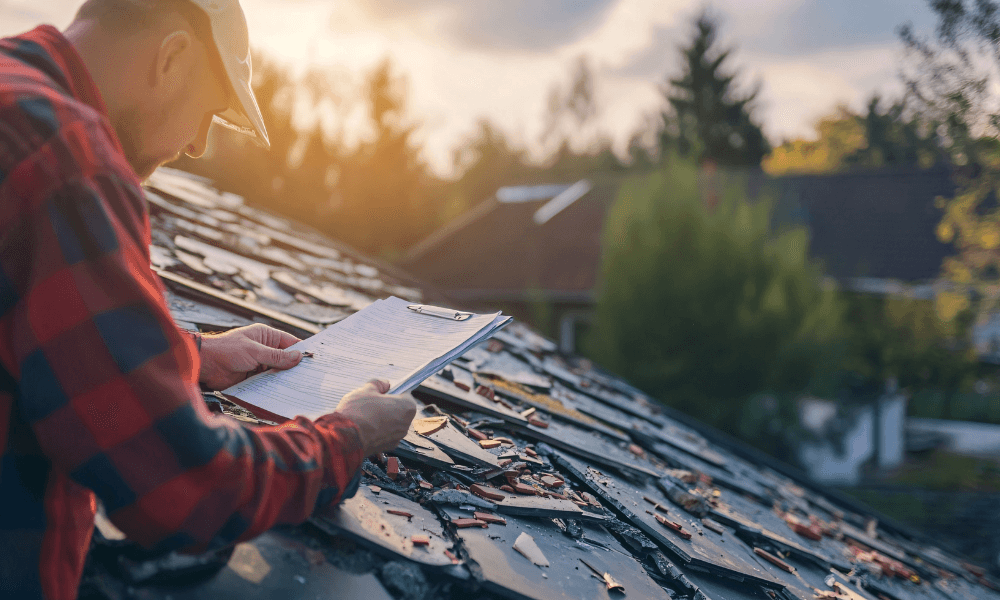
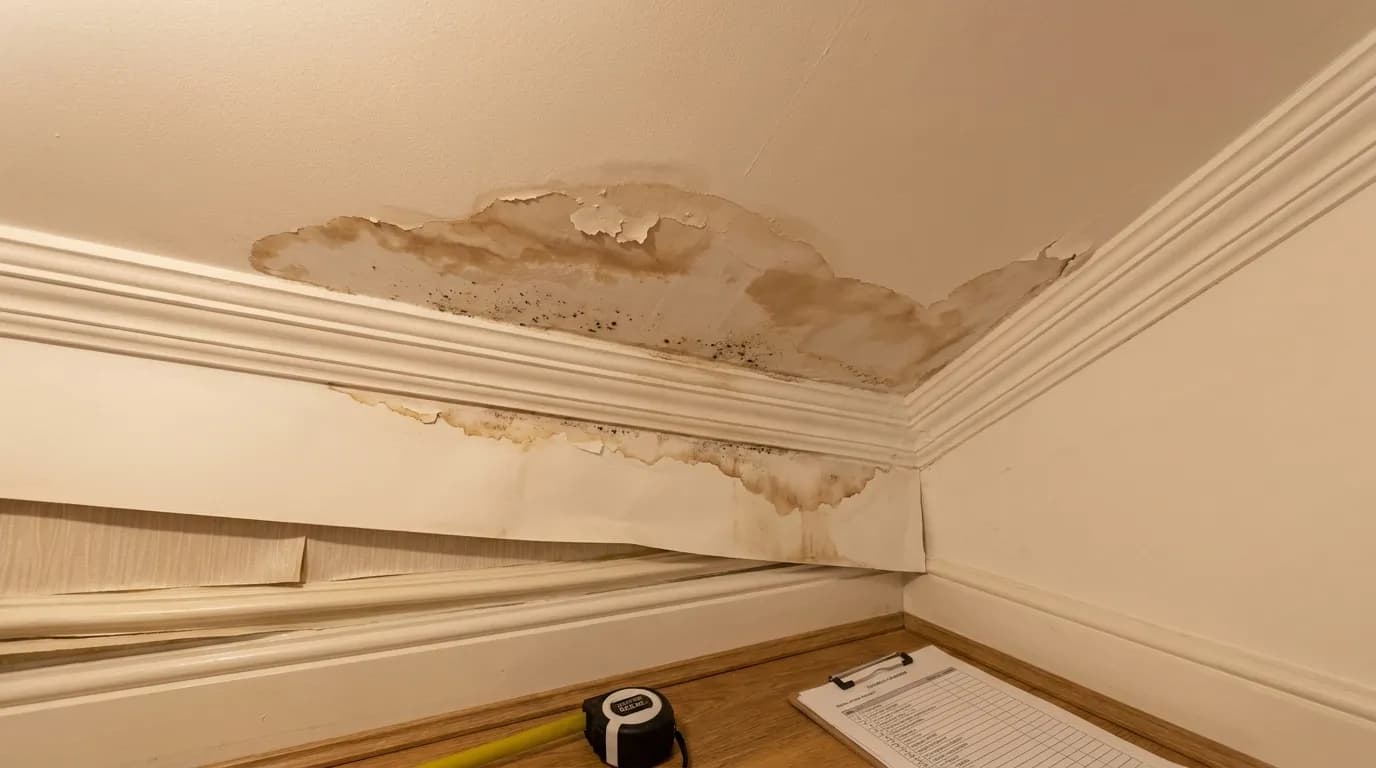
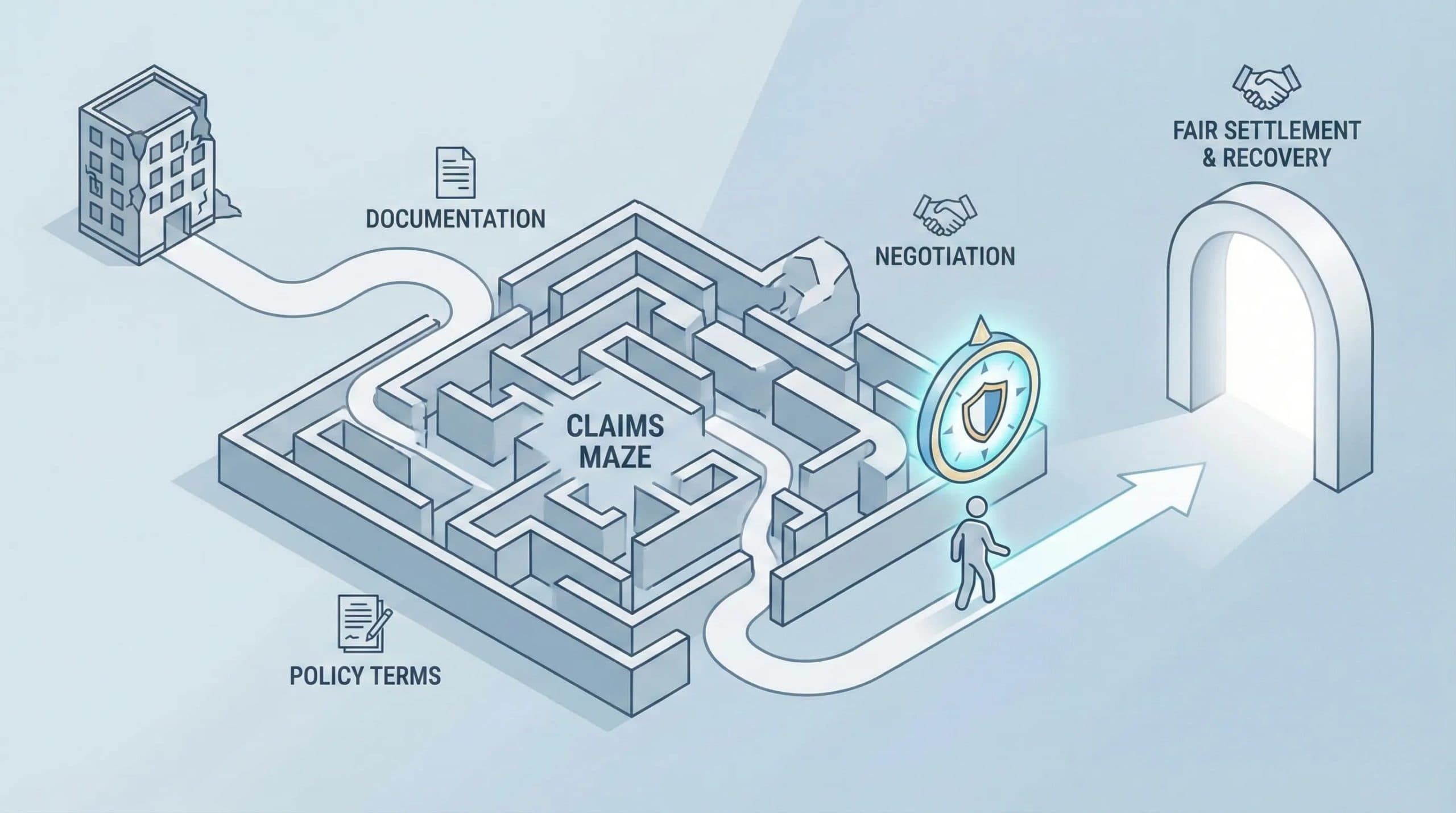
Hurricane losses can become complicated when multiple causes affect the same property. Water may enter from below because of flooding while rain enters from above through a damaged roof. Wind may damage exterior components before rising water reaches the building. Without detailed documentation, it may become harder to establish the extent and cause of each area of damage. At Five Star Claims Adjusting, our role is to represent the policyholder during the property insurance claim process. Depending on the claim, our work can include inspecting the property, documenting damage, reviewing claim information, preparing estimates and supporting documentation, communicating about the claim, and negotiating on behalf of the policyholder. A property claim does not always result in a simple decision where everything is accepted or everything is denied. An insurer may accept coverage for one portion of the damage while denying another portion. This is sometimes called a partial denial. For example, the dispute may involve the cause of certain damage, the scope of repairs, specific damaged materials, or whether particular portions of the loss fall within the applicable policy. If you receive a decision that accepts only part of your claim, review exactly what was accepted and what was excluded. An initial inspection may not reveal every damaged area. Water can travel behind walls, underneath flooring, into cabinets, and through other building materials. Additional damage may become visible during cleanup, demolition, or repairs. If additional covered damage or repair costs related to the original loss are discovered, further documentation may be appropriate. The existence of additional damage does not automatically mean additional coverage or payment will apply. The policy, cause of loss, documentation, and circumstances still control.
At Five Star Claims Adjusting, we represent policyholders during property insurance claims. We assist Florida and Texas property owners with claims involving flood damage, hurricane and storm damage, wind damage, roof damage, water damage, and other property losses within the scope of our services. Depending on the circumstances, we can help inspect and document the property, review available policy and claim information, prepare supporting documentation and estimates, communicate about the claim, and negotiate from the policyholder's perspective. When a hurricane involves both wind and flood damage, careful documentation can be especially important because the applicable coverage may depend on what caused each part of the loss. If you are dealing with storm surge, flooding, wind, or other hurricane-related property damage, Five Star Claims Adjusting can help you review the loss and better understand the property insurance claim process. The most important point to remember is simple: standard homeowners insurance generally does not provide storm surge insurance coverage because storm surge is treated as flooding. Separate flood insurance storm surge coverage may apply when a qualifying flood loss occurs, depending on the policy purchased. At the same time, hurricanes can cause much more than flooding. Wind, roof damage, wind-driven rain, debris impact, and storm surge can affect the same property during one event. That makes documenting how the damage occurred just as important as documenting how much damage exists. Contact Five Star Claims Adjusting today for assistance with your storm damage claim.
This article has been sourced from press releases and cross-referenced with multiple websites. Facts originally seen at Source.