Voluntary Standard Aims to Unify Claims Practices Across State Lines
A coalition of more than 16 public adjusters, insurance attorneys and industry professionals has launched a voluntary national code of conduct aimed at creating more consistent standards for public adjusters across the United States. The Public Adjusting Code of Professional Conduct, or PA COPC, is being offered for adoption by state insurance regulators, professional associations and individual practitioners. It covers competence, continuing education, supervision, evidence, conflicts of interest, solicitation, client communication and accountability.
The push comes in a profession regulated largely at state level, where rules for public adjusters can differ significantly. That inconsistency can become especially important on complex property losses, when a policyholder may bring in a public adjuster alongside a broker, attorneys, forensic accountants and other advisers. A more consistent set of standards around evidence, communication and conflicts could give those parties a clearer reference point when responsibilities overlap. The initiative is not starting from scratch. The NAIC Public Adjuster Licensing Model Act already covers areas including licensing, continuing education, fees, contracts and standards of conduct, while the National Association of Public Insurance Adjusters' code sets ethical and professional requirements for its members, including rules on solicitation, competence and fee transparency. The PA COPC is instead intended as a standard that can be adopted across jurisdictions.
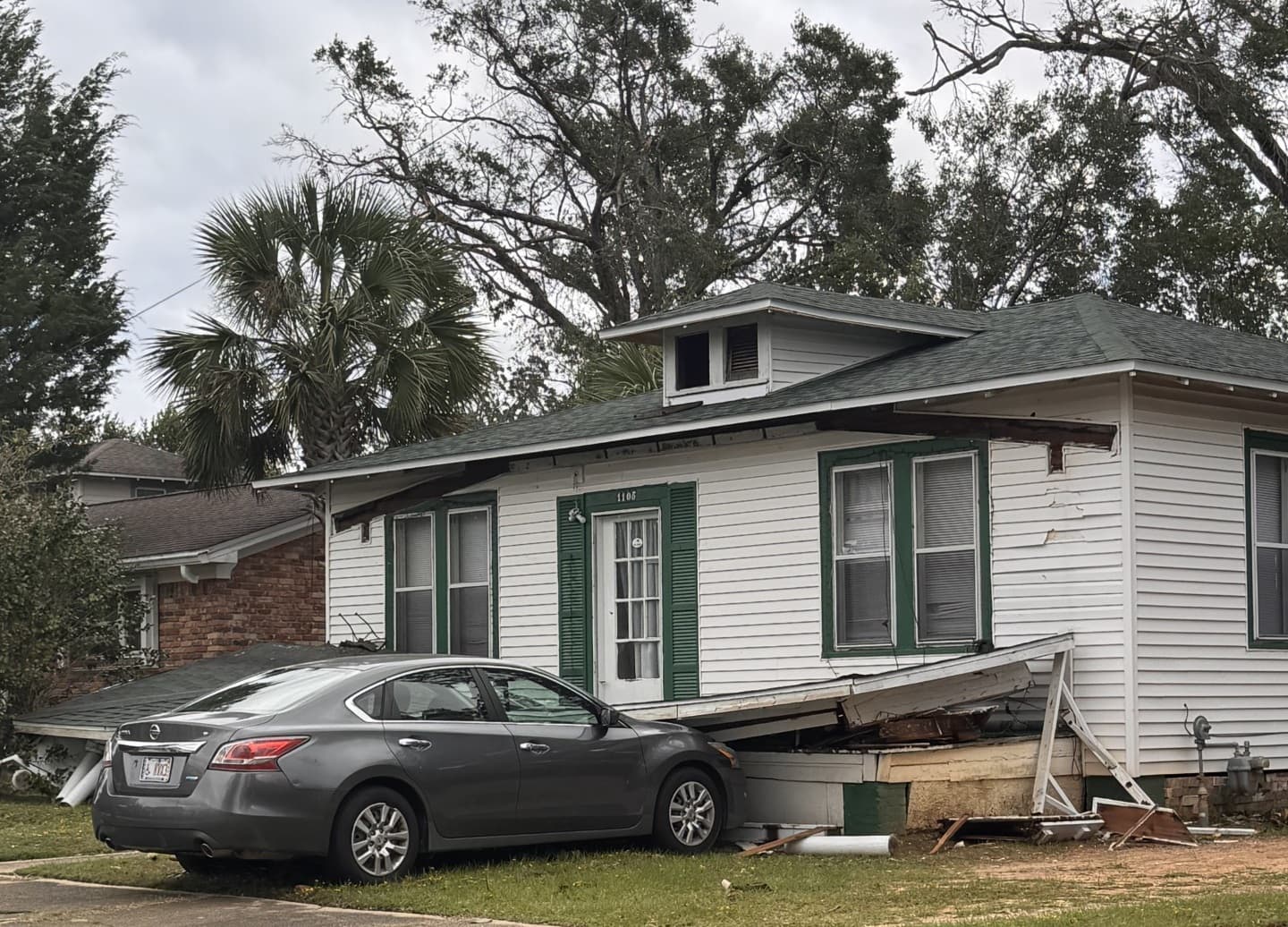
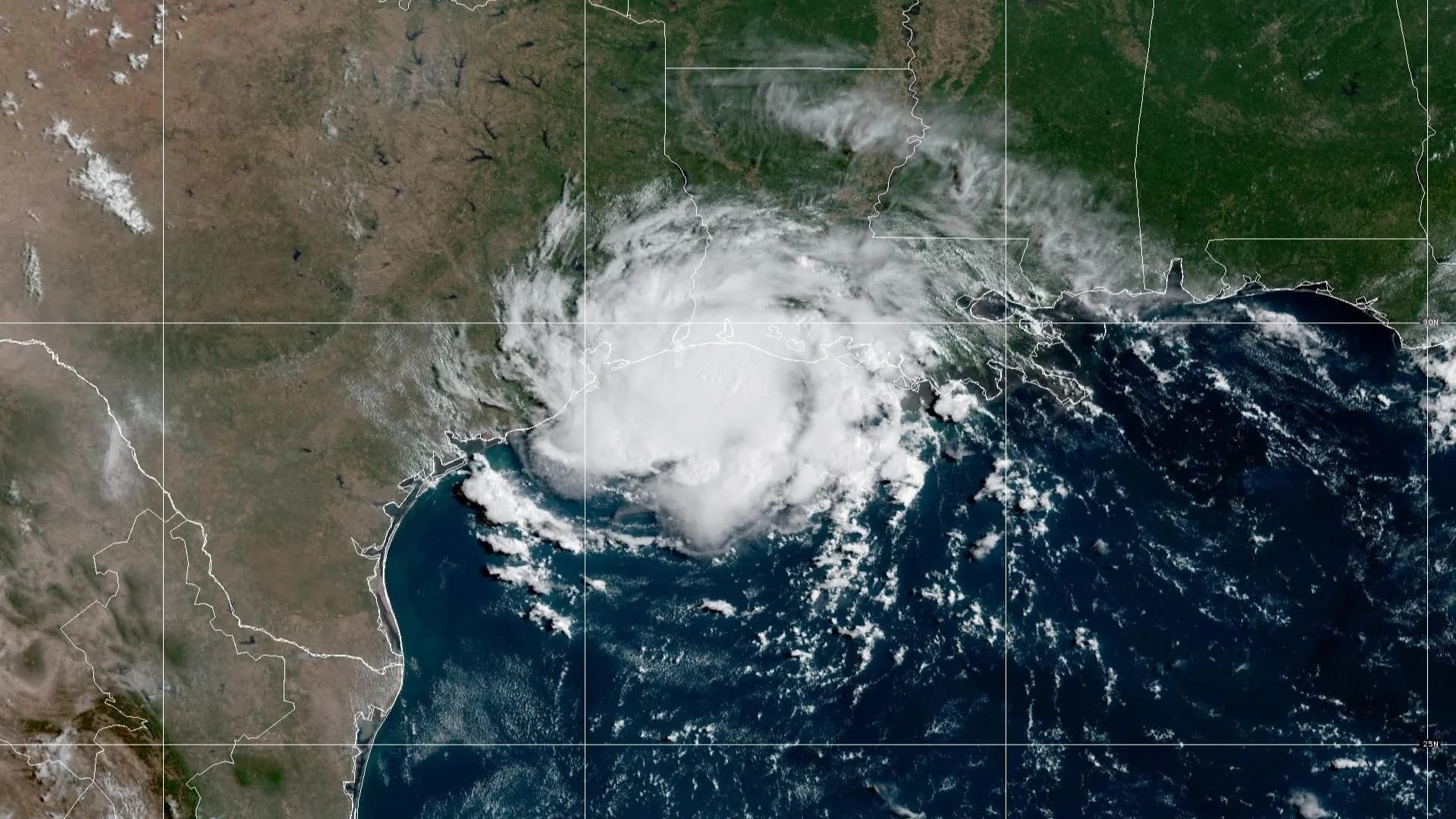
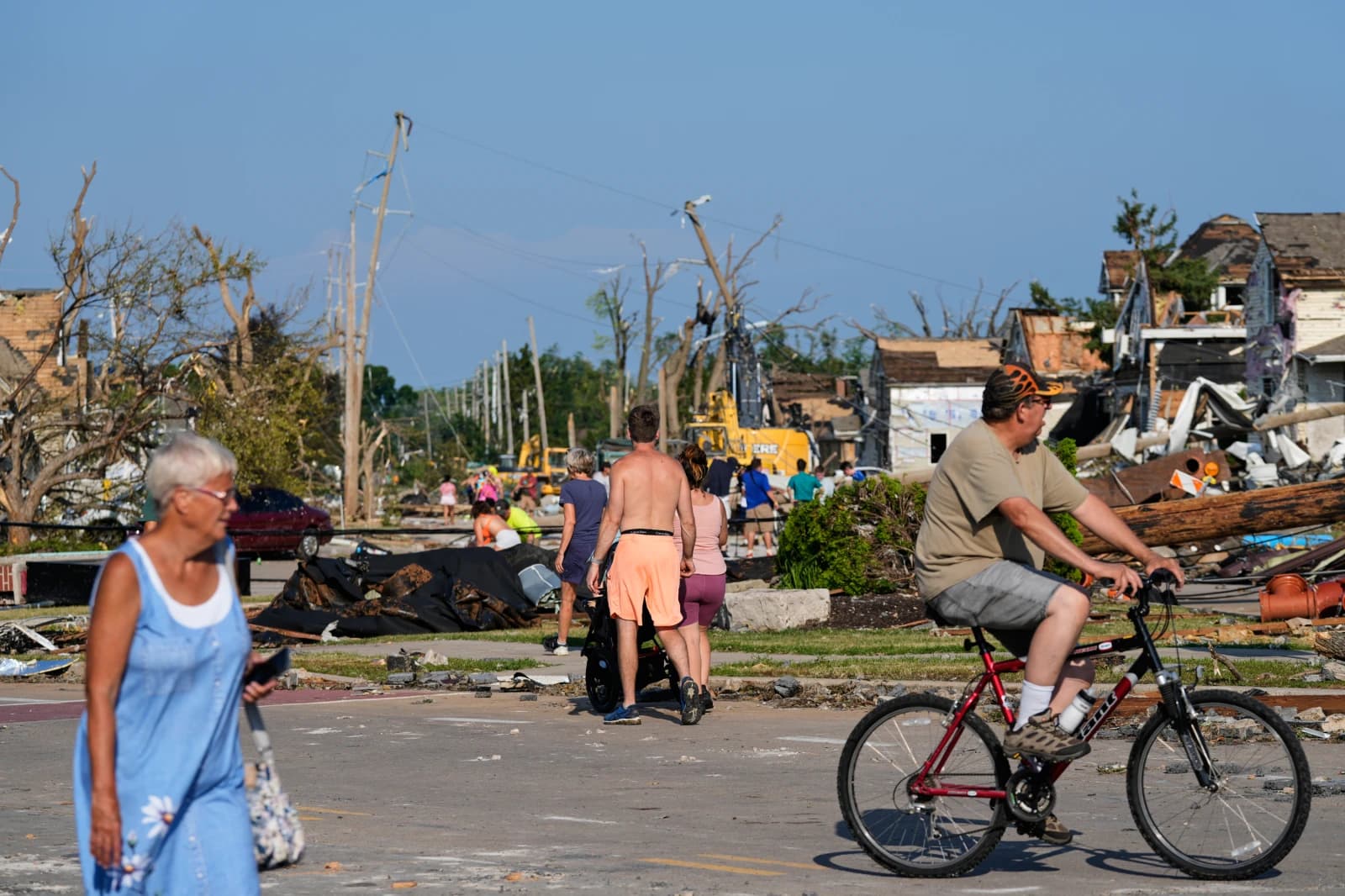
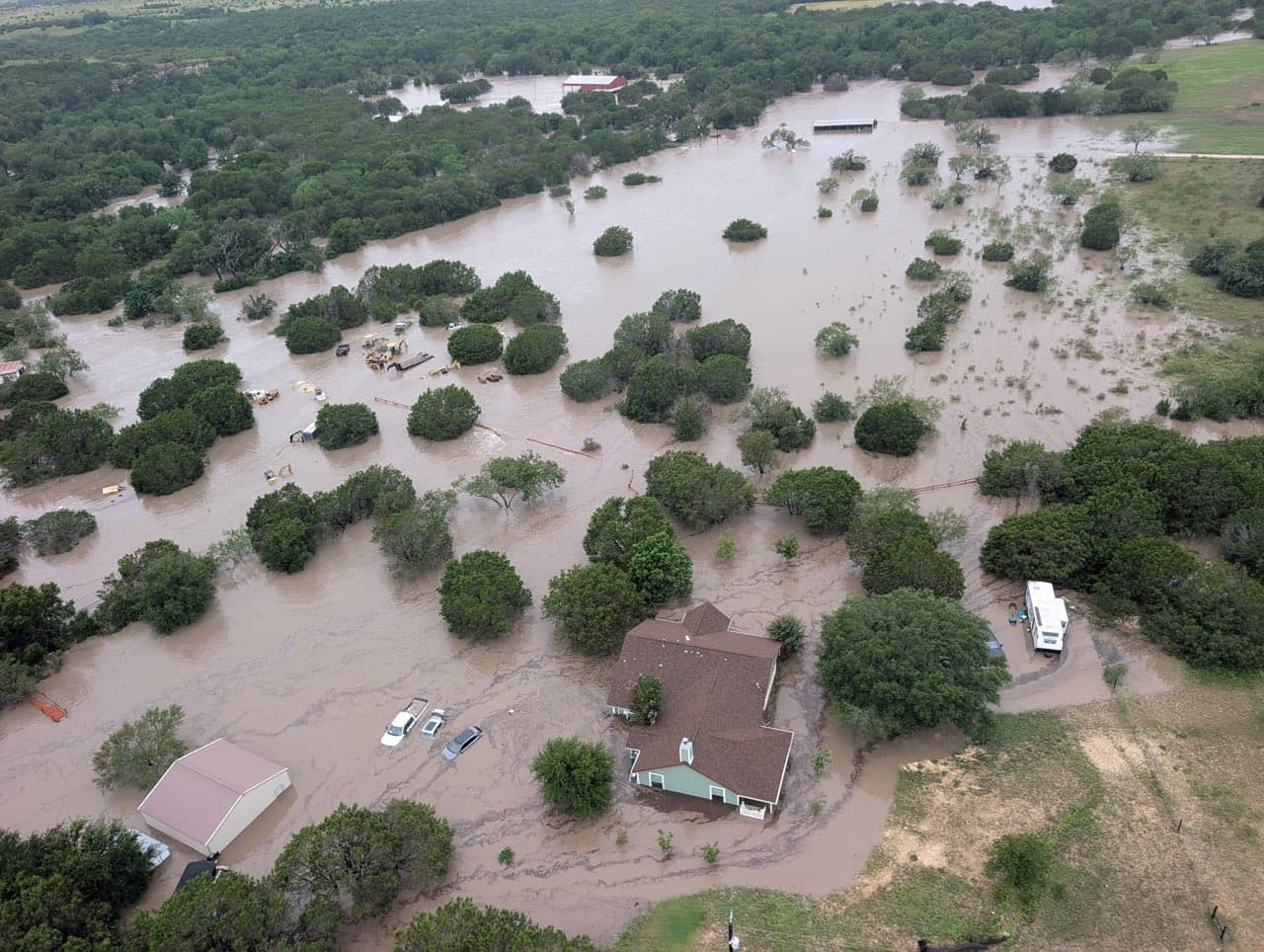
Existing state rules show how those requirements can differ. Texas generally caps public adjuster commissions at 10 percent of an insurance settlement and prohibits solicitation during a disaster, while Florida limits public adjuster fees on claims arising from a governor-declared emergency to 10 percent for one year after the declaration, with a 20 percent limit thereafter. These variations can create confusion for policyholders and complicate coordination among professionals working on the same claim. The code also arrives after another costly year for catastrophe claims. Global insured catastrophe losses reached 129 billion dollars in 2025, with the United States accounting for 78 percent of the total, adding to the pressure on property insurers and policyholders in catastrophe-exposed markets. US catastrophe losses accounted for most of the 2025 total, underscoring the urgency of establishing clearer professional standards in the public adjusting field.
Jeffrey Major, CEO of Skyline Adjusters, emphasized the need for the code in a statement. "In recent years, the large number of natural catastrophes in the US has fueled widespread demand for public adjusting services. At the same time, however, these circumstances have attracted some unscrupulous actors to the profession, whose lack of qualifications and integrity are damaging the industry's reputation. Once the code is adopted, compliance by public adjusters will be a mark of professional commitment to the highest standards of conduct." Unlike state licensing requirements, however, the PA COPC does not automatically carry regulatory force. Its impact will depend on how widely it is adopted and how it fits alongside existing state rules and enforcement mechanisms. The coalition is now working to establish a Public Adjuster Code of Conduct Board, which is expected to develop publicly available procedures for alleged violations and their consequences. This governance structure will be critical to ensuring that the code has teeth and that policyholders receive consistent protection regardless of which state they live in or which public adjuster they hire.
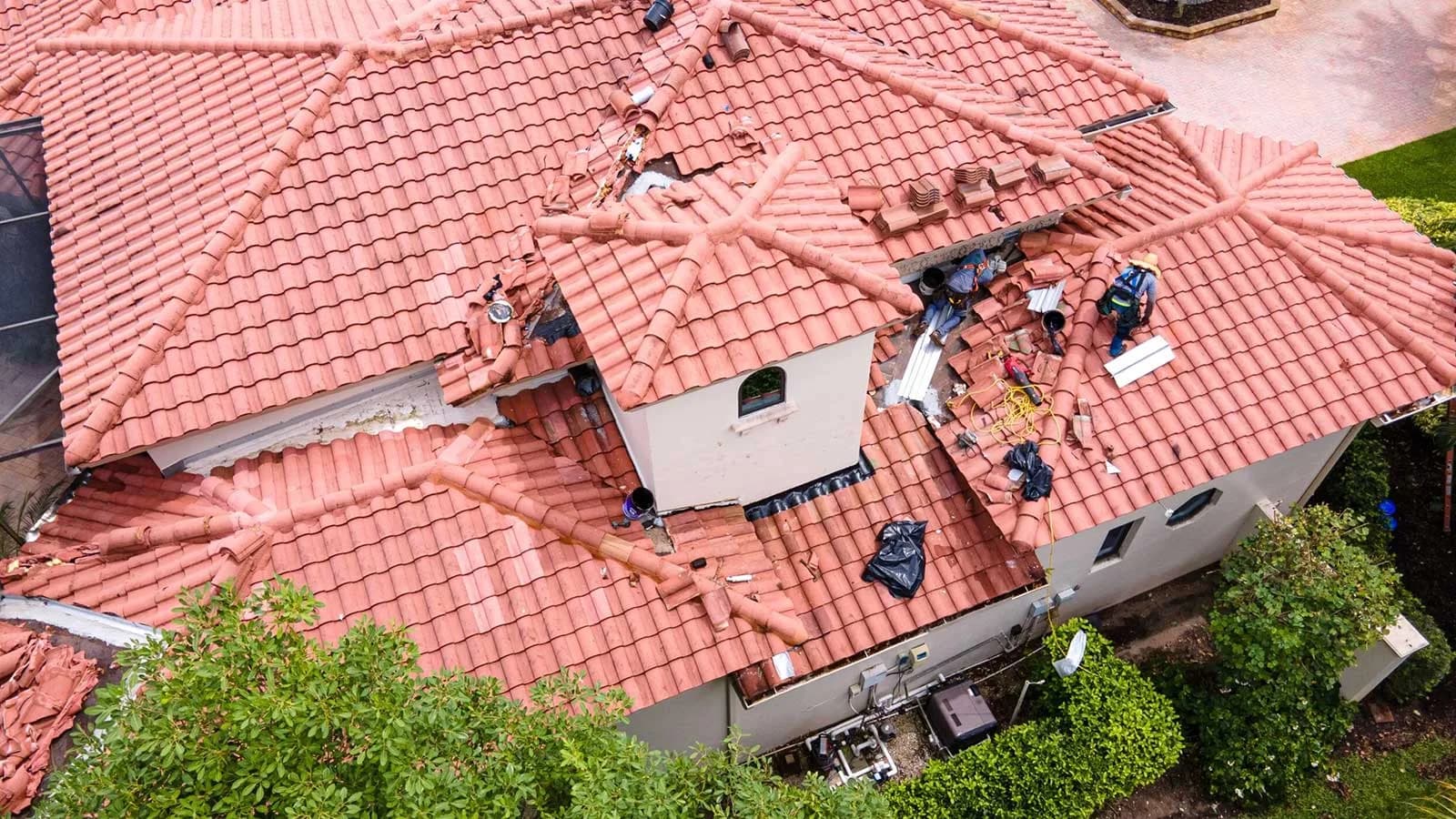
For policyholders navigating the claims process, particularly in hurricane and storm-prone regions like Florida and Texas, the adoption of a national code could provide meaningful protection. Five Star Claims Adjusting can help property owners understand how these professional standards apply to their claims and ensure they receive fair treatment from all parties involved in the adjustment process. As catastrophe losses continue to mount and the public adjusting profession grows, establishing clear ethical guidelines becomes increasingly important for maintaining the integrity of the claims system and protecting policyholder rights.
This article has been sourced from press releases and cross-referenced with multiple websites. Facts originally seen at Source.