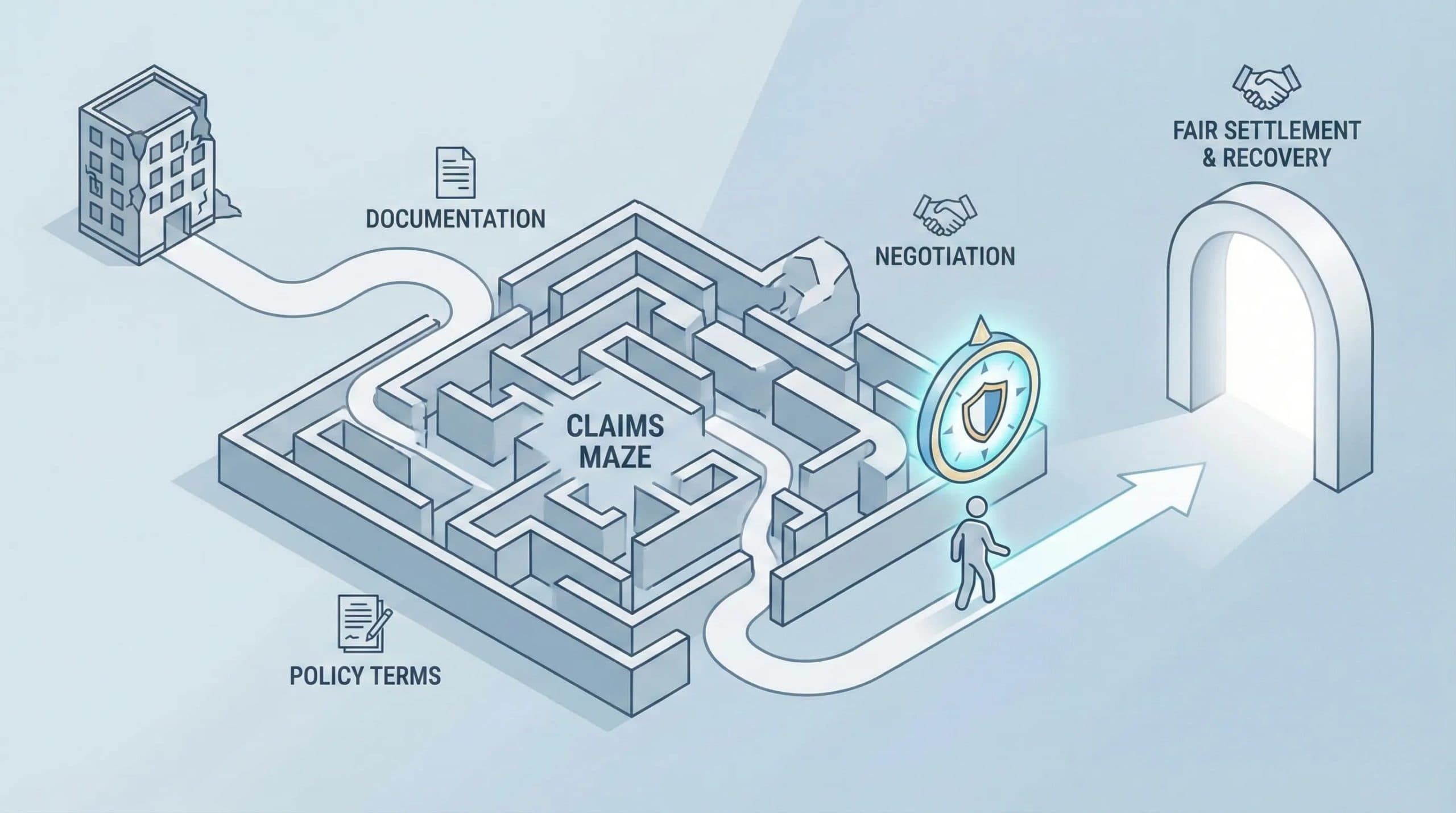
Florida Homeowners Can Challenge Unfair Claim Denials After Storms
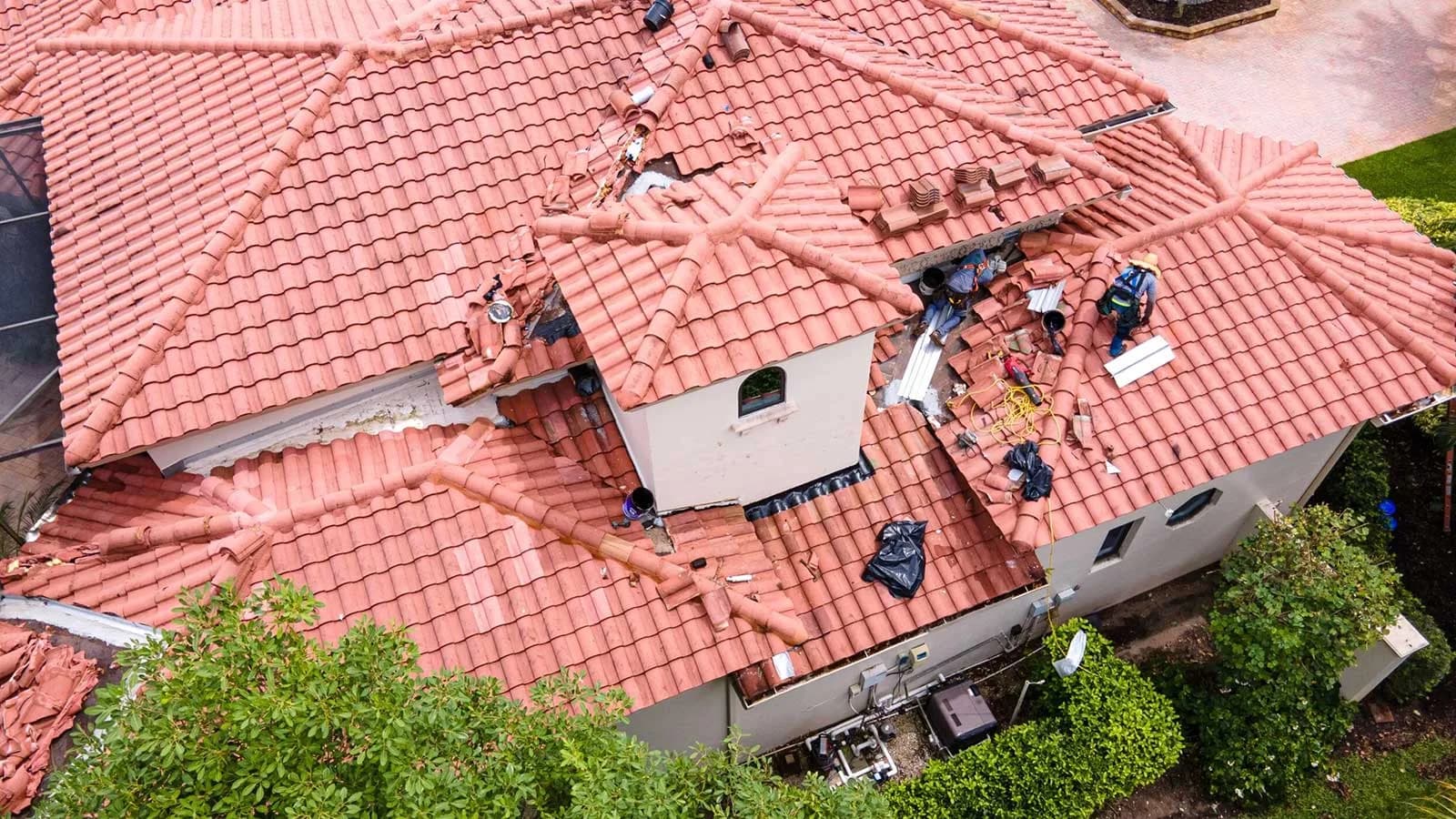
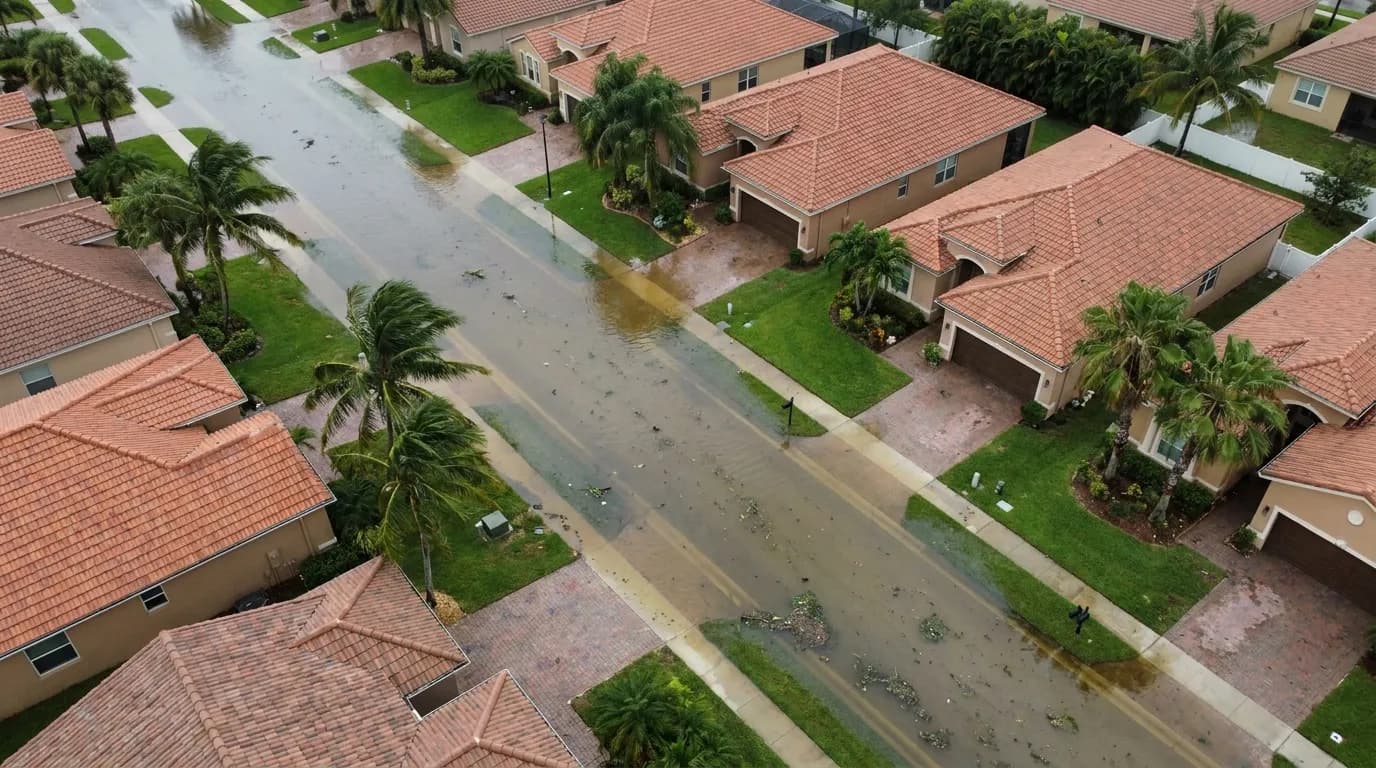
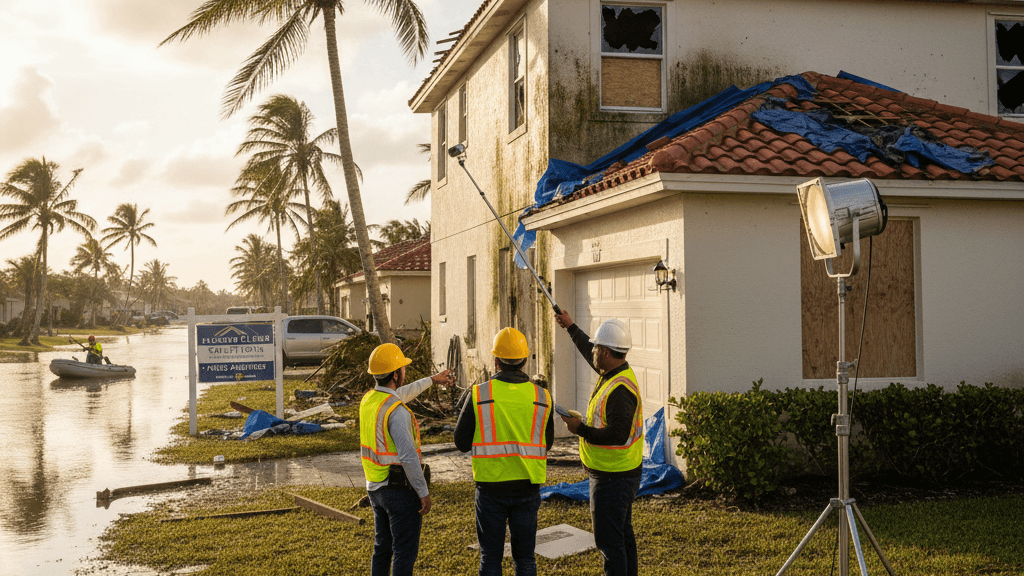
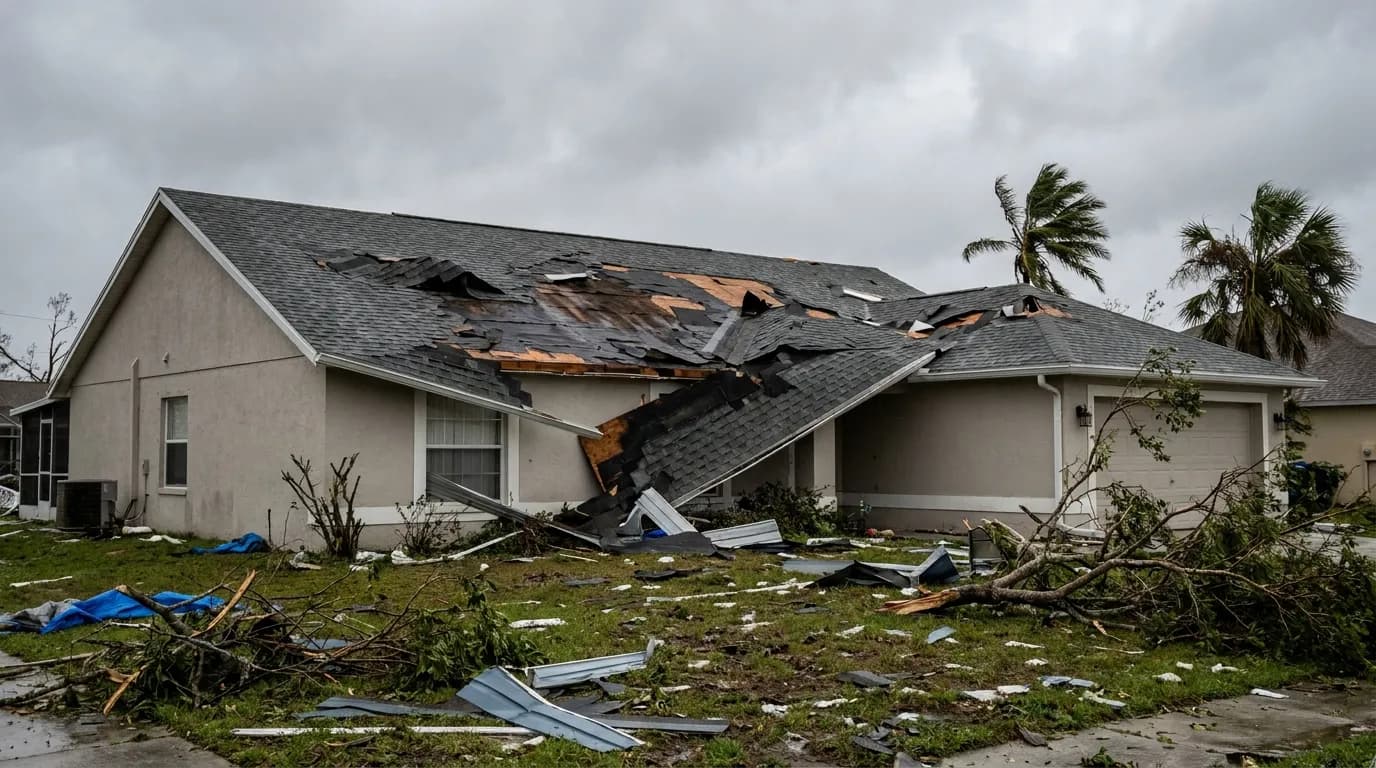
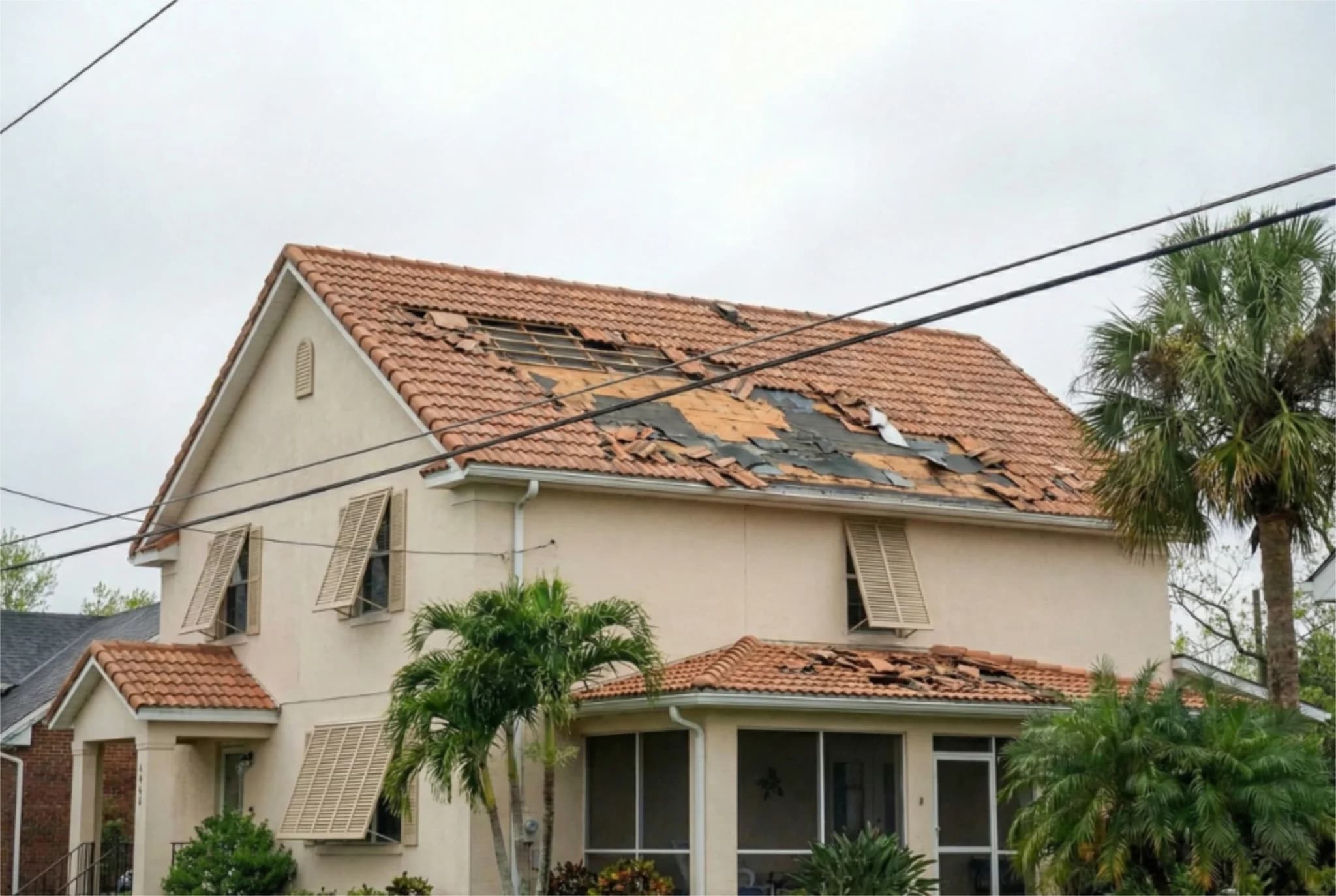
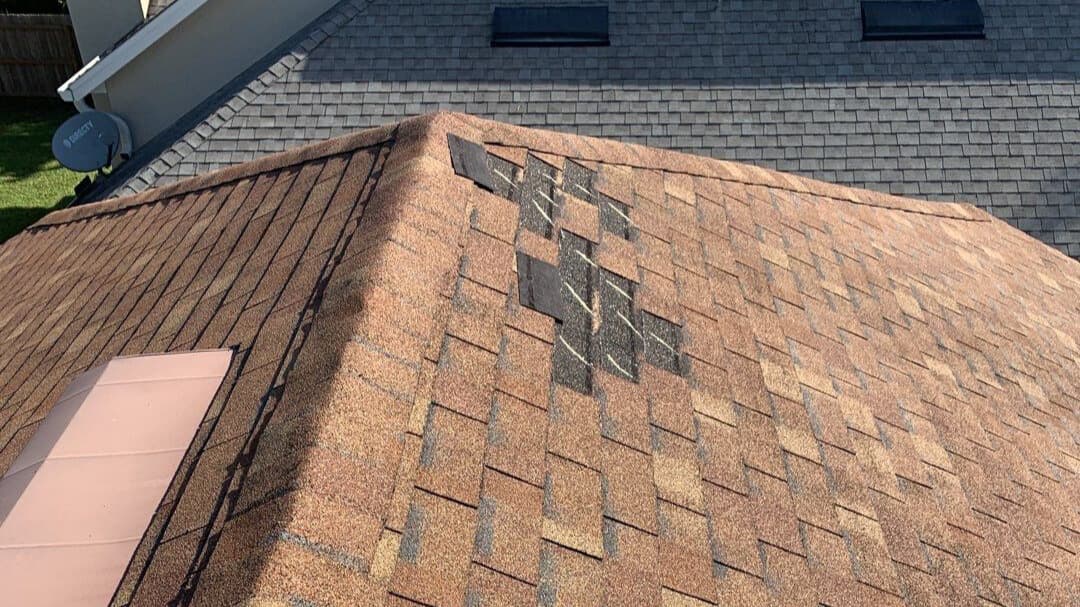
When a severe storm passes through Florida, homeowners often discover roof damage that demands immediate attention. Missing shingles, lifted edges, or compromised flashing can expose your home to water intrusion and further deterioration. You file a claim with confidence, only to receive a denial letter stating the damage is from age or normal wear and tear, not the storm. This scenario plays out repeatedly across the state, leaving frustrated policyholders wondering if they have any recourse. The distinction between storm damage and wear and tear is critical to your claim's outcome. Insurers use this classification strategically, and understanding the difference can mean the difference between a paid claim and an out-of-pocket repair bill. Storm damage occurs suddenly and violently, caused by the specific weather event. Wear and tear develops gradually over time as materials age and degrade naturally. The challenge is that some damage can appear similar to both scenarios, giving insurers room to dispute your claim.

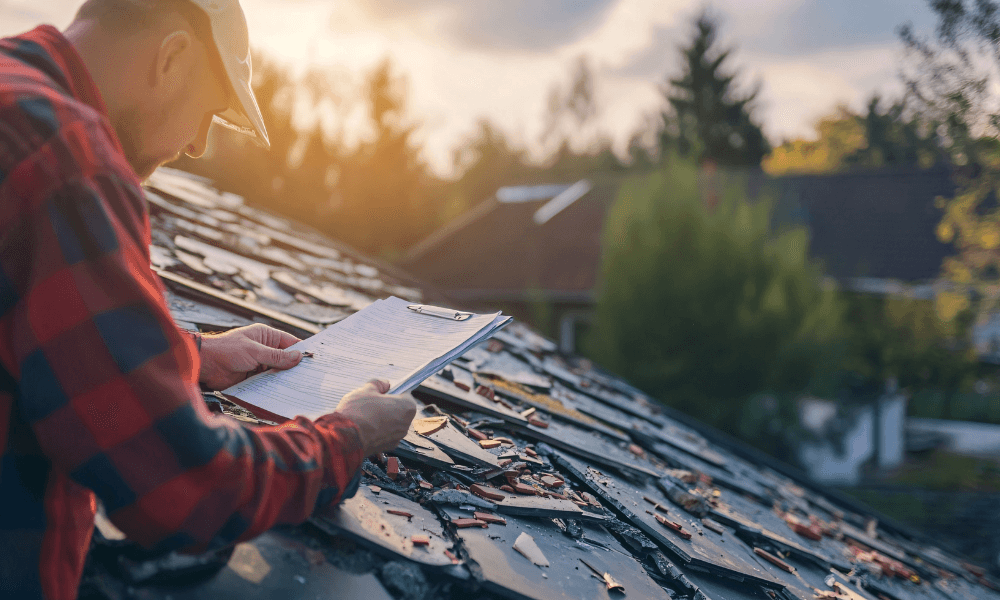
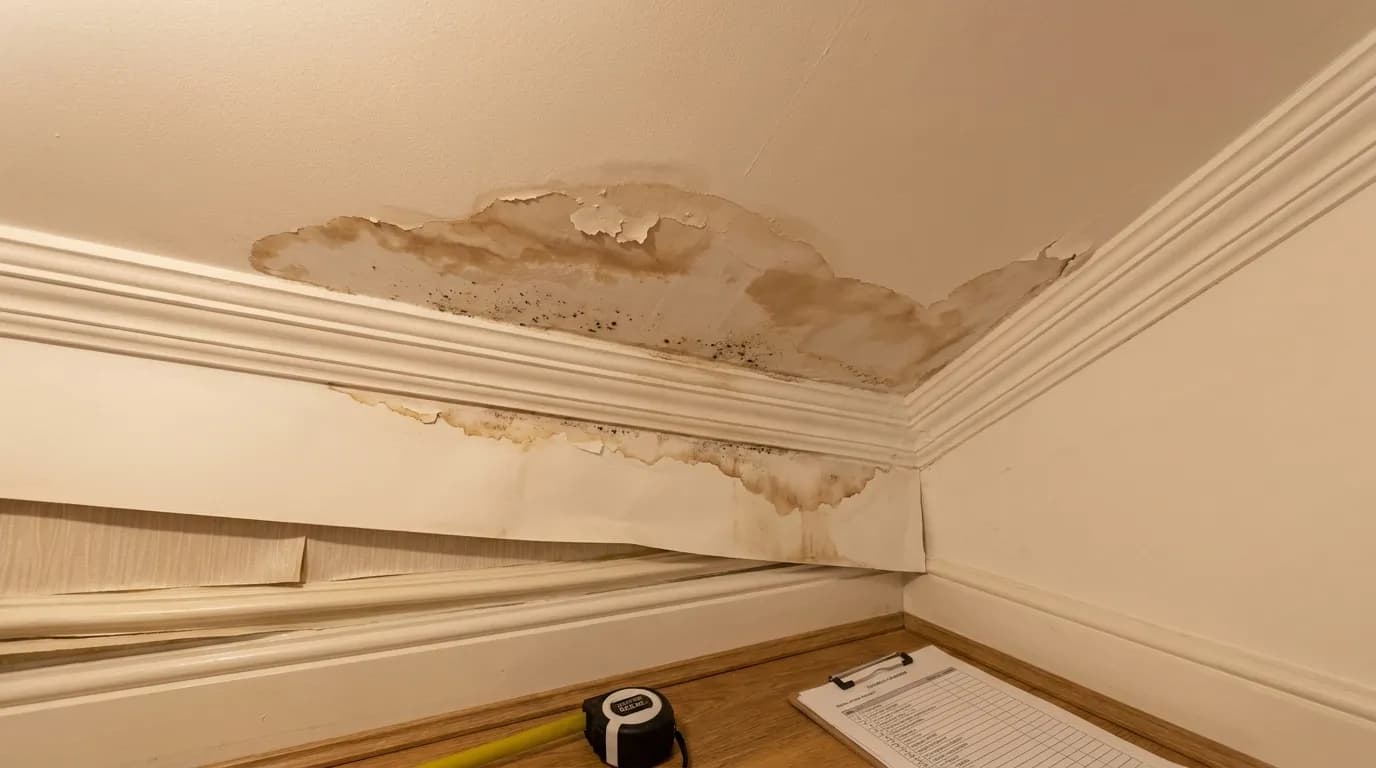
Your homeowners insurance policy contains specific language about what is and is not covered. Most standard policies explicitly cover sudden, accidental damage from named perils like windstorms and hail. However, they typically exclude damage from wear, tear, deterioration, or lack of maintenance. When an insurer denies your claim as wear and tear, they are asserting that the damage resulted from the roof's age or condition, not the storm itself. This is where your review of the policy language becomes essential. Begin by examining your Declaration Page and Coverage Section. Look for the definition of covered perils and any exclusions related to roof age or condition. Some policies include a roof age limitation, meaning coverage may be reduced or denied if your roof exceeds a certain age, typically 15 to 20 years. If your roof is near or beyond this threshold, the insurer may use age as justification for denial. However, even with an age limitation, the insurer must prove that the damage was caused by wear and tear, not the storm event itself. Next, review the actual damage on your roof. Take clear photographs and videos from multiple angles, including close-ups of affected areas. Document the date of the storm and any weather reports confirming wind speeds, hail size, or other severe conditions. This evidence is crucial when disputing a wear and tear denial. A professional roof inspection by a licensed adjuster or roofing contractor can provide an independent assessment of whether the damage is consistent with storm impact or gradual deterioration.
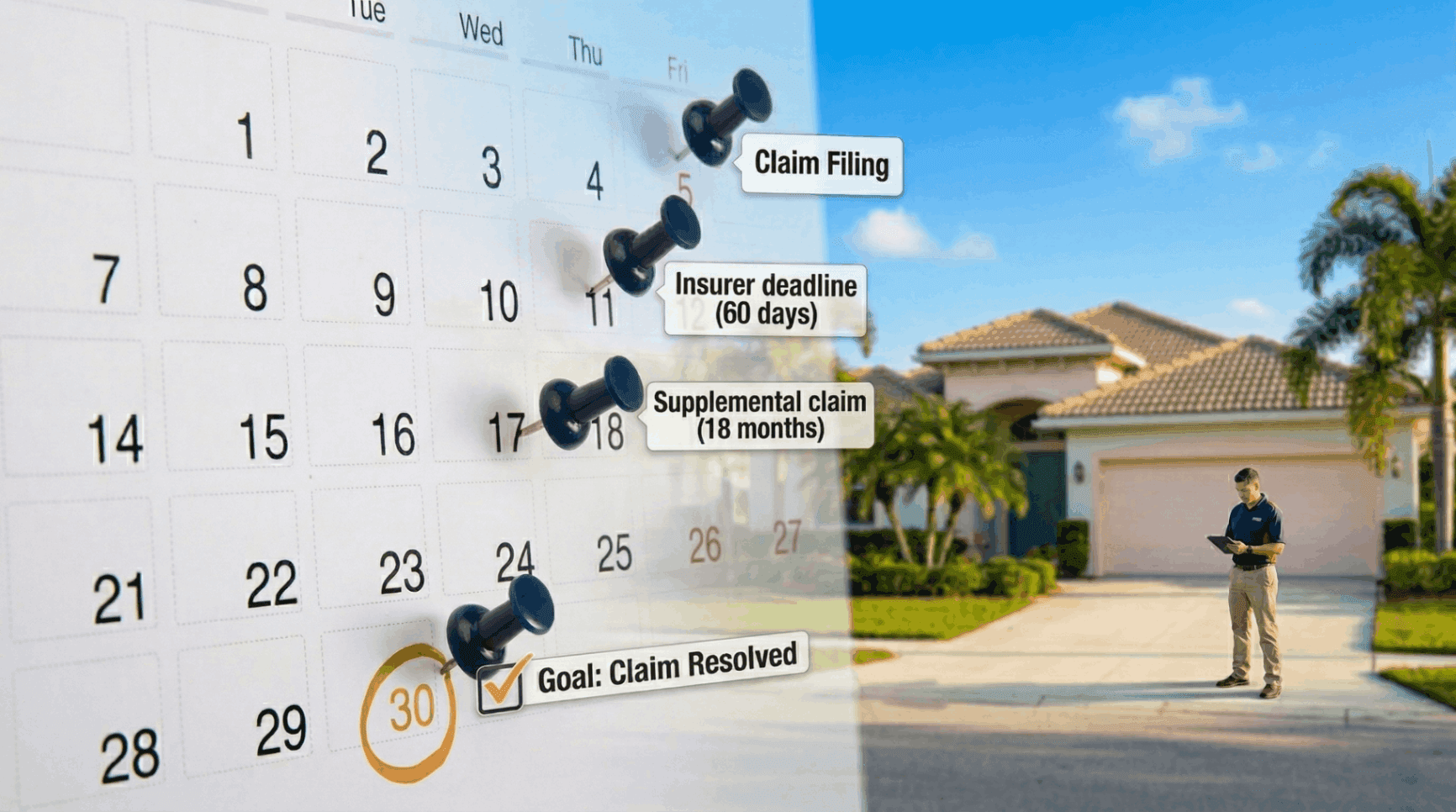
The timing of damage discovery also matters. If you noticed roof damage immediately after the storm, this supports your claim that the damage is recent and storm-related. Conversely, if you discovered damage months later, the insurer may argue the damage existed before the storm. Document when you first noticed the problem and report it promptly to your insurer. Delays in reporting can weaken your position, even if the damage is legitimate. When reviewing the insurer's denial letter, look for specific language explaining their reasoning. A vague denial citing wear and tear without detailed explanation is weaker than one that identifies specific damage patterns or roof conditions. If the denial lacks detail, request a detailed explanation in writing. Ask the insurer to specify which damage they attribute to wear and tear and why, and request copies of any inspection reports or photographs they used to reach their conclusion. If you believe the denial is unjust, you have several options. First, file a formal appeal with your insurer, providing additional evidence such as the professional roof inspection, weather reports, and photographs. Many insurers will reconsider a claim if presented with compelling new evidence. Second, consider hiring a public adjuster who specializes in insurance claims. Public adjusters work on your behalf to negotiate with the insurer and can significantly increase the likelihood of a successful outcome. Third, if the claim amount is substantial, consult with an attorney who handles insurance disputes. They can review your policy, the denial, and your evidence to determine if you have grounds for a legal challenge.

Florida homeowners should also be aware of the state's specific insurance regulations. Florida law requires insurers to act in good faith when handling claims. If an insurer denies a claim without reasonable basis, you may have grounds for a bad faith claim. Additionally, Florida allows policyholders to request an appraisal if they disagree with the insurer's valuation of damage. The appraisal process involves a neutral third party reviewing the damage and determining its cost, which can resolve disputes over claim value. During hurricane and storm season, Five Star Claims Adjusting helps Florida homeowners navigate these complex situations. Our team understands how insurers evaluate roof damage and can assist you in documenting the damage, preparing your appeal, and negotiating with your insurer. Whether you are dealing with a denied claim or want to ensure your claim is properly valued from the start, professional guidance can protect your interests and help you recover the compensation you deserve.
The key to successfully challenging a wear and tear denial is preparation and documentation. Gather evidence immediately after a storm, obtain professional assessments, and carefully review your policy language. Understand that insurers have financial incentives to deny claims, but you have rights as a policyholder. By taking these steps and seeking expert assistance when needed, you can effectively challenge unfair denials and hold your insurer accountable. Your roof is one of your home's most critical protective features, and storm damage should not be left unrepaired due to an unjust claim denial.
This article has been sourced from press releases and cross-referenced with multiple websites. Facts originally seen at Source.