Deep Dive Into NHC Forecasting Methodology And Implications For Homeowner Risk Management In Florida And Texas
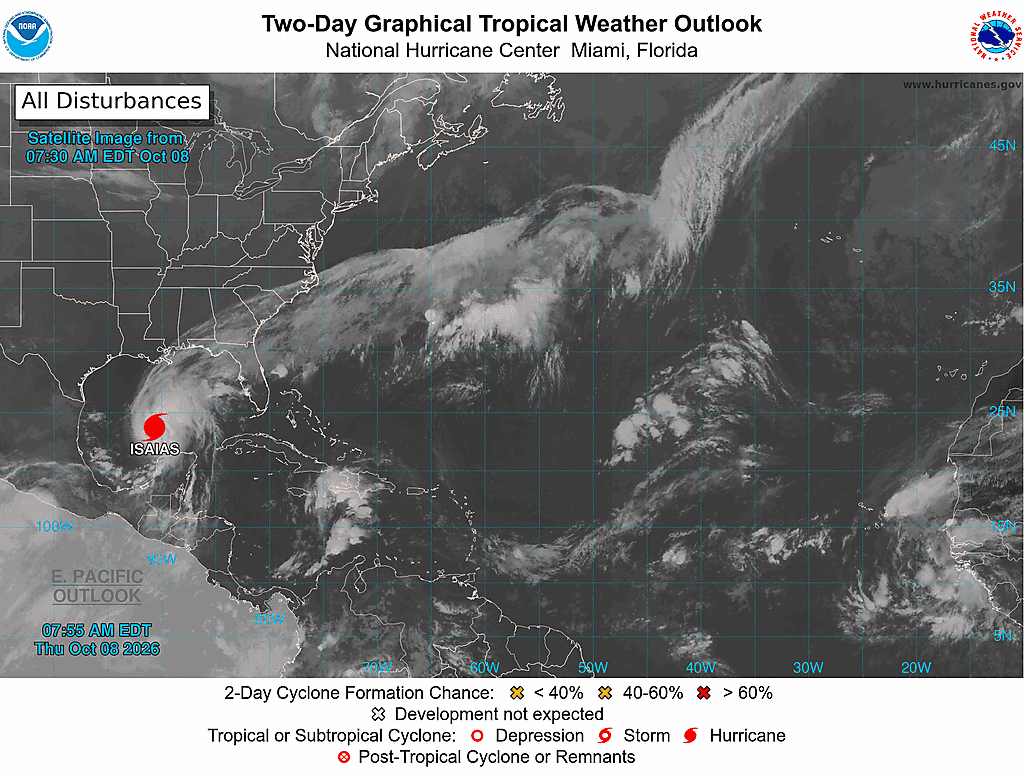
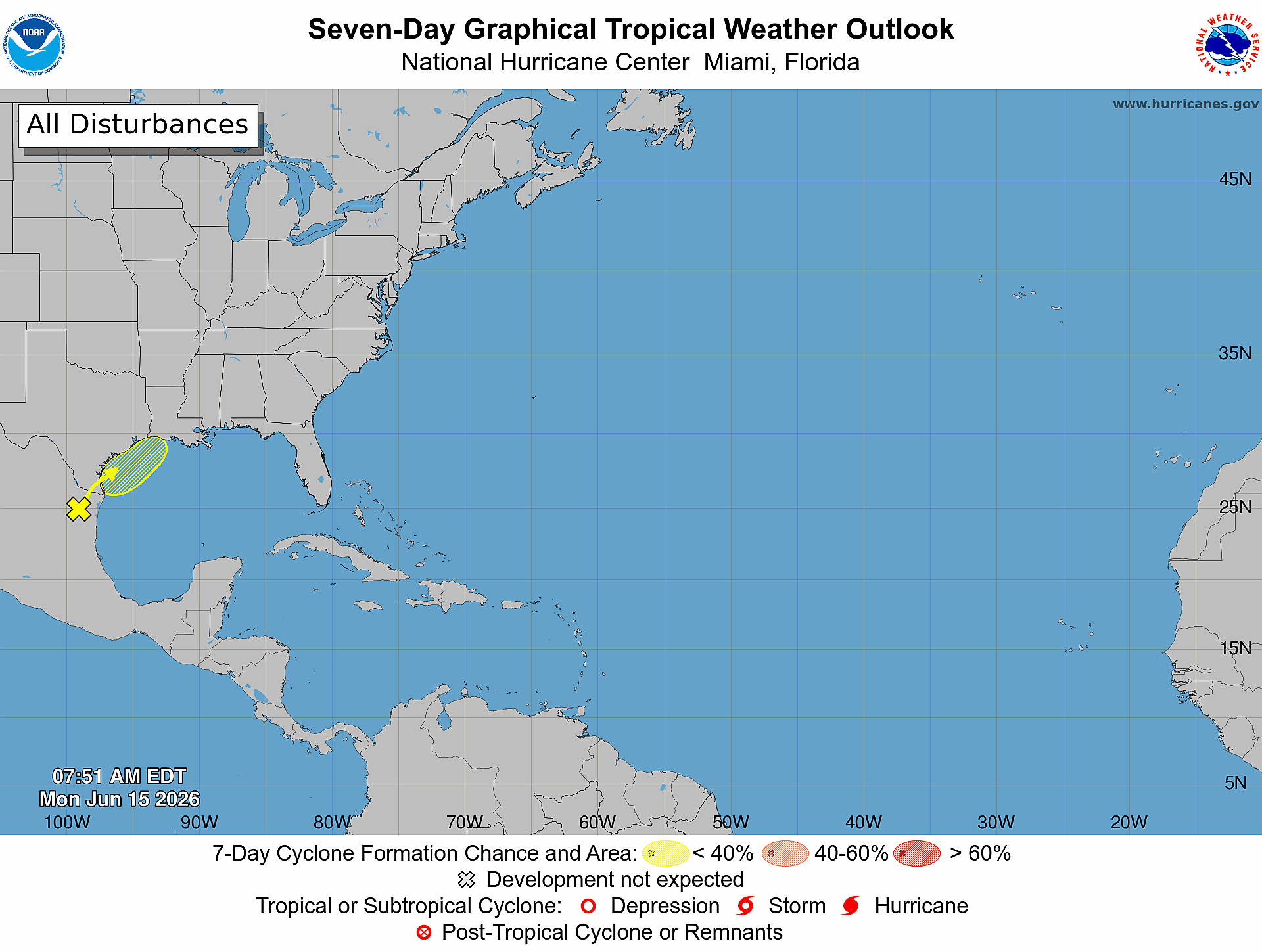
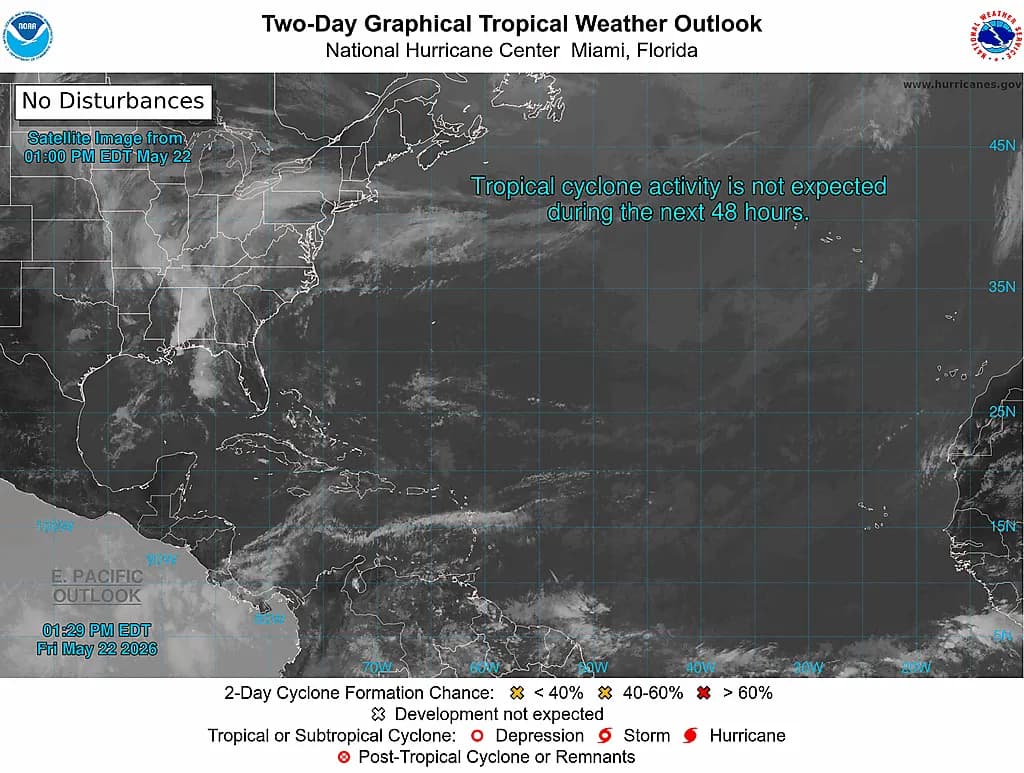
The National Hurricane Center’s Graphical Tropical Weather Outlook represents one of the most critical forecasting tools available to property owners, insurance professionals, and emergency managers throughout the Atlantic and Pacific basins. Understanding how these outlooks are constructed, what formation probabilities actually mean, and how to interpret them is essential for anyone managing property risk in hurricane-prone regions. The current outlook, issued as of June 29, 2026, provides an instructive case study in how the NHC evaluates developing atmospheric systems and communicates risk to the public.
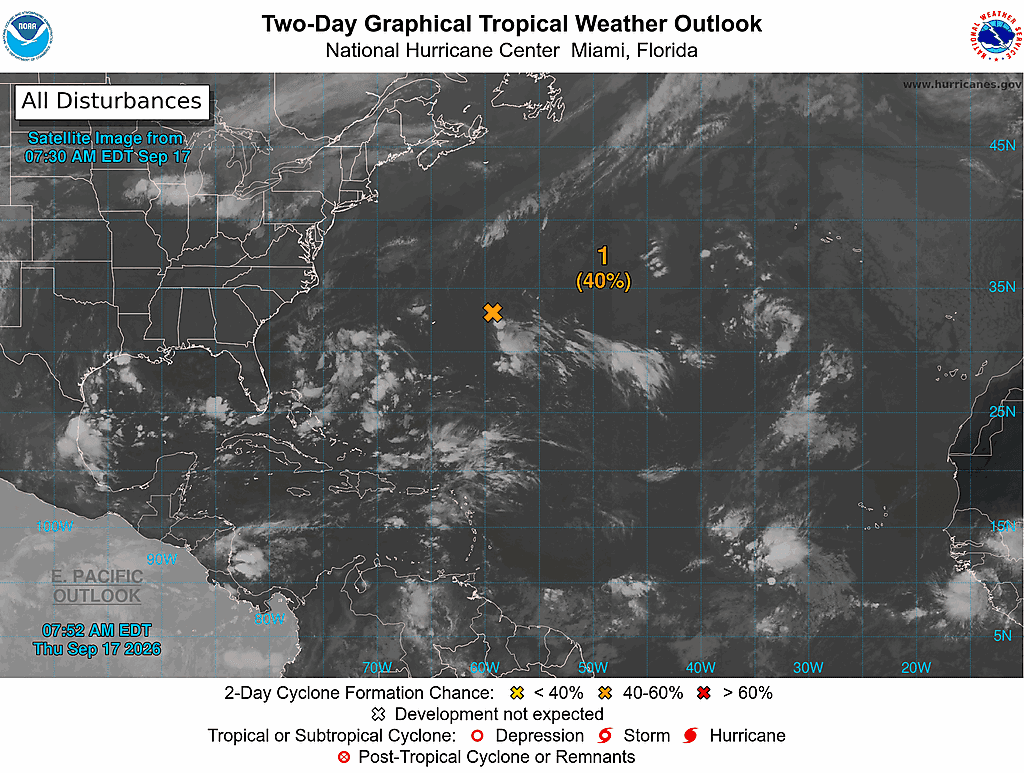
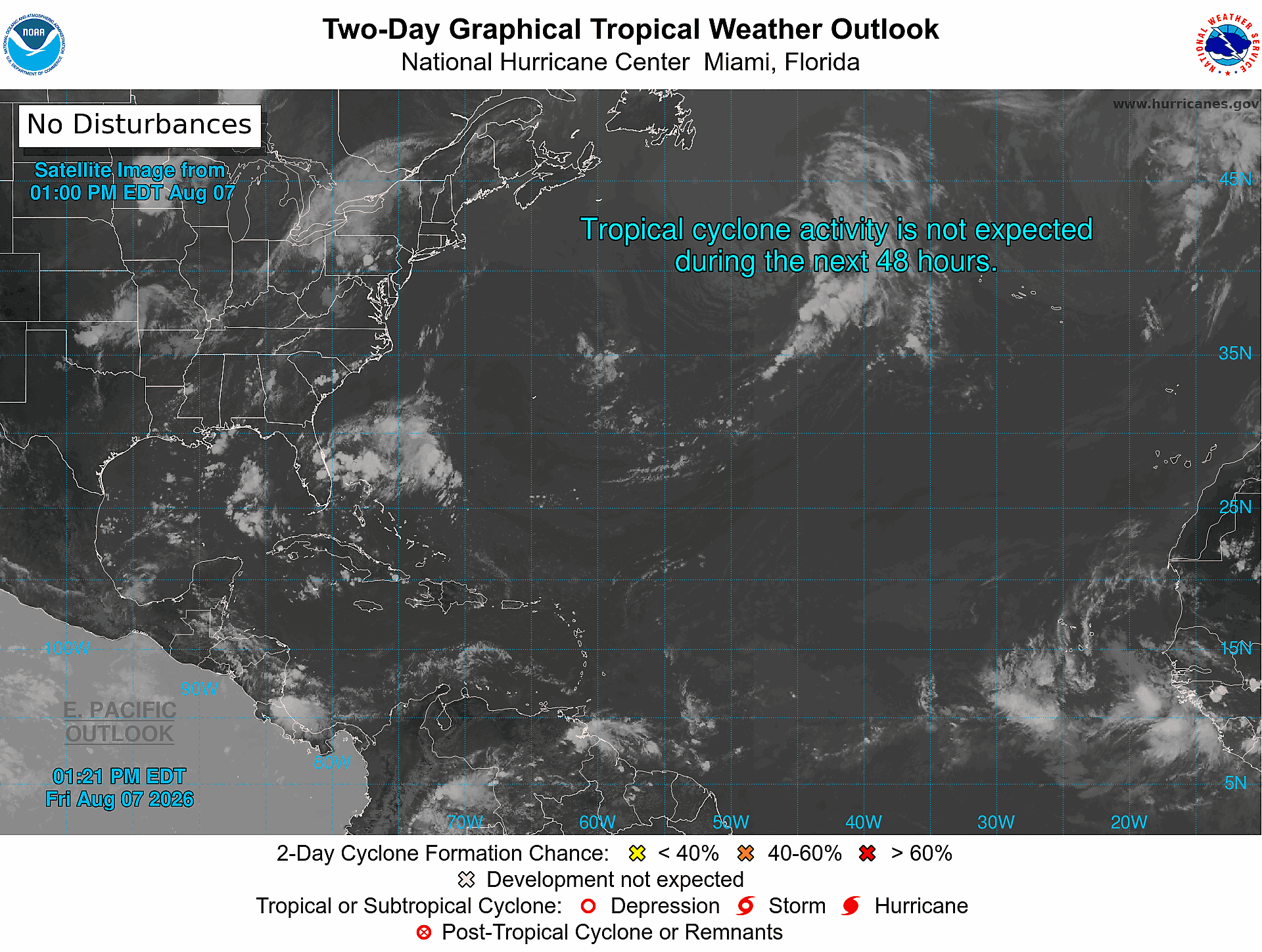
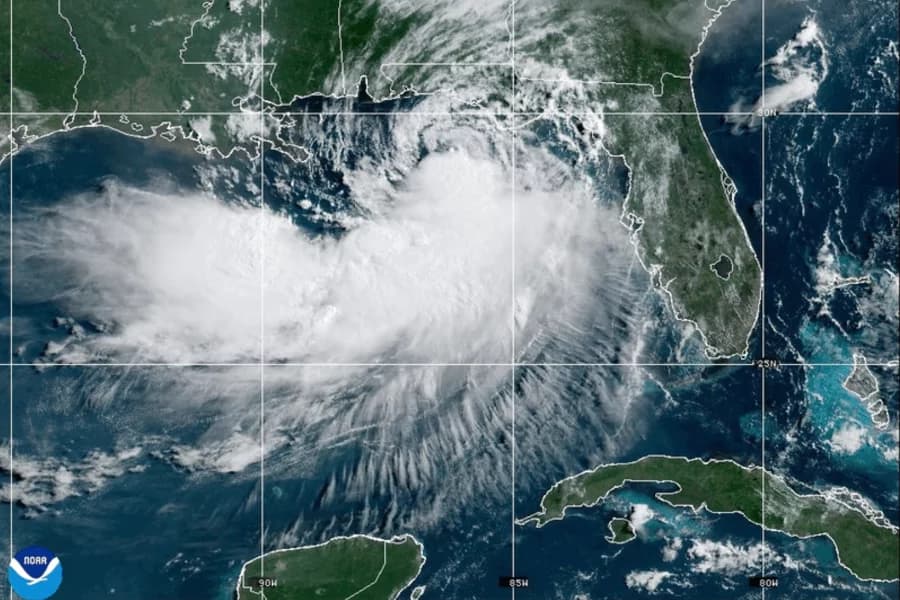
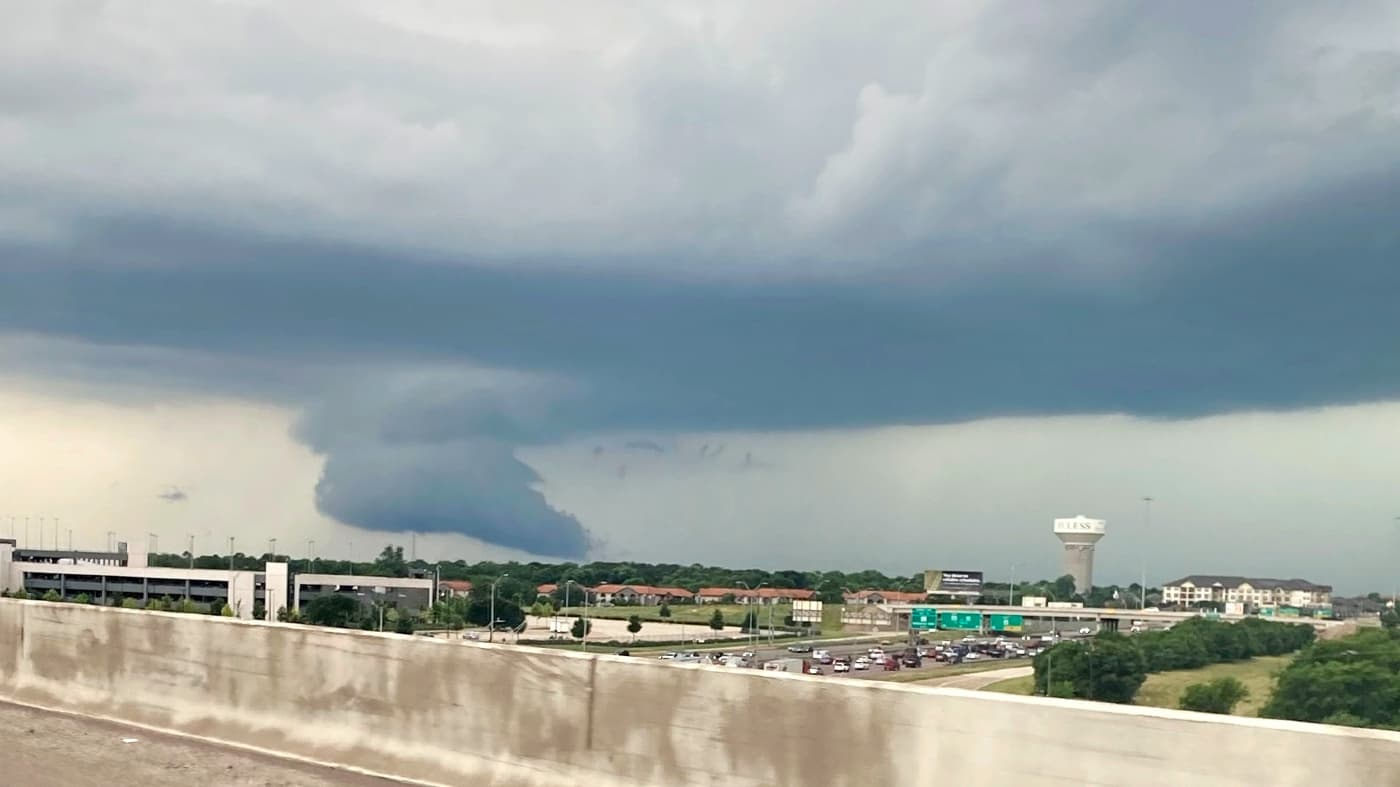
Formation probability percentages displayed in the NHC outlook represent the likelihood that a tracked disturbance will develop into at least a subtropical or tropical depression within a specified timeframe. The current system off the southeastern U.S. coast carries a 10 percent formation probability through 48 hours and through seven days, meaning forecasters assess a relatively low but non-zero chance that environmental conditions will become sufficiently organized to support cyclone development. This probability is derived from sophisticated computer modeling, satellite imagery analysis, aircraft reconnaissance data when available, and the collective expertise of NHC meteorologists who have spent careers studying tropical cyclogenesis. A 10 percent probability should not be dismissed as negligible; it represents a genuine atmospheric possibility that warrants monitoring and preparedness. The distinction between formation probability and actual storm impact is crucial for property owners to understand. A system with low formation probability can still produce significant weather impacts including heavy rainfall, strong winds, rough seas, and coastal flooding, even if it never officially develops into a tropical depression or hurricane. The current southeastern U.S. coastal disturbance exemplifies this reality. Even with only a 10 percent chance of tropical development, the associated frontal boundary and area of low pressure are capable of generating organized convection, gusty winds, and heavy precipitation that could damage roofs, cause water intrusion, snap tree limbs, and trigger flooding in low-lying areas. Property owners should never assume that a low formation probability means no weather threat exists.
The NHC’s methodology for assigning formation probabilities incorporates multiple environmental factors that meteorologists evaluate systematically. Sea surface temperature is among the most fundamental; tropical cyclones require warm ocean water, typically at least 26.5 degrees Celsius (about 80 degrees Fahrenheit), to sustain development. The current system is positioned over relatively cool Atlantic waters along a frontal boundary, which explains the low formation probability. Wind shear, the change in wind speed and direction with altitude, is another critical factor. Strong wind shear tears apart developing tropical systems by separating the warm core from the upper-level outflow, preventing organization. Atmospheric moisture availability, measured through various indices, determines whether convection can sustain itself. Finally, the Coriolis effect, which increases with distance from the equator, is necessary for tropical cyclone rotation to develop. The southeastern U.S. coastal system’s position at relatively high latitude, combined with marginal environmental conditions, results in the low formation probability assigned by forecasters. For property owners in Florida and Texas, the implications of understanding formation probability are significant. A system with low formation probability but positioned to impact your region still warrants preparation and heightened awareness. Insurance policies should be reviewed to ensure adequate coverage for wind, water damage, and storm-related losses. Exterior property should be inspected and maintained to minimize vulnerability to wind and water damage. Trees should be trimmed, gutters cleaned, and roof condition assessed. Emergency supplies including water, non-perishable food, medications, flashlights, and first aid kits should be inventoried. Important documents should be photographed or scanned and stored securely. These preparedness steps are appropriate regardless of whether a particular system has a 10 percent or 50 percent formation probability, because the goal is to be ready for any weather event that could impact your property.
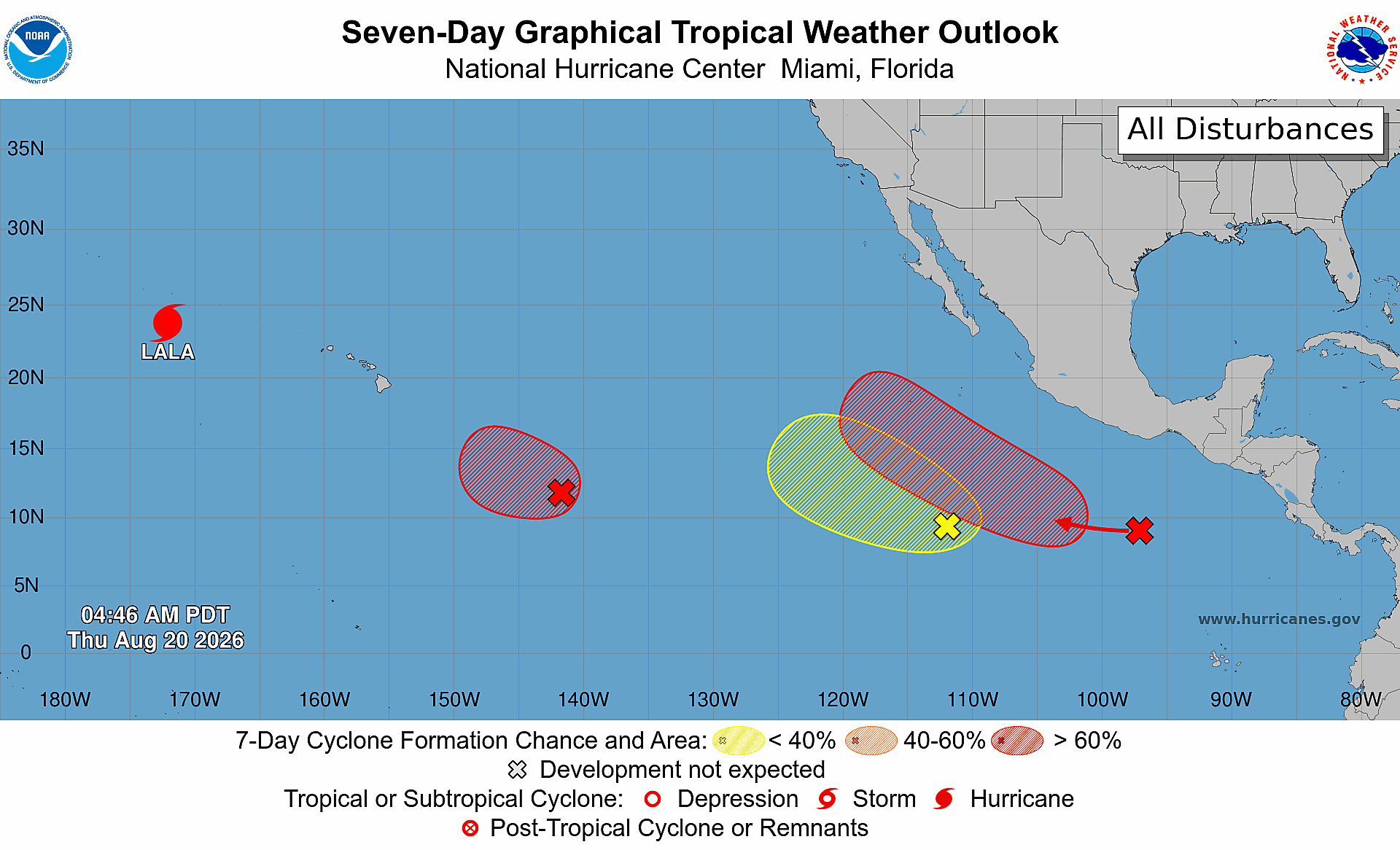
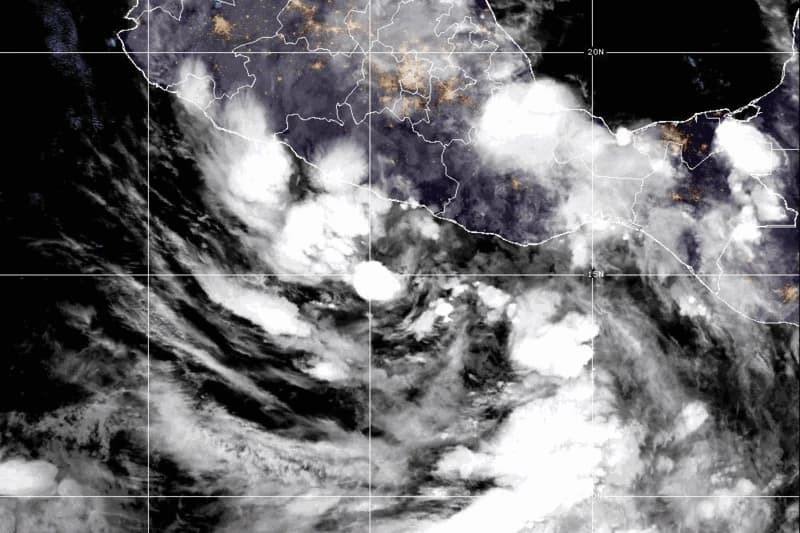
The Eastern Pacific basin presents a contrasting example in the current outlook. A tropical wave southwest of the Baja California Peninsula displays a 50 percent formation probability through 48 hours and 60 percent through seven days, indicating substantially higher confidence in development. This system is positioned over warmer waters, in a region with more favorable upper-level dynamics, and in an environment with lower wind shear. Gradual development is forecast, with a tropical depression potentially forming by mid-week as the system moves northwestward. For property owners in coastal California, Arizona, and other western states, this elevated formation probability warrants closer monitoring and preparation for potential impacts including heavy rainfall, flooding, and gusty winds. The contrast between the 10 percent Atlantic system and the 50-60 percent Pacific system illustrates how dramatically environmental conditions can vary across different ocean basins and how the NHC’s probability assignments reflect these real atmospheric differences. Five Star Claims Adjusting emphasizes that tropical weather monitoring should be a continuous practice throughout hurricane season, not merely a response to imminent threats. By checking the NHC’s Graphical Tropical Weather Outlook regularly, property owners and managers can maintain situational awareness and adjust preparedness levels appropriately as systems develop or dissipate. The interactive maps and detailed text forecasts available on the NHC website provide both quick visual assessment and in-depth technical information suitable for different audiences. For those managing significant property portfolios or operating in hurricane-prone regions, subscribing to NHC RSS feeds or email alerts ensures that you receive updates automatically rather than relying on periodic manual checks.
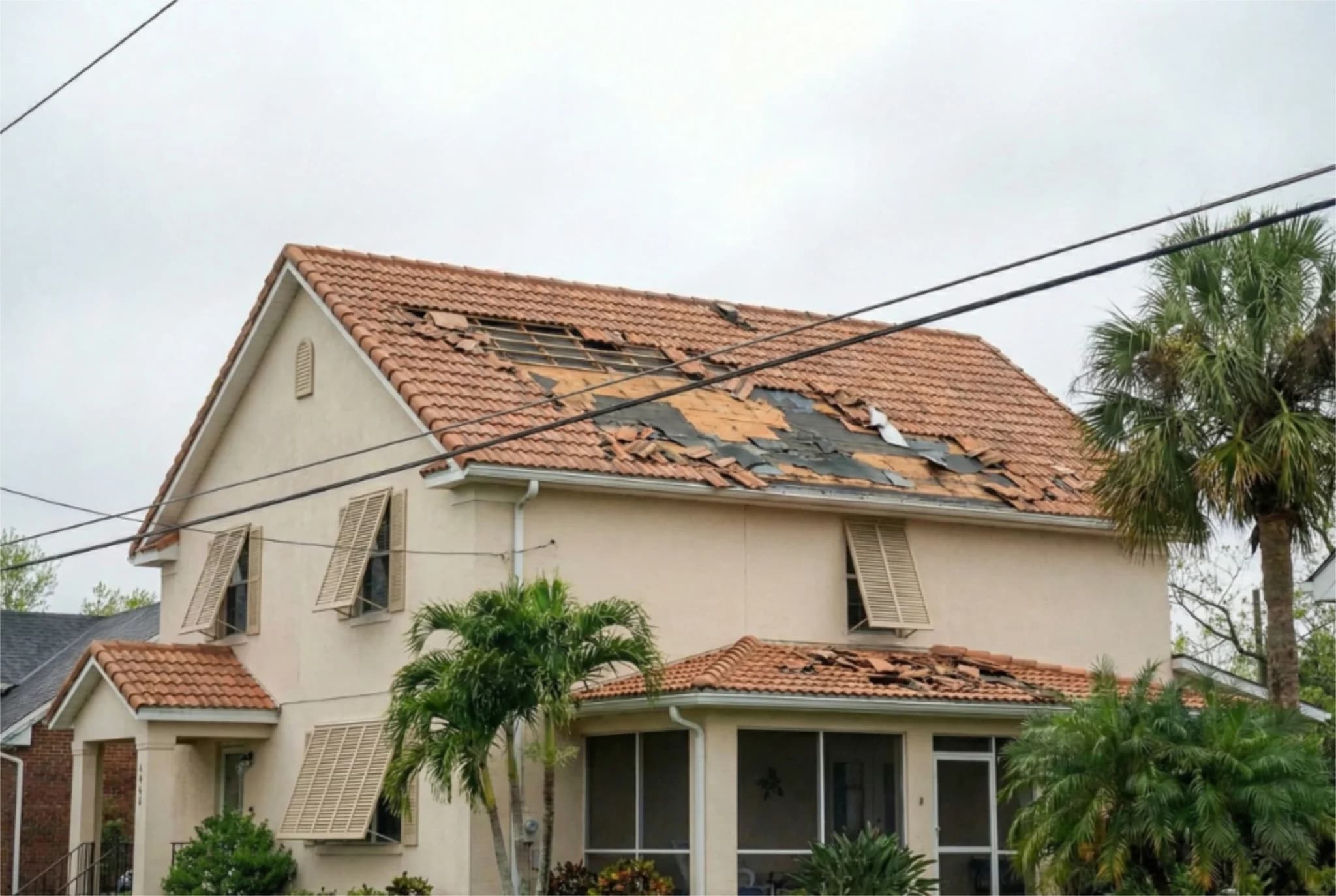
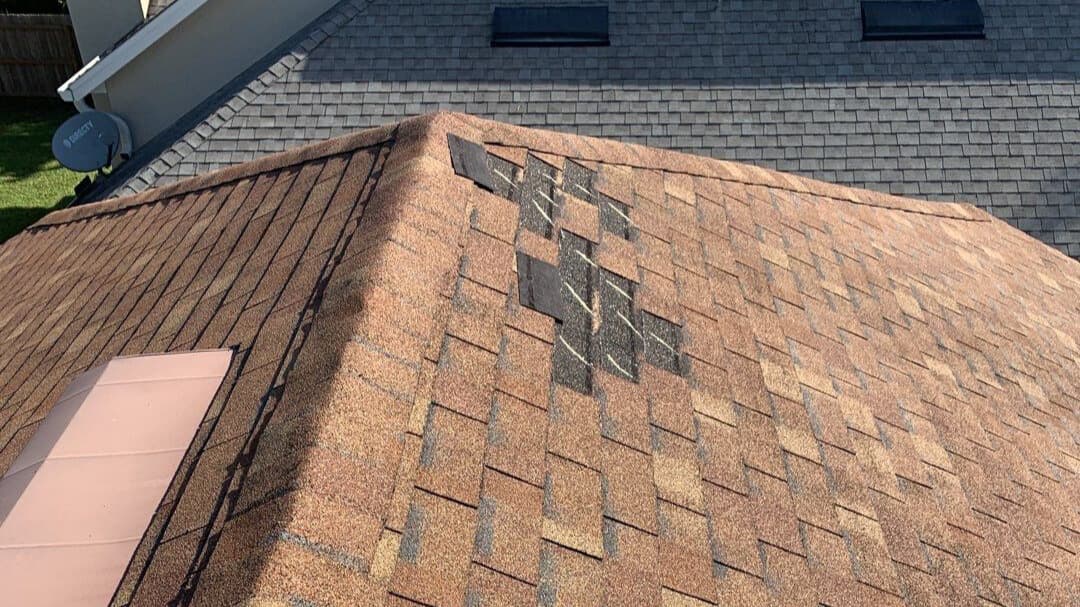
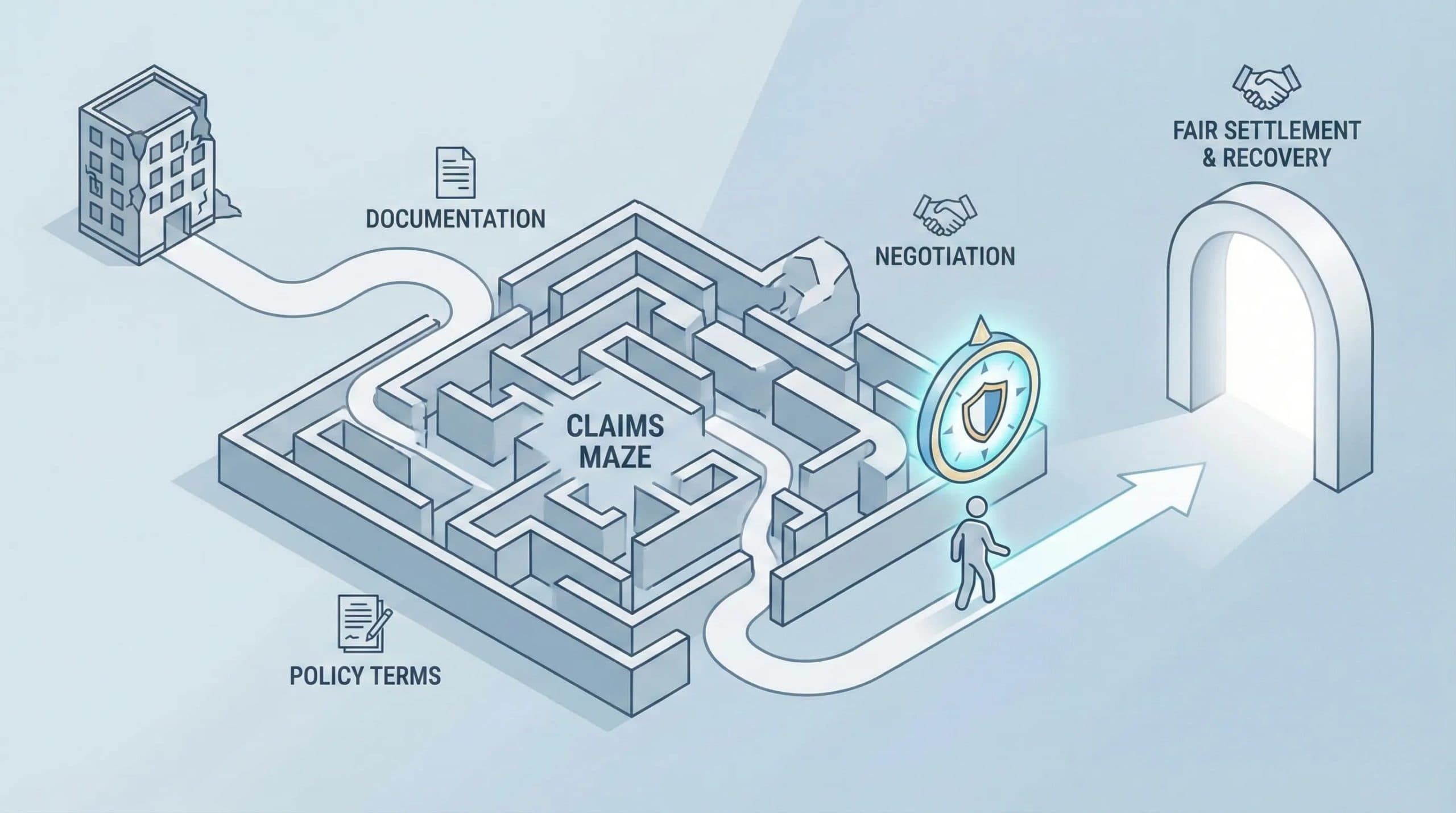
When a system does produce damage to your property, the documentation and claims process becomes critical. Five Star Claims Adjusting’s public adjusting services help property owners navigate the complex intersection of insurance policy language, damage assessment methodology, and carrier negotiation. Our team specializes in hurricane and storm damage claims throughout Florida and Texas, working with homeowners to ensure that all damage is properly documented, that coverage limits are fully understood, and that claim settlements reflect the true cost of restoration. Whether dealing with roof damage from wind, water intrusion from heavy rainfall, or structural damage from storm surge, our advocates work tirelessly to maximize your recovery and protect your rights as a policyholder. The current tropical weather outlook, while showing low formation probability for the Atlantic system and moderate probability for the Pacific system, serves as a reminder that hurricane season demands constant vigilance and preparation. By understanding how the NHC develops its forecasts, what formation probabilities mean in practical terms, and how to interpret the Graphical Tropical Weather Outlook, property owners can make informed decisions about their preparedness and insurance needs. Five Star Claims Adjusting remains committed to supporting Florida and Texas property owners through every stage of the storm season, from pre-season preparation through post-storm damage assessment and claims resolution.
This article has been sourced from press releases and cross-referenced with multiple websites. Facts originally seen at Source .