El Niño Convergence With Historic Heat Drought Creates Perfect Storm For Insurers
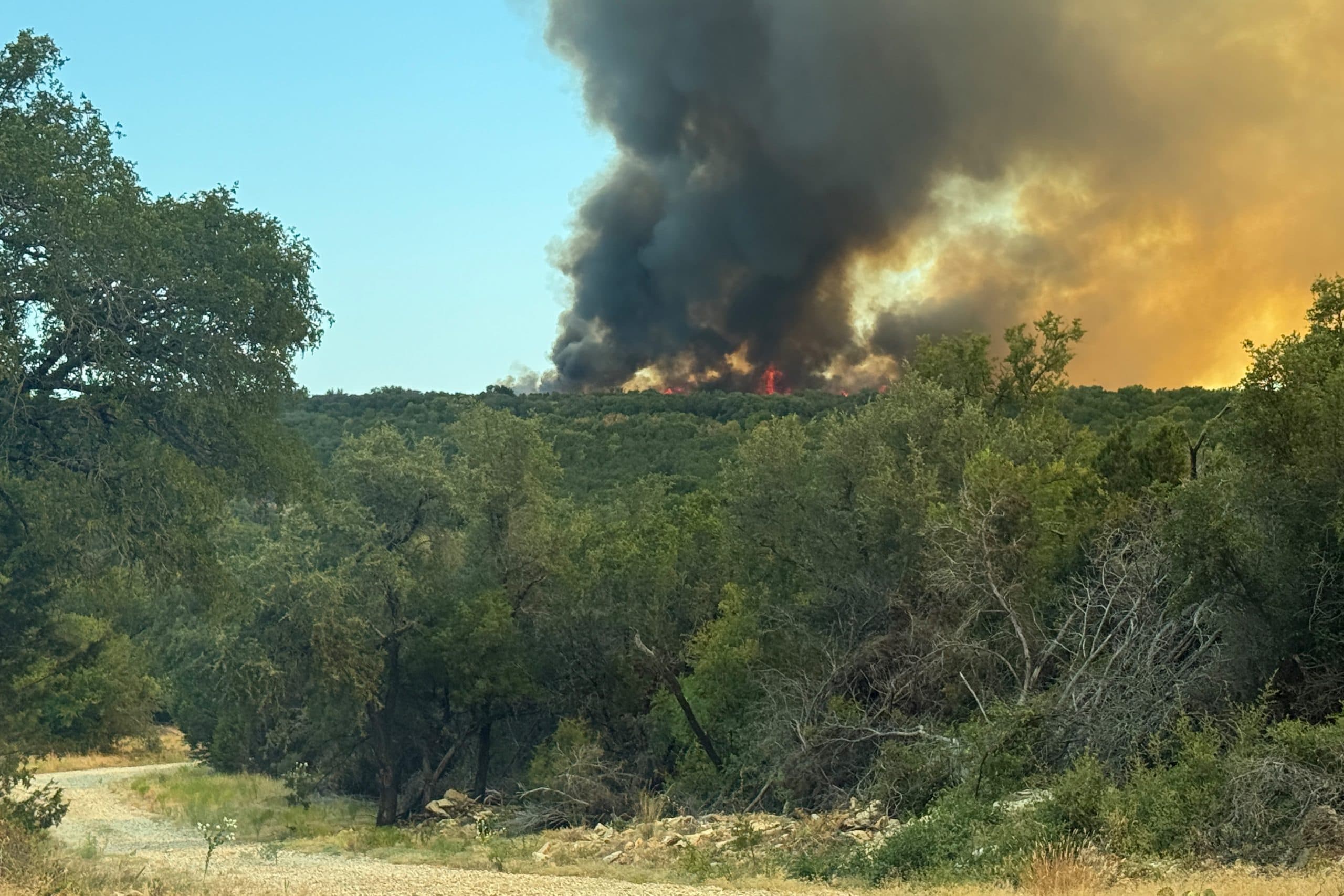
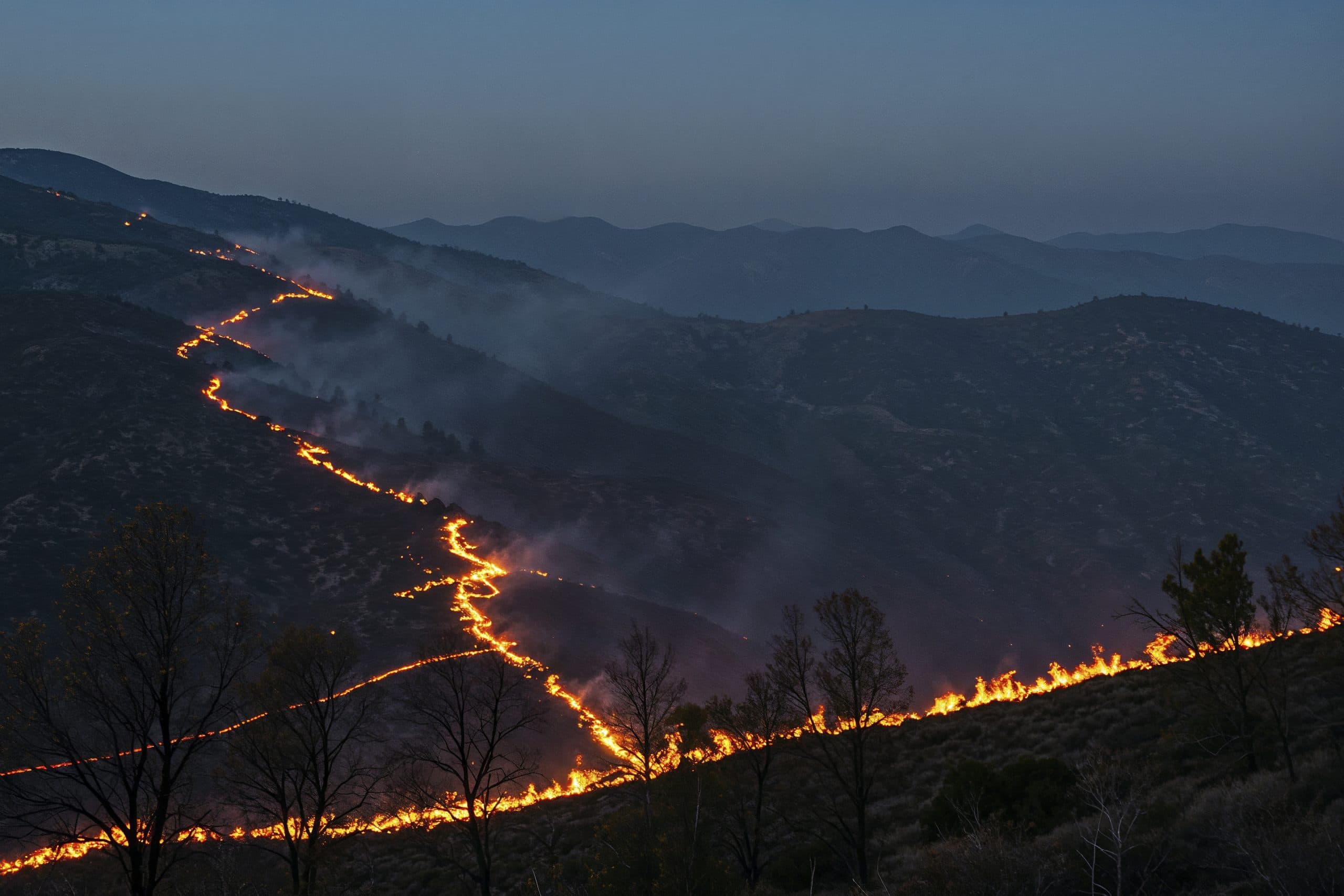
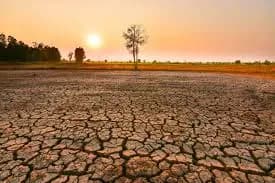
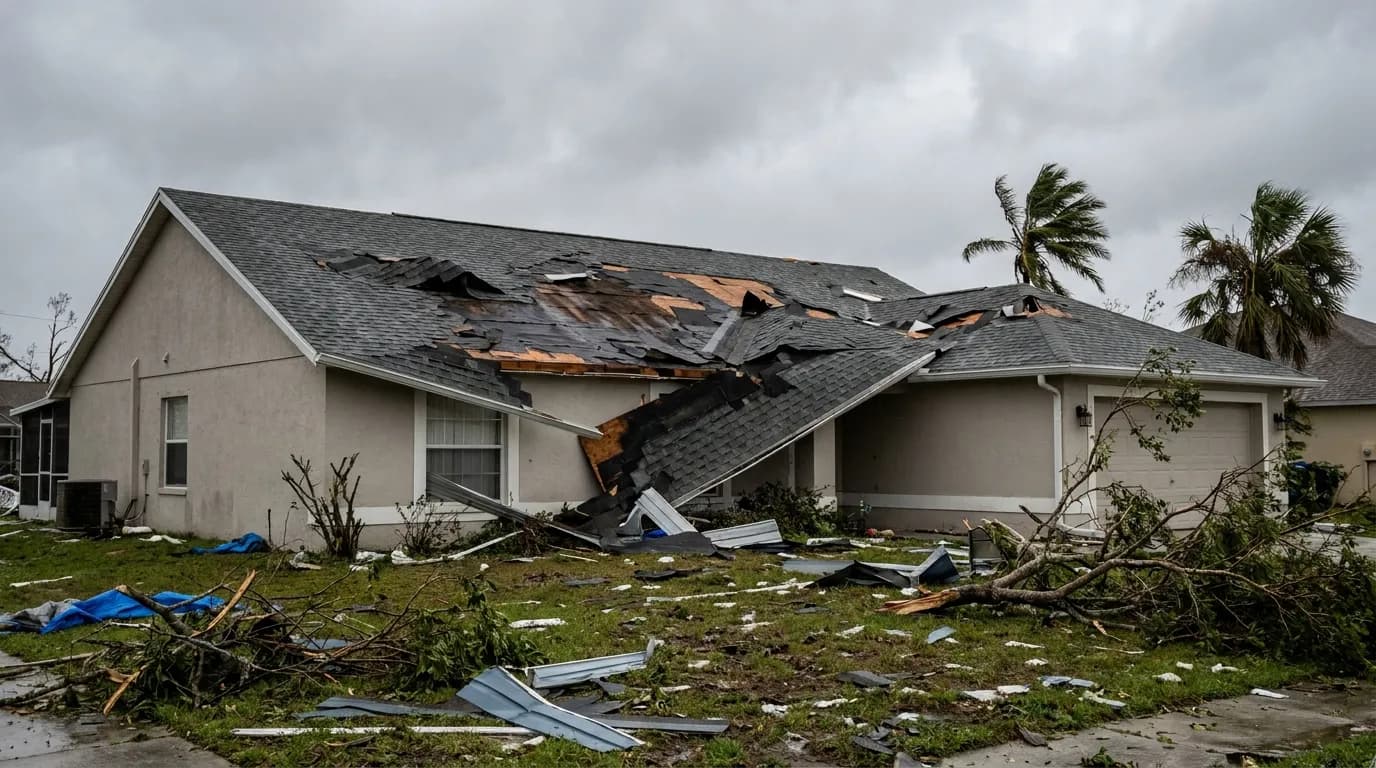
The insurance industry is bracing for what climate scientists are calling the worst wildfire season on record, as record-breaking heat and drought conditions have already consumed more than 150 million hectares globally in the first four months of 2026. This staggering figure—nearly the size of Alaska—represents roughly double the seasonal average for this period and signals an escalating crisis for property adjusters, restoration contractors, and homeowners across vulnerable regions. The convergence of multiple climate factors has created a perfect storm for catastrophic losses. Theodore Keeping, an extreme weather and climate researcher at Imperial College London, warns that the rapid start to this year’s wildfire season, combined with a developing El Niño pattern, means the industry is facing a particularly severe year ahead. Early season blazes have already overwhelmed fire crews in Argentina, Chile, and Japan, while historic fires continue to ravage parts of the United States and Southeast Asia.
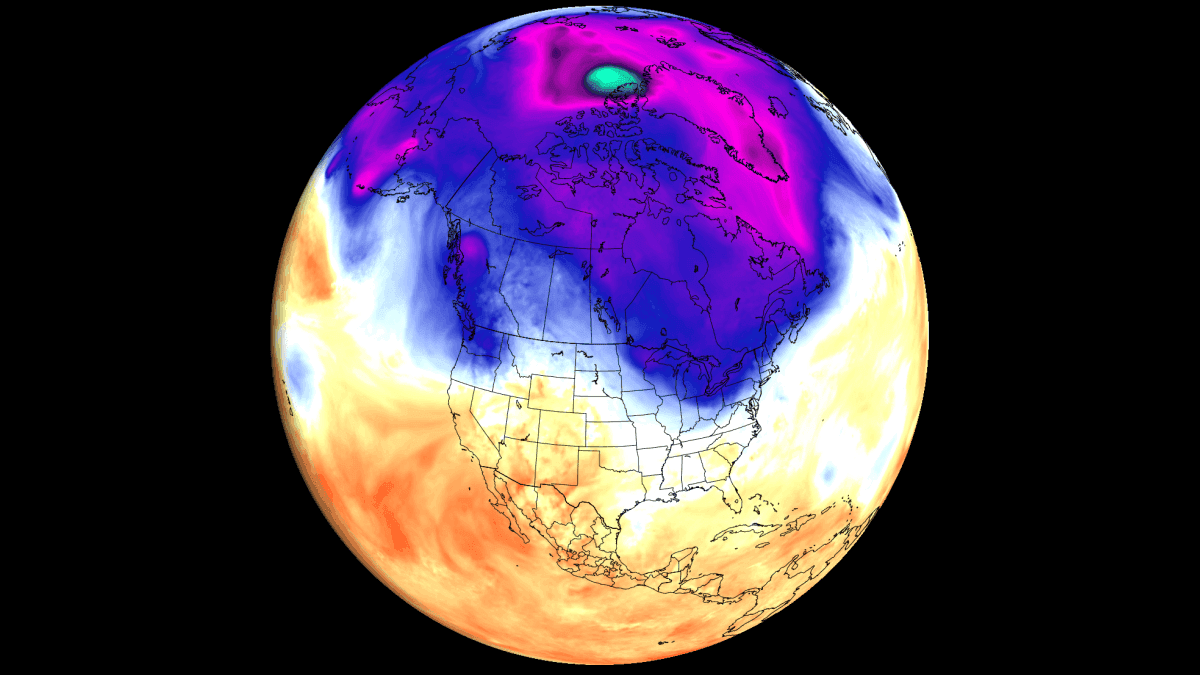
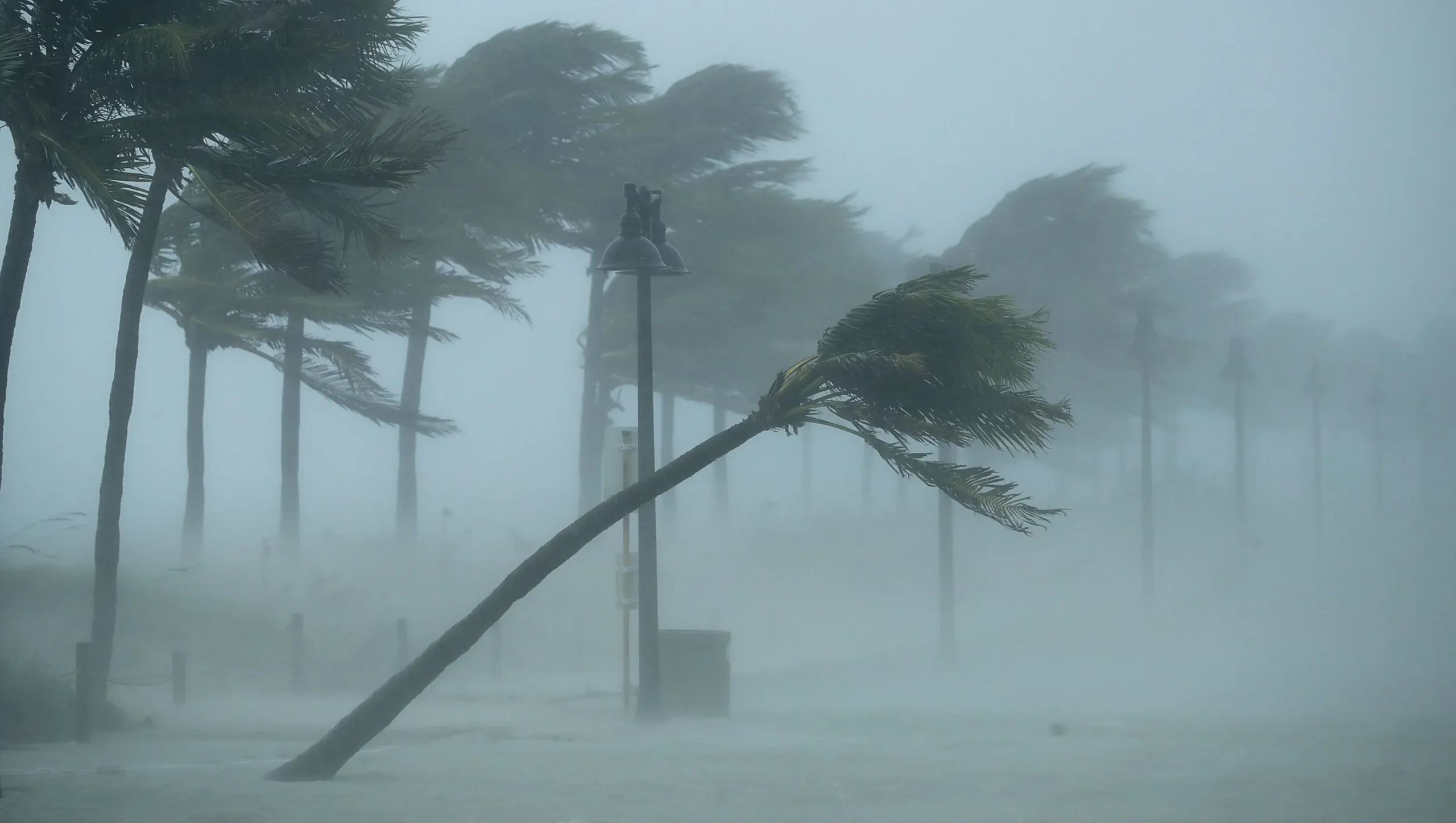
What makes this year distinctly alarming is the timing and intensity of climate drivers working in concert. Sea ice in the Northern Hemisphere has reached the lowest levels recorded for this time of year, while ocean temperatures are approaching record highs according to data from the University of Maine’s Climate Change Institute. New heat records have already been set across Australia, Greenland, France, and the U.S. Southwest. Spain and Brazil have experienced historic rainfall events, further destabilizing weather patterns globally. El Niño—a naturally recurring warming of the tropical Pacific Ocean—is forecast to develop between June and August 2026 and is showing signs of being exceptionally strong. This phenomenon typically raises global temperatures and intensifies heat waves, droughts, floods, and wildfires. For property adjusters and public adjusters working in fire-prone regions, El Niño’s arrival will likely trigger a surge in claim volume and complexity that will test the industry’s capacity and expertise.
Friederike Otto, a climate researcher at Imperial College London and co-founder of World Weather Attribution, emphasizes that while human-driven warming alone would likely fuel weather records this year, El Niño raises a serious risk of unprecedented extremes. This convergence has profound implications for homeowners insurance, commercial property coverage, and the broader risk landscape. Policyholders in high-risk zones should expect increased scrutiny of coverage limits, potential policy non-renewals, and rising premiums as carriers reassess their exposure to wildfire-prone areas.
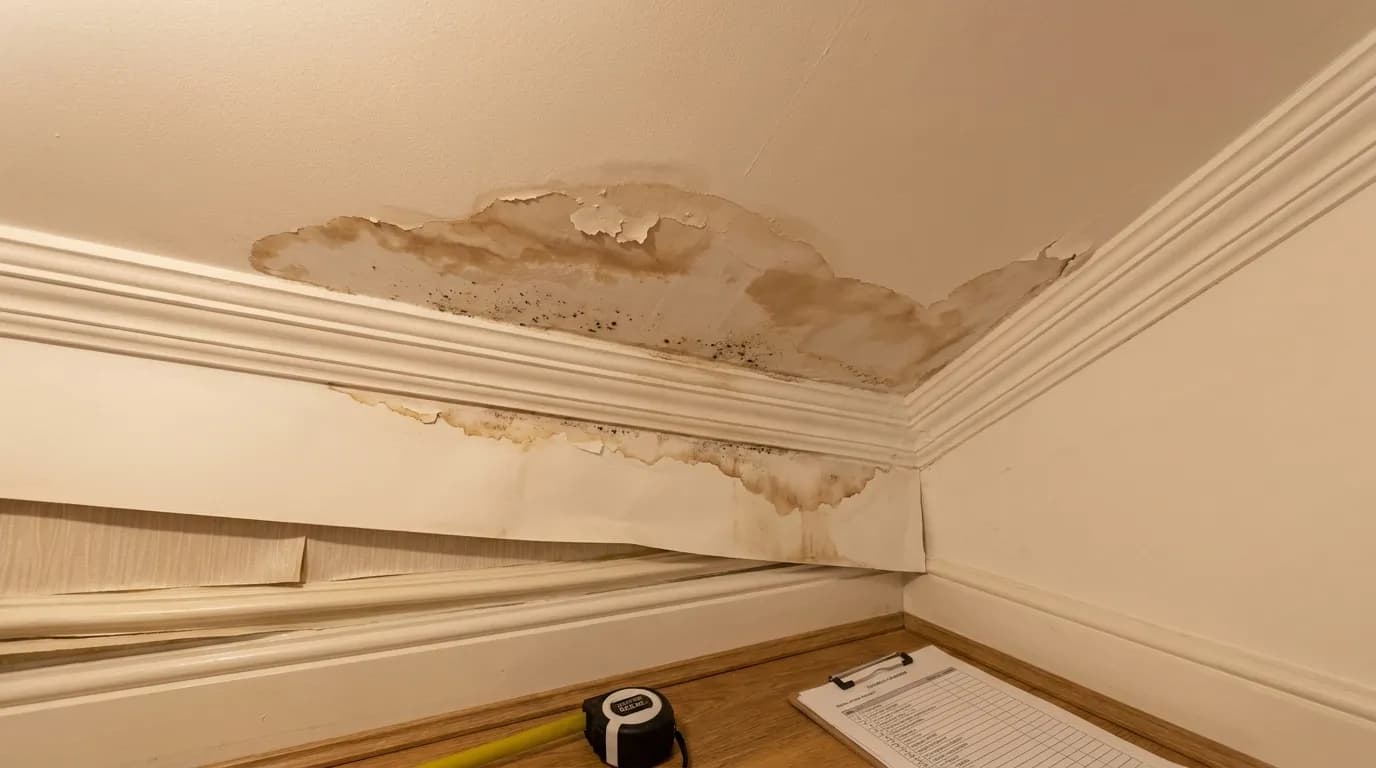
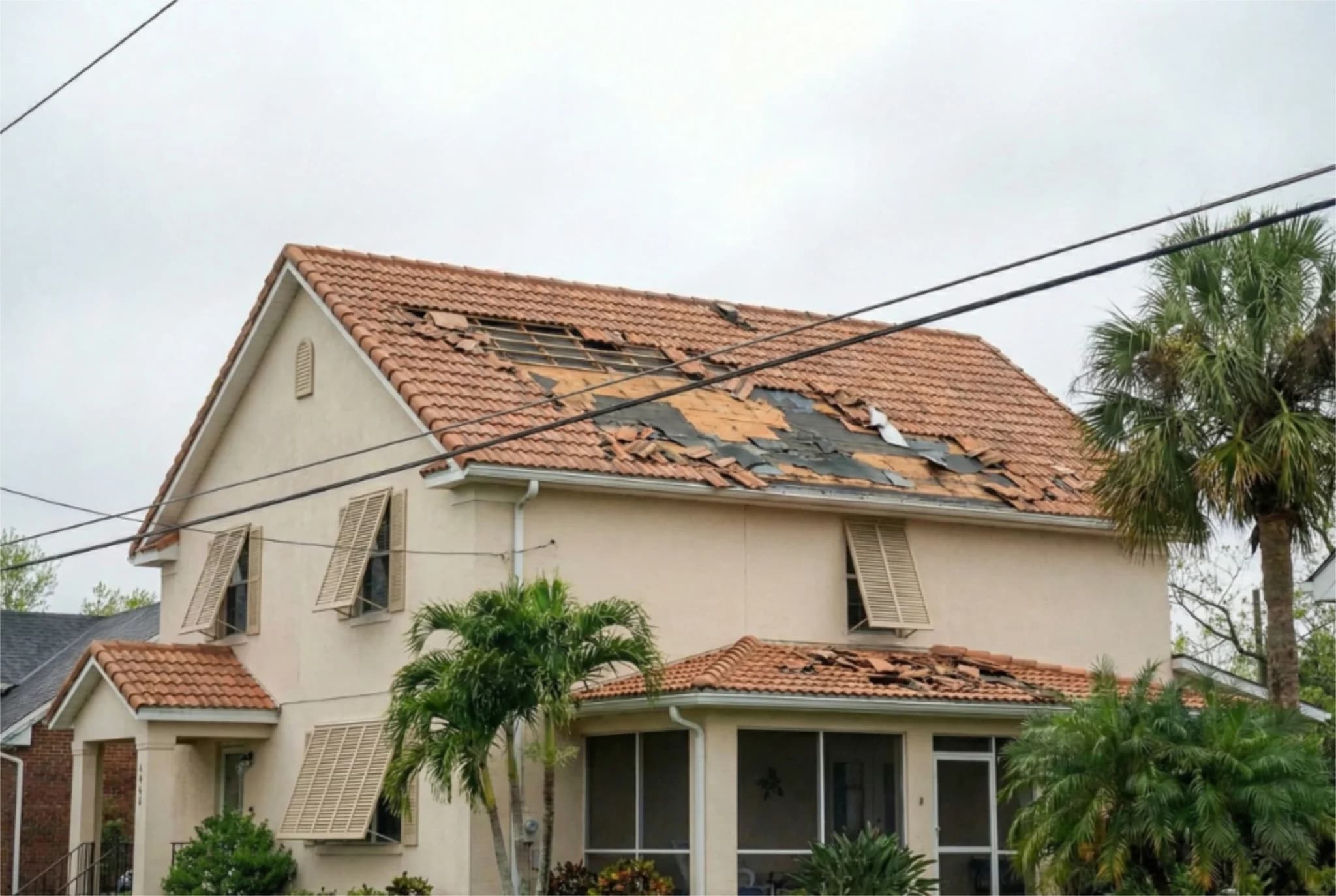
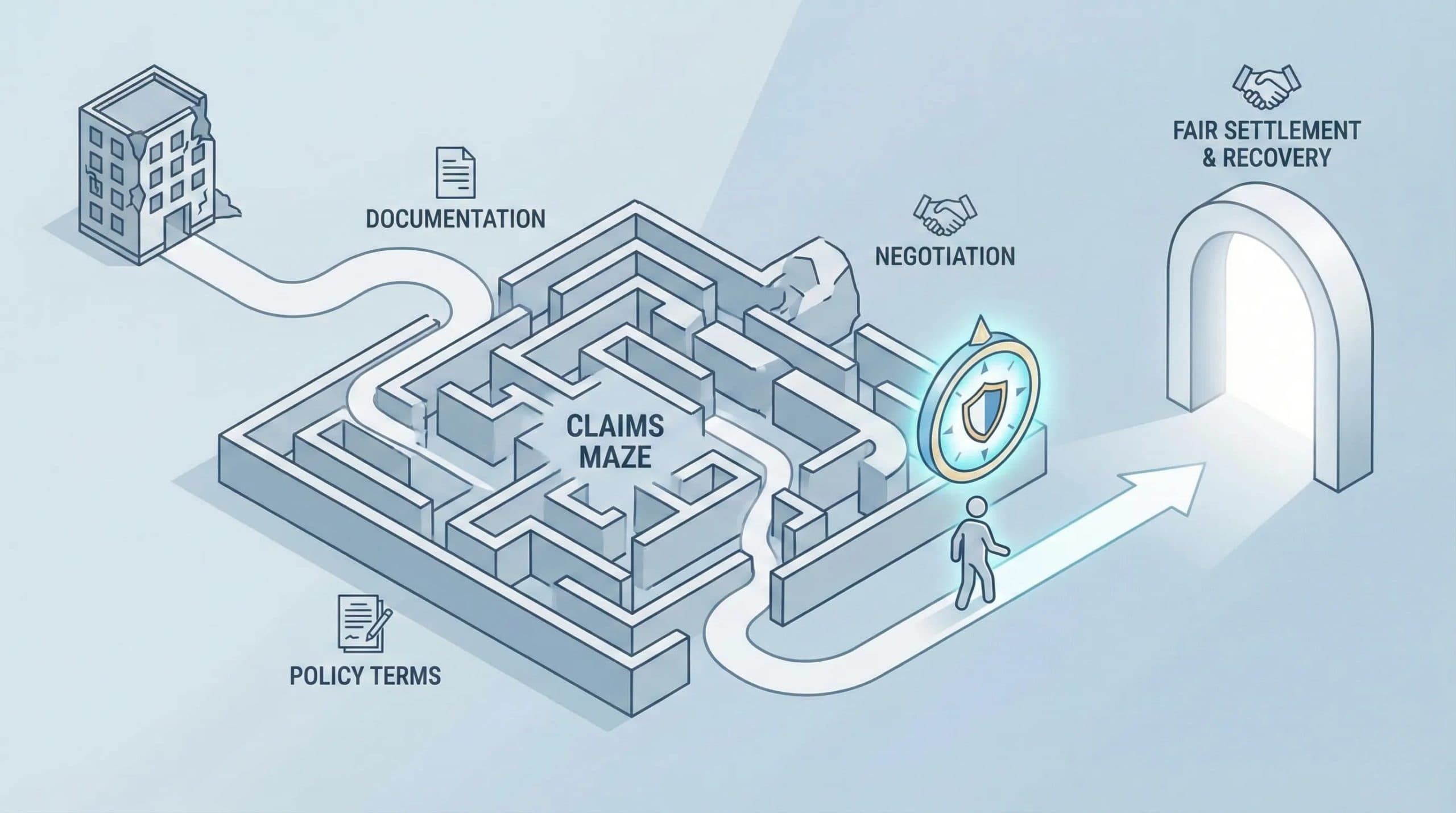
For public adjusters and claims professionals, the challenge extends beyond simply processing claims. The scale and severity of losses anticipated this year will require meticulous documentation, expert assessment of fire damage, and aggressive advocacy for policyholders to ensure they receive maximum recoverable value under their policies. Many homeowners will face coverage disputes, especially regarding smoke damage, business interruption, and additional living expenses. Understanding the nuances of wildfire-related claims—from structural damage assessment to contents valuation—will be critical to protecting client interests. The heat waves expected to accompany El Niño will also compound pressure on agricultural systems and global supply chains, potentially affecting the availability and cost of restoration materials and contractor labor. This supply-chain stress could delay repairs and increase overall claim settlement costs, making early intervention and expert claim management essential for policyholders seeking fair resolution.
Disaster preparedness has never been more urgent. Homeowners in fire-prone regions should review their coverage immediately, document their property thoroughly, and understand the specific exclusions and limits in their policies. Those in high-risk zones may benefit from consultation with a public adjuster before a loss occurs, ensuring they have expert guidance when filing claims. For the insurance industry, this convergence of climate factors underscores the critical importance of accurate risk assessment, transparent communication with policyholders about coverage limitations, and proactive claims management strategies that prioritize both efficiency and fairness. As the 2026 wildfire season intensifies, the stakes for property owners and the claims profession have never been higher. The combination of record heat, drought, and an approaching strong El Niño creates conditions for losses that will test the resilience of the entire property insurance ecosystem.
This article has been sourced from press releases and cross-referenced with multiple websites. Facts originally seen at Source .