Climate Prediction Center Projects 82% Probability Of Development By July 2026
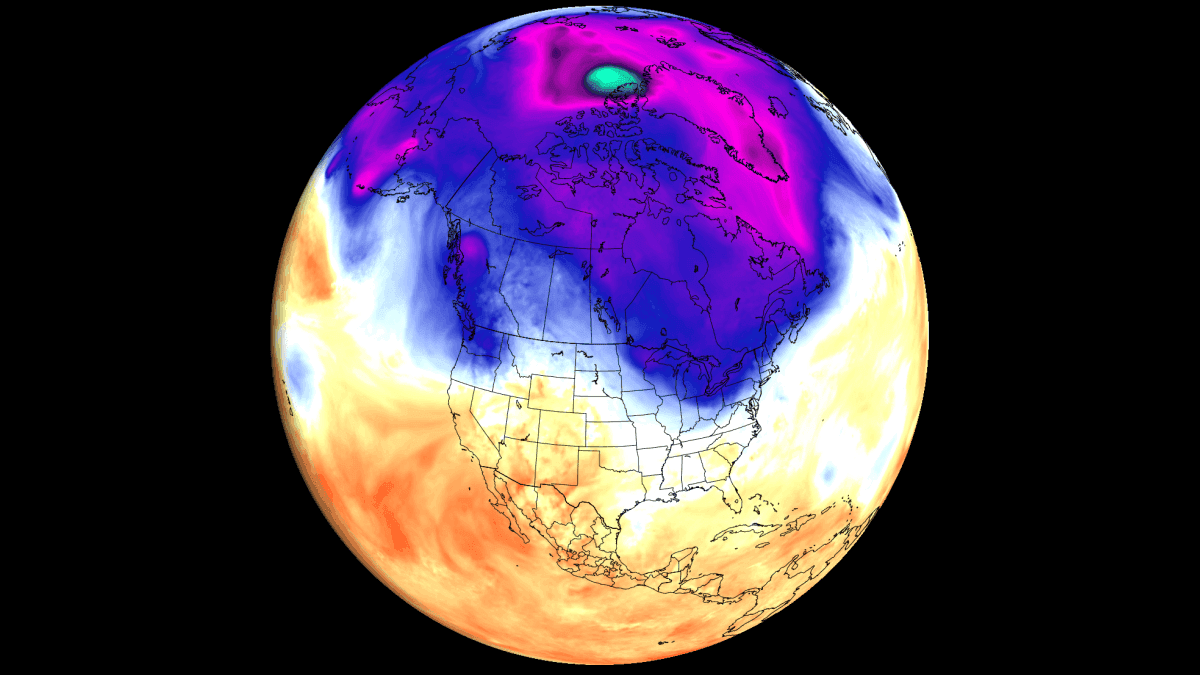
The U.S. Climate Prediction Center has issued a significant weather forecast that should concern property owners across vulnerable regions. An 82% probability of El Niño developing between May and July 2026 marks a critical turning point in global weather patterns, with forecasters expecting the phenomenon to persist through the Northern Hemisphere winter with a 96% likelihood from December 2026 through February 2027. El Niño represents a warming of ocean surface temperatures in the central and eastern tropical Pacific Ocean, fundamentally altering weather systems worldwide. When this condition develops, it creates unusually warm water temperatures that increase the likelihood of both severe flooding in some regions and prolonged drought in others. The contrast with neutral ENSO conditions—where water temperatures remain near average levels and weather patterns stabilize—underscores the significance of the current forecast.
Kyle Tapley, Enterprise Sales Executive at Vaisala Xweather’s WeatherDesk, emphasized the strength of the anticipated event: “A strong El Niño is expected to develop this year and could reach that level by the end of the summer.” This assessment aligns with Japan’s weather bureau prediction of a 90% chance of El Niño occurrence by summer, suggesting broad international consensus on the developing pattern. The implications extend far beyond academic interest. Southeast Asia and Australia face the strongest correlations with El Niño weather patterns, where below-normal rainfall typically devastates agricultural production. Indonesia’s crude palm oil output alone faces potential reductions of up to 2 million metric tons compared to 2025 levels, driven by both El Niño-related dry weather and elevated fertilizer costs stemming from geopolitical tensions. Rice supplies across Asia may tighten as farmers reduce planting due to high input costs and El Niño risks.
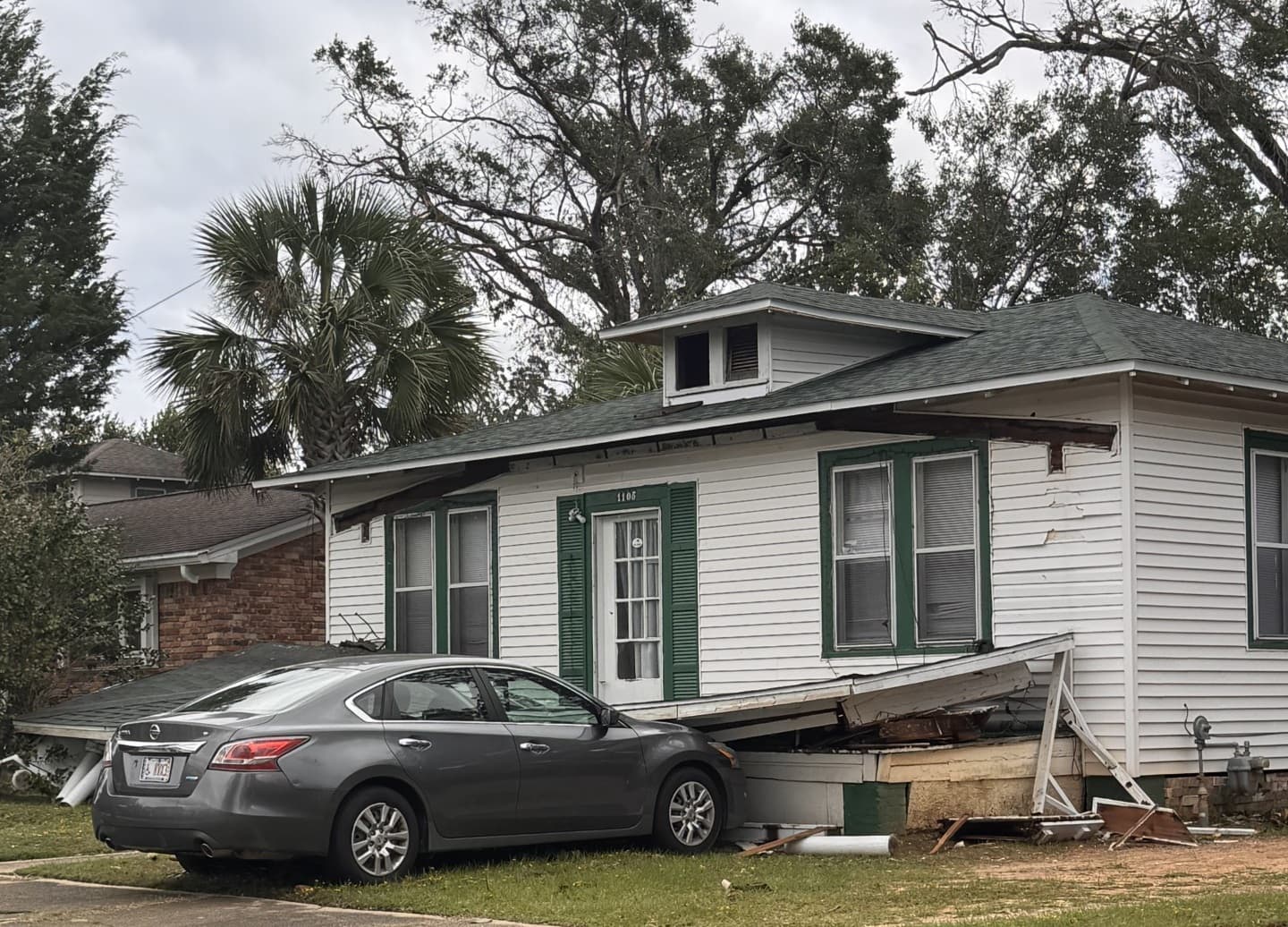
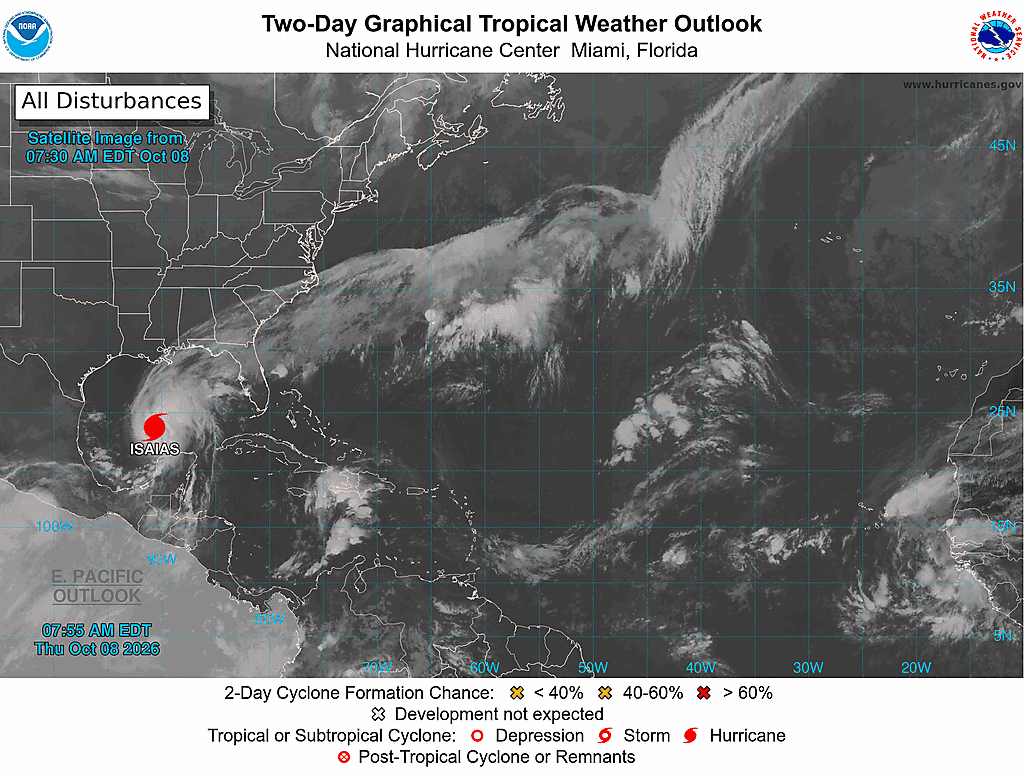
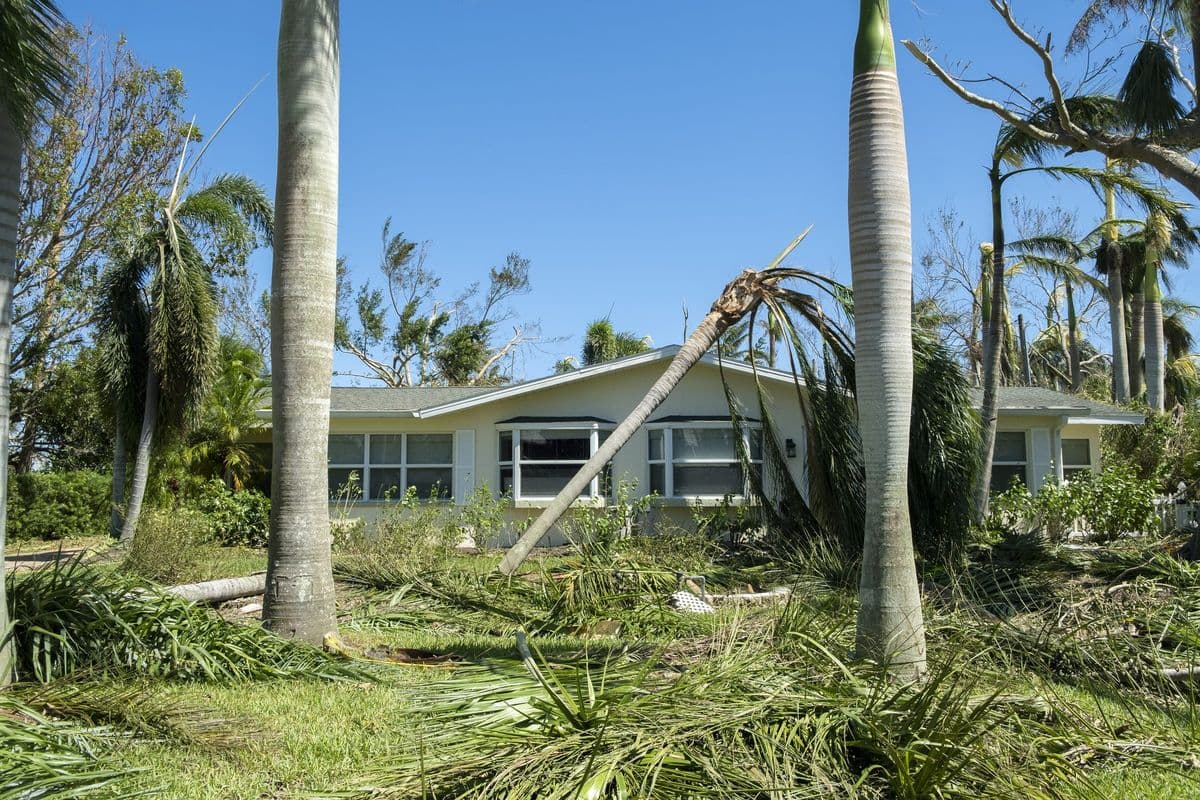
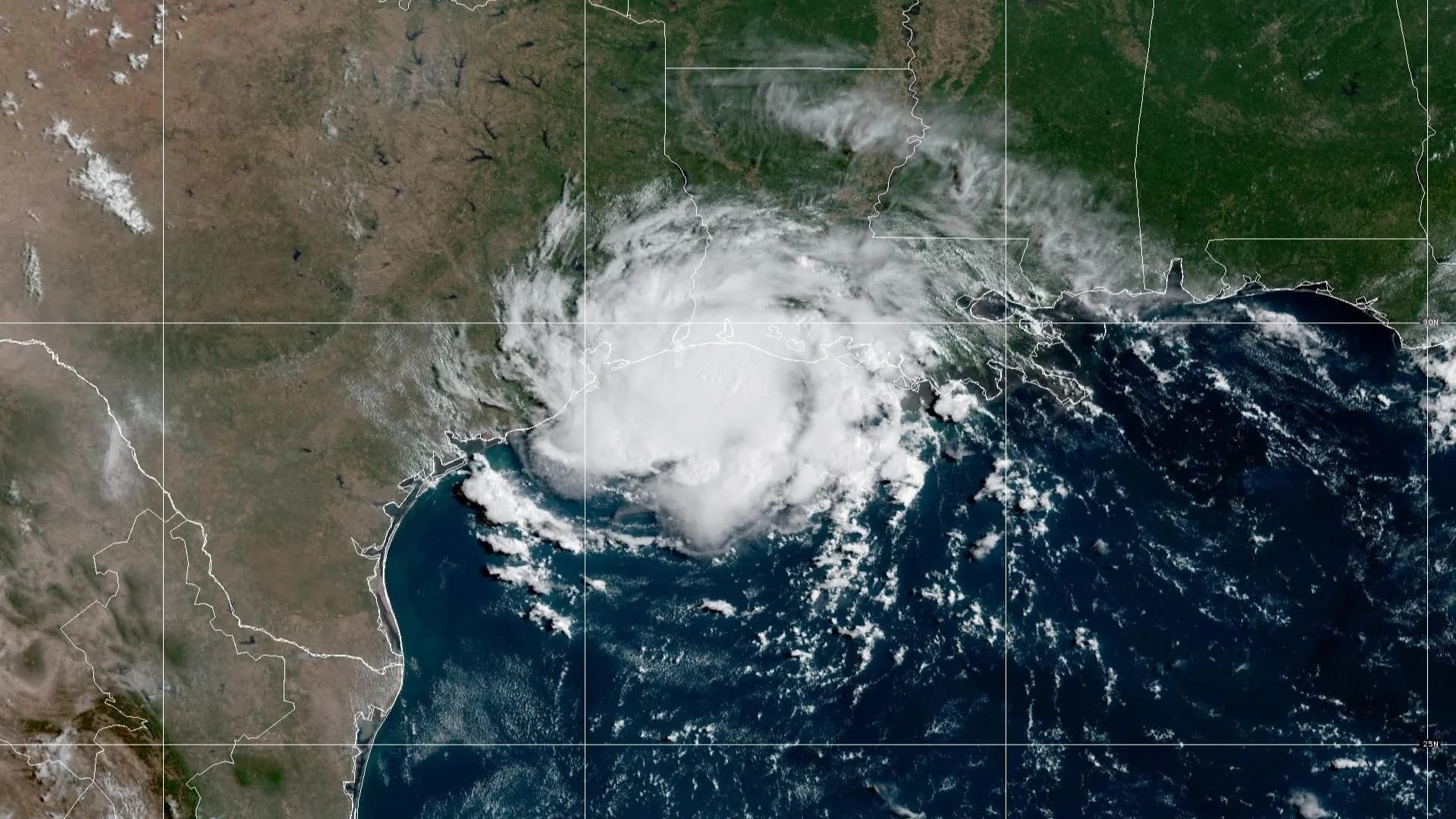
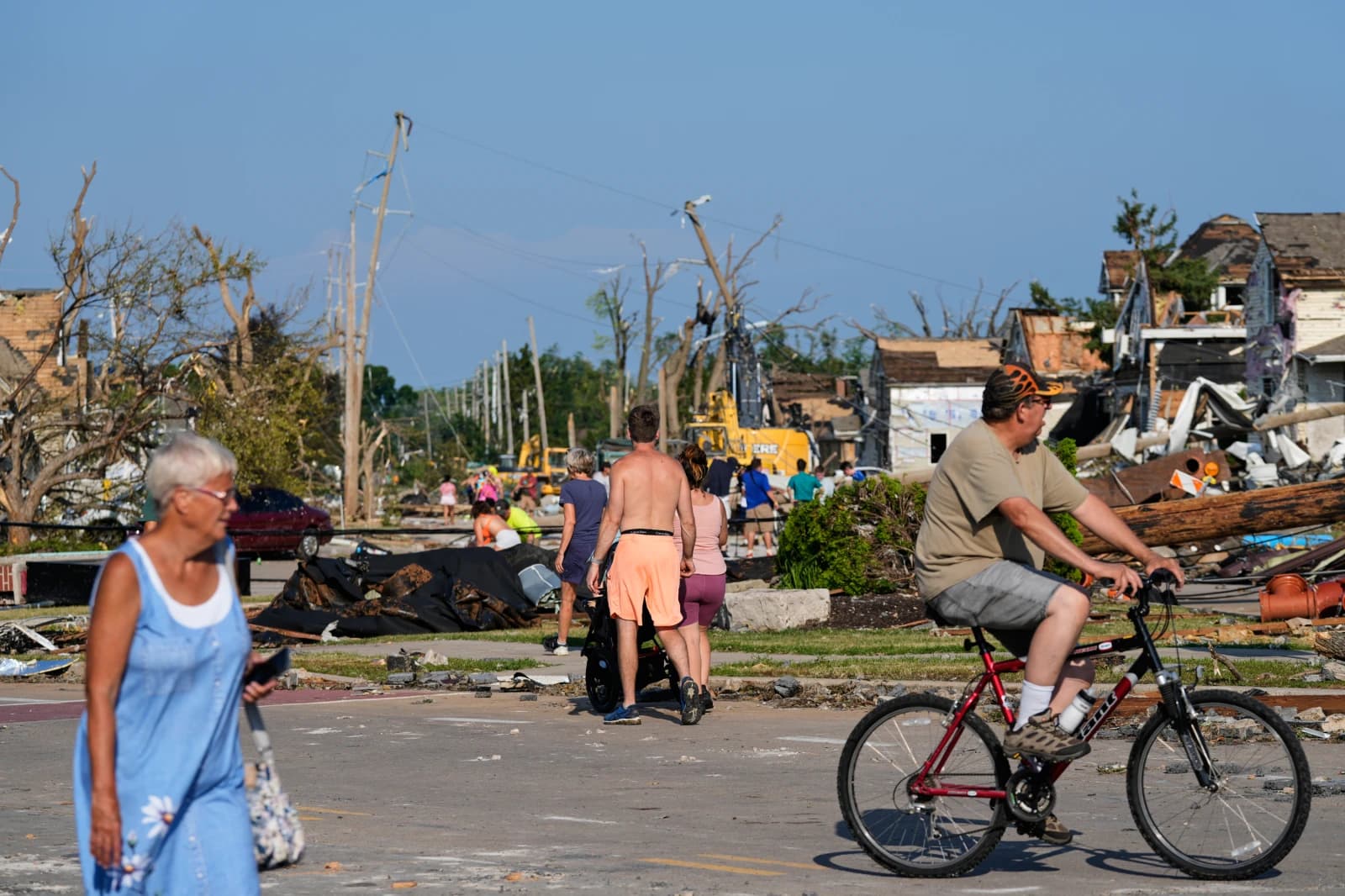
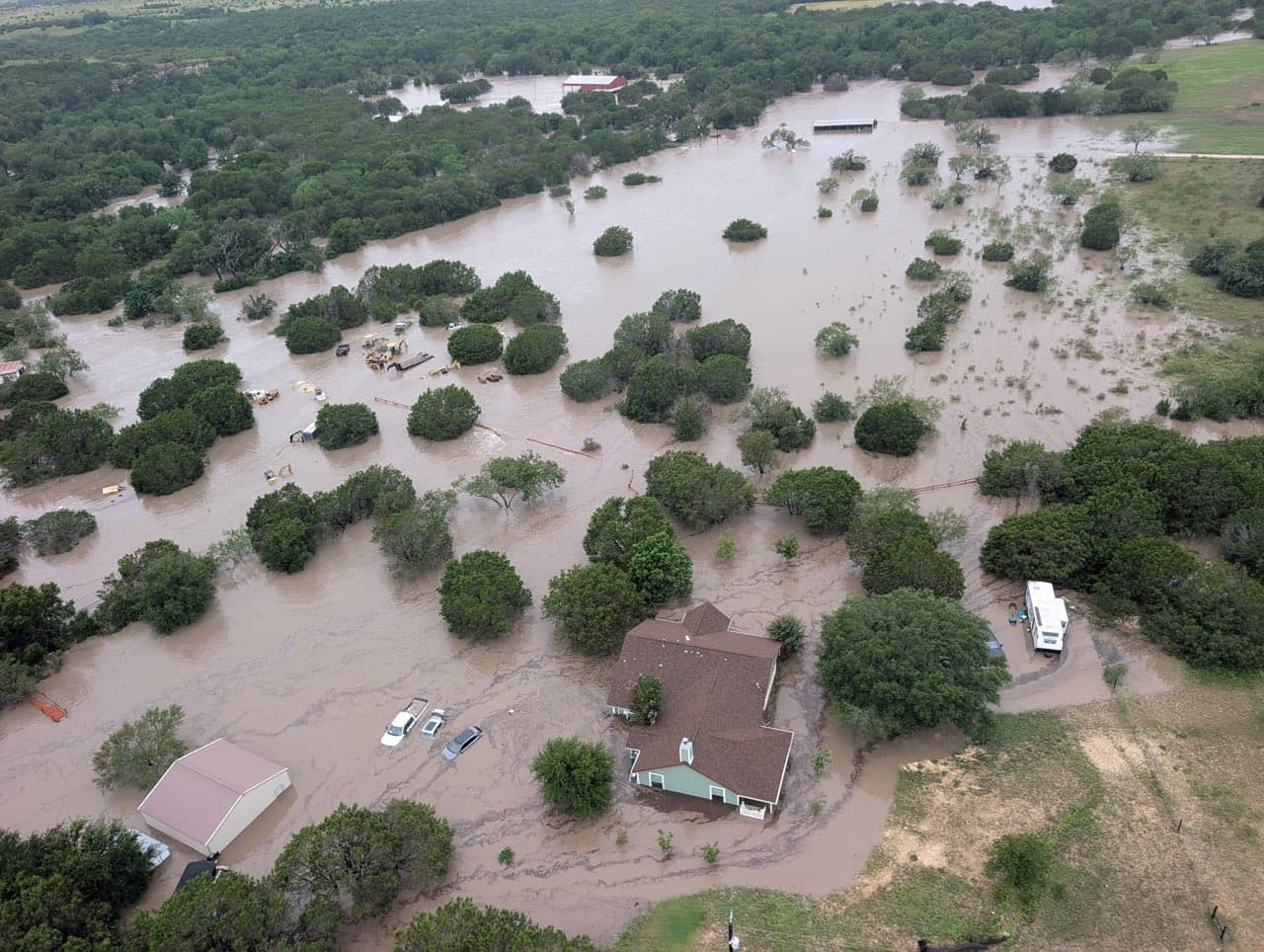
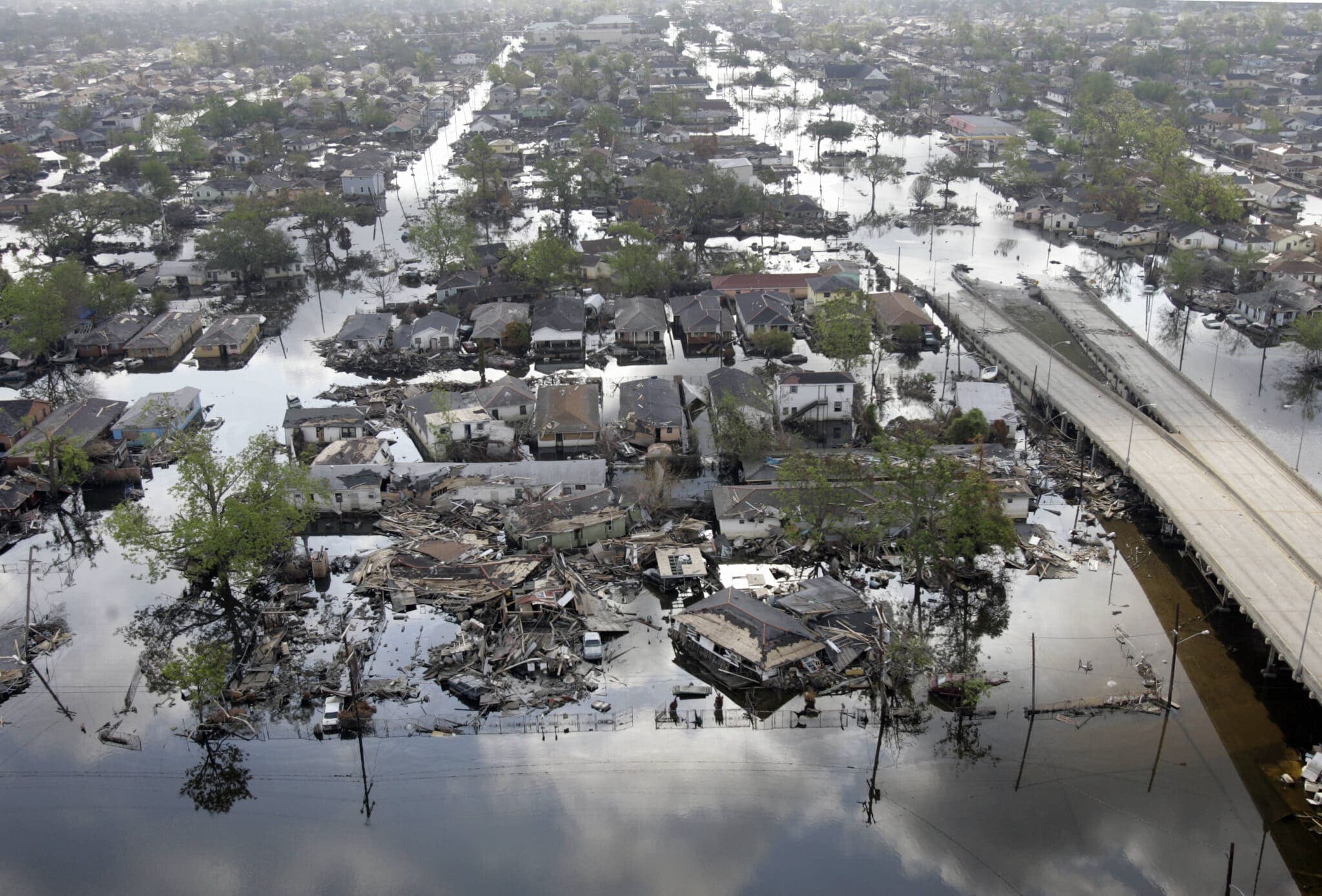
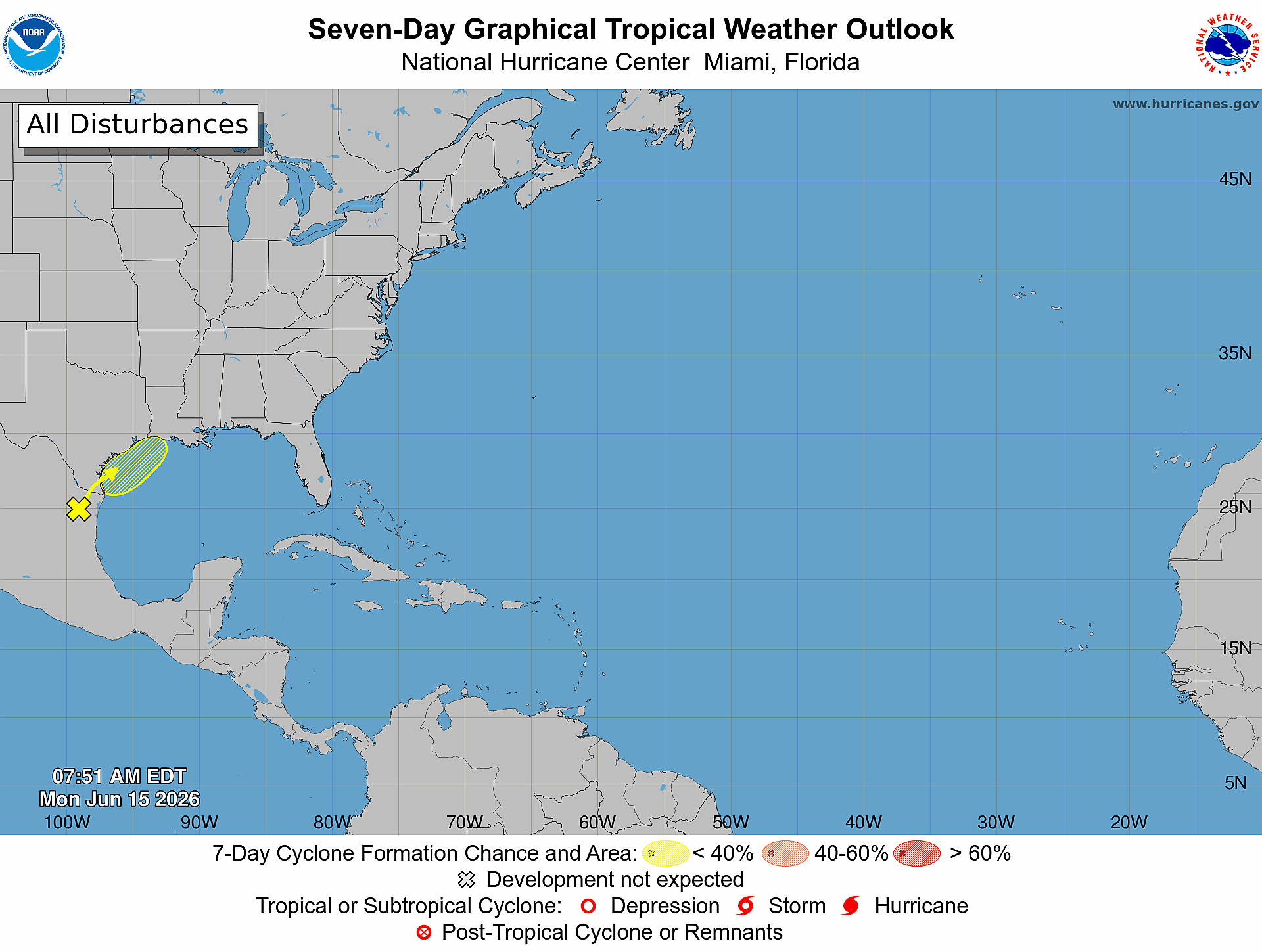
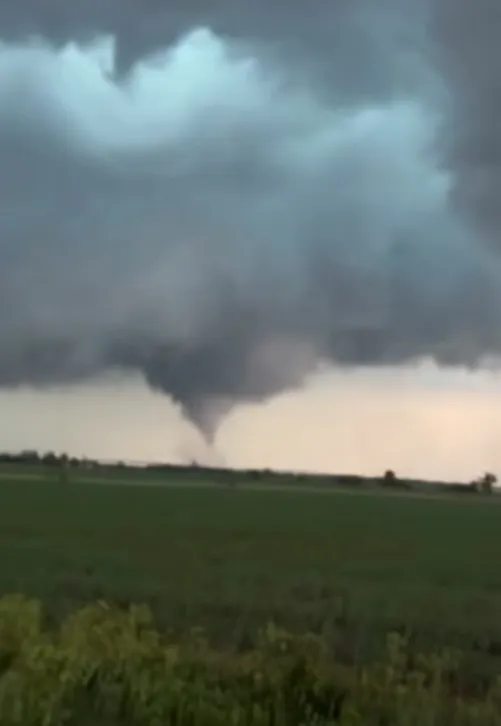
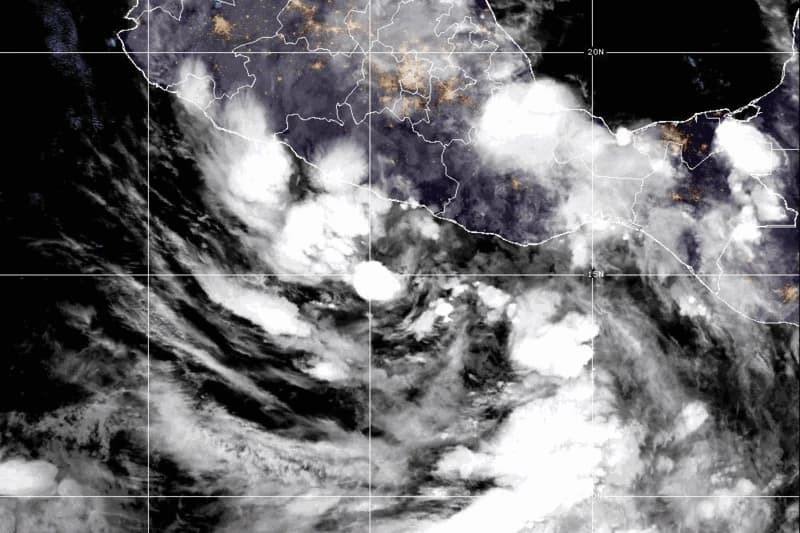
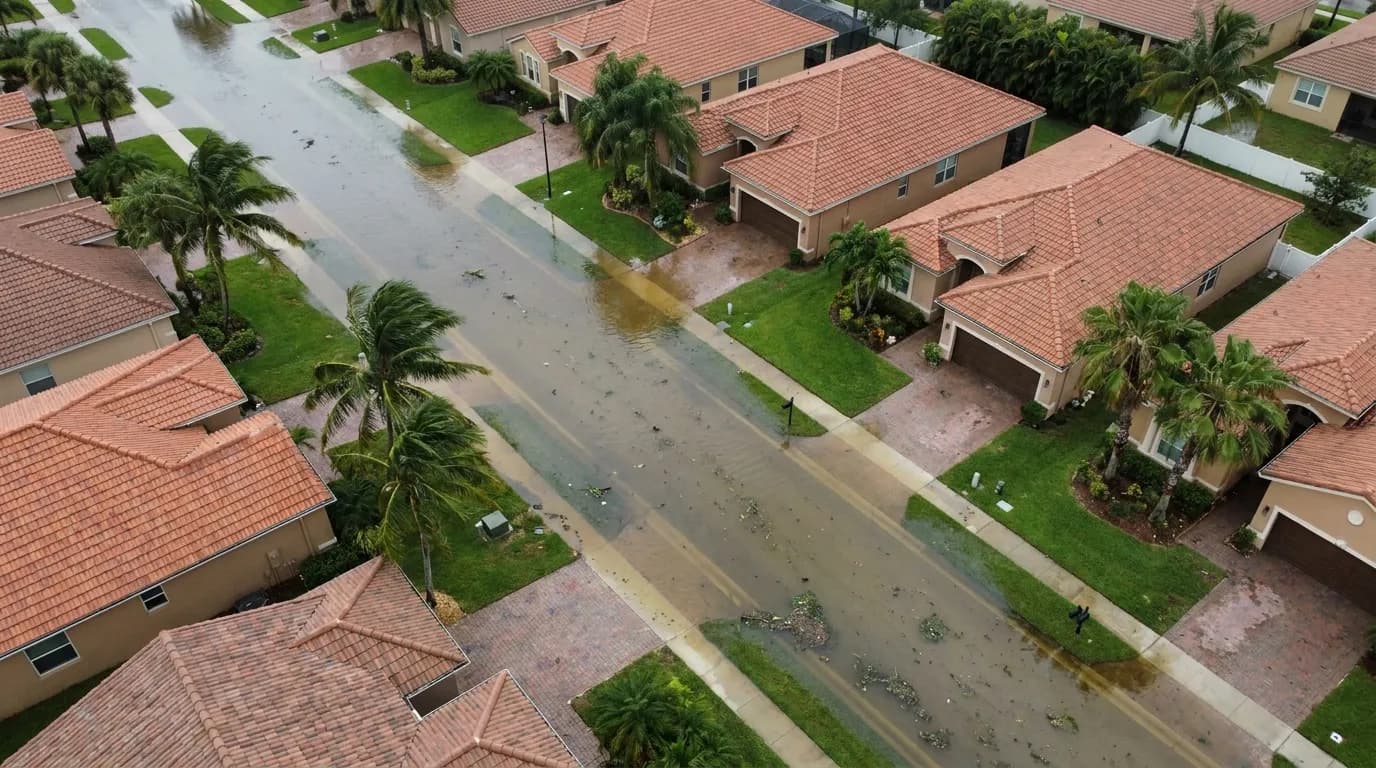
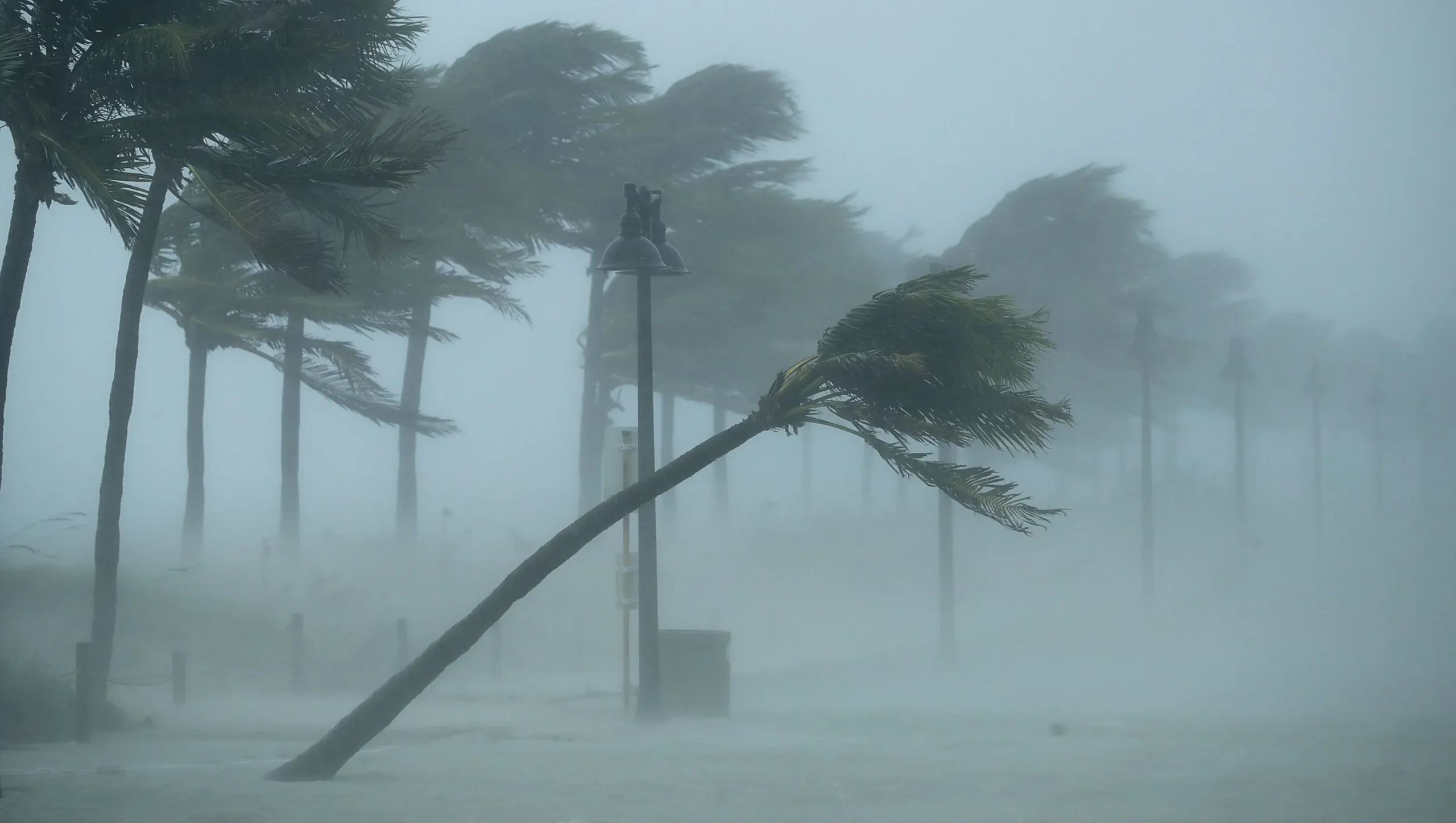
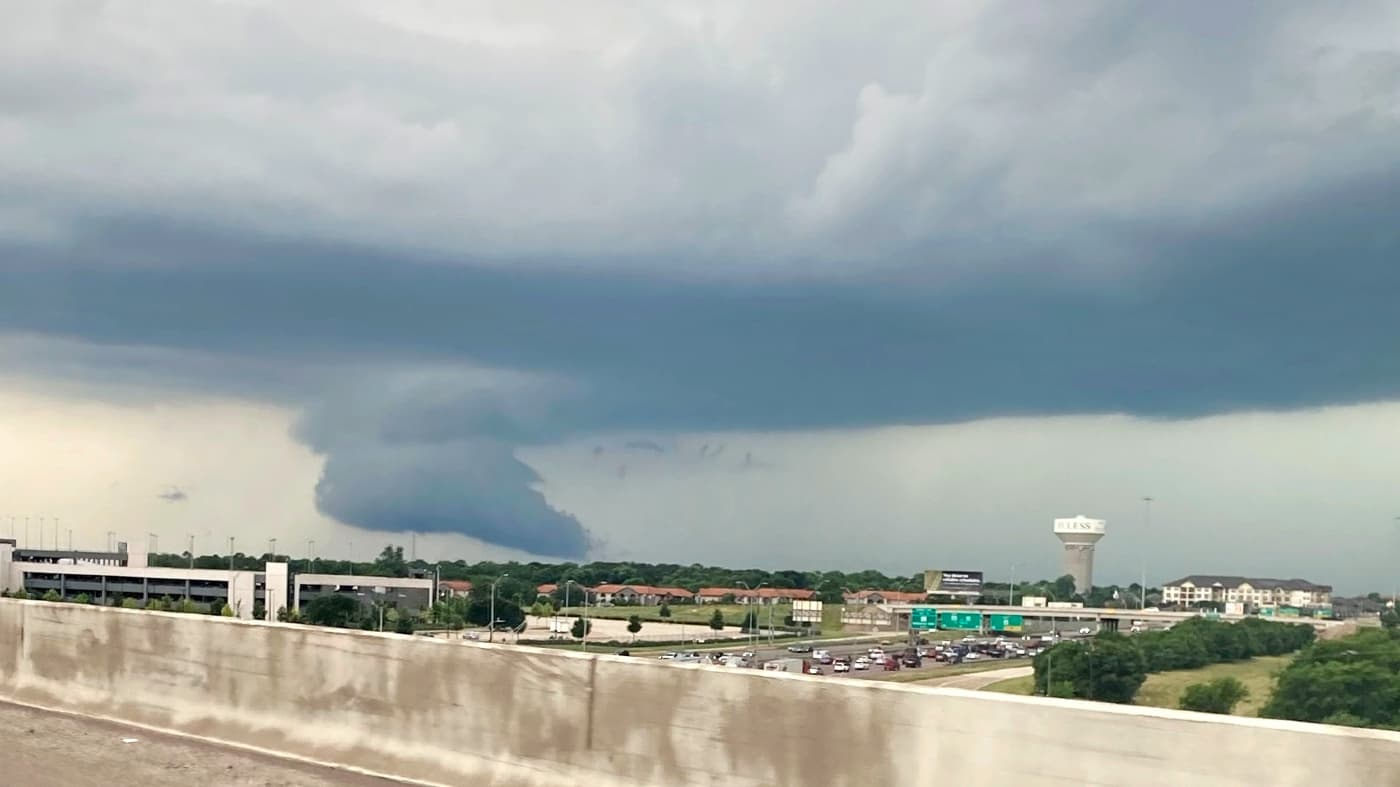
For property owners in Florida and Texas, El Niño’s impact manifests through increased weather volatility. While the phenomenon can suppress Atlantic hurricane activity in some years, it creates unpredictable precipitation patterns that lead to localized flooding, wind damage, and property deterioration. The warming ocean temperatures alter atmospheric circulation patterns, potentially steering storms in unexpected directions and intensifying rainfall events in vulnerable areas. The uncertainty surrounding peak strength adds another layer of complexity to preparedness planning. The Climate Prediction Center noted that “confidence in the occurrence of El Niño has increased since last month, there is still substantial uncertainty in the peak strength of El Niño, with no strength categorization exceeding a 37% chance.” This means forecasters cannot definitively predict whether conditions will reach weak, moderate, strong, or very strong classifications, requiring property owners to prepare for a range of scenarios.
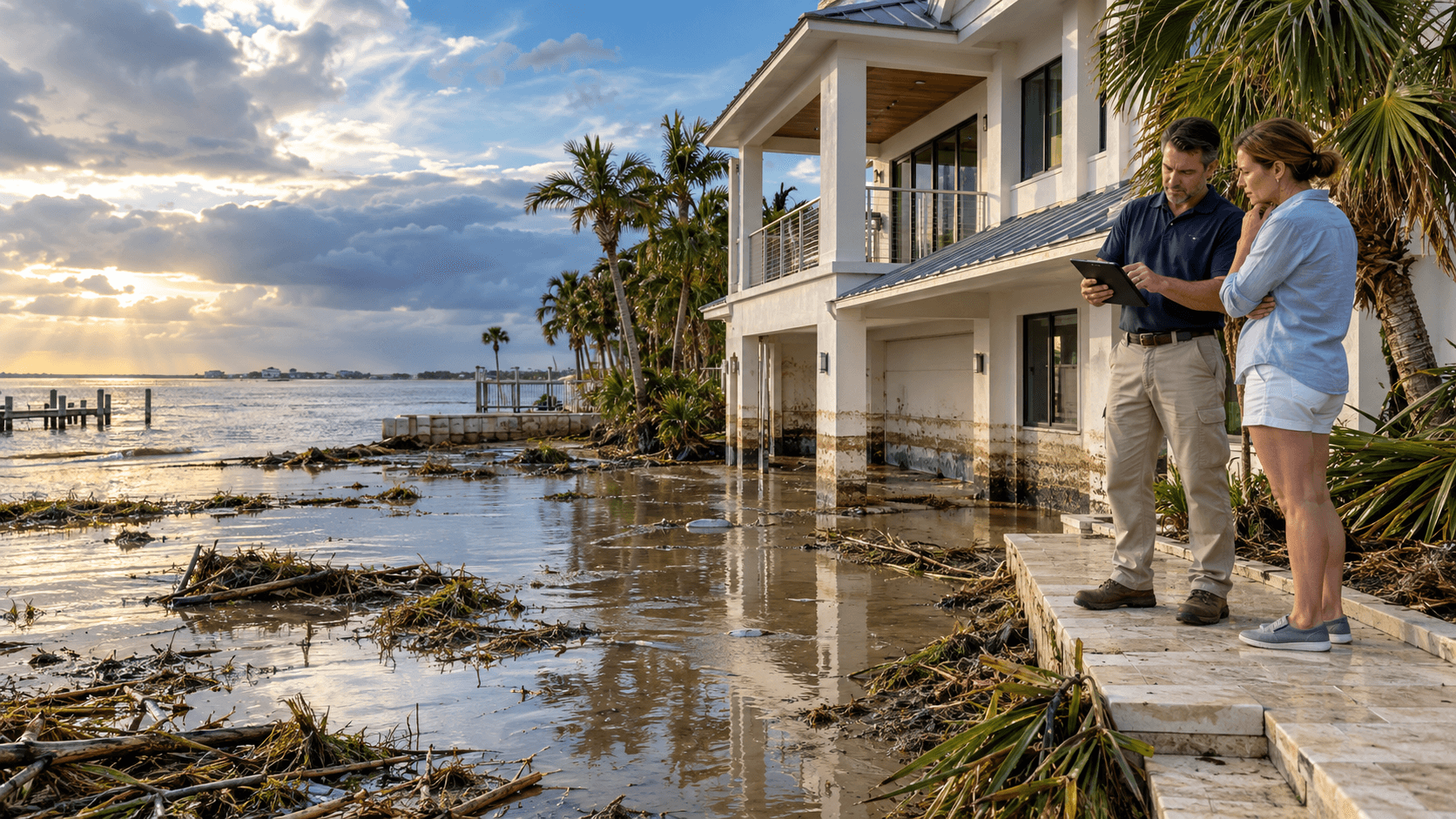
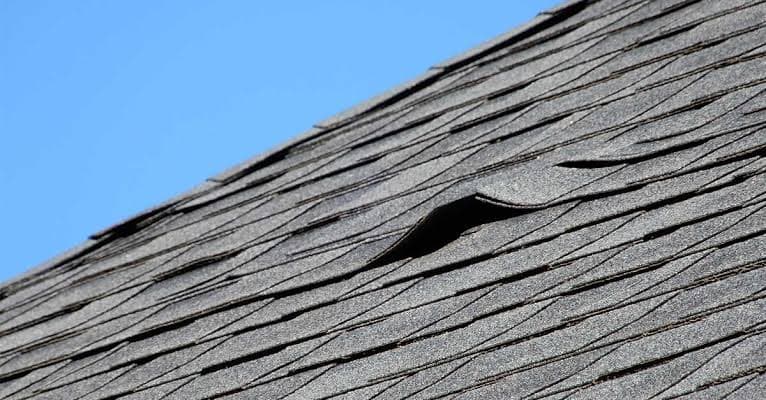
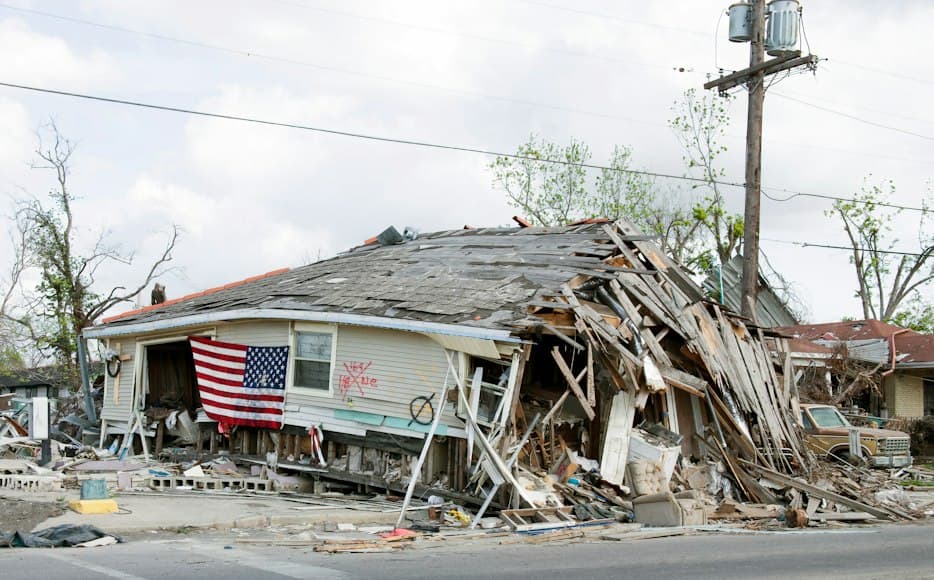
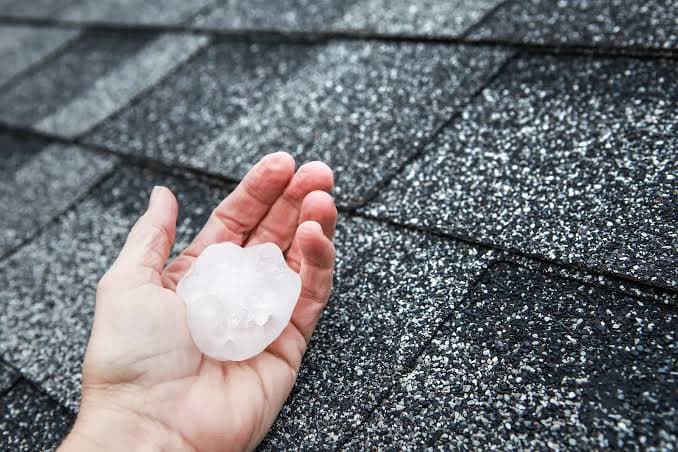
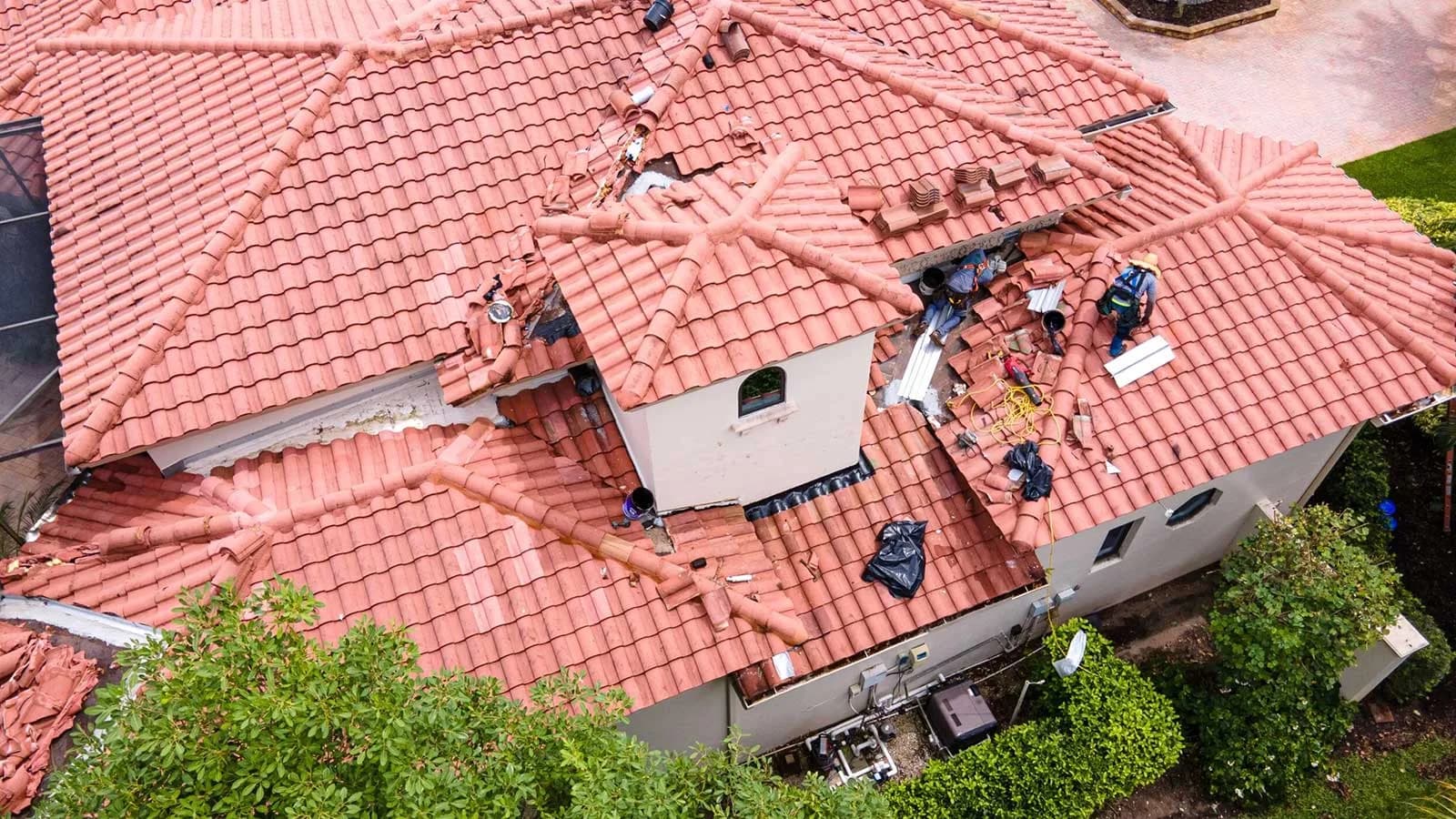
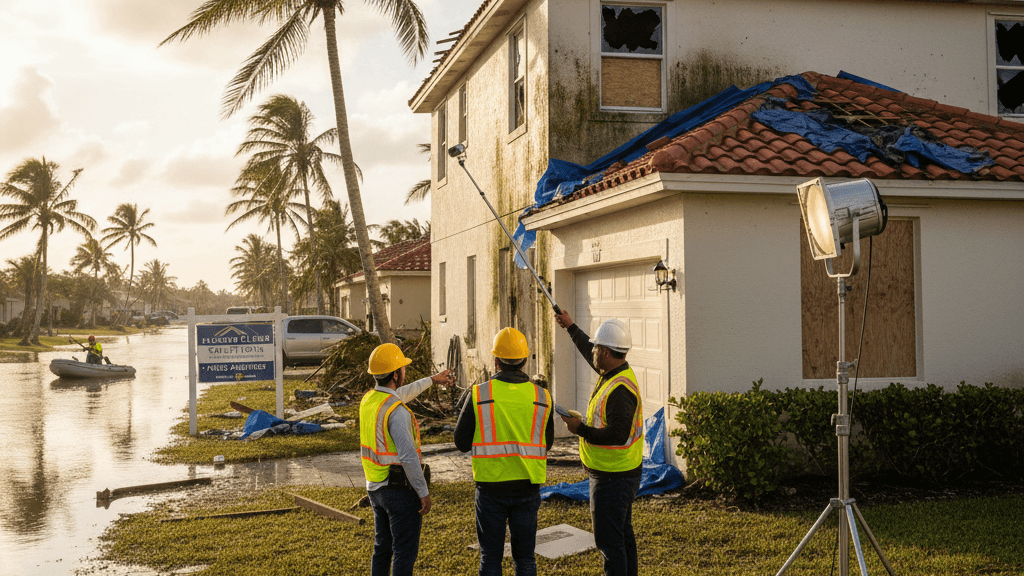
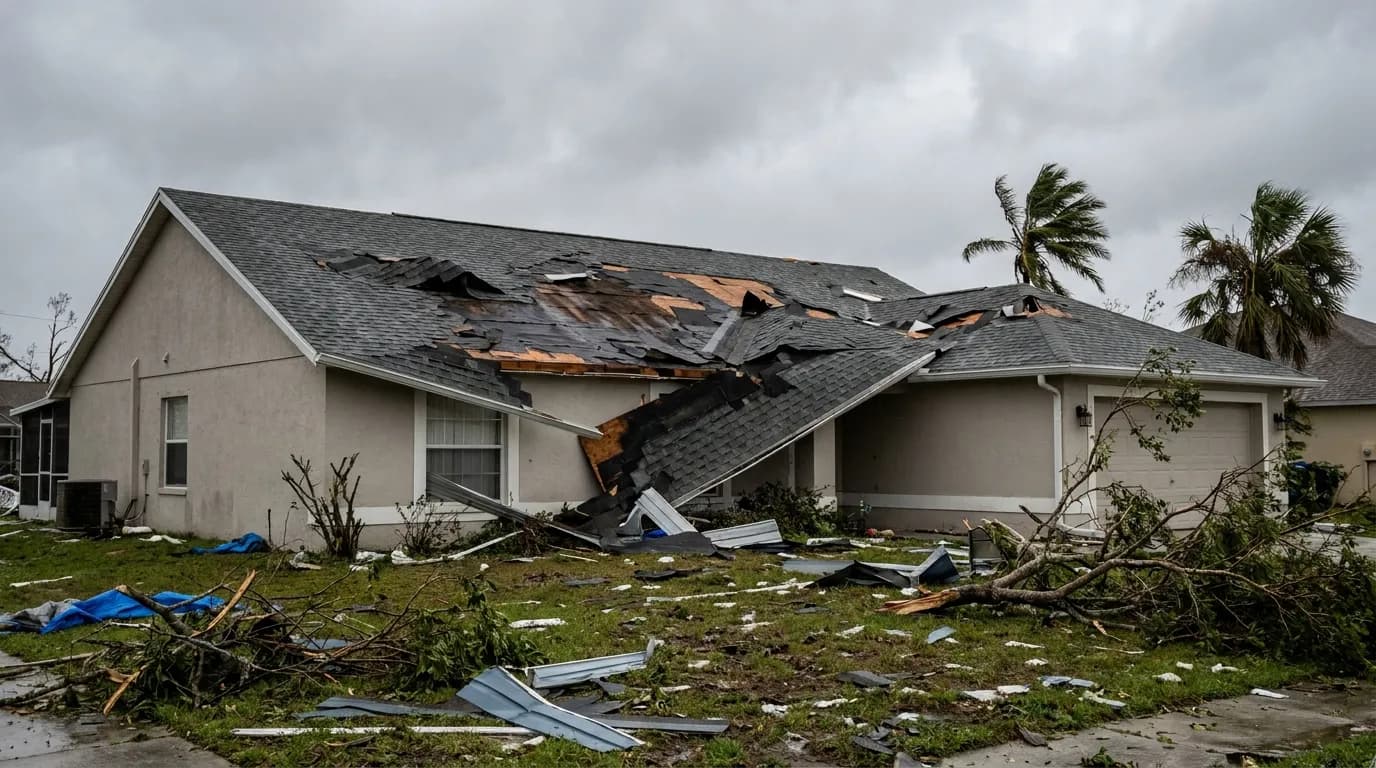
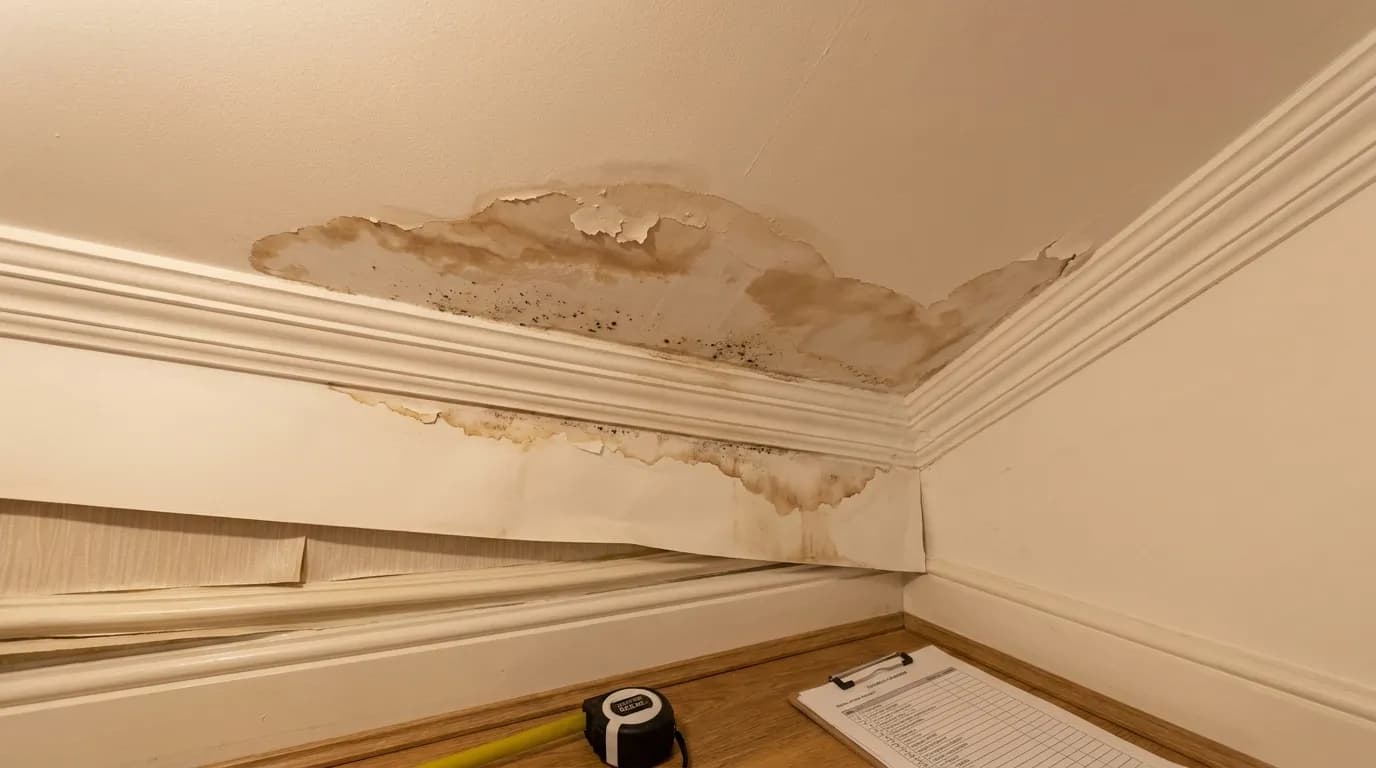
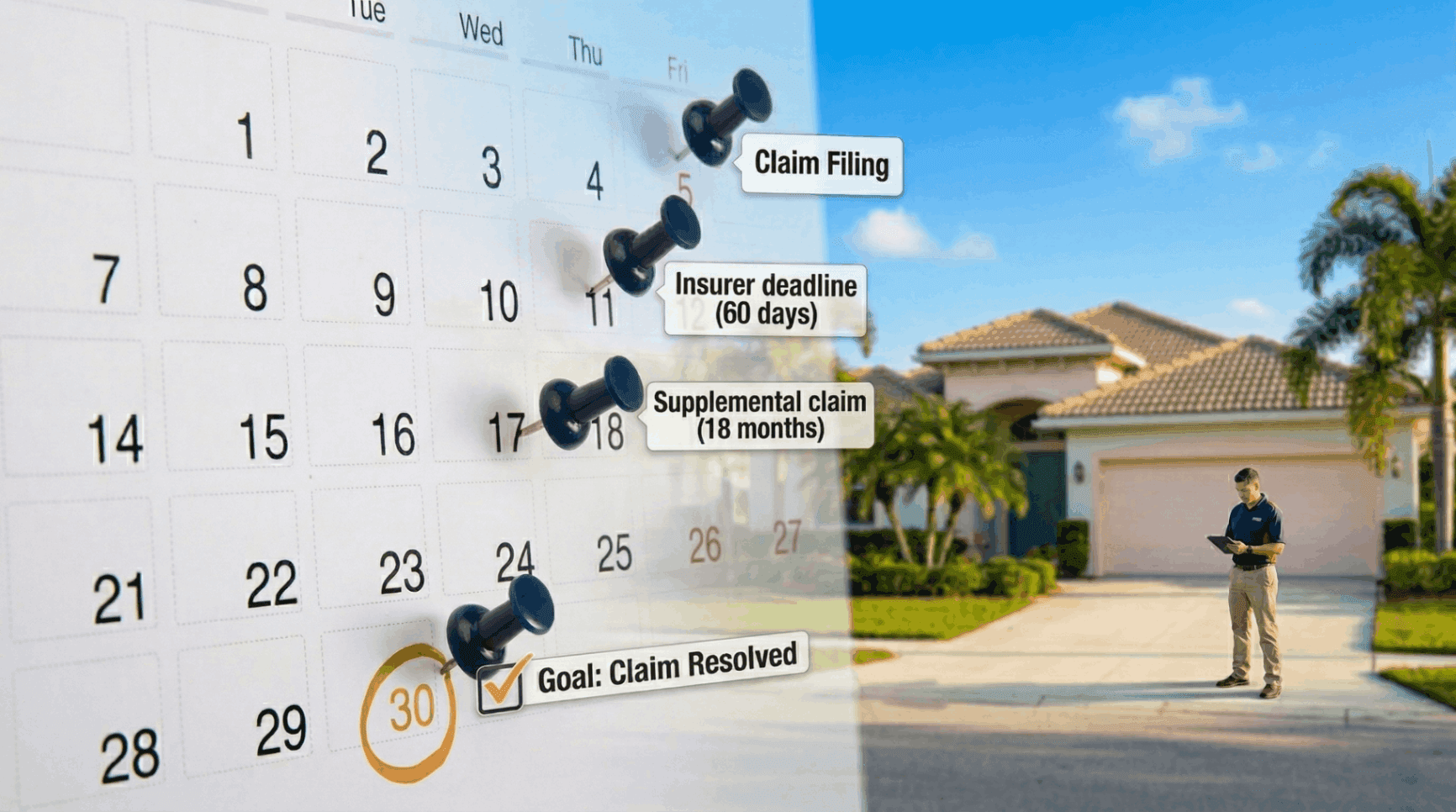
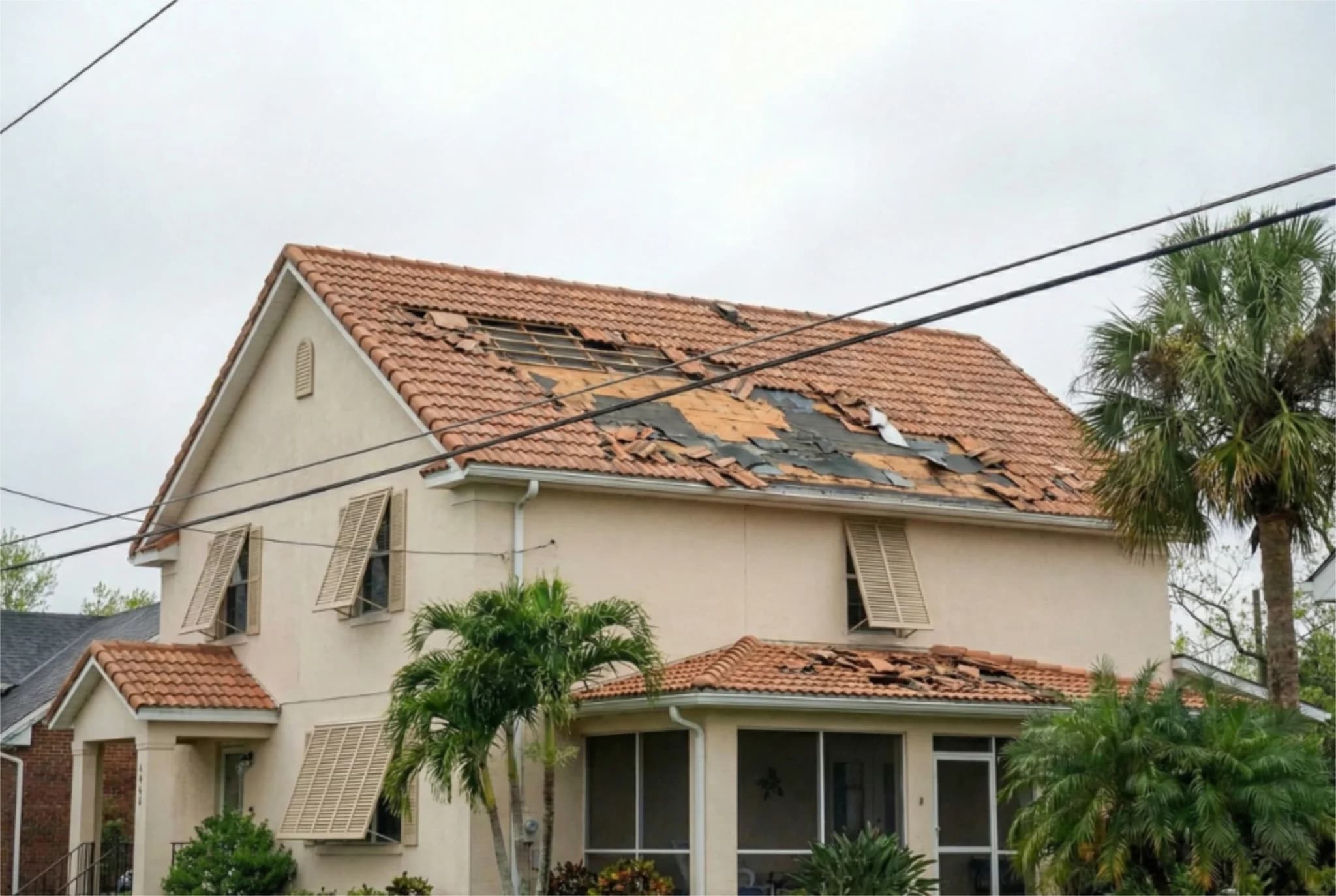
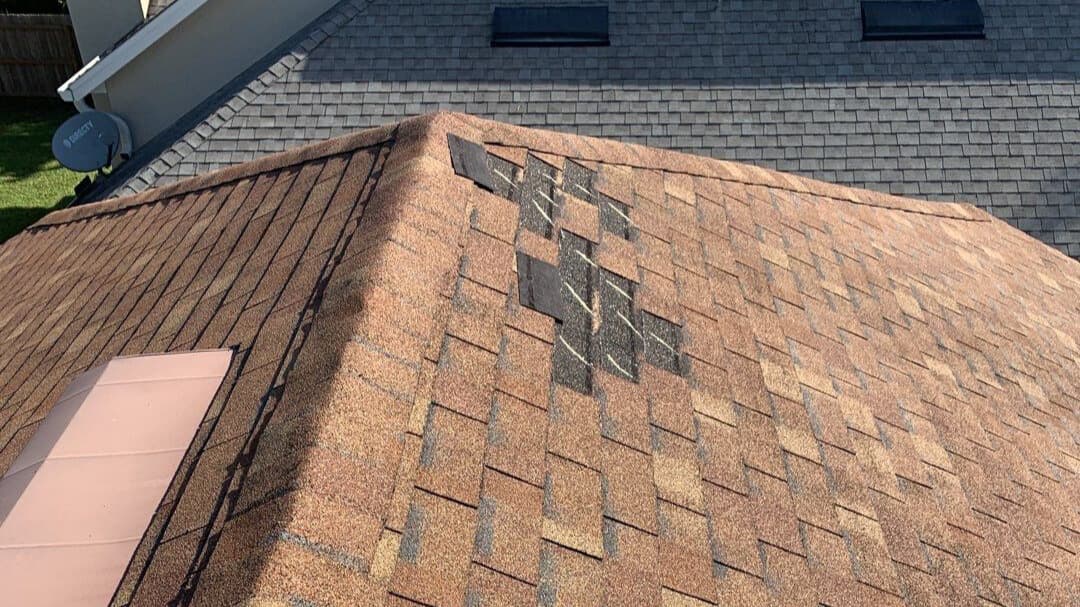
Five Star Claims Adjusting recognizes that El Niño-driven weather events create significant property damage claims across residential and commercial portfolios. Storm damage from unexpected precipitation, wind events, and related water intrusion requires immediate professional assessment. Property owners facing potential El Niño impacts should document existing conditions, review insurance coverage limits, and establish relationships with qualified adjusters before damage occurs. The window between now and peak El Niño conditions in late summer provides an opportunity for proactive risk management and claim preparation. Historical data demonstrates that strong El Niño events correlate with measurable increases in property insurance claims, particularly for water damage, roof deterioration, and structural issues exacerbated by moisture exposure. Homeowners and commercial property managers should consider conducting roof inspections, clearing drainage systems, and addressing any existing water intrusion vulnerabilities before the peak season arrives.
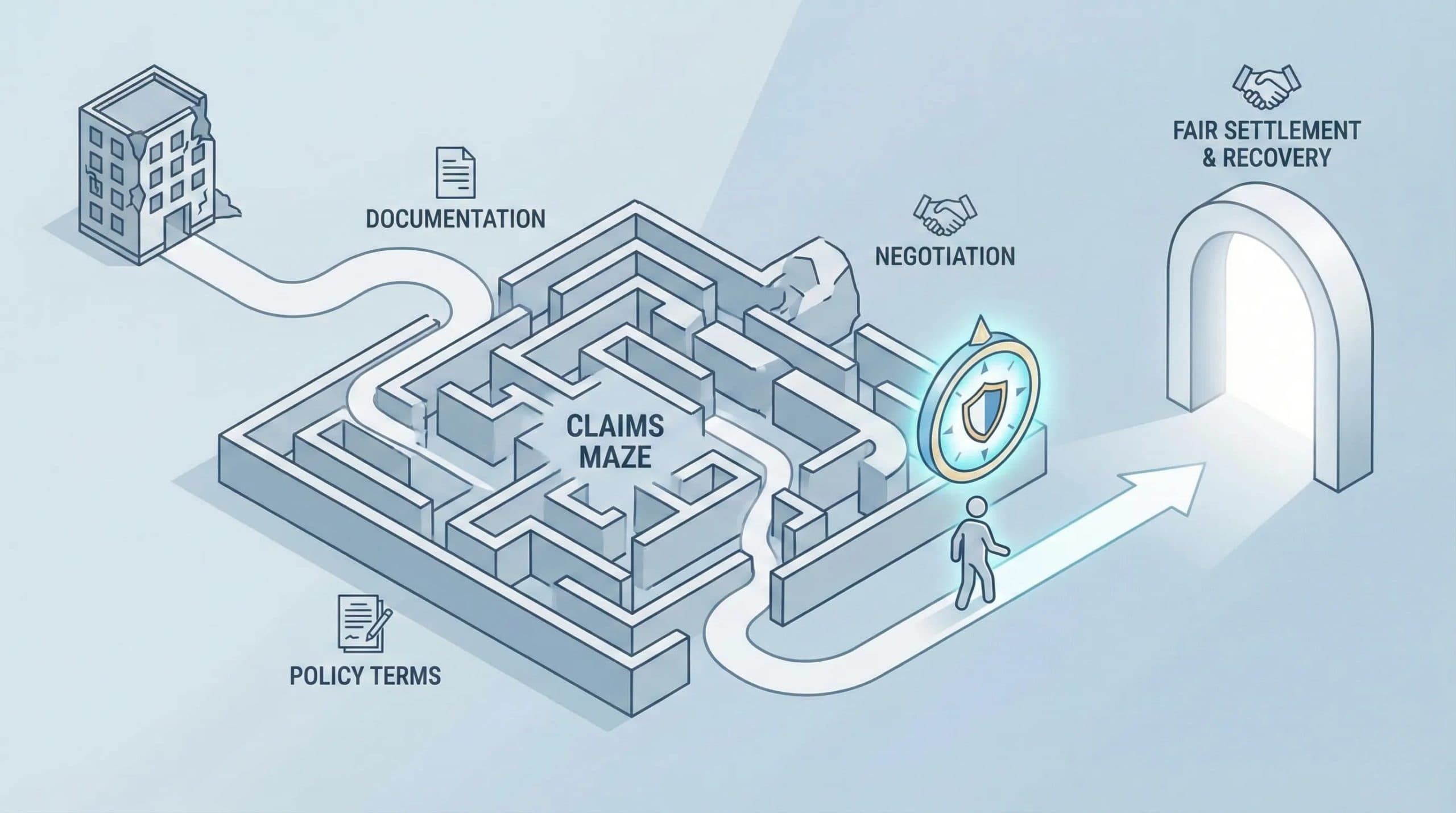
The convergence of El Niño development with existing global supply chain pressures and geopolitical uncertainties creates a complex risk environment. Property owners cannot control weather patterns, but they can control their preparedness and response strategies. Working with experienced claims adjusters who understand El Niño’s regional impacts ensures that when damage occurs, documentation and claim filing proceed efficiently and comprehensively. As the Climate Prediction Center continues monitoring atmospheric conditions through the spring and summer months, property owners should treat this 82% probability forecast as a call to action. The months ahead will determine whether El Niño reaches strong or very strong intensity, but either way, the increased likelihood of significant weather events demands attention to property protection, insurance adequacy, and damage assessment readiness. Five Star Claims Adjusting stands ready to assist property owners navigating storm damage claims and maximizing recovery when El Niño-related weather events impact their homes and businesses.
This article has been sourced from press releases and cross-referenced with multiple websites. Facts originally seen at Source .