National Weather Service Issues Heat Warnings As Temperatures Approach 100-Degree Heat Index
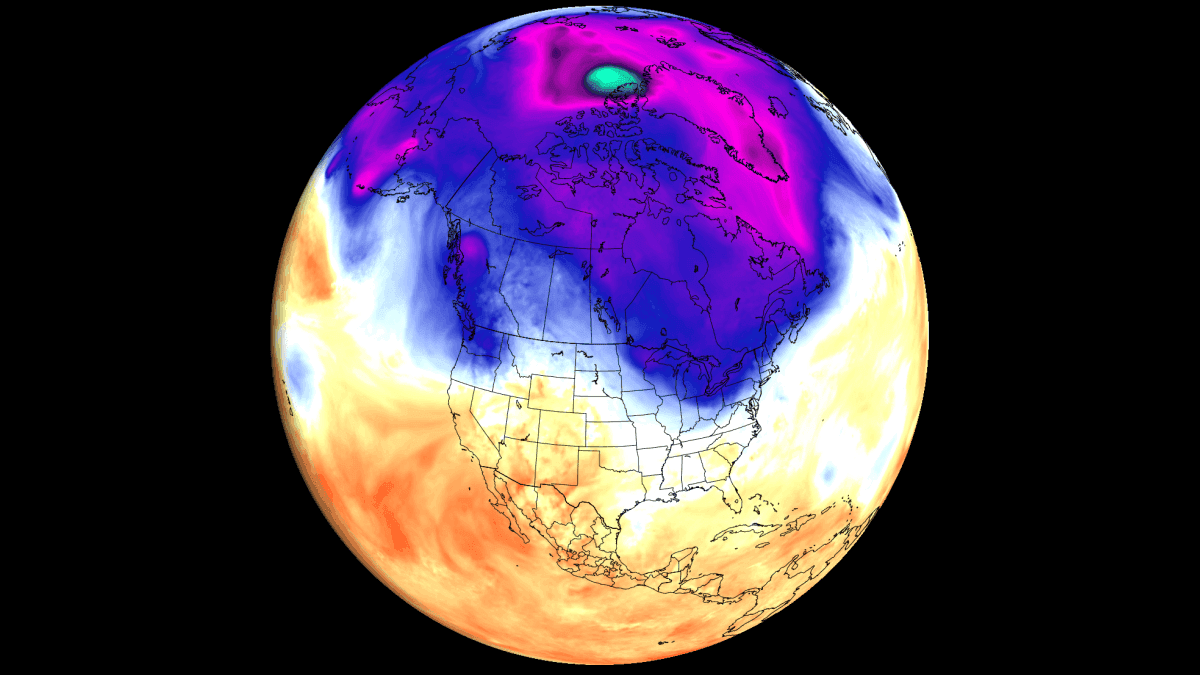
South Florida residents are bracing for one of the most oppressive weather periods of the summer season as a persistent heat dome settles over the region through the Fourth of July weekend. The National Weather Service has issued warnings for dangerous heat conditions, with high temperatures expected to climb into the low 90s across Miami-Dade, Broward, and Palm Beach counties. More concerning than the actual air temperature is the apparent temperature—the heat index—which meteorologists project could reach the 100s on July 4, making outdoor activities potentially life-threatening for vulnerable populations. The broader context reveals that South Florida is not alone in this meteorological crisis. More than 250 million U.S. residents are currently under dangerous heat conditions, according to AccuWeather data. A massive heat dome stretches across a large portion of the continental United States, with Florida positioned directly beneath one of the most intense zones of this atmospheric phenomenon. AccuWeather meteorologist Alex DaSilva noted that across southern Florida, high temperatures will run 2 to 4 degrees above historical averages for early July, indicating this is not merely a typical summer day but rather an exceptional heat event.
Miami is forecast to experience a high of 90 degrees on July 4, with humidity levels creating that dangerous heat index in the triple digits. The day will bring intervals of clouds and sunshine, with morning showers expected and afternoon thunderstorms possible in scattered locations. Fort Lauderdale and West Palm Beach face virtually identical conditions, with highs of 90 degrees and similar precipitation patterns. Even Key West, typically cooler due to its maritime location, will see a high of 89 degrees with morning showers followed by alternating clouds and sun. The humidity component of this weather system cannot be overstated. South Florida’s tropical climate means that when temperatures reach the low 90s, the moisture-laden air creates a suffocating environment where the human body struggles to cool itself through perspiration. This combination of heat and humidity poses serious health risks, particularly for children, elderly individuals, and those with pre-existing medical conditions. Heat exhaustion and heat stroke become genuine concerns during such conditions, and emergency services typically see increased call volumes during extreme heat events.
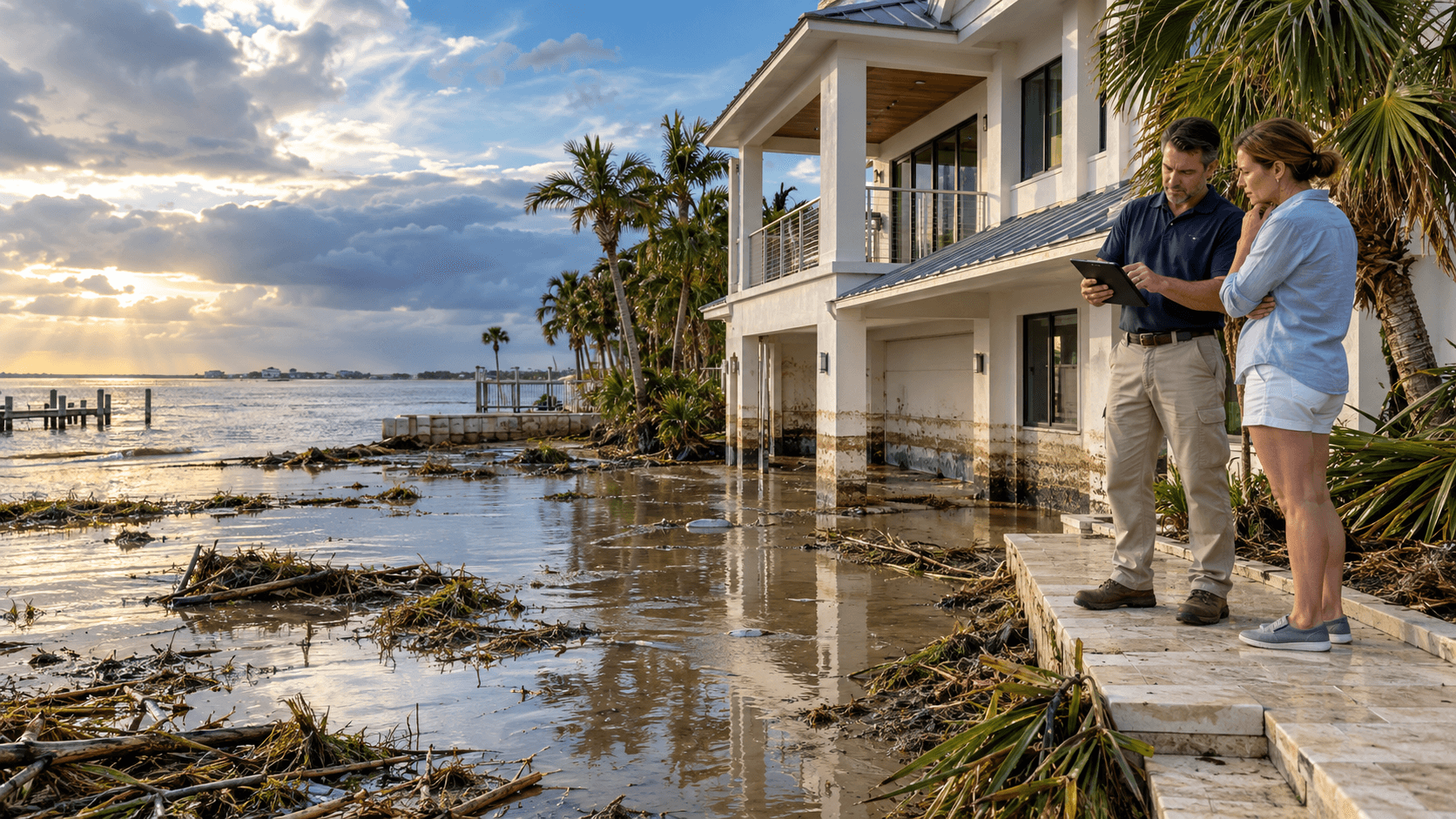
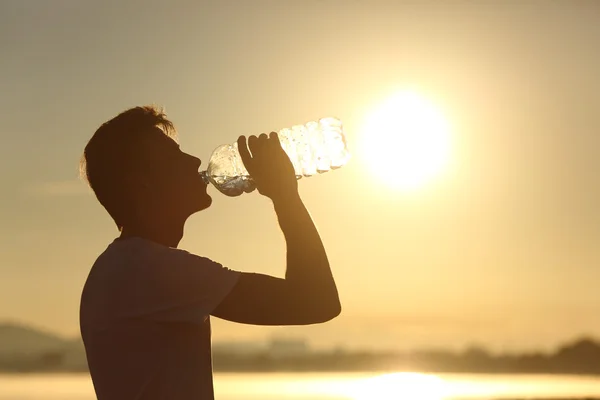
For property owners and residents in Florida and Texas, extreme weather events like this heat dome serve as a reminder of the importance of comprehensive disaster preparedness and insurance coverage. While heat waves differ from the catastrophic wind and water damage associated with hurricanes and severe storms, they can still trigger property-related claims—particularly when air conditioning systems fail under the strain of continuous operation or when heat-related damage occurs to structures. Five Star Claims Adjusting emphasizes that homeowners should review their insurance policies to understand what weather-related damage is covered and what documentation may be needed if claims arise from extreme weather events. The National Weather Service recommends several critical safety measures for residents enduring this dangerous heat. Hydrating before feeling thirsty is essential, as thirst is often a delayed indicator of dehydration. Wearing lightweight, light-colored clothing helps reflect heat away from the body. Taking frequent breaks in shade or in air-conditioned buildings is vital—fans alone may not provide sufficient cooling when heat indices exceed 100 degrees. Limiting strenuous outdoor activity to early morning or evening hours, when temperatures are lower, can significantly reduce heat-related illness risk.
The timing of this heat dome coinciding with Fourth of July celebrations adds another layer of concern. Many residents and visitors will be outdoors for fireworks displays, beach outings, and family gatherings during the peak heat hours of the afternoon. Public health officials urge event organizers to provide adequate shade, water stations, and medical personnel at outdoor gatherings. Individuals attending outdoor celebrations should check on elderly neighbors and relatives, as older adults are particularly vulnerable to heat-related complications. Beyond the immediate health concerns, this extreme heat event underscores the broader climate patterns affecting Florida and the Gulf Coast region. The state’s subtropical location and warming ocean temperatures create conditions favorable for heat domes to develop and persist. As climate patterns continue to evolve, South Florida residents should expect more frequent and potentially more intense heat events in coming years. This reality makes comprehensive insurance coverage and disaster preparedness planning increasingly important for protecting both personal health and property investments.
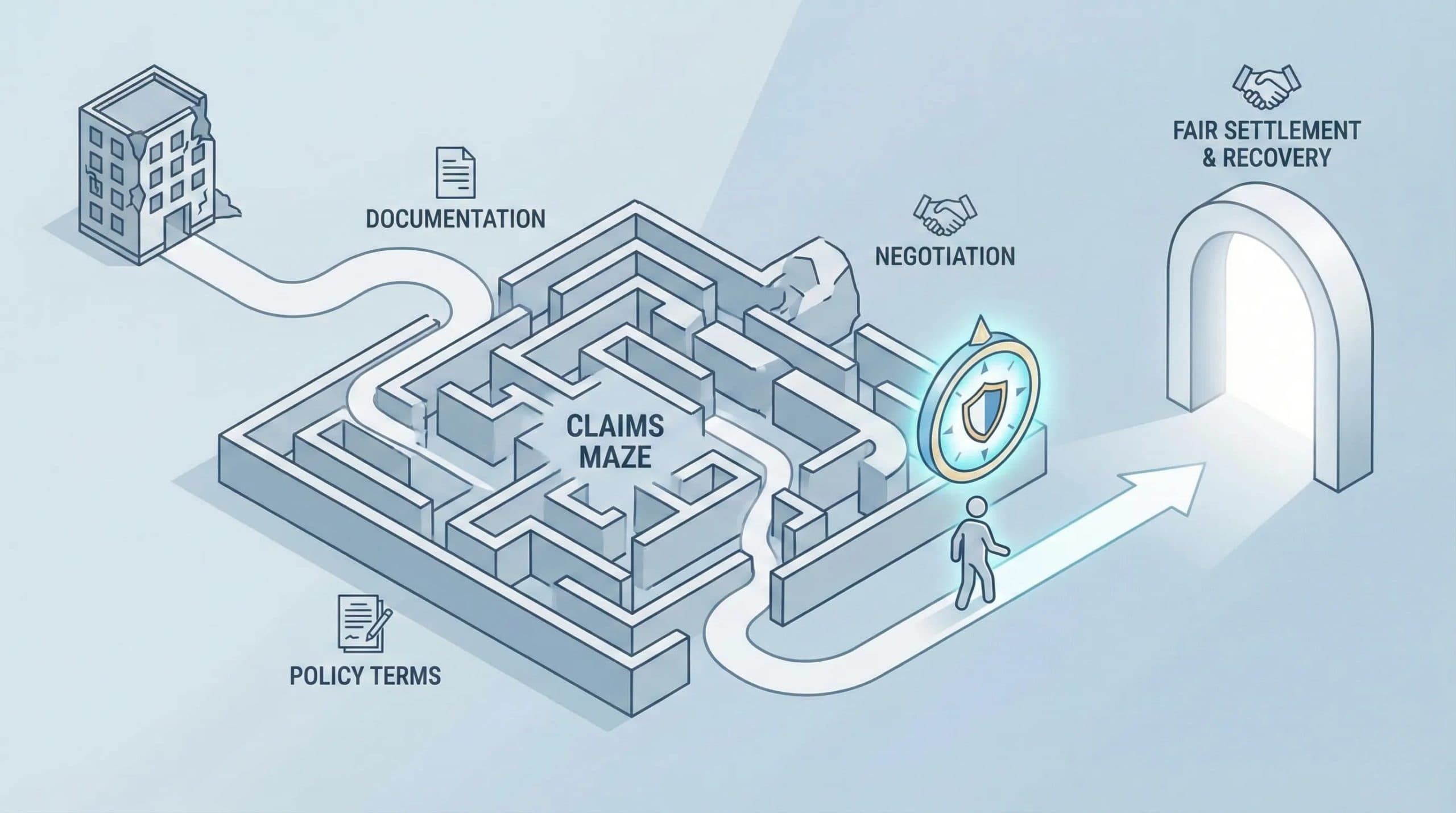
For those managing properties or concerned about potential weather-related damage, Five Star Claims Adjusting stands ready to assist with storm damage assessment and claims maximization. While this particular heat event may not cause the dramatic structural damage associated with hurricanes, understanding your policy coverage and having professional guidance when weather events occur ensures that you’re protected and that any legitimate claims are properly documented and pursued. The firm’s expertise in Florida property insurance claims extends across all weather-related scenarios, helping policyholders navigate the claims process and secure fair compensation for covered losses. As the Fourth of July weekend approaches, South Florida residents should take the National Weather Service warnings seriously. This is not a time for outdoor exertion or prolonged sun exposure. By staying hydrated, remaining in air-conditioned environments during peak heat hours, and checking on vulnerable family members and neighbors, residents can safely navigate this dangerous weather period. The heat dome is expected to persist through the holiday weekend, so preparation and caution should remain priorities through at least July 5.
This article has been sourced from press releases and cross-referenced with multiple websites. Facts originally seen at Source .