Licensed Public Adjusters Document Hidden Damage and Challenge Underpayments on Roof, Siding, HVAC, and Gutter Losses
A hailstorm passes in minutes, but the damage it leaves behind can take years off the life of your roof, compromise your siding, and destroy your HVAC equipment. What looks like minor cosmetic denting to an untrained eye may actually be granule loss that exposes your shingles to UV degradation, or impact fractures that allow water infiltration during the next rain. Insurance companies often send adjusters who count visible dents and move on. Licensed public adjusters conduct a full forensic inspection of every surface, document damage with calibrated tools, and build a claim that reflects the true scope of what the storm did to your property.

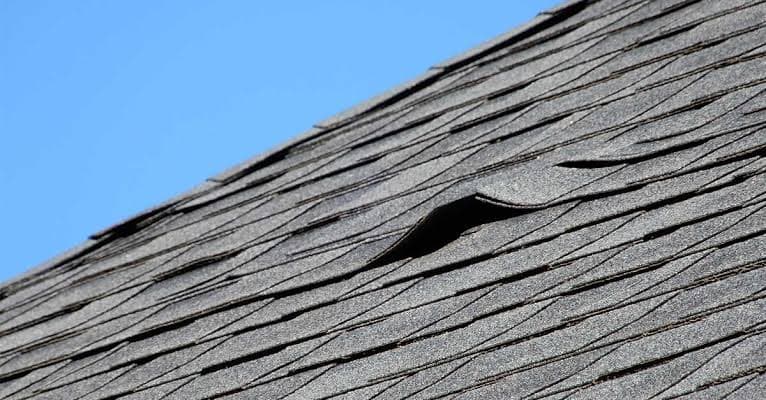
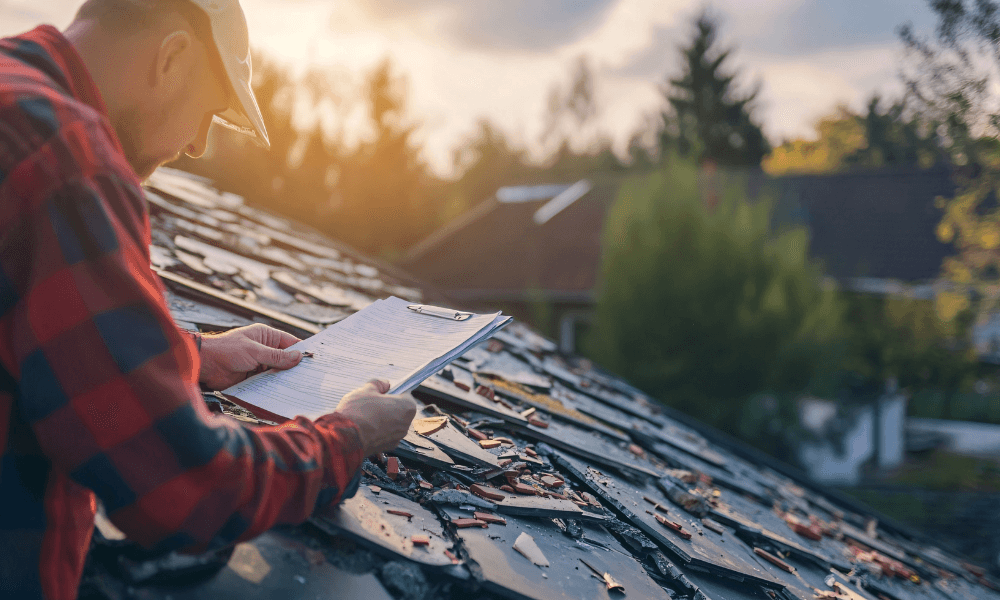
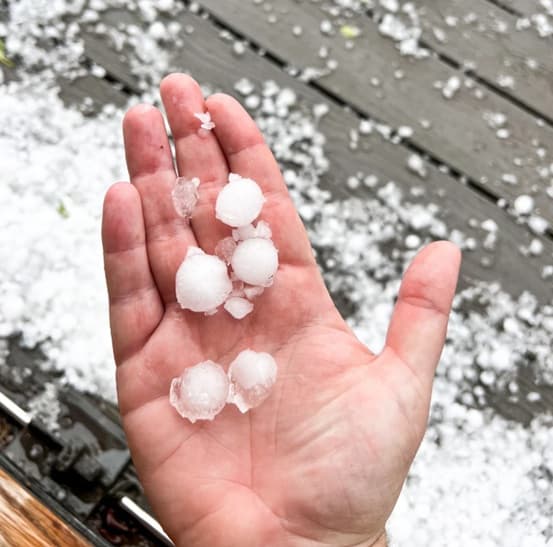
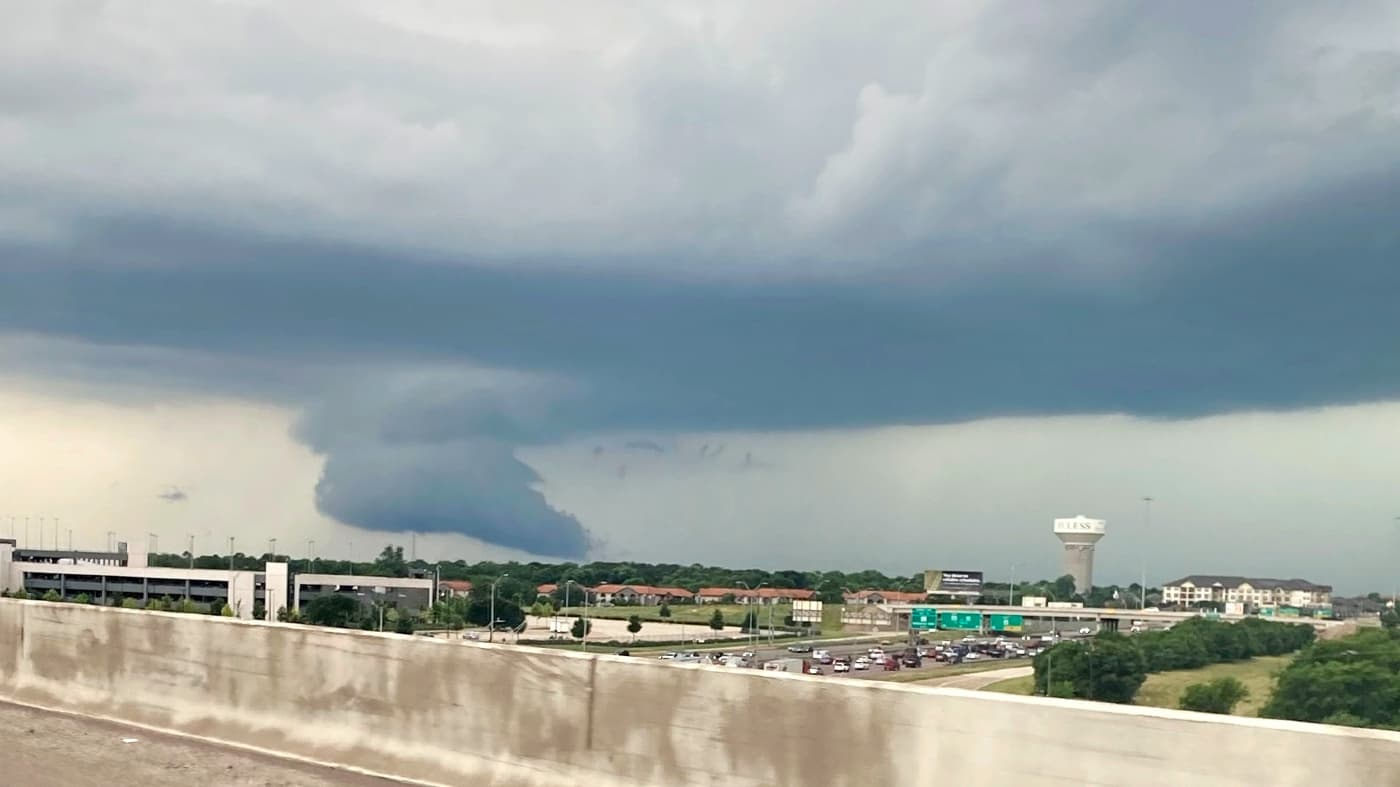
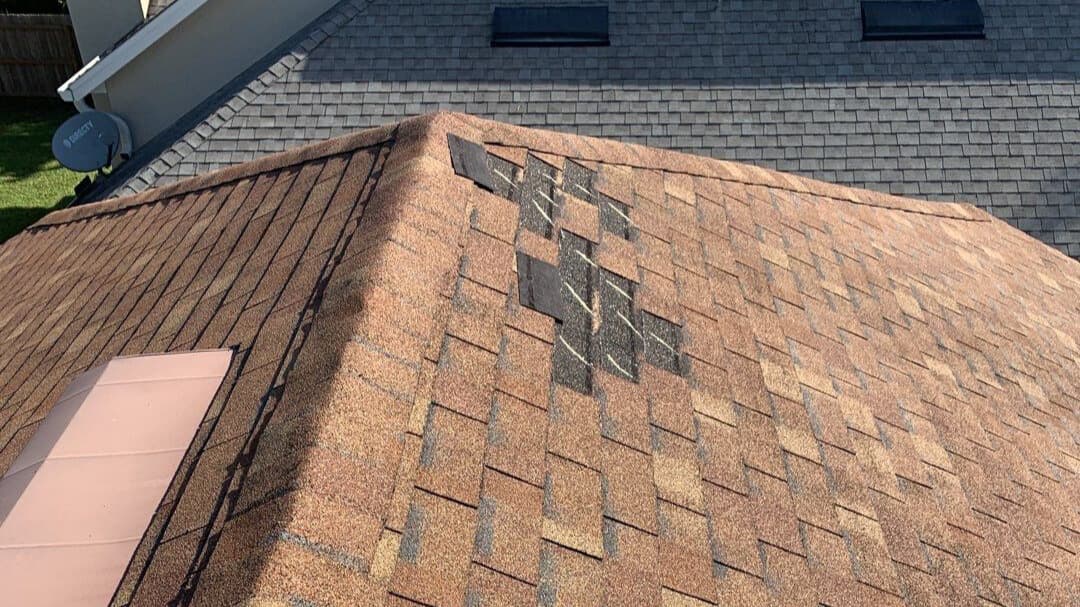
Hail damage is rarely what it appears on the surface. A hailstorm can cost tens of thousands of dollars in hidden damage. The most reliable way to identify hail damage is a professional roof-surface inspection. Homeowner-visible signs include dented gutters and downspouts, dented AC fins, missing granules in the gutters, and dents on soft metals like vents and flashing. Functional damage to shingles typically requires close-up inspection from the roof surface; what looks intact from the ground often has impact bruising, fractured mat, or sub-threshold granule loss that only shows up close. Understanding hail size and its damage potential is essential. Hailstones form when updrafts in thunderstorms carry water droplets into freezing altitudes. Each time the stone is lofted back up by the updraft, it gains another layer of ice. The stronger the storm, the larger the hail. Size matters enormously for damage potential, but so does density, shape, and the angle at which stones strike a surface. Quarter-size hail (1 inch) is the National Weather Service severe-hail threshold, and the size at which significant shingle damage becomes common. However, even marble-size hail (0.75 inch) can strip protective granules from asphalt shingles, exposing the underlying mat to UV rays and accelerating deterioration.
According to NOAA's National Severe Storms Laboratory, hailstones fall at speeds ranging from under 20 mph for small stones to over 100 mph for the largest. Golf ball-size hail falls fast enough to bruise and fracture shingles on impact. Multiply that by thousands of impacts across a roof and you begin to understand why a single storm can require a full roof replacement. Functional damage versus cosmetic damage is a critical distinction in hail claims. Functional damage impairs the performance of the material, such as granule loss that shortens shingle life or cracks that allow water infiltration. Cosmetic damage affects appearance only. Many policies have cosmetic damage exclusions, but insurers sometimes misclassify functional damage as cosmetic to reduce payouts. A hail claim is rarely denied outright, it is reduced by deductible structure, endorsements, and valuation language most homeowners never read until they file. Your wind/hail deductible is usually a percentage, not a flat dollar amount. Many Texas and Florida policies carry a separate wind/hail deductible expressed as a percentage of Coverage A (the dwelling limit), commonly 1% to 5%, rather than the flat amount on the rest of the policy. A Cosmetic Damage Exclusion (CDE) endorsement removes coverage for hail damage that alters only appearance without impairing function. The exclusion applies only when both conditions are true: appearance-only AND no loss of function. Granule loss that exposes the shingle mat, a fractured factory coating, or a panel that no longer channels water is functional, not cosmetic.
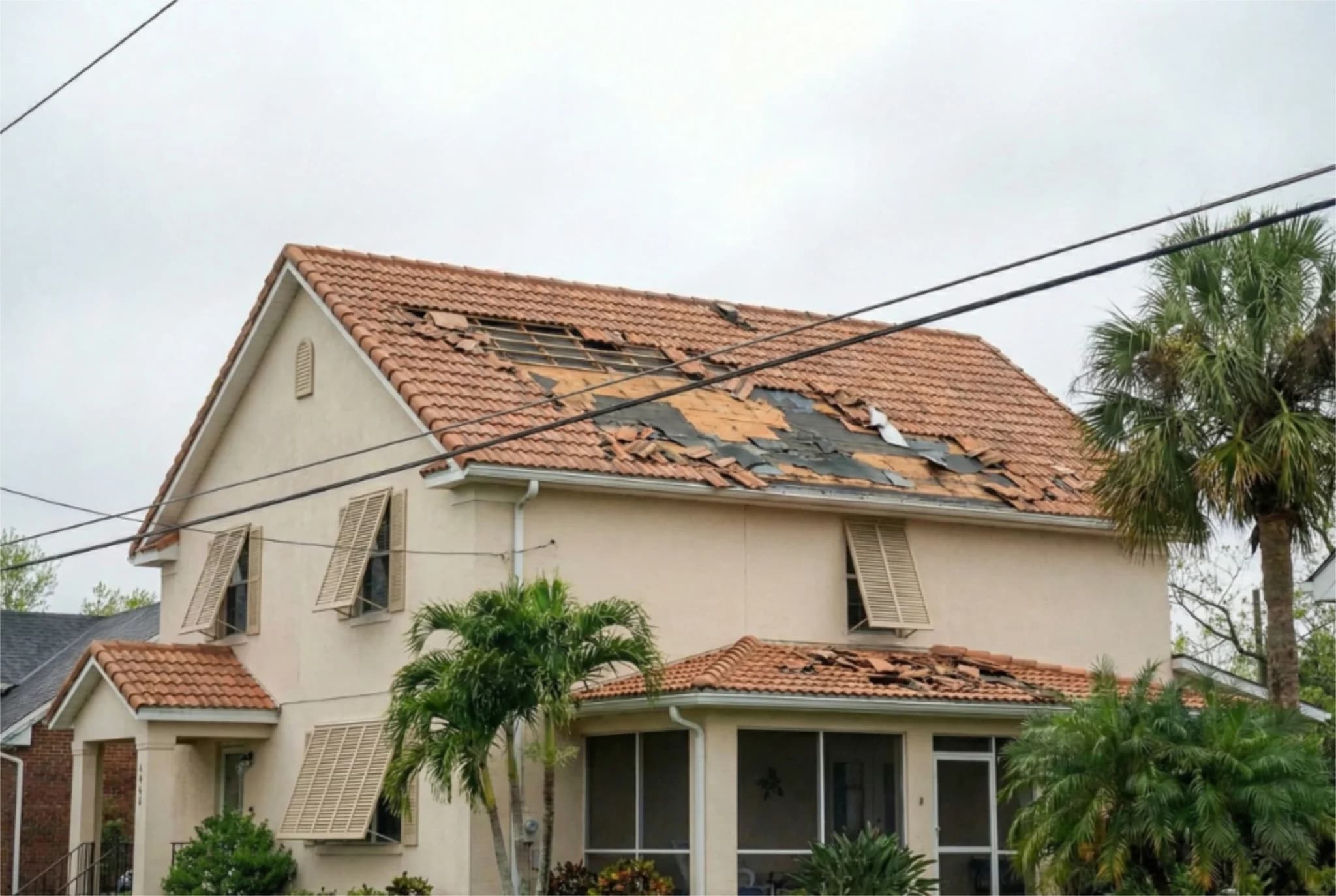
A growing number of carriers attach a roof-payment schedule (also called a Roof Surfacing Payment Schedule or Actual Cash Value roof endorsement) that pays the roof at depreciated Actual Cash Value or a fixed percentage of replacement cost based on the roof's age, even on an otherwise Replacement Cost policy. An older roof can drop to a fraction of replacement cost under this schedule. Even without a roof schedule, Replacement Cost policies pay first at Actual Cash Value and hold back recoverable depreciation that is released only after repairs are completed and invoiced. Money many homeowners never go back to collect. When hail damages part of a continuous surface and the replacement won't match (discontinued product, weathered color), Florida addresses matching by statute: where replaced items do not match adjacent undamaged items in quality, color, or size, the statute speaks to repair or replacement of items in adjoining areas. Texas has no matching statute, so the argument runs through the policy's own like kind and quality and preloss-condition language. When a hail-damaged roof is replaced, current building code may require upgrades the old roof never had: ice-and-water shield, upgraded decking, drip edge, or enhanced fastening. Standard dwelling coverage does not pay for code-driven upgrades; Ordinance or Law coverage does, usually as a separate percentage limit. Hail damage is not only the roof. Bent condenser fins on the exterior AC unit, dented gutters and downspouts, damaged vents and flashing, and damage to fences, sheds, and detached garages (covered under Other Structures, Coverage B, a separate limit) are all part of a complete hail claim. Carriers dispute whether hail of damaging size hit your specific address. Licensed public adjusters obtain certified hail-verification reports (NOAA/NWS storm data plus private weather services) documenting hail size, date, and the storm's path over your property, the causation evidence that defeats a no storm or pre-existing denial.
The insurance company has a team of professionals working for them. You deserve one working for you. Self-represented claimants routinely miss hidden damage. Hail damage to roofing underlayment, HVAC coils, and siding substrates requires trained eyes and often specialized tools to identify. Without knowledge of policy language, policyholders often accept ACV settlements and never file for recoverable depreciation, leaving thousands of dollars on the table. Insurers may use depreciation schedules that are overly aggressive. A licensed public adjuster challenges these calculations with industry-standard pricing data. Policyholders who give recorded statements without preparation often inadvertently say things that are used to limit or deny their claim. Missing the deadline to dispute a settlement or invoke appraisal can permanently limit your recovery. DCS personnel include former carrier field adjusters and team leads with carrier-side claims handling experience. We know exactly how the other side evaluates claims. We have handled thousands of hail damage claims across Texas and Florida and know the local storm patterns, common damage types, and insurer tendencies in each market. Our inspections use calibrated measurement tools, certified weather data, and construction cost databases to build a claim that is difficult to dispute. We work on contingency. You pay nothing unless we recover money for you. Our interests are perfectly aligned with yours. We handle all communication with the insurance company so you can focus on your family and your recovery.
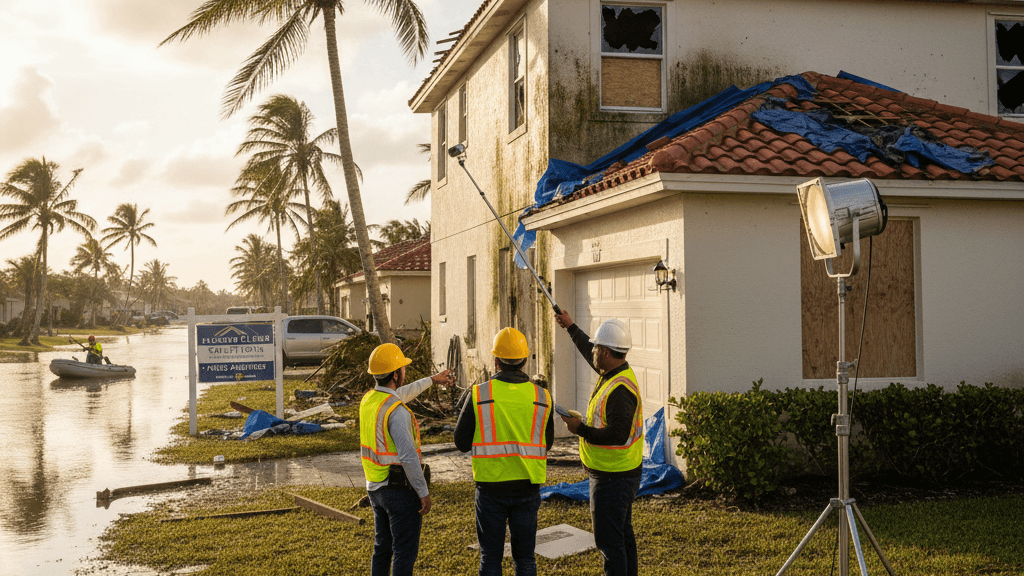
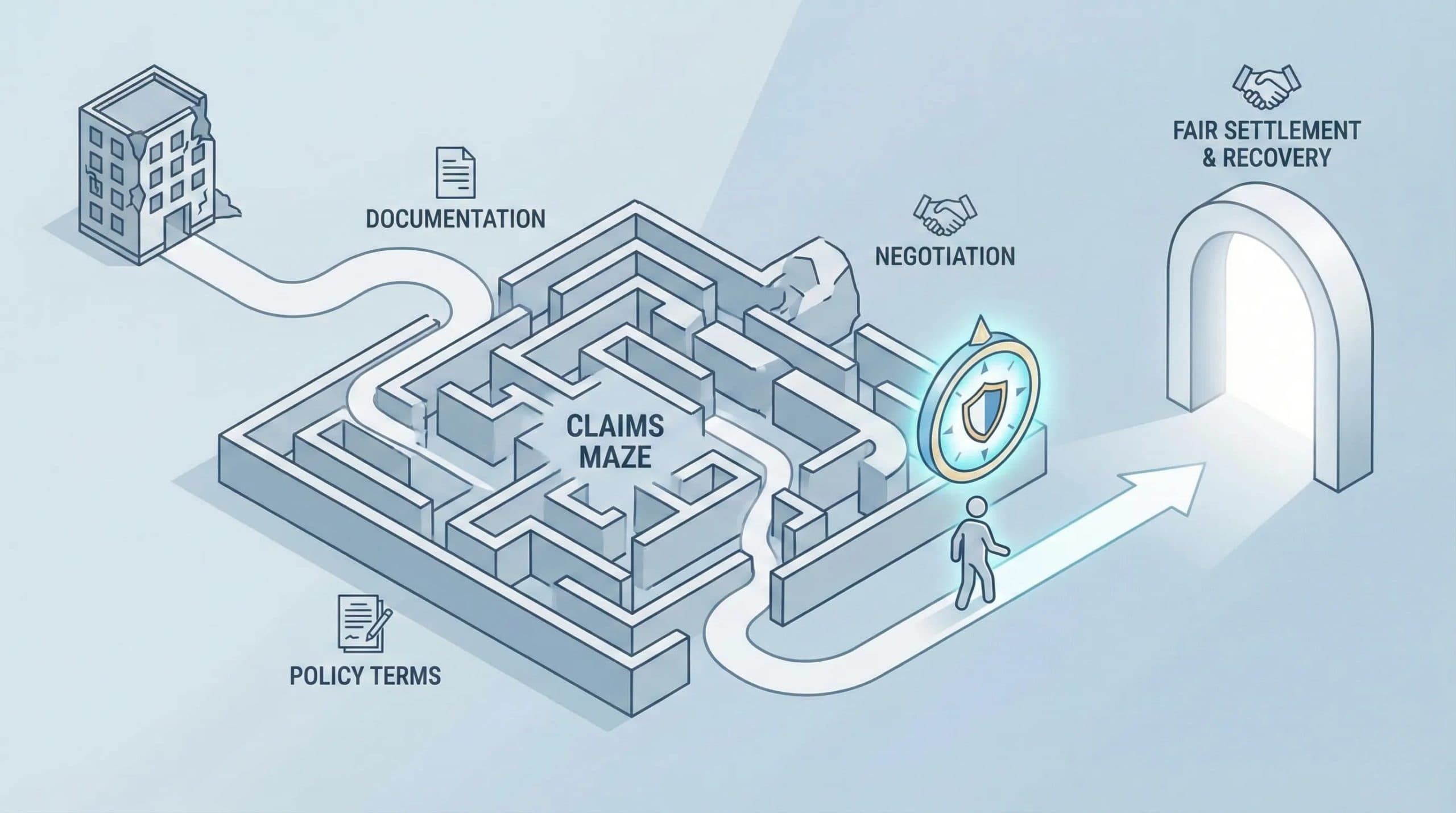
Right now, if you have experienced hail damage, ensure safety first by not walking on a damaged roof and staying clear of broken glass or debris. Document everything immediately by photographing all exterior surfaces, gutters, HVAC units, vehicles, and any hailstones still on the ground, using a coin or ruler for scale. Make emergency repairs only by placing tarps over any areas where the roof is clearly breached to prevent water intrusion, keeping all receipts and avoiding permanent repairs until your claim is settled. Report the claim to your insurer by writing down the claim number, the adjuster name, and the date of every conversation, and do not give a recorded statement without representation. Contact a licensed public adjuster before the carrier's adjuster arrives. The earlier professional representation is involved, the better. Do not accept the first offer without review, as initial settlement offers are often based on a scope of damage that is incomplete. Complete repairs and submit for recoverable depreciation once repairs are complete by submitting your contractor invoices to recover any depreciation that was withheld in the initial payment. Five Star Claims Adjusting stands ready to assist Florida and Texas property owners with comprehensive storm damage documentation and claim maximization. Our team specializes in hurricane, hail, wind, and water damage claims, working on a no recovery, no fee basis to ensure your rights are protected and your claim reflects the true scope of loss. Contact us today for a free claim review and let us help you navigate the complex process of property insurance recovery.
This article has been sourced from press releases and cross-referenced with multiple websites. Facts originally seen at Source.