Understanding Storm Risk And Claim Preparation In The Gulf Coast Region
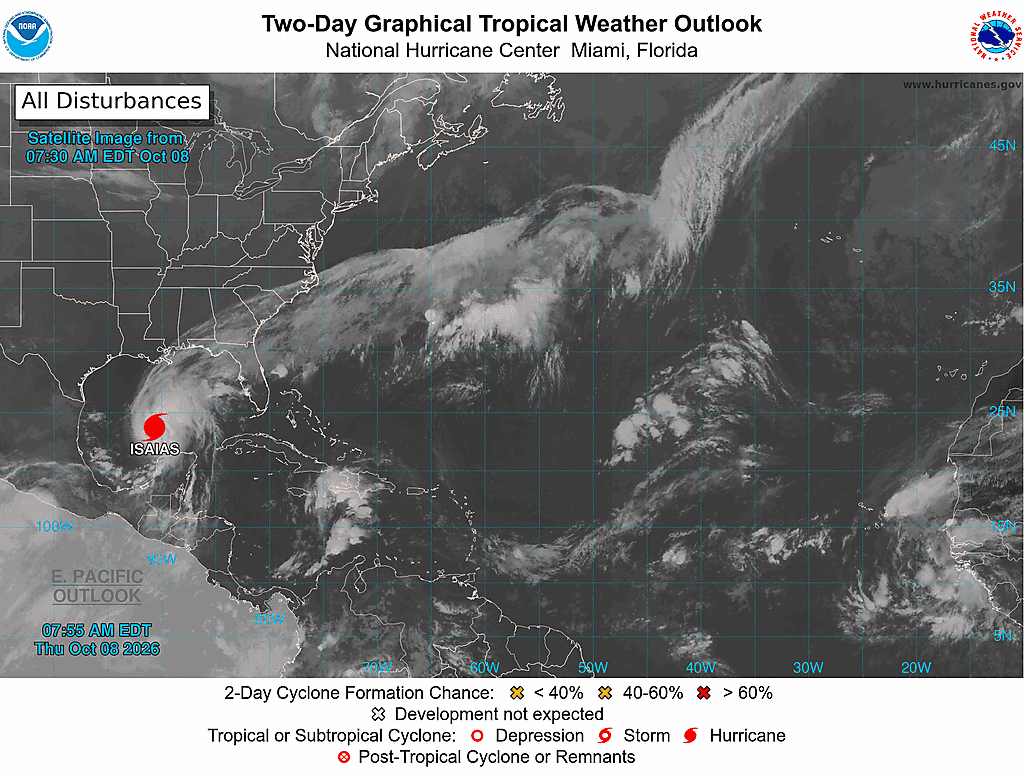
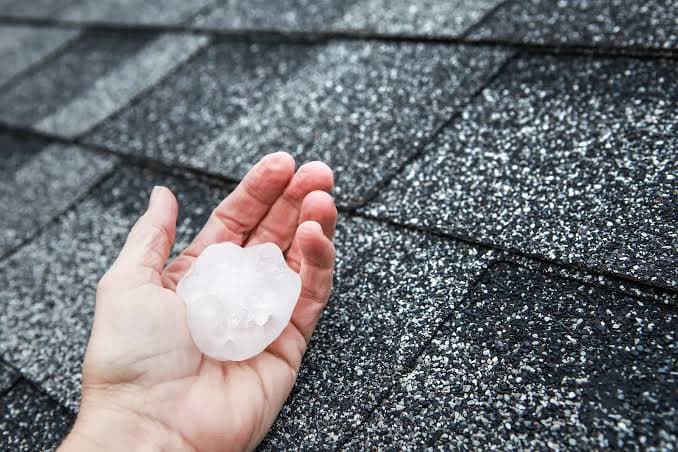
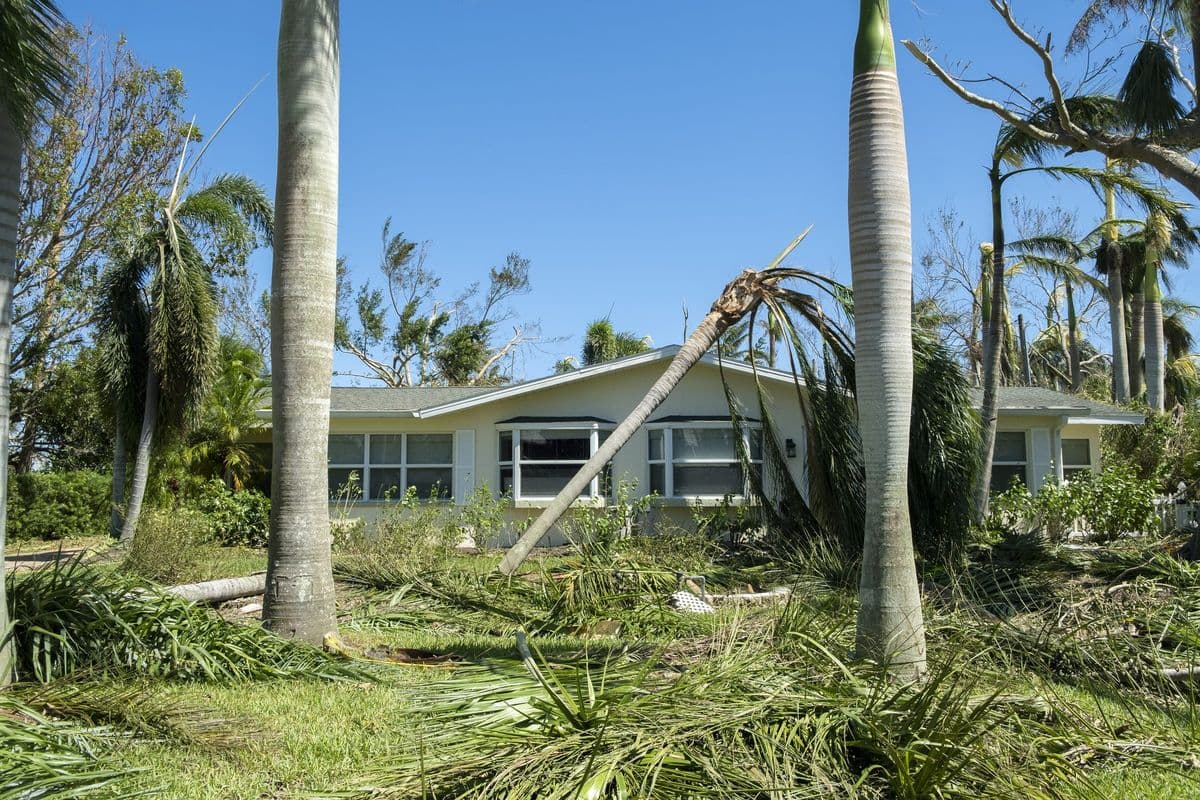
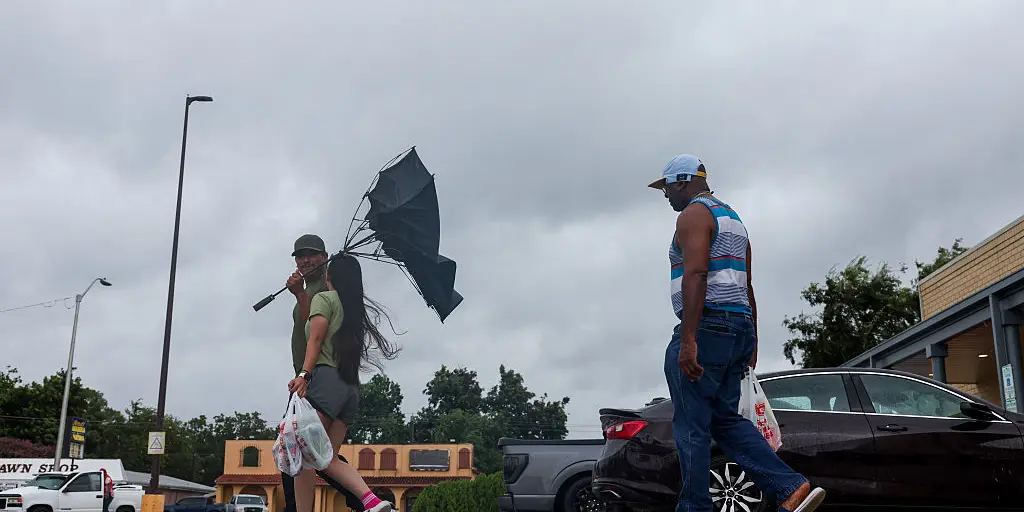
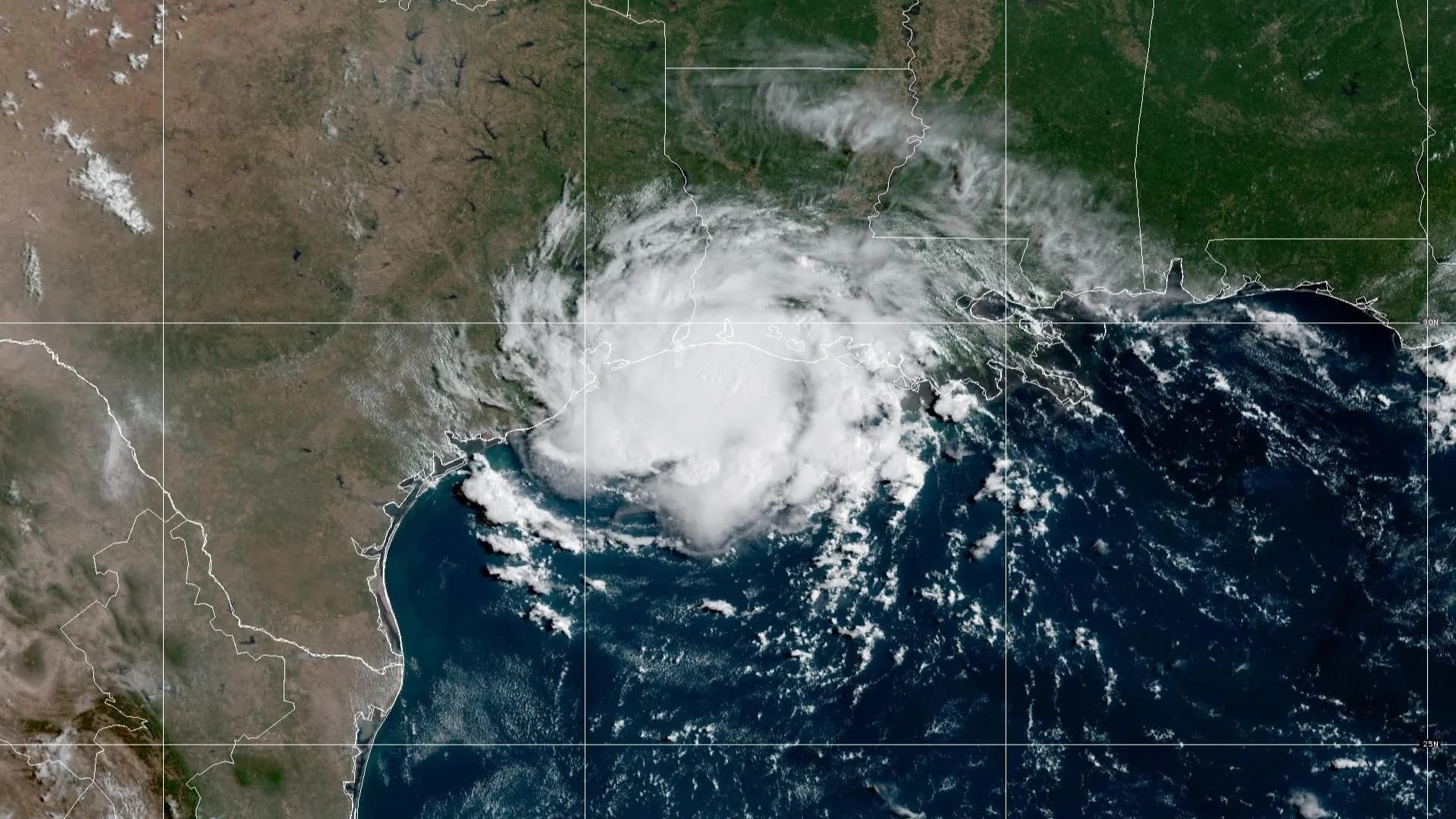
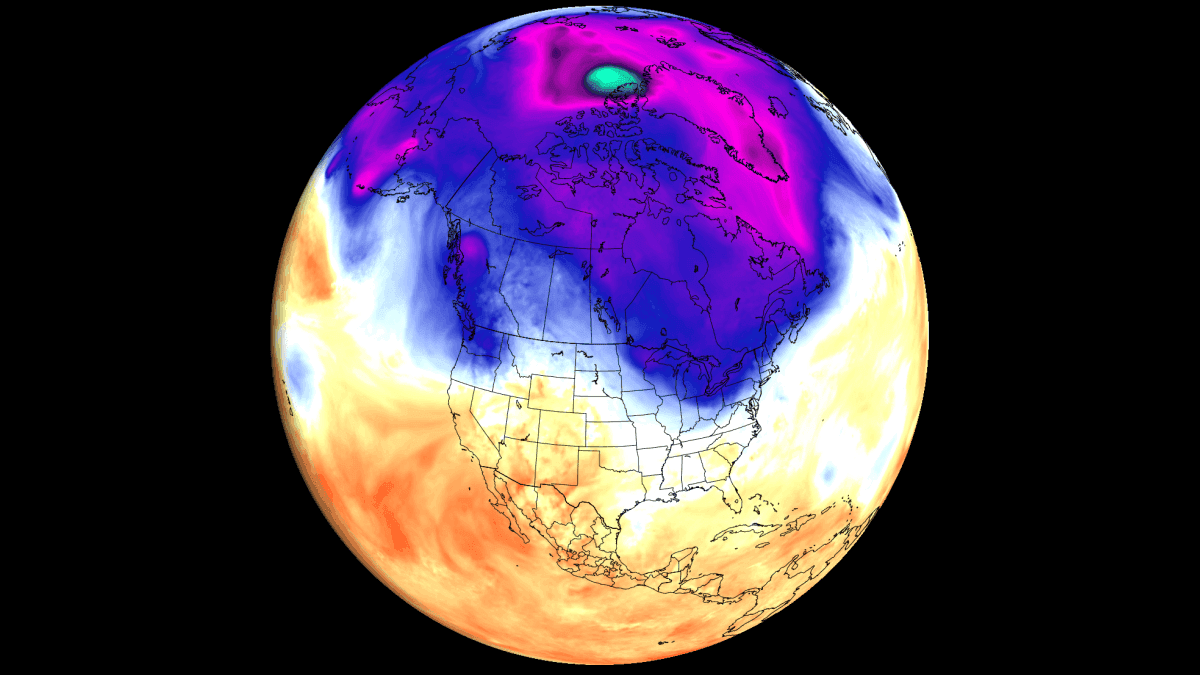
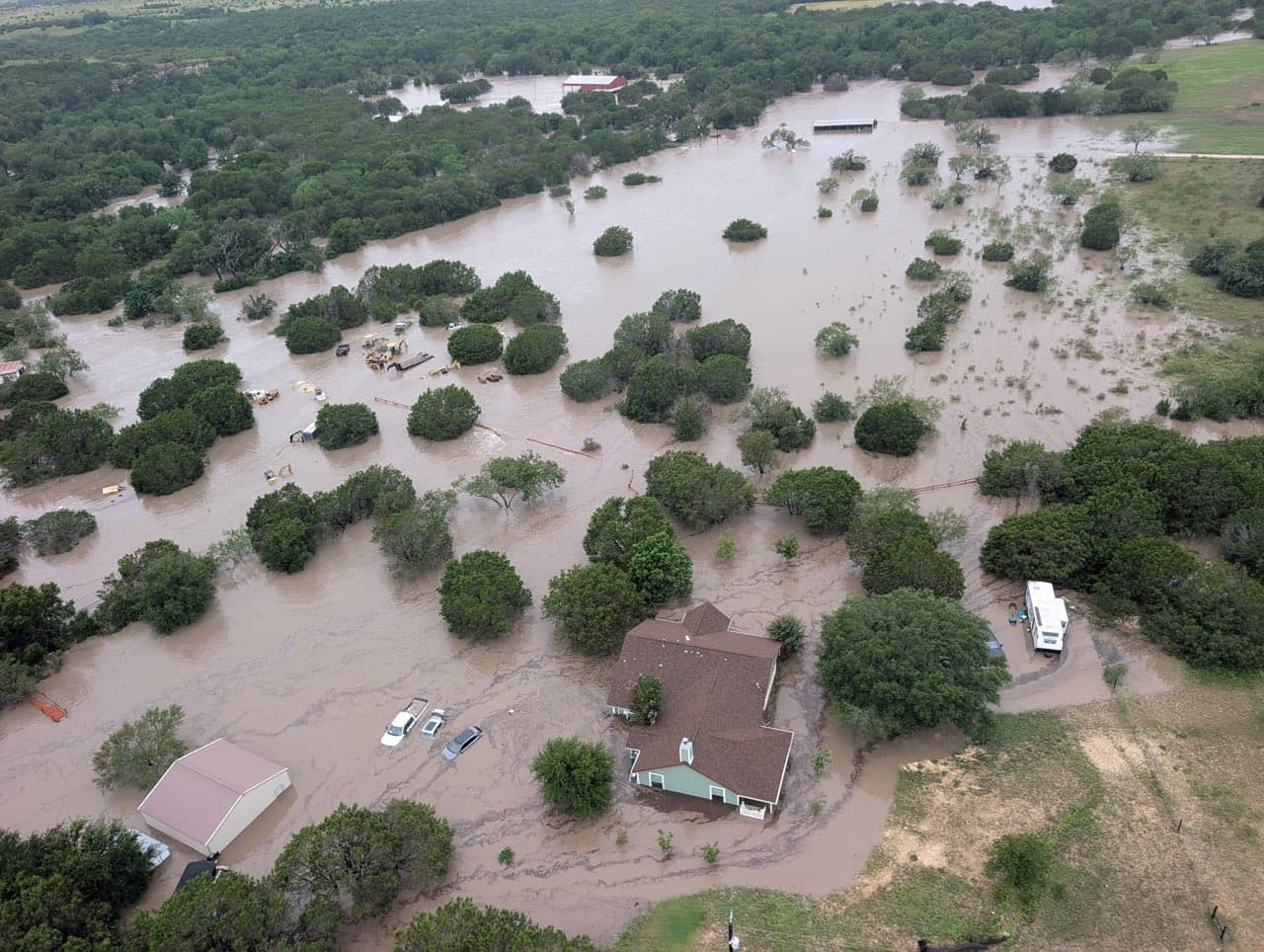
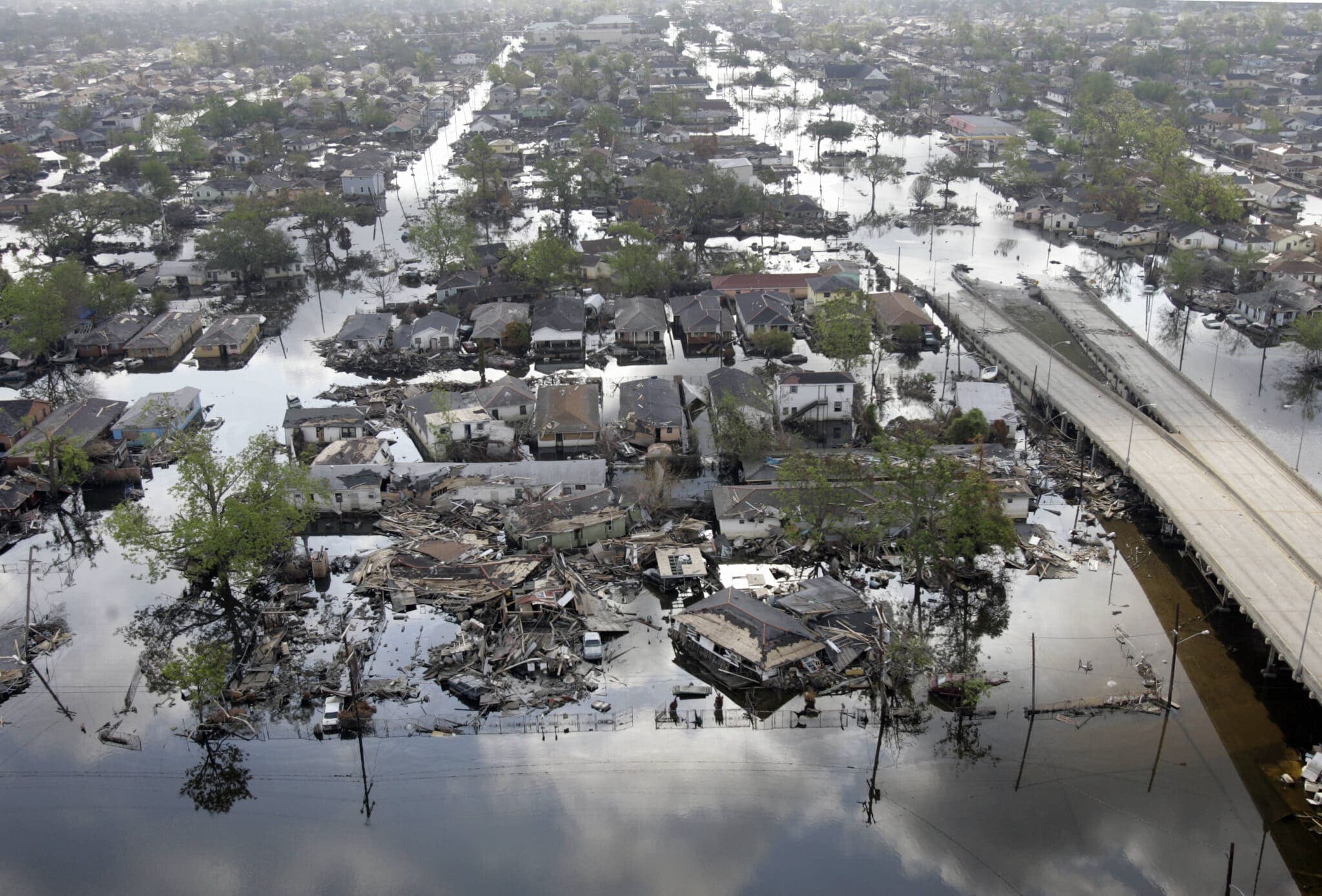
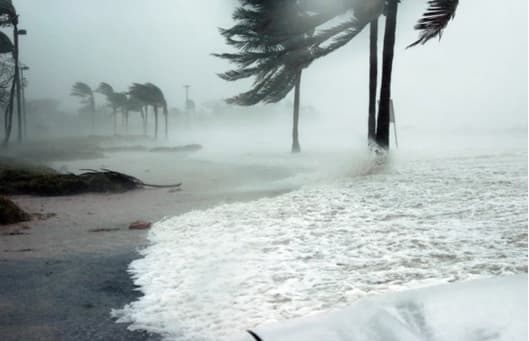
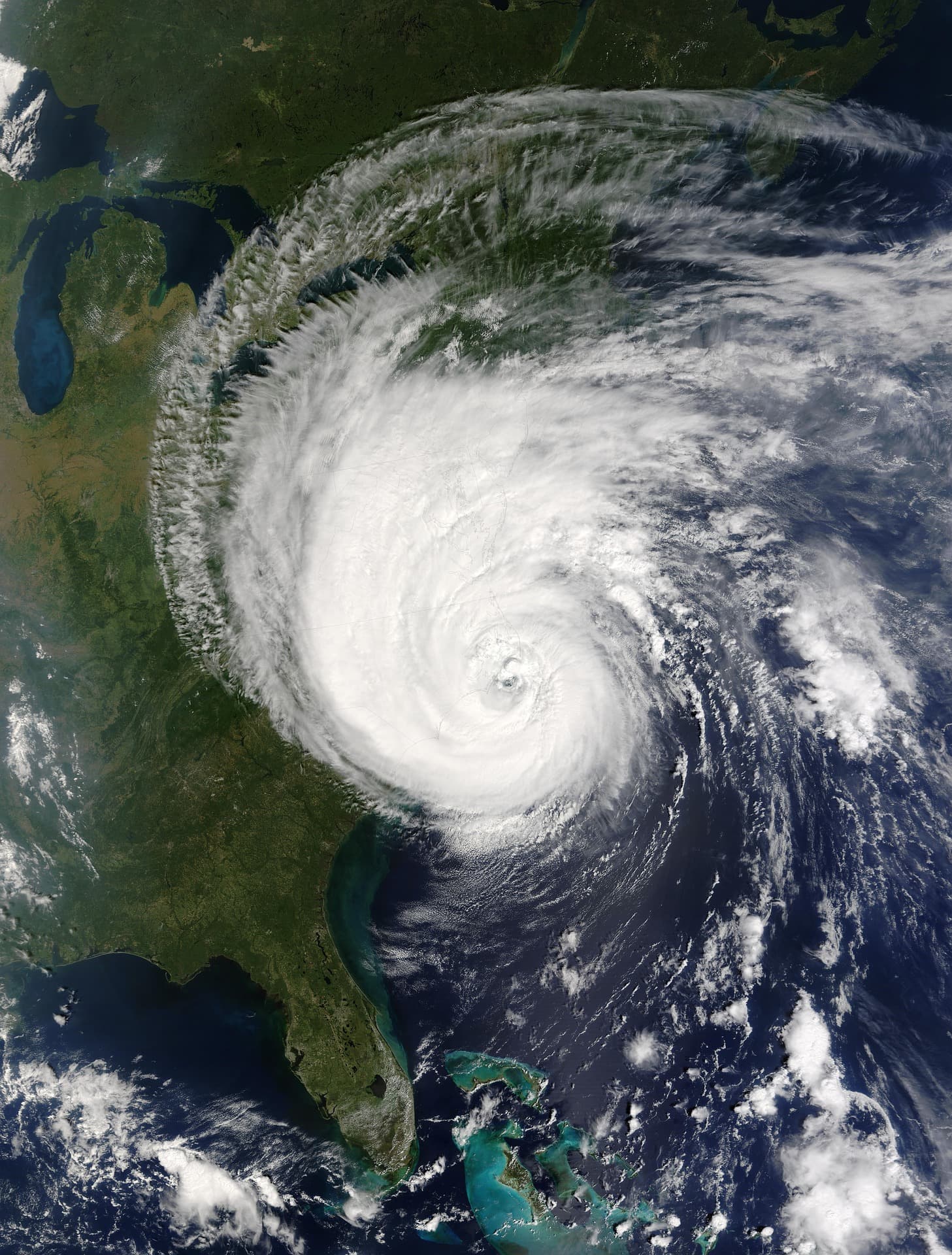
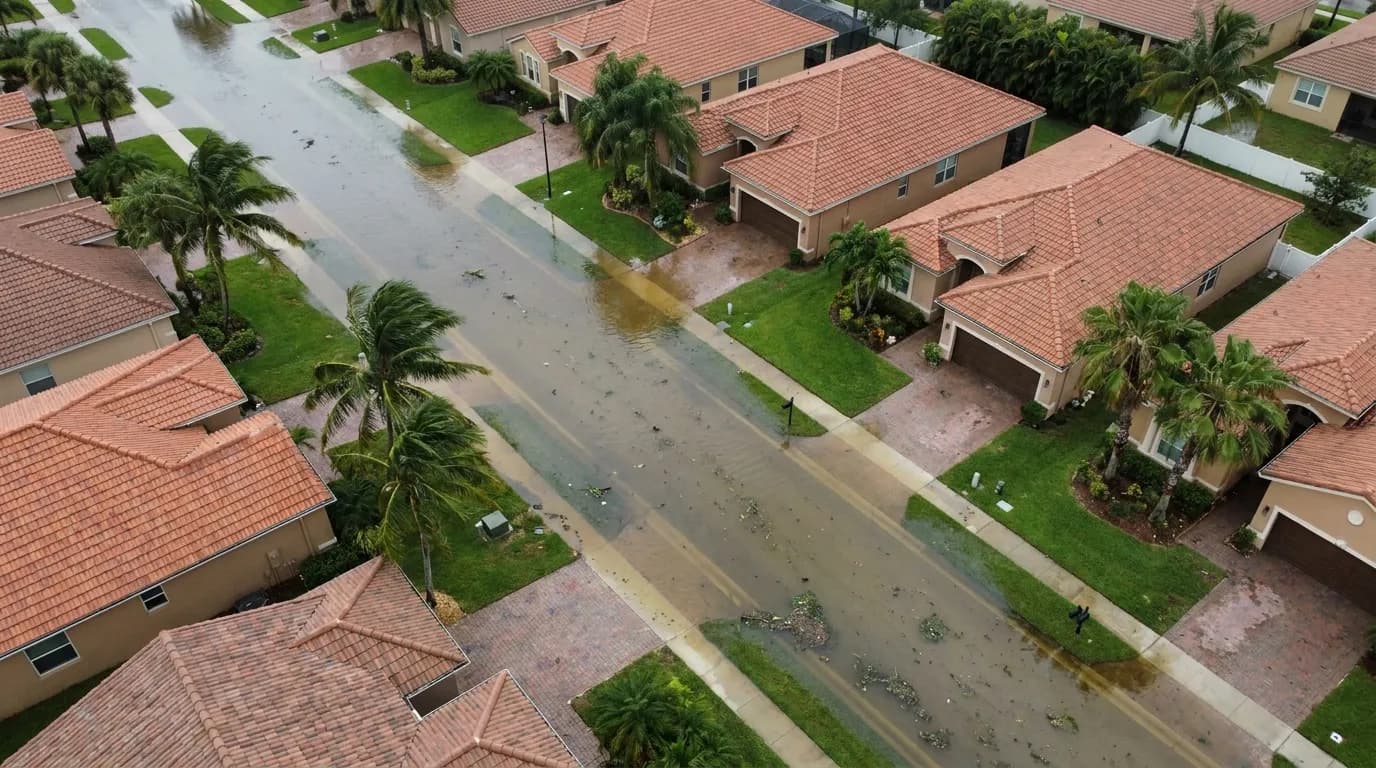
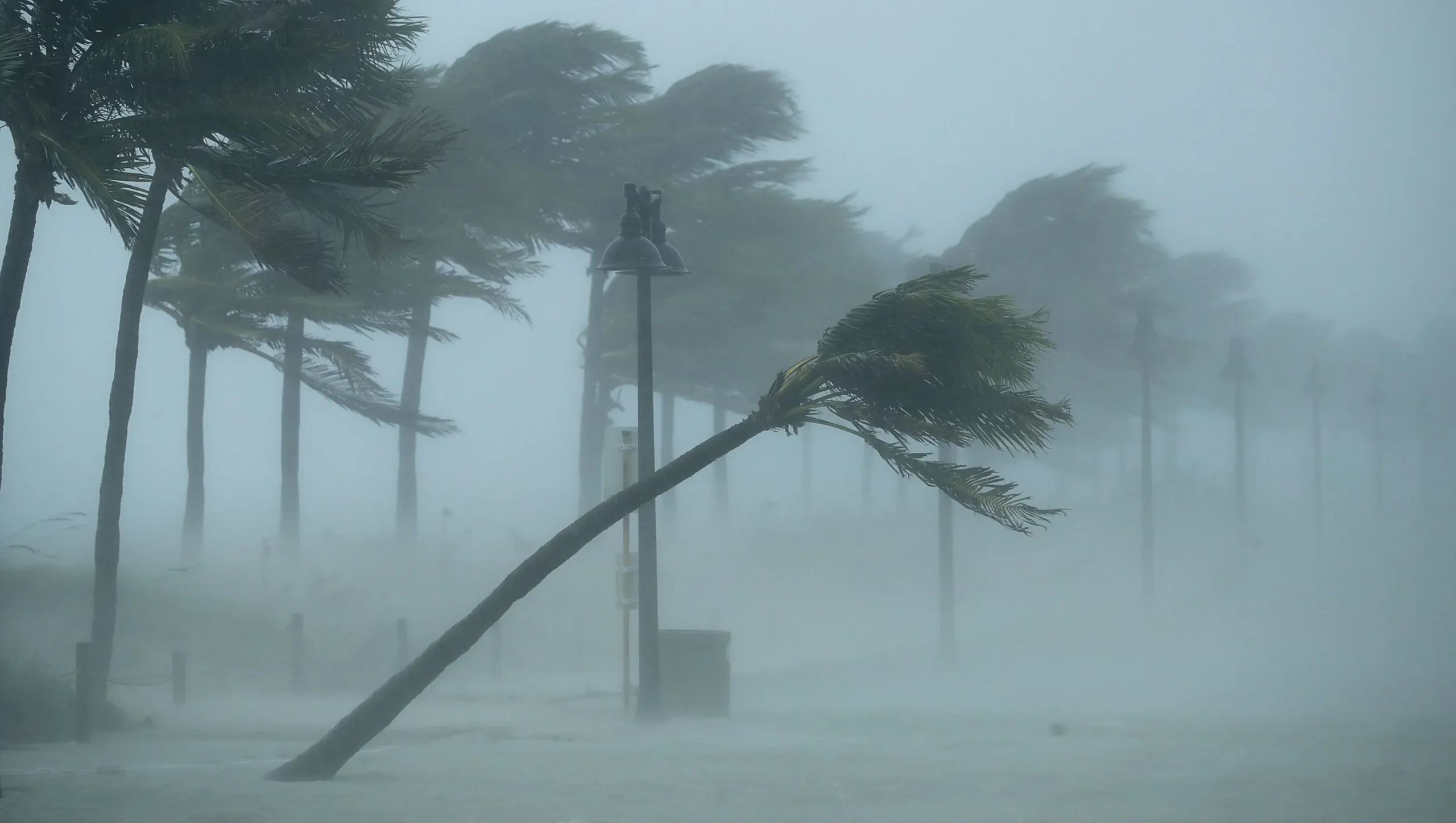
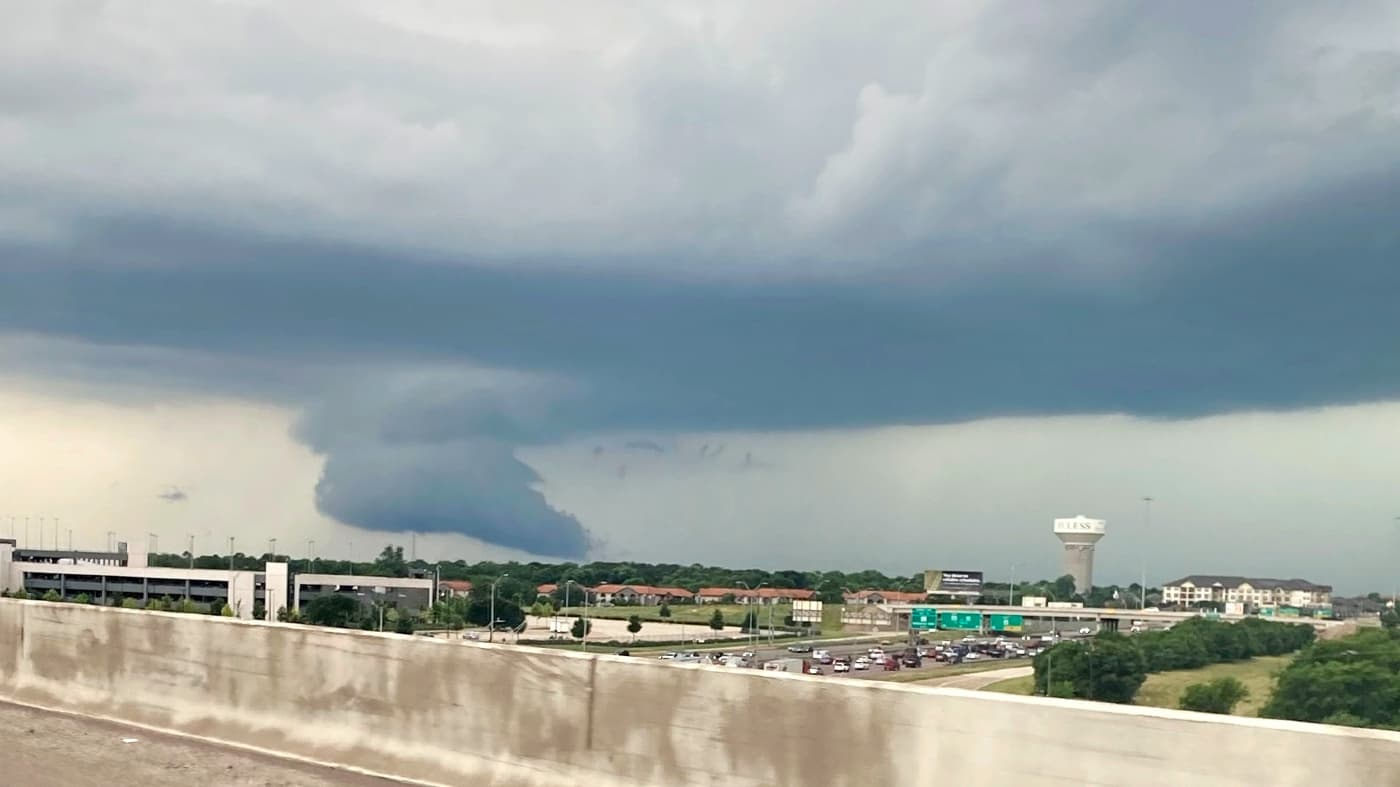
Houston’s geographic position along the Gulf Coast makes it one of the most weather-vulnerable regions in the United States. The city experiences a complex interplay of tropical systems, severe thunderstorms, hail events, and occasional freezing conditions that can devastate residential and commercial properties. Understanding these weather patterns and their insurance implications has become essential for property owners who want to maximize their claim recovery when disaster strikes. The Houston area faces multiple weather threats throughout the year. During hurricane season, which runs from June through November, tropical systems can bring catastrophic wind damage, flooding, and structural failures. Outside of hurricane season, the region remains susceptible to severe convective storms that produce hail, straight-line winds, and flash flooding. Winter months occasionally bring freeze events that damage pipes, HVAC systems, and exterior structures. Each of these weather events creates distinct claim scenarios that require different documentation and assessment approaches.
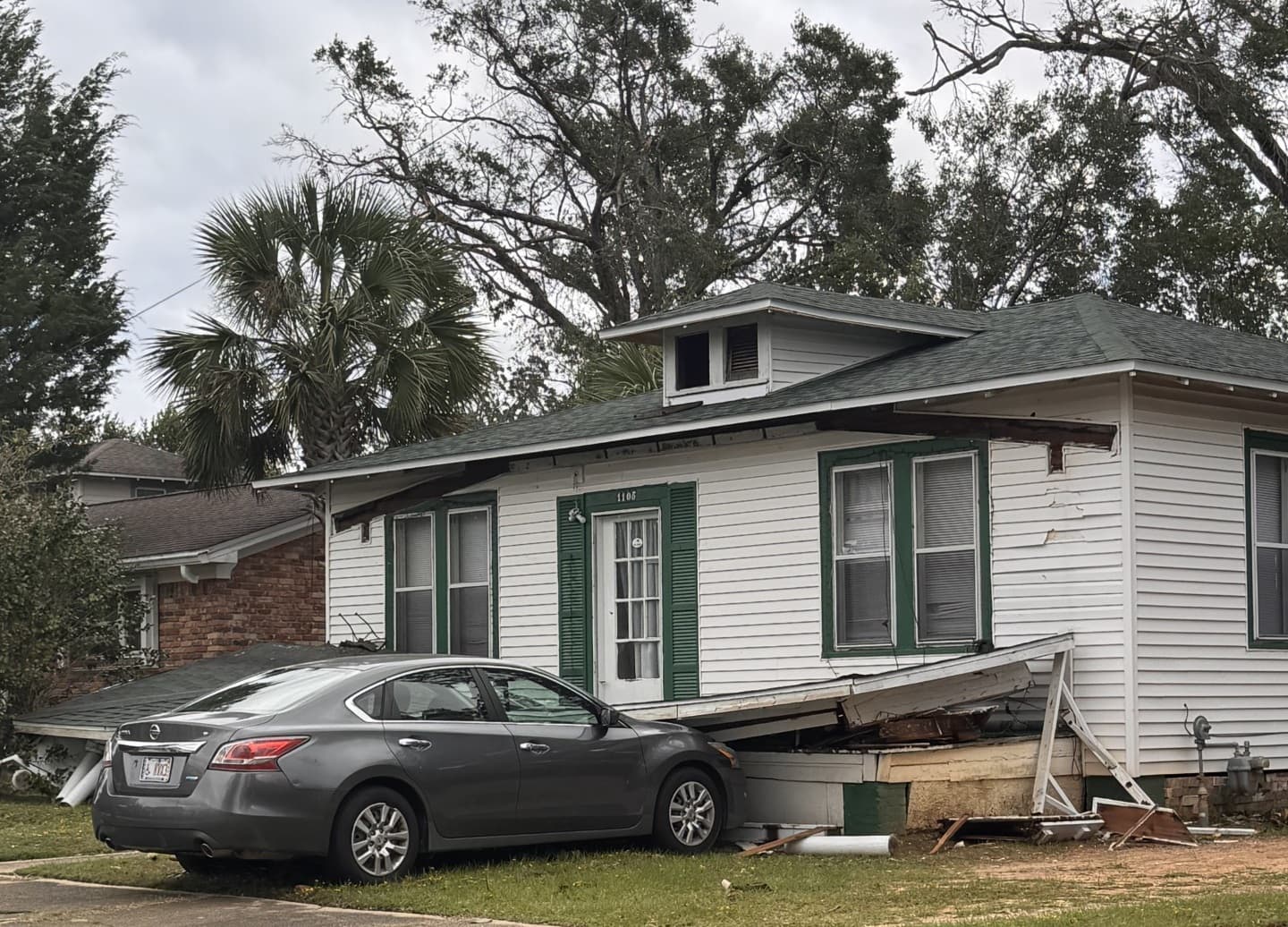
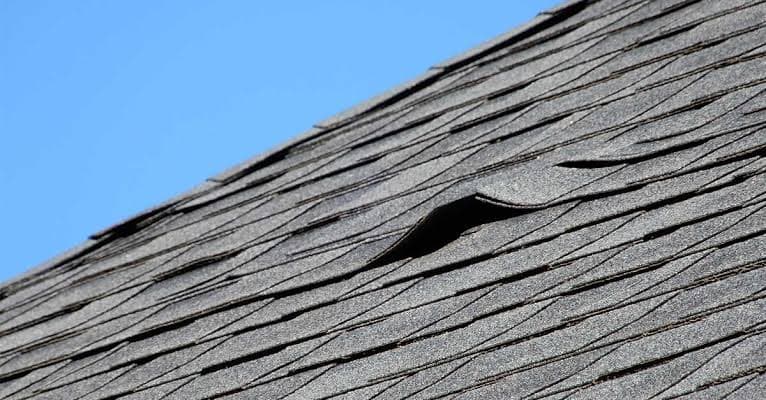
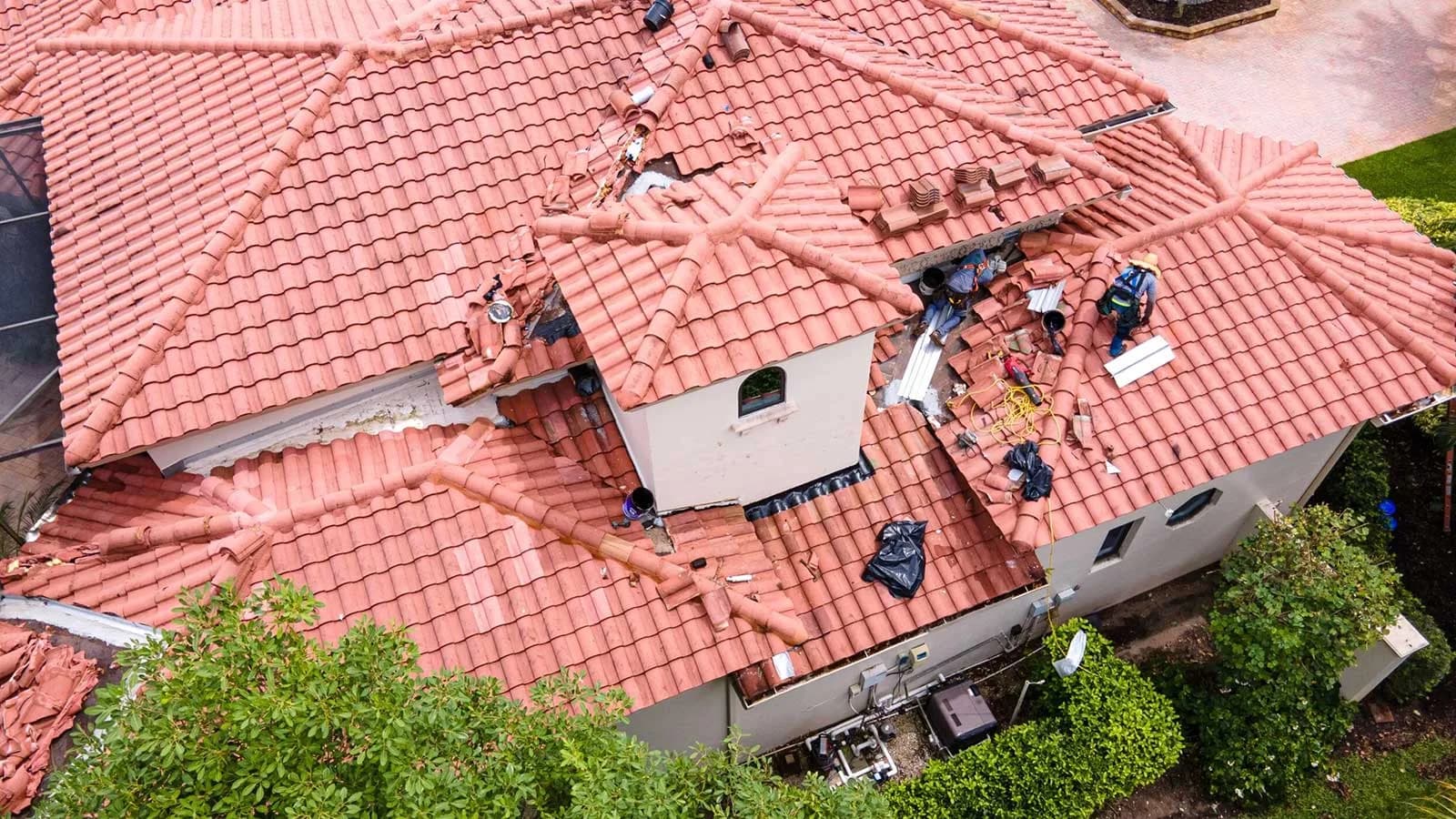
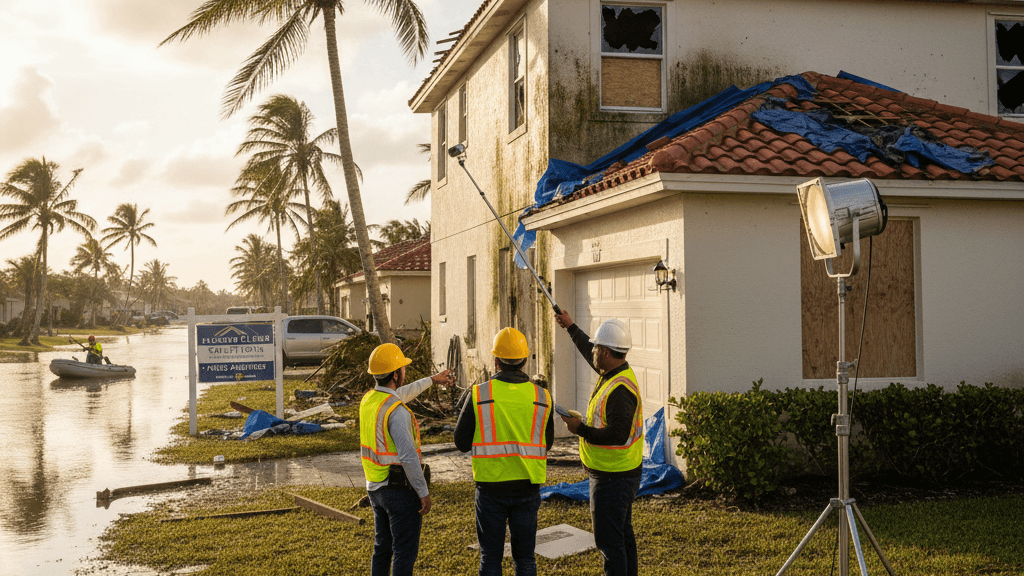
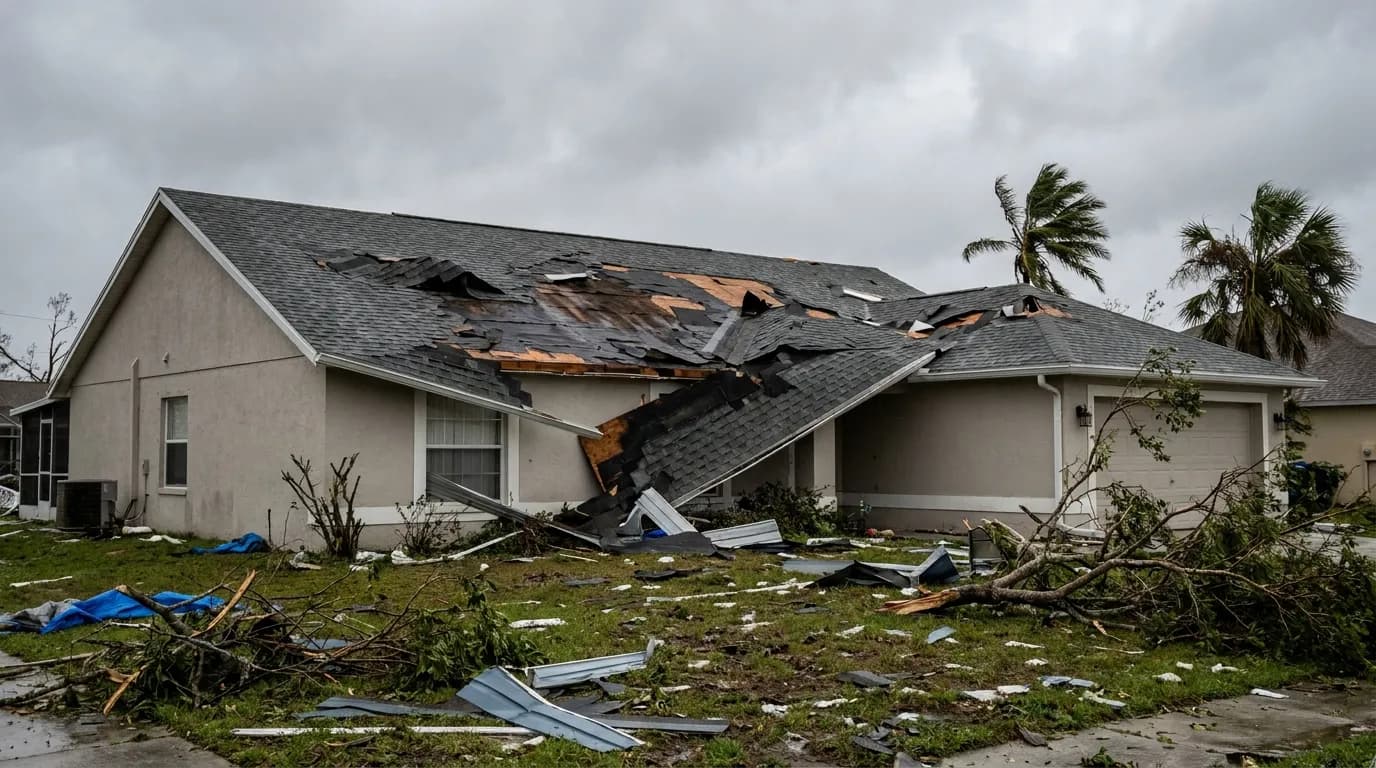
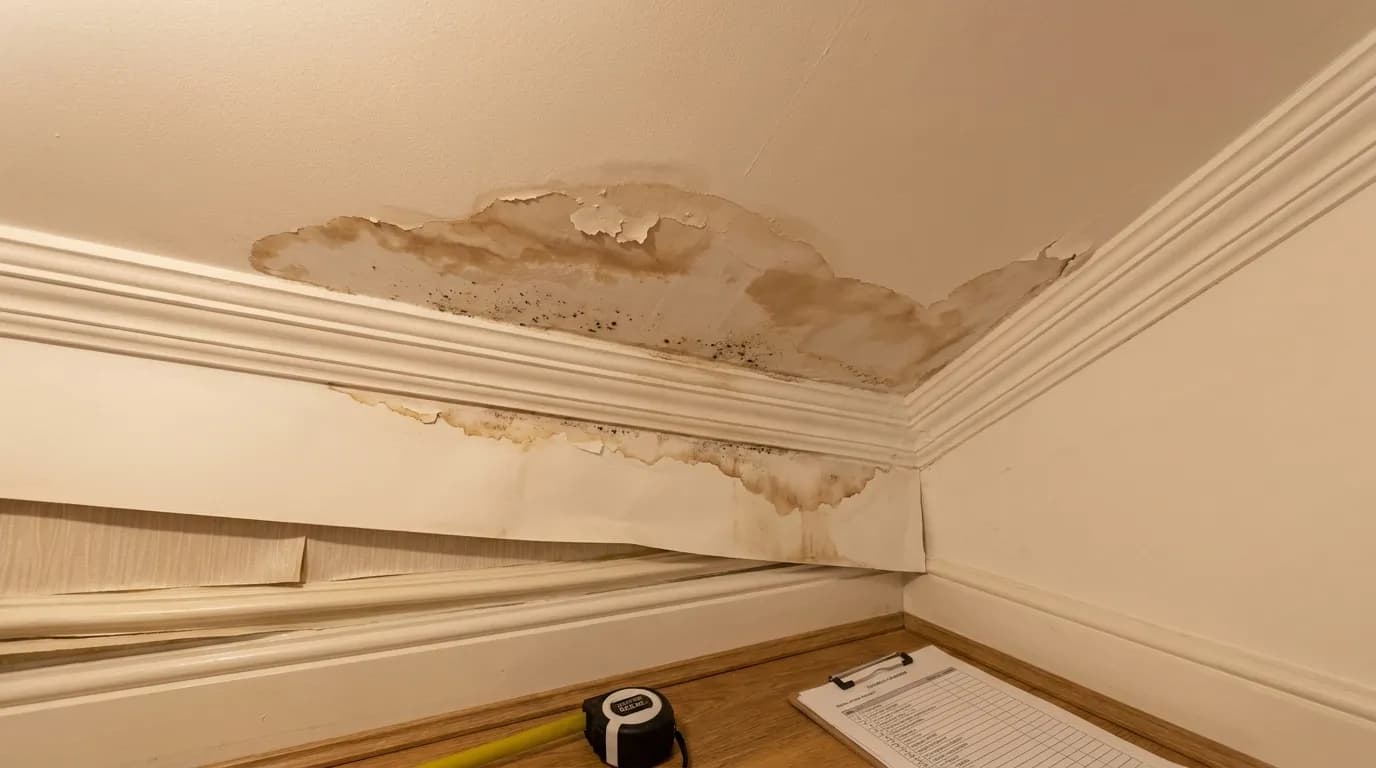
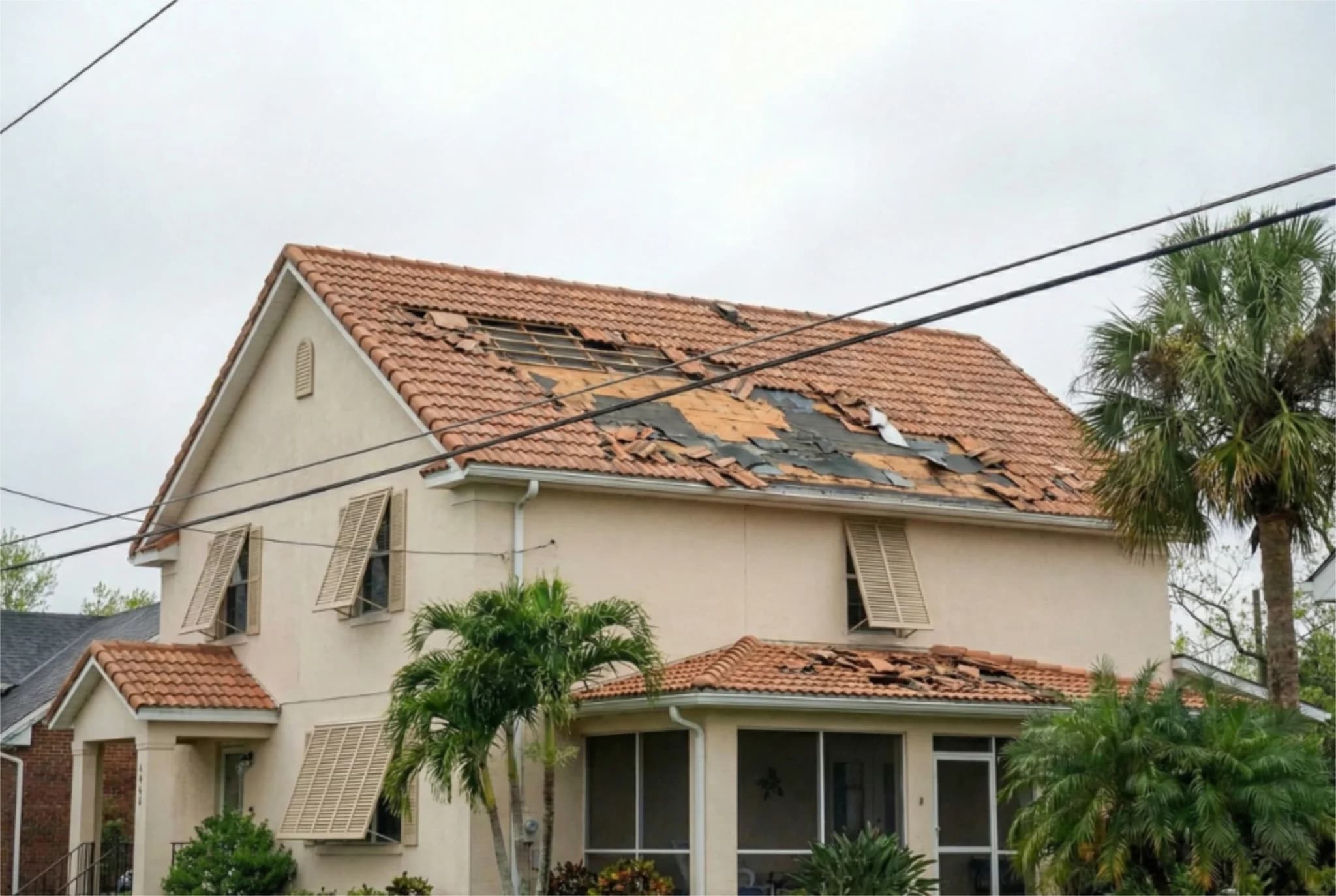
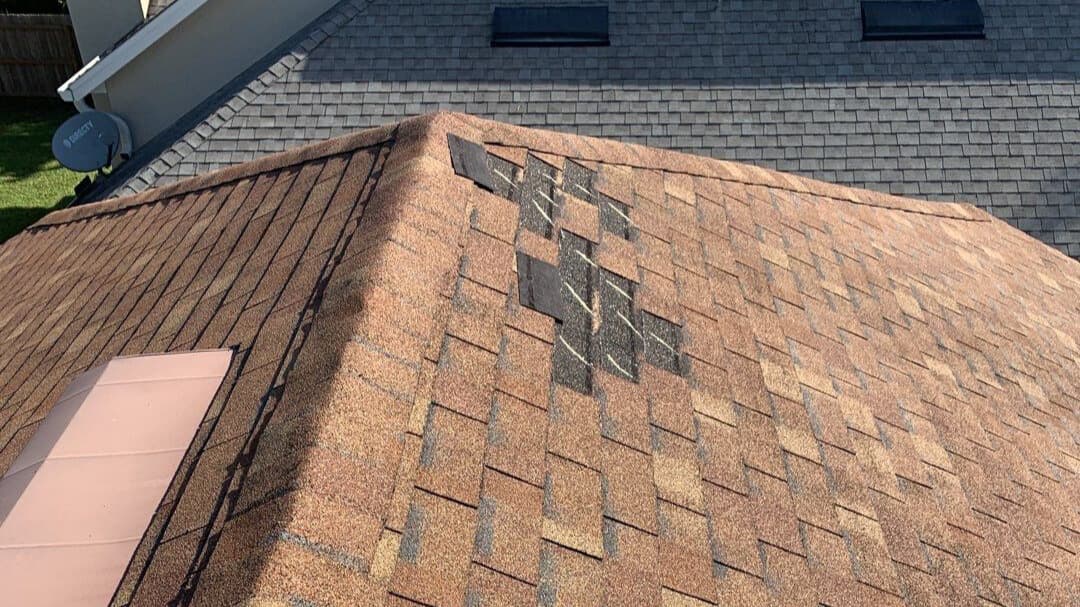
Property owners in Houston should recognize that weather-related damage claims follow specific protocols and timelines. When a storm event occurs, the first critical step is documenting all visible damage with photographs and video before any cleanup or repairs begin. Insurance carriers require this documentation to evaluate claims fairly, and missing this window can significantly reduce claim values. Many homeowners make the mistake of immediately removing debris or boarding up damage without proper photographic evidence, which can complicate the claims process. The complexity of Houston’s weather patterns means that damage assessments often require specialized expertise. A single storm event might produce wind damage to roofing, hail damage to siding and gutters, water intrusion from compromised seals, and foundation settling from soil saturation. Each type of damage falls under different policy provisions and may require separate evaluation. Professional public adjusters and claims specialists understand how to identify all claimable damage and present it comprehensively to insurance carriers.
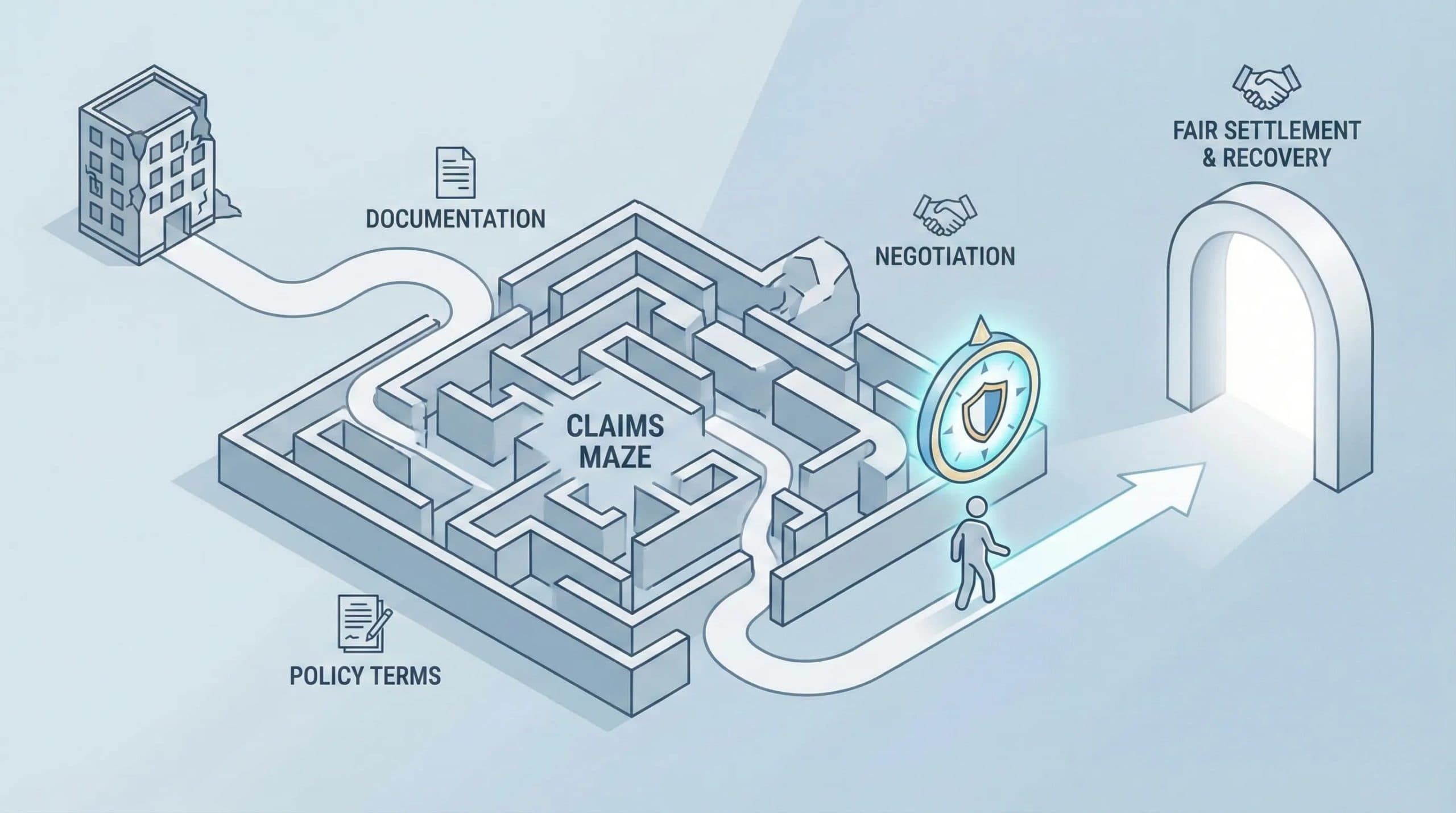
Five Star Claims Adjusting specializes in helping Houston property owners navigate storm damage claims with expertise in hurricane assessment, hail damage evaluation, and water intrusion documentation. When severe weather strikes the Houston area, Five Star’s team can conduct thorough property inspections, identify all claimable damage, and work with homeowners to ensure their claims reflect the true extent of losses. This advocacy-focused approach has proven invaluable for property owners facing complex weather-related damage scenarios. The insurance claim process in Texas operates under specific regulations that protect policyholders’ rights. Property owners have the right to hire their own adjuster to represent their interests, a practice known as public adjusting. This is particularly important in Houston, where the frequency and severity of weather events mean that many claims are initially undervalued by insurance carriers. Having an independent professional review the damage ensures that all claimable losses are identified and properly documented.
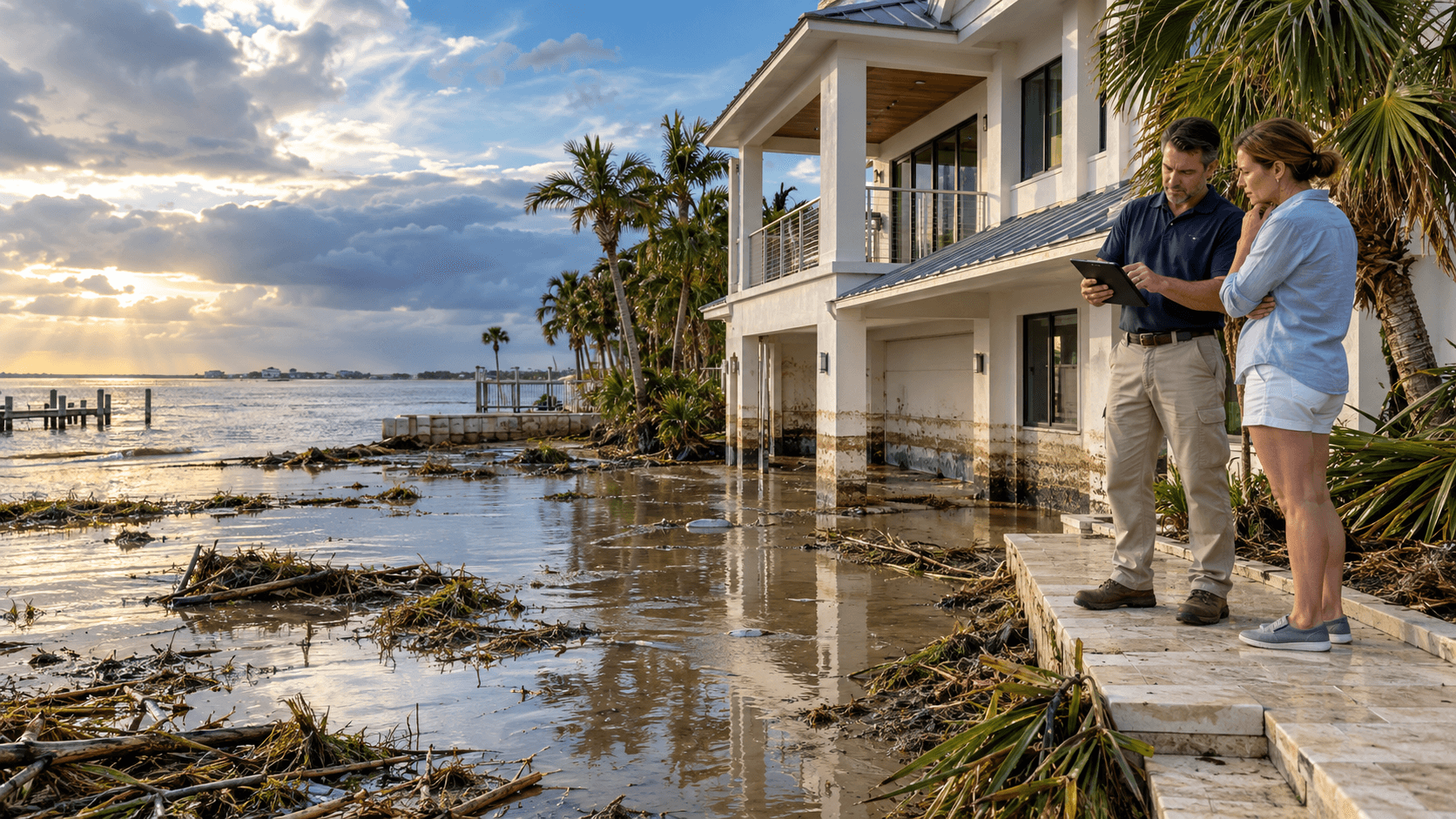
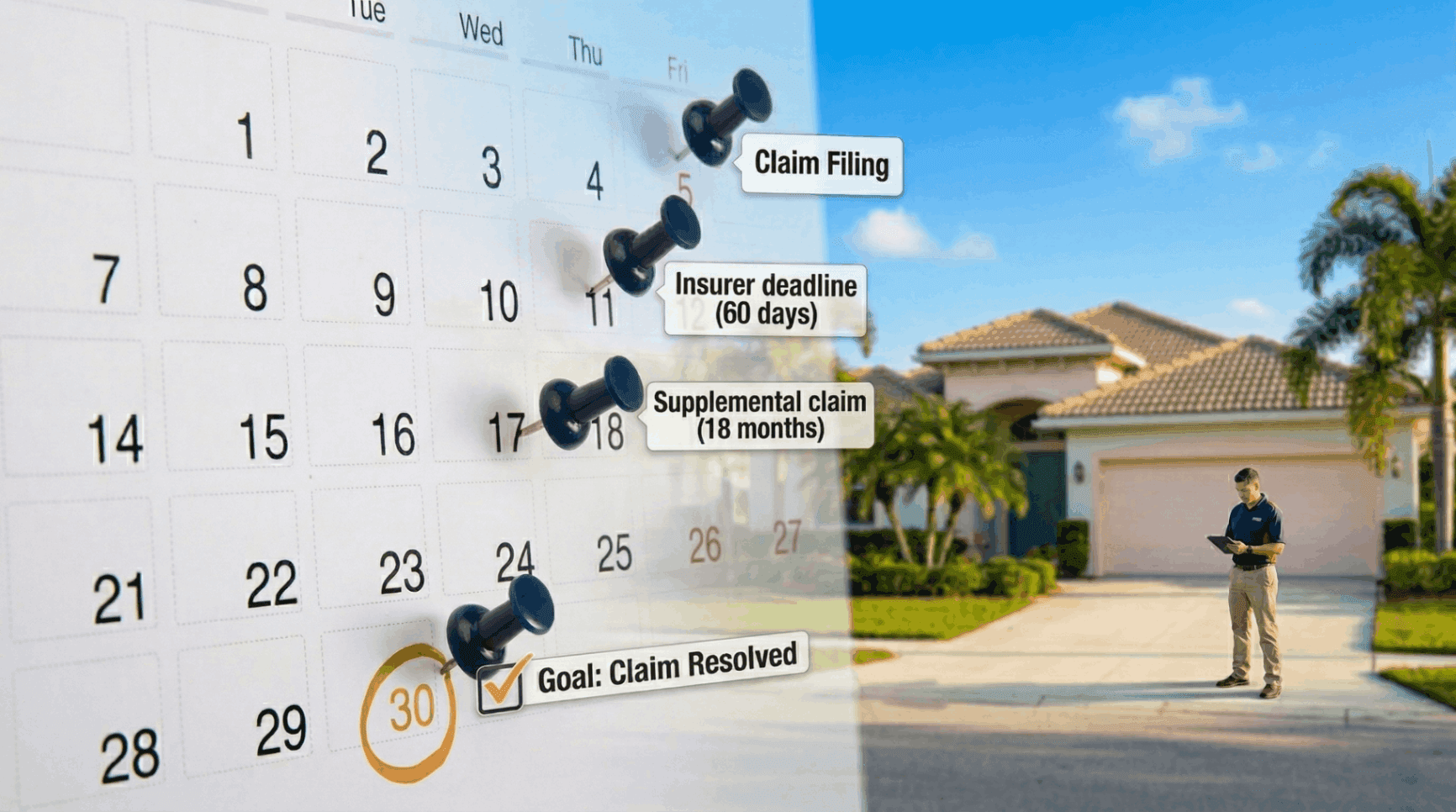
Weather-related damage claims often involve disputes over causation and coverage. For example, a roof that fails during a hurricane might have underlying deterioration that an insurance carrier claims is maintenance-related rather than storm-caused. Similarly, water damage claims require careful documentation to distinguish between wind-driven rain (typically covered) and flooding (which requires separate flood insurance). These technical distinctions significantly impact claim outcomes, making professional assessment essential. Houston property owners should also understand that claim timelines are critical. Most insurance policies require notice of loss within a specific timeframe, typically 30 to 60 days. Additionally, the statute of limitations for filing suit on a claim varies by circumstance but is generally limited. Waiting too long to report damage or file a claim can result in denial or reduced recovery. This urgency makes it important to contact a claims professional immediately after a weather event.
The relationship between weather patterns and insurance coverage extends beyond individual claims to broader market dynamics. Houston’s exposure to repeated weather events has influenced insurance availability and pricing in the region. Some carriers have reduced their presence in high-risk areas, while others have implemented stricter underwriting standards. Property owners should review their coverage regularly to ensure they have adequate protection, particularly for flood damage, which requires a separate policy in most cases. Preparing for Houston’s weather threats involves more than just having insurance in place. Property owners should conduct regular maintenance to minimize damage vulnerability, maintain detailed records of property condition and improvements, and understand their policy coverage limits and exclusions. When weather events do occur, having a plan to document damage quickly and contact a claims professional ensures that the recovery process begins immediately.
The intersection of Houston’s weather patterns and property insurance claims represents a critical area where professional guidance makes a measurable difference in outcomes. Property owners who understand their rights, document damage thoroughly, and work with experienced claims professionals consistently recover more from their insurance claims than those who navigate the process alone. As weather patterns continue to evolve and insurance markets adjust, staying informed and prepared remains the best strategy for protecting property investments in the Houston area.
This article has been sourced from press releases and cross-referenced with multiple websites. Facts originally seen at Source .