National Hurricane Center Monitors Eastern Pacific Development While Preparing For Active Season
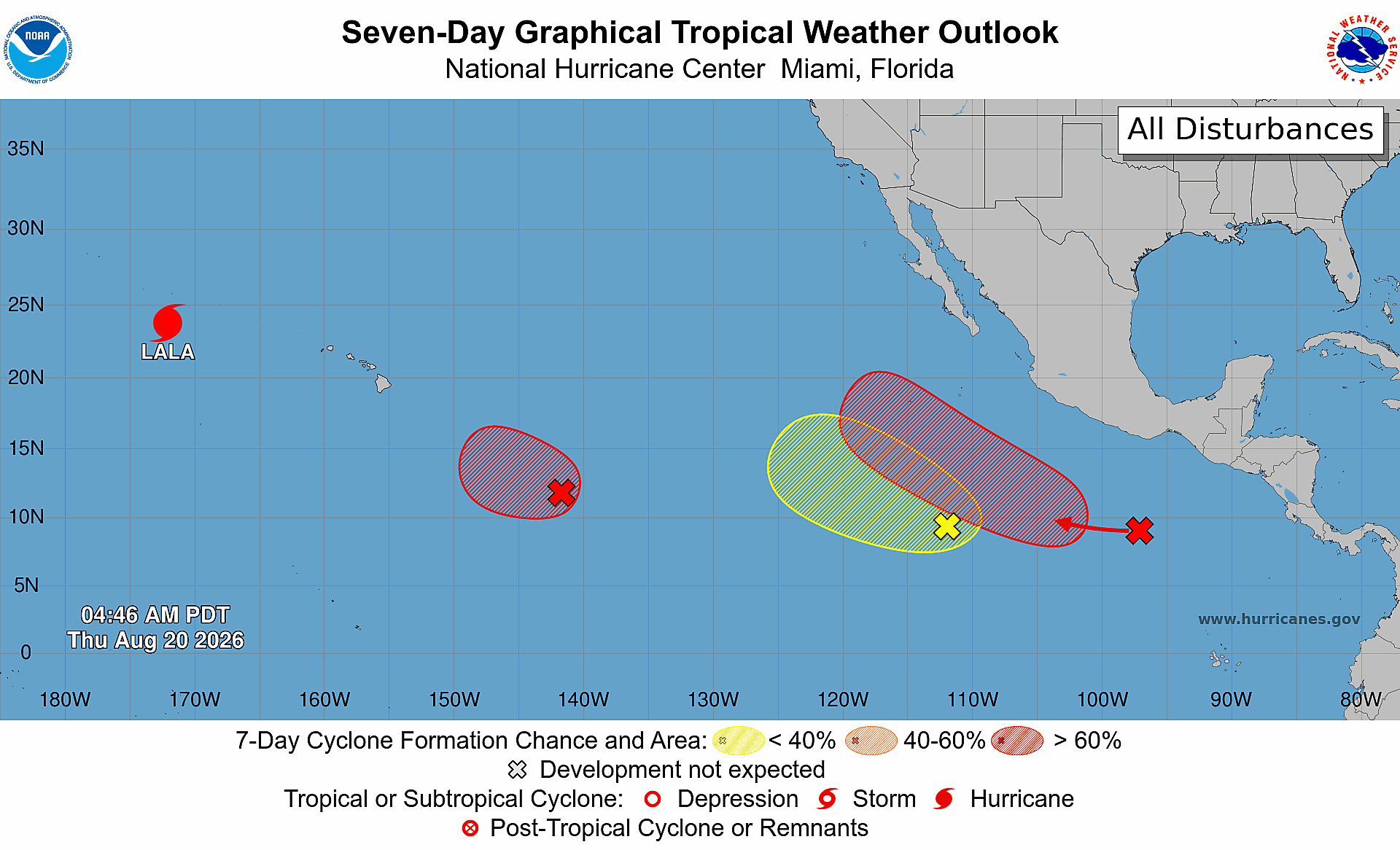
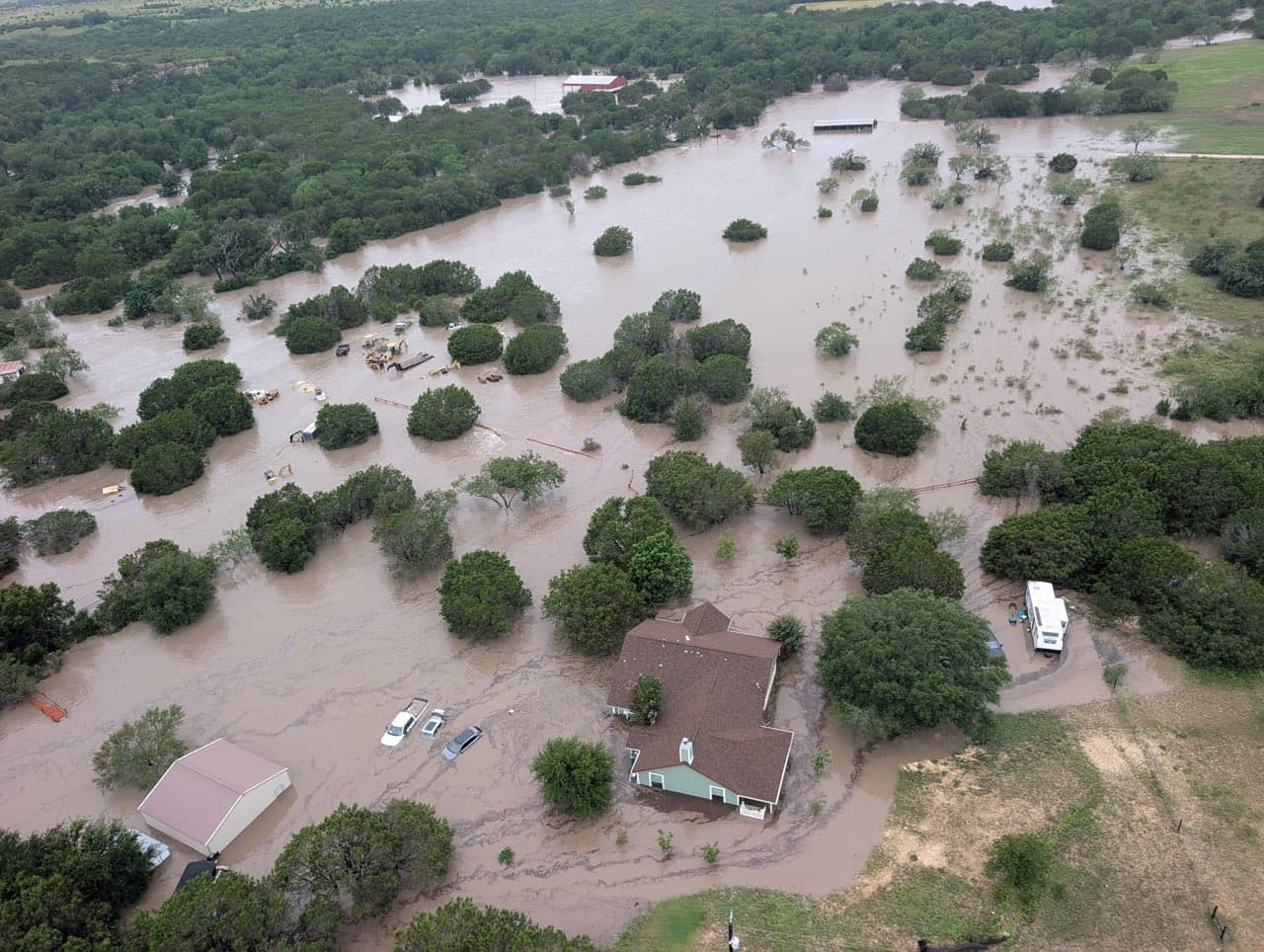
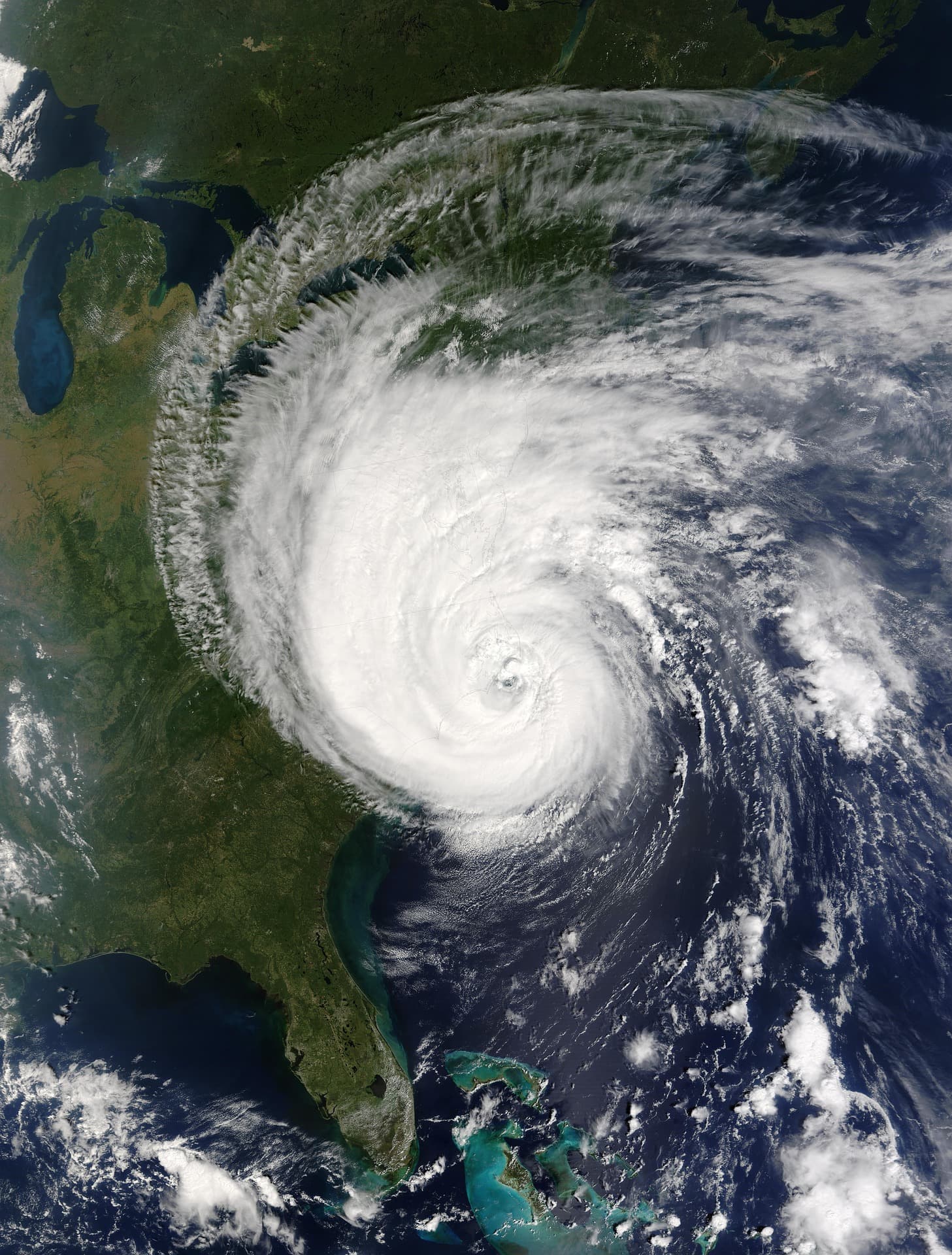
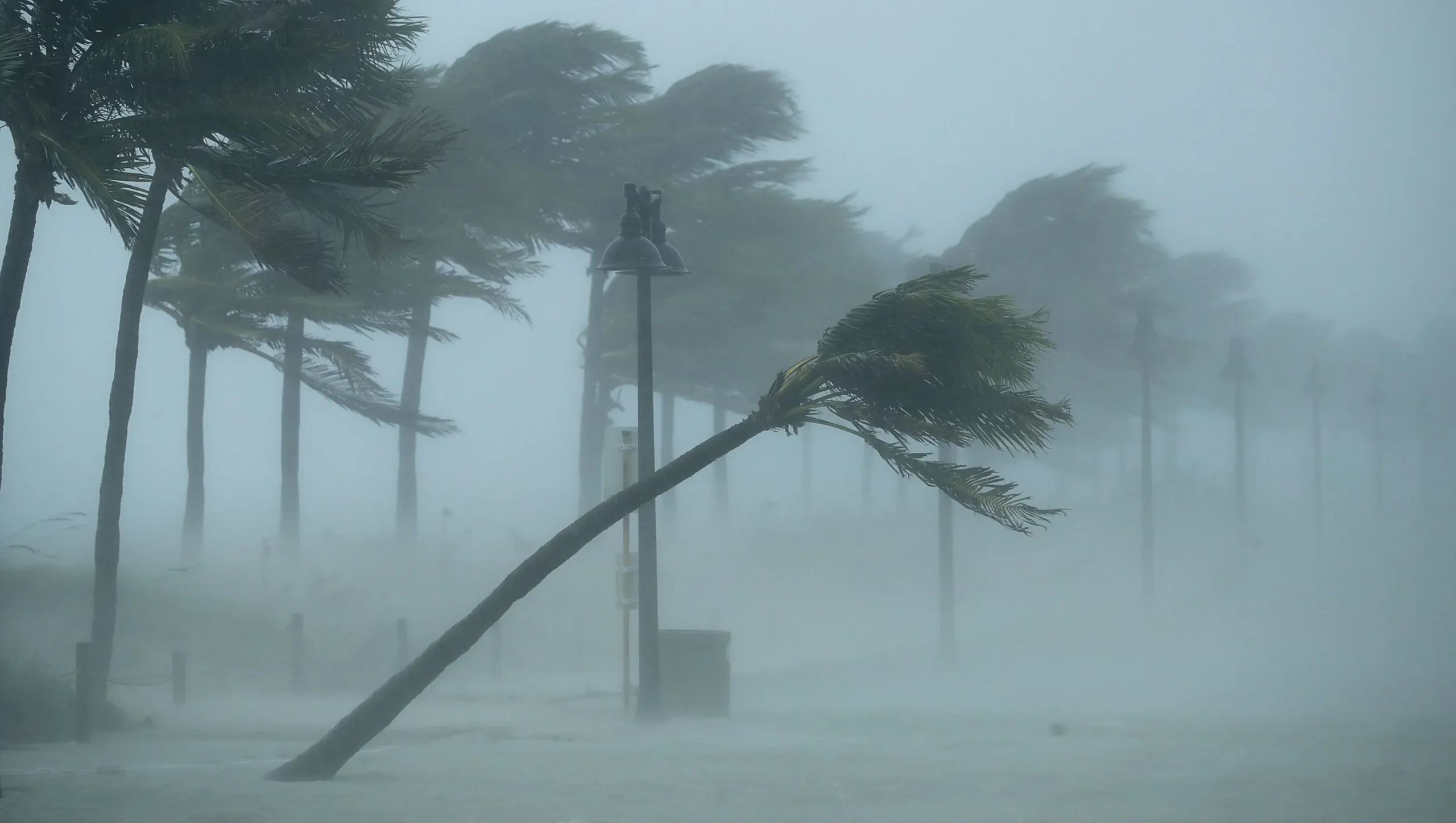
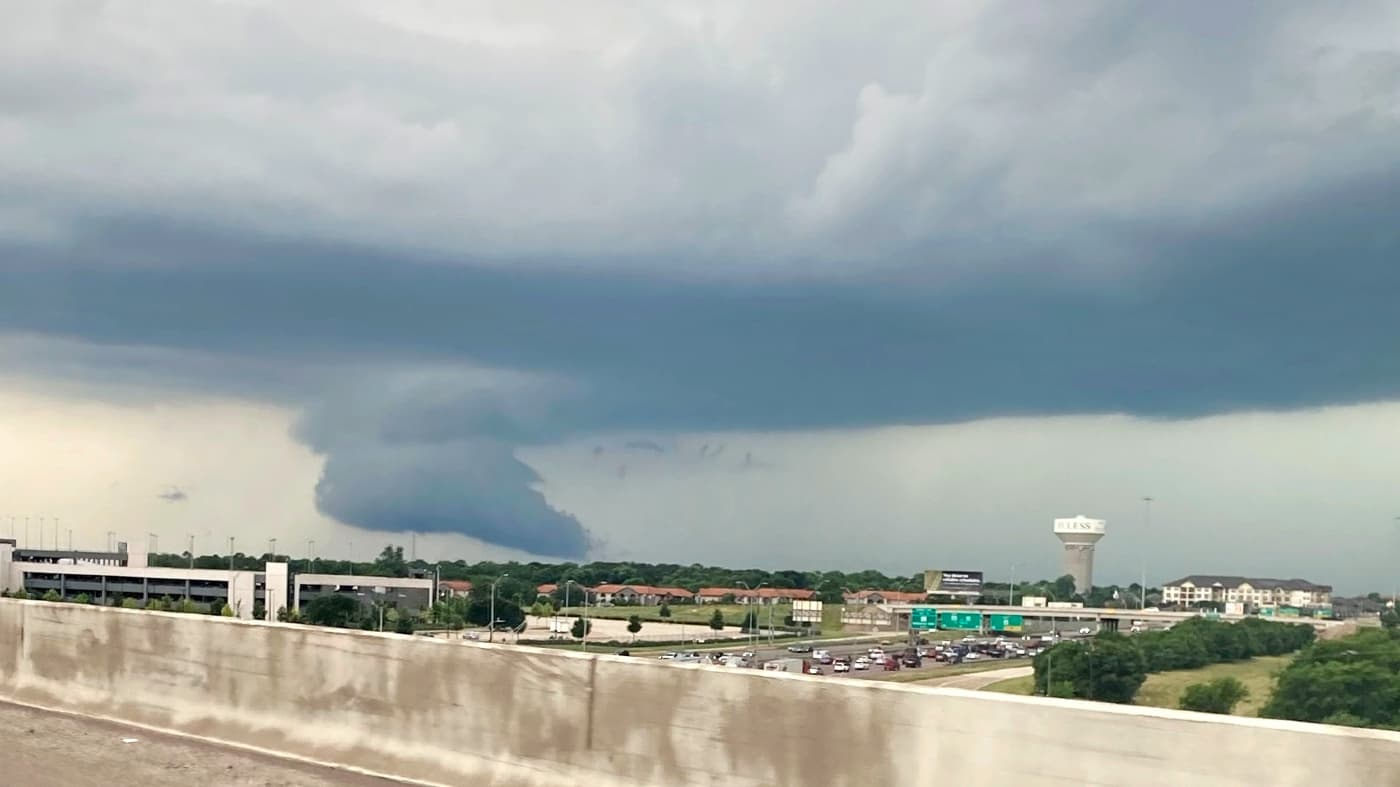
The National Hurricane Center continues monitoring tropical activity across multiple ocean basins as the 2026 Atlantic hurricane season unfolds with below-normal expectations. As of early Monday morning, Tropical Storm Boris maintains maximum sustained winds of 40 miles per hour while positioned near the Pacific coast of Mexico, moving northeast at just 2 miles per hour with a minimum central pressure of 1002 millibars. The slow-moving system poses a significant threat for heavy rainfall and life-threatening flash flooding across portions of southern Mexico, particularly affecting the states of Guerrero, Oaxaca, and Chiapas.
Offshore of Central America, meteorologists have identified a second area of concern designated as Disturbance 1 in the Eastern Pacific basin. This developing system shows strong organizational signals with showers and thunderstorms exhibiting signs of consolidation around a low pressure area. Environmental conditions appear increasingly conducive for tropical cyclone formation, with the National Hurricane Center assigning a 90 percent probability of development within the next 48 hours and maintaining that same high likelihood through the seven-day forecast period. The system is expected to move slowly northward and then northwestward toward the coasts of Central America, bringing additional heavy rainfall threats to northwestern Costa Rica, Nicaragua, Honduras, El Salvador, and Guatemala through the middle of the week.
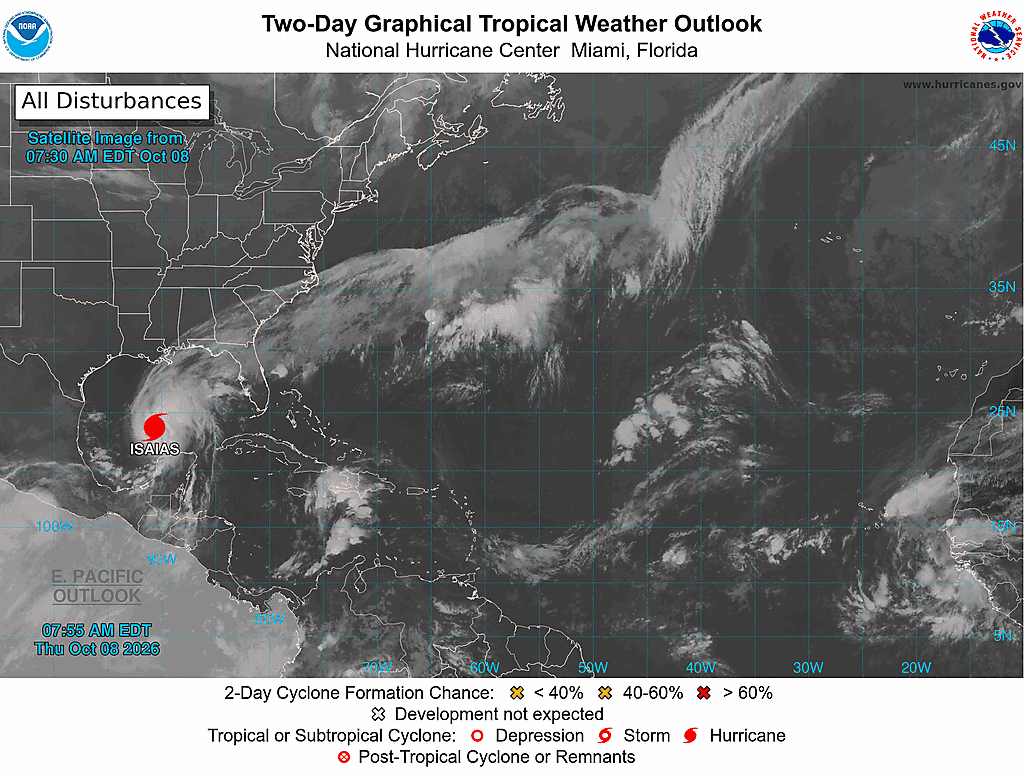
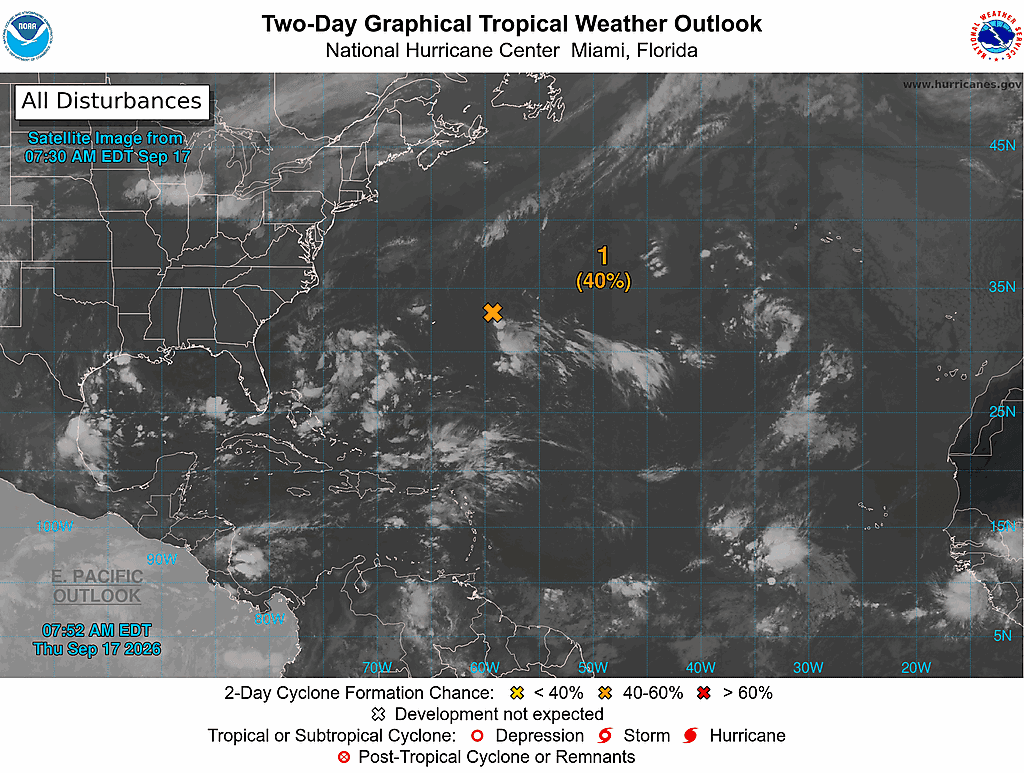
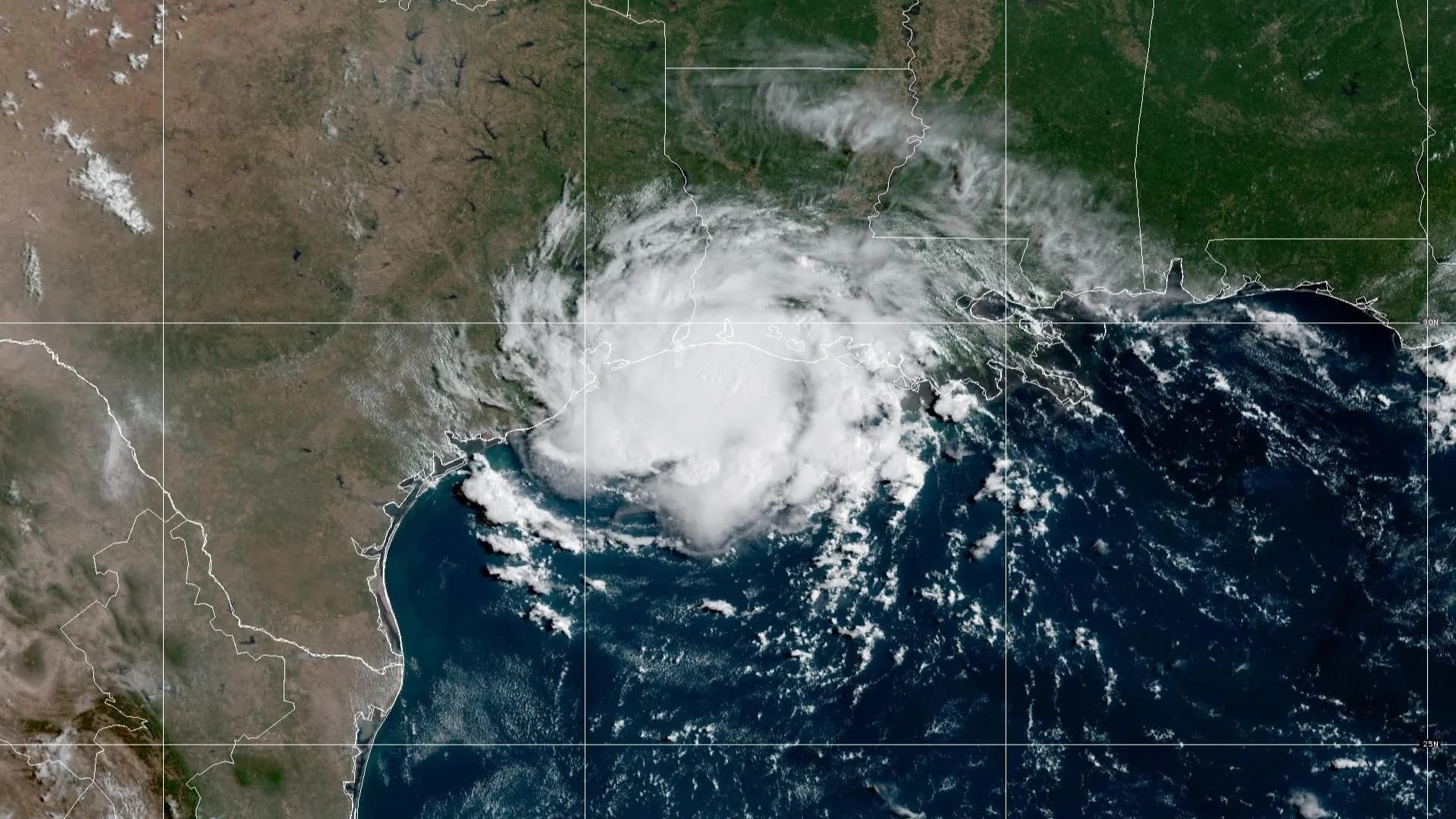
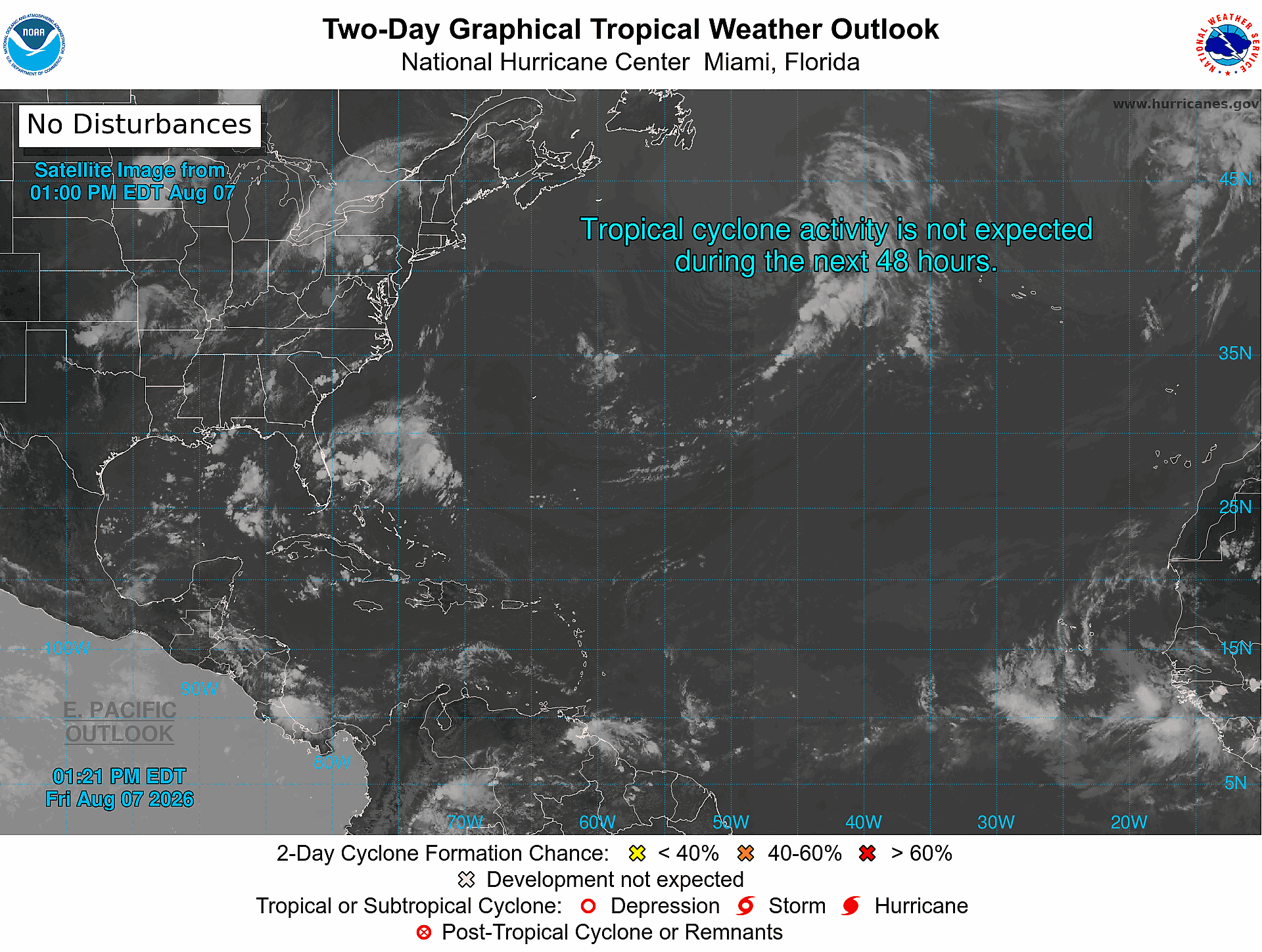
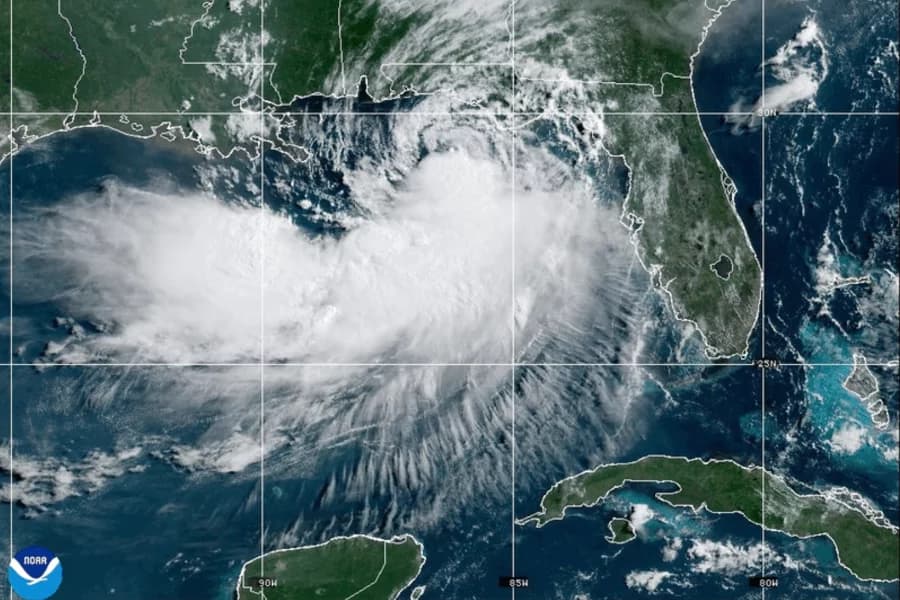
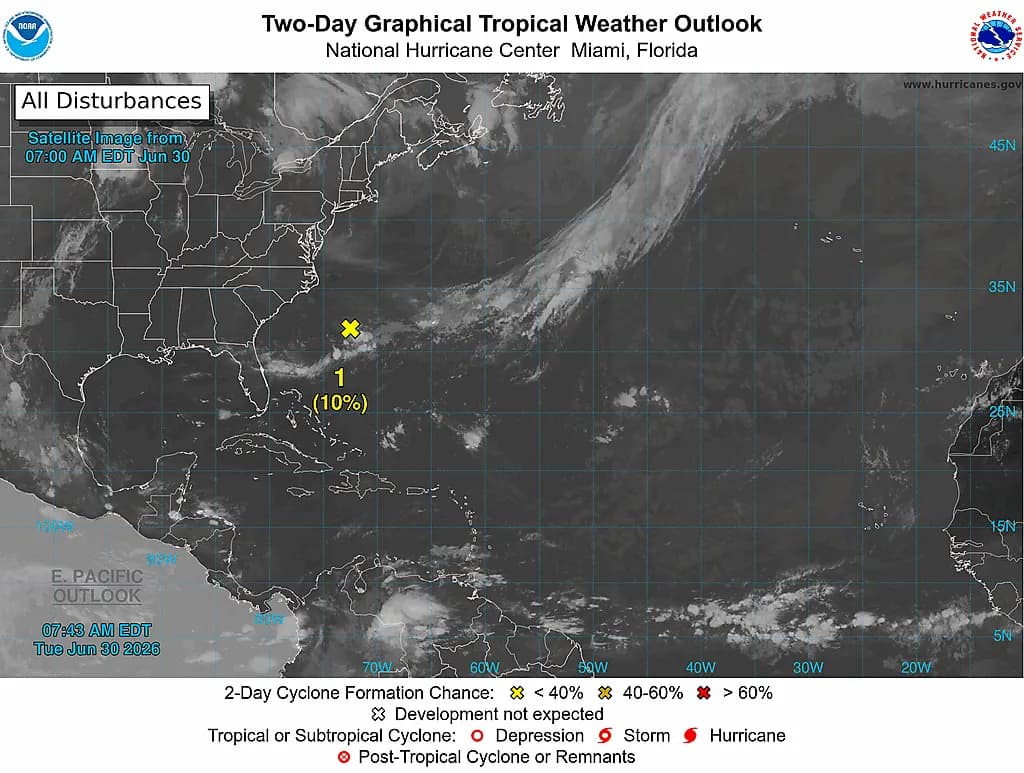
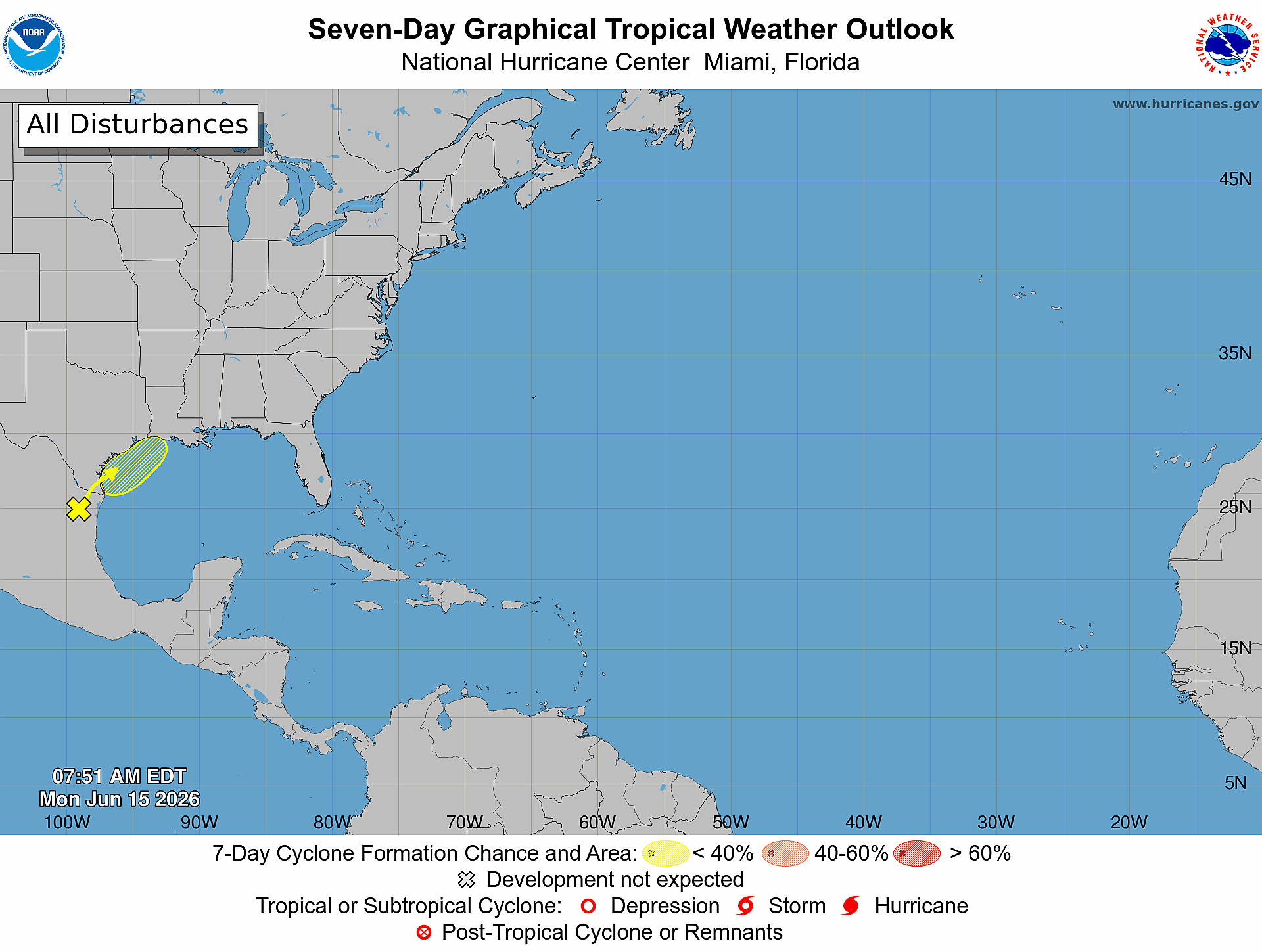
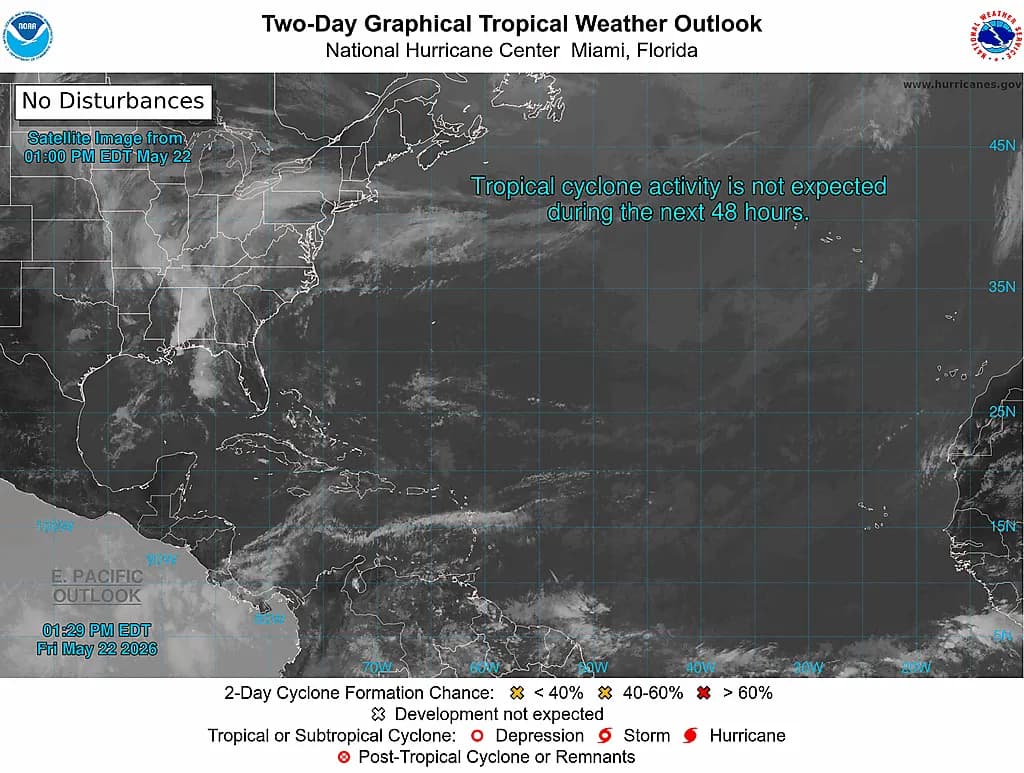
Meanwhile, attention is also turning toward the Atlantic basin, where a tropical wave in the eastern Caribbean will be the feature to watch over the coming days. Forecast models, amongst all the Euro, have continued to show a strong signal for potential tropical development somewhere in the Gulf of Mexico toward the end of this upcoming week or over the weekend, with current probabilities lying at 50-55 percent. While the Atlantic basin and Caribbean Sea remain relatively quiet with no active tropical cyclones at this time, these developing signals warrant continued monitoring. The Graphical Tropical Weather Outlook shows limited disturbances currently tracked in the Atlantic region, though this pattern may change as the week progresses. NOAA’s prediction of a below-normal 2026 Atlantic hurricane season suggests fewer named storms, hurricanes, and major hurricanes compared to the 30-year average, offering some relief to coastal communities in the Atlantic basin.
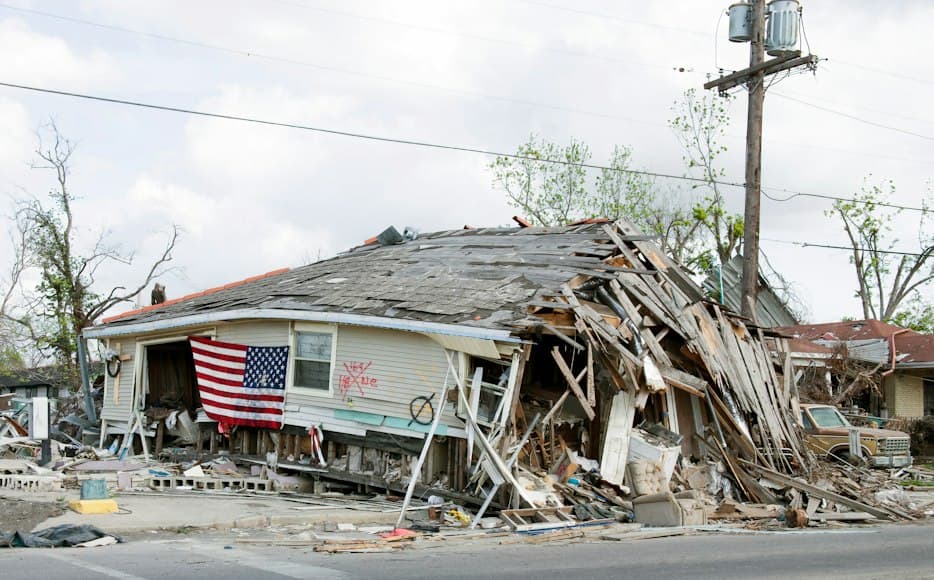
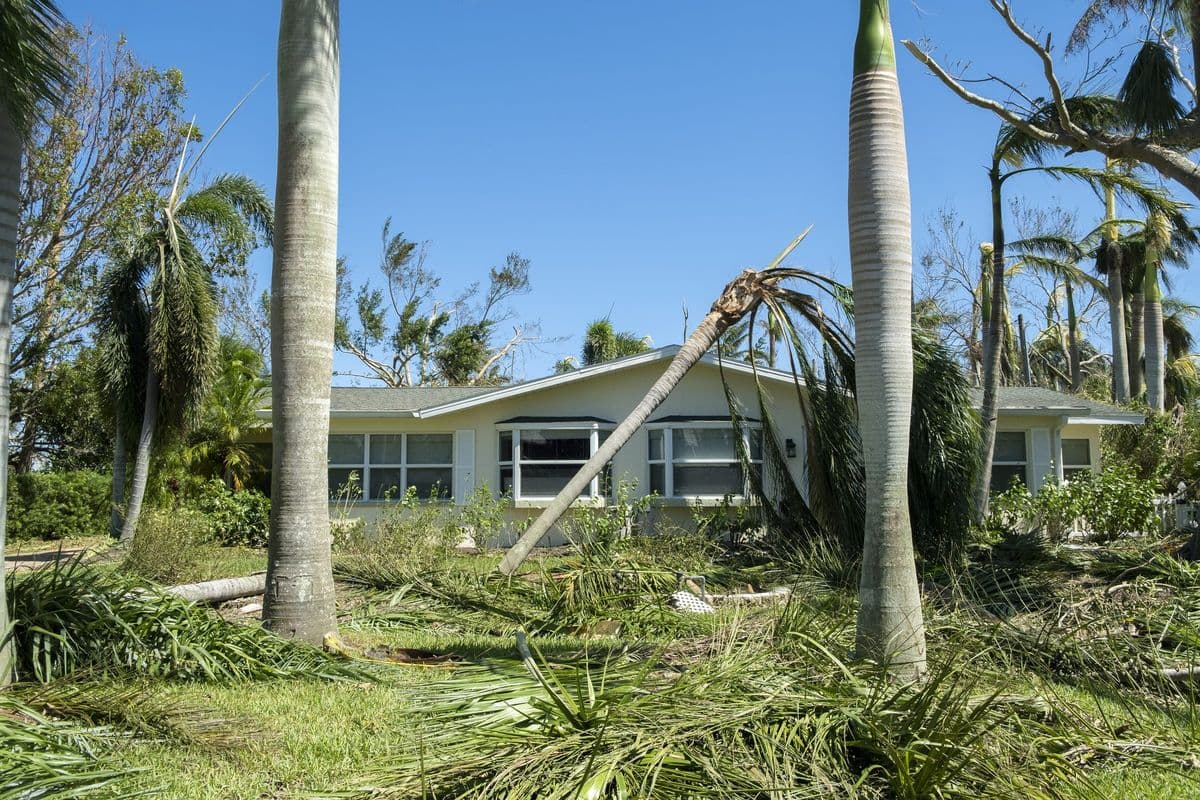
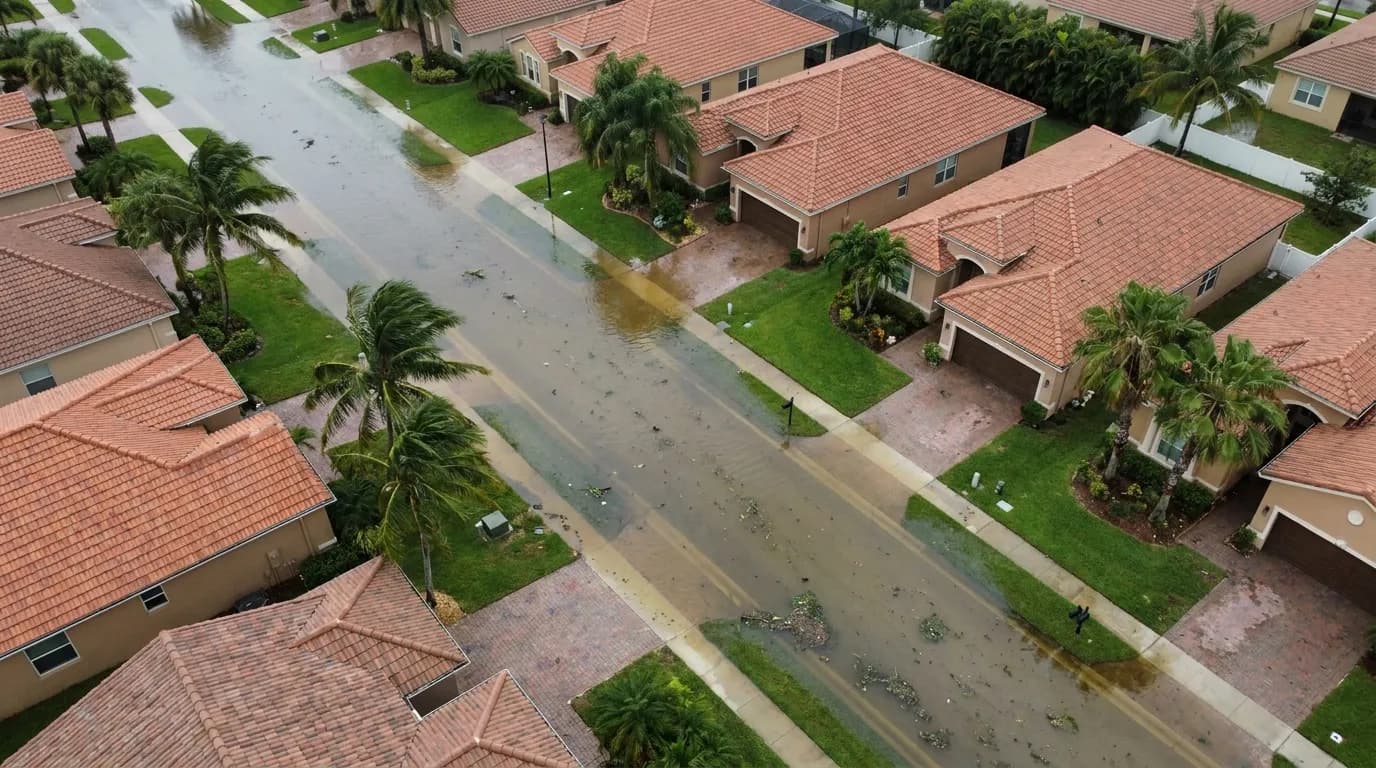
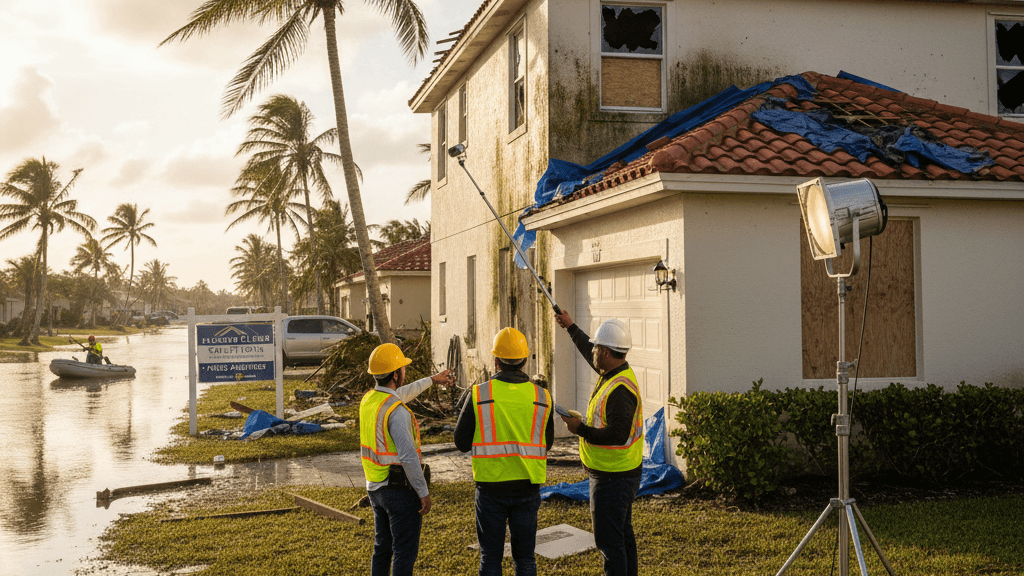
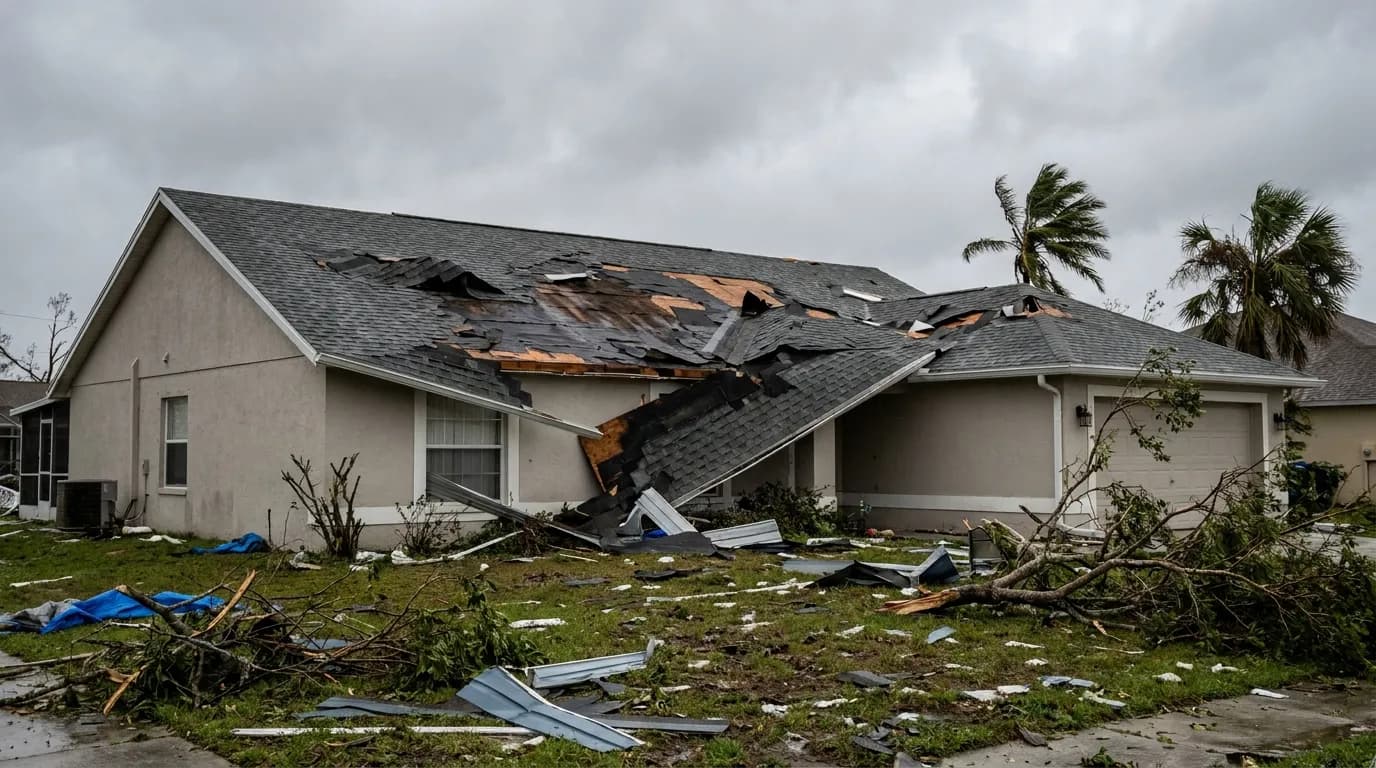
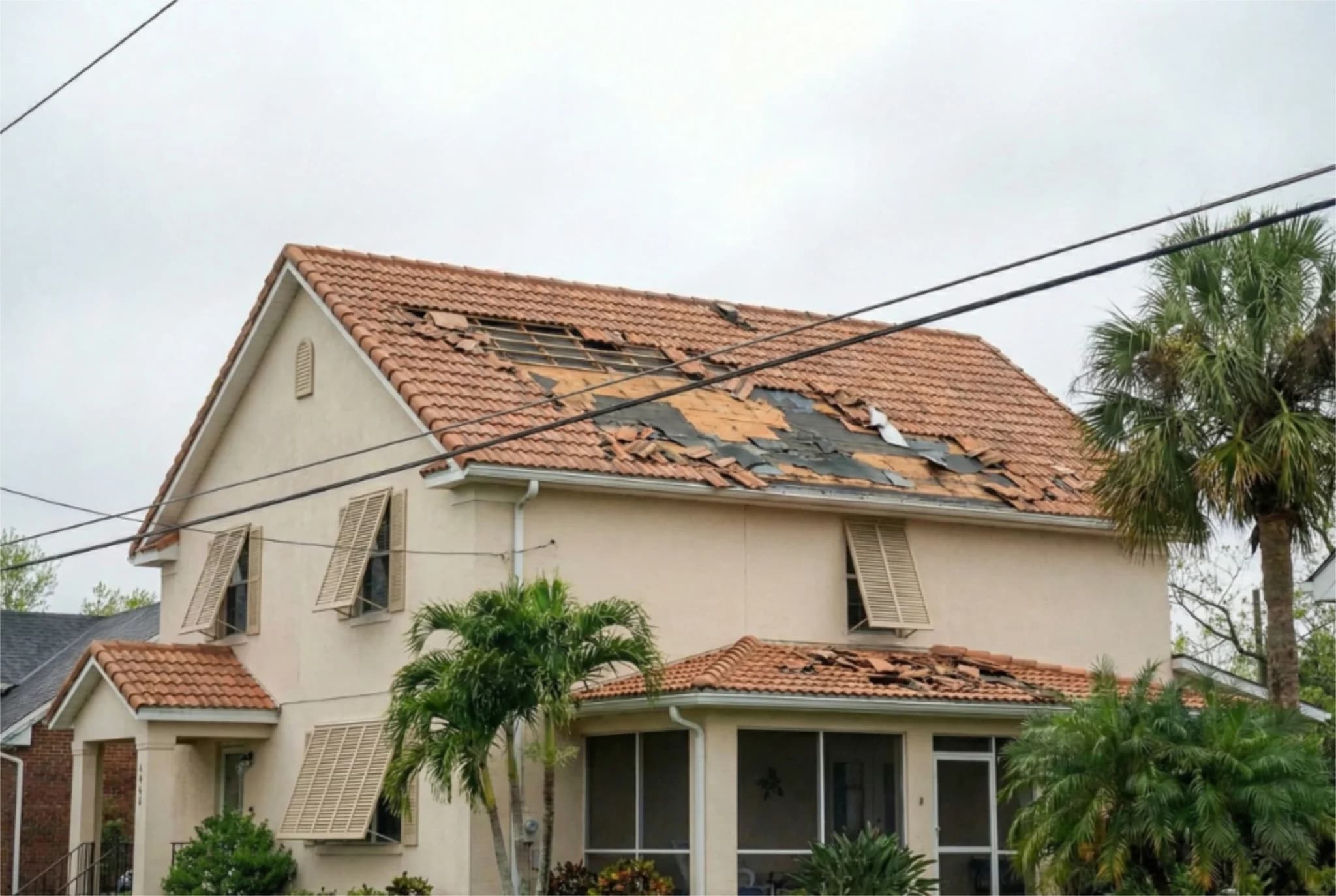
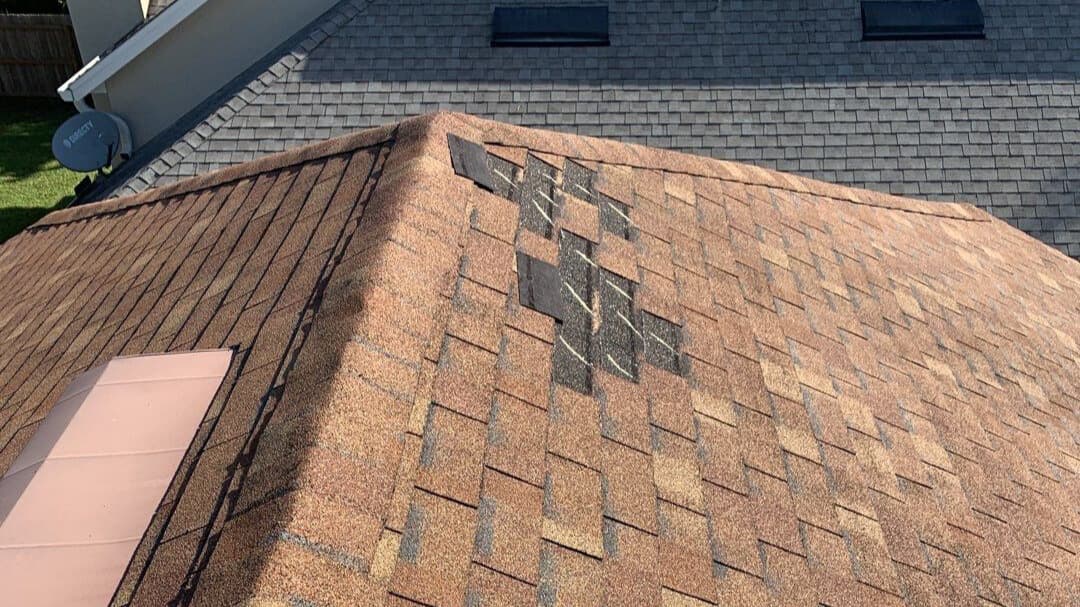
The Central Pacific basin also shows no active tropical cyclones at present, with the latest tropical weather outlook issued at 2:00 AM Hawaii Standard Time indicating no immediate threats to Hawaiian waters or territories. This calm period provides an opportunity for residents and property owners across multiple regions to review their hurricane preparedness plans and ensure their properties are protected against potential future storms. For those in coastal areas vulnerable to tropical systems, now is an ideal time to assess structural vulnerabilities, review insurance coverage, and develop evacuation plans. For property owners concerned about potential storm damage, Five Star Claims Adjusting specializes in comprehensive storm damage assessment and public adjusting services. Whether facing wind damage, flooding, or other weather-related property losses, professional guidance can help maximize insurance claims and ensure proper documentation of damage. The firm’s expertise in hurricane and tropical storm damage claims makes it an invaluable resource for policyholders navigating the claims process.
The National Hurricane Center continues issuing regular updates through its Tropical Weather Outlook products, with the next Atlantic outlook scheduled for 8:00 AM EDT and the Eastern Pacific outlook at 5:00 AM PDT. These products provide critical information for mariners, coastal residents, and emergency management officials tracking potential tropical development. The center’s marine products also include offshore waters forecasts and gridded forecasts for maritime interests operating in potentially affected regions. Residents in areas historically affected by tropical systems should use this quieter period to strengthen their disaster preparedness. This includes securing loose outdoor items, trimming trees near structures, clearing gutters and drainage systems, and ensuring backup power sources are functional. Documentation of property conditions through photographs and video can prove invaluable if storm damage occurs, facilitating faster and more accurate insurance claims. Five Star Claims Adjusting can assist with damage assessment and claim preparation, helping property owners understand their coverage and maximize their recovery.
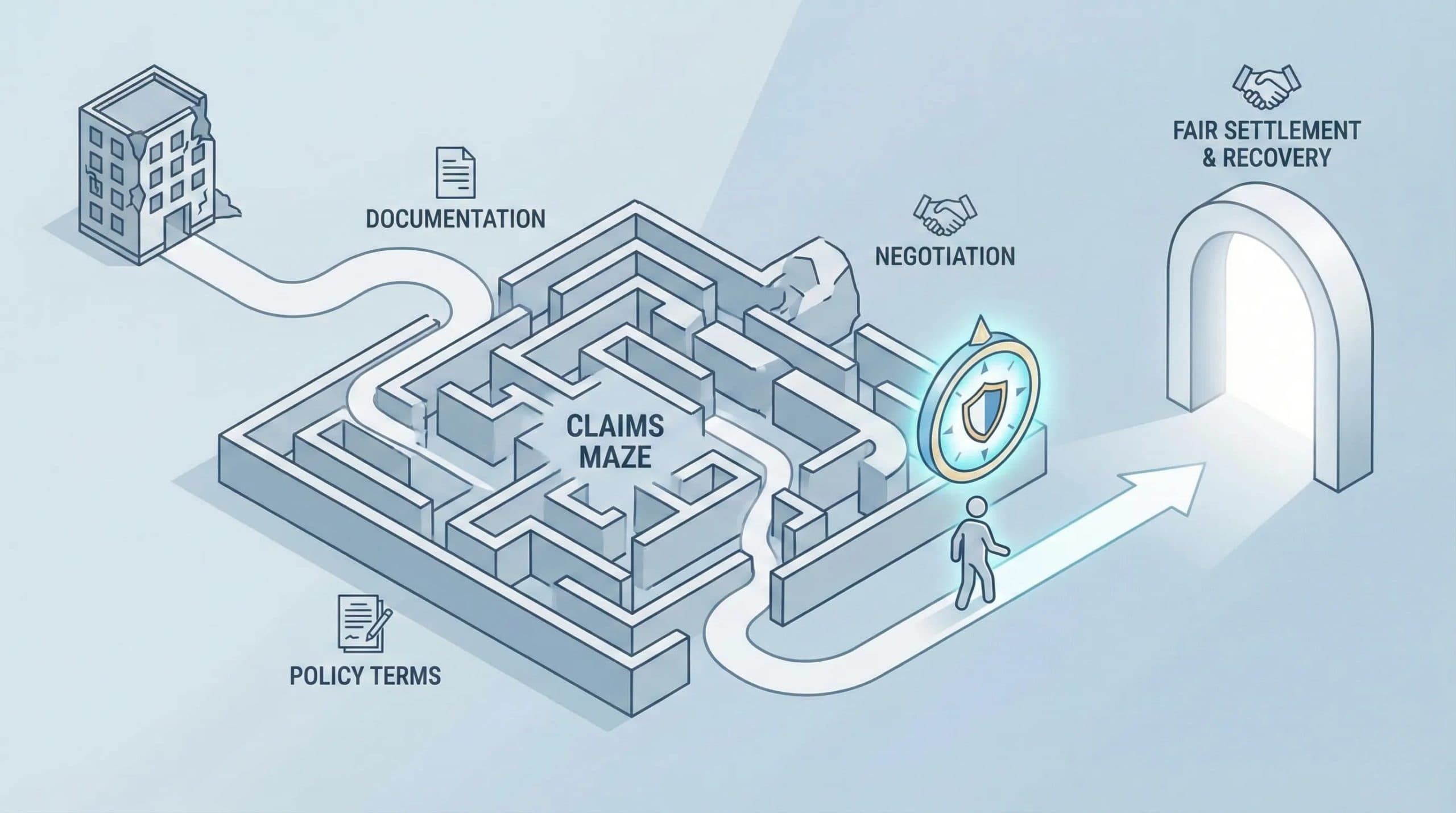
As the 2026 hurricane season progresses, the National Hurricane Center’s monitoring capabilities continue to leverage advanced technology including satellite imagery, aircraft reconnaissance, radar data, and sophisticated forecast models. The center’s experimental products and analysis tools provide meteorologists with unprecedented insight into tropical system development and movement patterns. For those seeking detailed information about hurricane preparedness, the National Weather Service offers comprehensive resources through its Hurricane Preparedness Week initiatives and ongoing educational outreach. Property owners should remain vigilant despite the current quiet conditions and below-normal seasonal forecast. Individual storms can still cause significant damage regardless of overall seasonal predictions, and comprehensive insurance coverage combined with professional claims assistance ensures proper protection and recovery. Five Star Claims Adjusting stands ready to help policyholders navigate storm damage claims, providing expert assessment and advocacy throughout the claims process to ensure fair and complete recovery for weather-related property losses.
This article has been sourced from press releases and cross-referenced with multiple websites. Facts originally seen at Source .