Backyard Fireworks Risks and Insurance Implications
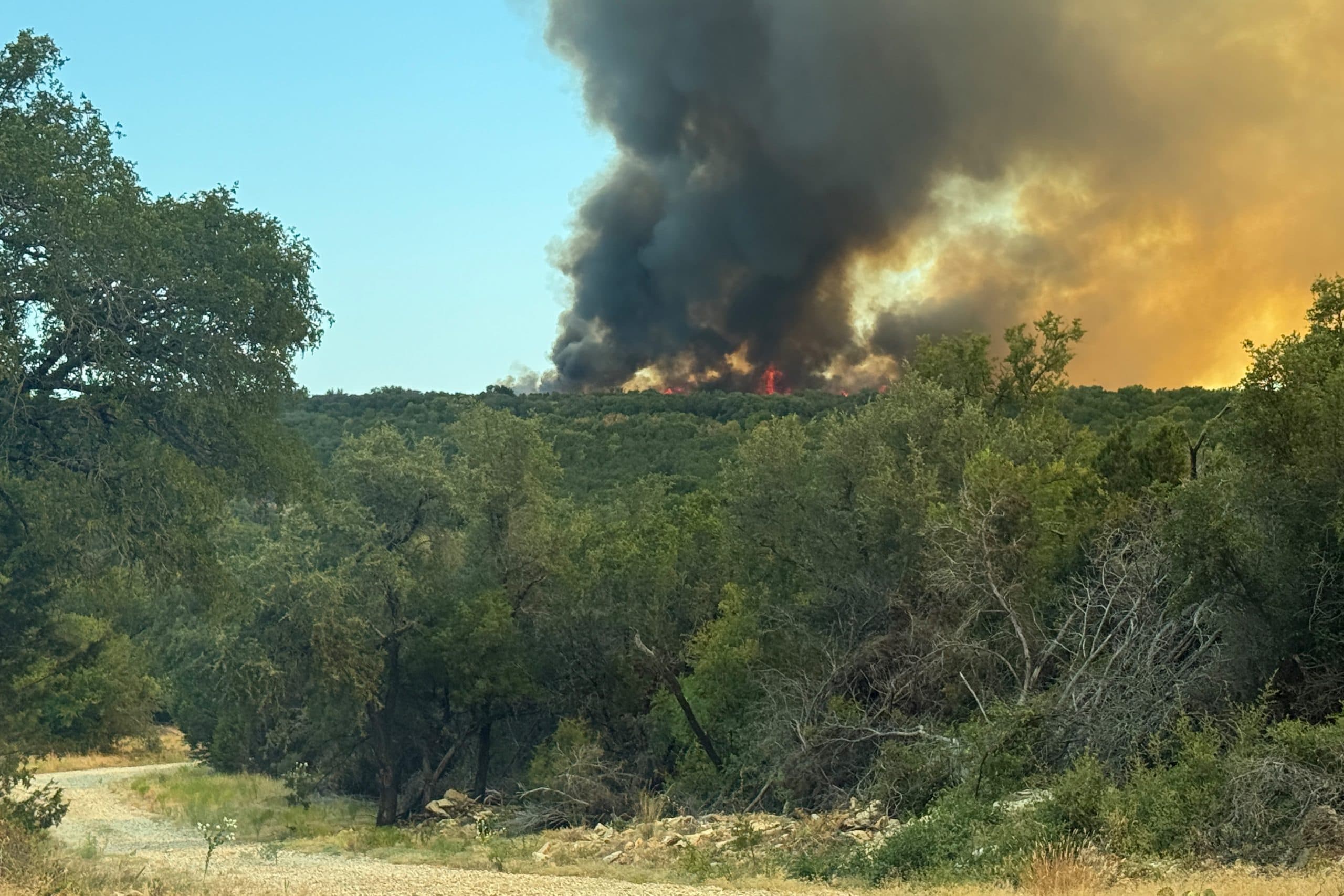
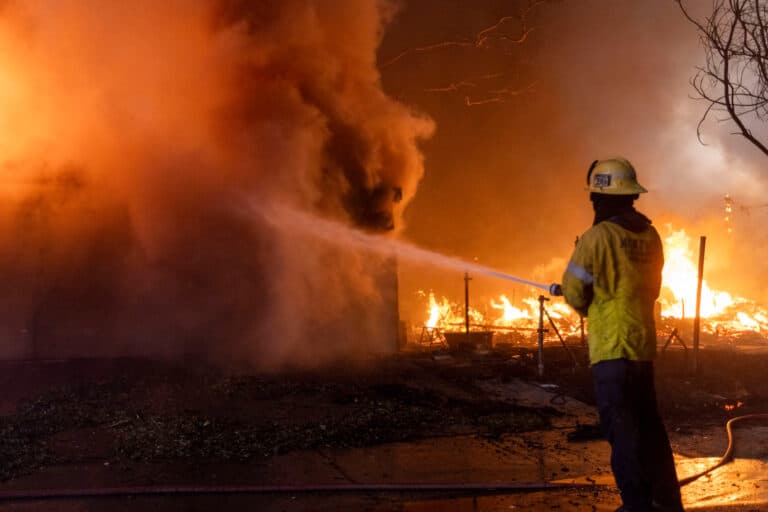
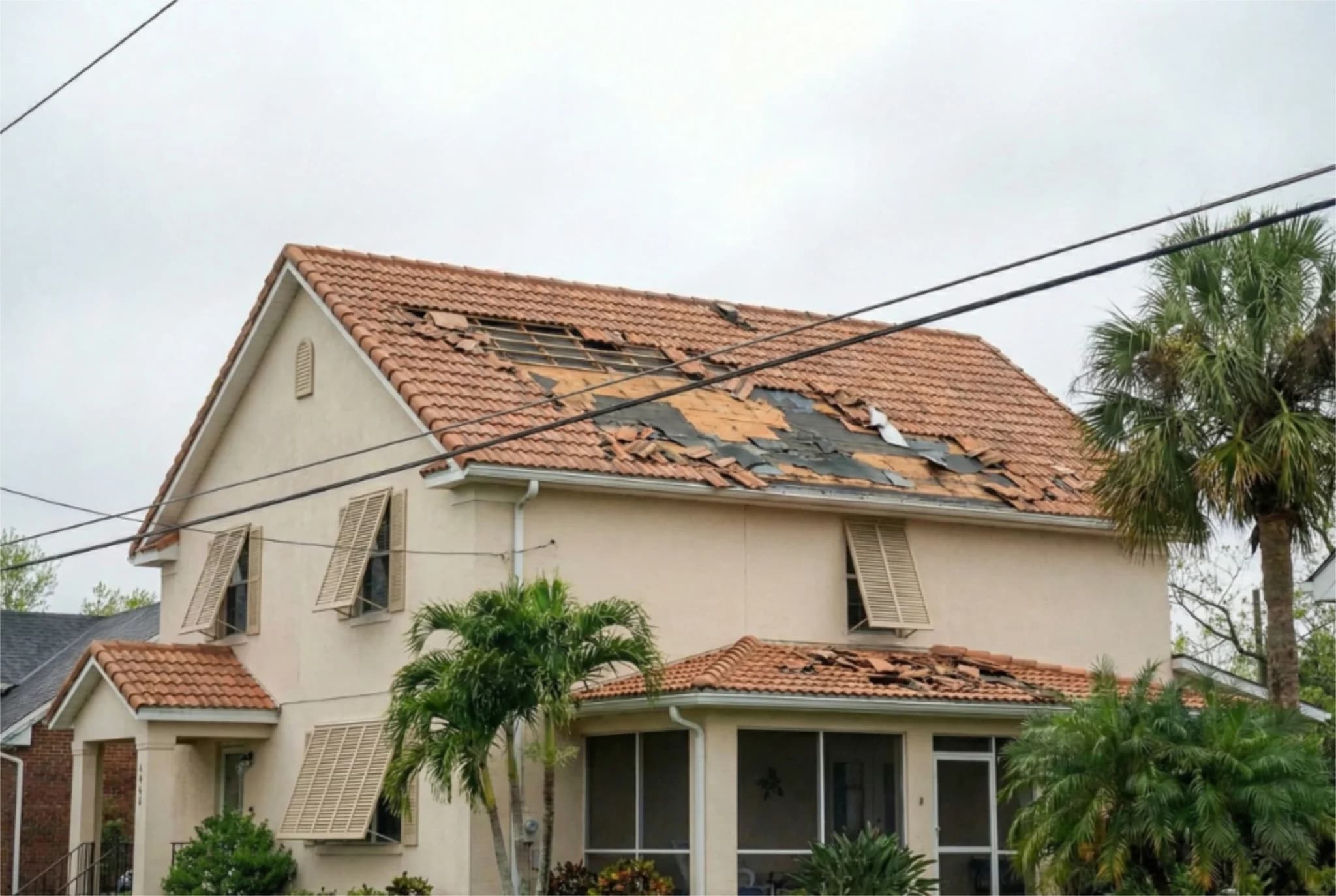
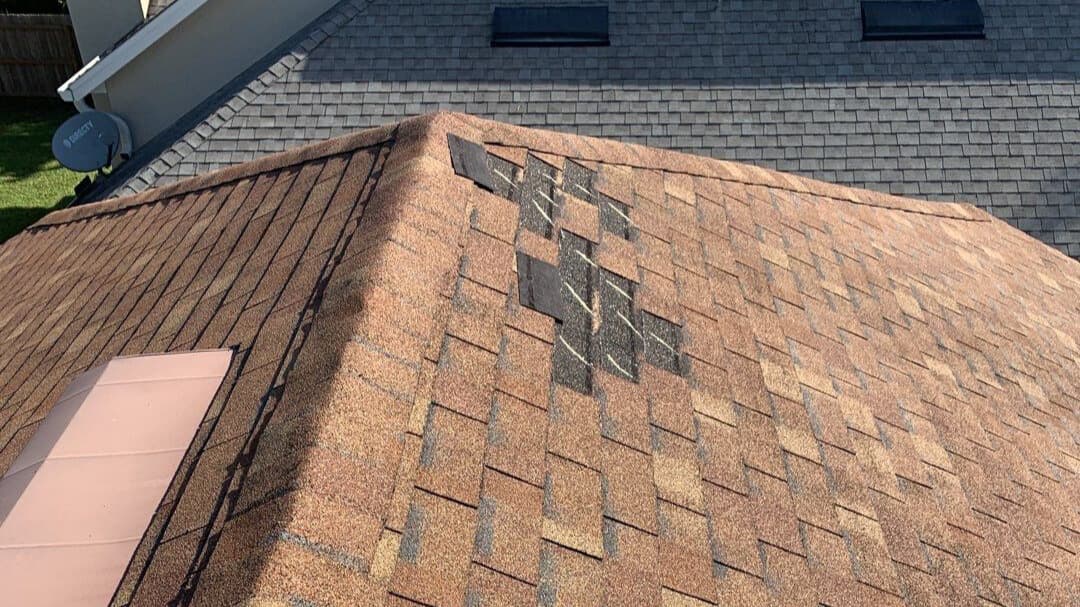
Lighting fireworks at home is a common way to mark holidays, but it carries real and measurable risks to property and people. In 2024 the National Fire Protection Association (NFPA) estimated fireworks started 34,079 fires, causing about $98 million in property damage. Those figures underscore that even small backyard displays can escalate quickly into expensive losses.
Most standard homeowners insurance policies will cover fire damage from fireworks and related injuries to guests, but coverage is not automatic. Industry groups such as AAA advise homeowners to know the specifics of their policy and to take precautions; as AAA’s Adrienne Woodland noted, even carefully planned displays can result in injury or property damage, and understanding coverages ahead of time helps limit financial exposure.
When Policies Deny Claims for Illegal Fireworks Use
A major exception to typical coverage is the use of illegal fireworks. Insurers generally treat use of prohibited fireworks as a willful, unlawful act and may deny claims stemming from that activity. Kristine Pokrandt, an agent with Goosehead Insurance, points out that if fireworks are illegal where they are used, the insurer is likely to refuse payment for resulting losses.
In some jurisdictions the consequences extend beyond claim denial. Edward Susolik of Callahan & Blaine notes that several California counties — including Sacramento and Ventura — have ordinances that can hold homeowners responsible for illegal fireworks used on their property and impose fines or other legal penalties, even when someone else ignites the device. Homeowners should not assume their carrier will pay or that they will be shielded from local enforcement actions.
Practical Safety Steps to Prevent Fires and Damage
Start by buying only legal, consumer-grade fireworks that display the manufacturer’s name and clear instructions for use. Courtney Klosterman of Hippo Insurance emphasizes that illegal devices lack consumer safety design and are more dangerous to handle. Reading and following manufacturer instructions reduces risk and supports any later insurance claim that due care was taken.
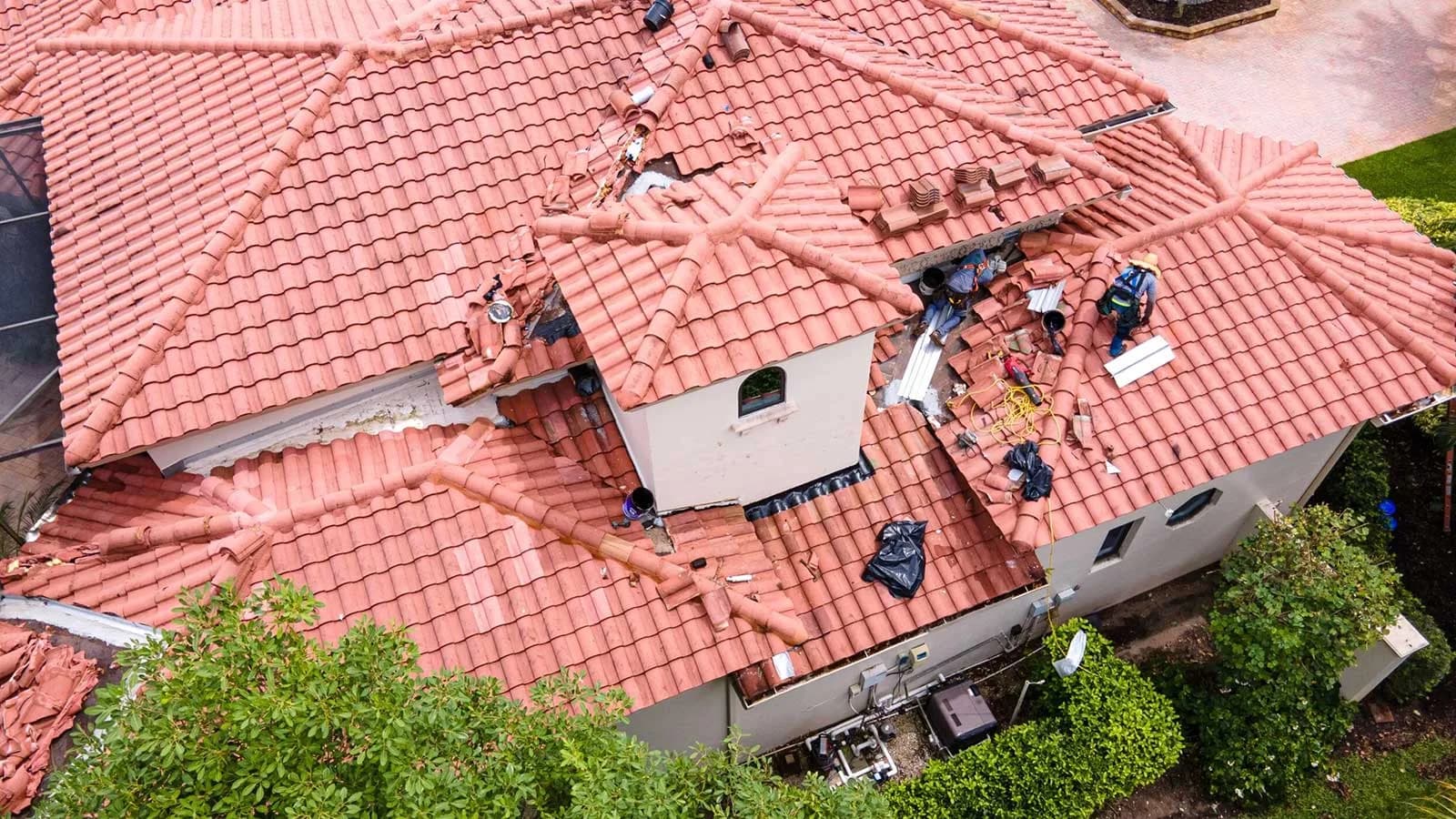
Prepare the launch area and have firefighting tools on hand. Remove leaves, dry grass, and other combustibles from the site; position a garden hose and a properly rated fire extinguisher within reach, as recommended by Steven H. Craft, Jr. Wear protective eyewear, keep bystanders and structures at least 15 feet away, and after use soak spent fireworks in water for several hours before disposal. Inspect your yard and roof for smoldering debris in the hours after the display.
Review Policies, Laws and Expert Tips to Avoid Loss
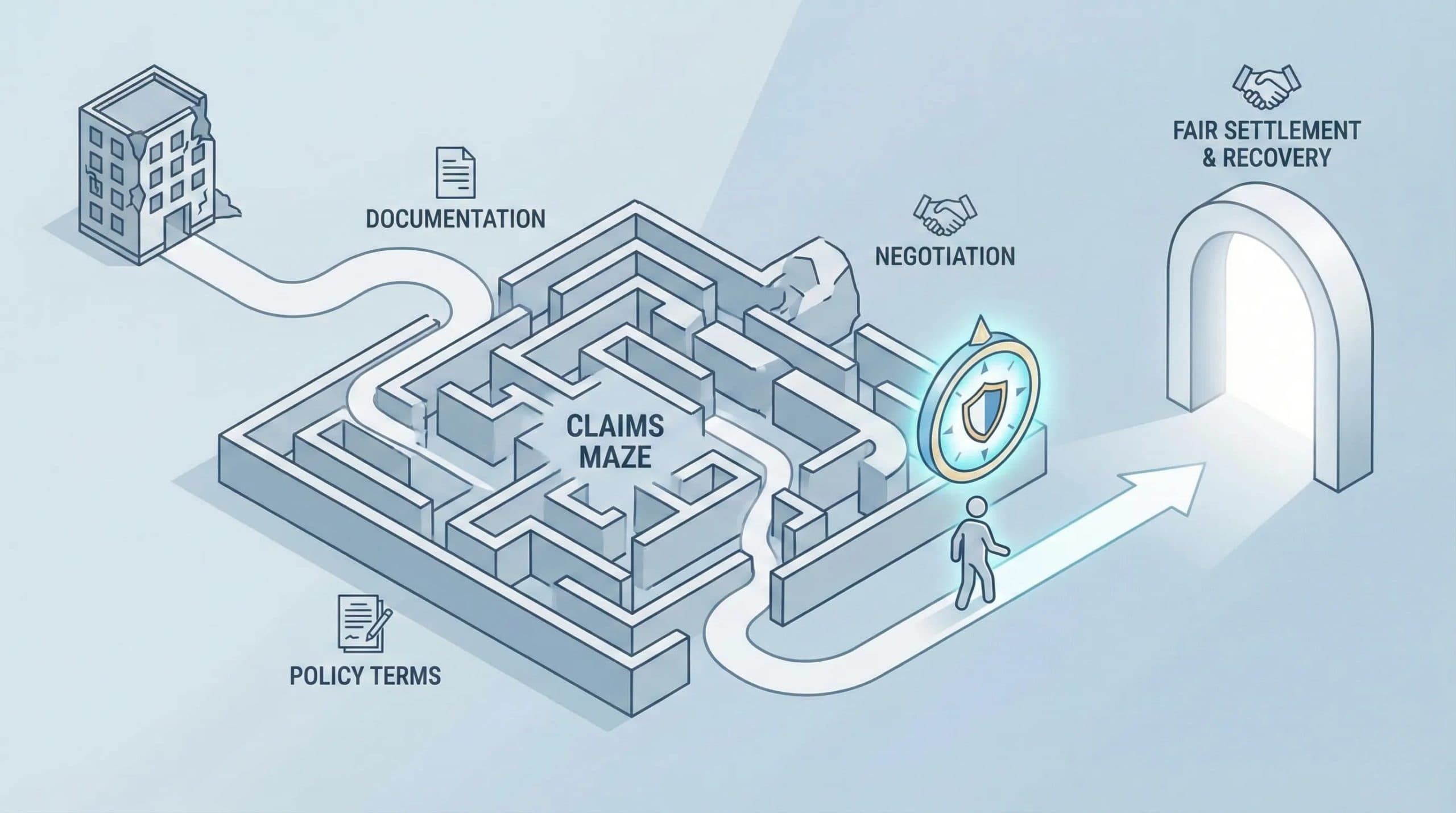
Before planning any backyard fireworks, spend a few minutes confirming local legality and reviewing your homeowners policy for exclusions, limits, and requirements. If fireworks are prohibited where you live, expect an insurer to deny related claims; if their use is allowed, document the purchase and follow all safety instructions to demonstrate reasonable care. Where uncertainty remains, contact your agent or insurer for clarification before the event.
If you have concerns about liability or potential gaps in coverage, consider leaving displays to licensed professionals and discuss additional endorsements with your carrier. Taking these steps — confirm local laws, verify policy terms, follow safety procedures, and consult your insurer — reduces the chance that a holiday celebration becomes a costly incident.