Essential Steps Every Homeowner Should Take Before Storm Season Arrives
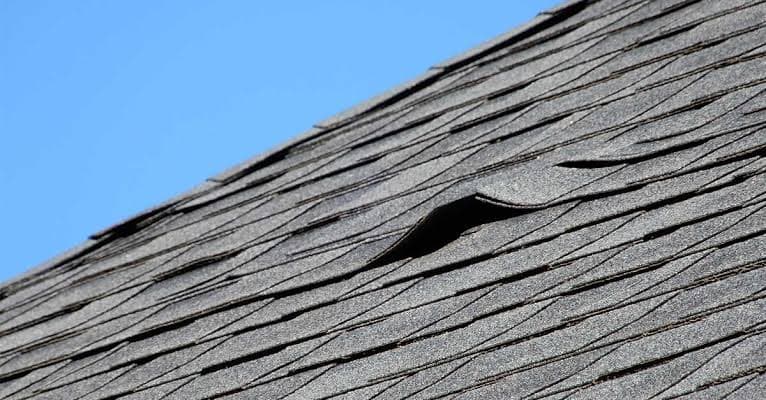
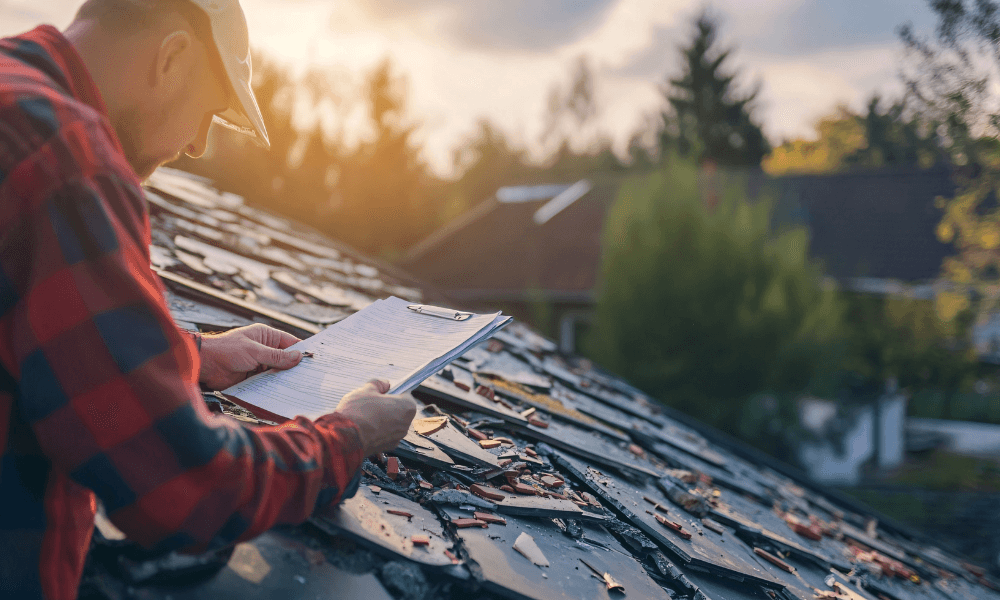
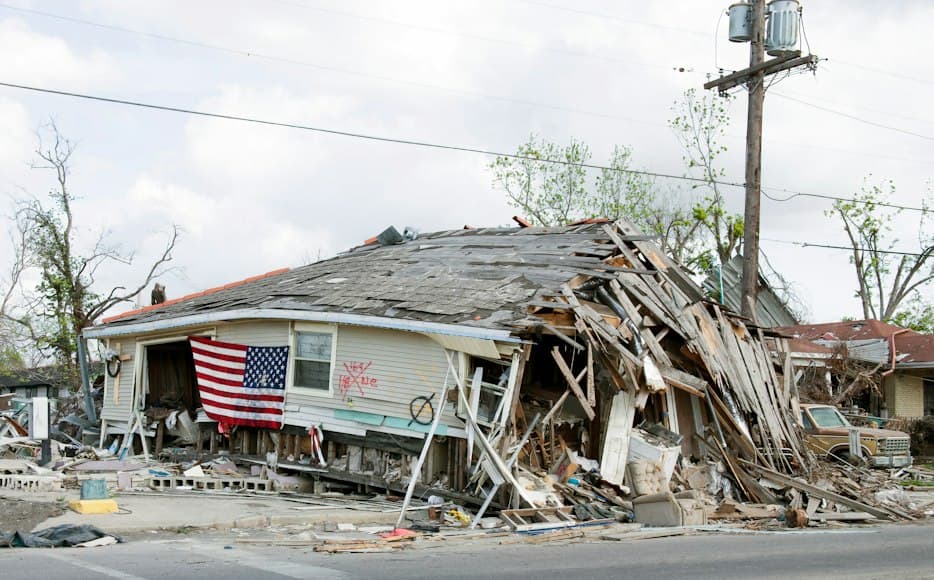
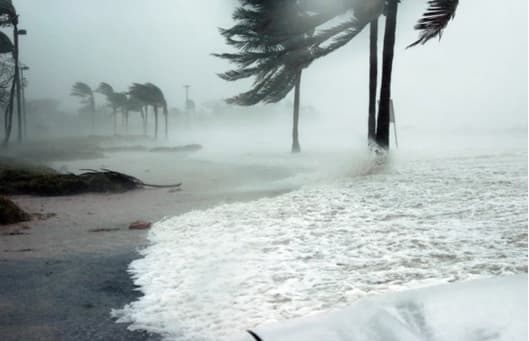
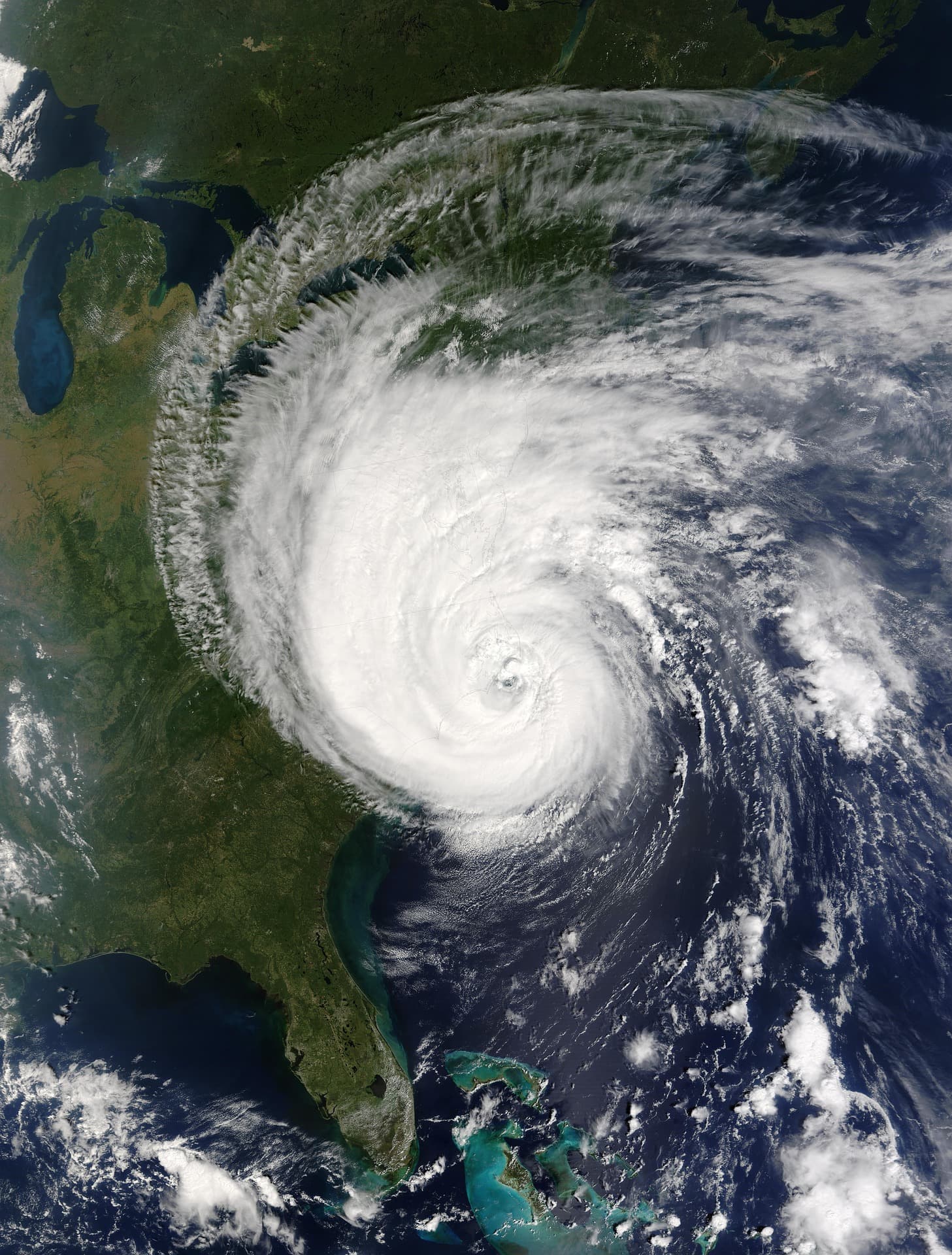
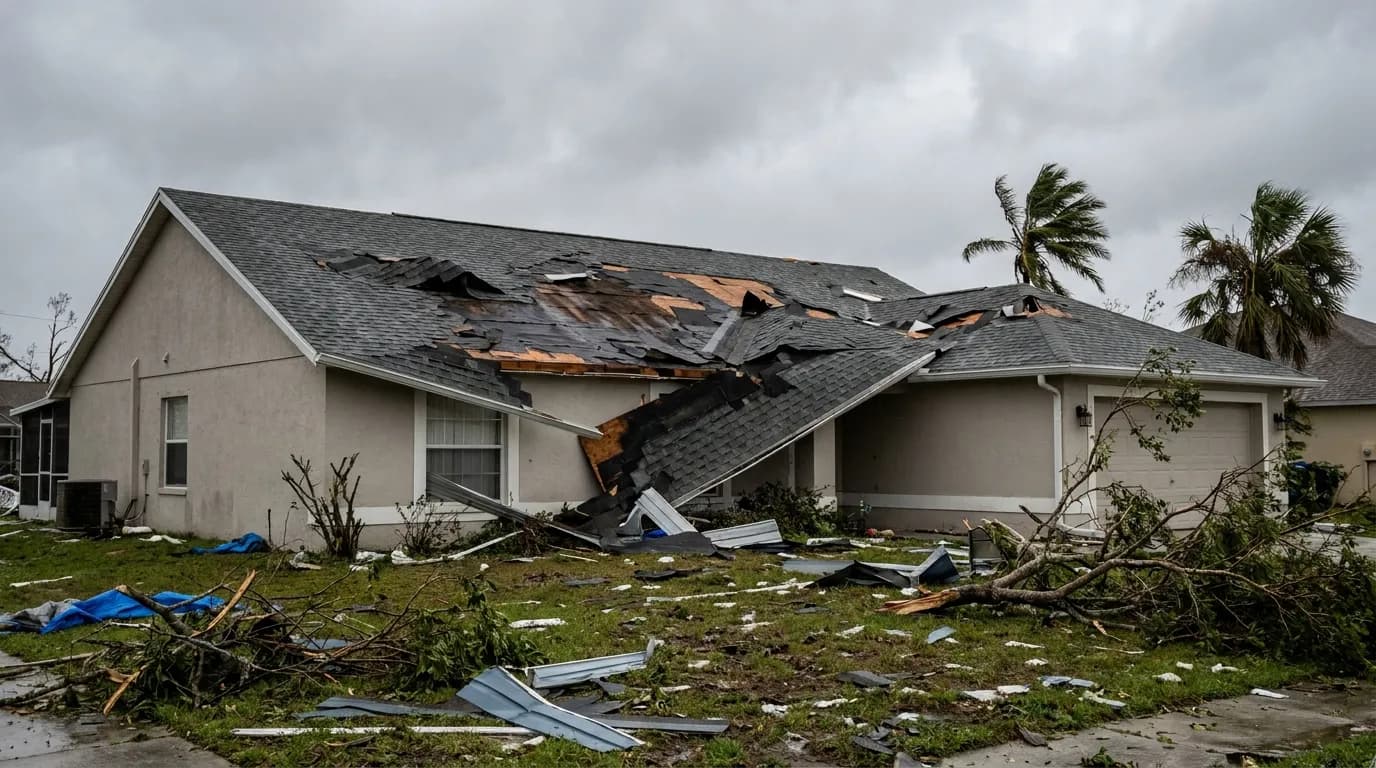
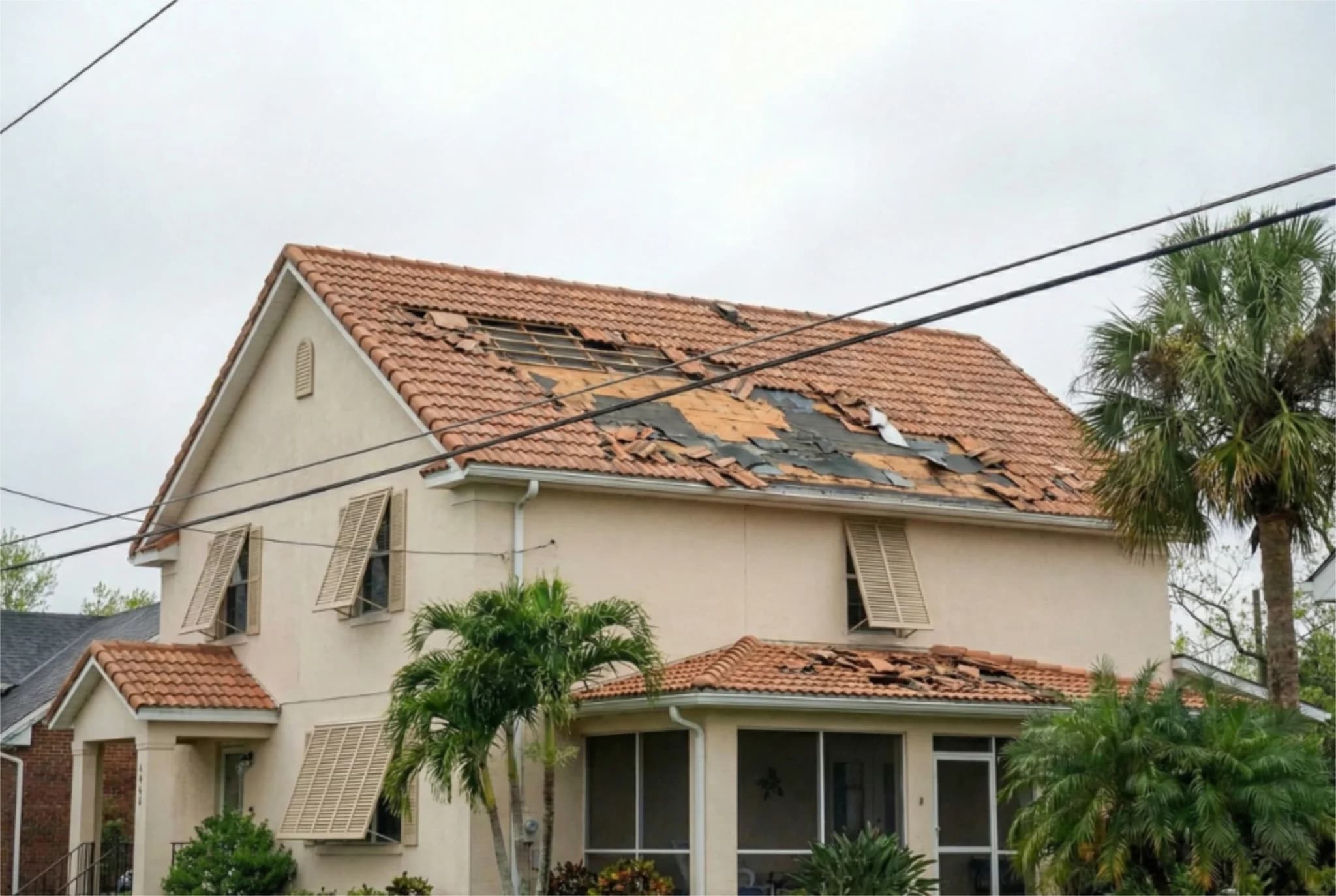
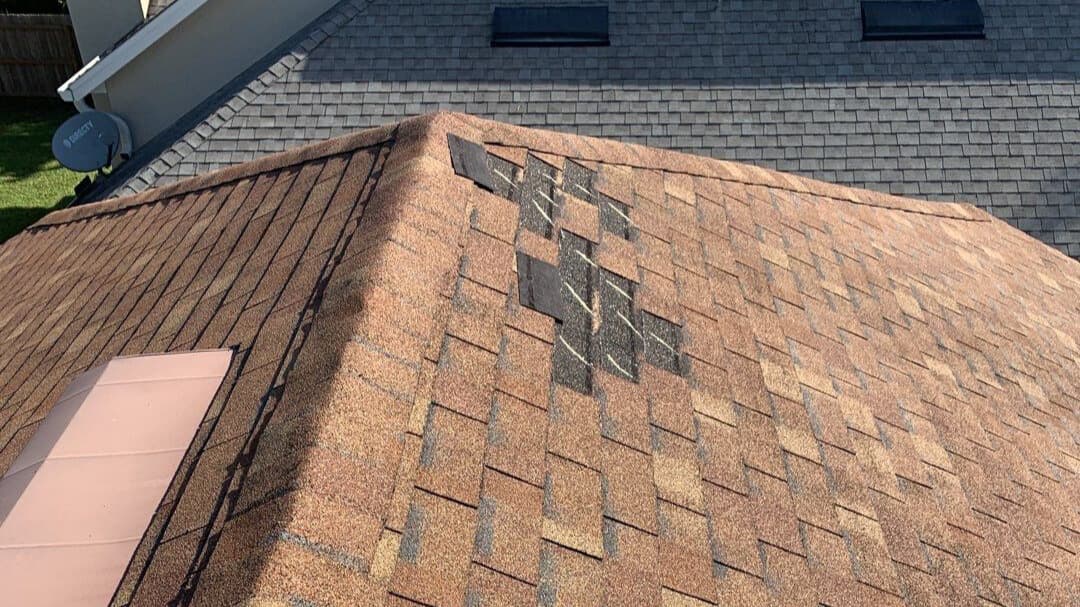
As summer approaches and hurricane season looms on the horizon, Florida homeowners face an annual reality that demands serious preparation. The roof is your home’s first line of defense against the intense winds, heavy rainfall, and flying debris that accompany tropical storms and hurricanes. Yet many property owners delay critical maintenance until damage has already occurred, leaving themselves vulnerable to costly repairs and potential insurance disputes. Understanding how to properly prepare your roof before storm season can mean the difference between weathering the season safely and facing devastating losses. The foundation of hurricane preparedness begins with a thorough roof inspection. Florida’s intense sun and frequent weather changes create conditions that accelerate roof deterioration. Missing or damaged shingles, cracked tiles, or compromised flashing can allow water infiltration during even moderate storms. A professional inspection identifies these vulnerabilities before they become liabilities. Inspectors trained in Florida’s specific climate challenges can spot early signs of wear that untrained eyes might miss, including areas where wind damage has already begun to compromise the structural integrity of your roofing system.
Beyond visual inspection, homeowners should verify that their roofing materials meet current Florida Building Code standards. Older roofs installed before recent code updates may not provide adequate wind resistance. Metal roofing, for instance, has become increasingly popular in Florida because of its superior wind resistance and durability. If your home still has outdated materials, upgrading before hurricane season provides both immediate protection and potential insurance premium reductions. Many insurers now offer discounts for roofs that meet or exceed current wind mitigation standards, making upgrades a financially sound investment. Flashing and sealing represent critical but often overlooked components of hurricane-ready roofing. Flashing—the metal strips that seal joints where the roof meets walls, chimneys, and vents—frequently fails during high winds. Water can penetrate these gaps and cause interior damage that extends far beyond the roof itself. Ensuring all flashing is properly sealed and secured is essential. Similarly, any gaps around penetrations should be sealed with appropriate materials designed to withstand Florida’s climate. These details may seem minor, but they are often the difference between a roof that survives a hurricane and one that fails.
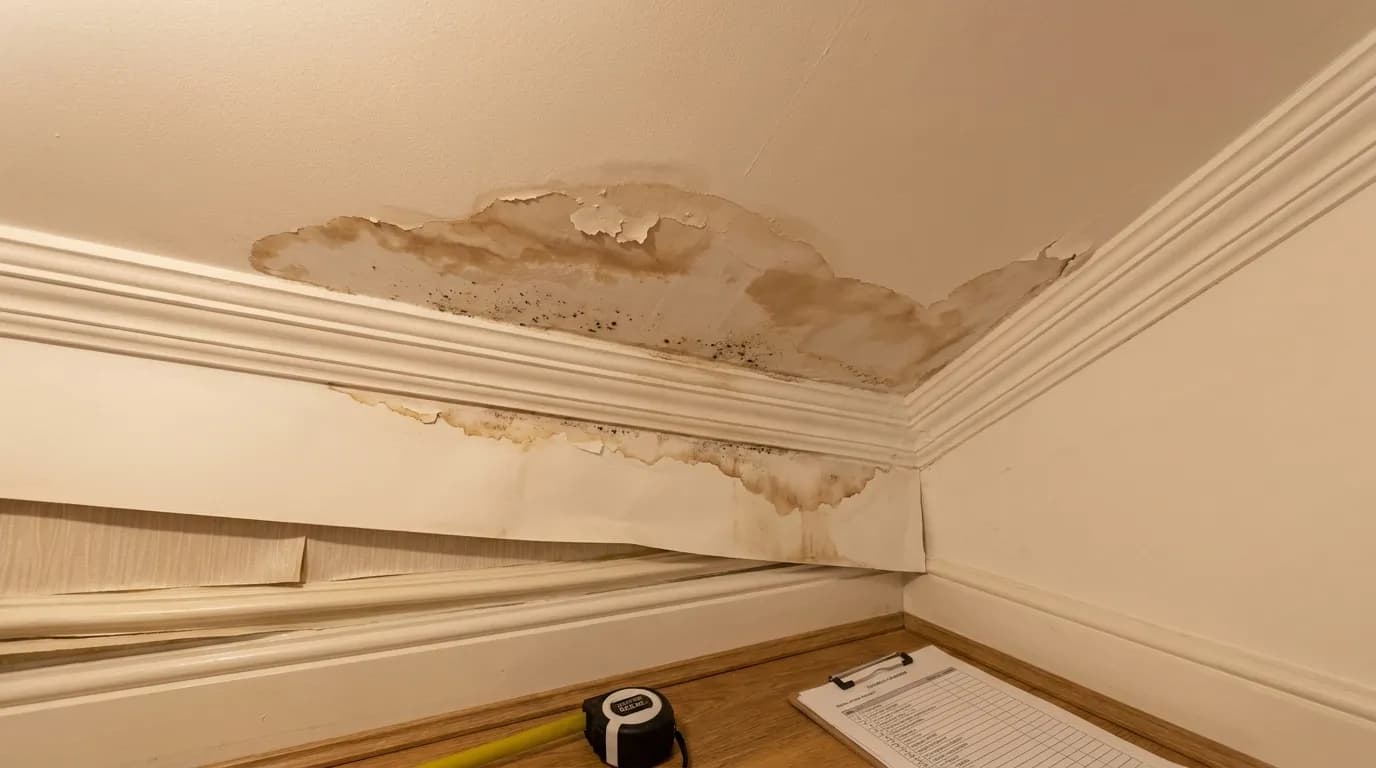
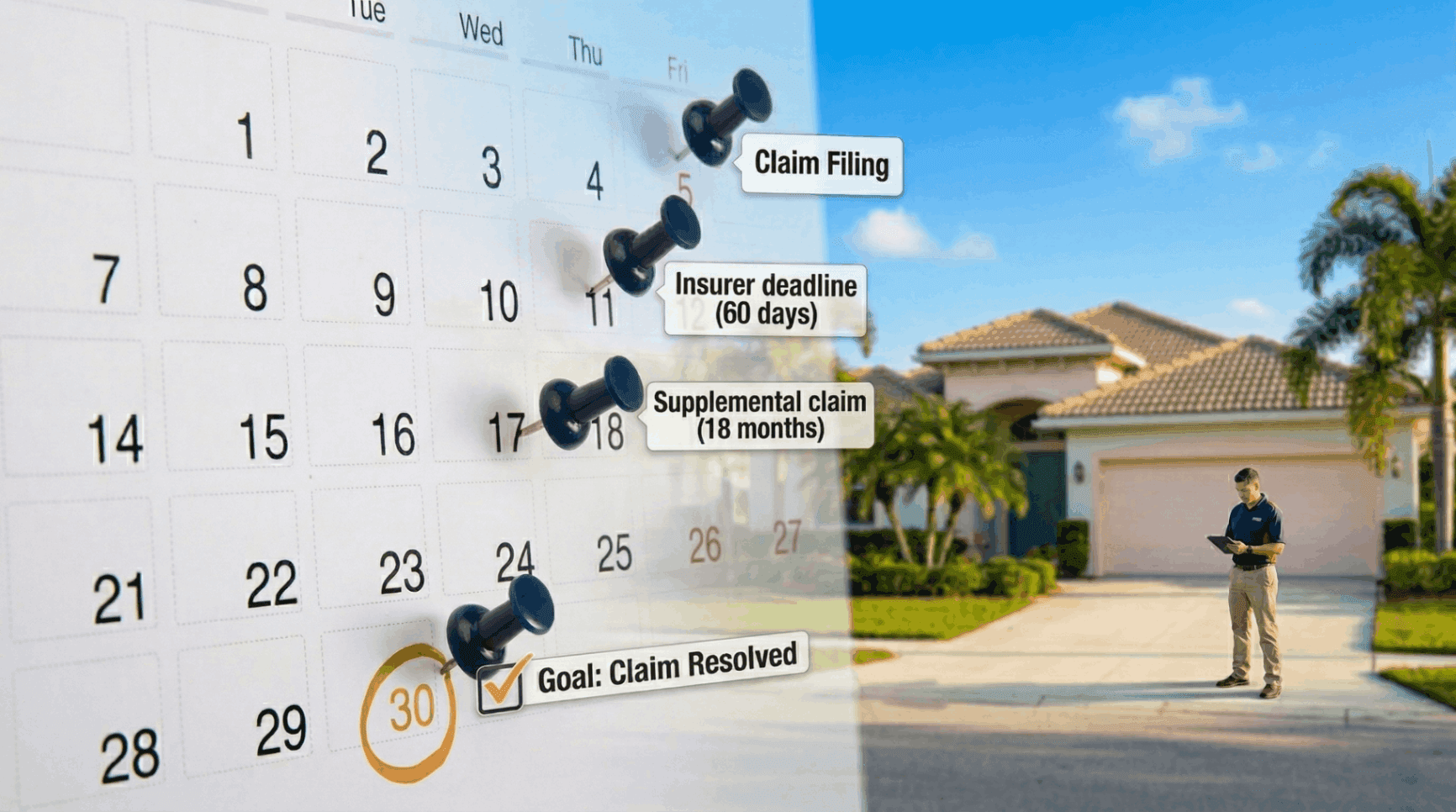
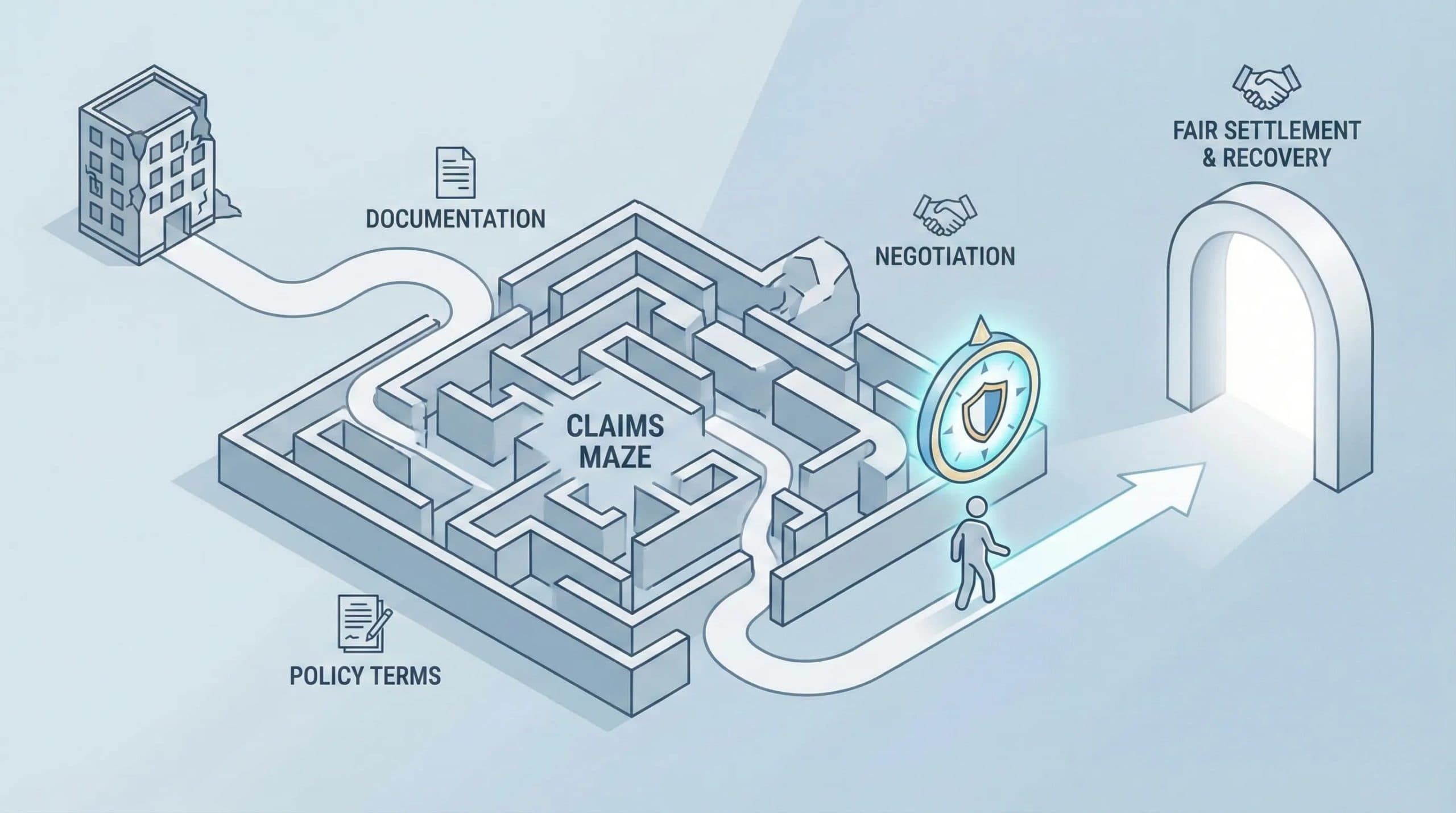
Gutters and drainage systems deserve equal attention. Clogged gutters can cause water to back up under the roof edge, and during heavy rainfall associated with hurricanes, this can lead to significant interior water damage. Clearing gutters and ensuring downspouts direct water away from the foundation protects not just the roof but the entire structure. Additionally, gutters themselves can become projectiles in high winds if they are not securely fastened. A professional inspection should include verification that gutters are properly attached and free of debris. For homeowners in Florida and Texas, where hurricane and severe storm damage claims are common, documenting your roof’s condition before storm season is invaluable. Photographs and written descriptions of your roof’s current state create a baseline for insurance purposes. Should damage occur, this documentation helps substantiate claims and ensures you receive fair compensation. Five Star Claims Adjusting specializes in helping Florida homeowners navigate the claims process following storm damage, and having pre-storm documentation significantly strengthens your position when filing claims for hurricane or wind damage.
Wind mitigation improvements go beyond the roof itself. Proper attic ventilation, reinforced roof-to-wall connections, and braced gable ends all contribute to a home’s ability to withstand high winds. Some of these improvements qualify for insurance discounts, and many can be completed before hurricane season begins. Consulting with a roofing contractor experienced in Florida’s specific requirements ensures that improvements meet both building codes and insurance standards. The timing of roof preparation is critical. Waiting until a hurricane is forecast means that contractors will be overwhelmed with emergency calls, prices will spike, and quality work becomes difficult to secure. Scheduling inspections and necessary repairs during the spring months ensures that work is completed properly and that your home is fully protected when the season peaks. This proactive approach also allows time to address any issues discovered during inspection without rushing or compromising quality.
Insurance considerations should drive your preparation strategy. Review your homeowners policy to understand what roof damage is covered and what exclusions may apply. Some policies require that roofs be maintained to specific standards, and failure to do so can result in claim denials. Additionally, if your roof is nearing the end of its expected lifespan, your insurer may require replacement or impose higher deductibles. Understanding these requirements before storm season allows you to make informed decisions about repairs versus replacement. For homeowners who experience storm damage despite their preparation efforts, professional assistance becomes essential. Five Star Claims Adjusting provides comprehensive storm damage assessment and public adjusting services throughout Florida, helping homeowners document damage, navigate the claims process, and ensure they receive maximum compensation for their losses. Whether dealing with hurricane damage, hail damage, or wind damage from severe storms, having expert support can significantly impact the outcome of your claim.
The investment in pre-season roof preparation pays dividends in multiple ways. Your home is better protected, your insurance coverage is more secure, and you have peace of mind knowing that your property can withstand the forces that Florida’s hurricane season brings. By taking these steps now, before storm season arrives, you position yourself to weather whatever comes with confidence and security.
This article has been sourced from press releases and cross-referenced with multiple websites. Facts originally seen at Source .