Sharp Drop In Claims Litigation Suggests Improved Coverage Options And Faster Closing Timelines
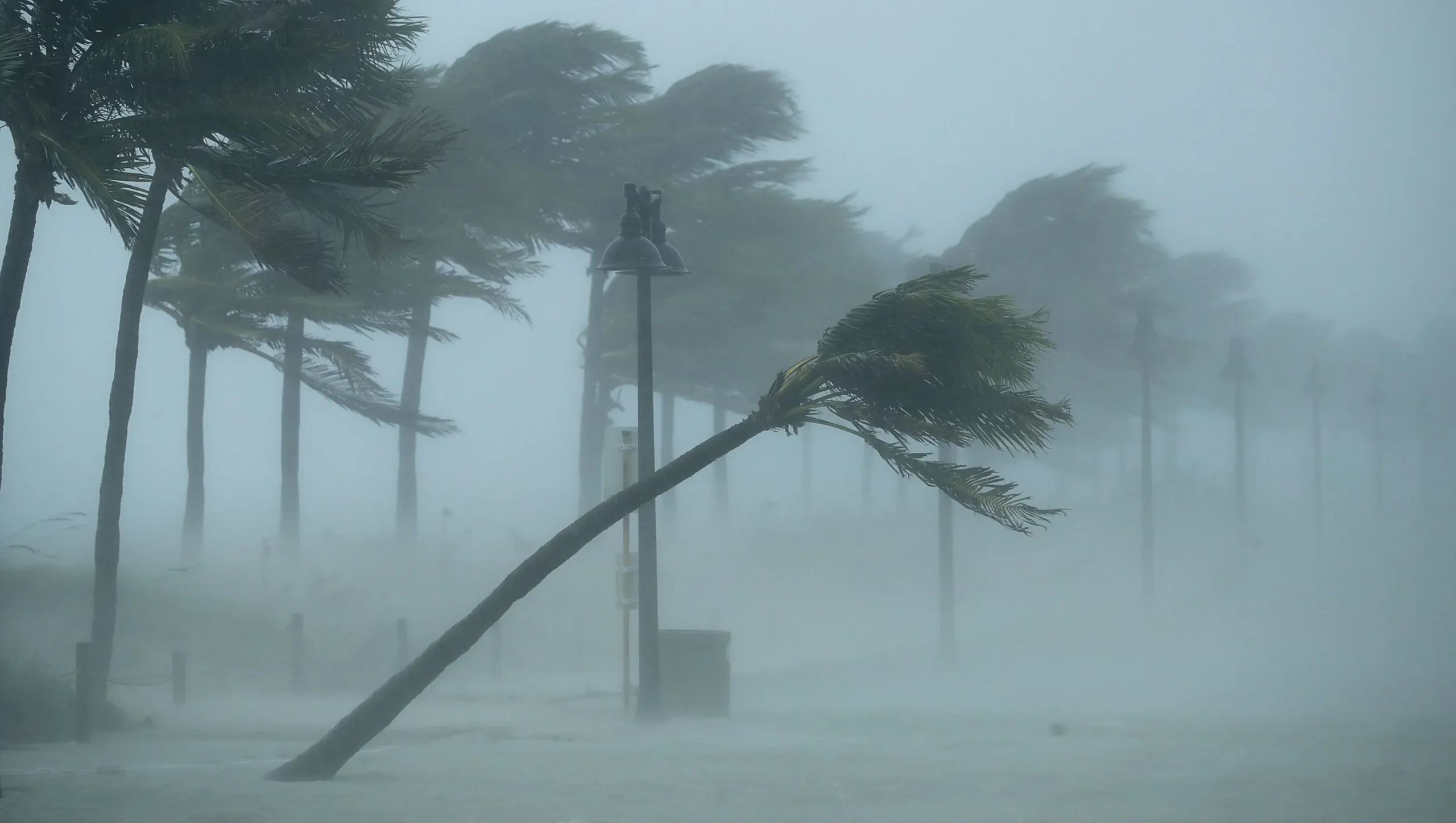
Florida’s property insurance market is showing signs of meaningful recovery as the state’s share of property insurance lawsuits has declined significantly, a development that industry observers view as a crucial indicator of stabilization in a sector that has faced considerable turbulence in recent years. The sharp reduction in litigation activity suggests that the insurance landscape is beginning to normalize, offering relief to homeowners, real estate professionals, and the broader residential property market that has been strained by coverage uncertainty and elevated claim disputes. The decline in property insurance lawsuits represents a departure from the crisis conditions that characterized Florida’s insurance environment in the years following major hurricane seasons and widespread weather-related damage claims. When storm damage claims surge—whether from hurricanes, hail, wind, or other catastrophic events—litigation typically follows as policyholders and their representatives challenge claim denials, underpayments, or coverage disputes. The recent downward trend in such litigation suggests that fewer claims are being contested in court, which can indicate either improved claims handling practices or a more balanced relationship between insurers and policyholders.
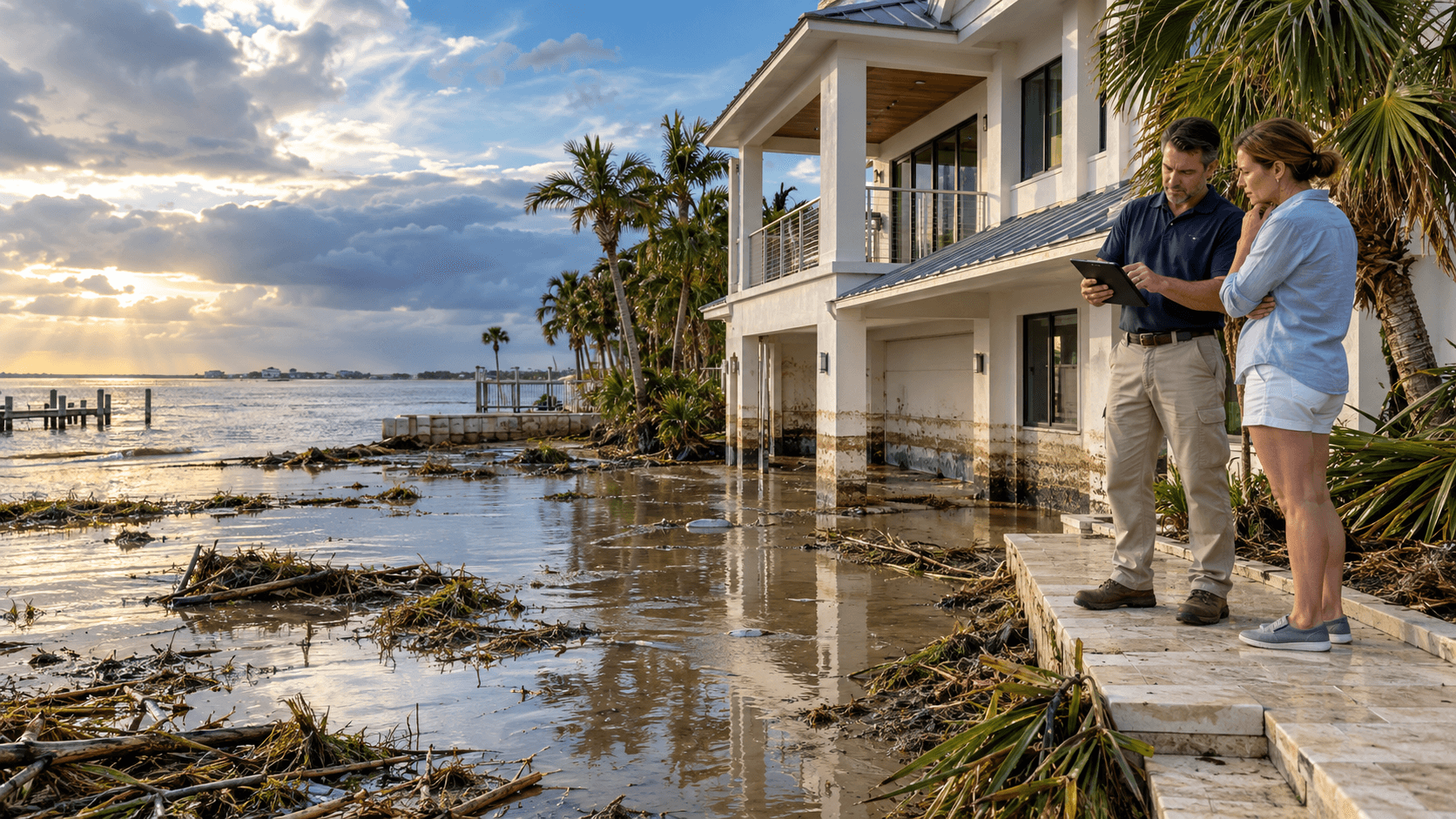
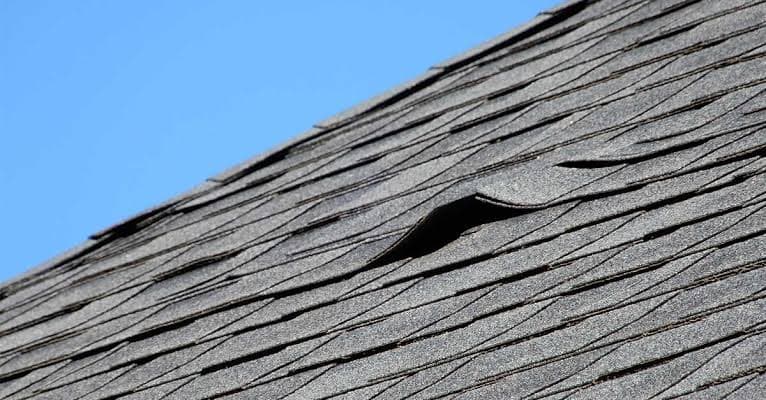
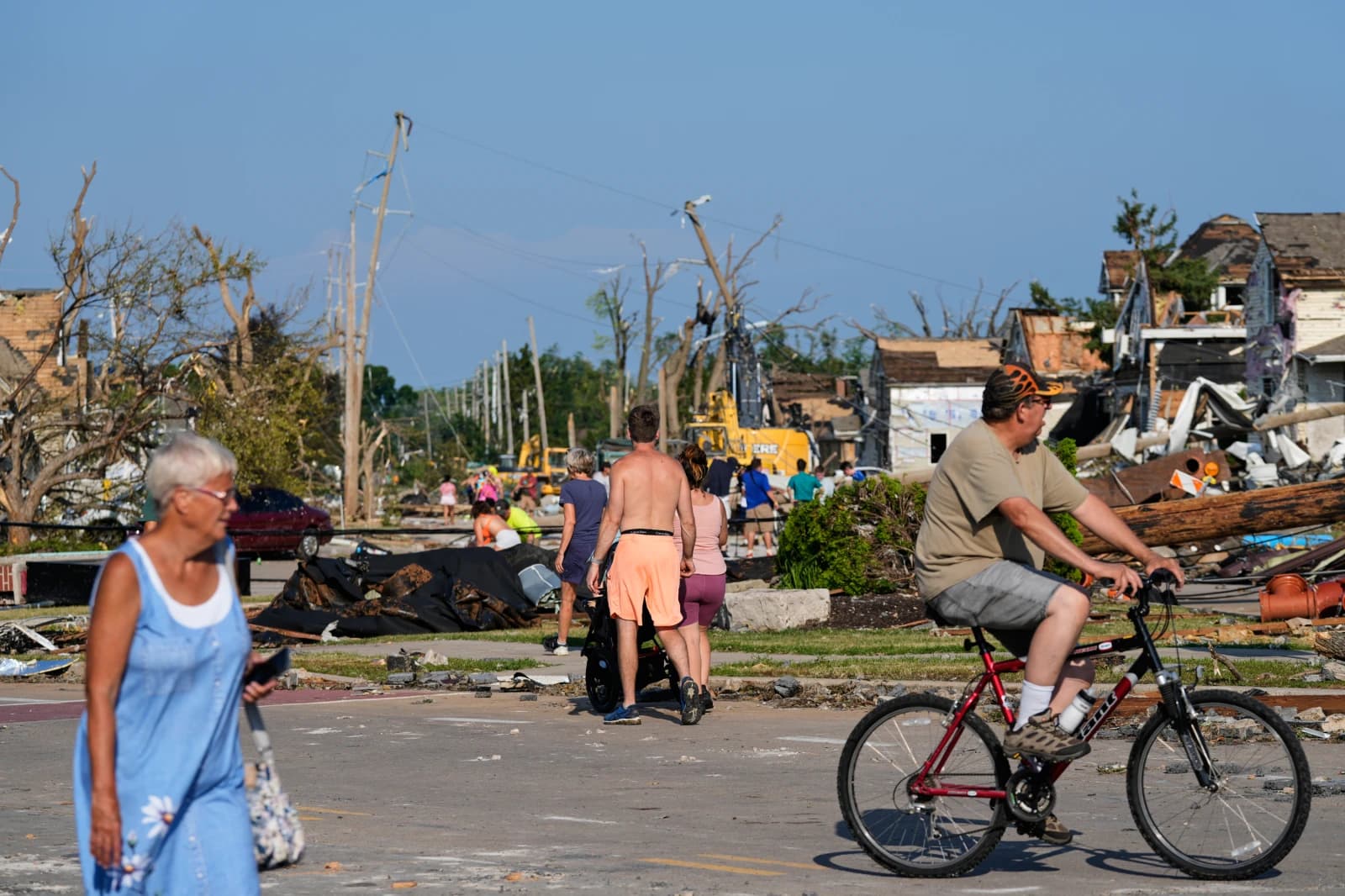
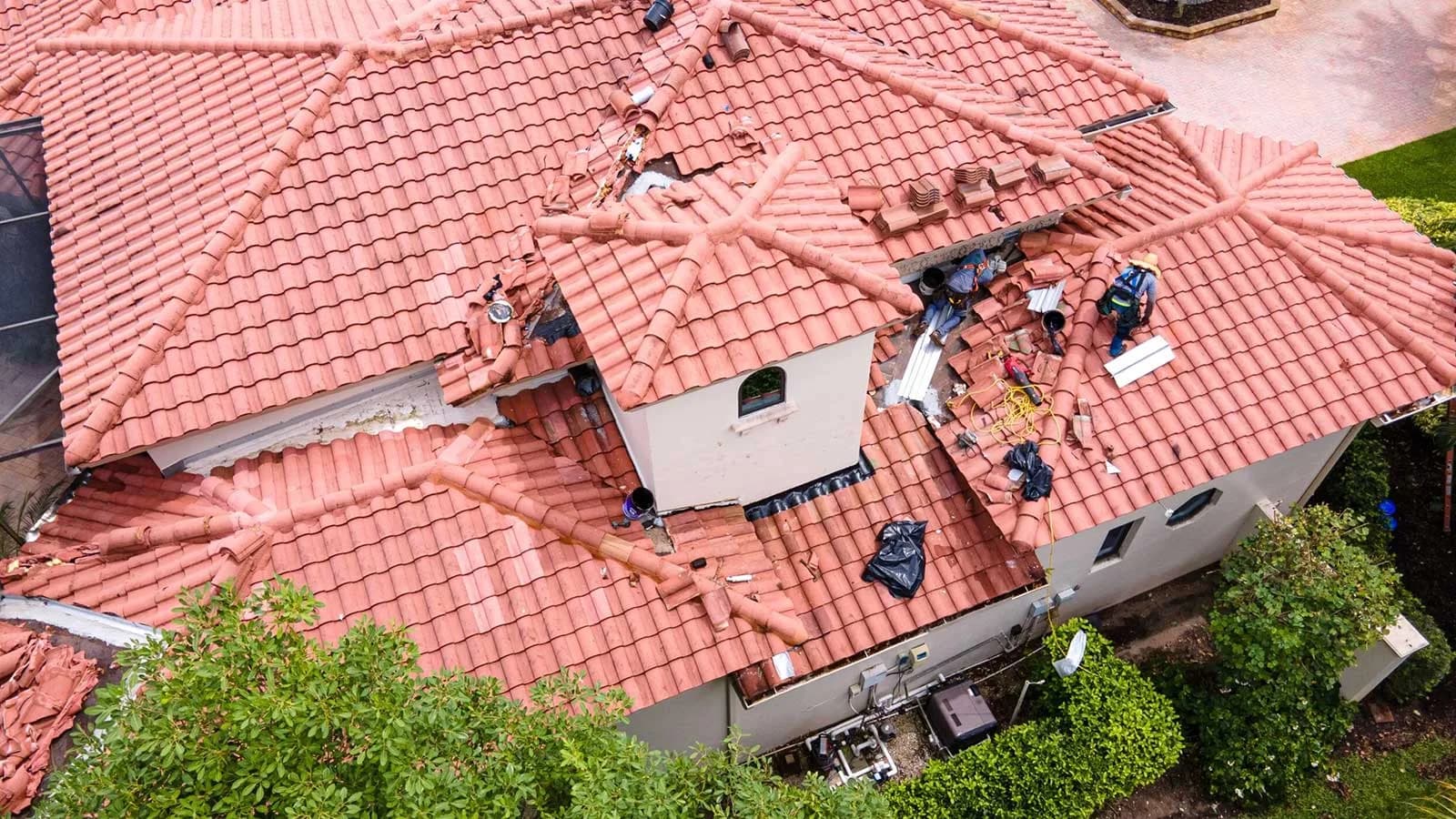
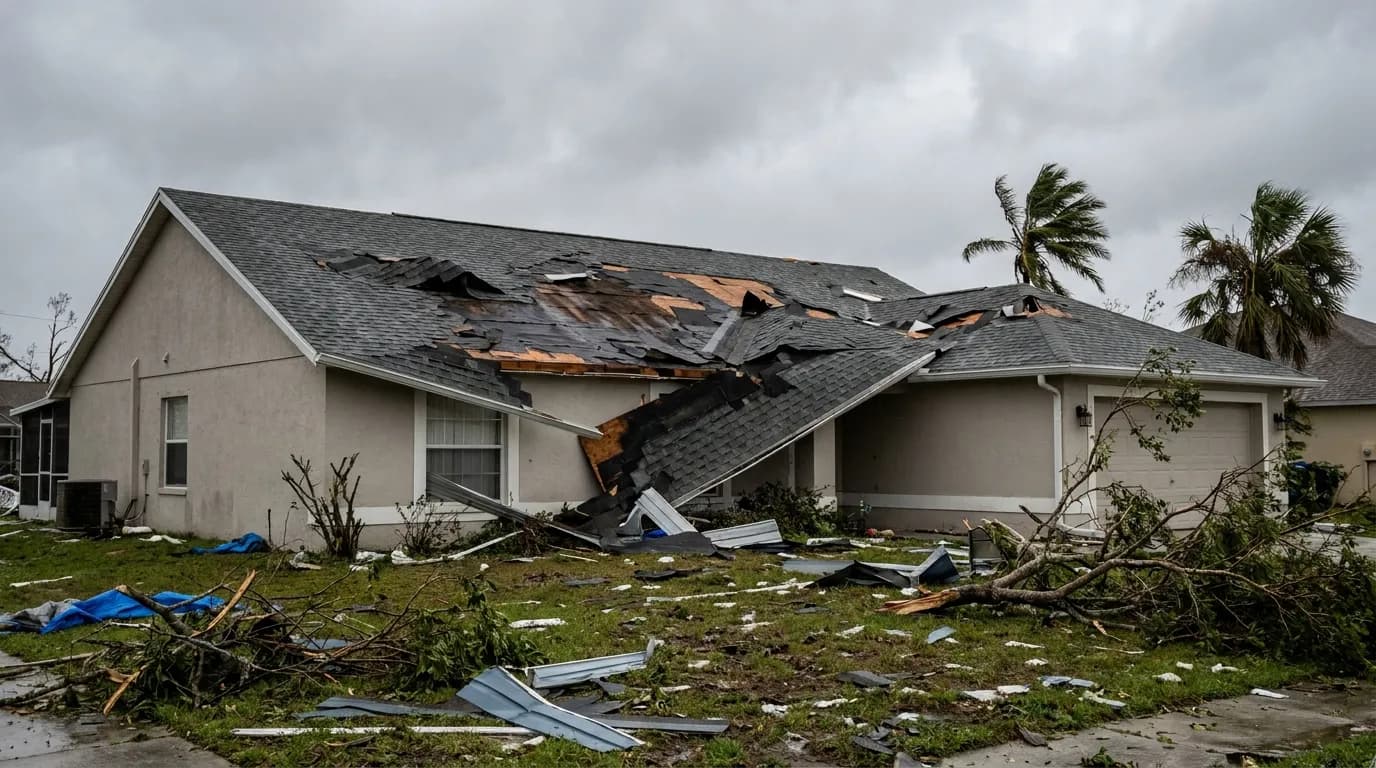
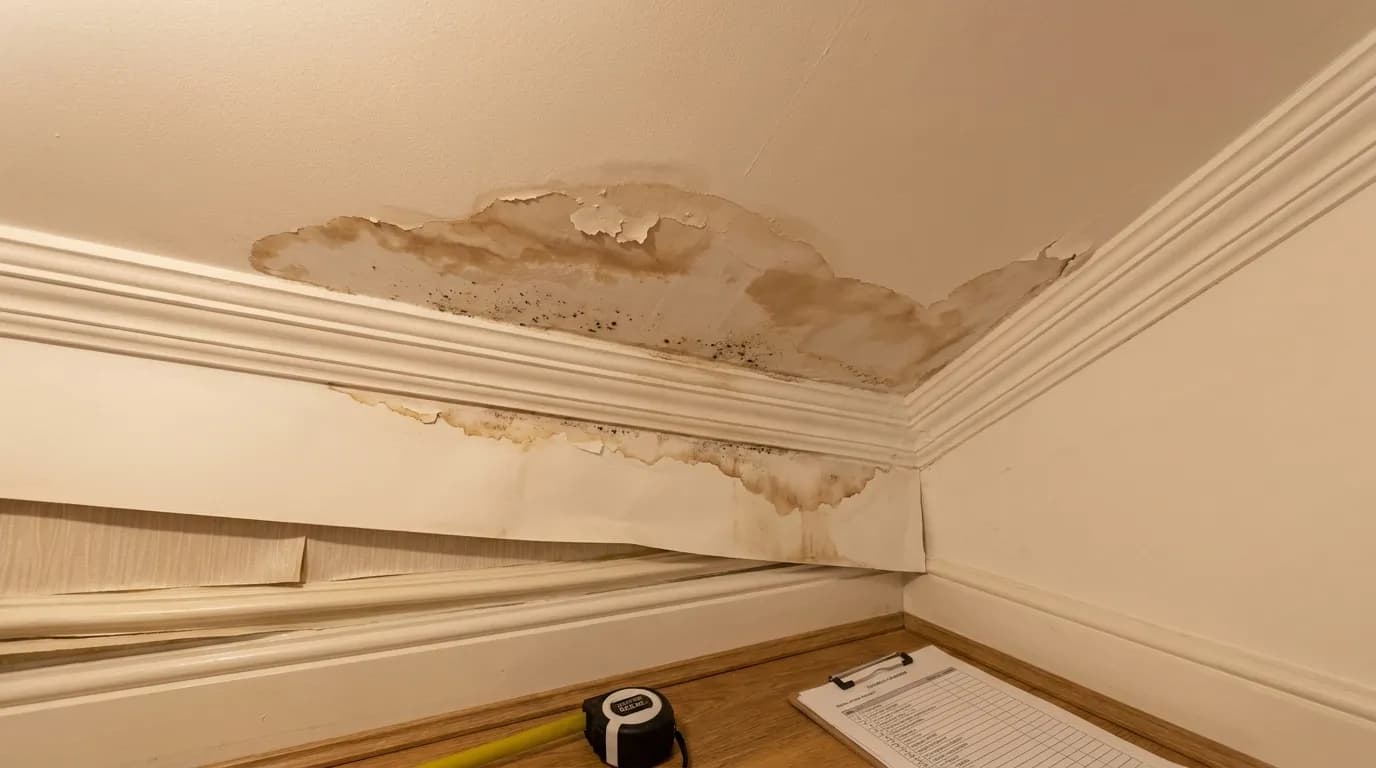
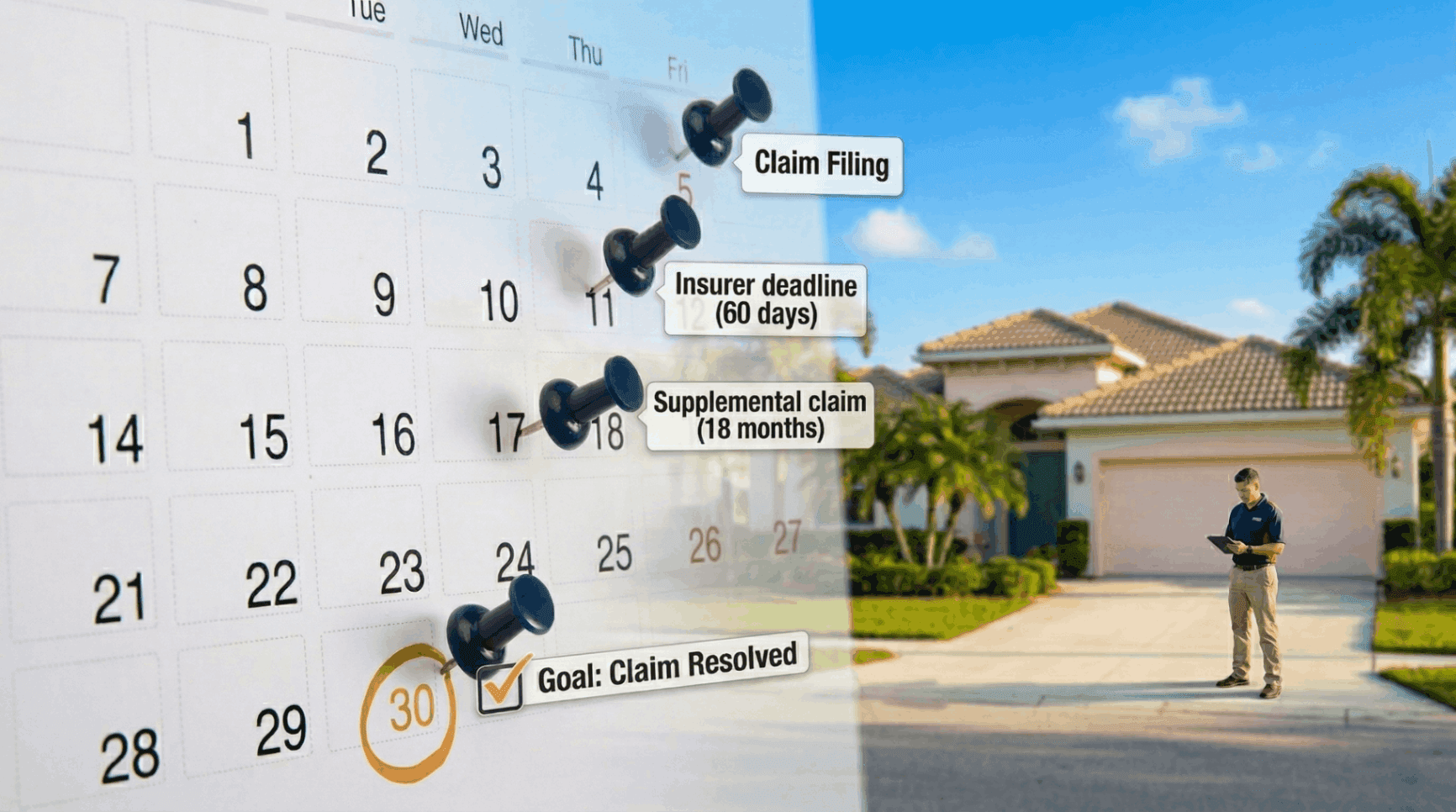
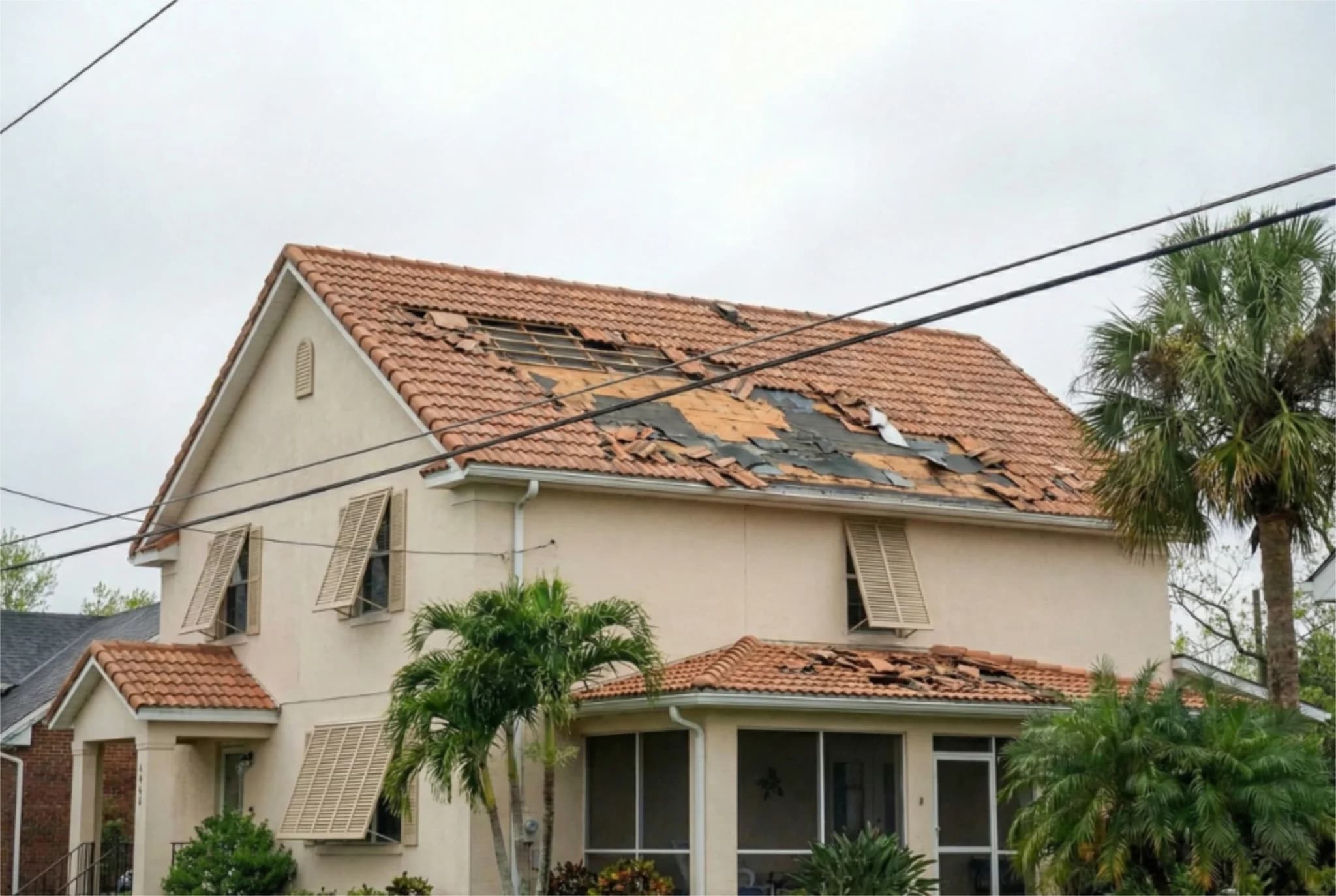
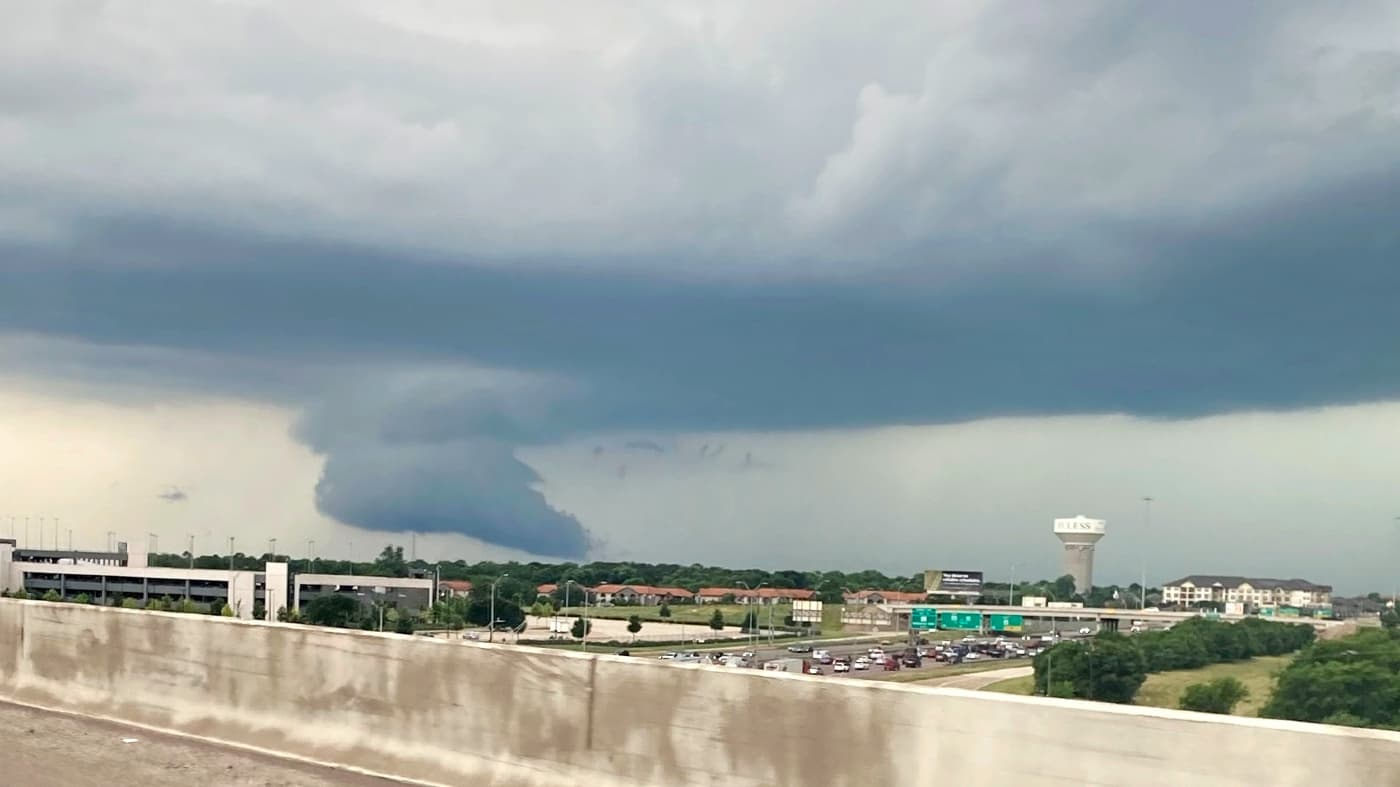
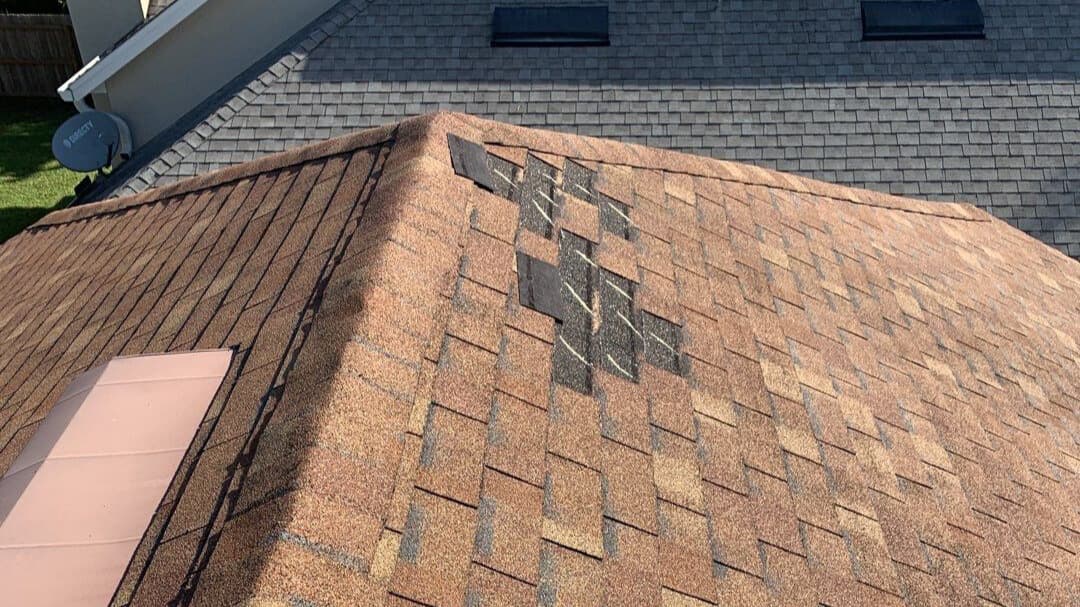
For homeowners navigating the claims process after property damage, this shift carries practical implications. When litigation rates are high, the claims resolution timeline extends significantly, leaving families uncertain about repairs and recovery. A more stable insurance environment typically translates to faster claim decisions and more predictable outcomes. This is particularly important in Florida and Texas, where hurricane season and severe weather events create annual cycles of potential property damage. Homeowners who experience roof damage, water intrusion, wind damage, or other insurable losses benefit when the claims process moves efficiently and fairly. The stabilization of Florida’s property insurance market also reflects broader efforts to address systemic issues that contributed to the litigation surge. Regulatory reforms, improved claims documentation standards, and increased competition among carriers have all played roles in creating a more balanced marketplace. When insurers have greater confidence in their underwriting and claims processes, and when policyholders have clearer pathways to resolution, the need for litigation diminishes. This virtuous cycle supports market entry by new carriers and encourages existing insurers to expand their Florida operations, ultimately increasing coverage options for consumers.
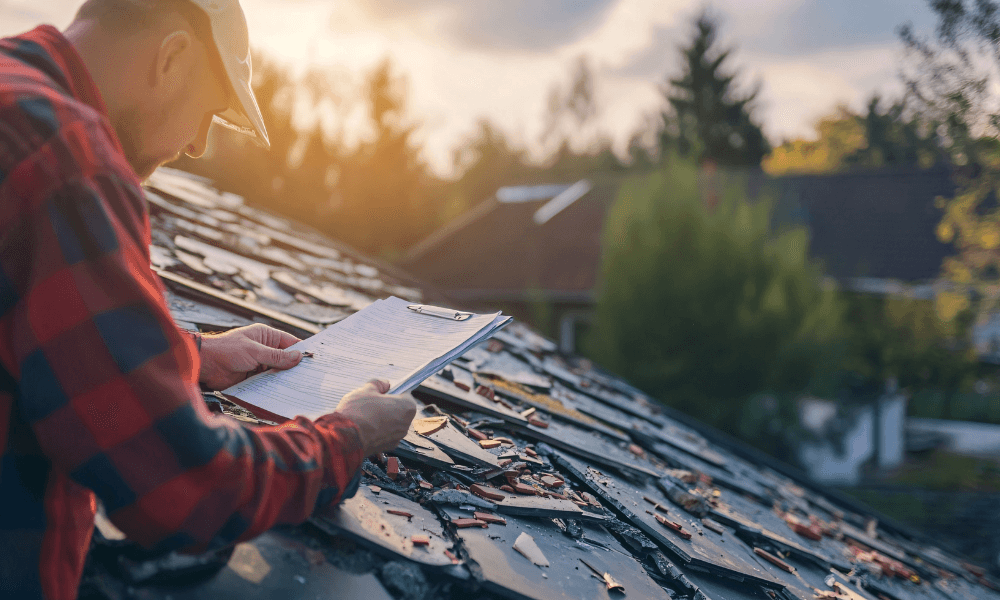
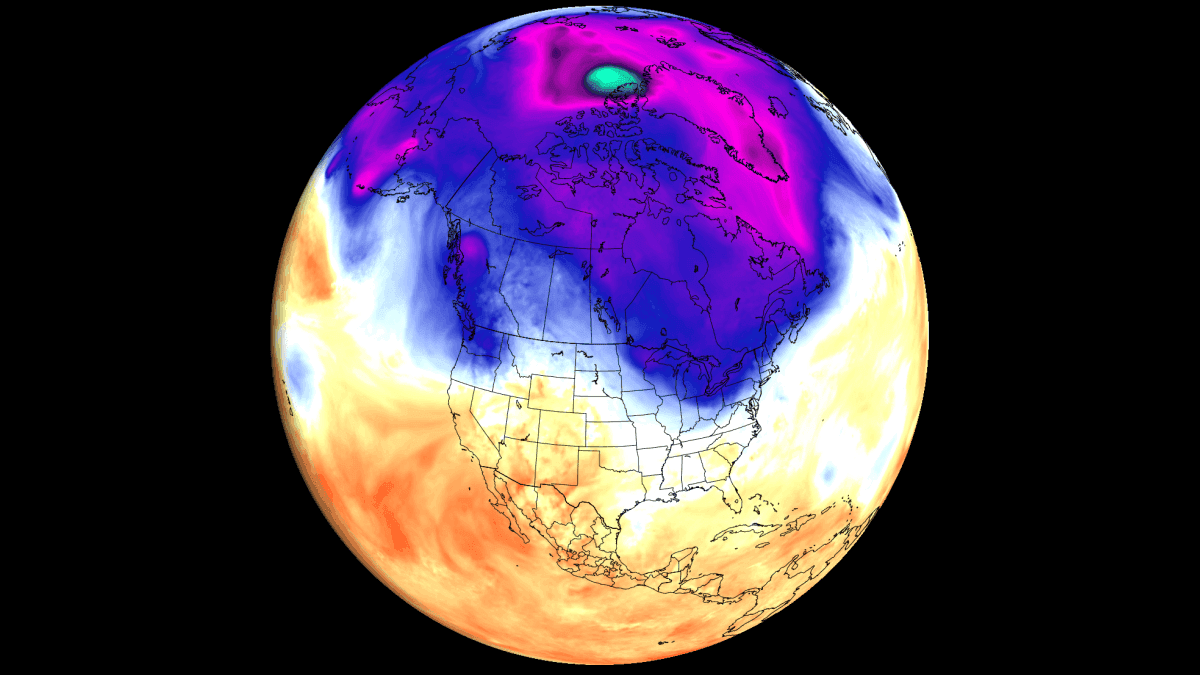
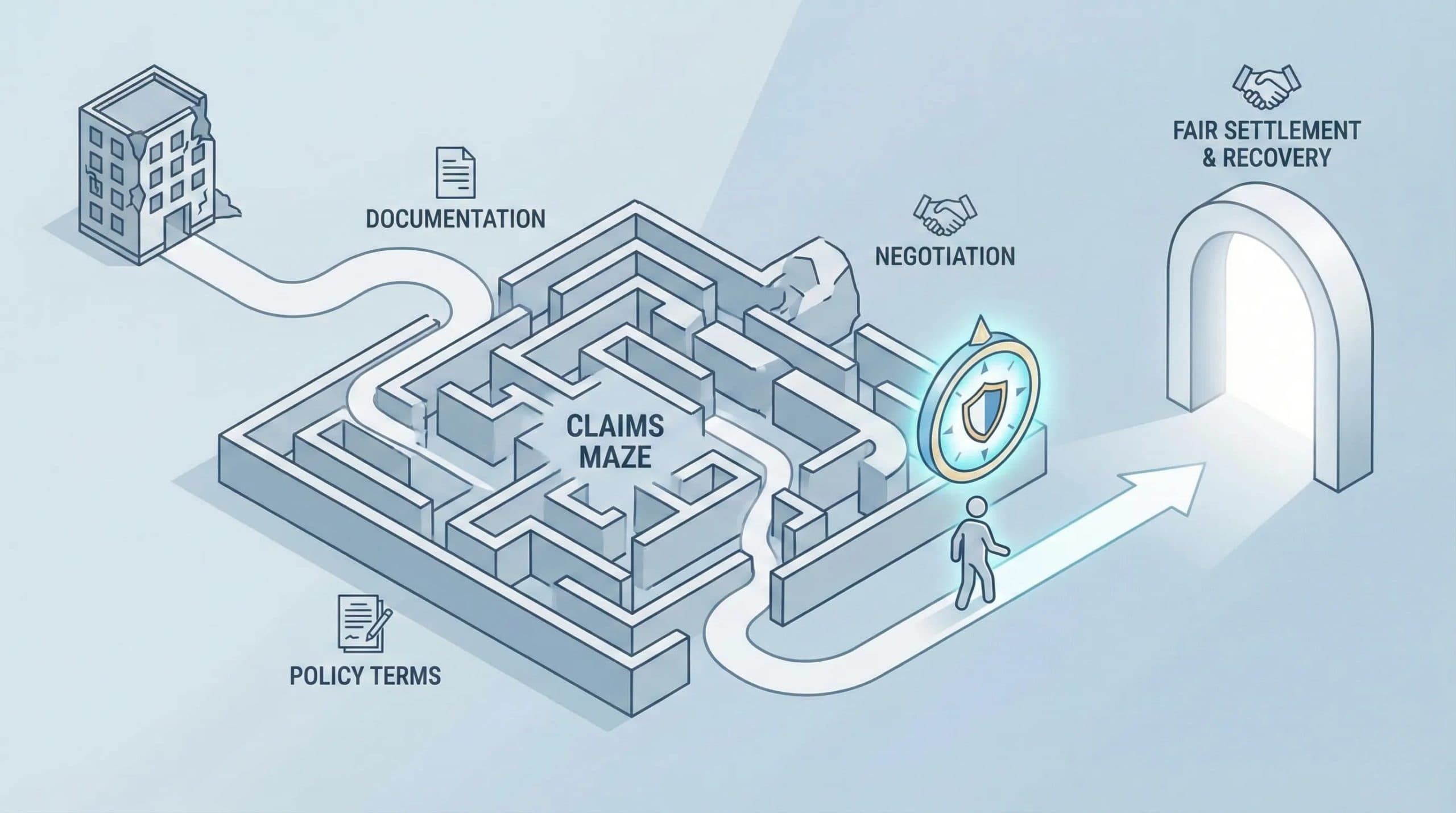
For property owners dealing with storm damage or other covered losses, understanding the claims landscape is essential. Five Star Claims Adjusting specializes in helping homeowners maximize their insurance recovery by providing expert assessment of damage, thorough documentation, and professional representation throughout the claims process. When property damage occurs—whether from hurricanes, hail, freeze damage, or other weather events—having an experienced public adjuster on your side ensures that your claim is properly valued and that you receive the full benefit of your coverage. The firm’s storm damage assistance services are particularly valuable during peak weather seasons, when insurers are managing high claim volumes and homeowners need skilled advocates to protect their interests. The decline in property insurance litigation also signals improved market confidence, which can lead to more favorable policy terms and competitive pricing for consumers. When insurers operate in a more stable environment with lower litigation exposure, they can pass some of those savings to policyholders through better rates and more comprehensive coverage options. This creates a positive feedback loop that strengthens the entire residential insurance market.
Looking ahead, maintaining this momentum will require continued focus on claims handling excellence, transparent communication between insurers and policyholders, and fair resolution of disputes. The real estate and insurance industries must work together to ensure that homeowners understand their coverage, know how to document damage properly, and have access to professional guidance when claims arise. Educational initiatives about hurricane preparedness, storm damage assessment, and the claims process help prevent misunderstandings that can escalate into disputes. The stabilization of Florida’s property insurance market represents progress for the entire state’s residential real estate sector. When homeowners have confidence in their insurance coverage and can rely on fair, timely claims resolution, property values stabilize, transaction timelines improve, and communities can focus on recovery and rebuilding after weather events rather than prolonged legal battles. As the market continues to normalize, the emphasis should remain on maintaining the practices and reforms that have contributed to this positive trend, ensuring that Florida’s property insurance environment remains competitive, fair, and responsive to the needs of homeowners and the communities they call home.
This article has been sourced from press releases and cross-referenced with multiple websites. Facts originally seen at Source.