Climate Patterns Reshape Storm Risk for 2026 Atlantic Basin
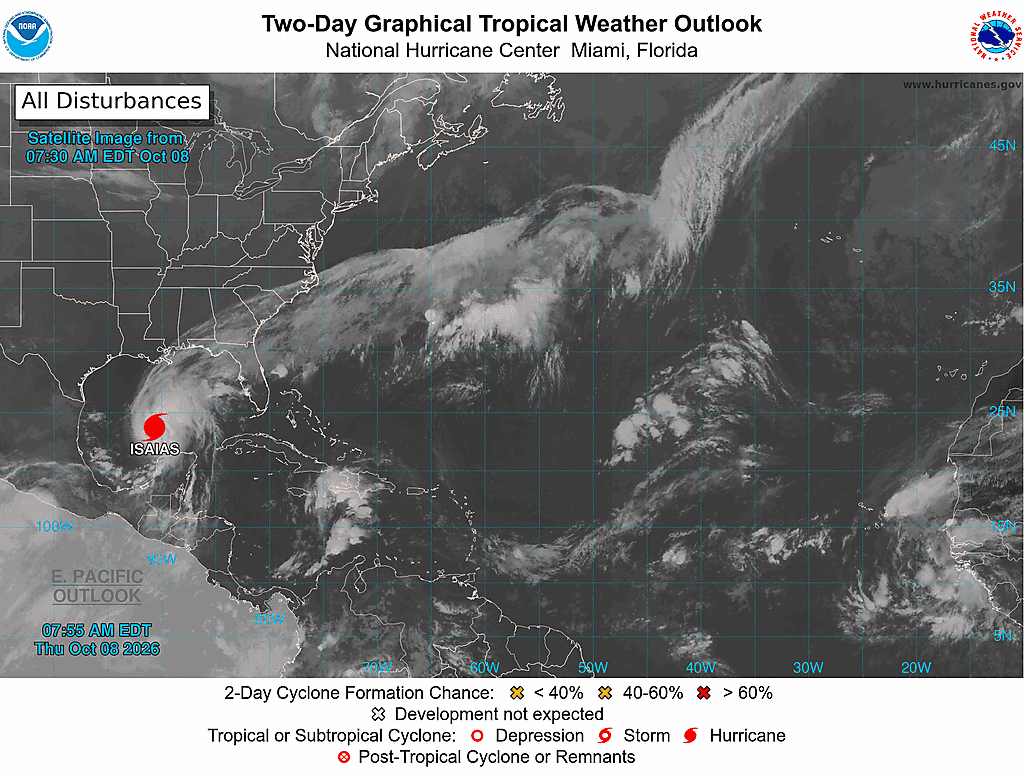
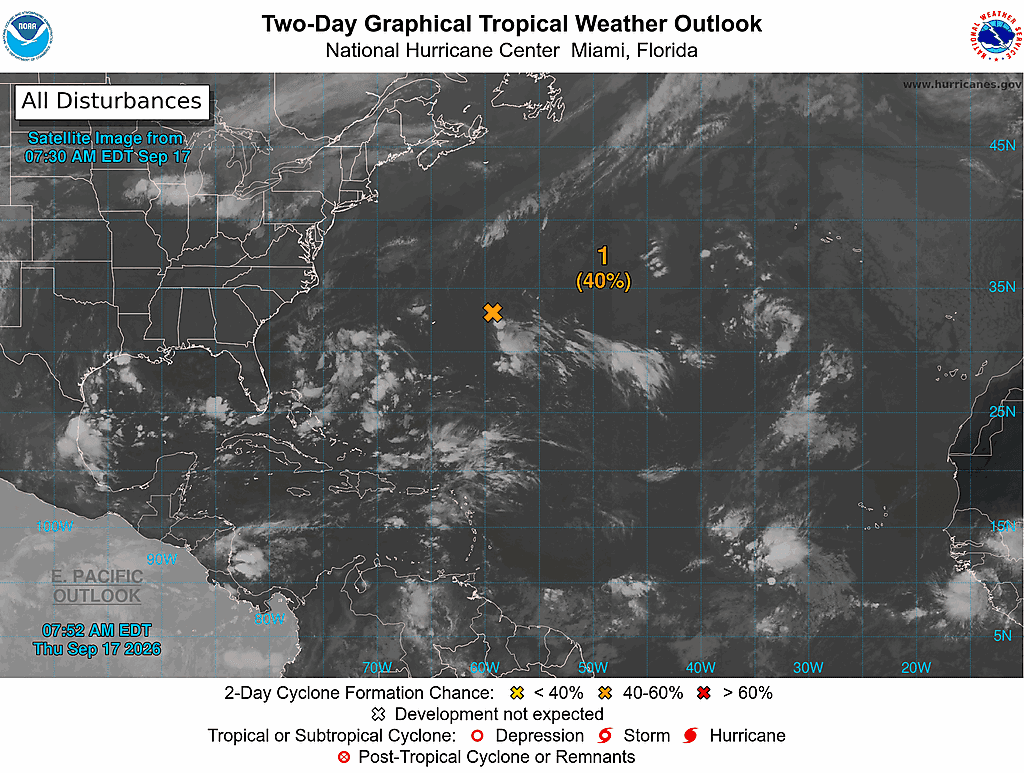
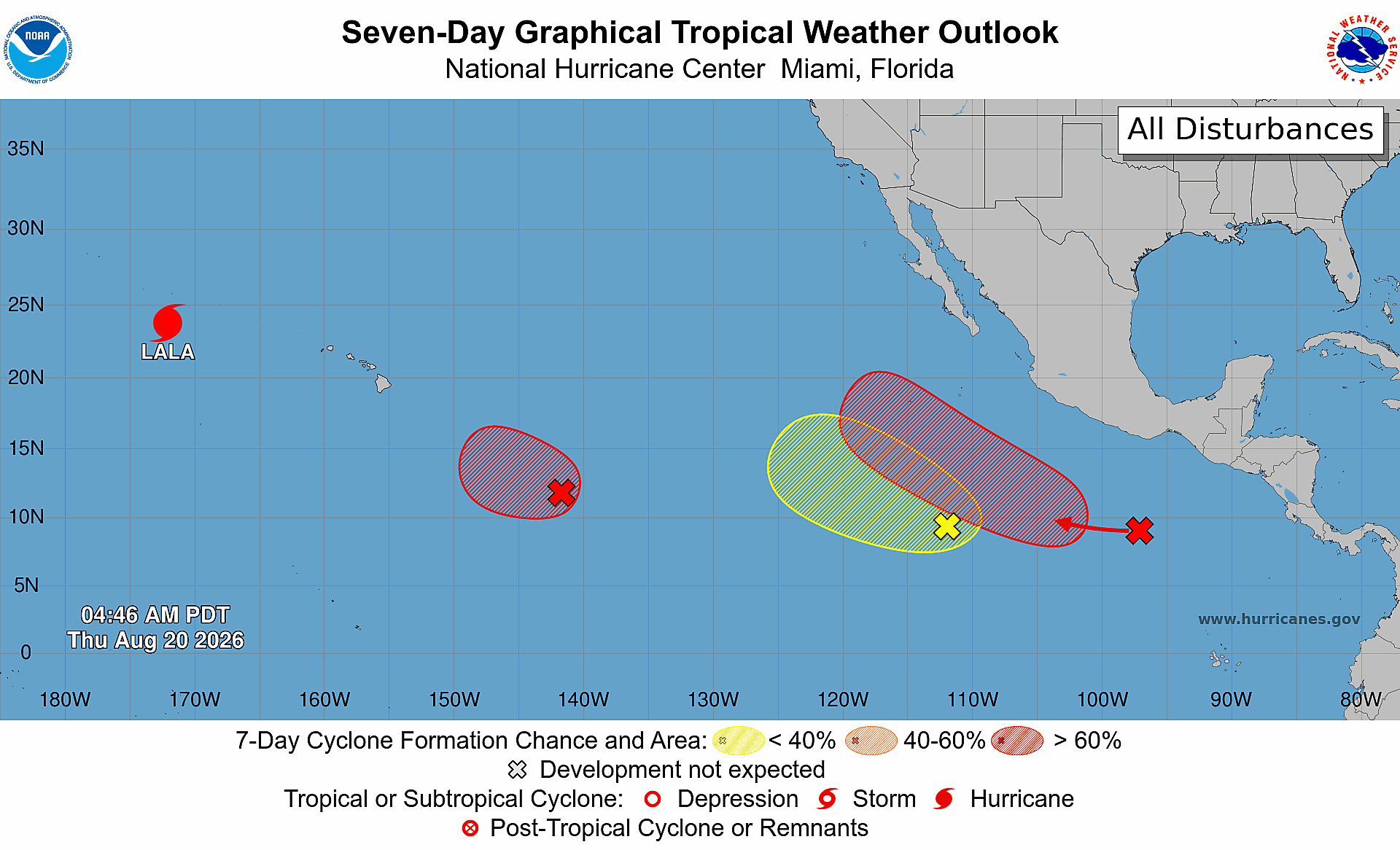
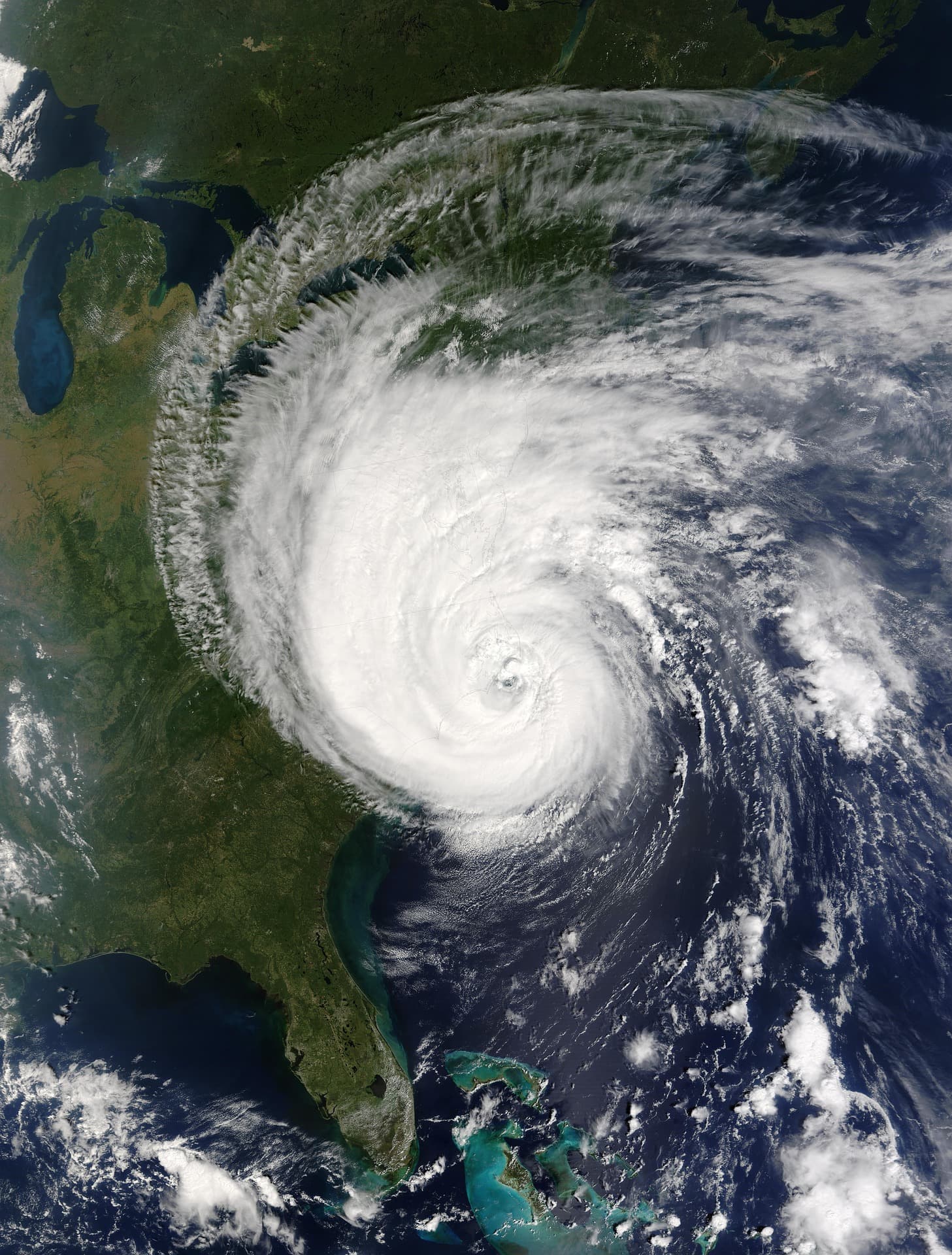
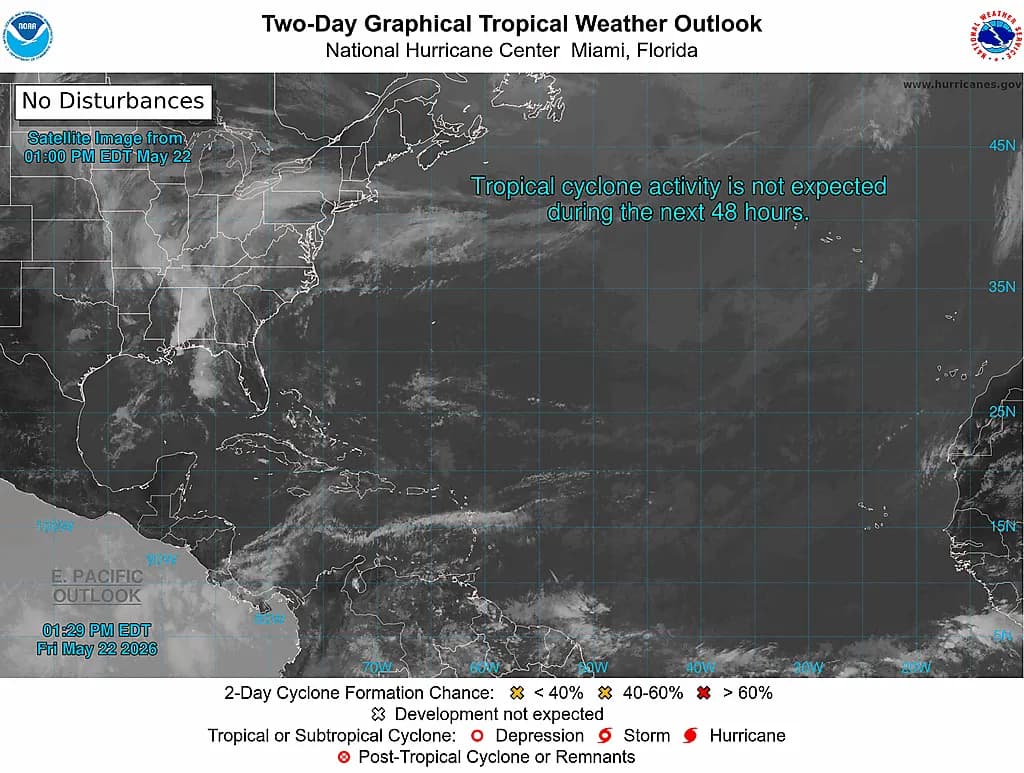
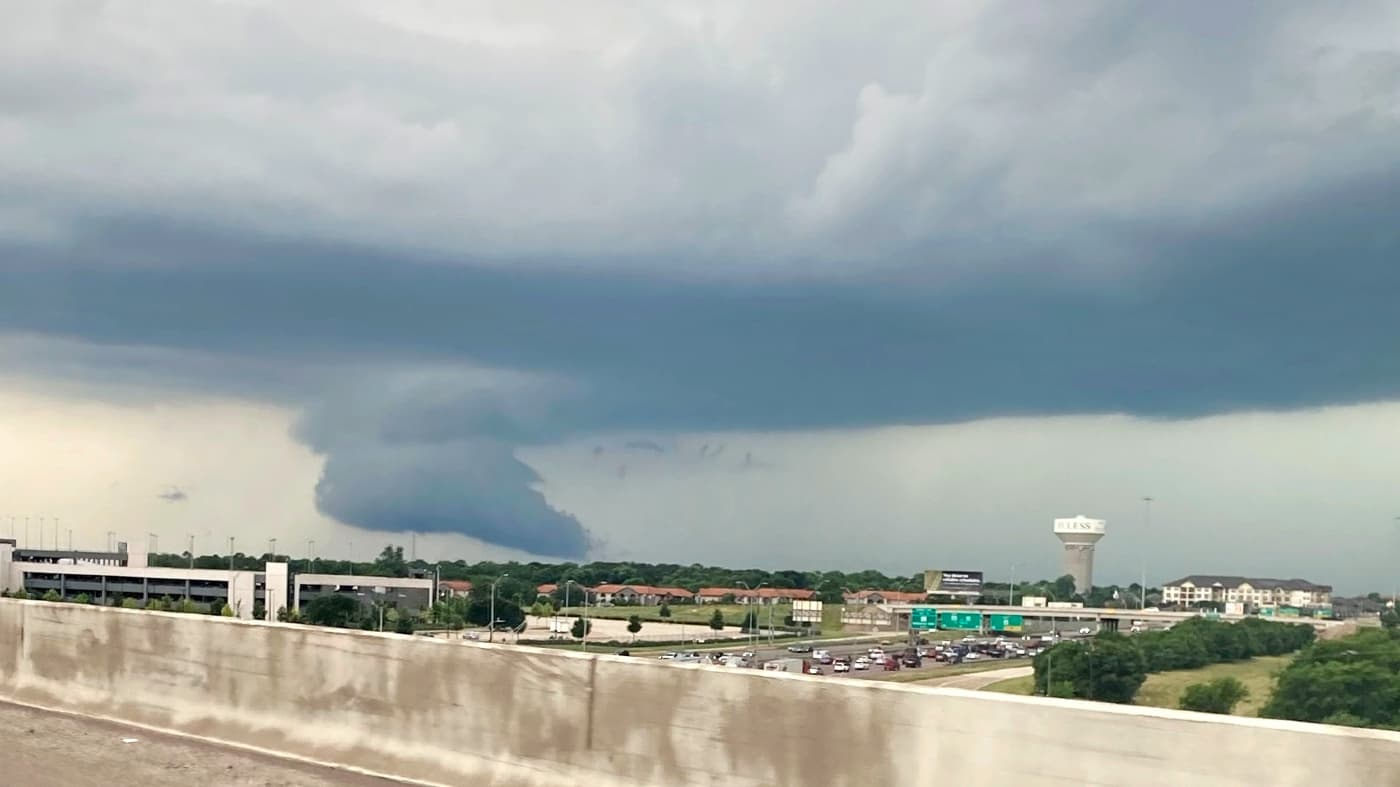
The 2026 Atlantic hurricane season is unfolding under the influence of El Niño, a climate pattern that fundamentally reshapes how tropical systems develop and intensify over the Gulf of Mexico and beyond. For property owners across Texas and the broader Gulf Coast, understanding this atmospheric phenomenon has become essential to disaster preparedness and insurance planning. The interplay between El Niño conditions and hurricane formation creates a complex risk landscape that demands attention from homeowners, business operators, and those responsible for protecting valuable assets. El Niño occurs when warm water accumulates in the central and eastern Pacific Ocean, disrupting normal trade wind patterns and atmospheric circulation across the tropics. This warming effect extends its influence into the Atlantic basin, where it introduces wind shear—the change in wind speed and direction at different altitudes—that can suppress hurricane development. Meteorologists have long observed that strong El Niño years tend to produce fewer Atlantic hurricanes overall, though the storms that do form can still pose significant threats to coastal communities. The 2026 season reflects this pattern, with forecasters adjusting their expectations for storm frequency while remaining vigilant about the intensity of individual systems.
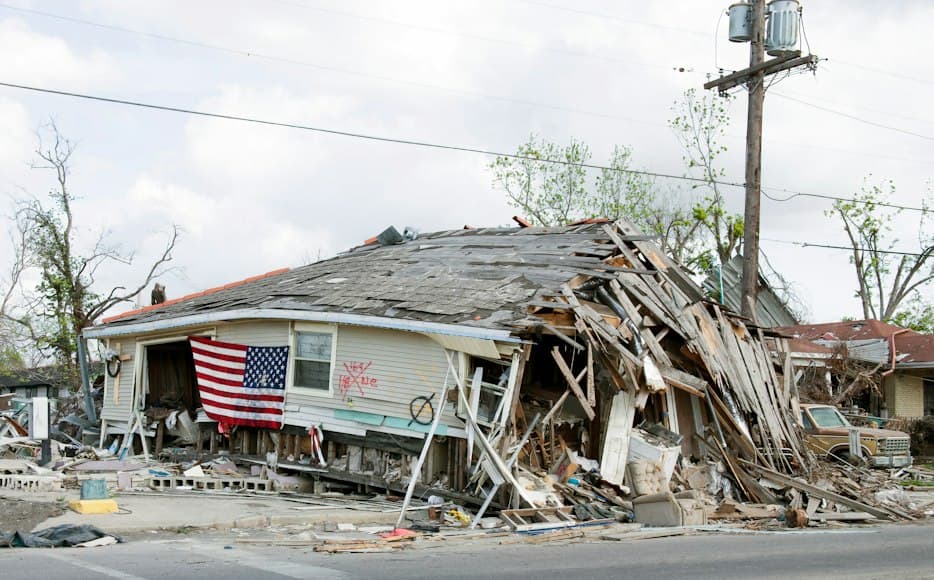
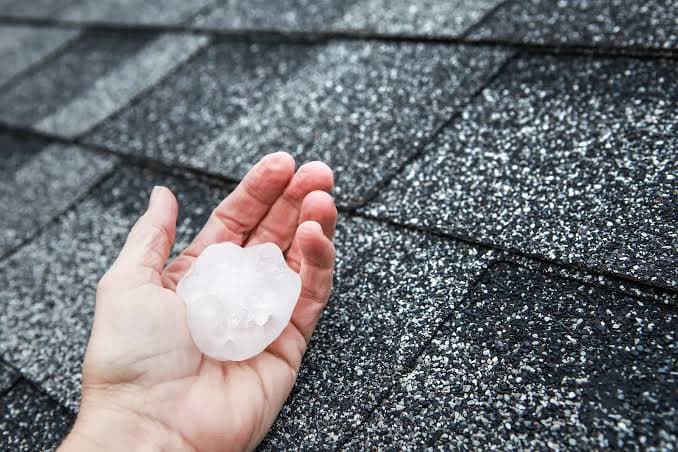
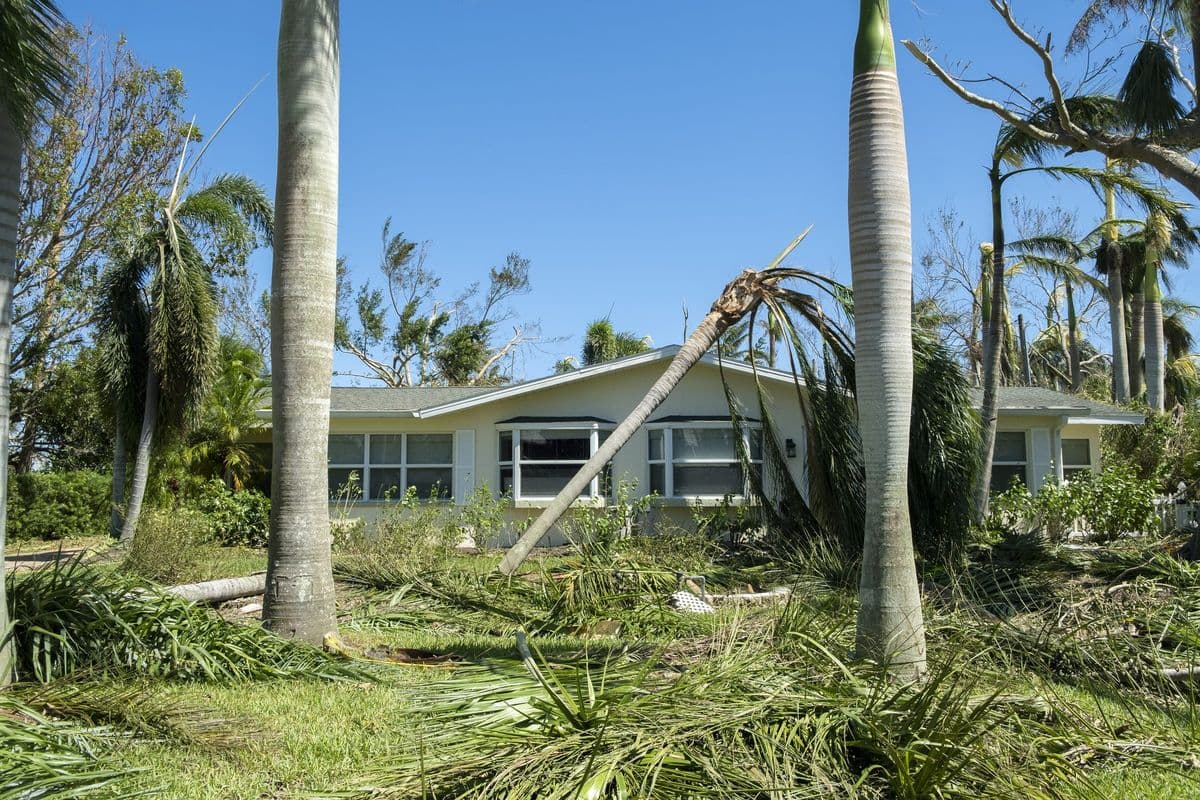
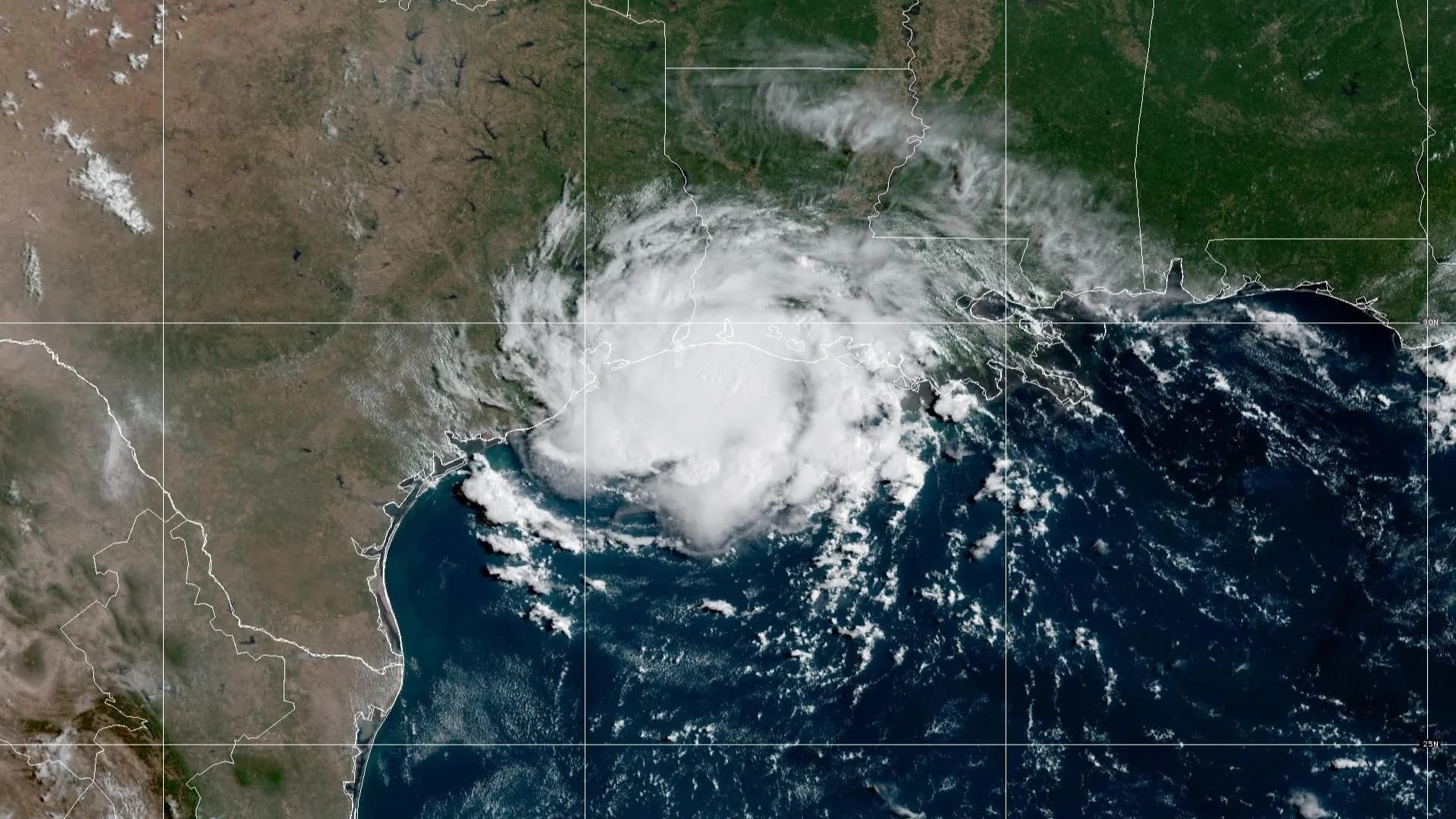
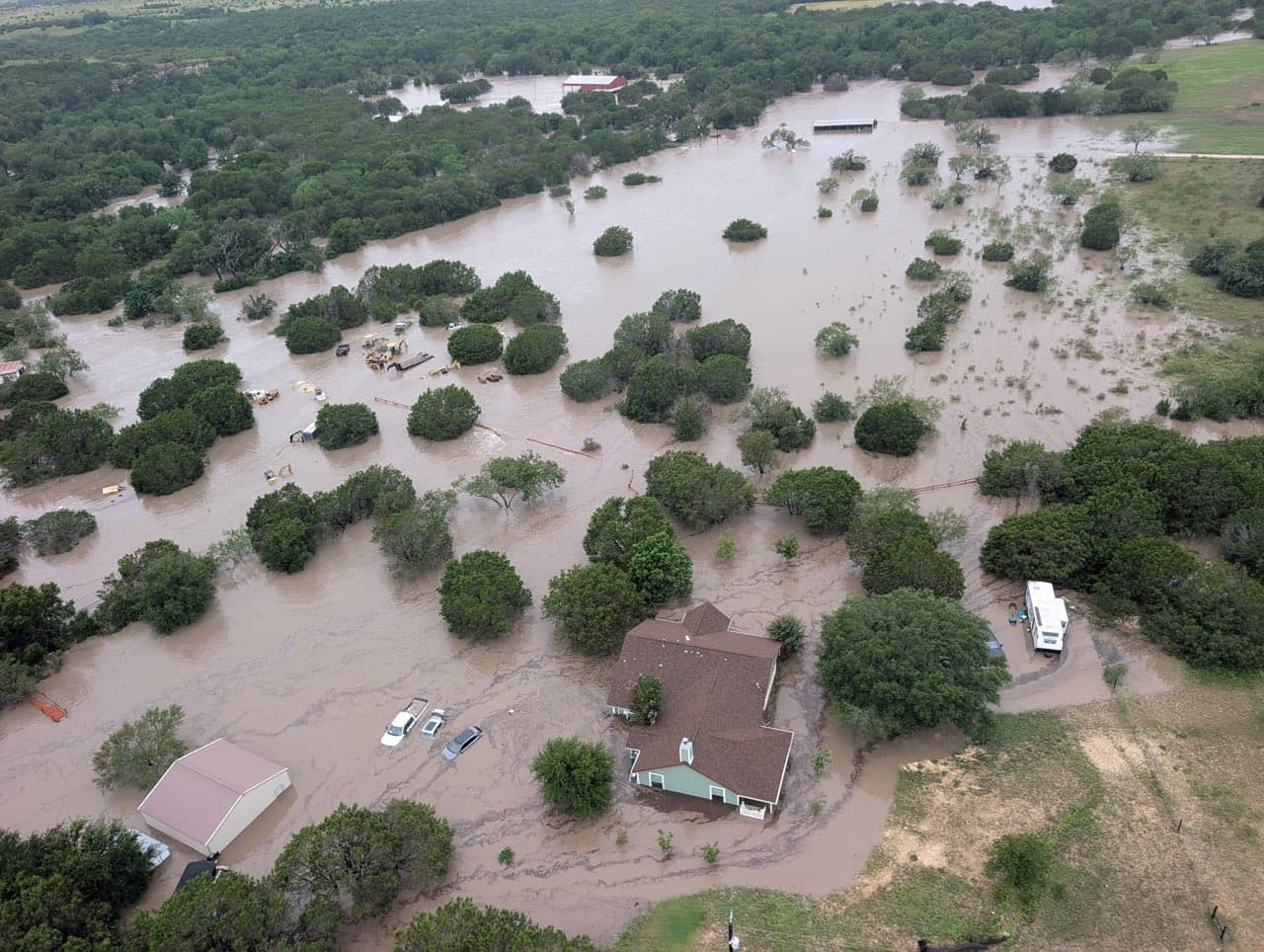
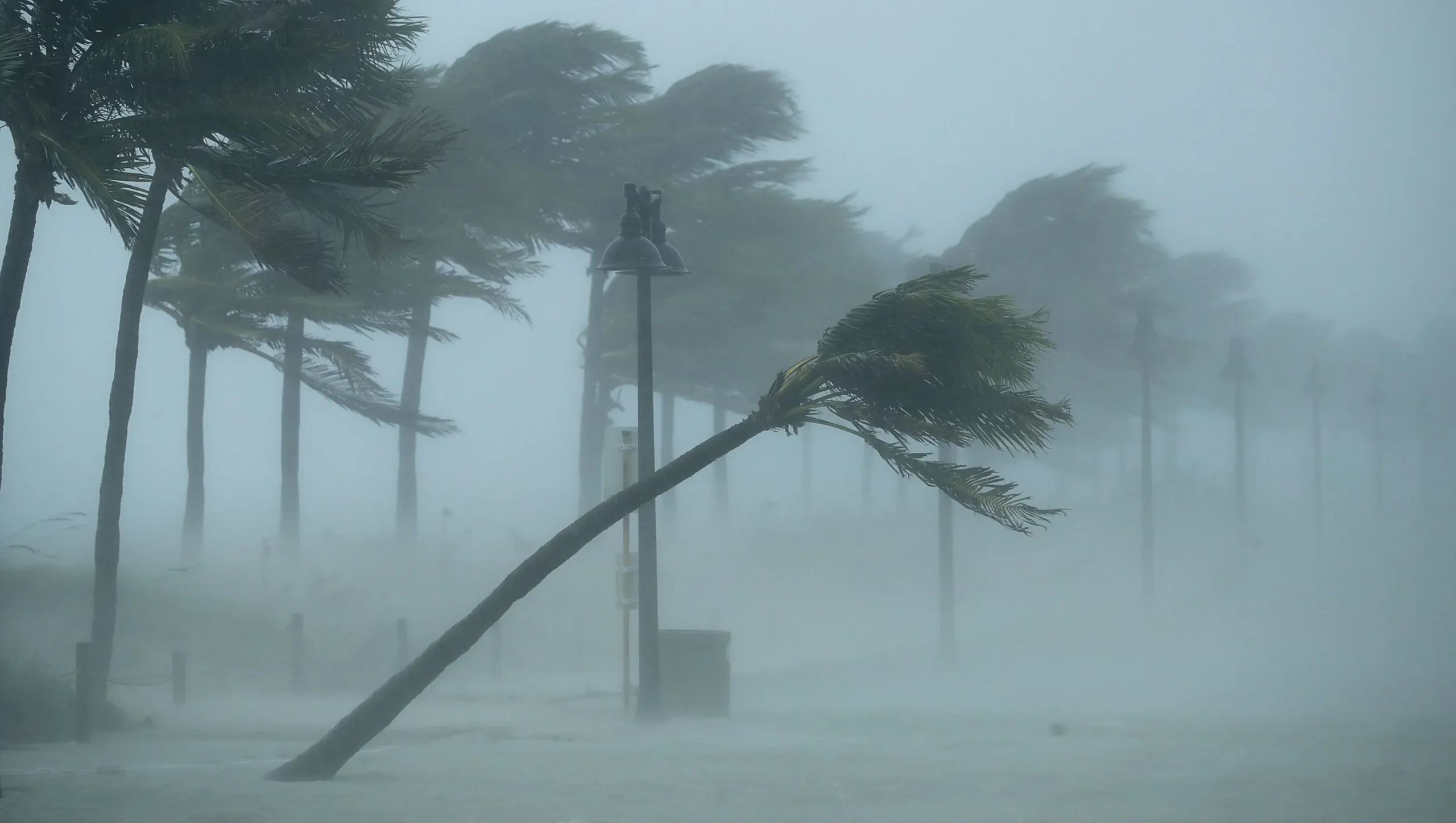
For Texas property owners, the implications are nuanced. While El Niño may reduce the total number of hurricanes crossing the Atlantic, it does not eliminate the risk of major storms striking the Gulf Coast. In fact, some of the most destructive hurricanes in recent memory have occurred during El Niño years, demonstrating that fewer storms do not necessarily mean less damage. The Gulf of Mexico itself remains a warm incubator for rapid intensification, particularly in late summer and early fall when water temperatures peak. A single well-positioned system can rapidly strengthen and deliver catastrophic wind, storm surge, and rainfall to coastal Texas communities. The atmospheric dynamics at play this season underscore why comprehensive property insurance and proactive damage assessment are non-negotiable for Gulf Coast residents. Storm surge modeling, wind load calculations, and flood risk assessments all depend on understanding current meteorological conditions. Properties in hurricane-prone areas of Texas face exposure to multiple hazard types—wind damage, water intrusion, hail impact, and flooding—each requiring specific coverage and preparation strategies. Five Star Claims Adjusting helps property owners navigate these complexities by providing expert storm damage assessment and public adjusting services, ensuring that claims are properly documented and maximized when disaster strikes.
Historical data reveals that El Niño years have produced some of the costliest individual hurricanes on record. The suppression of wind shear in certain regions can actually allow storms that do develop to intensify more rapidly than they would in neutral or La Niña conditions. This means that while the frequency of hurricanes may decline, the severity of those that form can increase dramatically. Texas coastal communities from Galveston to Corpus Christi remain acutely vulnerable to this scenario, particularly given the concentration of residential and commercial property in low-lying coastal zones. Insurance professionals and meteorologists emphasize that El Niño does not provide a false sense of security. Instead, it reshapes the risk profile in ways that demand updated preparation strategies. Property owners should review their homeowners insurance policies to ensure adequate coverage for wind, hail, water damage, and flood. Many standard homeowners policies exclude flood coverage entirely, requiring separate flood insurance through the National Flood Insurance Program or private carriers. In Texas, where hurricane-driven storm surge and rainfall flooding pose recurring threats, this distinction is critical.
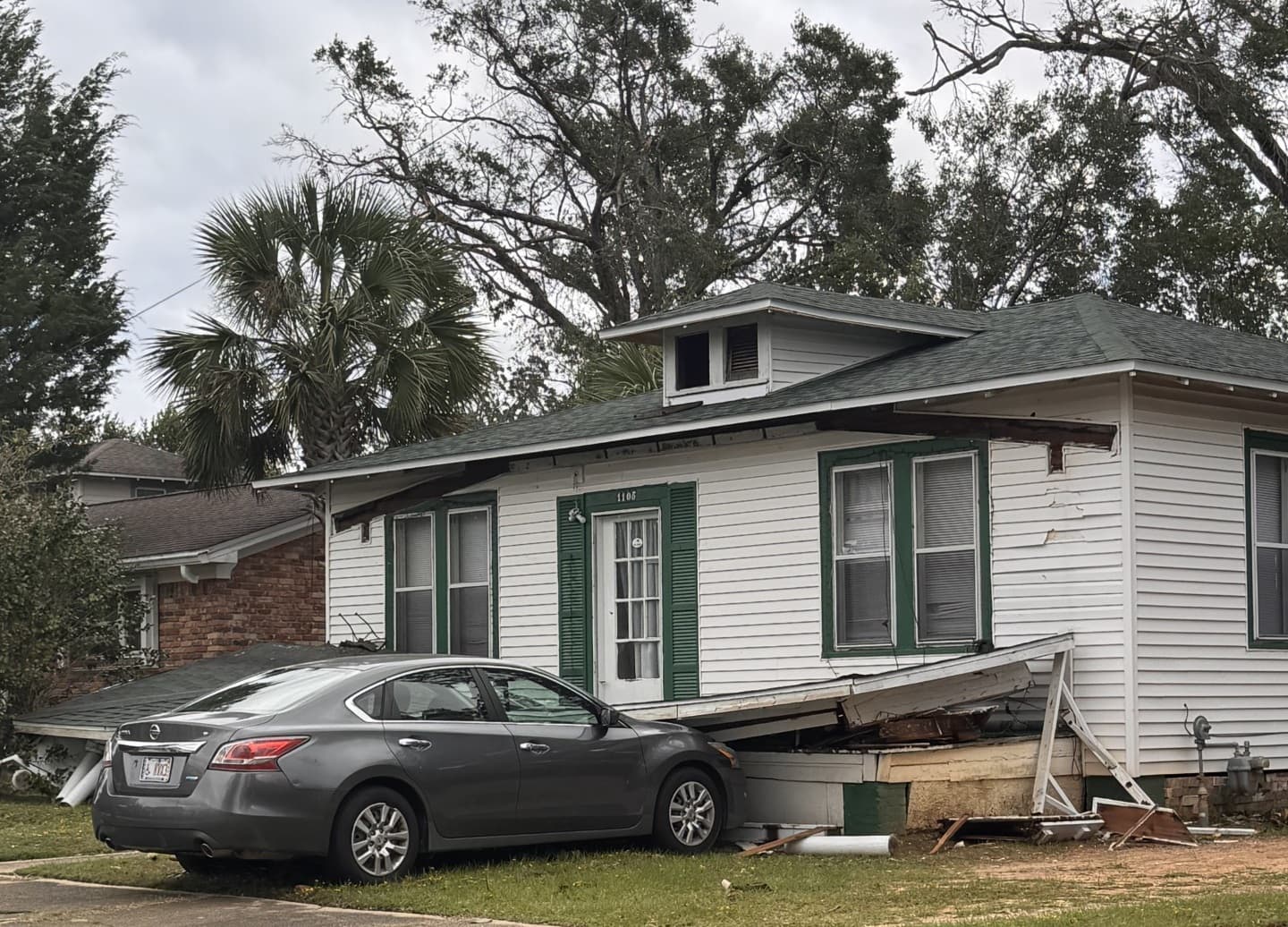
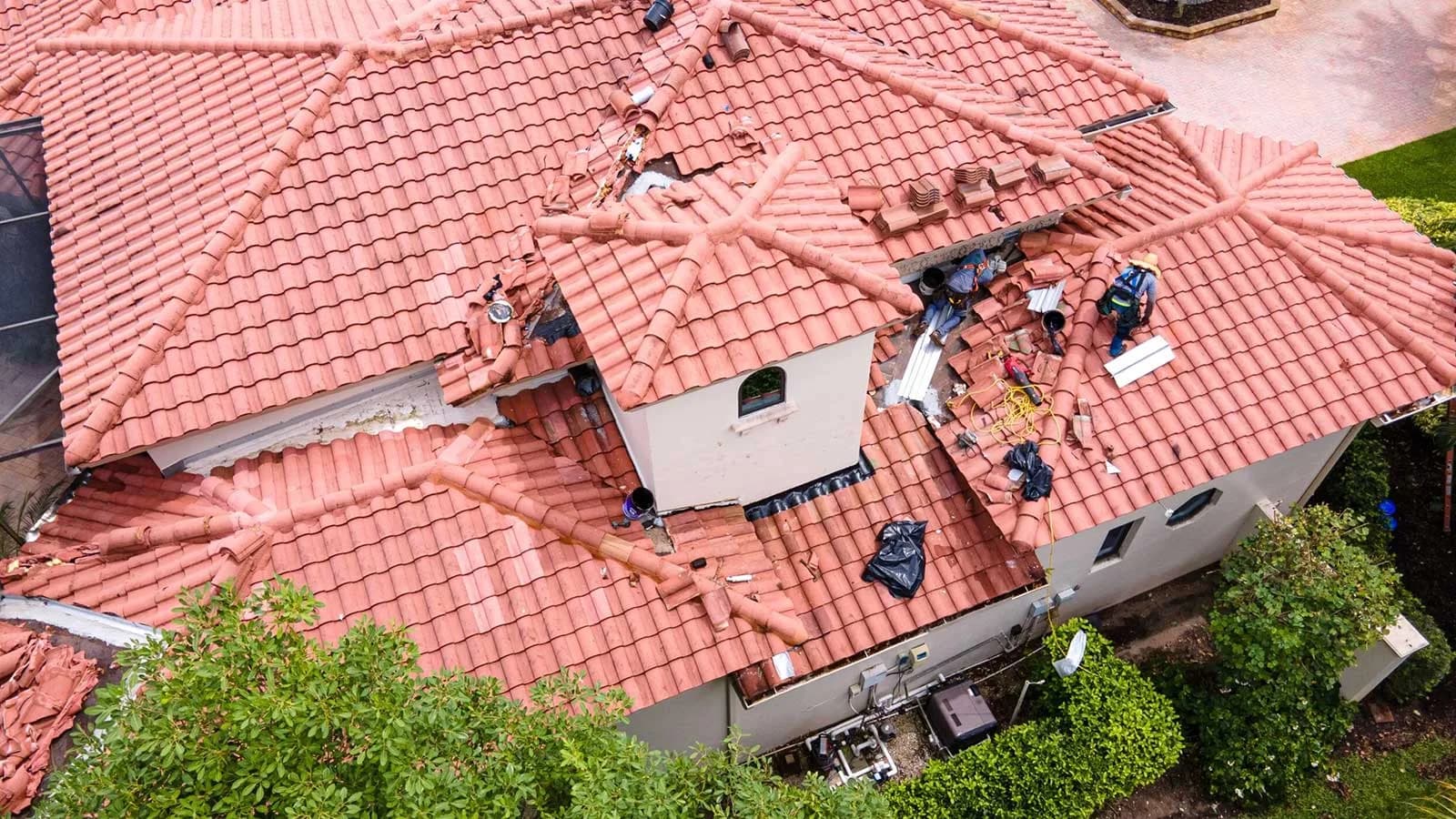
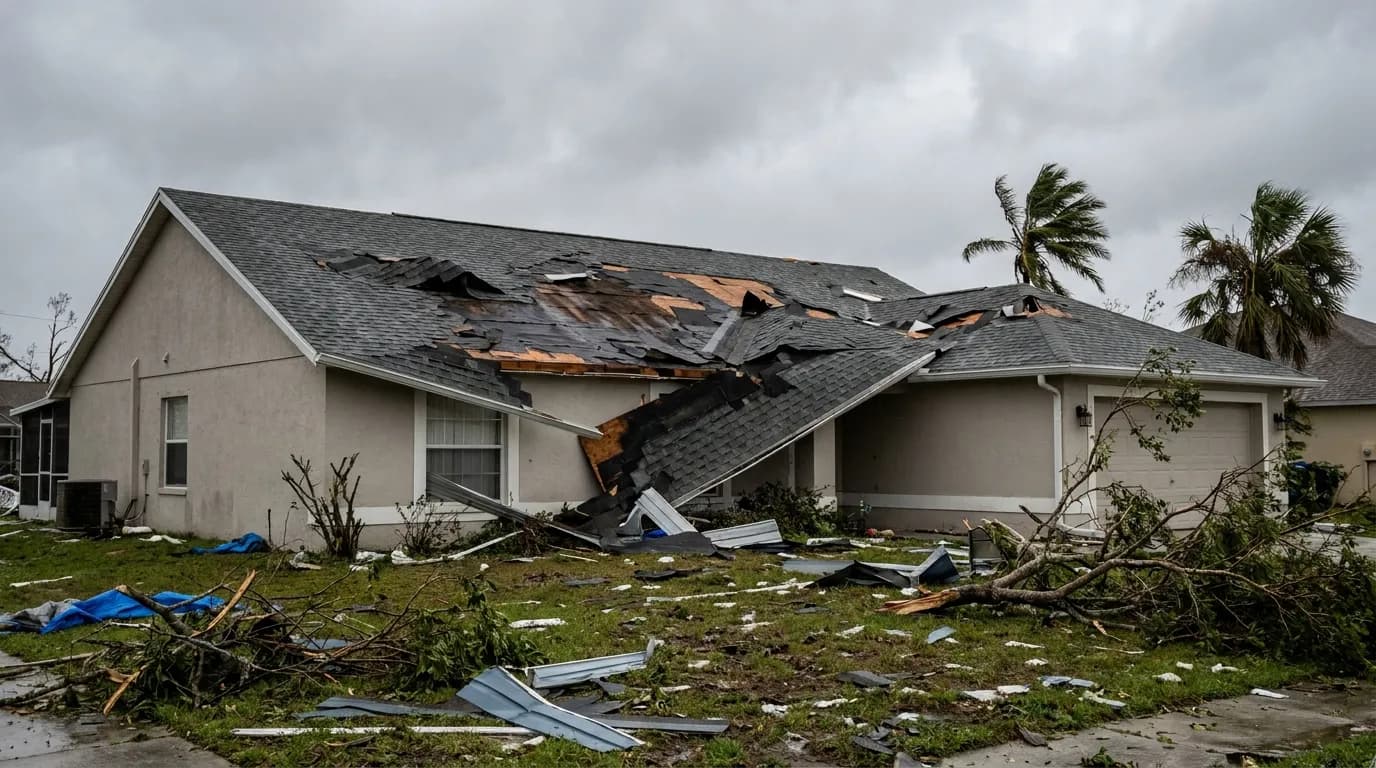
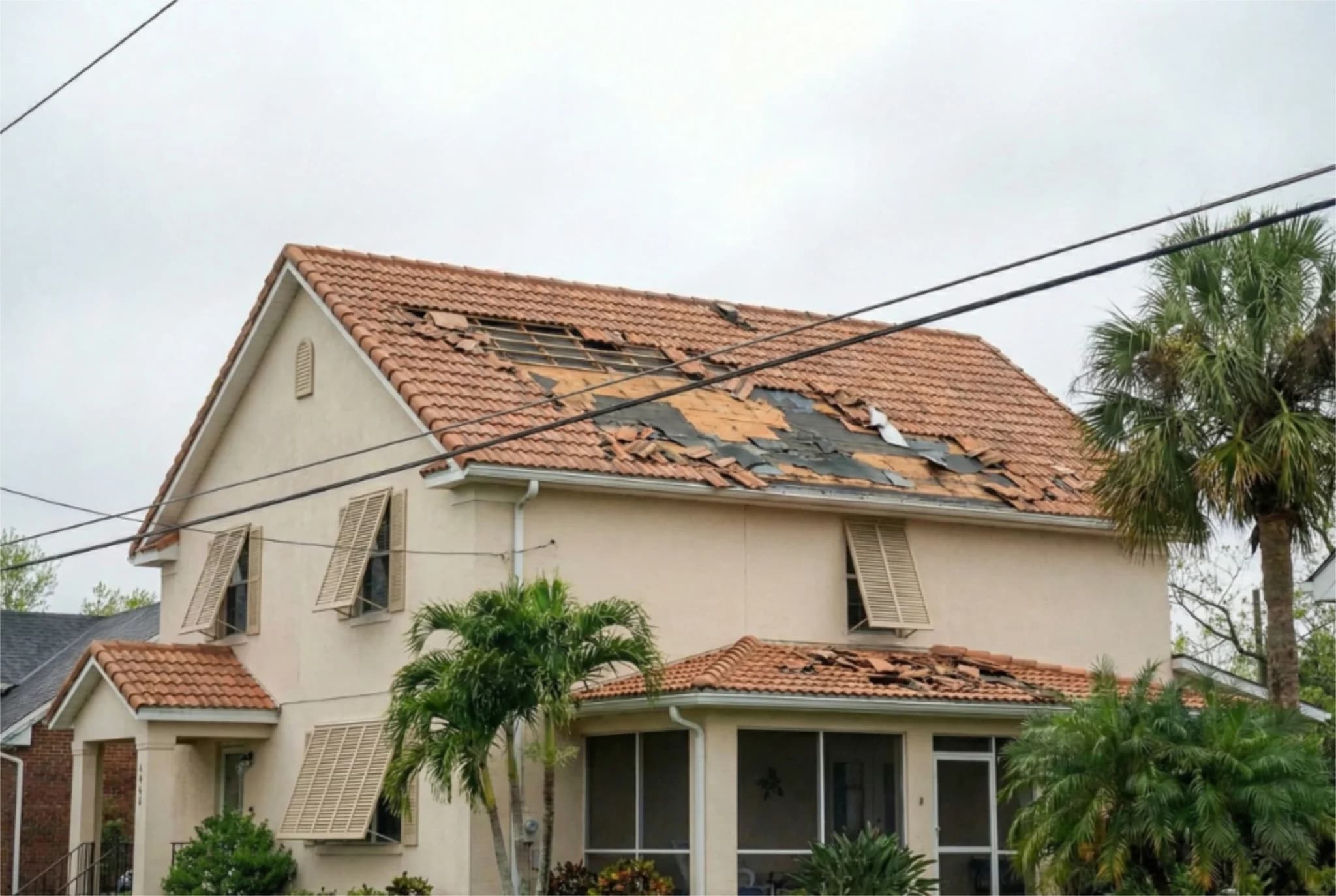
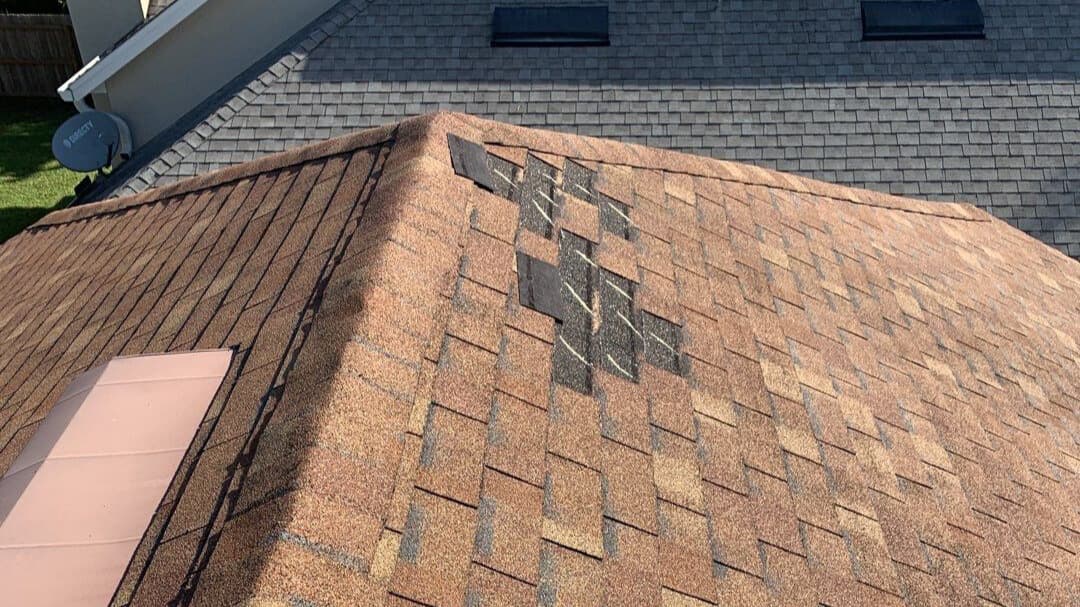
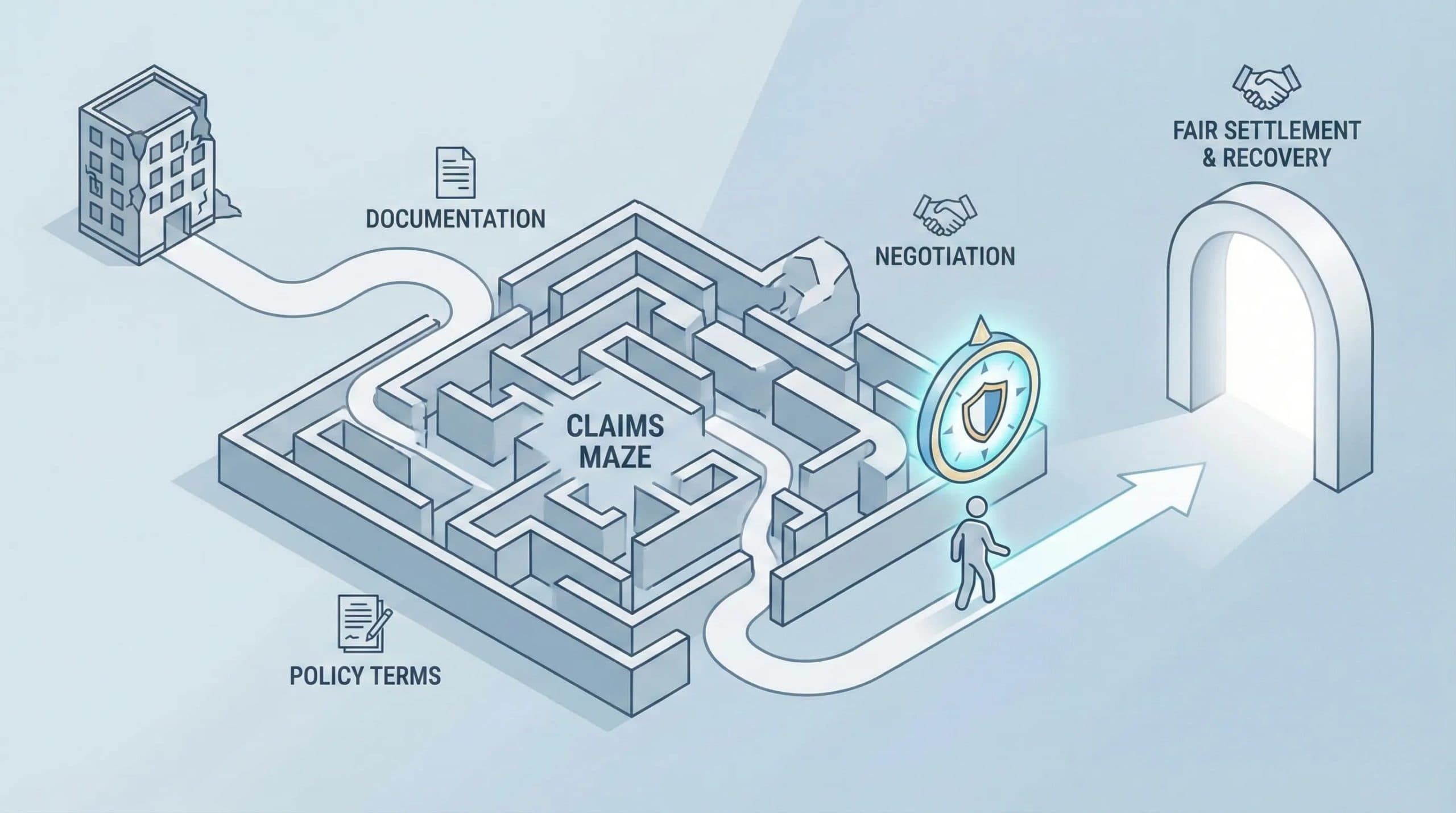
The relationship between El Niño and Atlantic hurricane activity has been studied extensively by climate scientists and meteorological agencies. While the pattern generally correlates with reduced hurricane counts, the variability within individual seasons remains substantial. Some El Niño years have produced active hurricane seasons with multiple major storms, while others have been notably quiet. This unpredictability reinforces the importance of year-round preparedness rather than seasonal complacency. Property owners cannot afford to assume that a climate pattern will protect them from storm damage. Five Star Claims Adjusting recognizes that storm damage assessment requires both technical expertise and familiarity with local conditions. When hurricanes or severe storms impact Texas properties, the aftermath often involves complex damage patterns affecting roofs, walls, windows, and interior spaces. Professional public adjusters work on behalf of policyholders to ensure that insurance claims accurately reflect the full extent of damage and that settlements align with policy terms. This advocacy becomes especially important when insurers underestimate damage or deny claims based on coverage disputes.
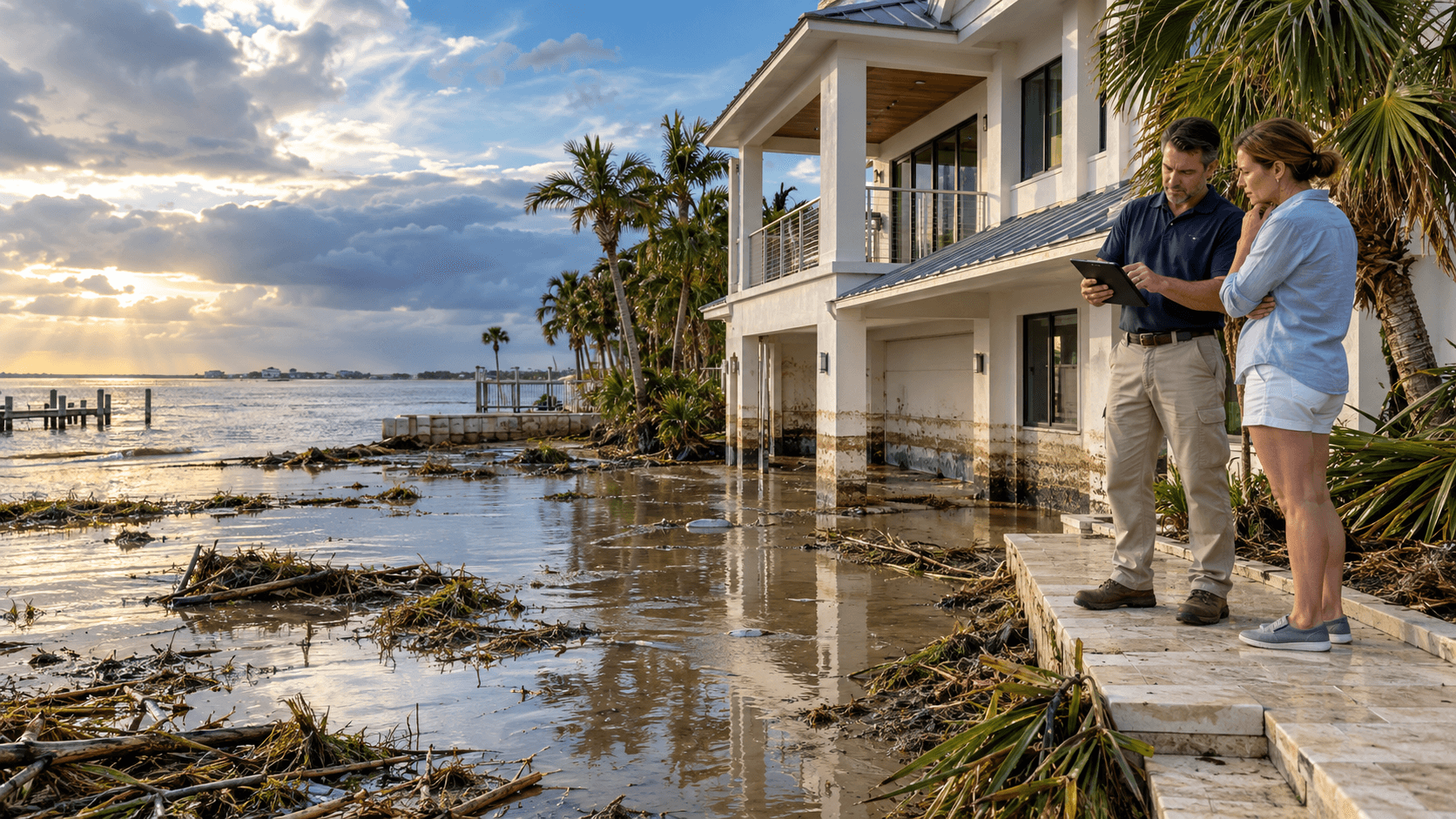
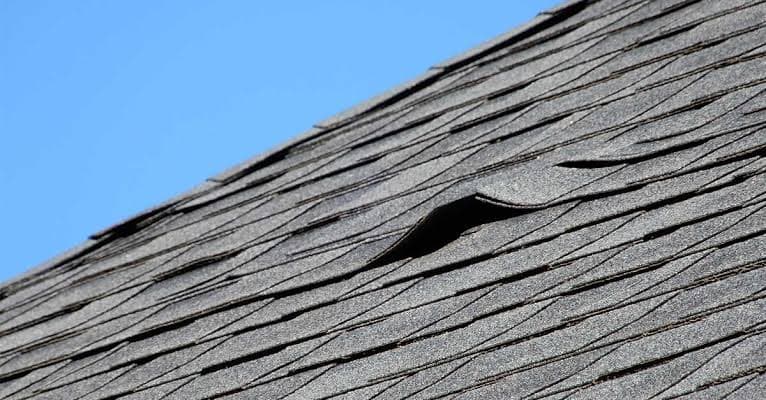
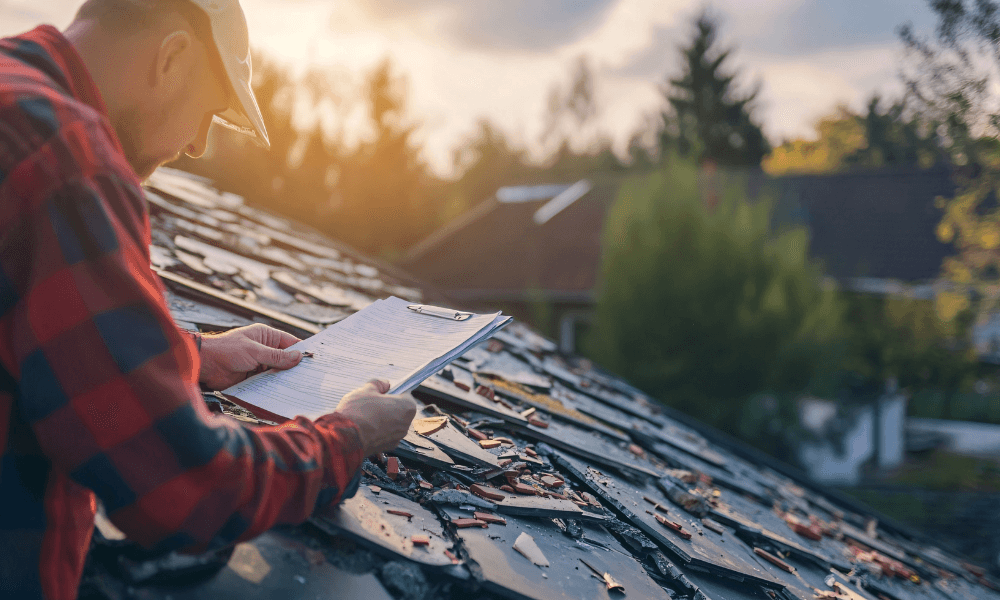
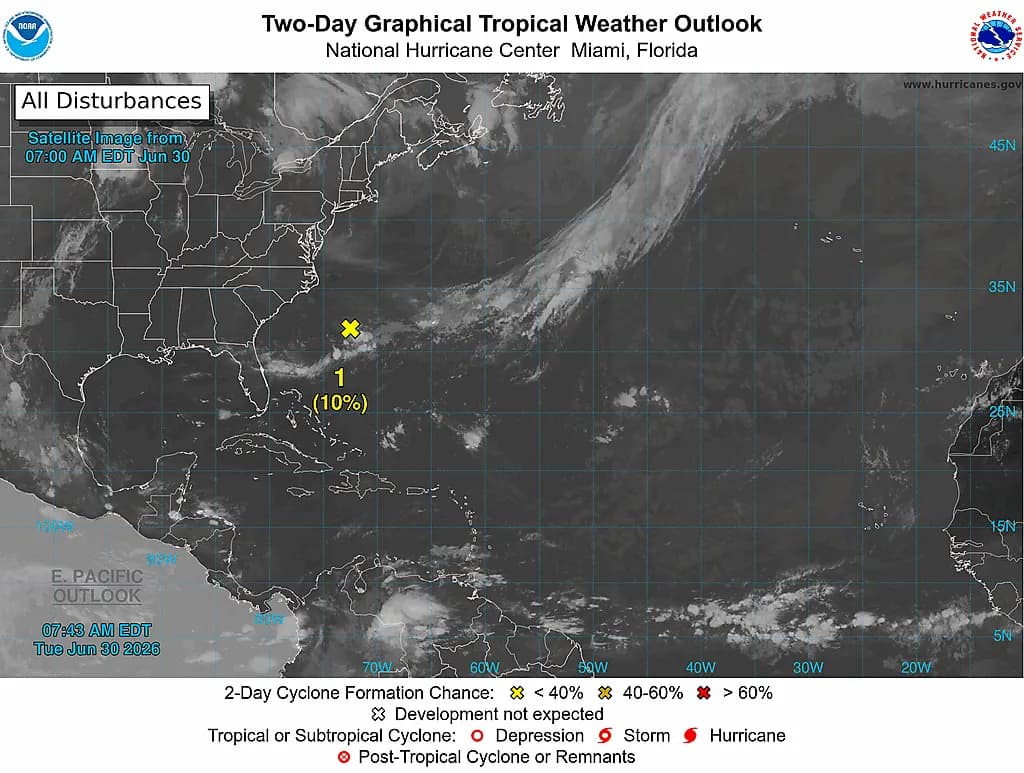
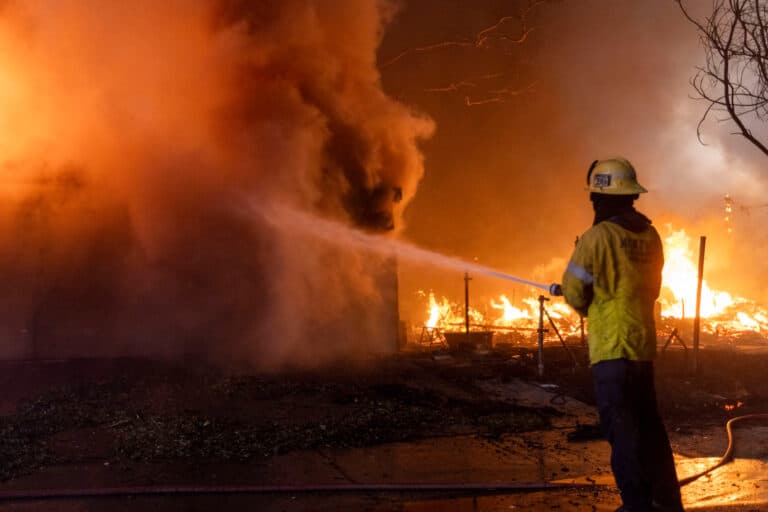
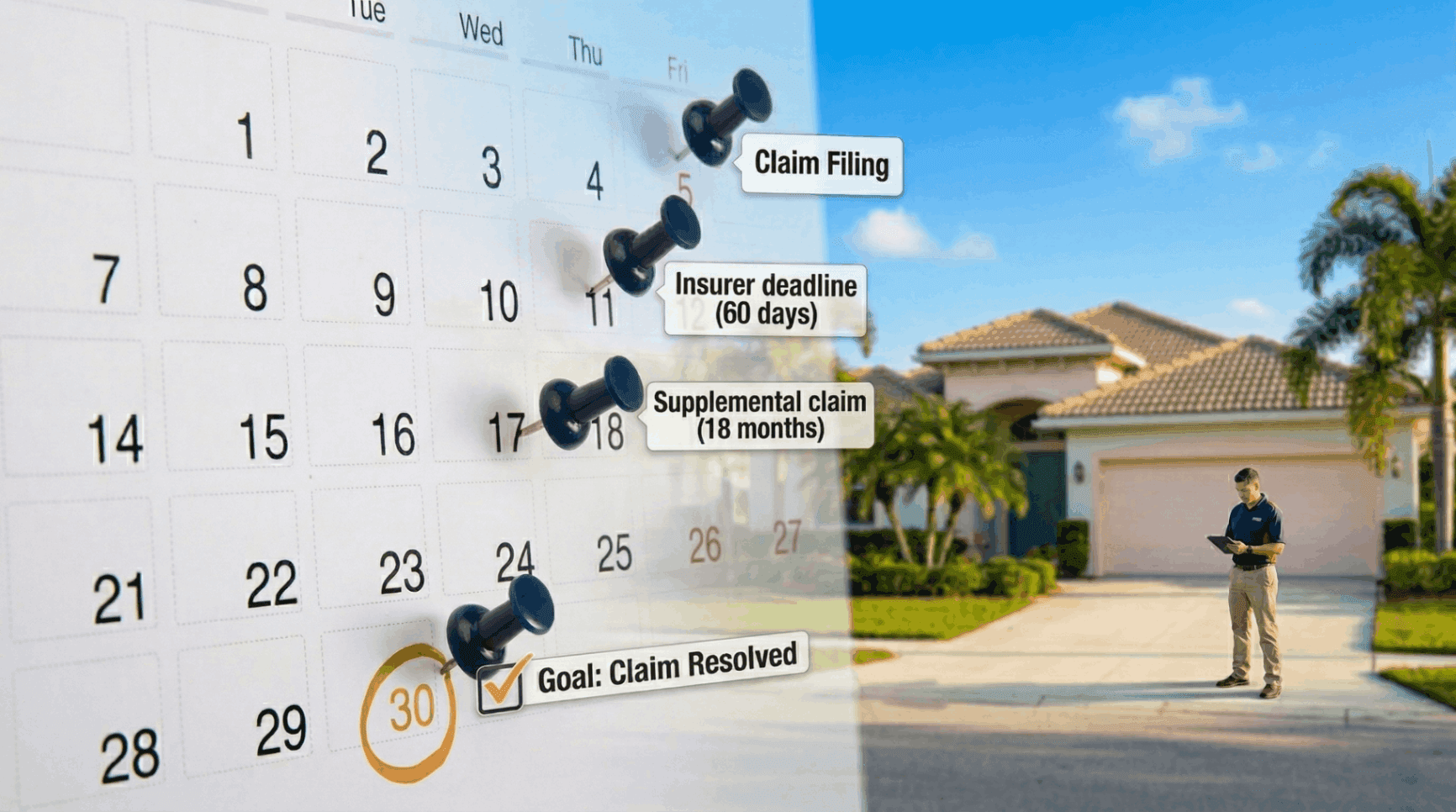
Looking ahead, the 2026 hurricane season will continue to evolve as El Niño conditions persist or shift. Meteorological forecasts will be updated regularly as new data emerges, but the fundamental message remains unchanged: coastal property owners must maintain vigilant preparation regardless of seasonal predictions. This includes maintaining property in good condition, securing adequate insurance coverage, developing evacuation plans, and knowing how to document damage if a storm occurs. The combination of El Niño’s atmospheric influence and the inherent unpredictability of tropical systems creates an environment where proactive risk management is essential. Property owners who experience storm damage should document all impacts thoroughly, photograph affected areas, and contact their insurance carrier promptly. Five Star Claims Adjusting stands ready to assist with comprehensive damage assessment, claim preparation, and negotiation with insurers. Whether dealing with roof damage from high winds, water intrusion from heavy rainfall, or structural damage from storm surge, professional public adjusting services ensure that policyholders receive fair treatment and maximum claim recovery. In the context of El Niño-influenced hurricane seasons, this expert support becomes an invaluable resource for protecting both property and financial security.
This article has been sourced from press releases and cross-referenced with multiple websites. Facts originally seen at Source .