Florida Panhandle Storm Brings Moderate Damage, Tornadoes in Carolinas, and Lessons for Policyholders
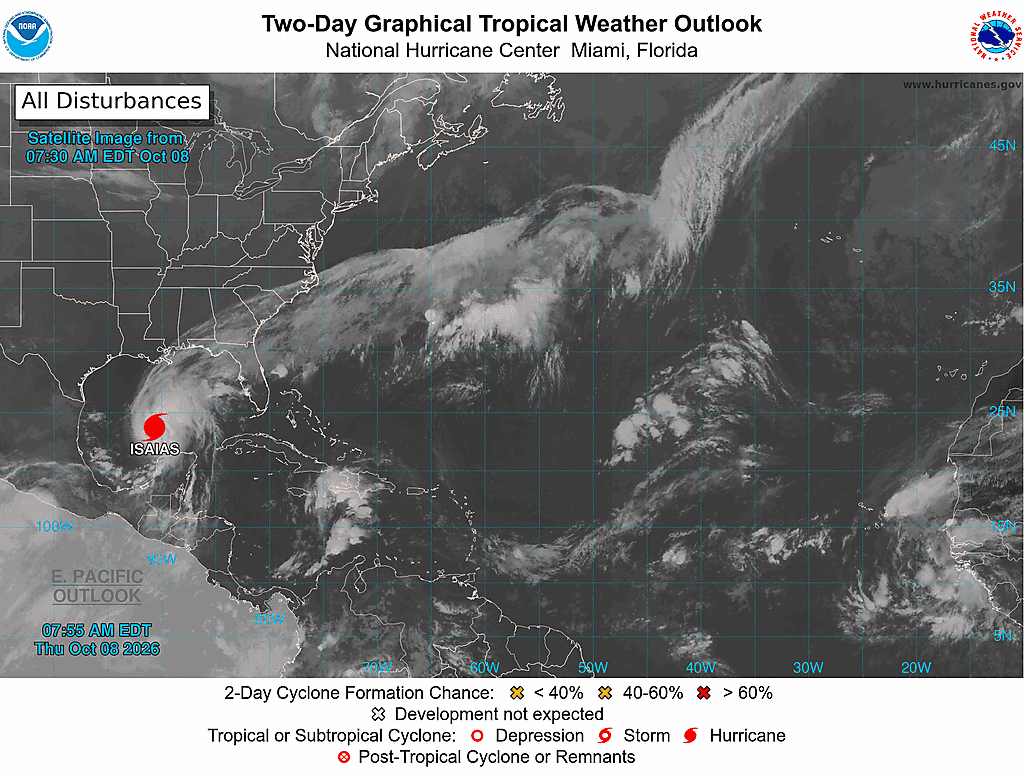
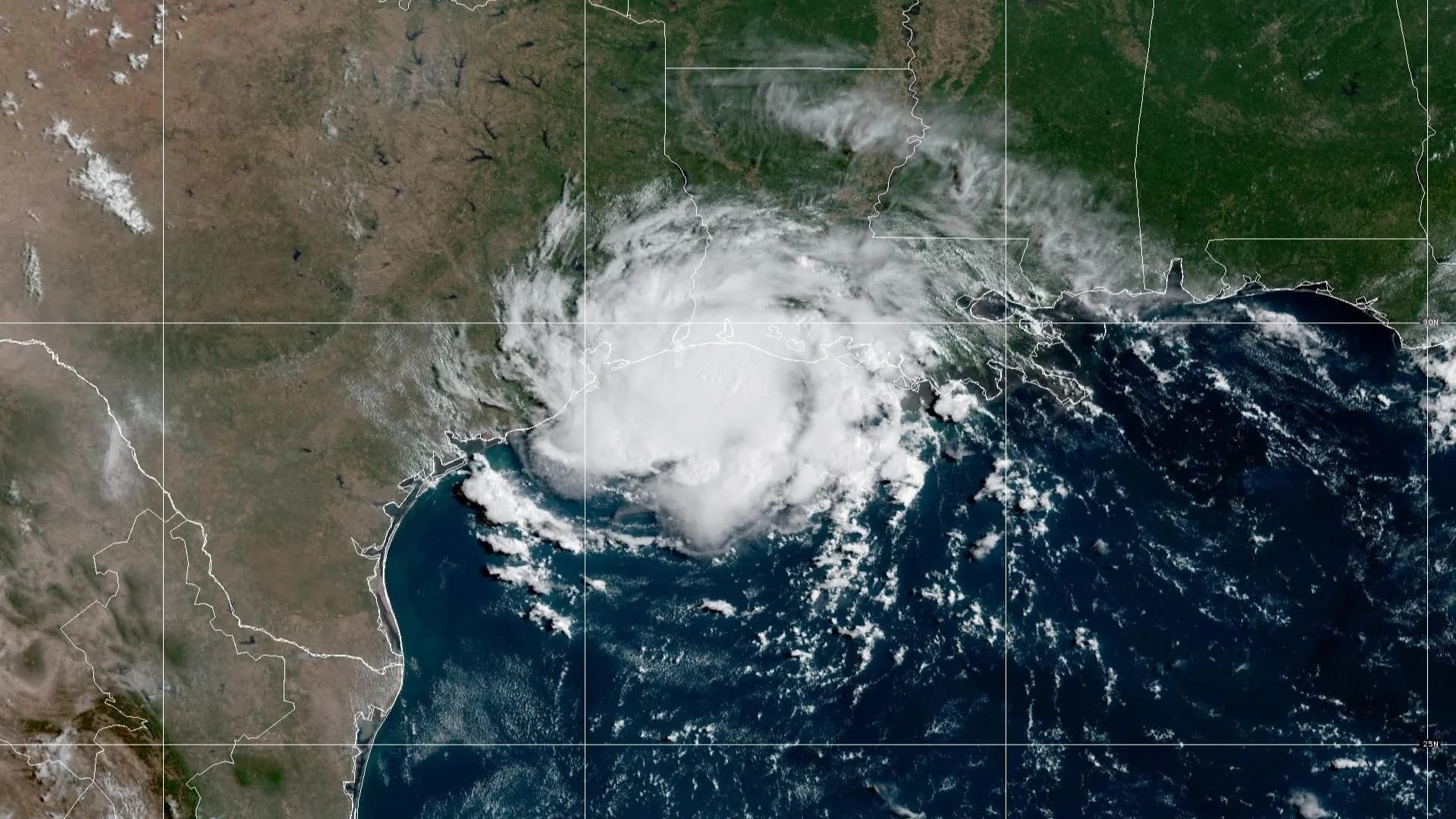
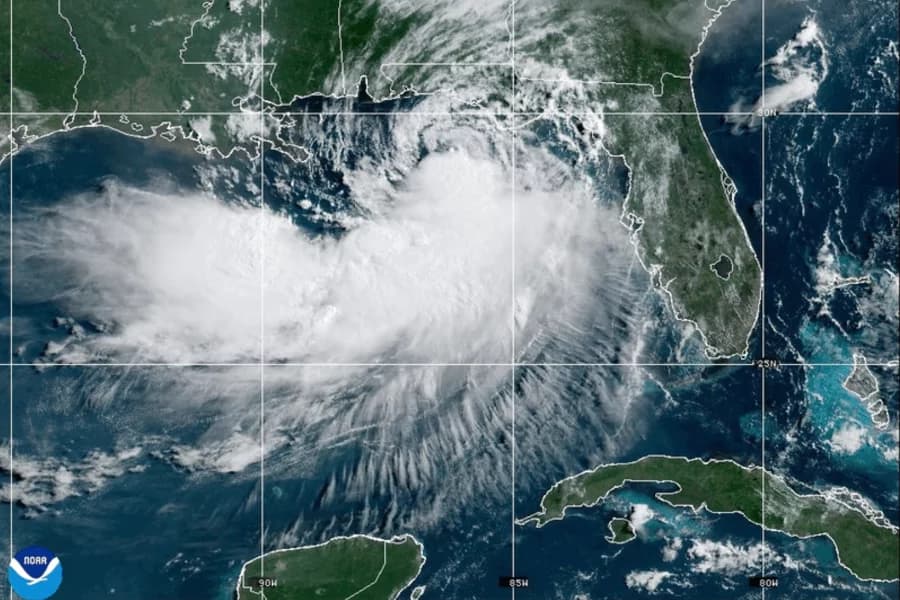
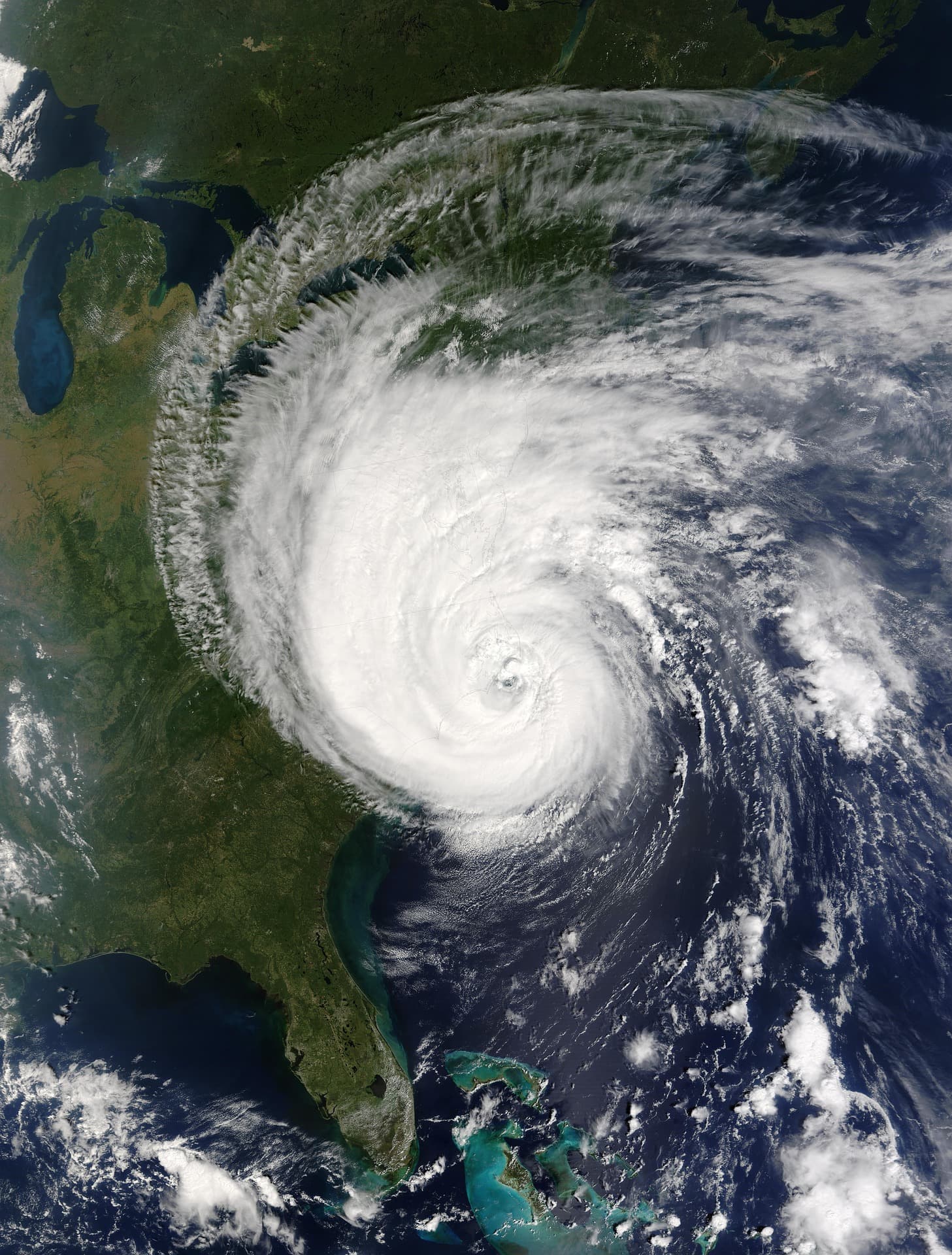
Hurricane Isaias made landfall in the Florida Panhandle on Friday night, October 9, as a Category 2 storm, but the insured losses that followed proved far more modest than many in the insurance industry had feared. Early estimates suggest the storm will result in between 1 billion and 2 billion dollars in insured losses across all affected areas, making it roughly one-tenth as costly as Hurricane Michael, the devastating Category 5 storm that struck east of Isaias's landfall zone in 2018.
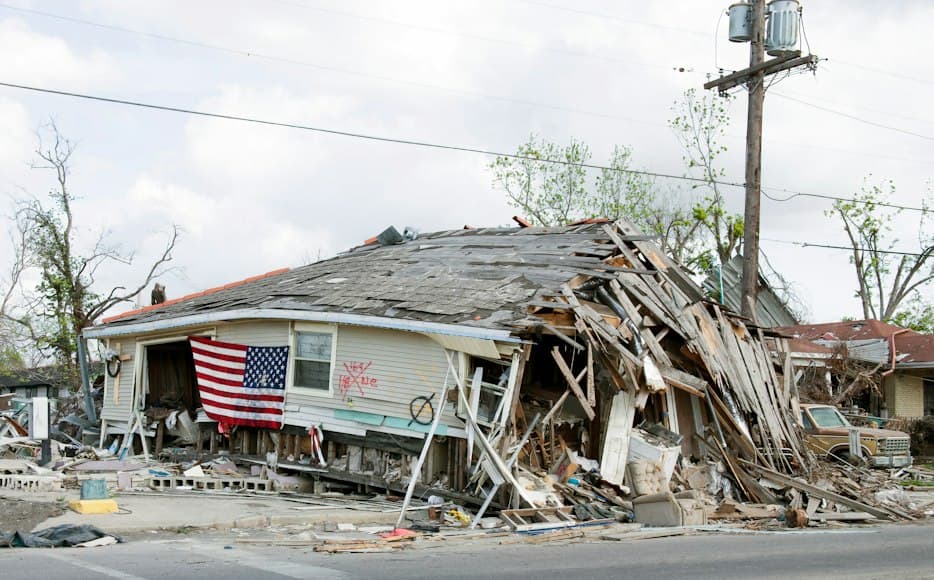
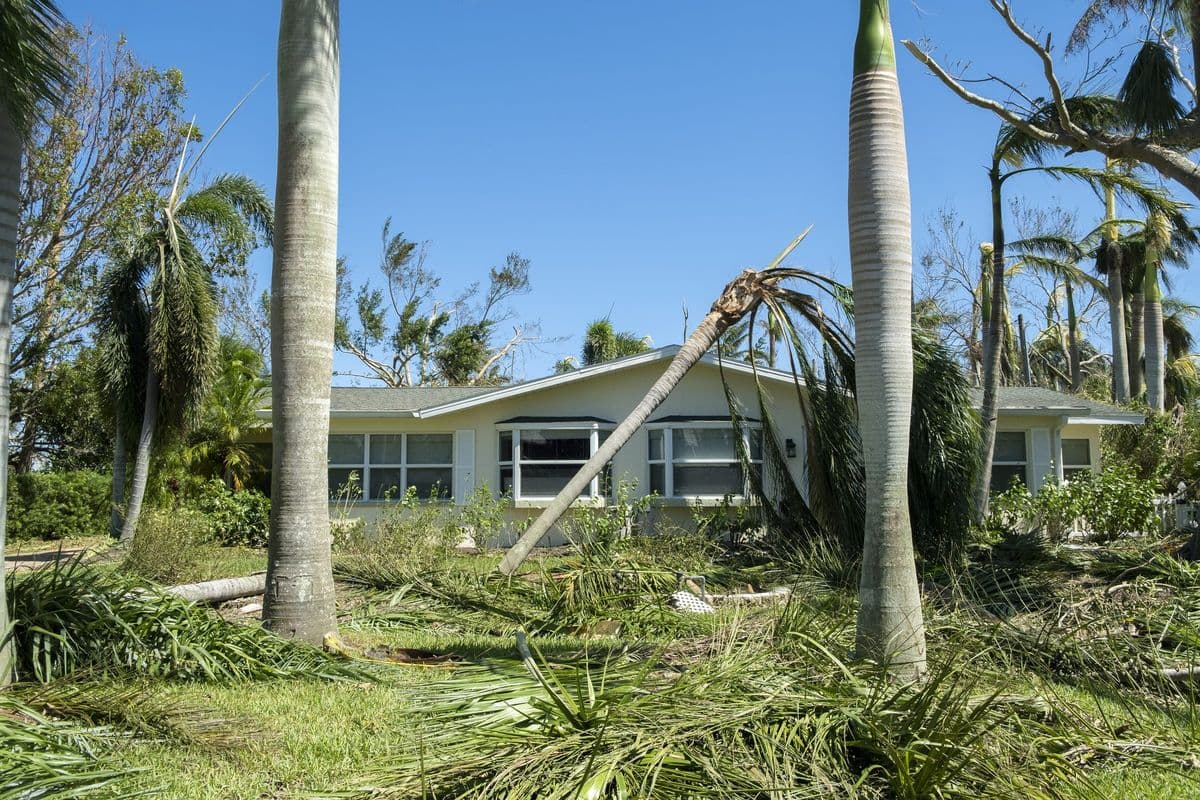
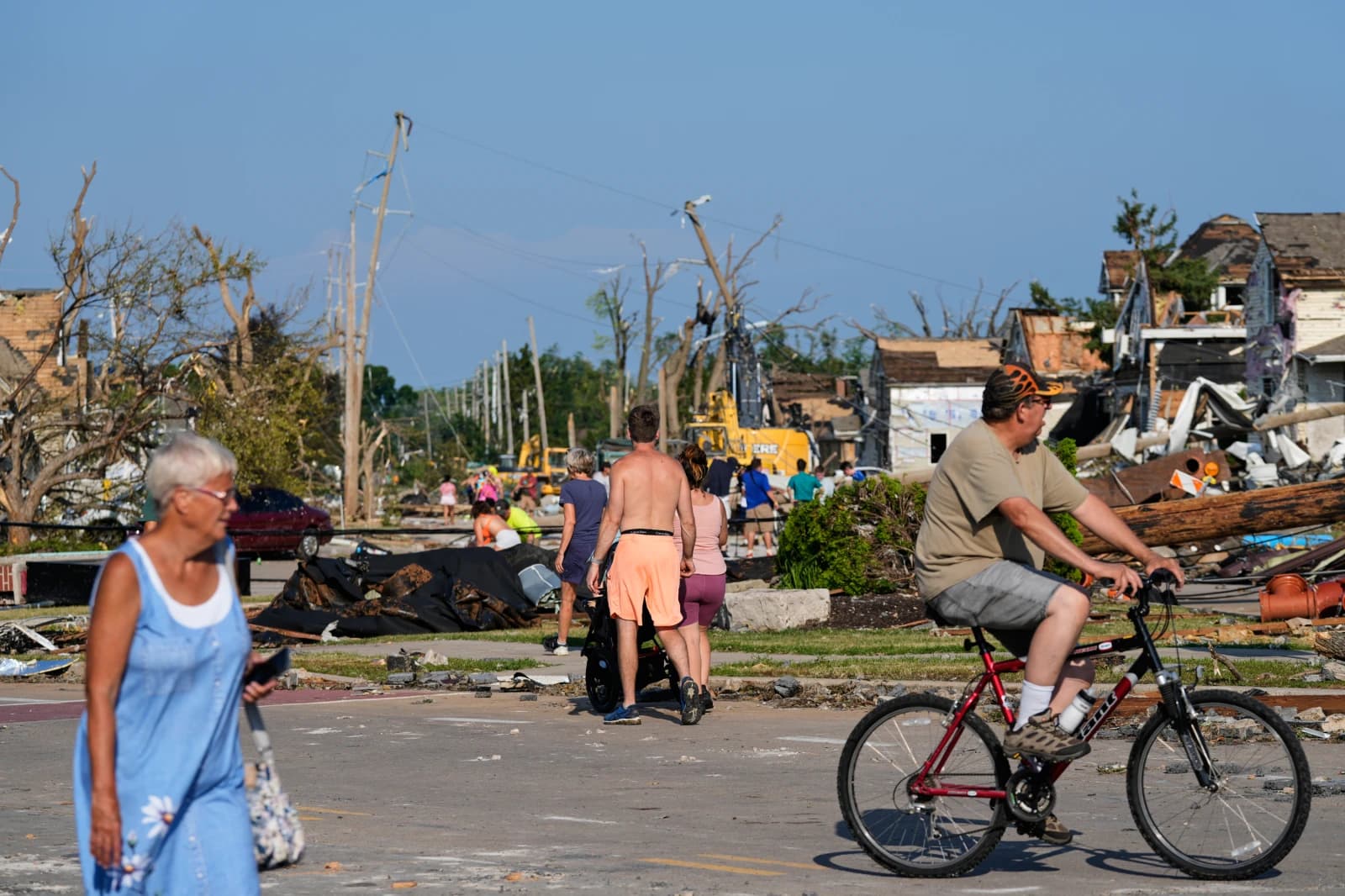
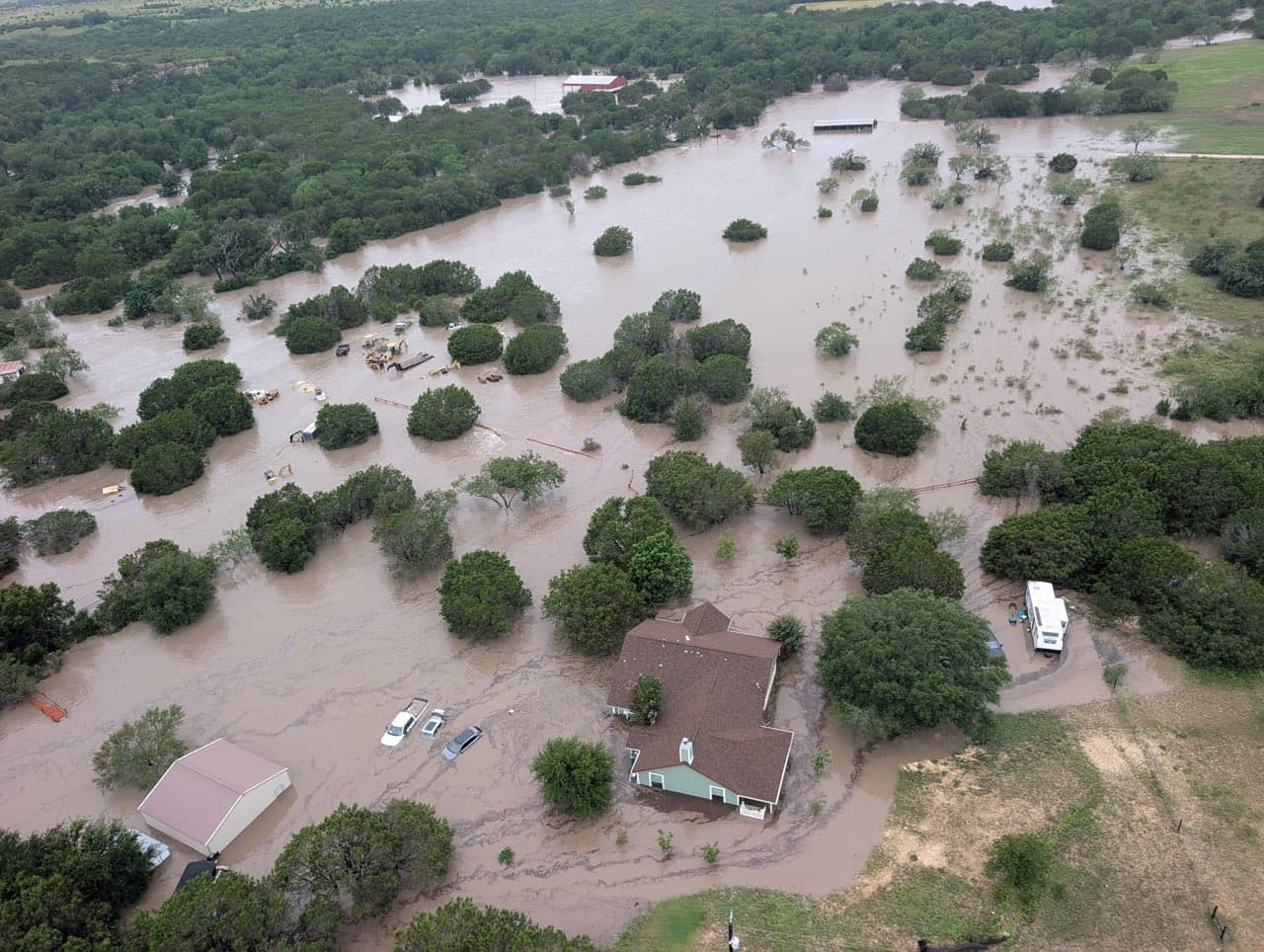
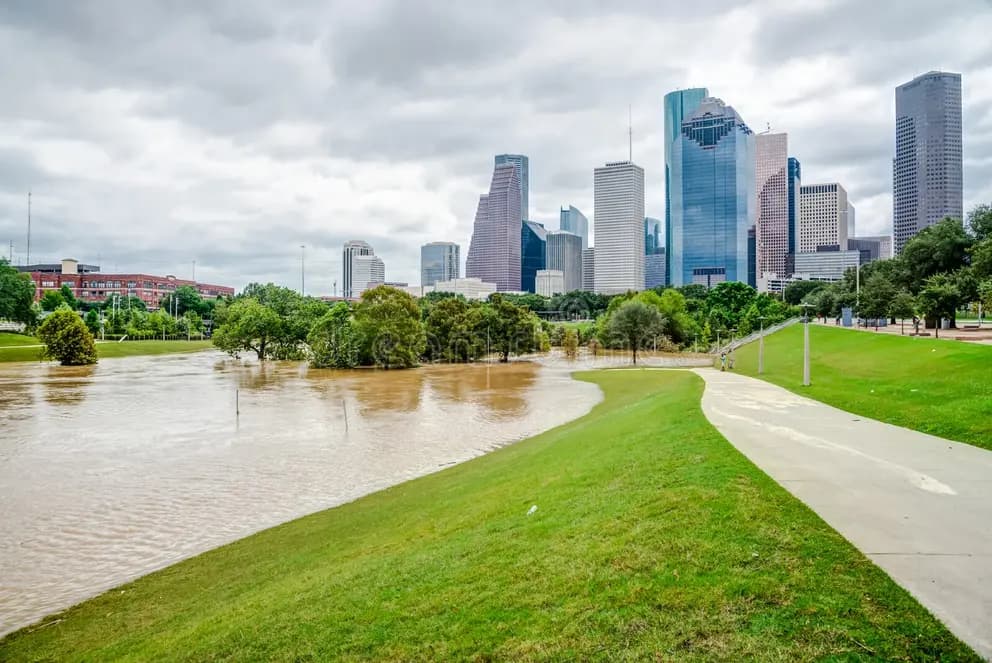
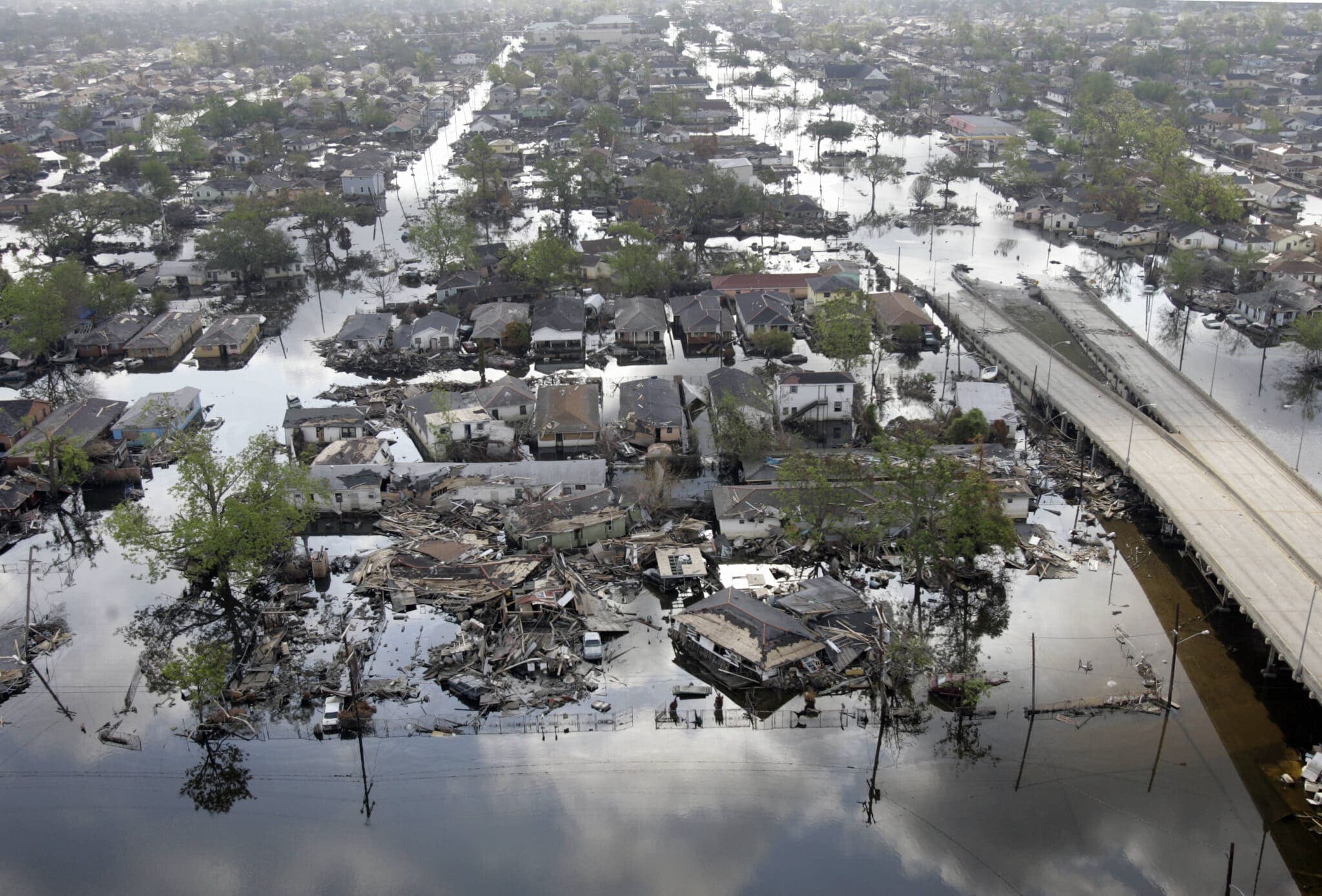
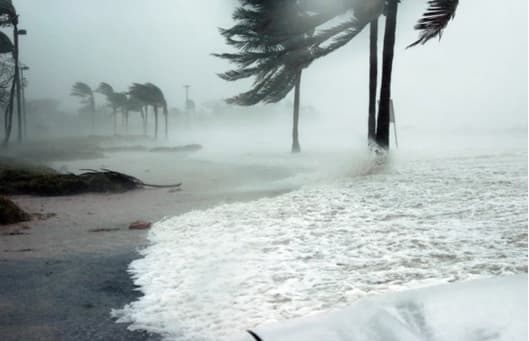
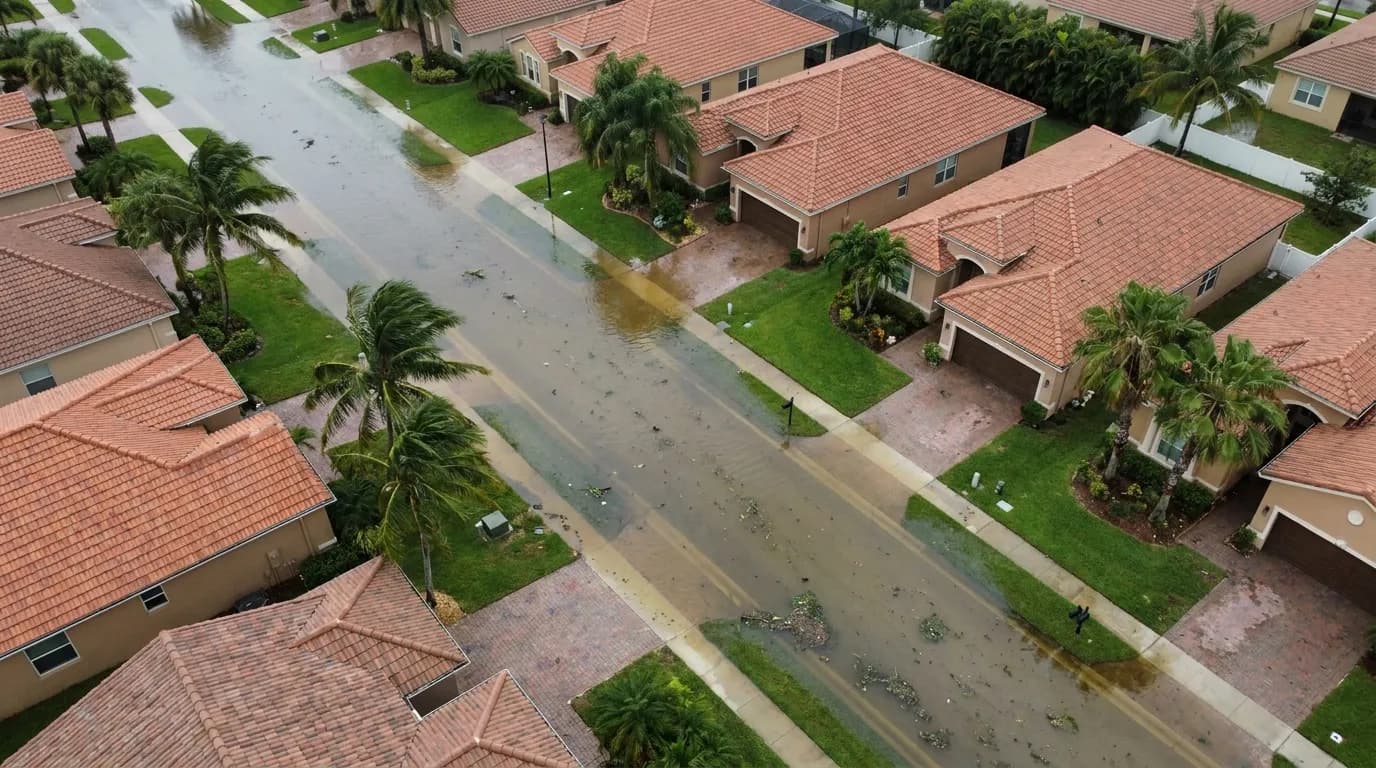
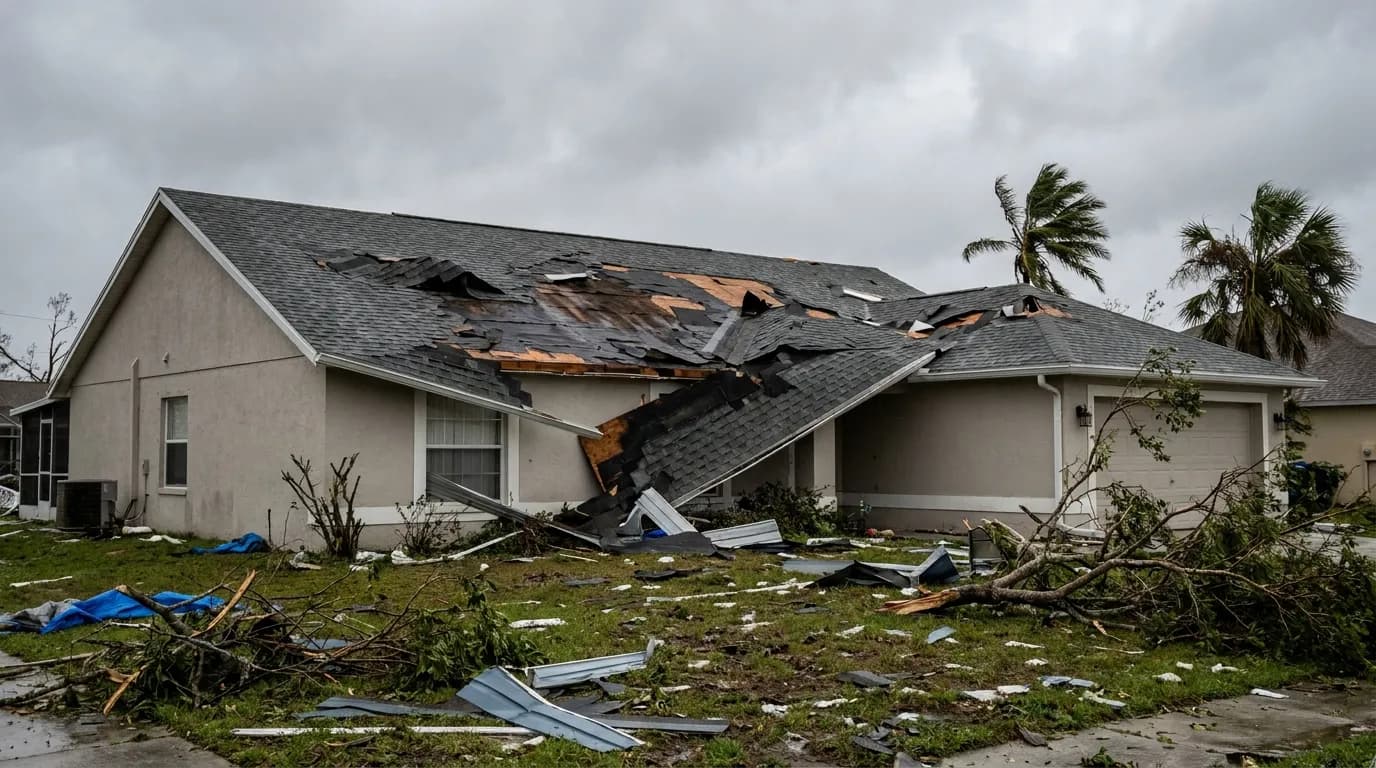
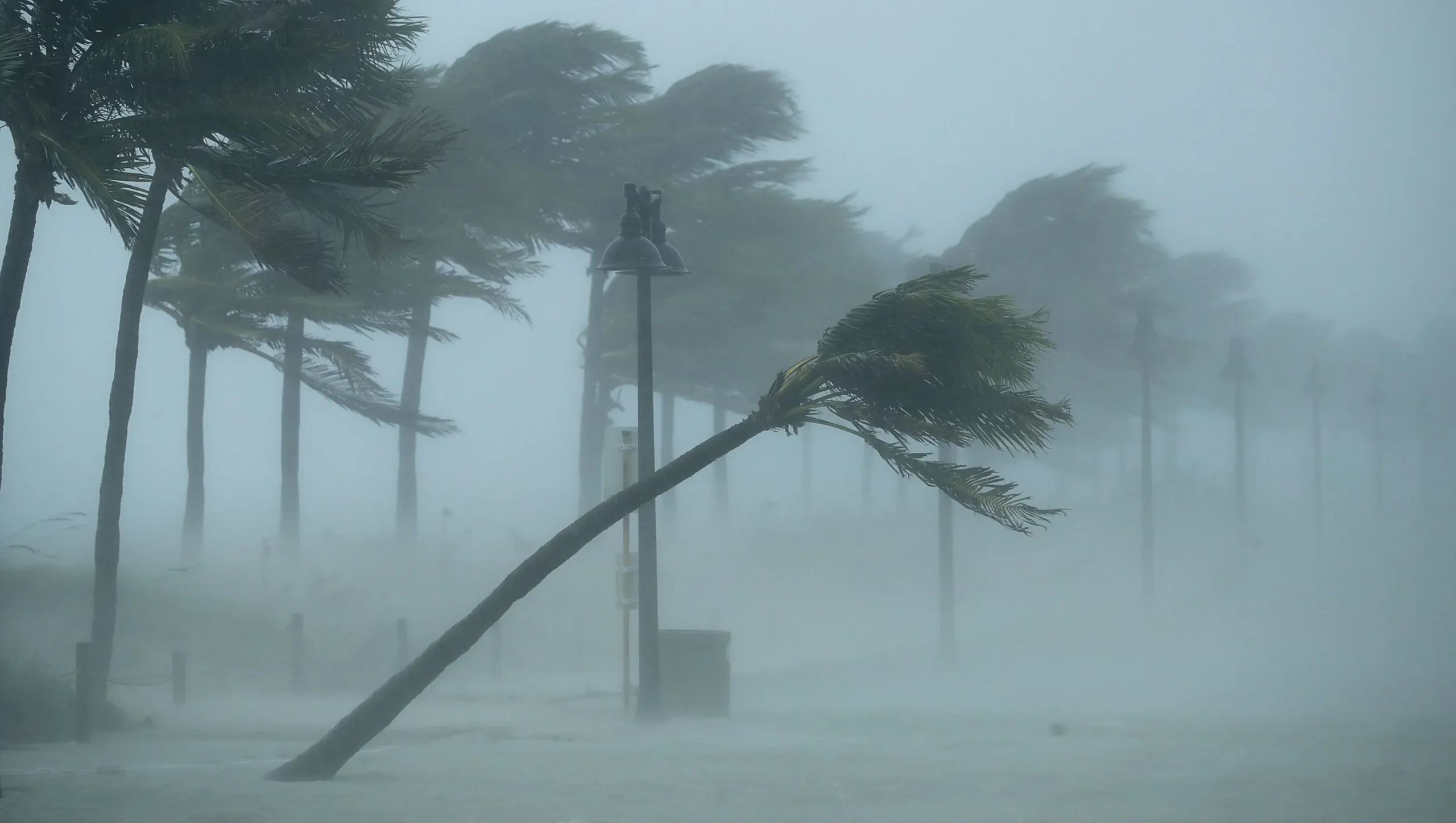
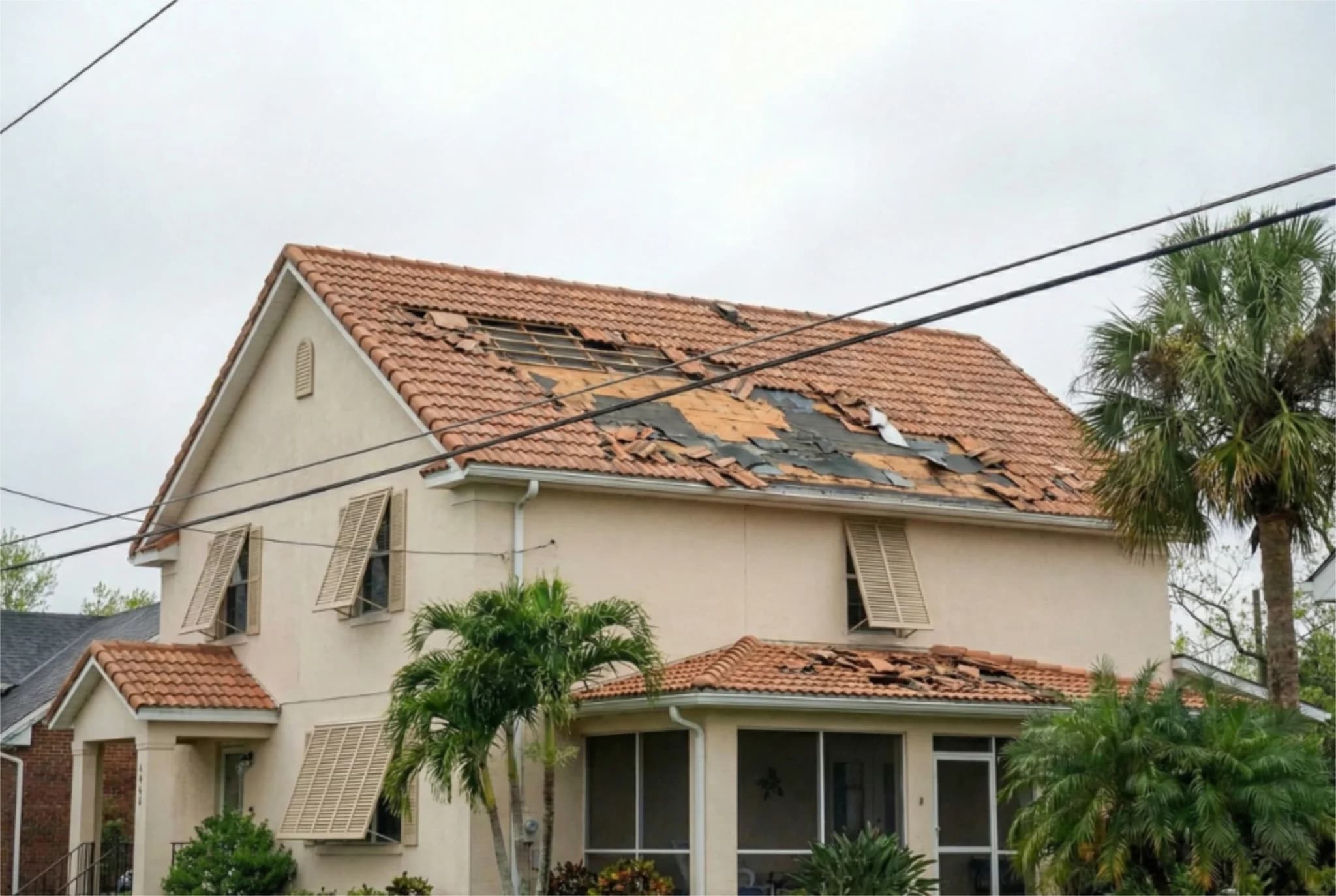
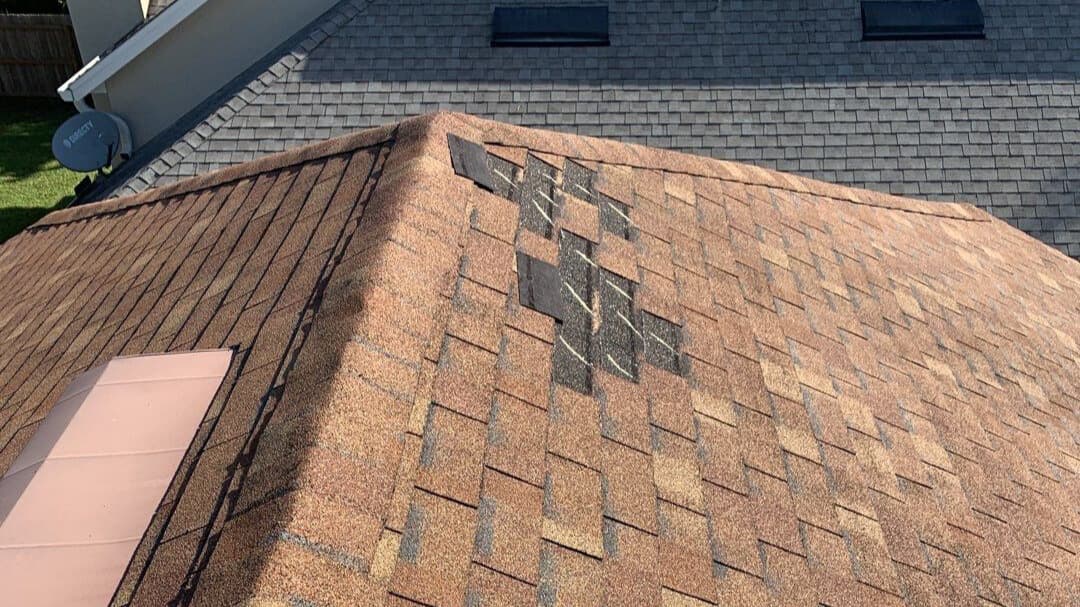
The storm's behavior proved unusual in ways that ultimately limited damage. Rather than delivering its strongest winds to the Destin area, which sat in the path of the eastern eyewall where the most violent conditions typically occur, Isaias instead concentrated its highest recorded winds of 117 miles per hour in the Pensacola area, on the western side of the eye. Weather experts attributed this anomaly to a rare "sting jet" phenomenon, which sent violent gusts along the western side of the eye but from the north, effectively tamping down storm surge in the Gulf and nearby bays and sounds. This unusual configuration meant that while wind damage occurred, the catastrophic flooding that often accompanies major hurricanes did not materialize as expected. Downed trees knocked out power to more than 670,000 customers across Florida, Alabama, Georgia, and Mississippi. Four people died in the storm, primarily from falling trees or unventilated generators. Damage reports included roof damage to homes, businesses, and vehicles, along with flooding and tornadoes in parts of western North Carolina. Yet despite these impacts, claims activity remained surprisingly light compared to historical precedent.
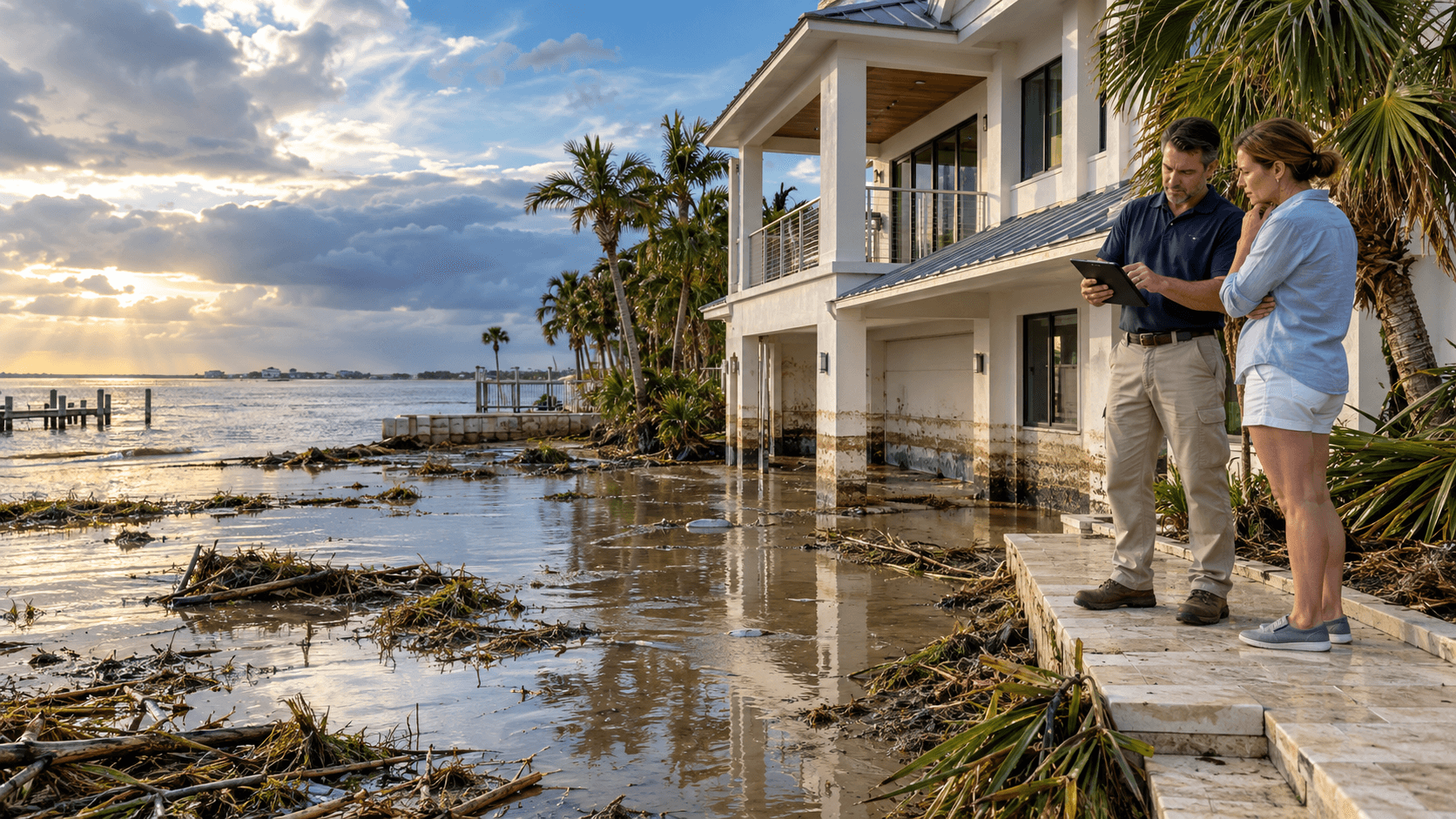
Insurance carriers that set up mobile claims operations in Destin on Monday morning found so few policyholders seeking assistance that they relocated to Pensacola by early afternoon. At the Pensacola insurance hub on the campus of the University of West Florida, 14 carriers established mobile claims-handling spots alongside representatives from the Florida Department of Financial Services. But few clients stopped by. People's Trust Insurance reported just over 400 claims in the Panhandle region out of approximately 8,000 insureds. Universal Property and Casualty Insurance fielded about 3,000 claims on roughly 20,000 policies in the region. Security First Insurance reported approximately 300 claims by Monday afternoon out of about 15,000 policies in force in the Panhandle area, with only about five considered to have severe levels of damage. Matt Mercier, national director of community associations for CBIZ, an insurance brokerage handling numerous condo properties near Pensacola, noted that much of the damage reported fell below policyholders' deductibles. This reality underscores an important principle for homeowners: understanding your coverage limits and deductibles before a storm strikes can prevent disappointment when claims are filed.
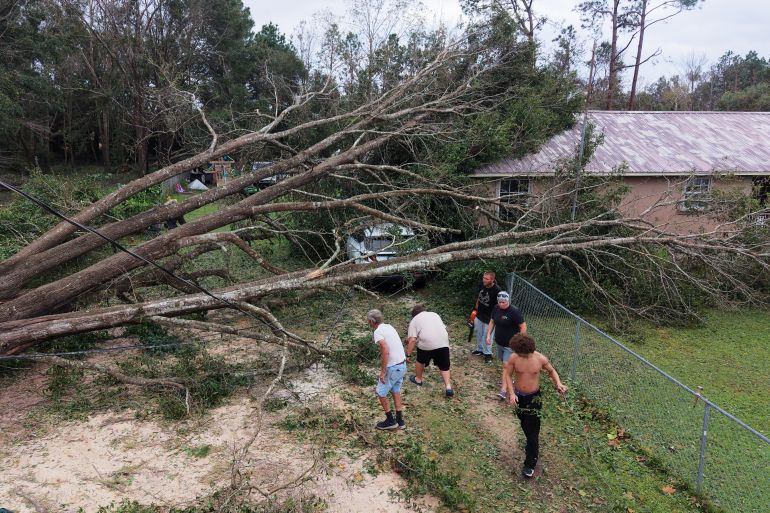
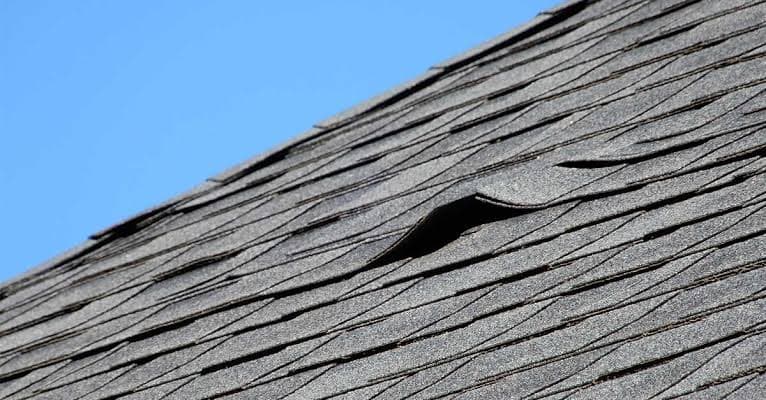
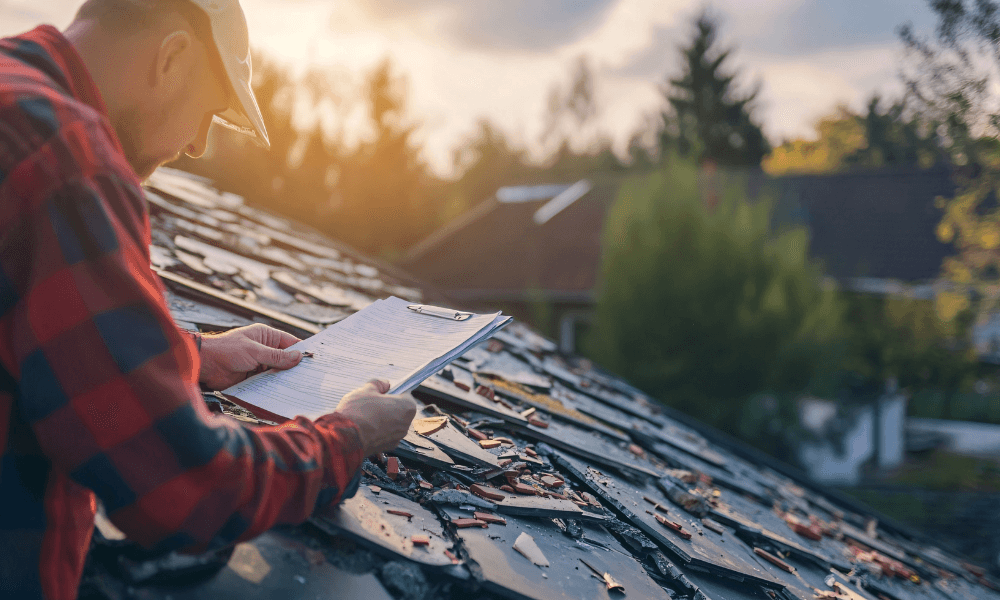
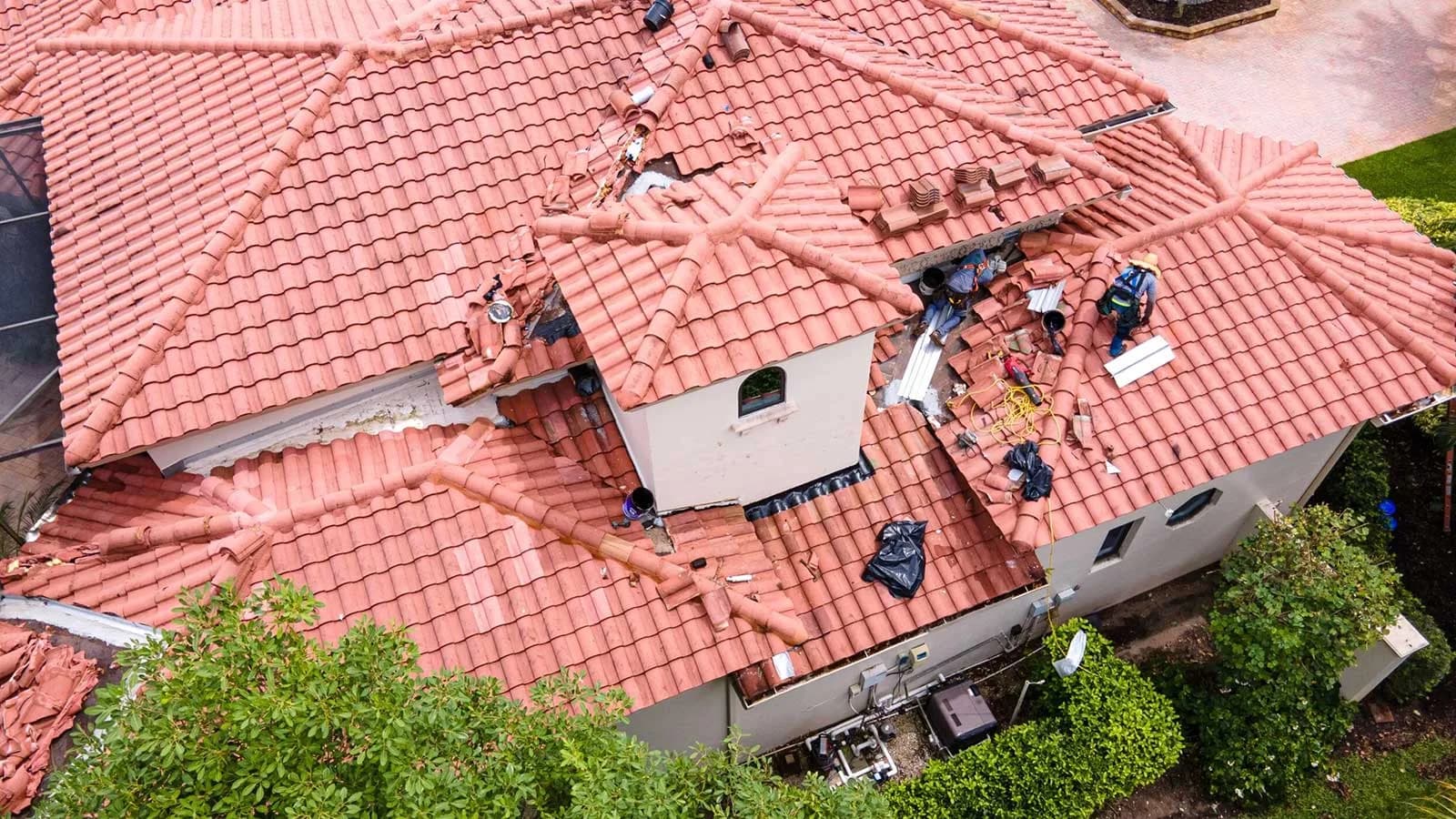
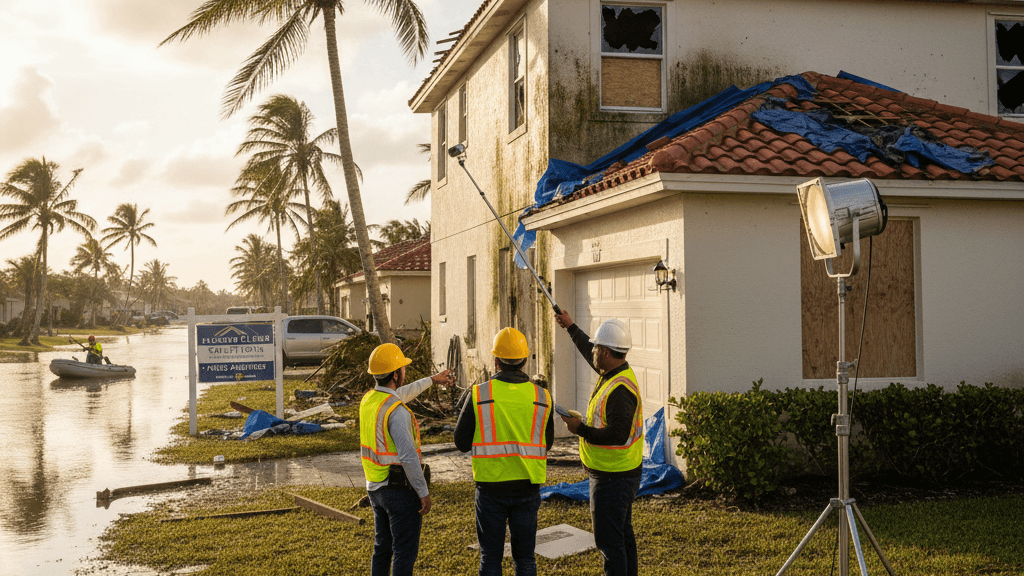
Melissa Burt DeVriese, president of Florida-domiciled Security First Insurance, emphasized the carrier's commitment to policyholders despite the lower-than-expected volume. She and six members of the Security First team visited the home of policyholder Lisa Cook on the north side of Pensacola, where a tree had fallen through the roof, causing damage to the roof structure and attic. The Cooks reported the claim promptly and had an adjuster, a roofing company, and a protective tarp in place within 24 hours. DeVriese noted that while Isaias was a smaller hurricane, the impact is never small for those whose homes are damaged. That is precisely why carriers maintain disaster response teams and why policyholders should report damage immediately and work directly with their insurance company rather than relying on unsolicited offers from roofing contractors or public adjusters. Several agents in the Pensacola area reported that roofing companies and public adjusters, some wearing contractor logos, had begun knocking on doors and making promises that carriers would pay full replacement costs. Kelly Siler, who co-owns the Siler Insurance Agency on U.S. Highway 29 in Pensacola, advised policyholders to verify coverage details with their insurance company first before engaging third parties. The Siler agency, operating without electrical service three days after the storm, maintained paper files on all insureds and had posted claims phone numbers on their front window for all appointed carriers.
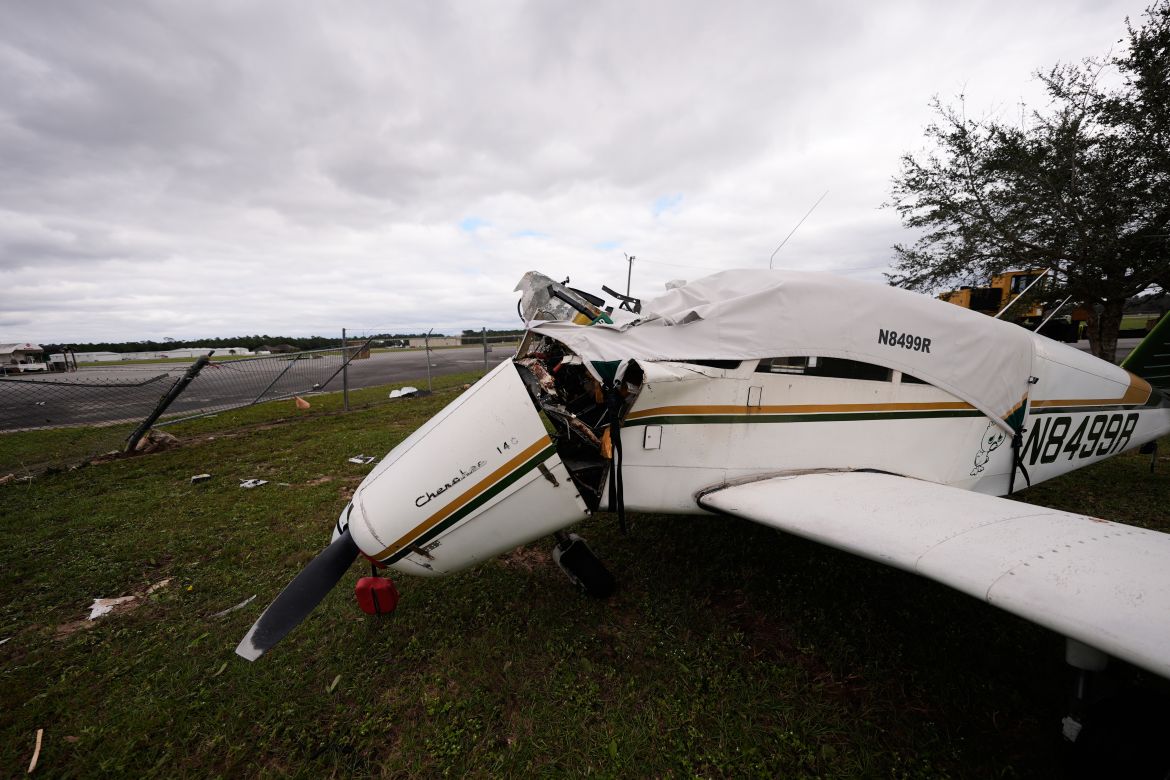
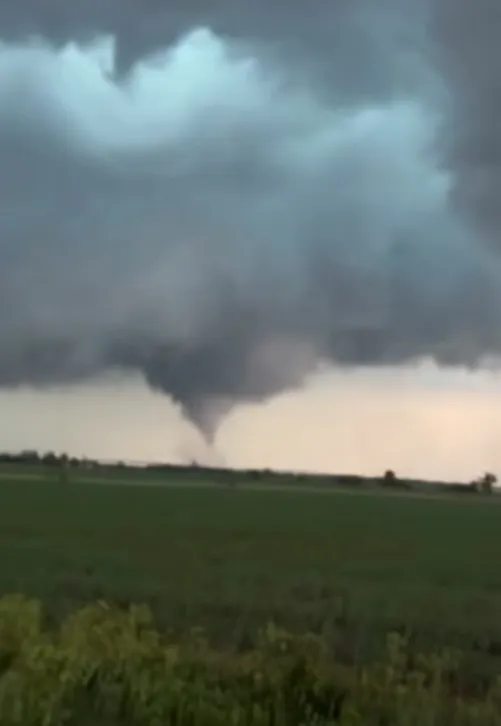
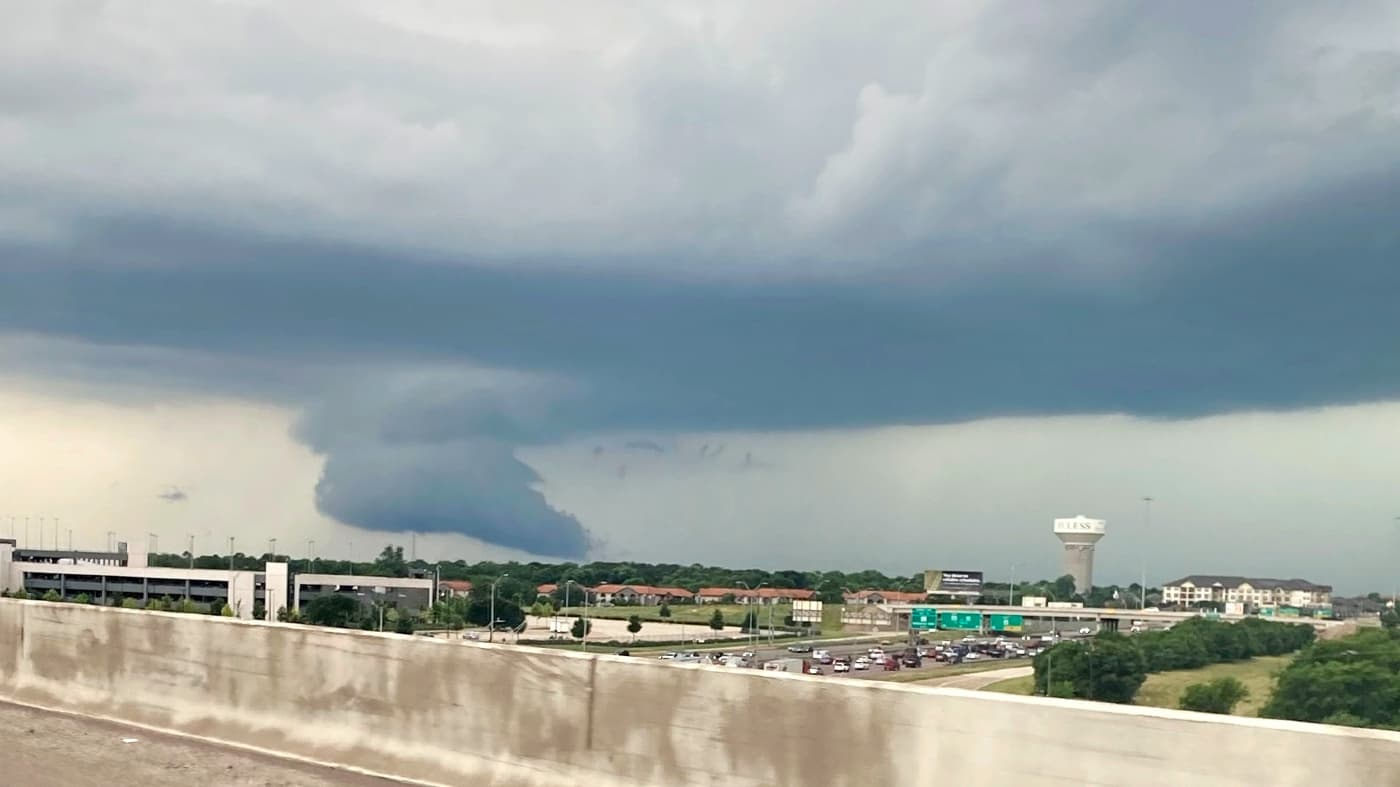
Northeast of Pensacola, the city of Milton experienced significant winds up to 110 miles per hour. Milton High School's gymnasium sustained considerable roof damage, and a massive section of roof was lifted from a nearby apartment complex. The Milton Quick Stop convenience store and gas station suffered heavy damage. At Portofino Island Resort, a massive high-rise condominium complex on Pensacola Beach, many windows were blown out during the storm, leaving bedrooms in two towers exposed to the elements. Drone video posted on social media showed the extent of the damage, though it remained unclear whether the towers had been constructed with hurricane-resistant windows. In central and southeast North Carolina, at least seven tornadoes spawned by Isaias damaged buildings and homes, with several additional tornadoes reported in southwest South Carolina. The strongest tornado, an EF-2 with winds up to 135 miles per hour, touched down in Wallace, North Carolina, and blew out windows at Awaken Church. Several homes west of Wallace sustained damage. Lisa Johnson's State Farm Insurance agency, located about a half-mile from the church, received no significant damage from the winds, though agents reported that several insureds in the area had already filed claims for wind damage to their properties.
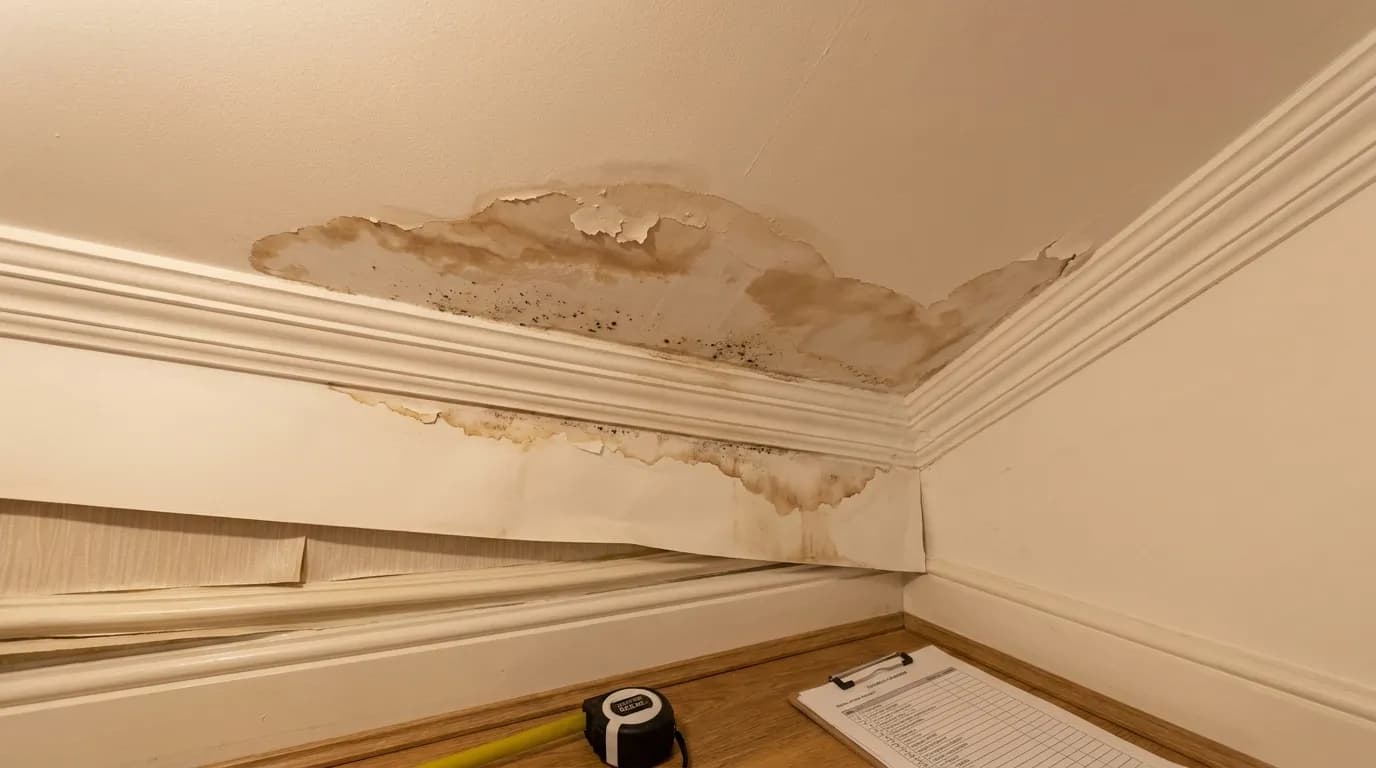
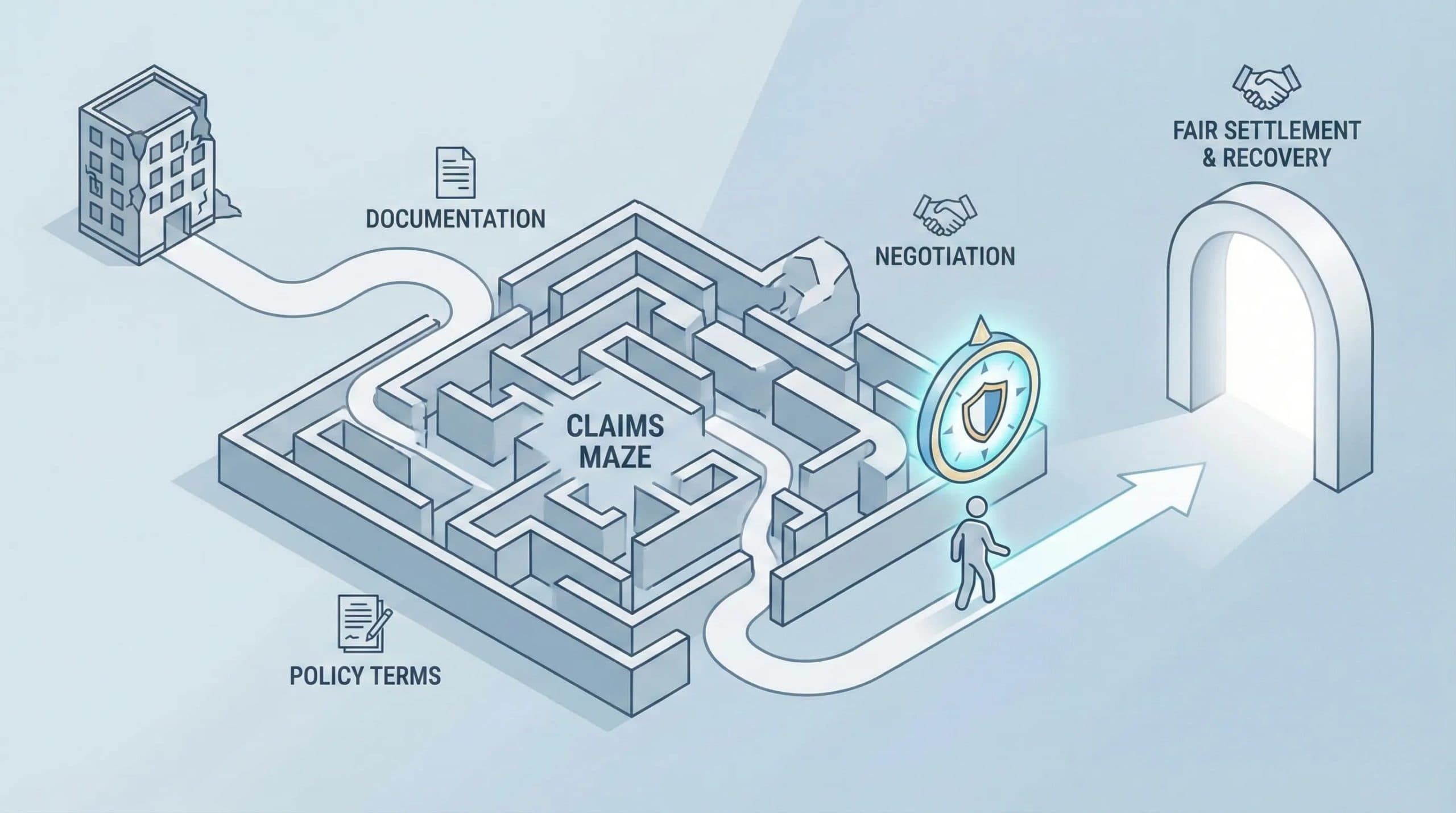
Isaias proved more damaging than Hurricane Sally, which struck the area in 2020, but less severe than Hurricane Ivan, which caused widespread destruction in 2004. The sounds of generators and chain saws could still be heard in Pensacola late Monday evening as residents and businesses began the recovery process. Official claims numbers had not yet been reported by the Florida Office of Insurance Regulation as of Monday, though the office had given insurers two reporting deadlines: October 13 and October 15, using a simplified catastrophe reporting form. For Florida property owners and those in hurricane-prone regions, Isaias offers several lessons. First, maintain current homeowners insurance with adequate coverage limits. Second, understand your policy's deductibles and exclusions before disaster strikes. Third, report damage promptly to your carrier and work directly with your insurance company's claims process rather than engaging unsolicited third parties. Finally, consider whether your home meets current hurricane-resistant building standards, particularly if you own older property or live in high-risk coastal areas. Five Star Claims Adjusting stands ready to assist Florida property owners navigating storm damage claims, ensuring that policyholders understand their rights and maximize their recovery. Whether you are facing wind damage, roof damage, or water intrusion from a hurricane or severe storm, professional guidance can make the difference between a smooth claims process and prolonged uncertainty.
This article has been sourced from press releases and cross-referenced with multiple websites. Facts originally seen at Source.