Rising Hurricane Activity Drives Urgent Need for Professional Public Adjusting Support
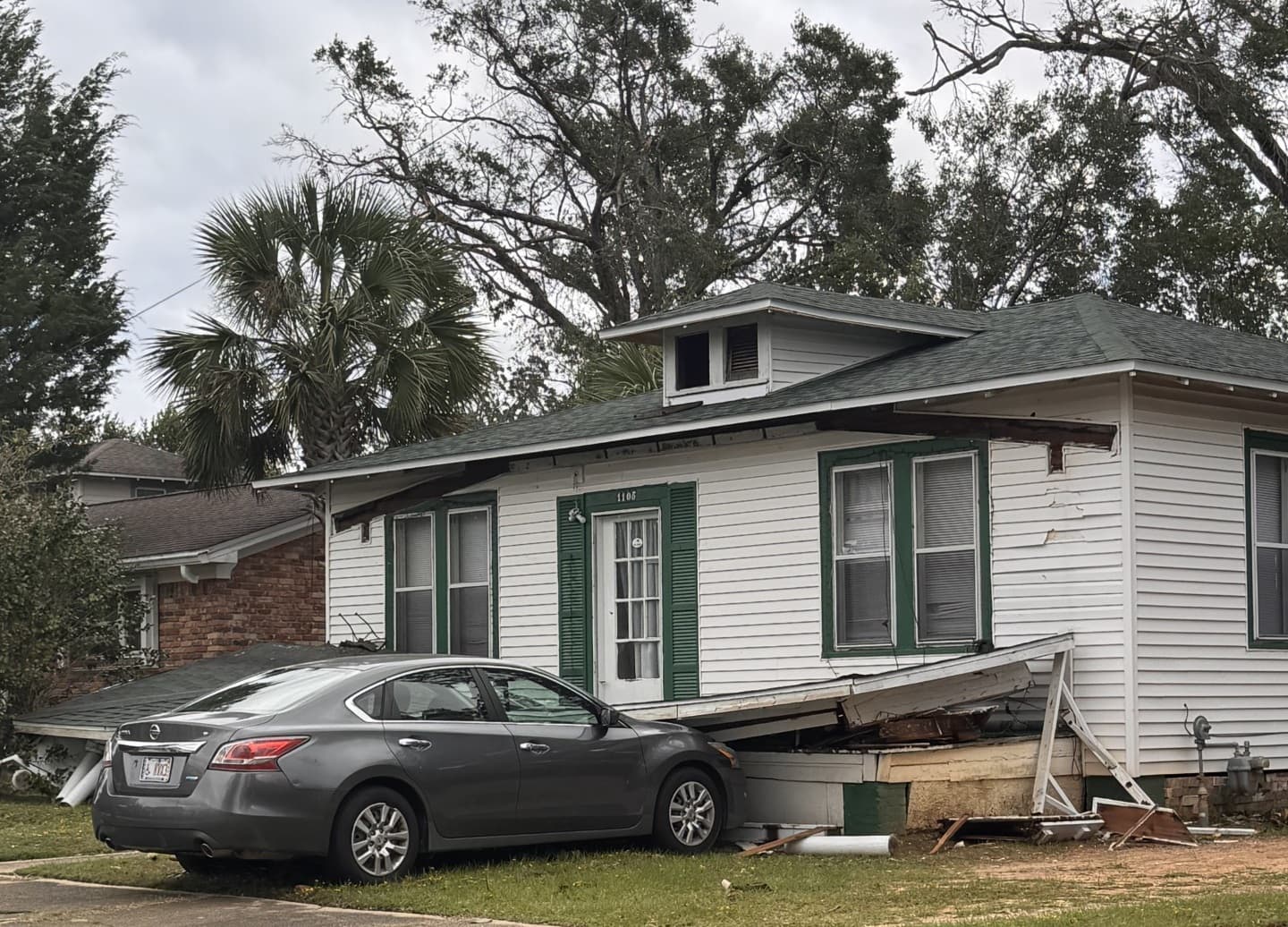
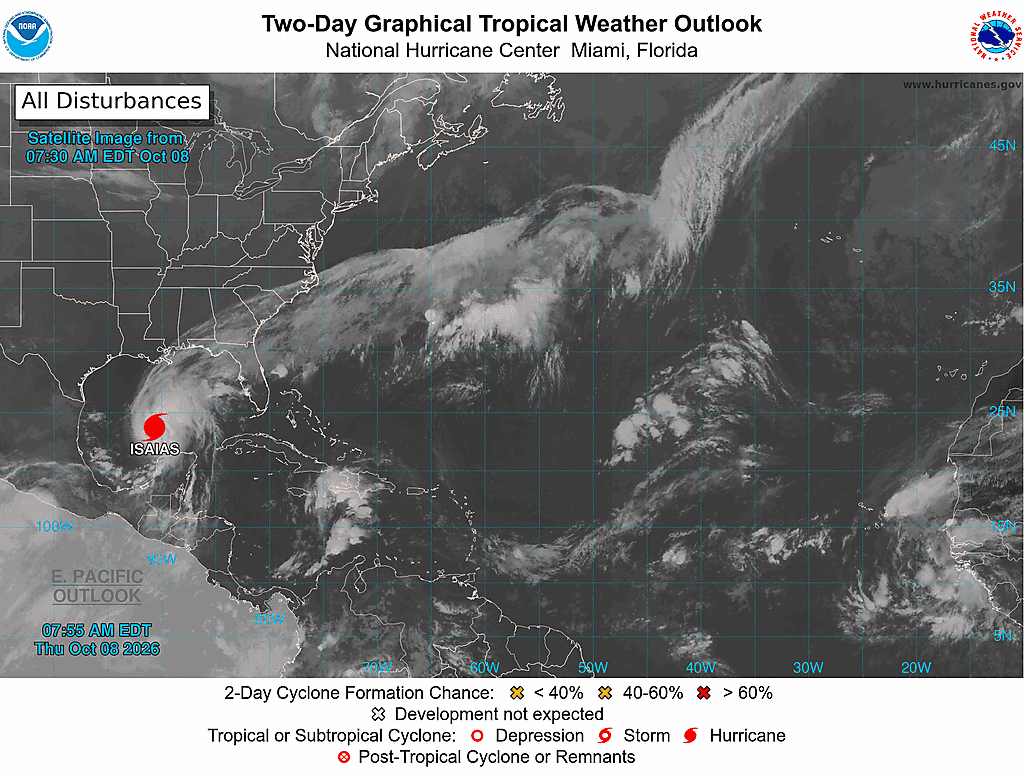
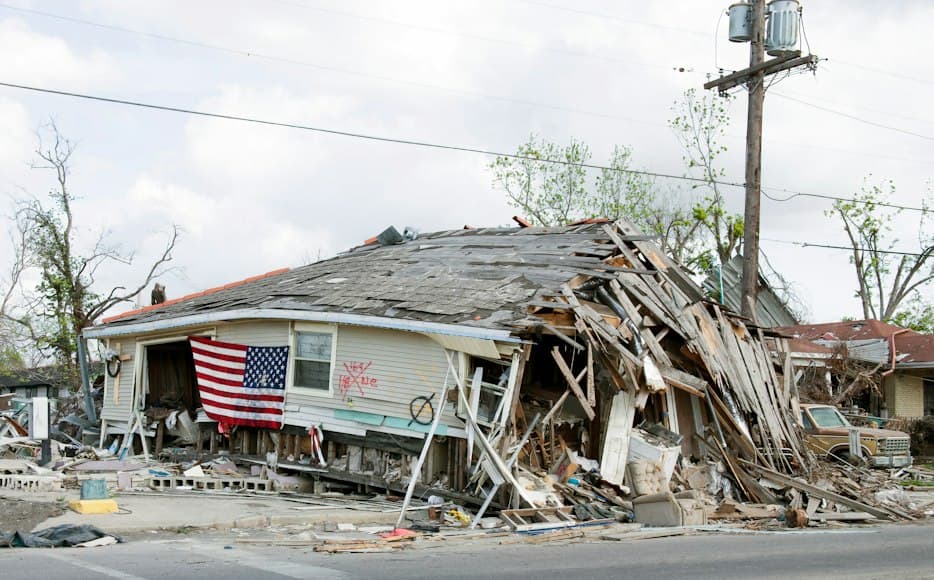
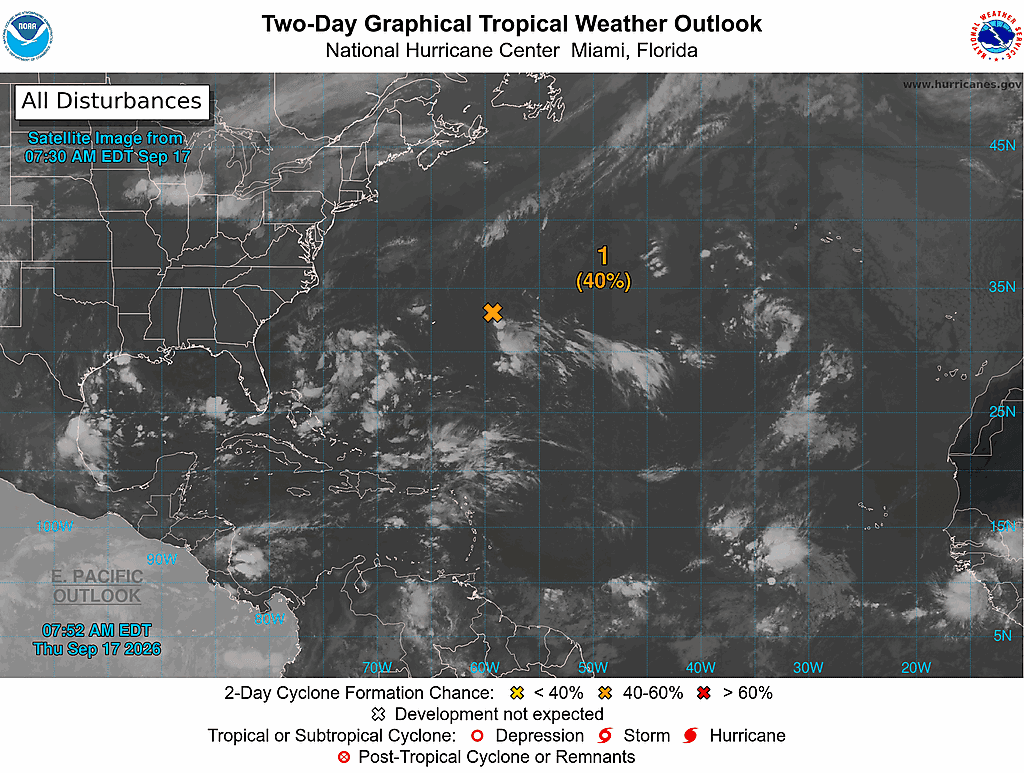
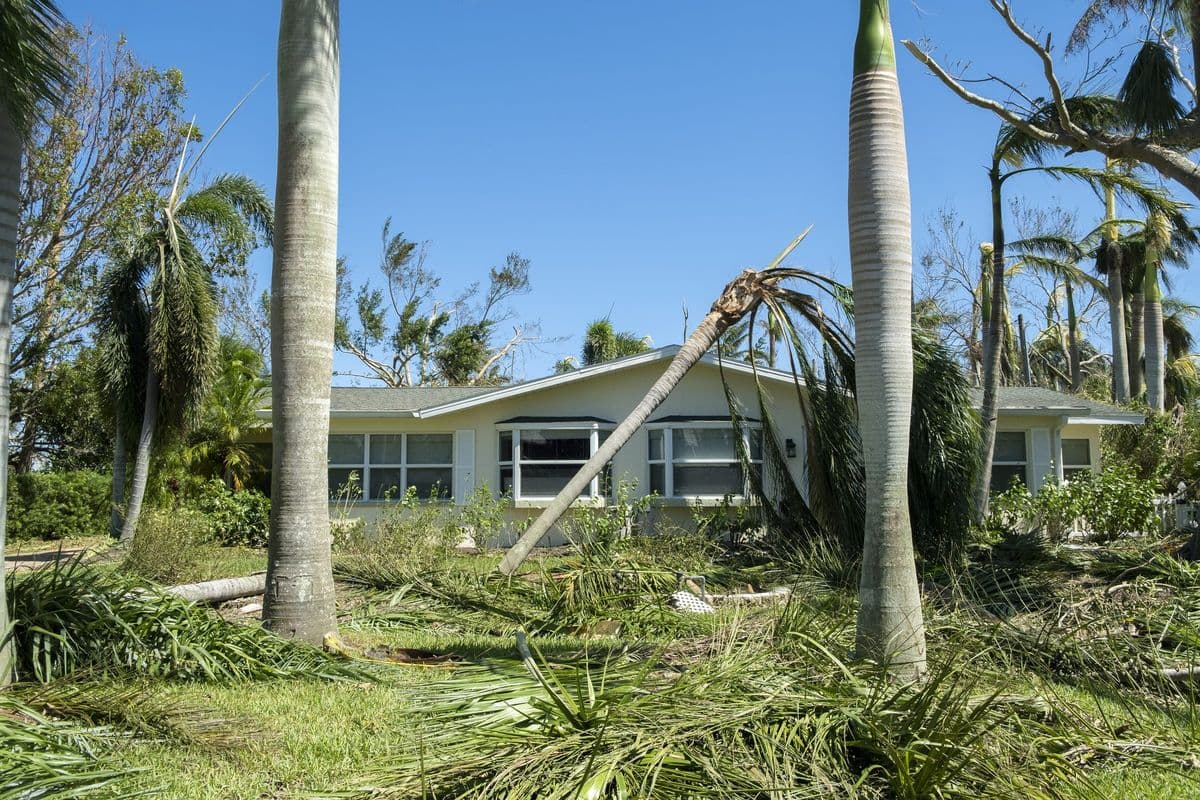
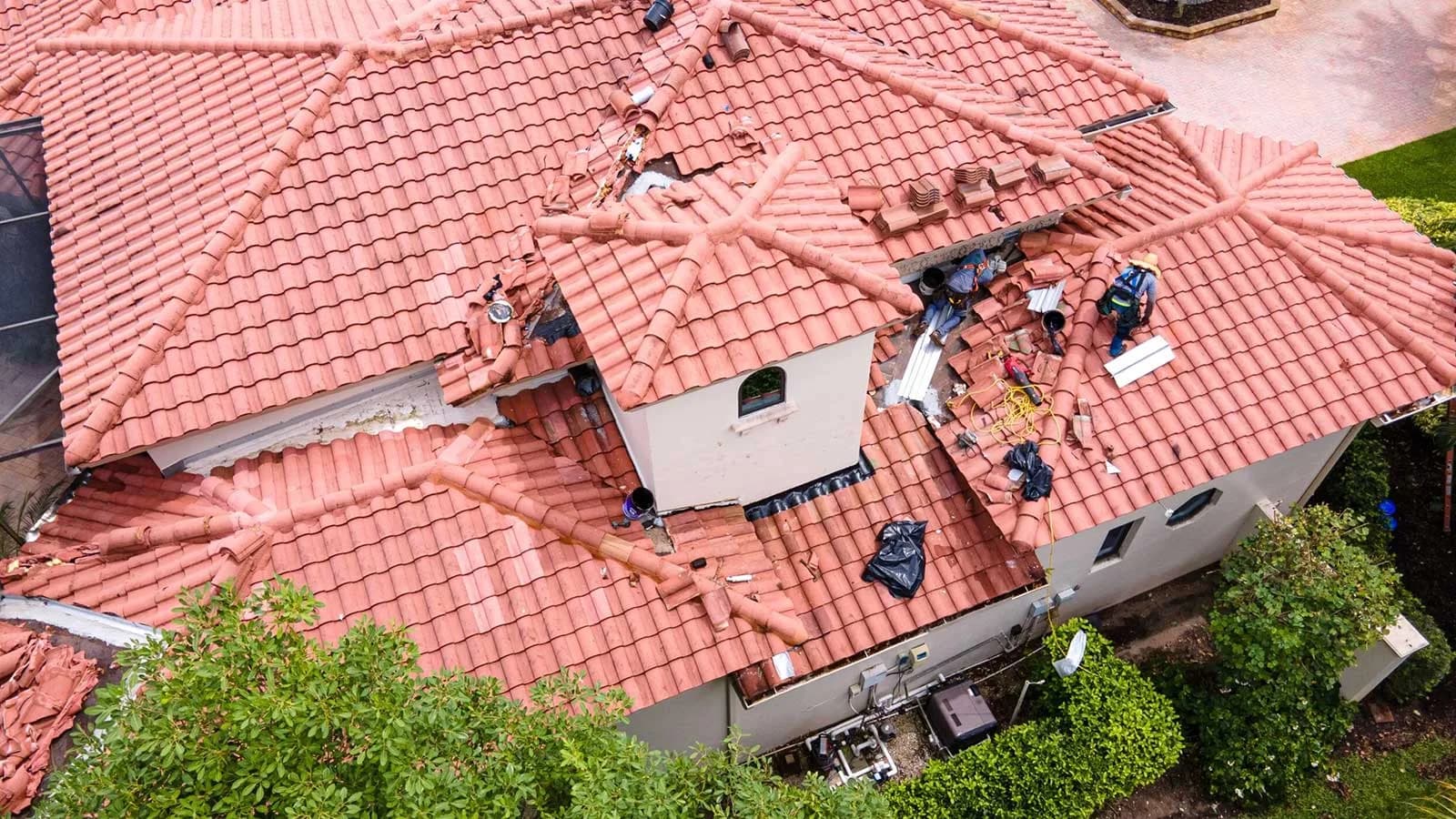
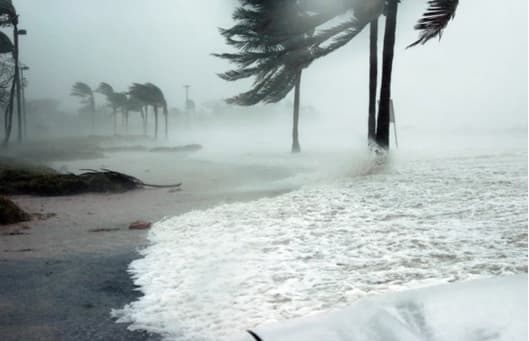
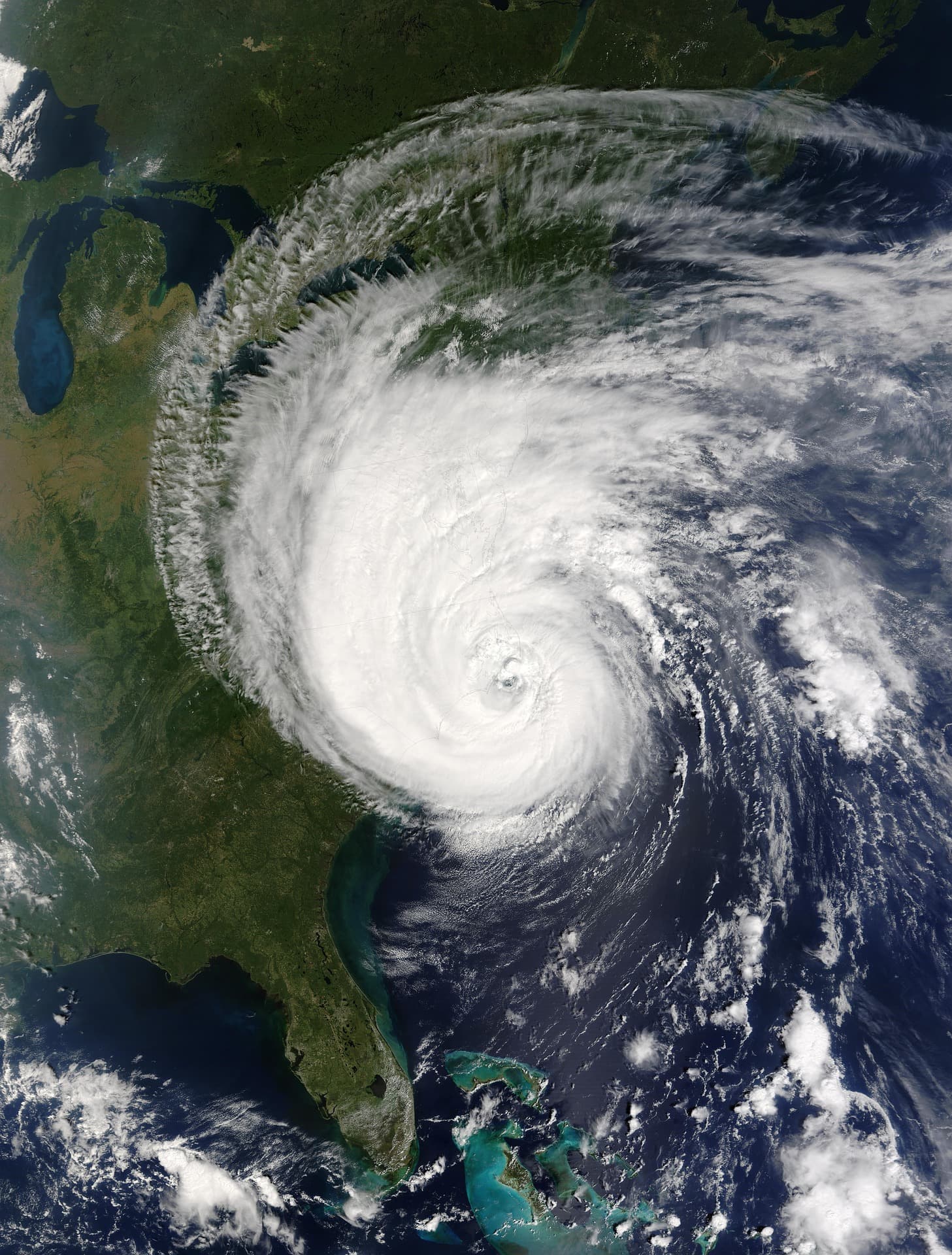
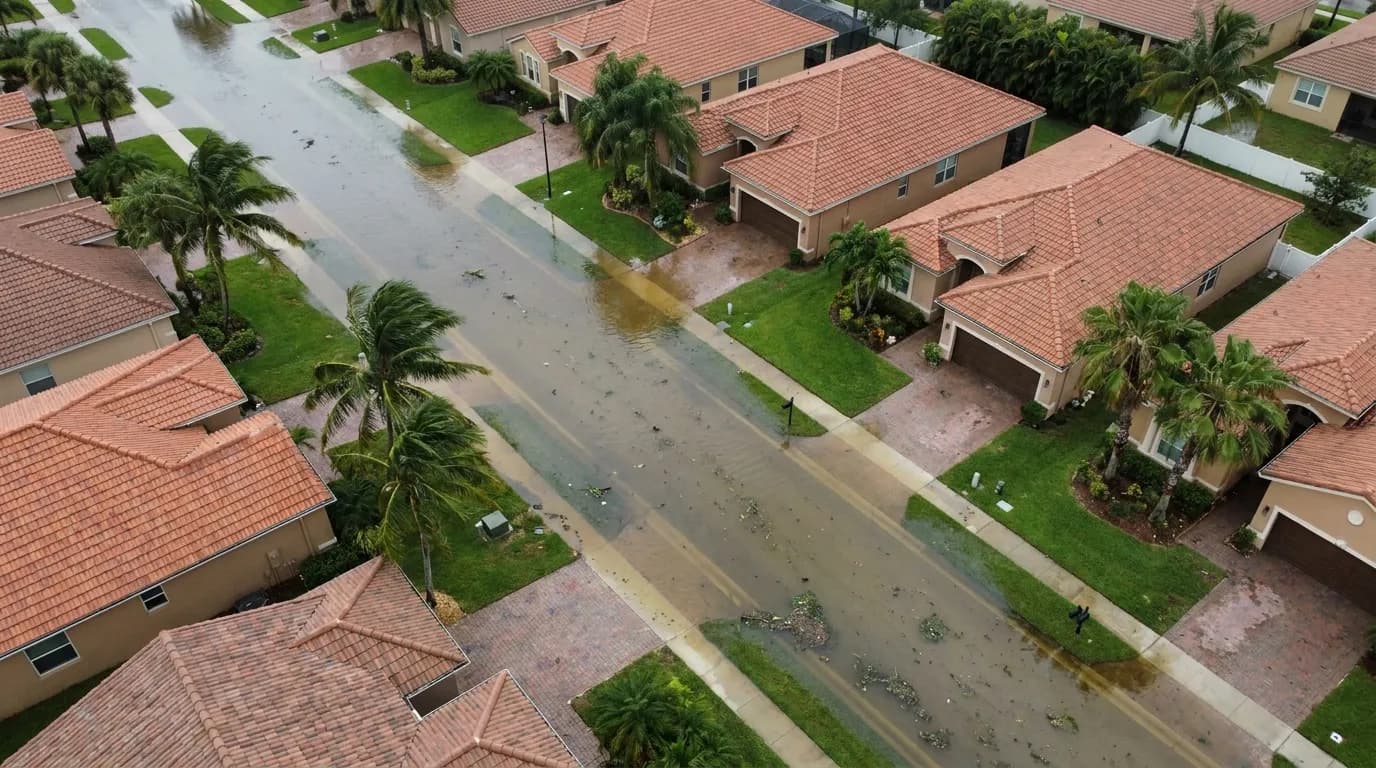
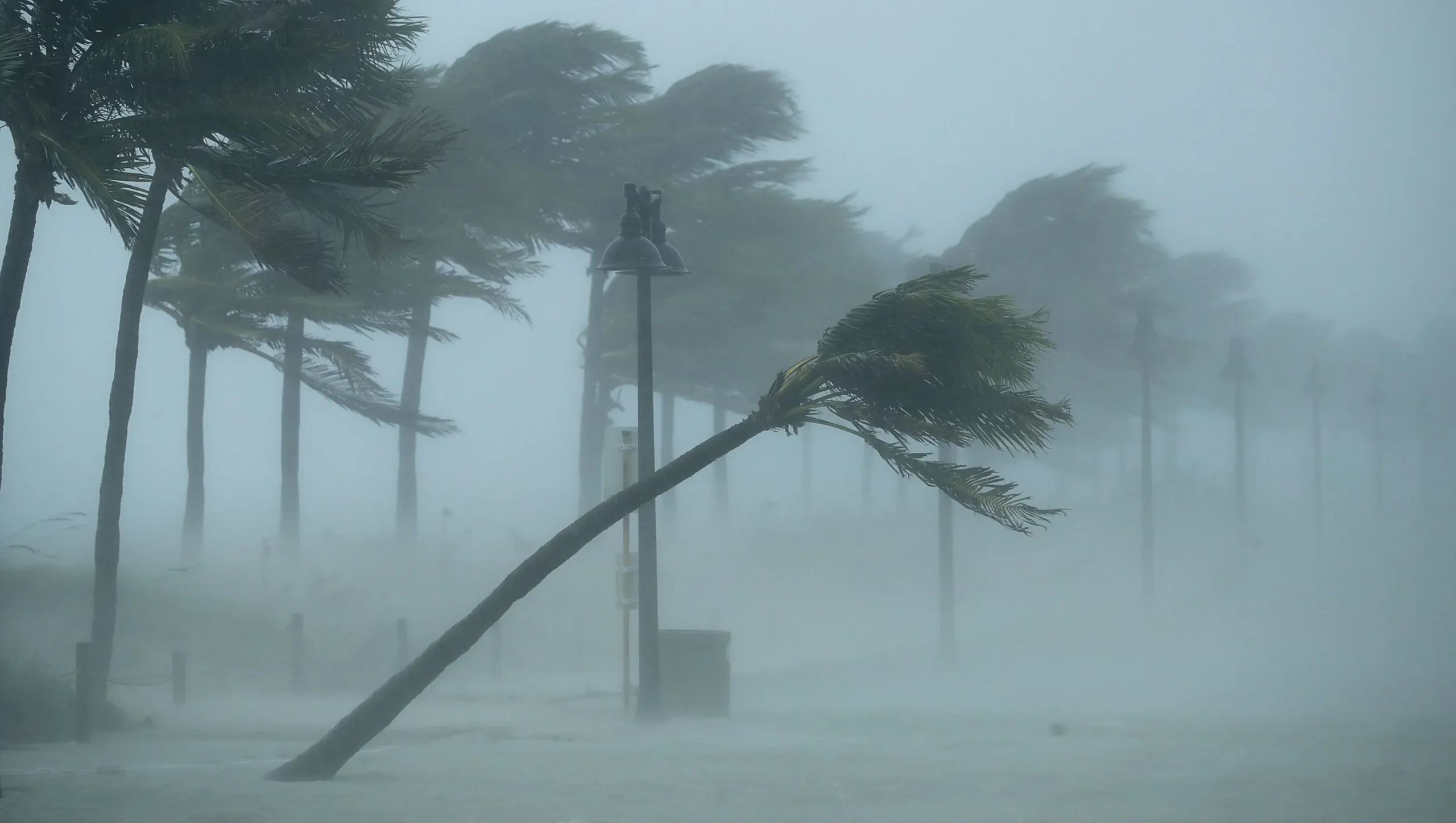
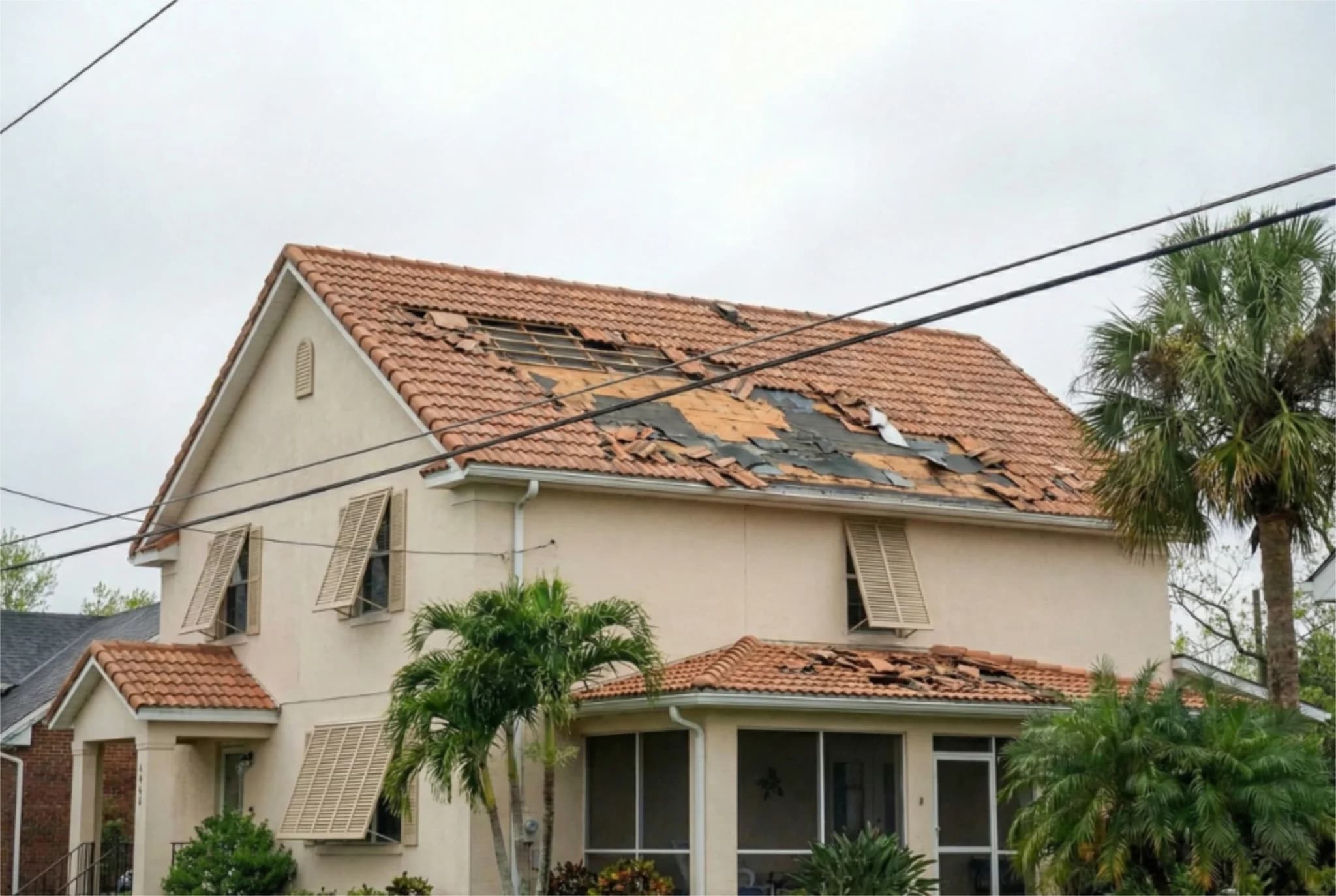
Florida's property insurance landscape continues to face mounting pressure as the 2026 hurricane season unfolds with intensity. Homeowners across the state are confronting a perfect storm of challenges: aging roofs vulnerable to wind damage, insurers applying stricter claim standards, and the growing complexity of navigating the claims process without professional guidance. The situation underscores why public adjusting has become essential for property owners seeking fair compensation for storm and hurricane damage.
The fundamental issue lies in the inherent conflict of interest between policyholders and insurance carriers. When a homeowner files a claim for roof damage, water intrusion, or wind damage following a hurricane or severe storm, the insurance company's adjuster is tasked with minimizing payout amounts. Homeowners, meanwhile, lack the technical expertise to assess damage comprehensively or challenge low initial estimates. This imbalance often results in settlements that fall far short of actual repair costs, leaving property owners to cover the difference from their own pockets. Florida's insurance market has become increasingly contentious in recent years. Multiple carriers have exited the state, leaving fewer options for coverage. Those remaining have tightened underwriting standards and denial rates. When claims are filed, the initial inspection frequently underestimates damage or excludes coverage for secondary water damage, mold remediation, or structural issues that compound over time. Homeowners who accept these initial offers without expert review often discover months later that their repairs are incomplete and their homes remain vulnerable to future weather events.
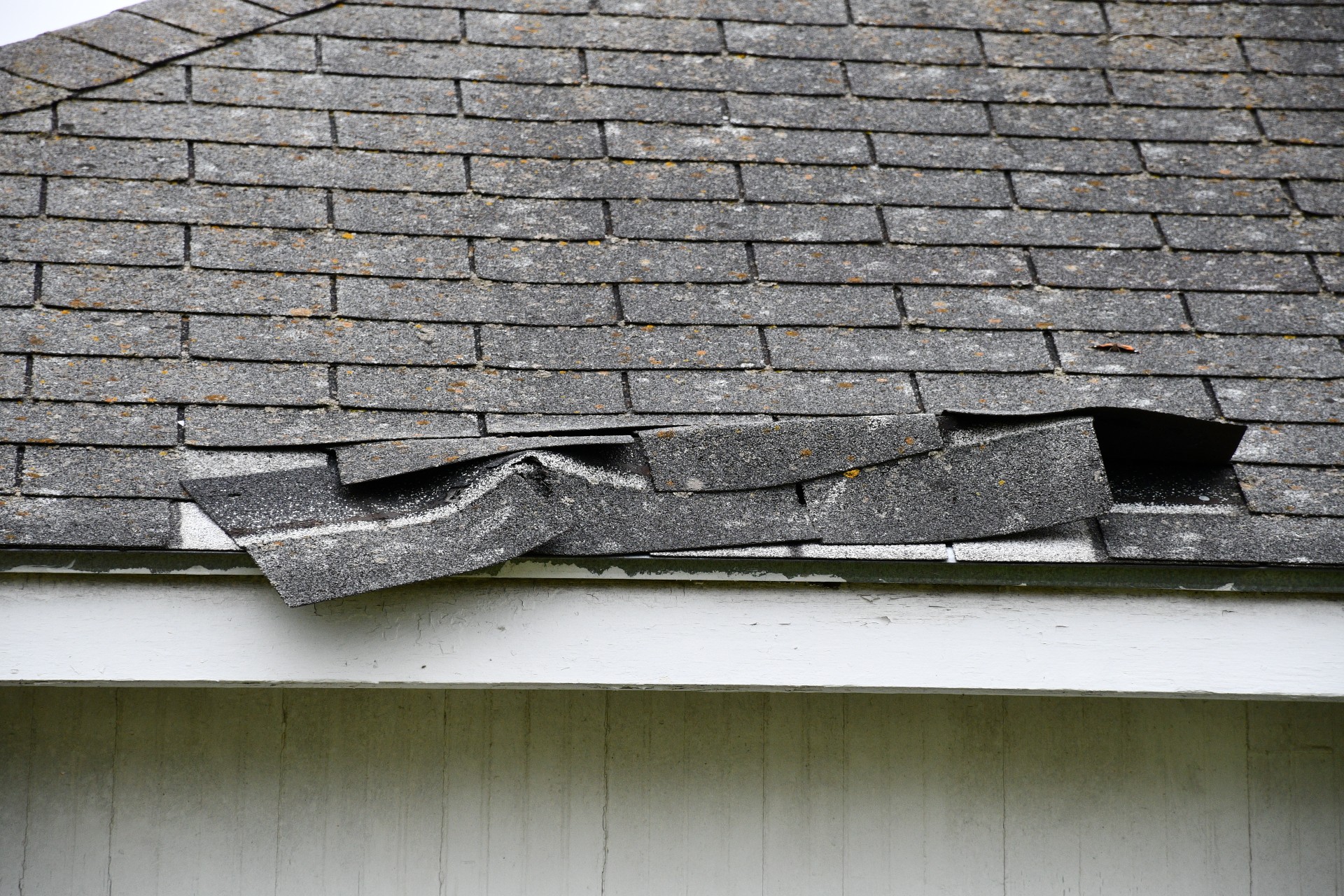
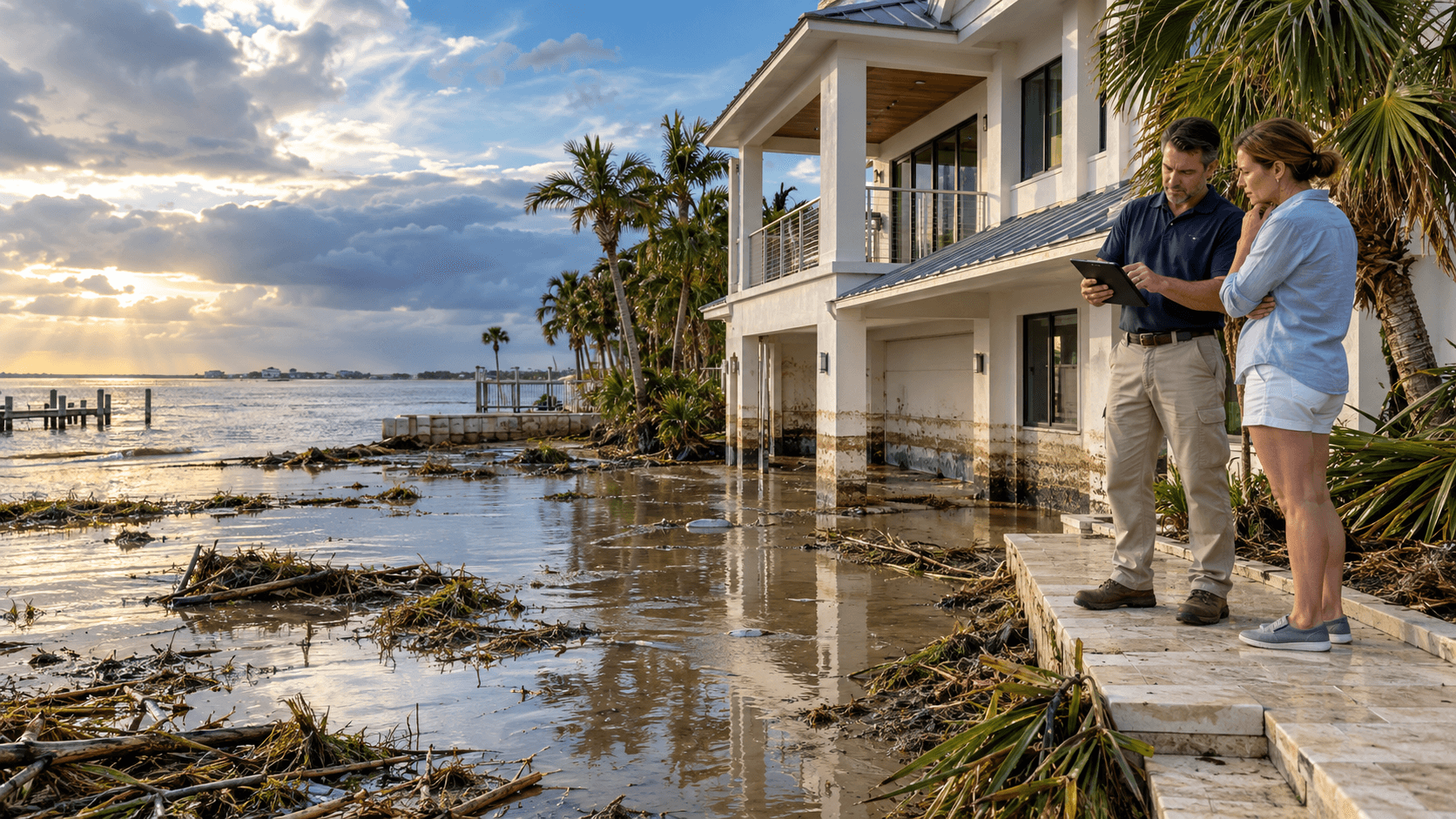
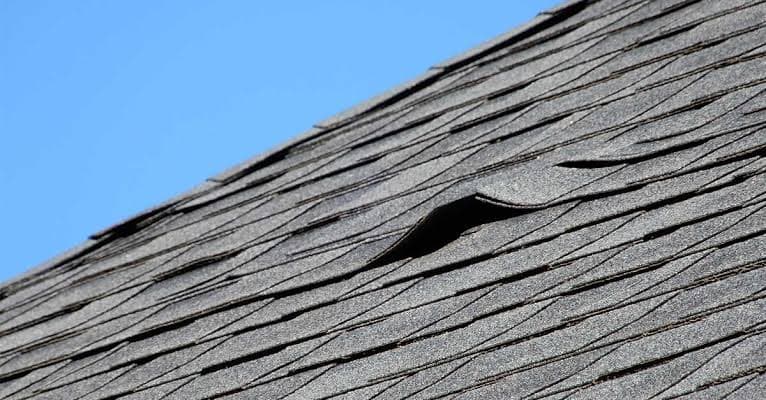
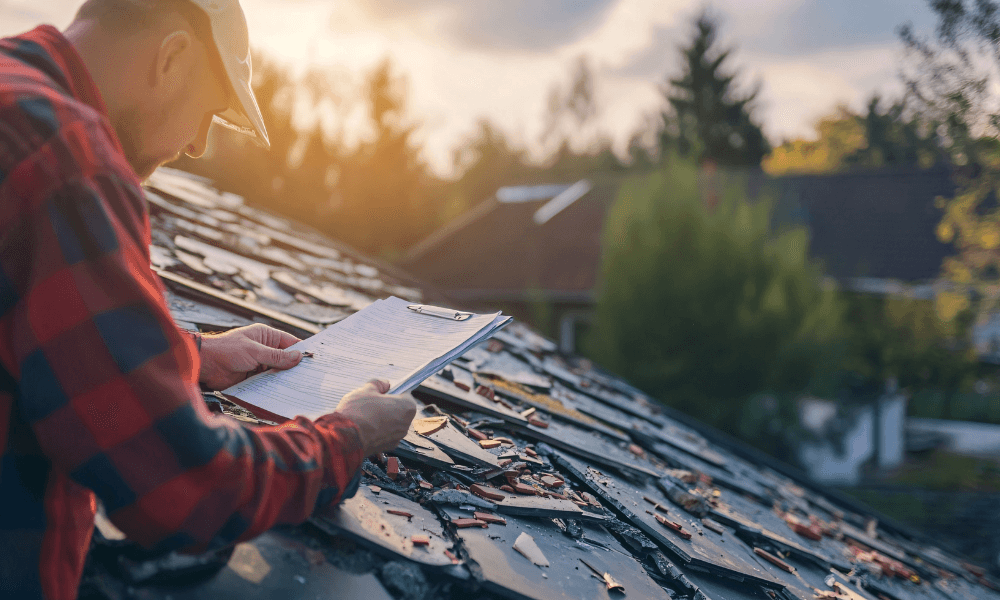
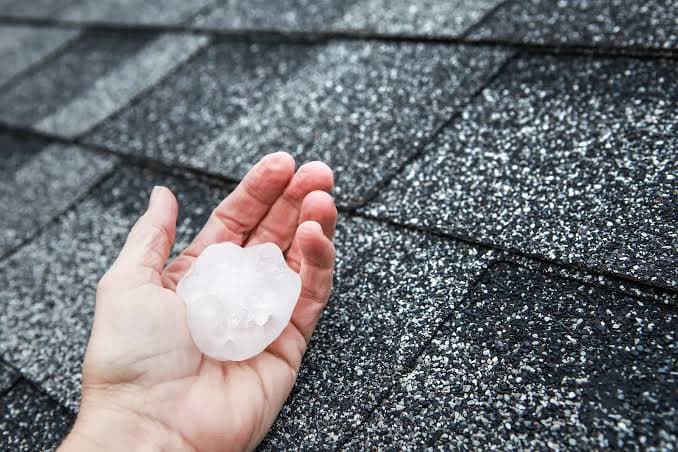
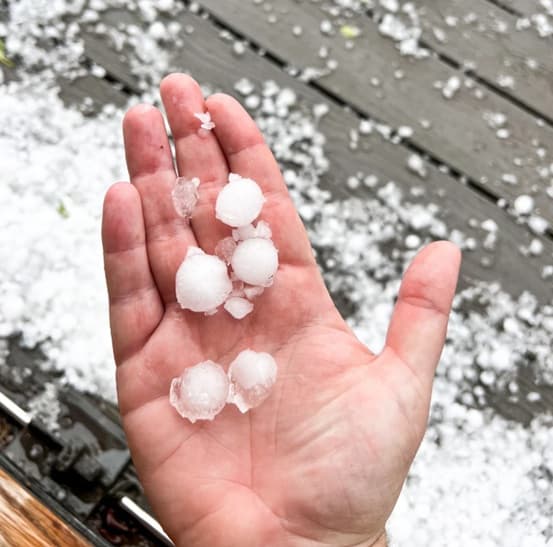
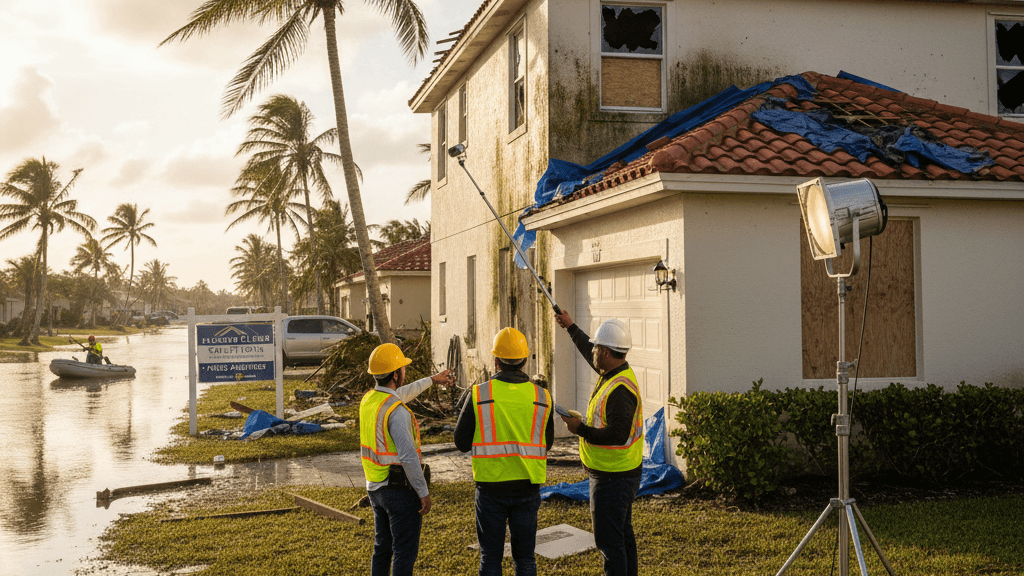
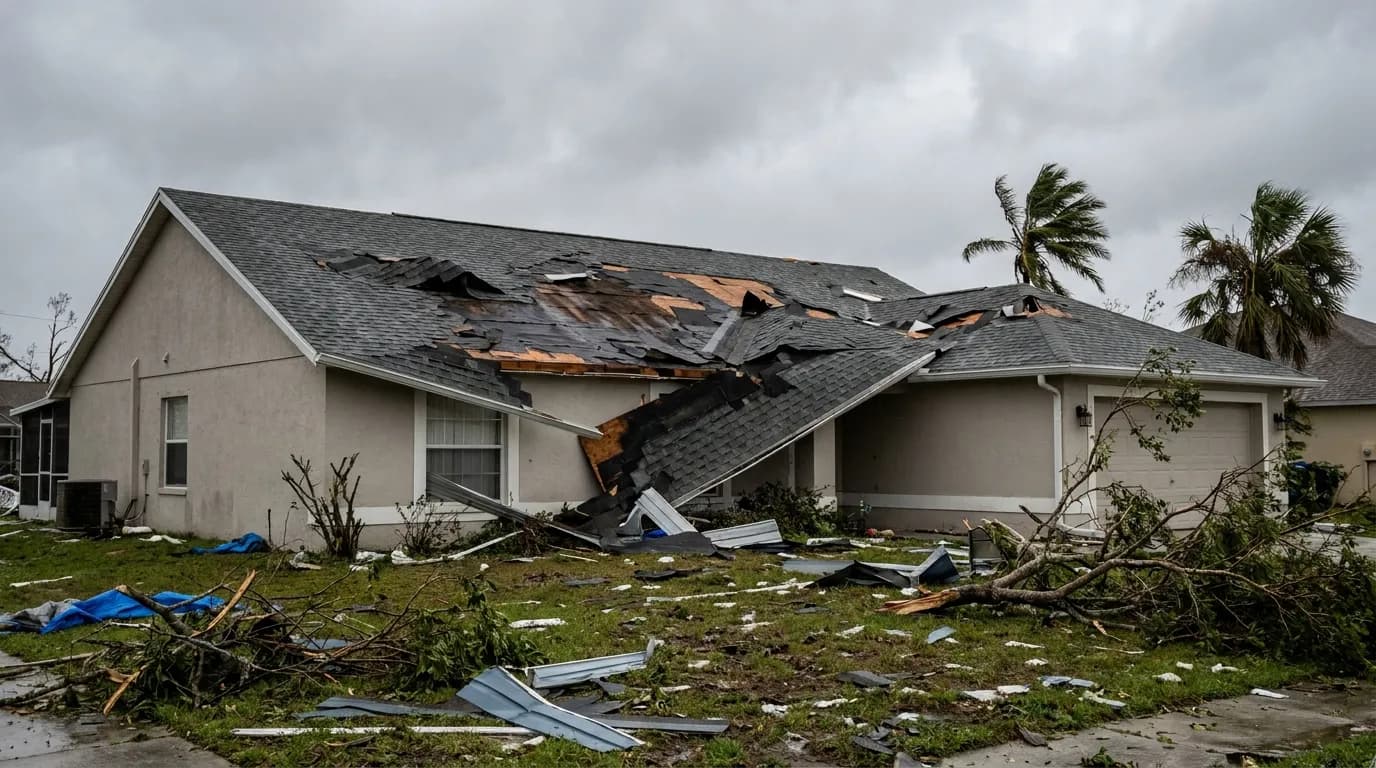
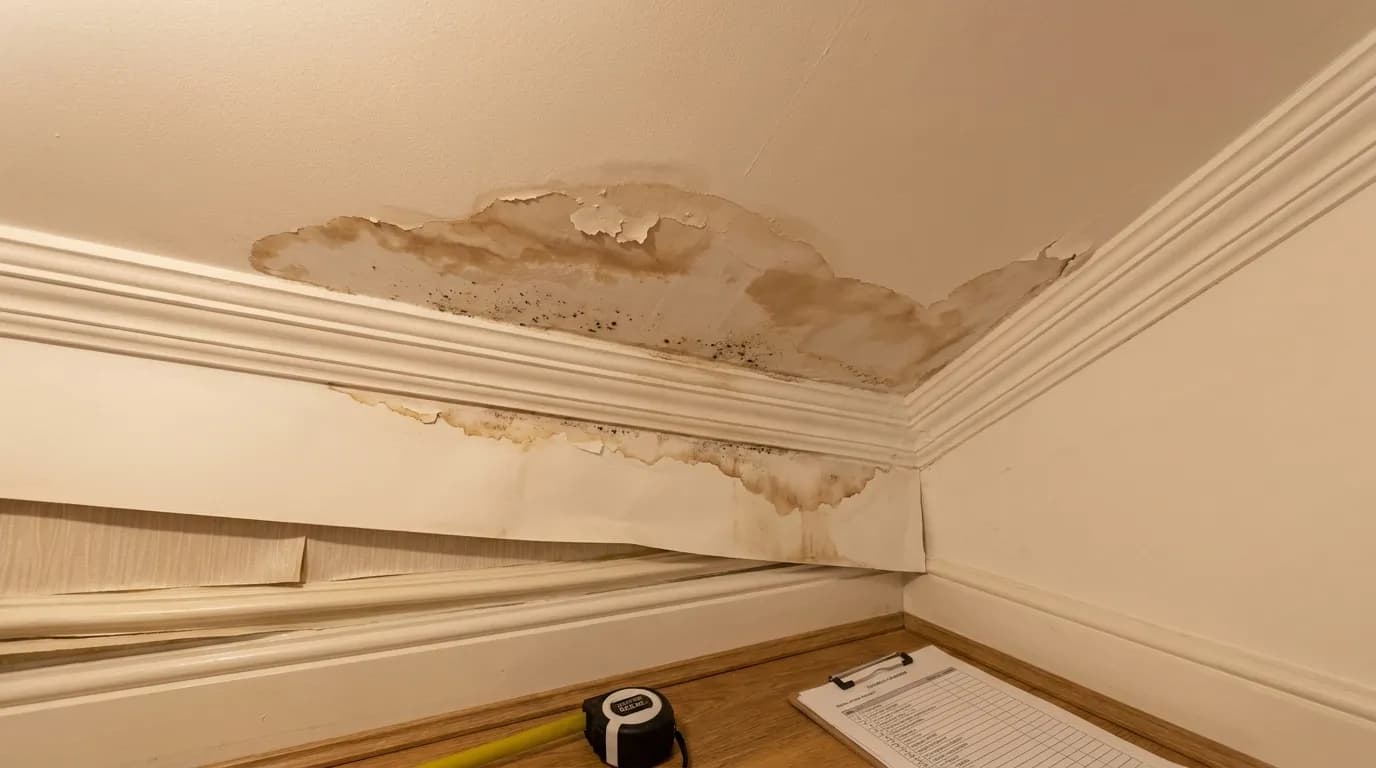
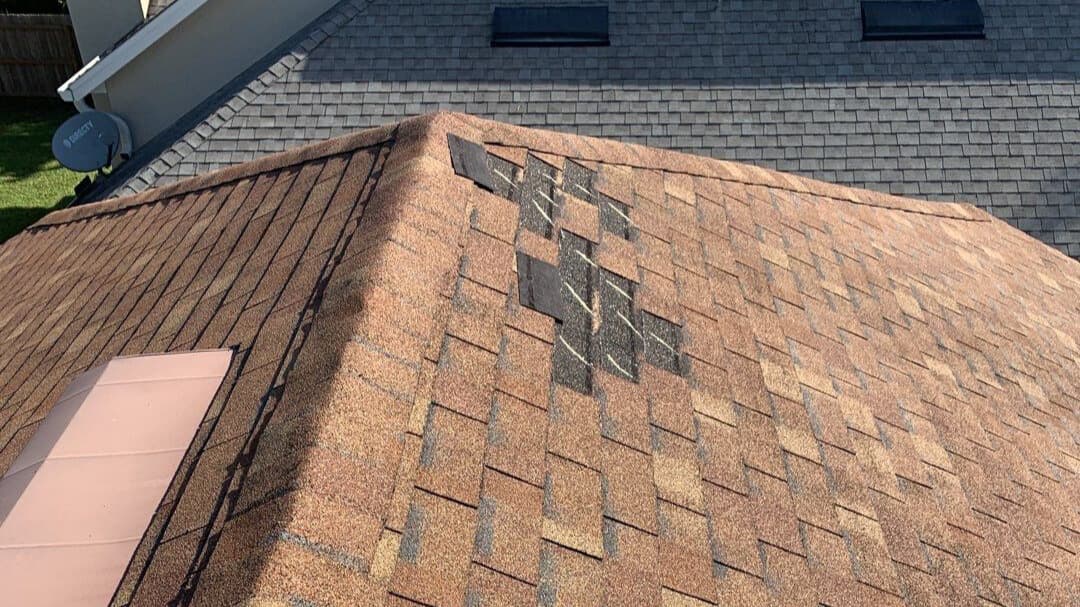
Public adjusters serve as the counterbalance to this dynamic. Licensed professionals with deep knowledge of insurance policy language, building codes, and damage assessment protocols, public adjusters represent the homeowner's interests exclusively. They conduct thorough inspections, document damage meticulously, prepare detailed repair estimates, and negotiate directly with insurance companies on behalf of their clients. Unlike the insurer's adjuster, a public adjuster's compensation is contingent on securing a higher settlement, aligning their incentives with the homeowner's goal of full claim recovery. The scope of damage that often goes unrecognized in initial inspections is staggering. A roof damaged by hurricane-force winds may have compromised structural integrity that only becomes apparent during a detailed engineering assessment. Water intrusion from that same roof damage can affect attics, insulation, electrical systems, and interior walls, creating conditions for mold growth and material degradation. Hail damage to siding, gutters, and HVAC systems frequently escapes notice during cursory inspections. Public adjusters identify these interconnected damage patterns and ensure they are included in the claim, resulting in settlements that reflect the true cost of restoration.
For homeowners in Texas and other hurricane-prone regions, the lessons from Florida's experience are instructive. The state's insurance crisis has forced property owners to become more proactive about claim management. Those who engage public adjusters early in the process, ideally before accepting any initial settlement offer, consistently recover significantly more than those who navigate the system alone. The difference often amounts to tens of thousands of dollars, particularly for homes with extensive damage from multiple perils. Five Star Claims Adjusting understands the urgency and complexity of storm damage claims in Florida and beyond. The firm specializes in hurricane and severe weather damage assessment, helping homeowners maximize their recovery by partnering with restoration contractors and legal specialists when disputes arise. Their approach emphasizes thorough documentation, professional damage assessment, and aggressive negotiation to ensure policyholders receive settlements that truly cover the cost of repairs.
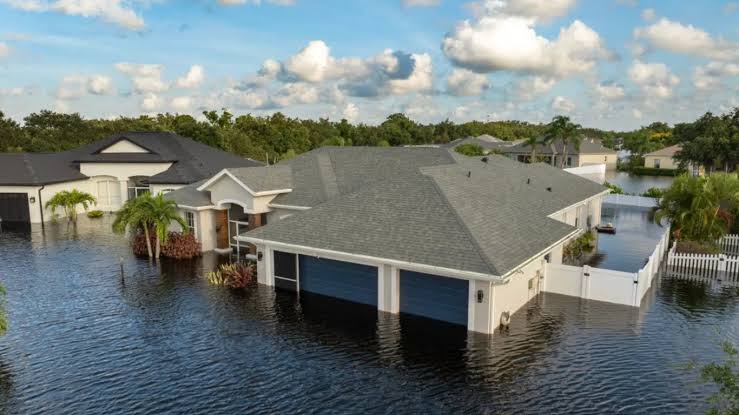
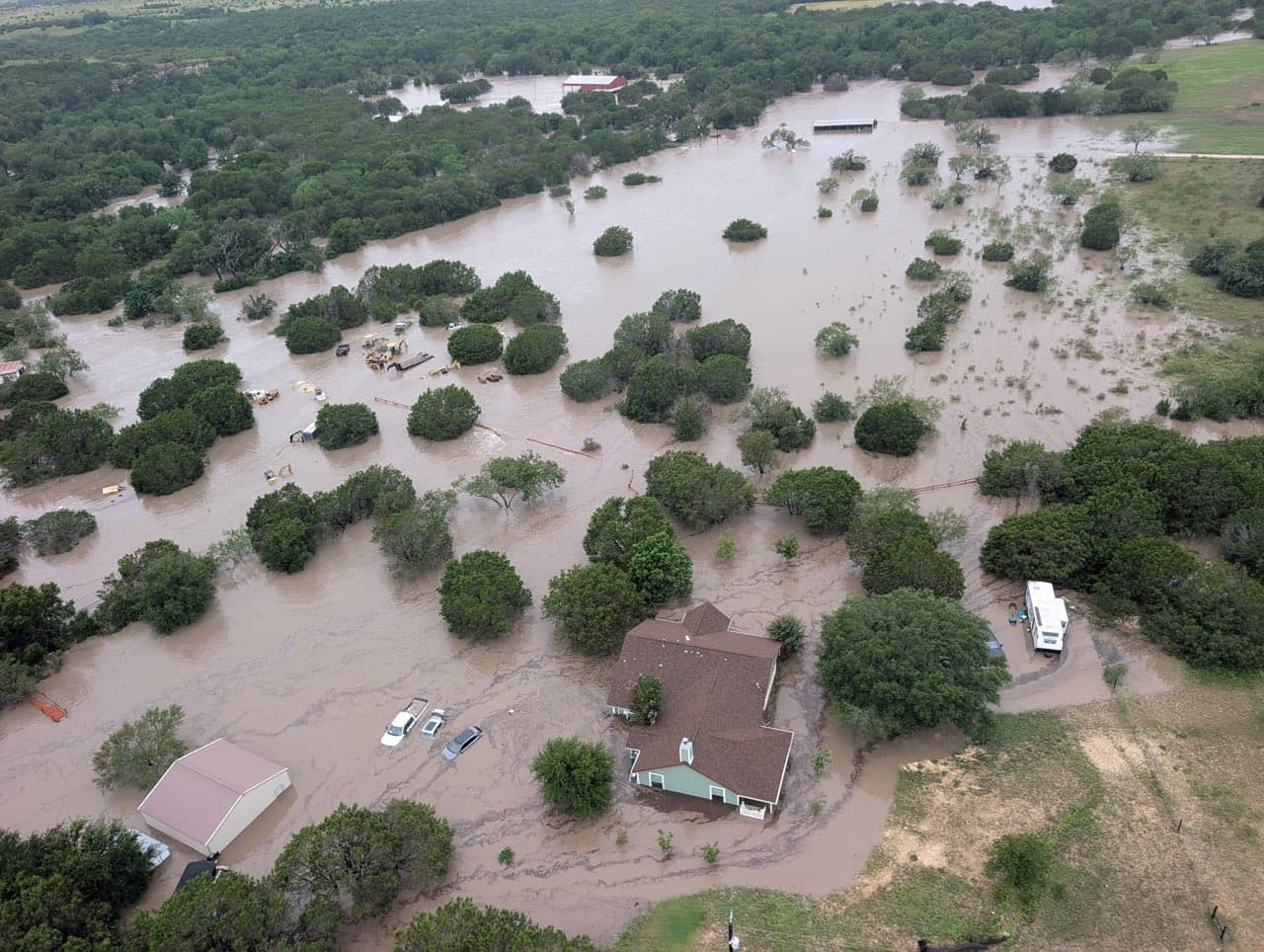
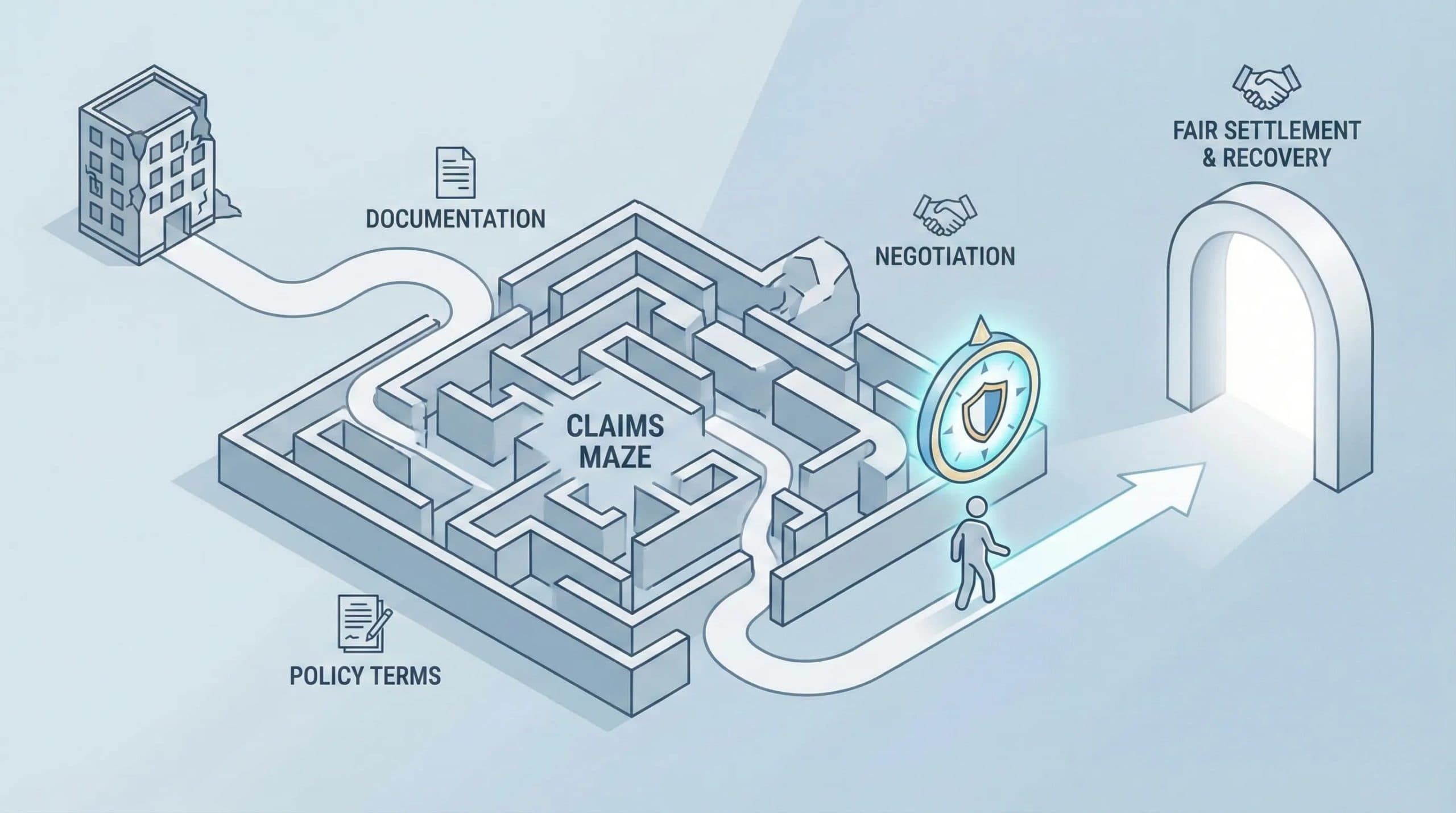
The claims process itself has become more adversarial. Insurance companies now routinely hire their own engineers and specialists to contest damage findings or argue that certain damage is excluded under policy language. Homeowners without professional representation find themselves outmatched in these technical disputes. Public adjusters level the playing field by bringing equivalent expertise and documentation to the negotiation table. They understand how to interpret policy exclusions, challenge denial letters, and present evidence in formats that insurance companies cannot easily dismiss. Beyond the immediate settlement, engaging a public adjuster early can prevent costly delays in repairs. Every month that a damaged roof remains unrepaired increases the risk of secondary water damage, structural deterioration, and interior damage. Mold can develop rapidly in Florida's humid climate, creating health hazards and exponentially increasing remediation costs. By securing a fair settlement quickly, homeowners can move forward with repairs and prevent these cascading problems.
The path forward for Florida homeowners is clear: treat insurance claims as serious business requiring professional expertise. Whether facing damage from a major hurricane, a severe thunderstorm, hail, or wind events, the stakes are too high to rely on the insurance company's initial assessment. Public adjusters have proven their value repeatedly by recovering amounts that far exceed what homeowners would receive on their own. For those navigating the claims process, Five Star Claims Adjusting and similar firms stand ready to advocate for policyholder rights and ensure that storm damage recovery is comprehensive and fair. In an environment where insurance companies are increasingly defensive about payouts, professional representation is not a luxury but a necessity for protecting your property and your financial security.
This article has been sourced from press releases and cross-referenced with multiple websites. Facts originally seen at Source.