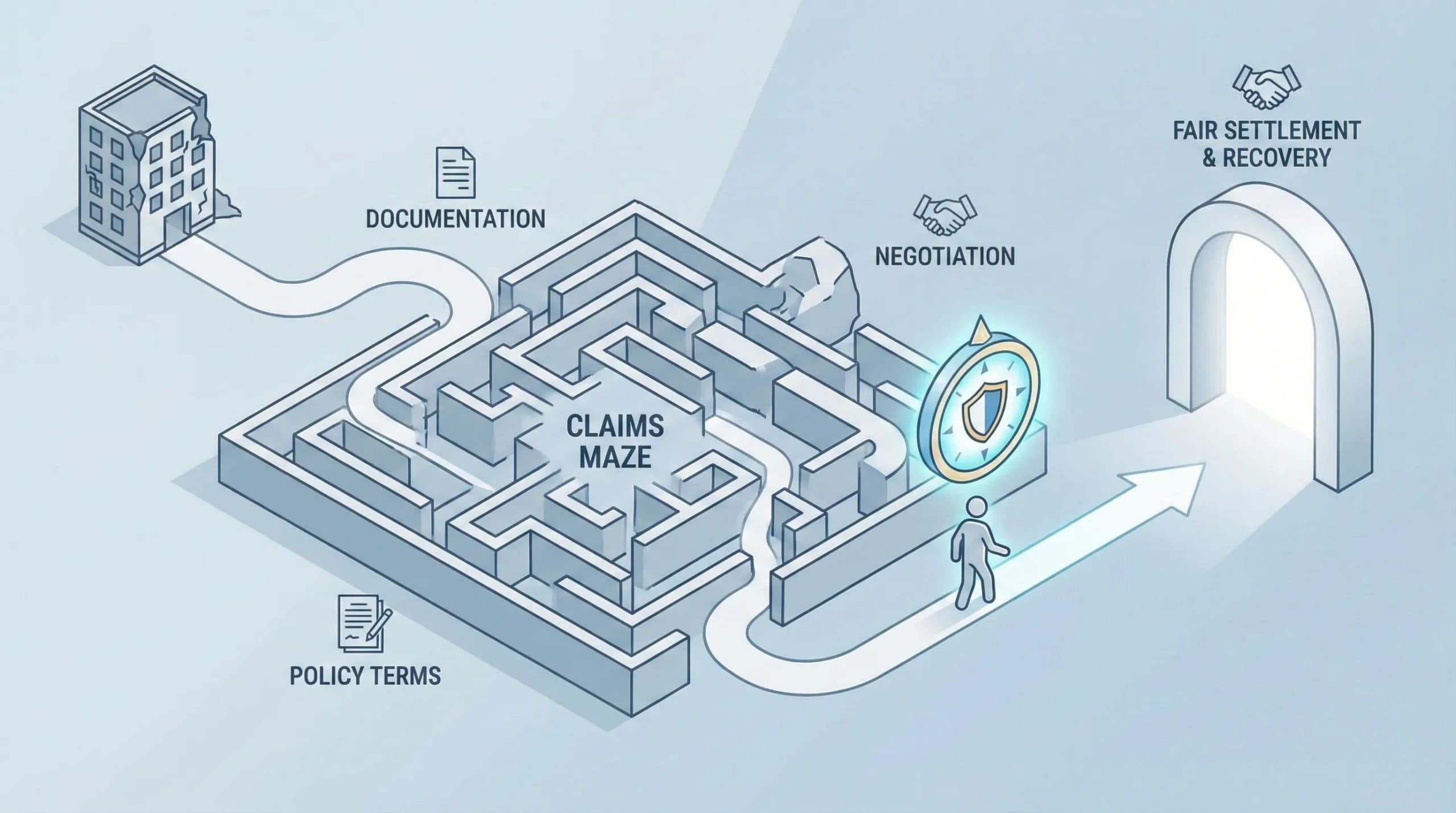
Wind, Rain, Surge, and Mold Create Layered Damage That Most Adjusters Miss
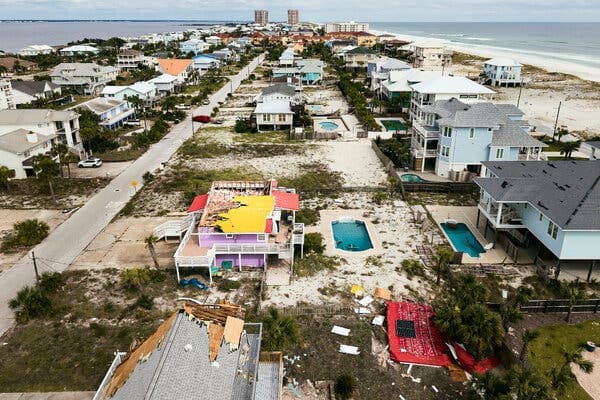
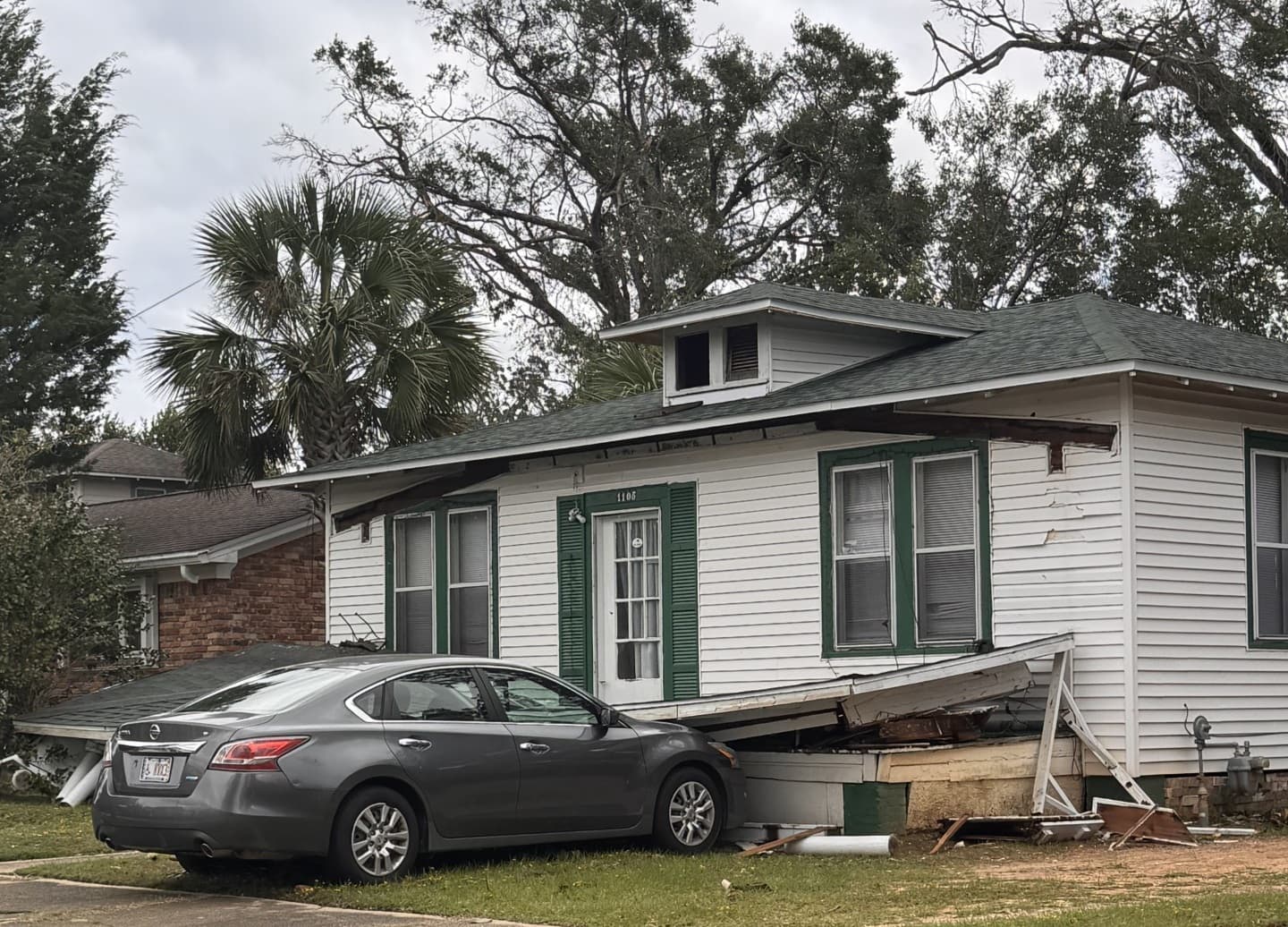
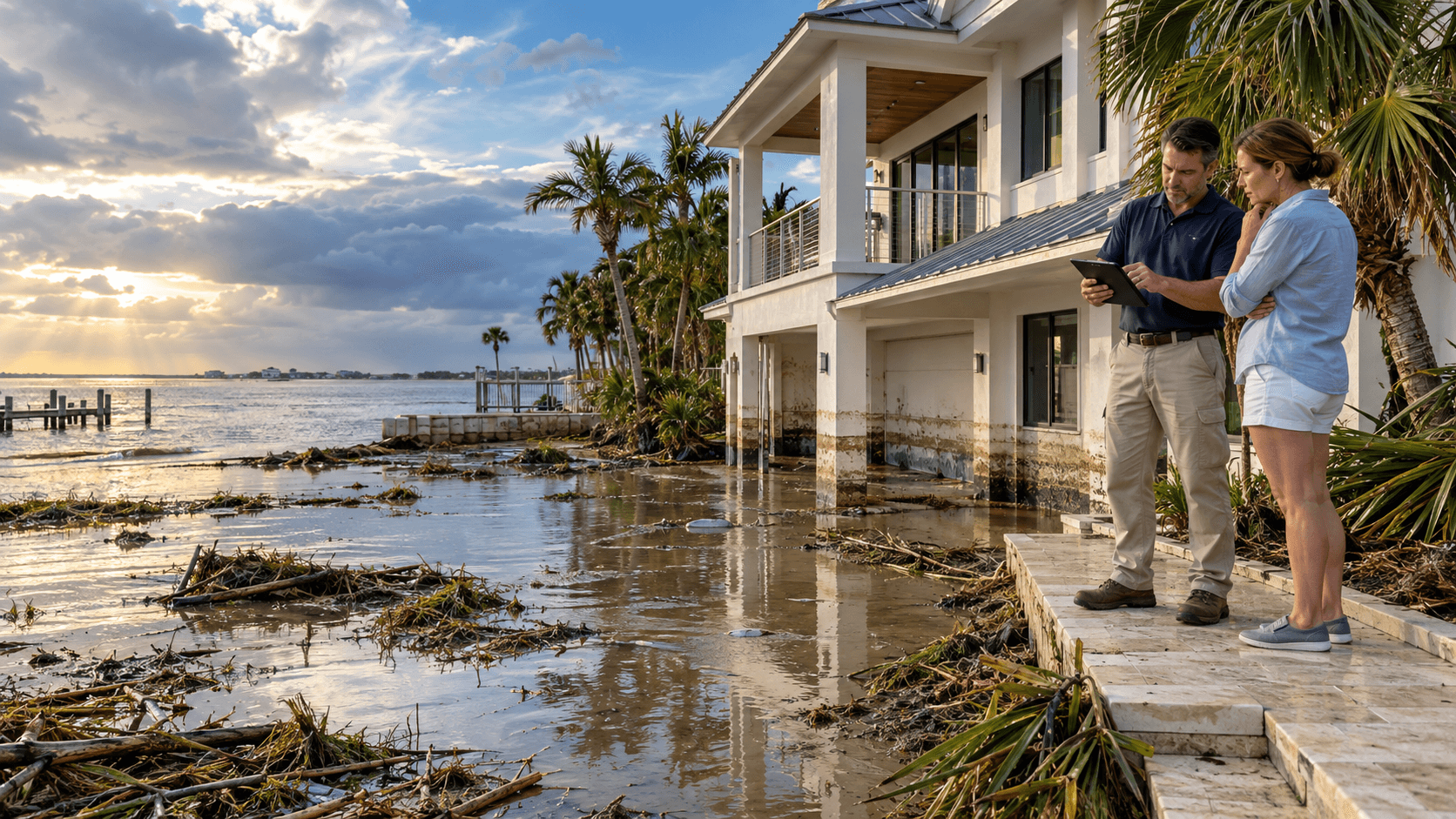
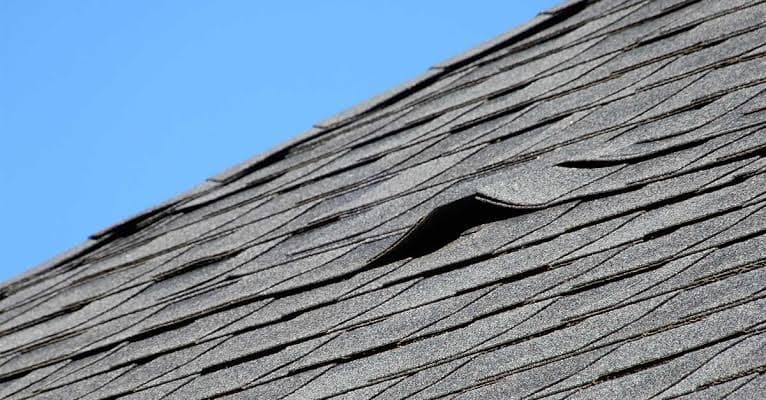
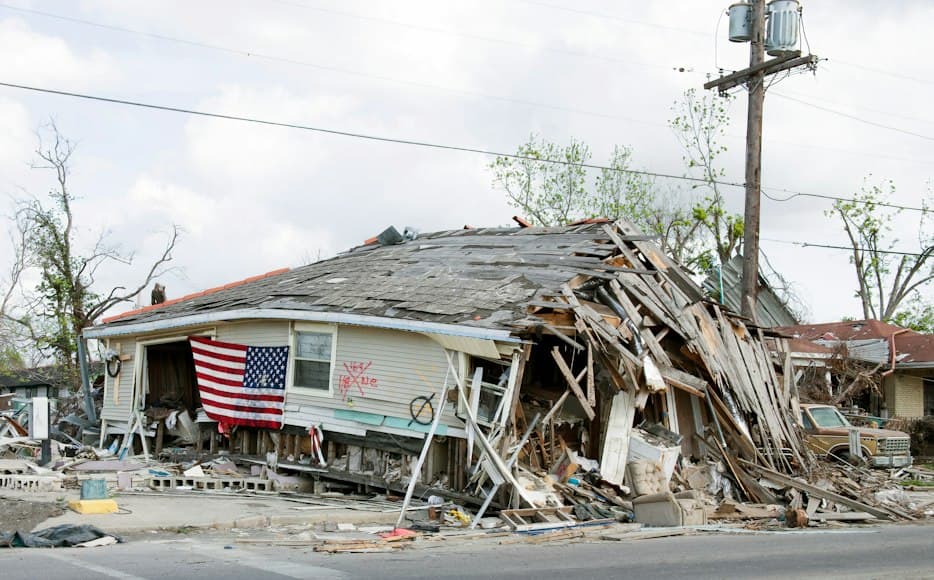
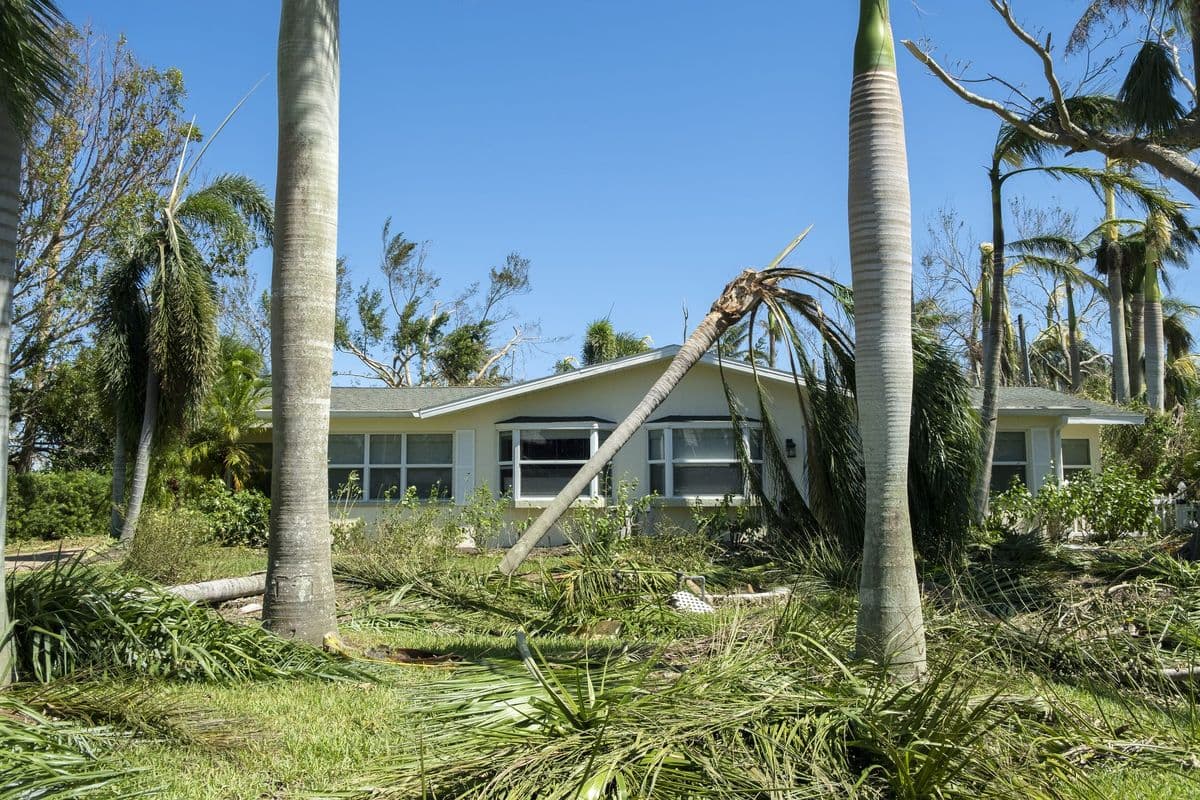
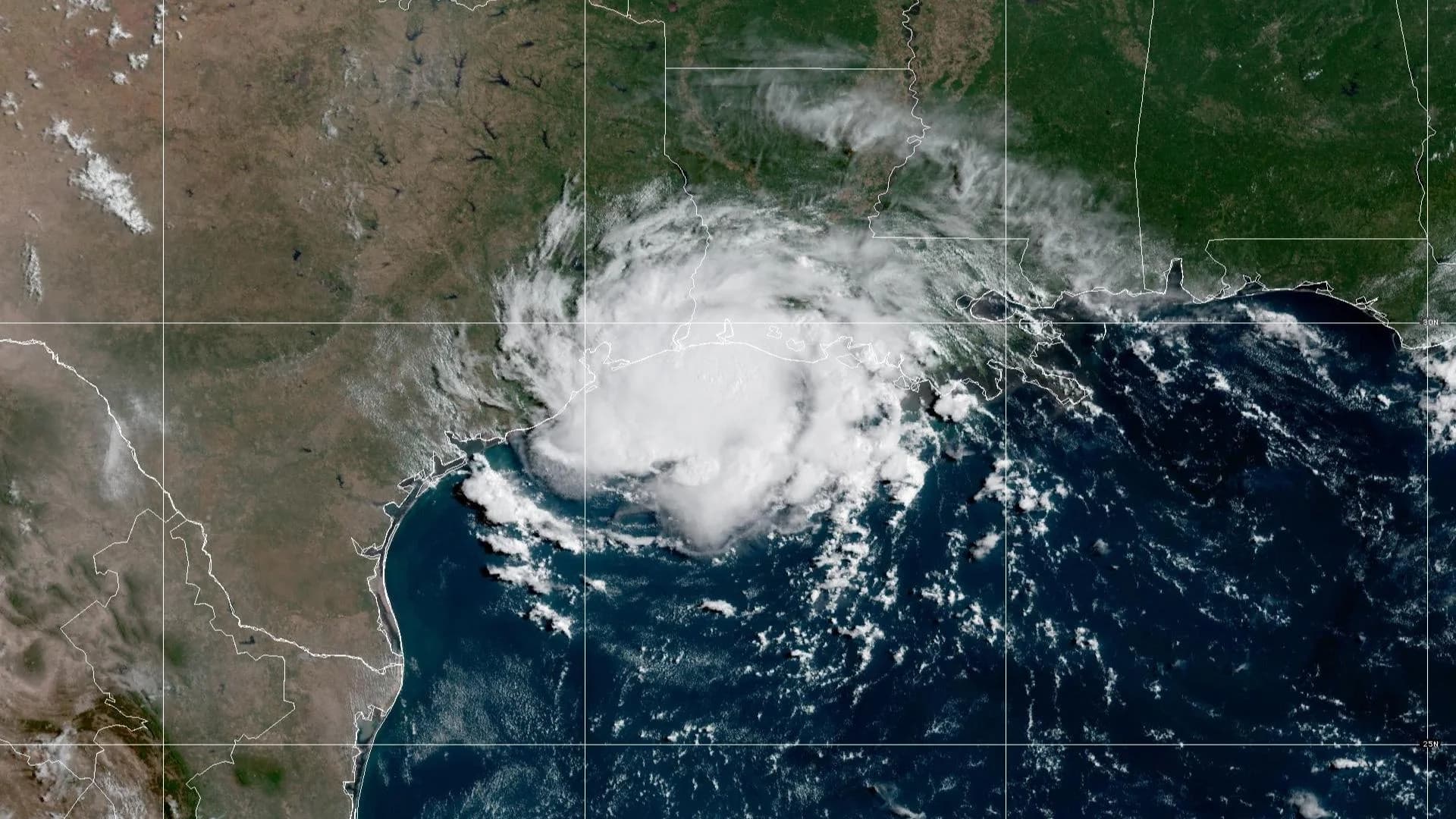
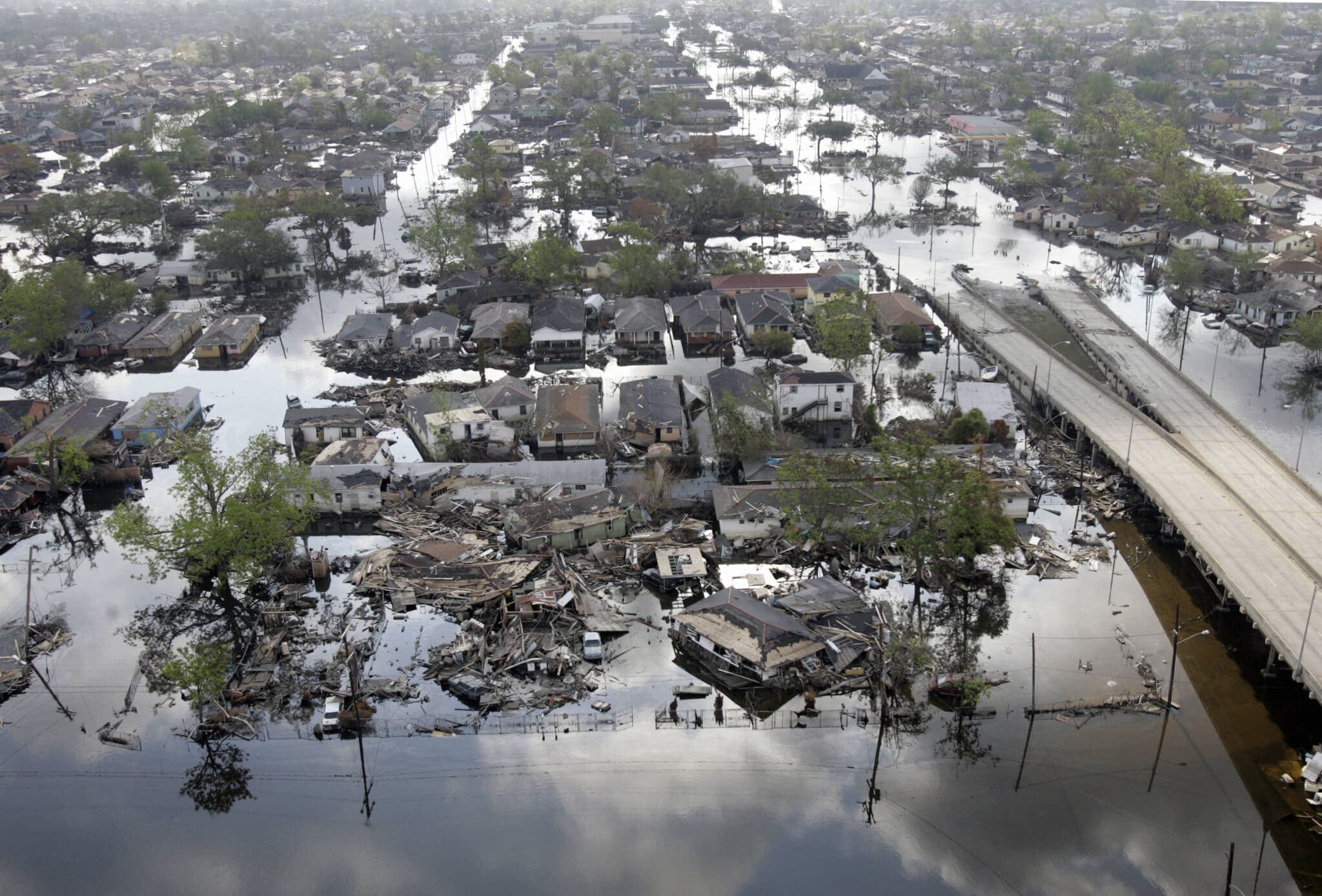
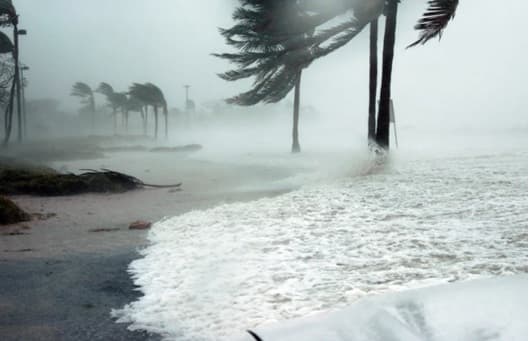
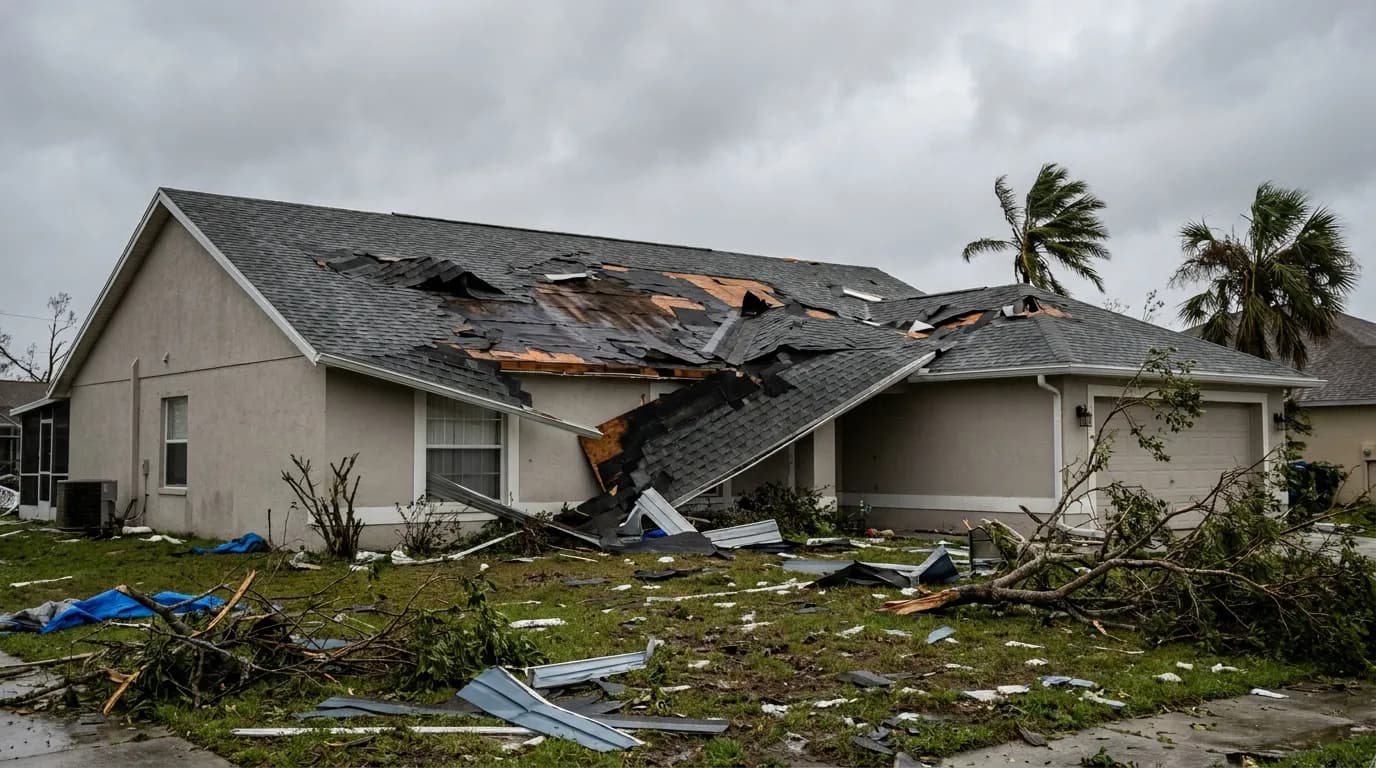
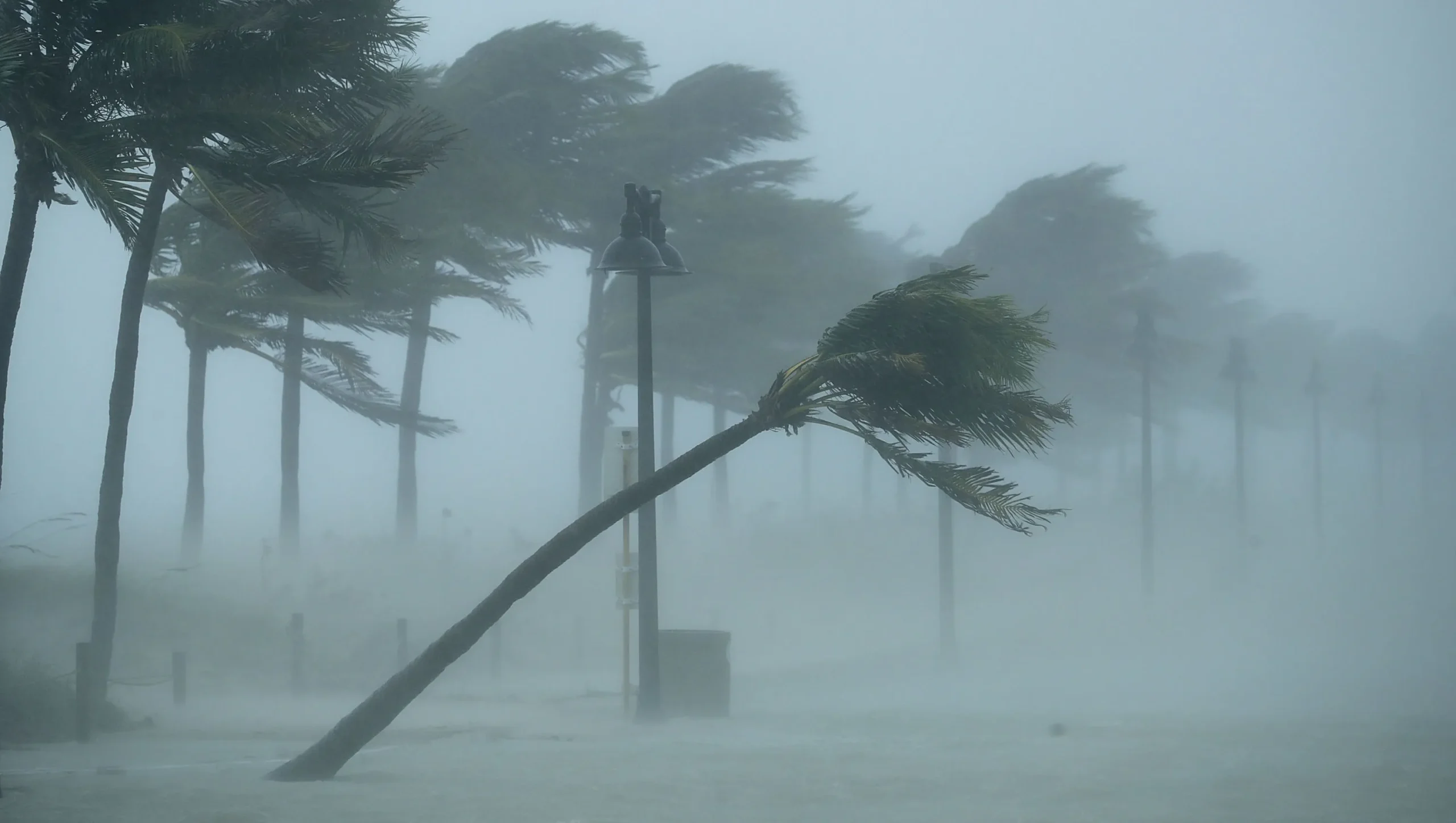
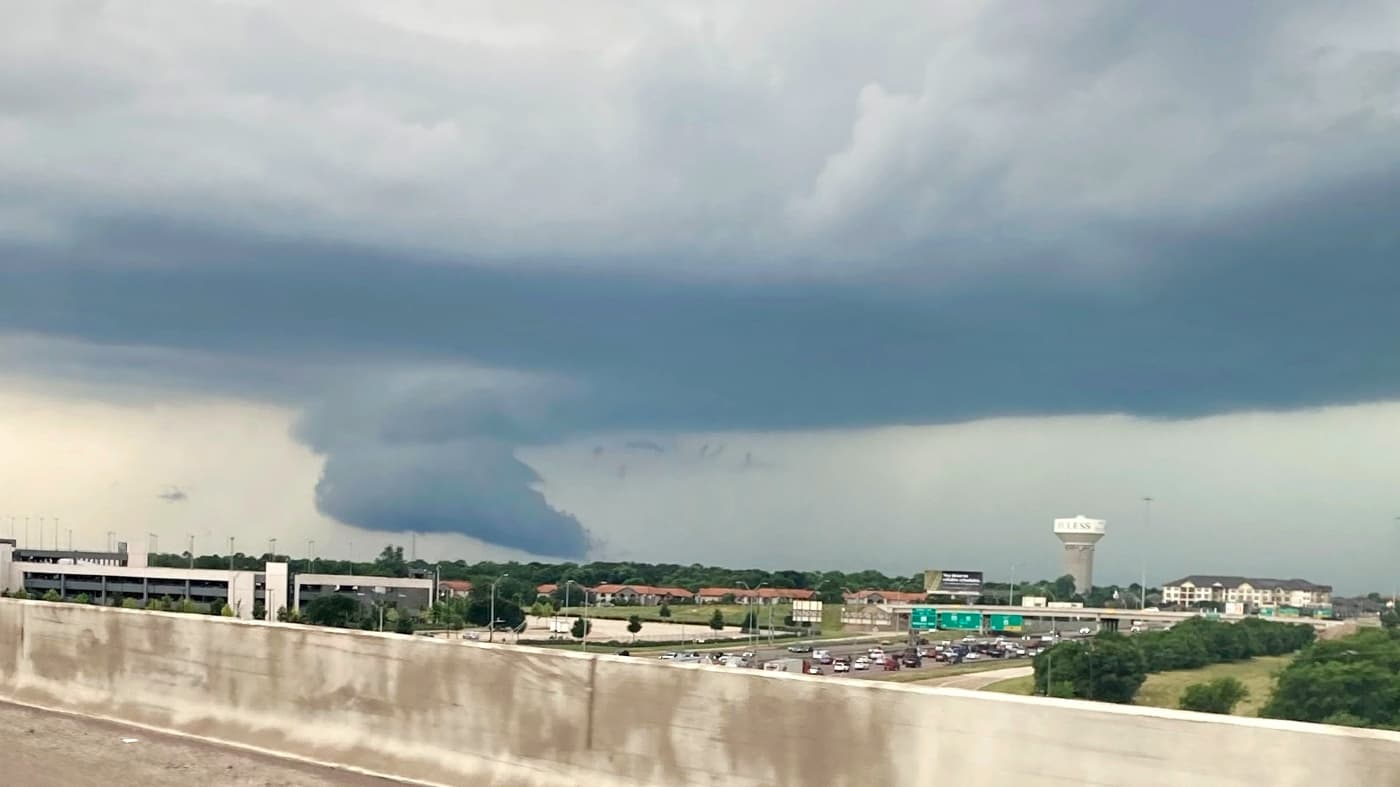
A hurricane does not cause one type of damage. It causes many simultaneously: wind damage to the structure, wind-driven rain infiltration, storm surge flooding, debris impact, and secondary damage from prolonged moisture exposure. Each damage type may be covered differently under your policy, and some may be excluded entirely depending on your coverage. The intersection of homeowner insurance, wind-only policies, and NFIP flood insurance creates a coverage puzzle that insurance companies are not always motivated to help you solve correctly.
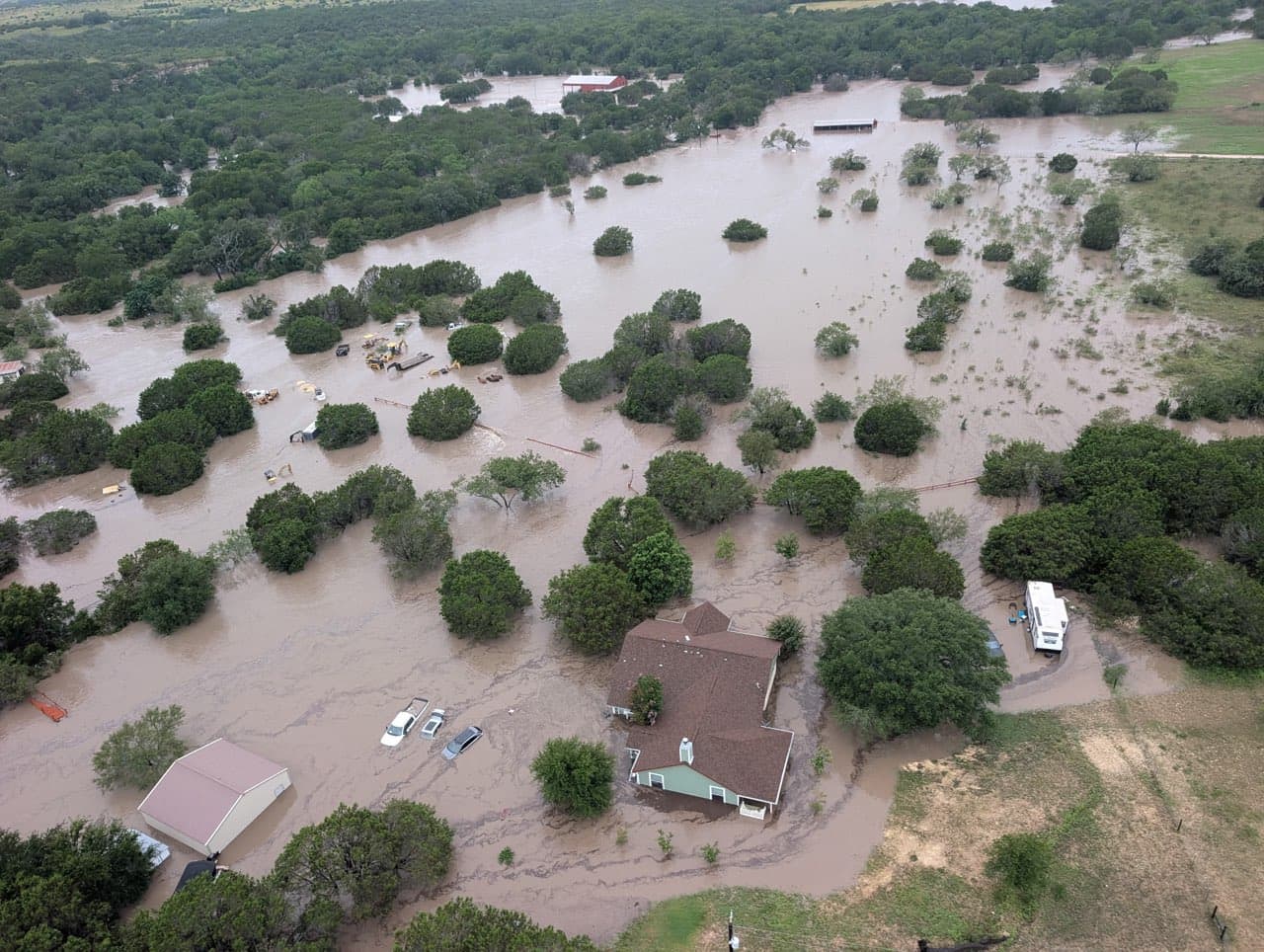
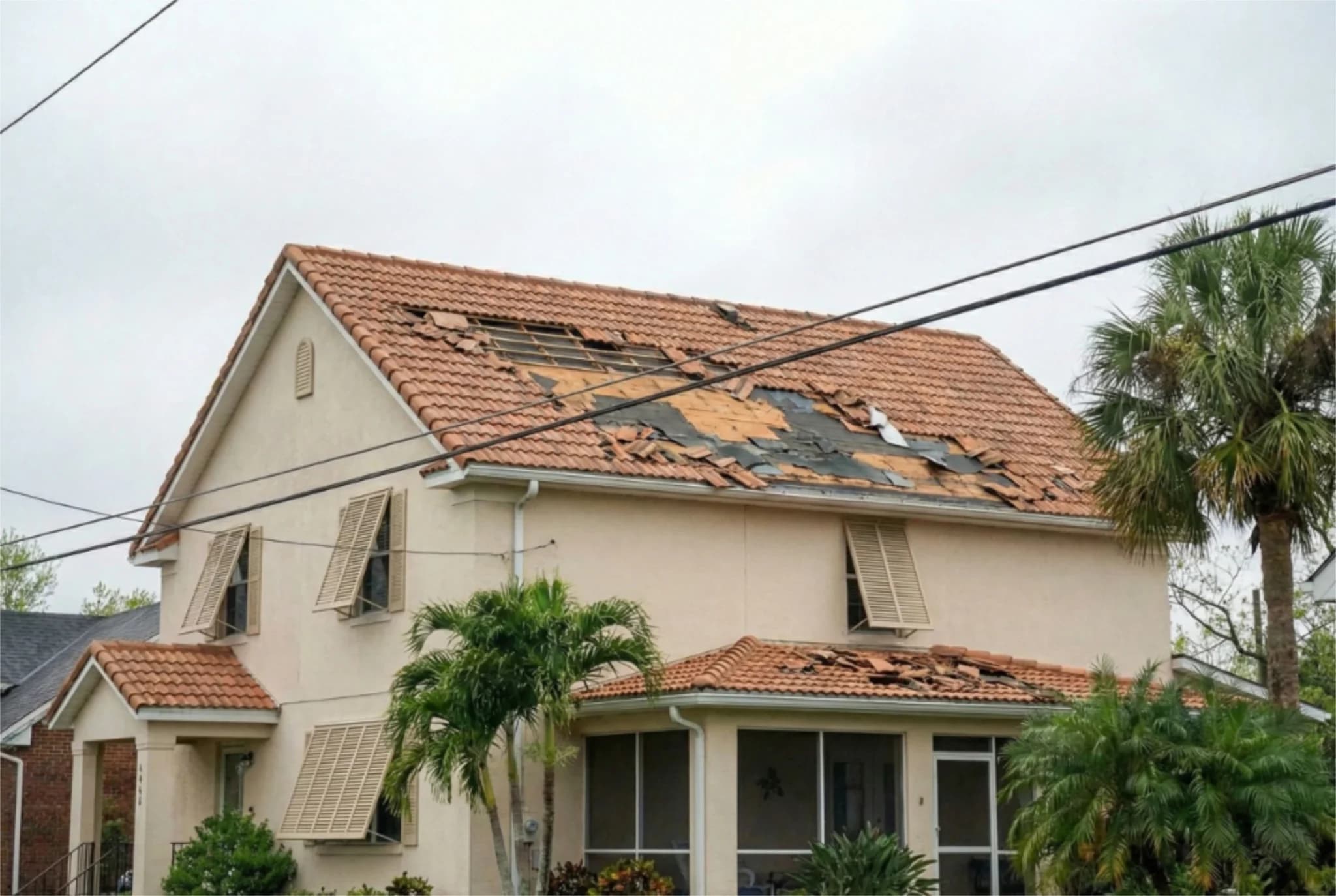
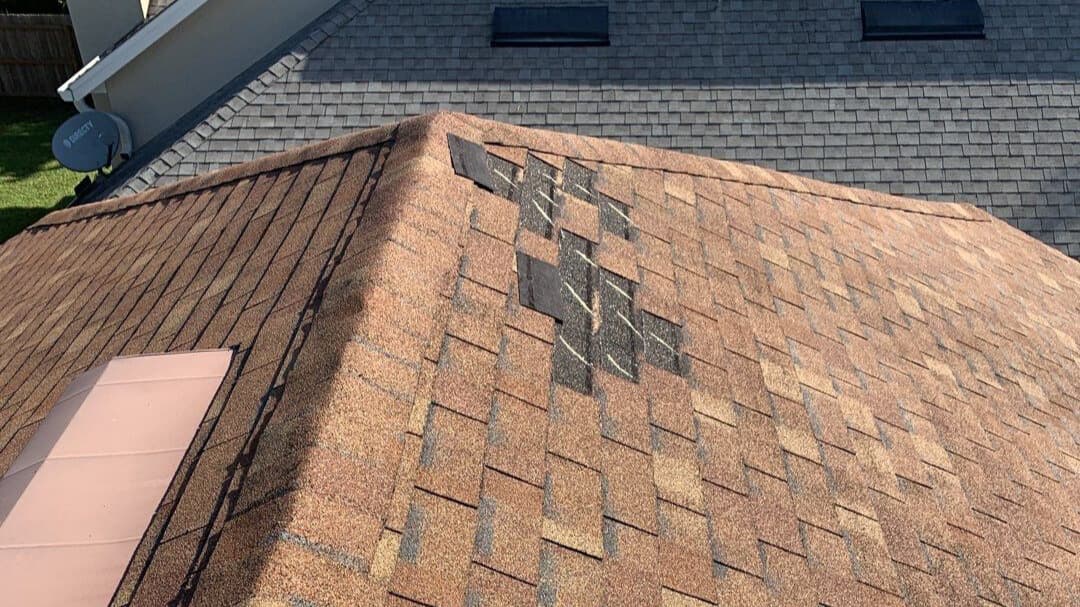
The key to a full settlement is documenting the exact sequence of damage. Hurricane claims are often underpaid because carriers misclassify wind damage as flood to trigger exclusions. When a hurricane opens the roof or breaks windows, wind-driven rain enters the home. That water damage is typically covered under the wind policy, not the flood policy. But if the carrier can argue the water came from storm surge or ground-level flooding, they can exclude it entirely. The difference between a full recovery and a partial denial often comes down to whether you documented the damage sequence correctly. Texas and Florida coastal policyholders face additional complexity. In the 14 designated coastal counties of Texas, wind and hail are often excluded from the standard homeowner policy and covered instead by a separate Texas Windstorm Insurance Association (TWIA) wind-only policy. That means a coastal hurricane loss can run across two or three policies: TWIA for wind, a homeowner policy for the rest, and NFIP for flood, each with its own deductible and limits. A named-storm or hurricane deductible, typically a percentage of the dwelling Coverage A limit (commonly 1% to 5%), applies separately from the standard all-other-perils deductible.
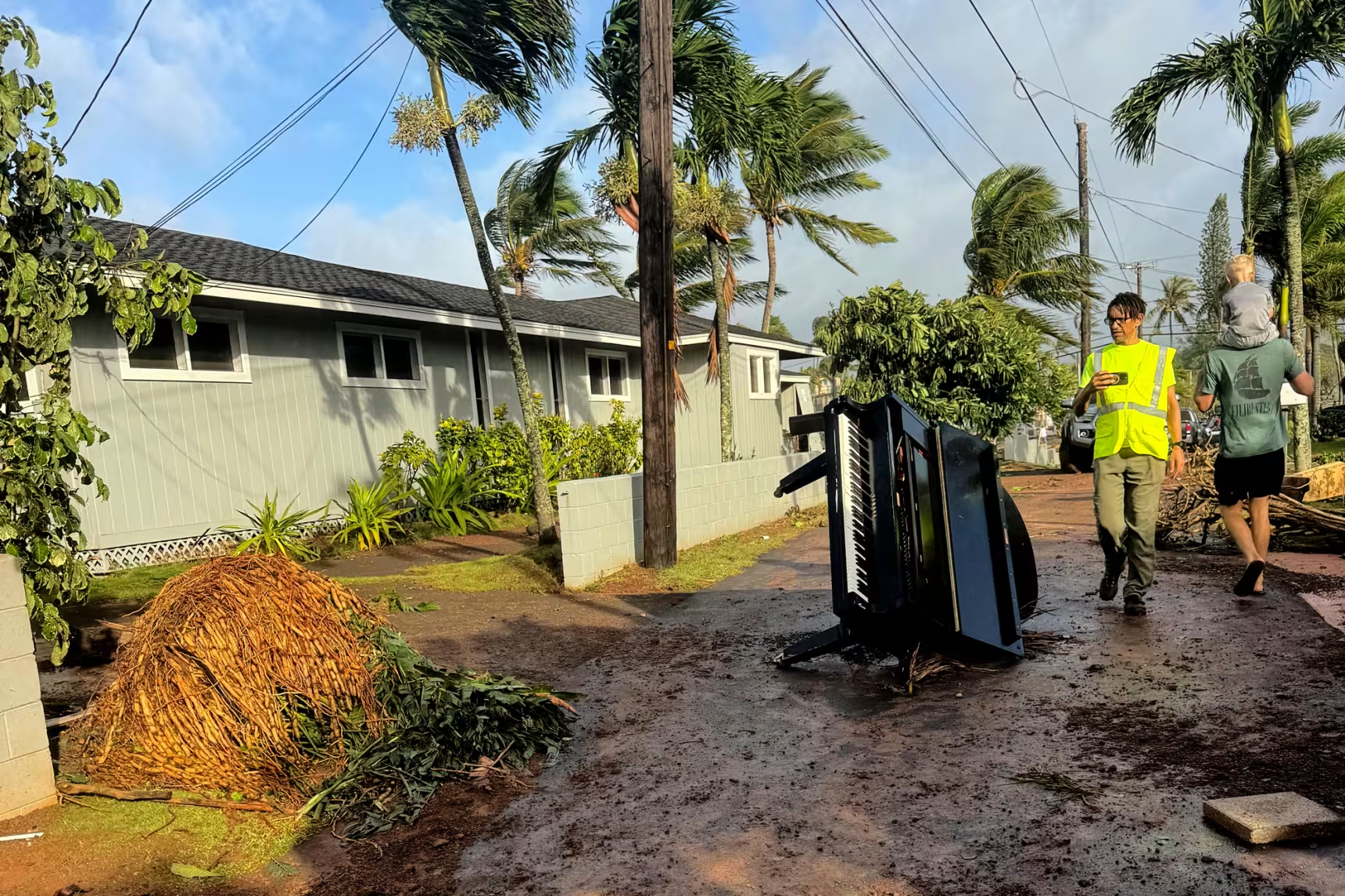
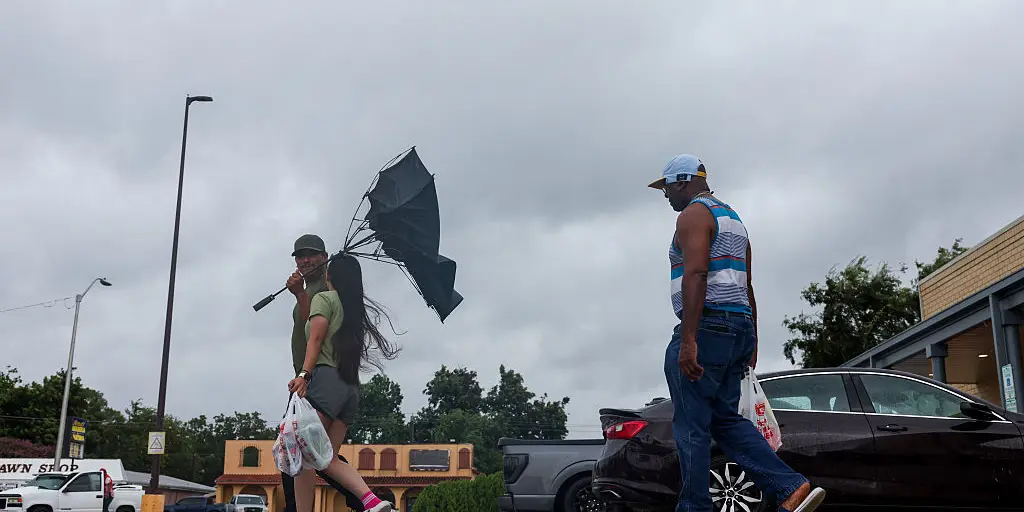
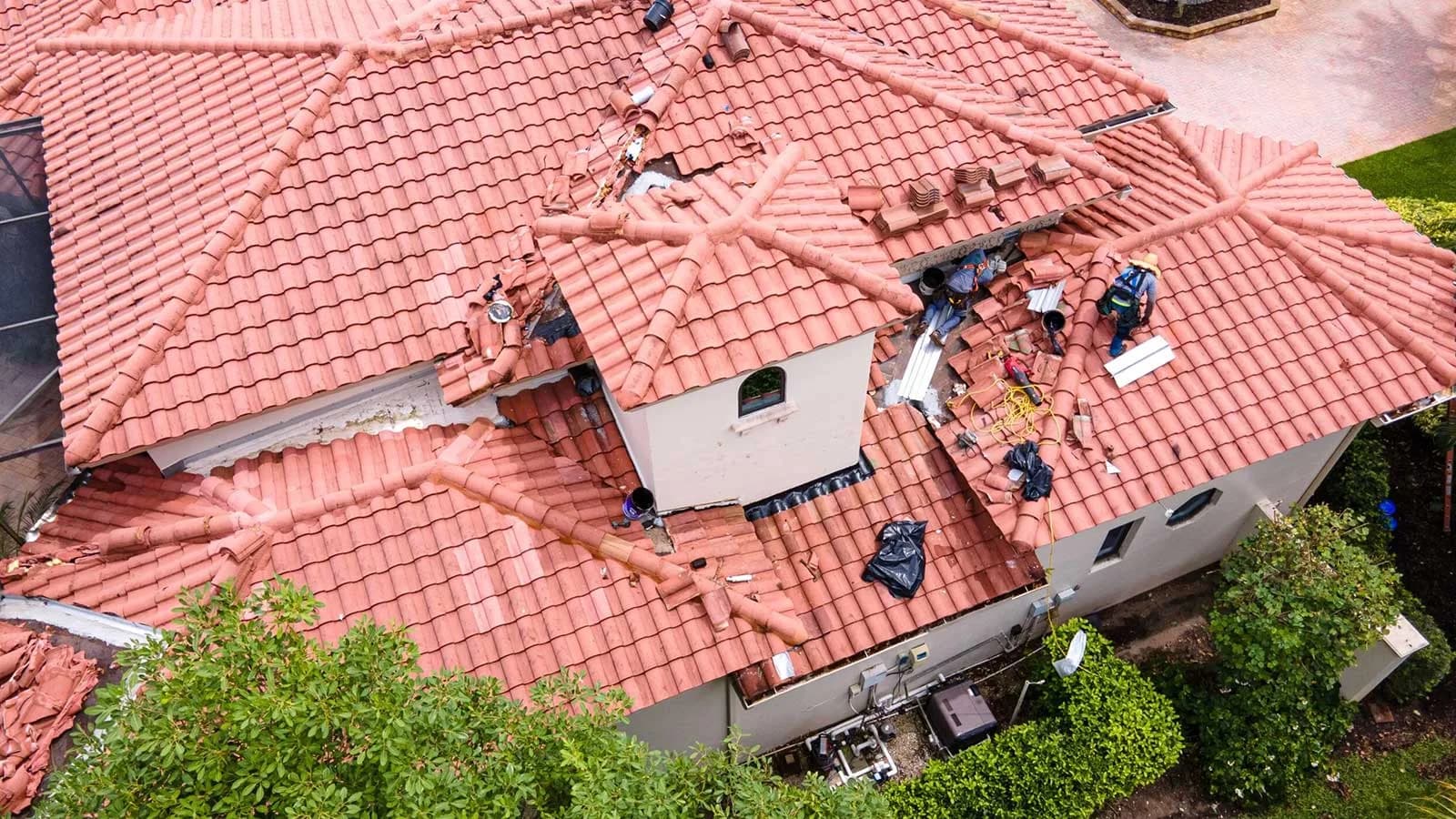
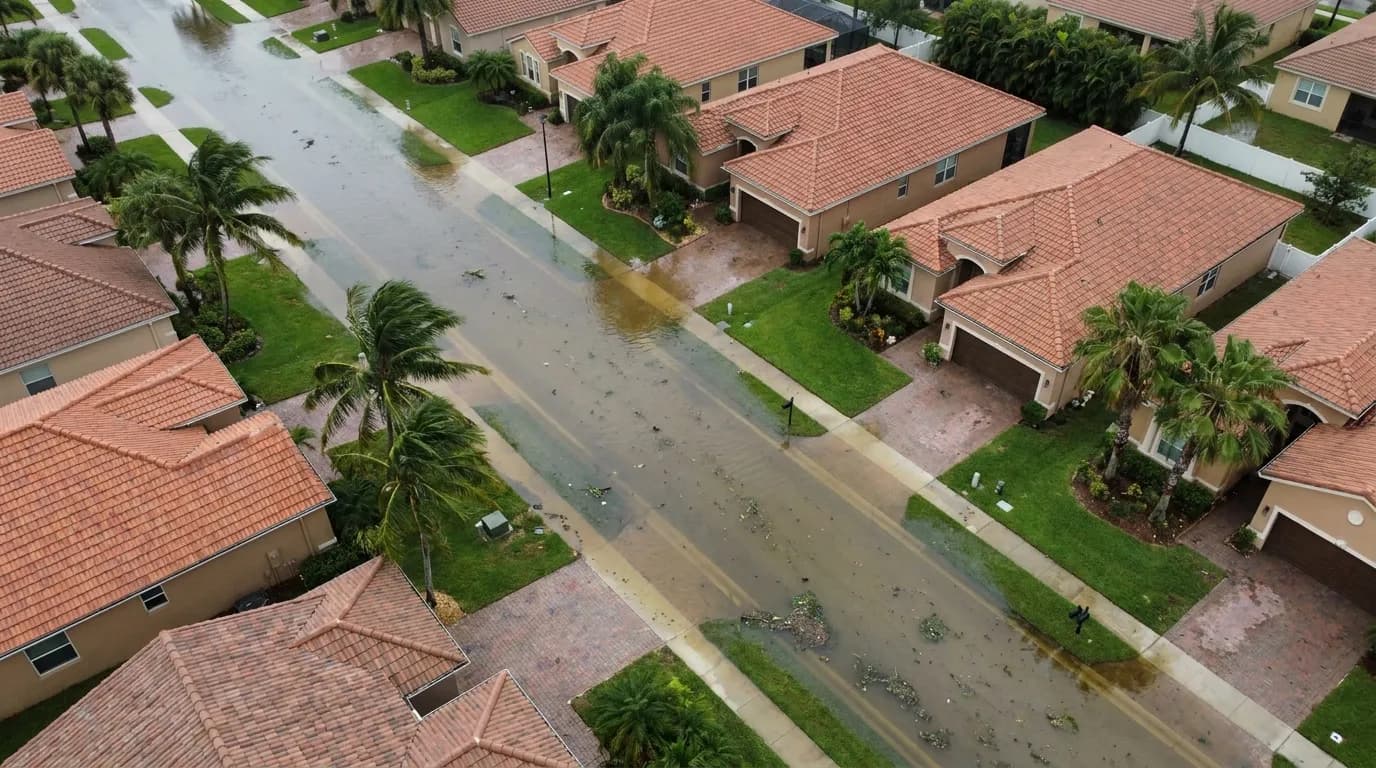
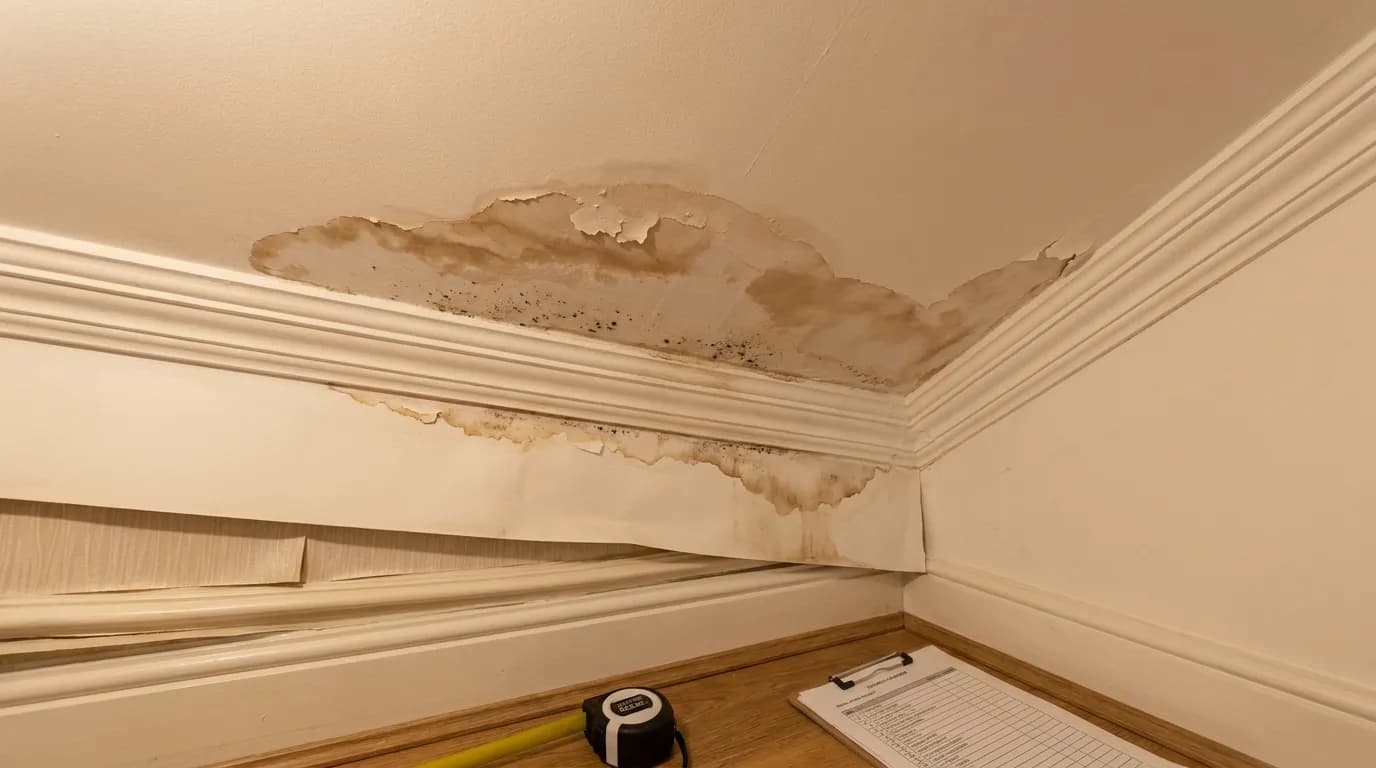
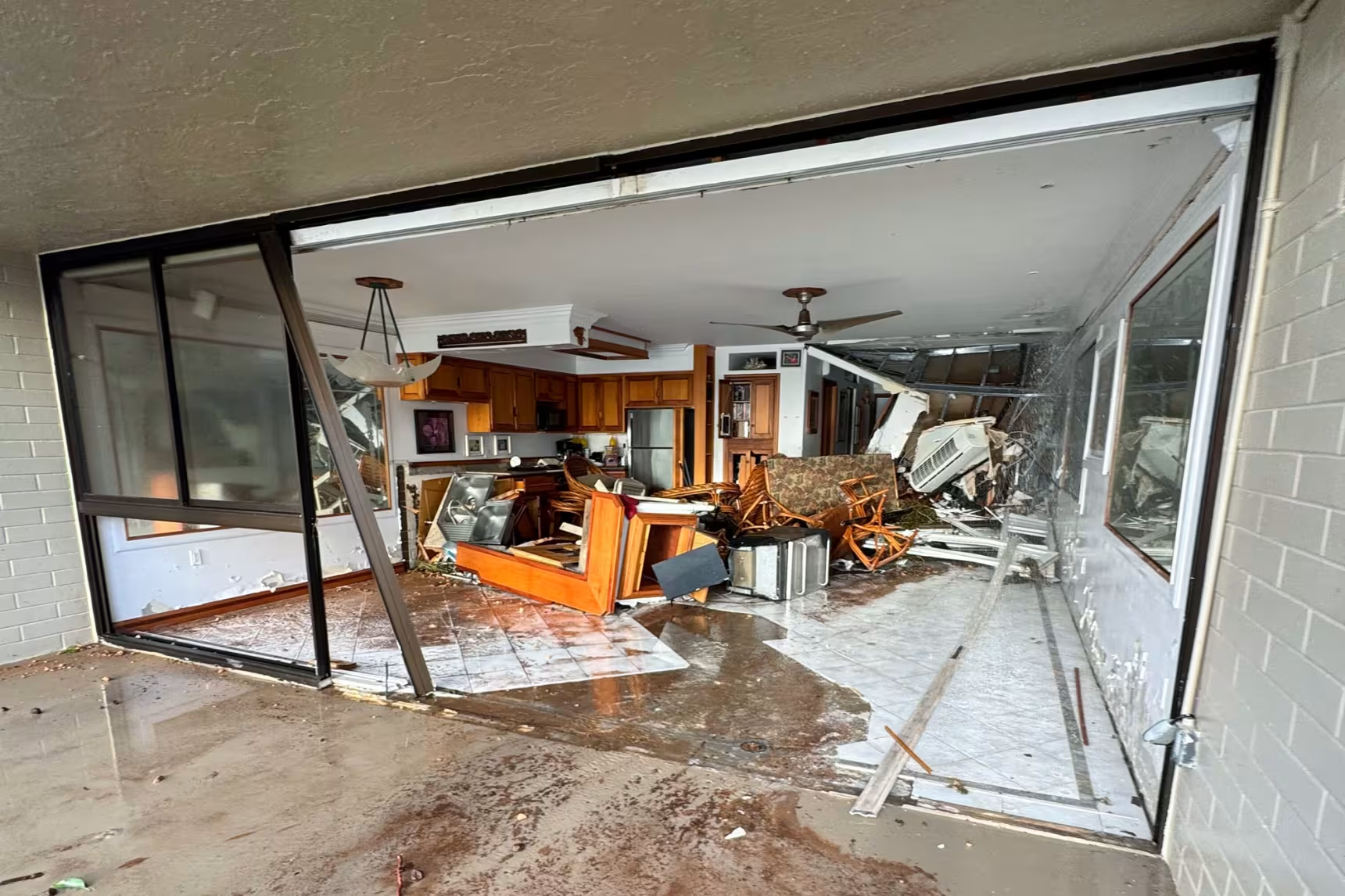
Wind-driven rain is the most commonly missed damage type. When a hurricane creates an opening in the roof or breaks windows, rain enters the home and saturates walls, flooring, and personal property. This water damage is caused by wind and is typically covered under the wind policy, not excluded as flood. Yet many carriers initially deny wind-driven rain claims or undervalue them because the damage looks like water damage. Documenting the opening that allowed the water to enter, the wind speed at the time, and the water line pattern inside the home all support the wind-driven rain causation. Mold and secondary damage are usually capped. When power is out and drying is delayed, the bill blows past the cap fast. Prompt documented mitigation and the full covered remediation scope are essential. Additional Living Expenses (Coverage D) pays hotel or rental housing, meals above your normal food budget, laundry, pet boarding, and storage while the home is uninhabitable, but it is capped by both a time limit (commonly 12 to 24 months) and a dollar limit (commonly 20% to 30% of Coverage A).
Rebuilding substantial hurricane damage triggers current building code, which may require wind-rated roofing and fastening, hurricane clips, impact-rated openings, and electrical upgrades the original home never had. Standard dwelling coverage excludes code-driven upgrade cost, but Ordinance or Law coverage pays for it, usually as a separate percentage limit. Many policyholders do not know they have this coverage and do not pursue it. The appraisal clause is a powerful tool that many policyholders do not know they can invoke. When you and your insurer disagree on the value of the loss, the appraisal process is a binding dispute resolution mechanism written into most property policies. Each side appoints an appraiser, the two appraisers select an umpire, and the umpire's decision is binding. Appraisal often recovers tens of thousands of dollars that the initial carrier estimate missed. After a major hurricane, insurance companies are handling thousands of claims simultaneously. Adjusters are overloaded, inspections are rushed, and damage is frequently missed or misattributed. Many policyholders handle their own claims, and a public adjuster is optional. The insurance company has adjusters and engineers, so strong documentation matters either way. If you choose to hire a licensed public adjuster, the fee is capped under Texas law at 10% of the recovery, and you pay nothing if there is no recovery.
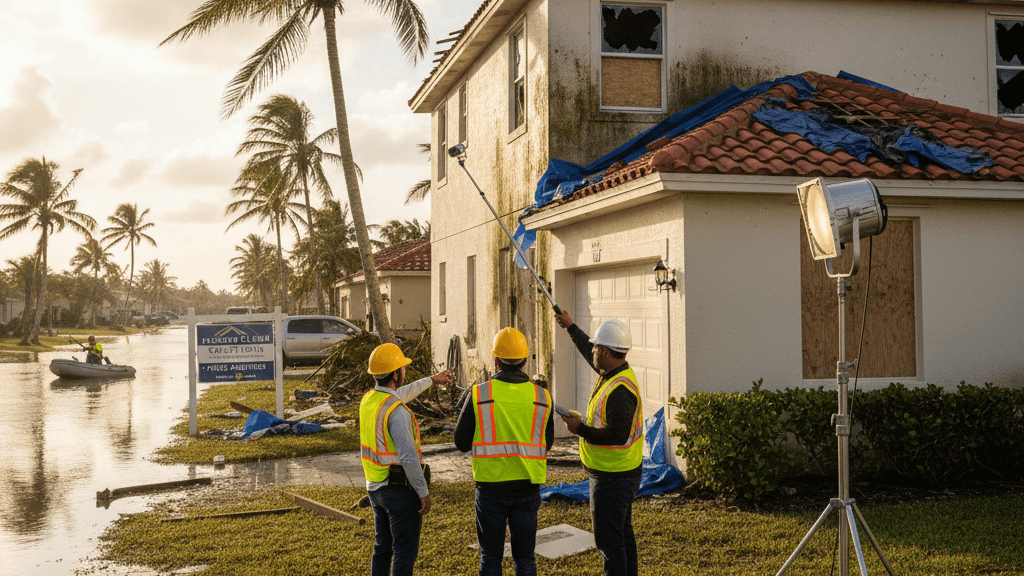
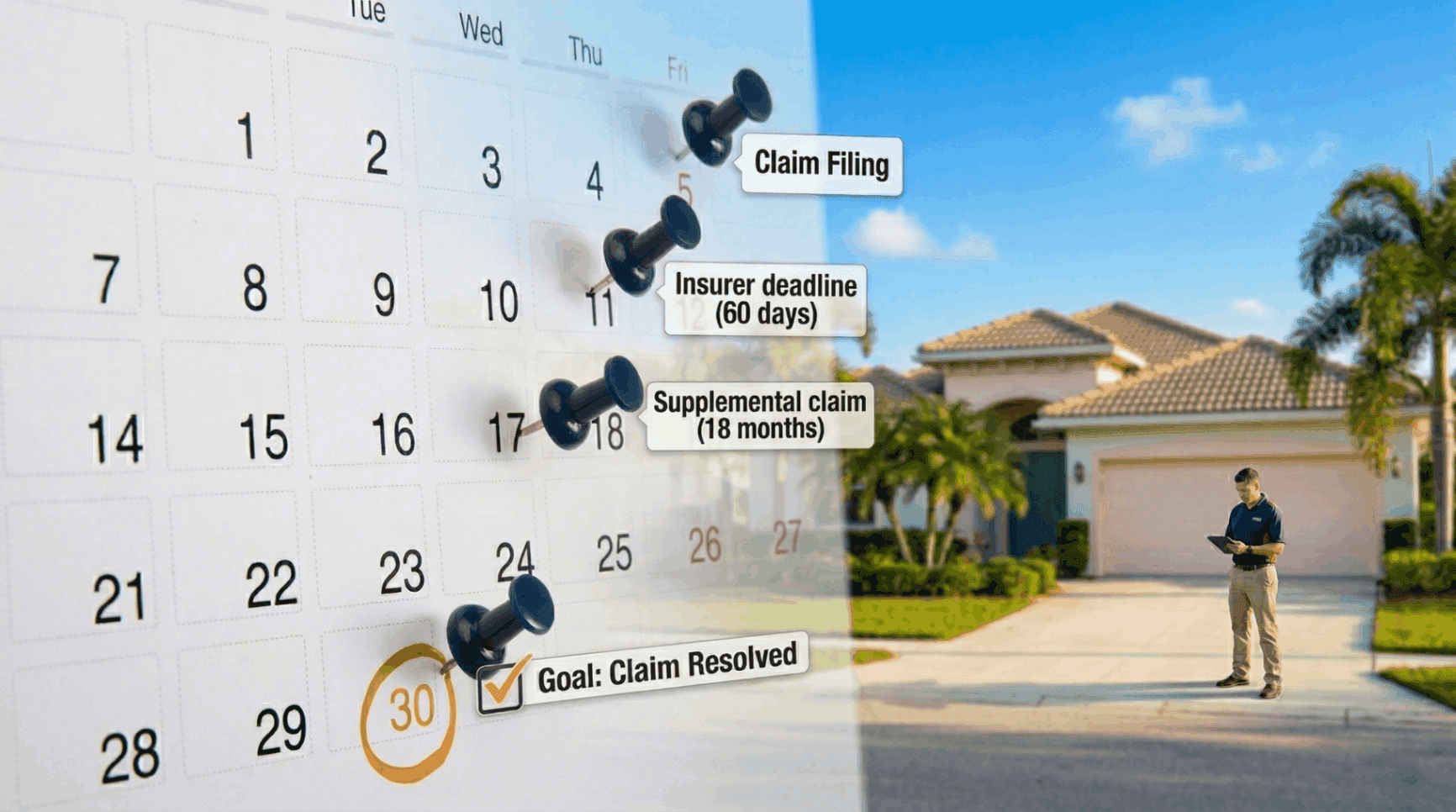
Right now, if your home has been damaged by a hurricane, protect people first and notify your insurer promptly. Document damage before permanent repairs when safe to do so. Take photos or video, keep receipts, and give the insurer a reasonable opportunity to inspect before nonurgent permanent repairs where practical. Do not wait for a claim to settle before addressing urgent safety needs or preventing further damage. Follow qualified professional and public-health guidance for contaminated or hazardous materials. Make emergency repairs to prevent further damage. Tarp damaged roof areas, board broken windows, and pump out standing water as soon as safely possible. Your policy requires you to mitigate further damage. Keep all receipts, as these costs are typically reimbursable. Report claims to all applicable insurers: notify your homeowner insurer and your flood insurer if applicable. Write down every claim number and adjuster name. Track all living expenses from the day of the storm. If you cannot live in your home, hotel, meals, laundry, and other displacement costs may be covered under loss-of-use (ALE) coverage if the policy includes it, subject to limits and conditions. Create a home inventory with photos and serial numbers of all major appliances and personal property. Store this documentation in the cloud or at an off-site location.
Before you accept a final settlement, consider having it reviewed by a licensed public adjuster. Hurricane claims often involve multiple adjusters, multiple coverages, and complex scope disputes. Five Star Claims Adjusting helps Texas and Florida policyholders document the full scope of hurricane damage and negotiate with insurance carriers to maximize recovery. We work on a no recovery, no fee basis, so our financial interest is aligned with pursuing the settlement your policy provides. Contact us for a free claim review at 833-4UR-LOSS or visit our website to start your claim today.
This article has been sourced from press releases and cross-referenced with multiple websites. Facts originally seen at Source.