Understanding Common Denial Reasons and Your Rights After Hail, Wind, or Hurricane Damage
Hail, wind, hurricanes, and tornadoes damage Texas homes and vehicles every year. Many property owners file insurance claims expecting payment, only to receive a denial letter written in technical policy language. Each common denial reason has a specific meaning under the policy and Texas law. Some denials are correct. Others rest on a low estimate, a disputed cause of damage, or an exclusion that does not apply. Understanding the stated reason helps property owners decide whether the denial holds up.
Insurance companies deny storm damage claims in Texas for a variety of reasons. According to the Texas Department of Insurance (TDI), the most common reason for a denial is that the policy does not pay for the type of damage involved. Other denials focus on the age of the property, the cause of the damage, or the size of the loss compared with the deductible. A denial letter usually names one or more of these reasons. The sections below explain the reasons insurers give most often, what each one means, and what options property owners have after a denial. Every homeowners policy contains exclusions. An exclusion is a type of damage the policy does not pay for. Most Texas home policies exclude flooding, continuous water leaks, damage from termites, insects, or rodents, wear and tear, earthquakes or earth movement, and wind or hail damage to trees and shrubs. Location also matters. Homes on the Texas coast and in parts of Harris County along Galveston Bay may lack wind and hail coverage under a standard home policy, and many coastal residents buy that coverage separately from the Texas Windstorm Insurance Association (TWIA). When a policy truly excludes the damage, the denial is usually correct. Disputes arise when an insurer applies an exclusion to damage that a covered storm actually caused.
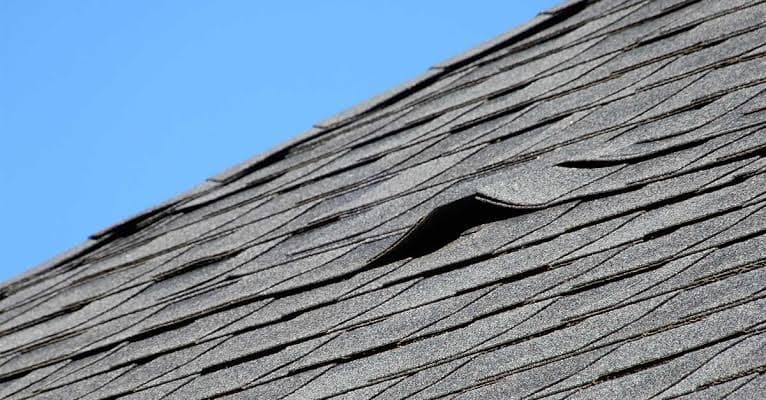
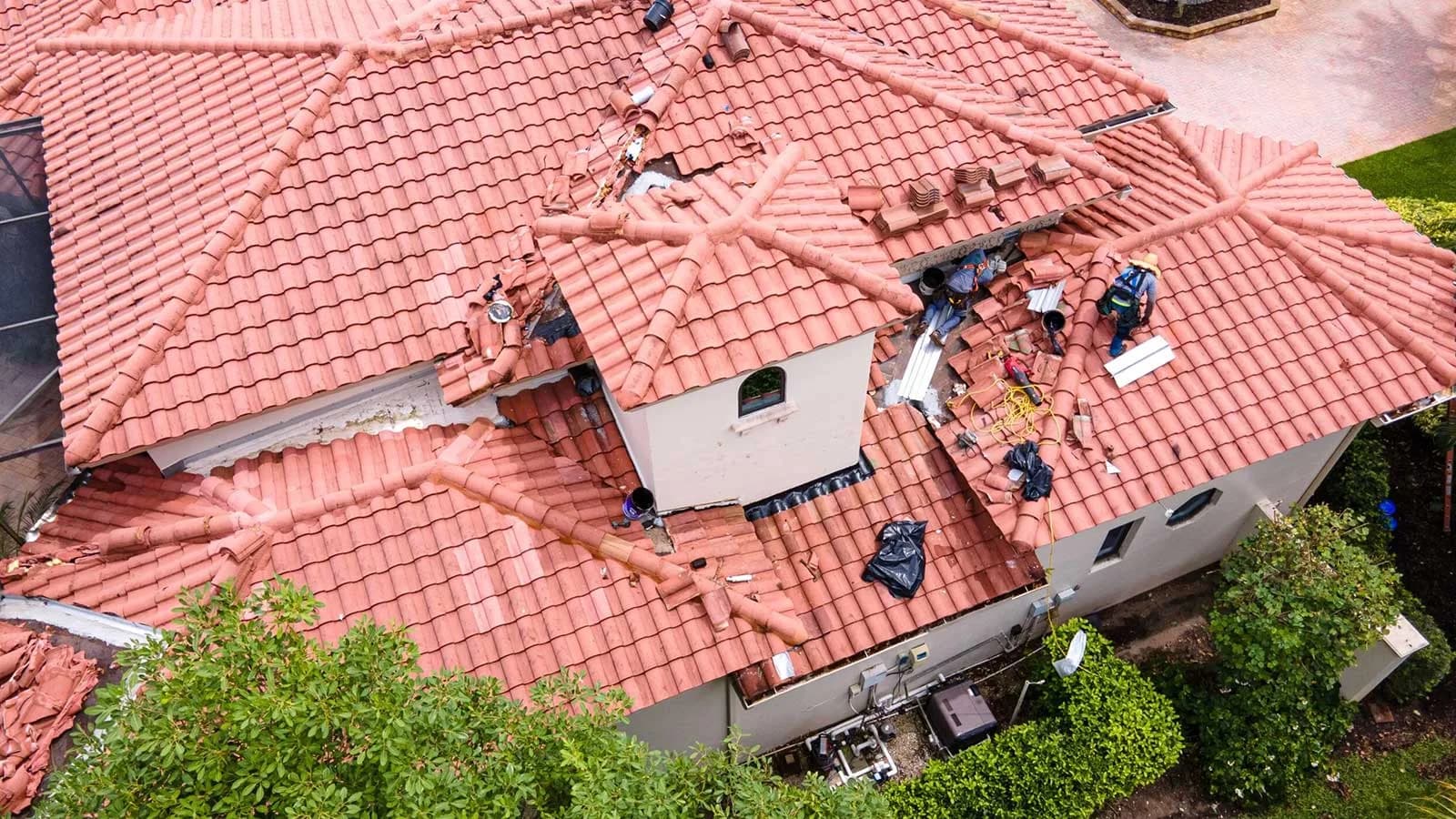
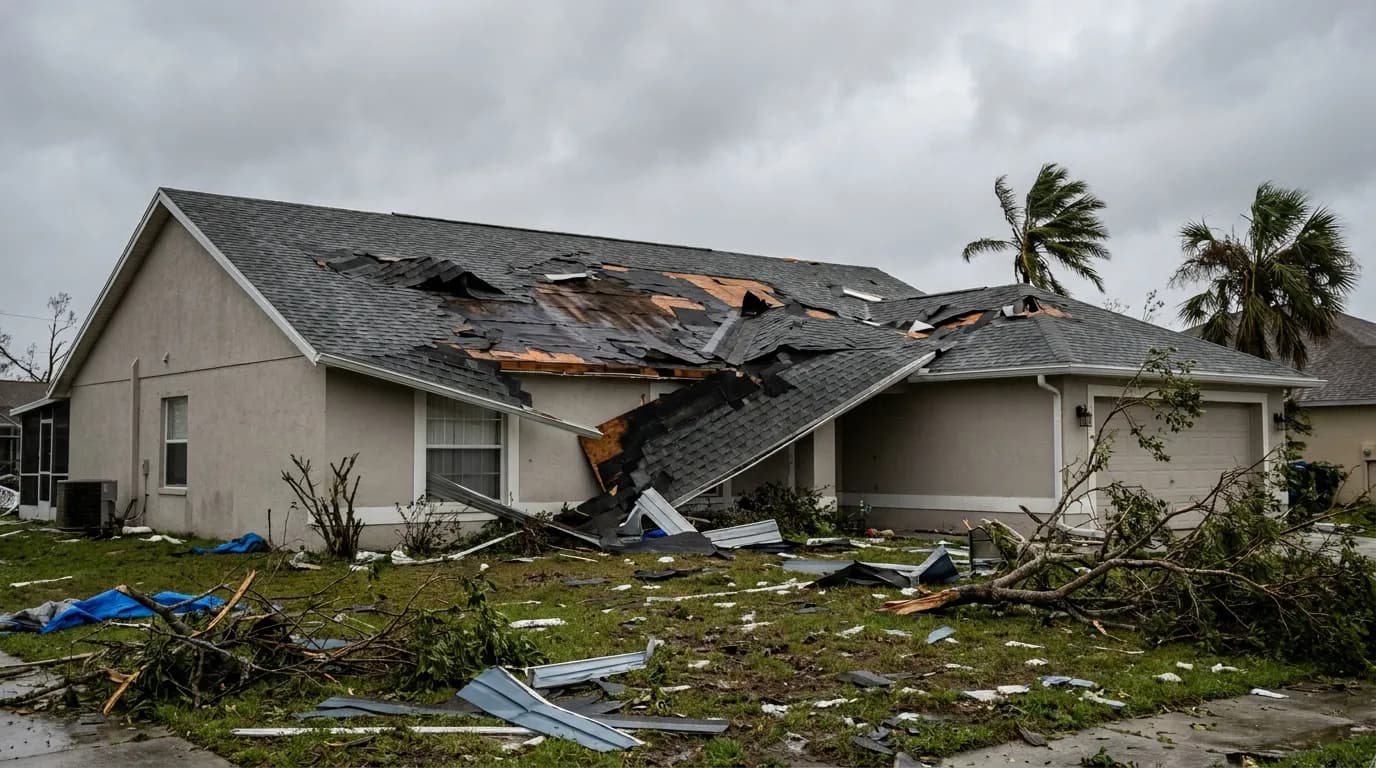
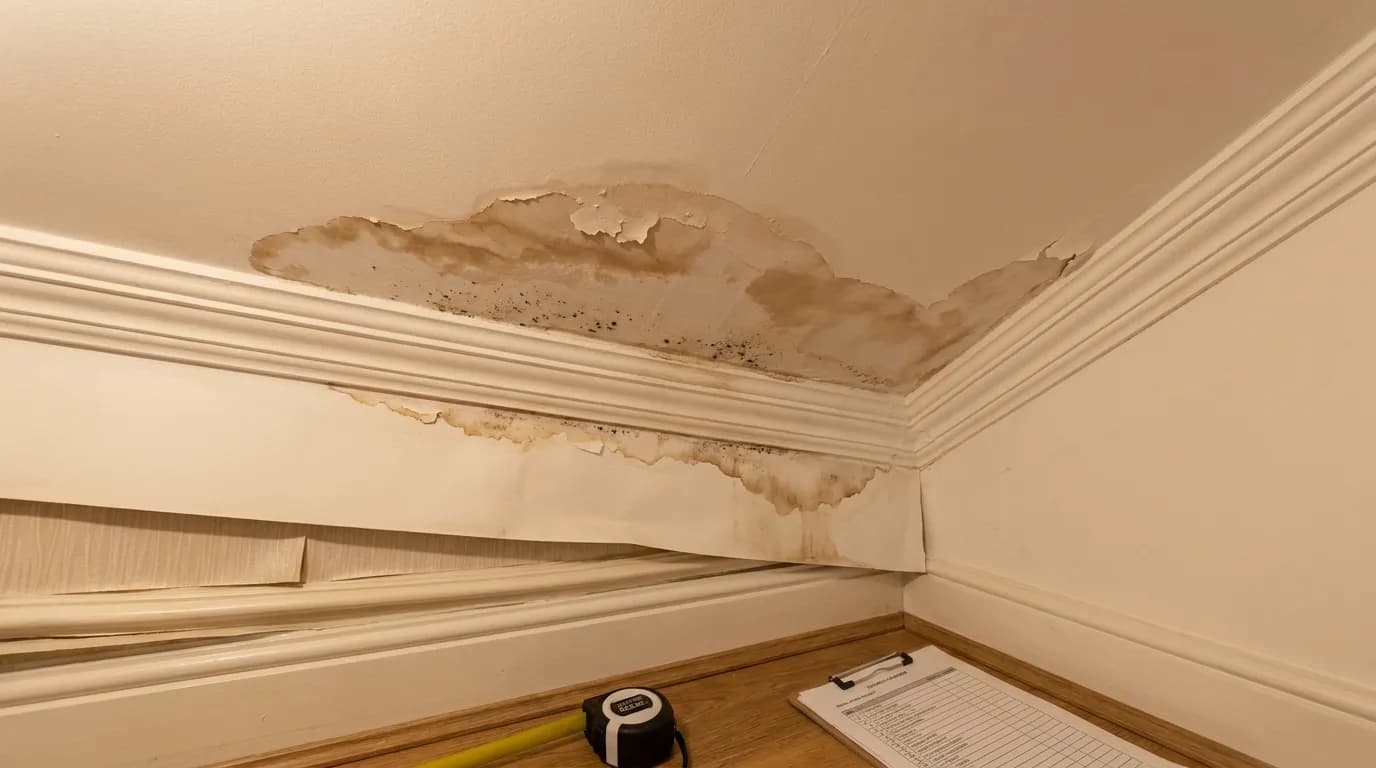
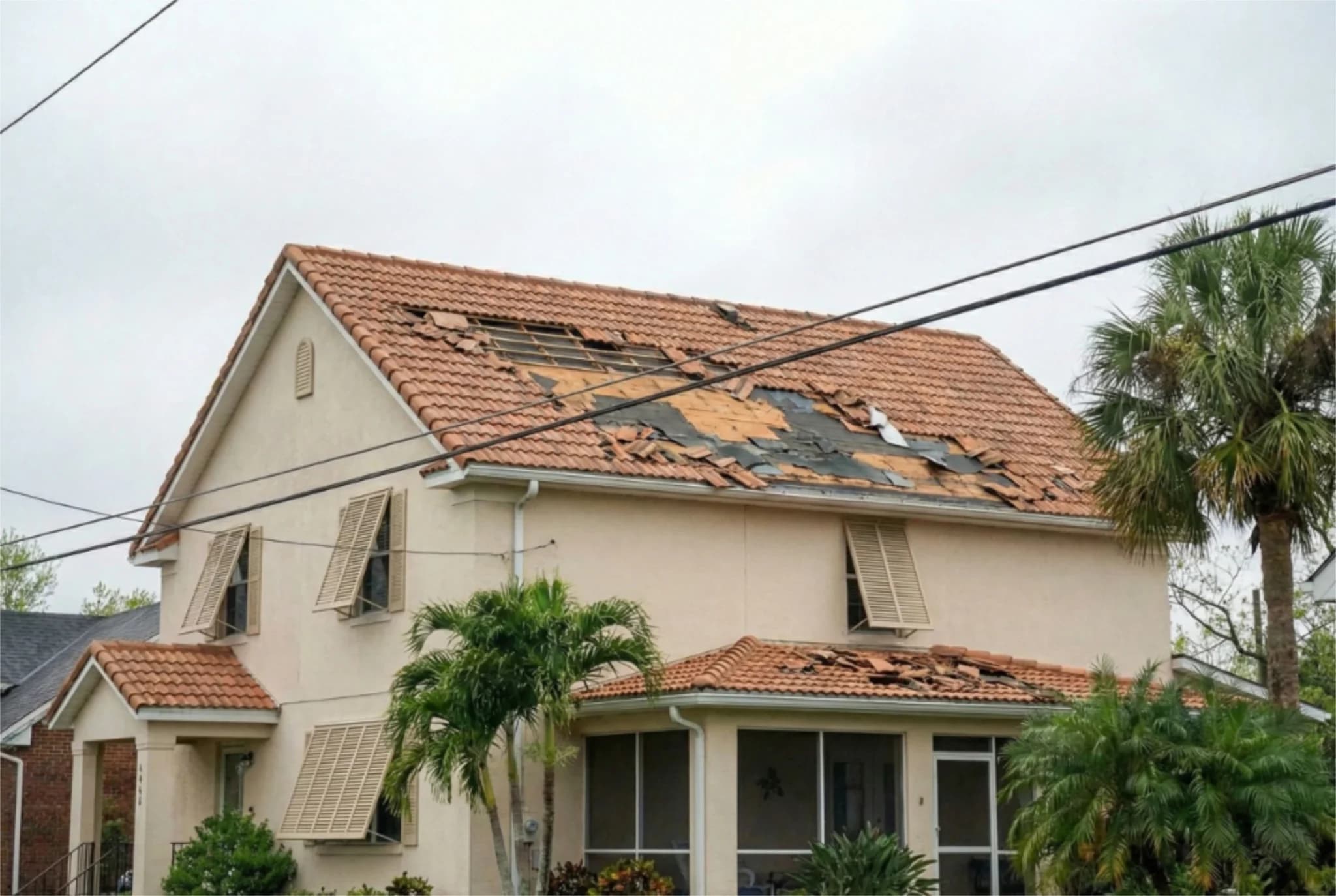
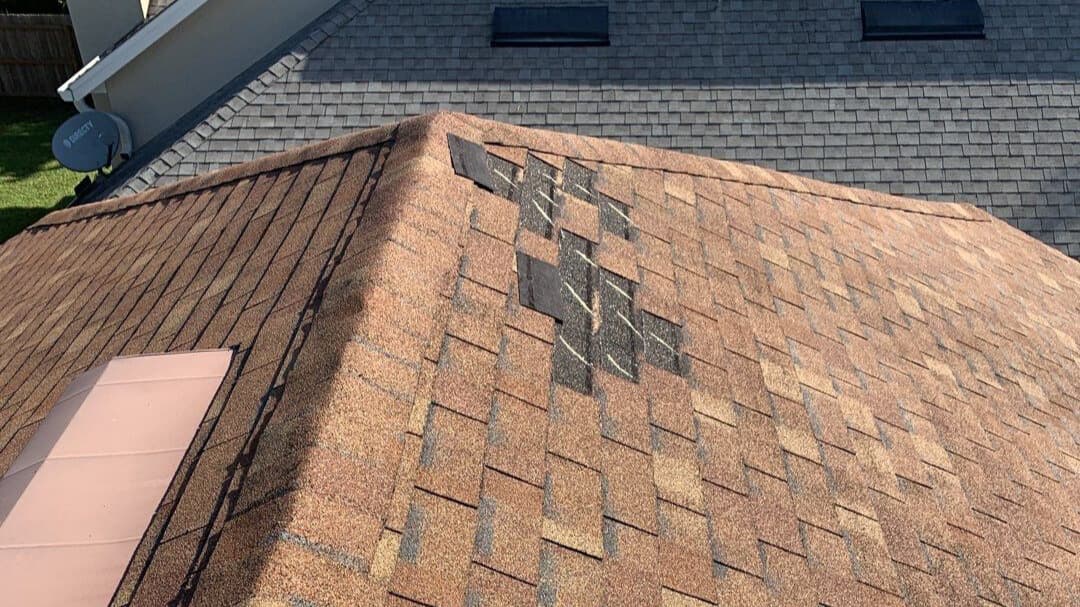
Wear and tear means gradual deterioration from age and normal weather exposure. Homeowners policies do not pay for it, because it is a maintenance issue rather than a sudden loss. Roofs are the most frequent target of this denial. An insurer may conclude that missing granules, cracked shingles, or a leak came from the roof's age rather than from hail or wind. Insurers may also attribute the damage to an earlier storm, sometimes one that occurred before the current policy took effect. Many storm claims involve a mix of causes. An older roof may also have fresh hail damage. In these cases, the property owner may need evidence showing how much of the damage the storm caused. Helpful evidence includes dated photos taken before the storm, prior inspection reports, records showing the roof's age, and an independent inspection by a licensed roofer or engineer. Some policies exclude cosmetic hail damage. Cosmetic damage changes how a roof looks without affecting how it works. A dented metal roof that still keeps water out is the typical example. In 1998, TDI adopted an optional endorsement allowing insurers to exclude cosmetic hail damage to roof coverings. According to TDI Commissioner's Bulletin B-0030-98, cosmetic damage is damage that alters the roof's appearance but does not allow water to penetrate or prevent the roof from keeping out the elements over time. The standard endorsement may be attached only to policies receiving a premium discount for an impact-resistant roof, and it is void unless the policyholder signed it or the insurer keeps a signed copy on file. Many insurers now use their own policy forms, and the wording of cosmetic exclusions can vary. Cosmetic damage disputes are among the most common issues in hail damage claims involving metal roofs, gutters, and siding. Two questions usually decide these disputes: whether the policy actually contains the exclusion, and whether the damage is truly limited to appearance.
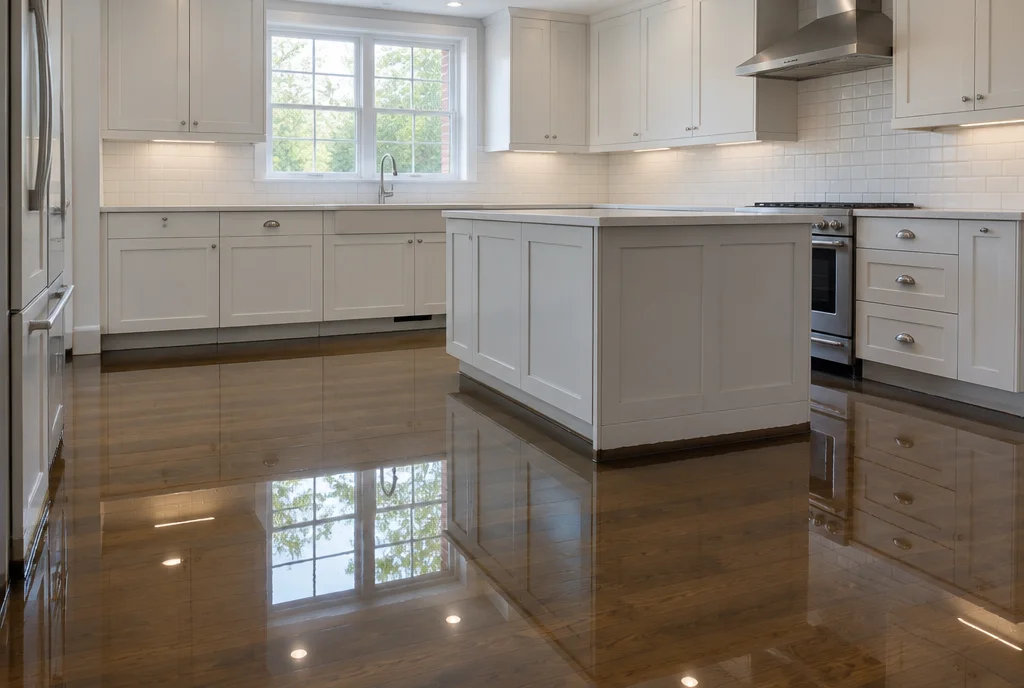
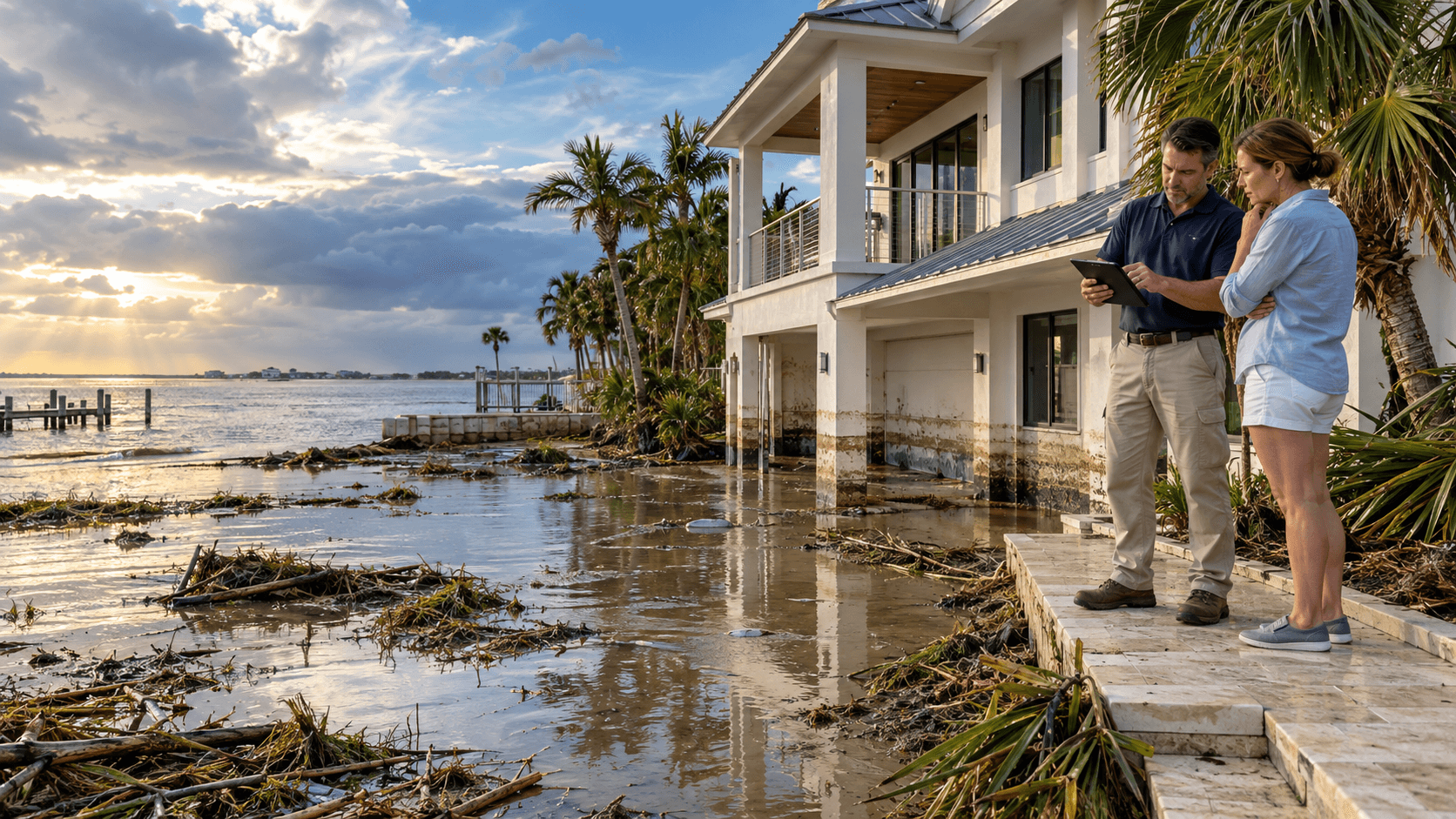
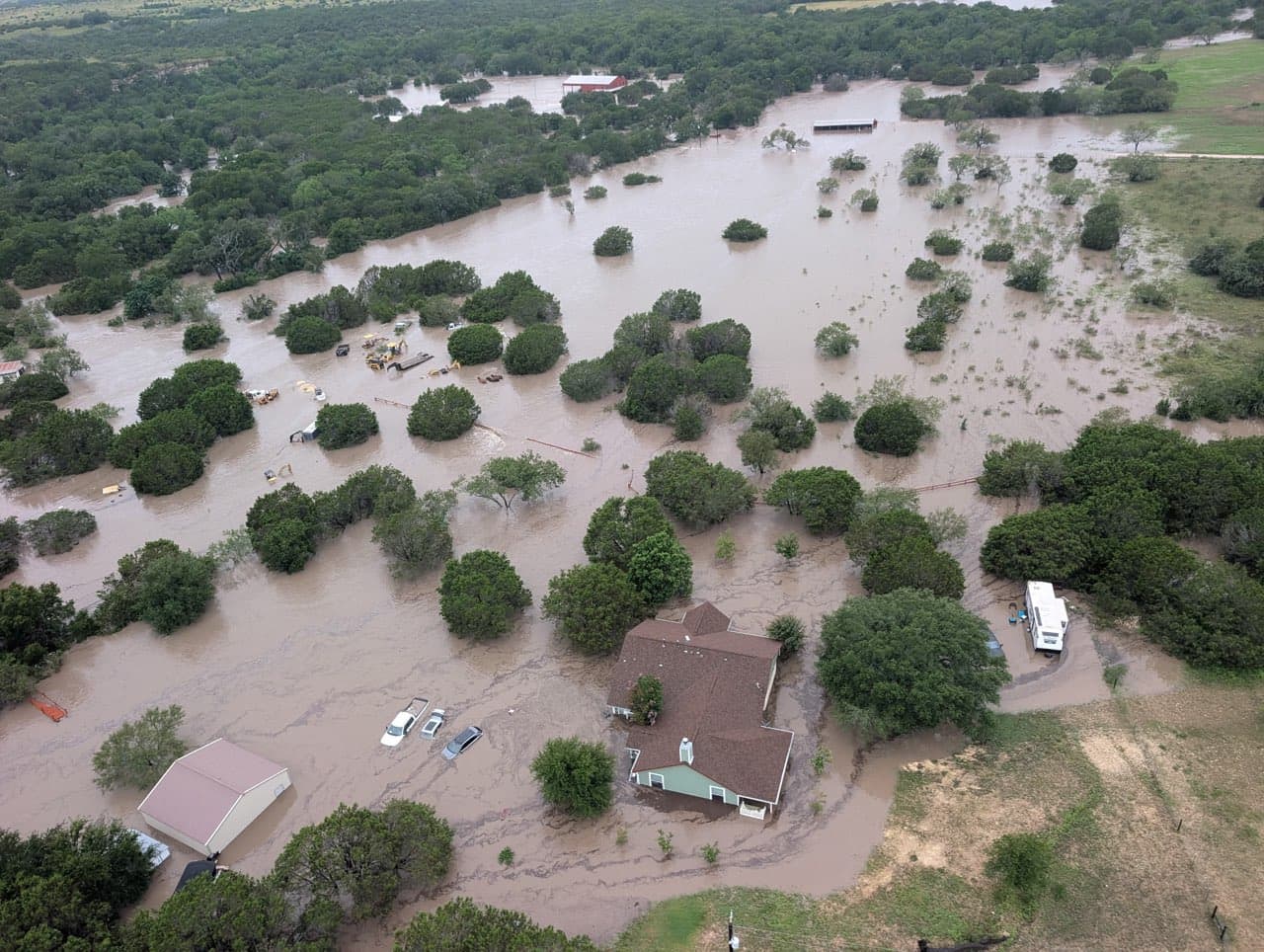
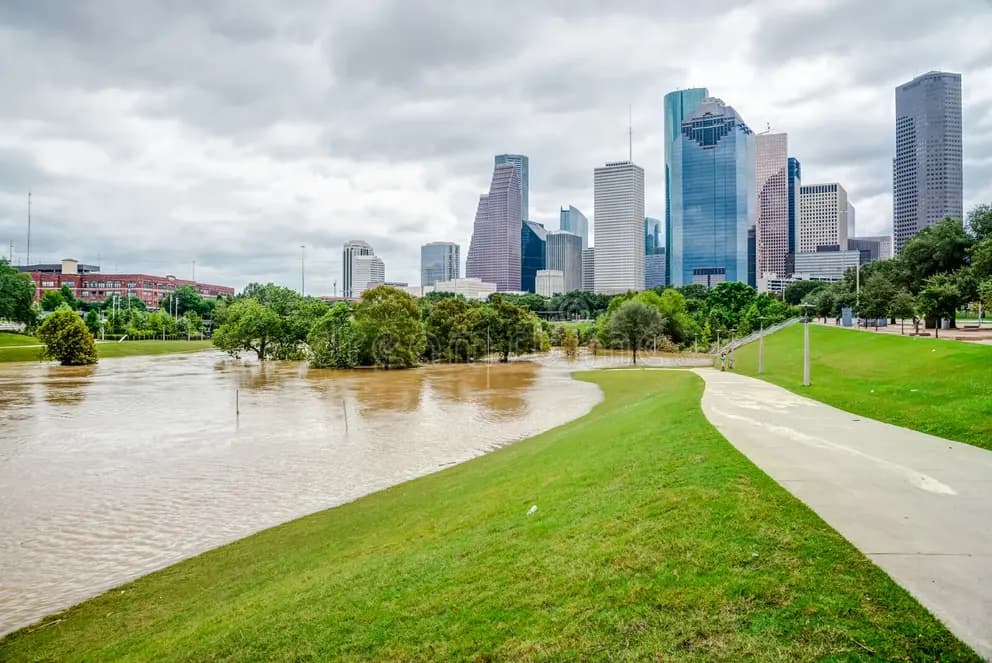
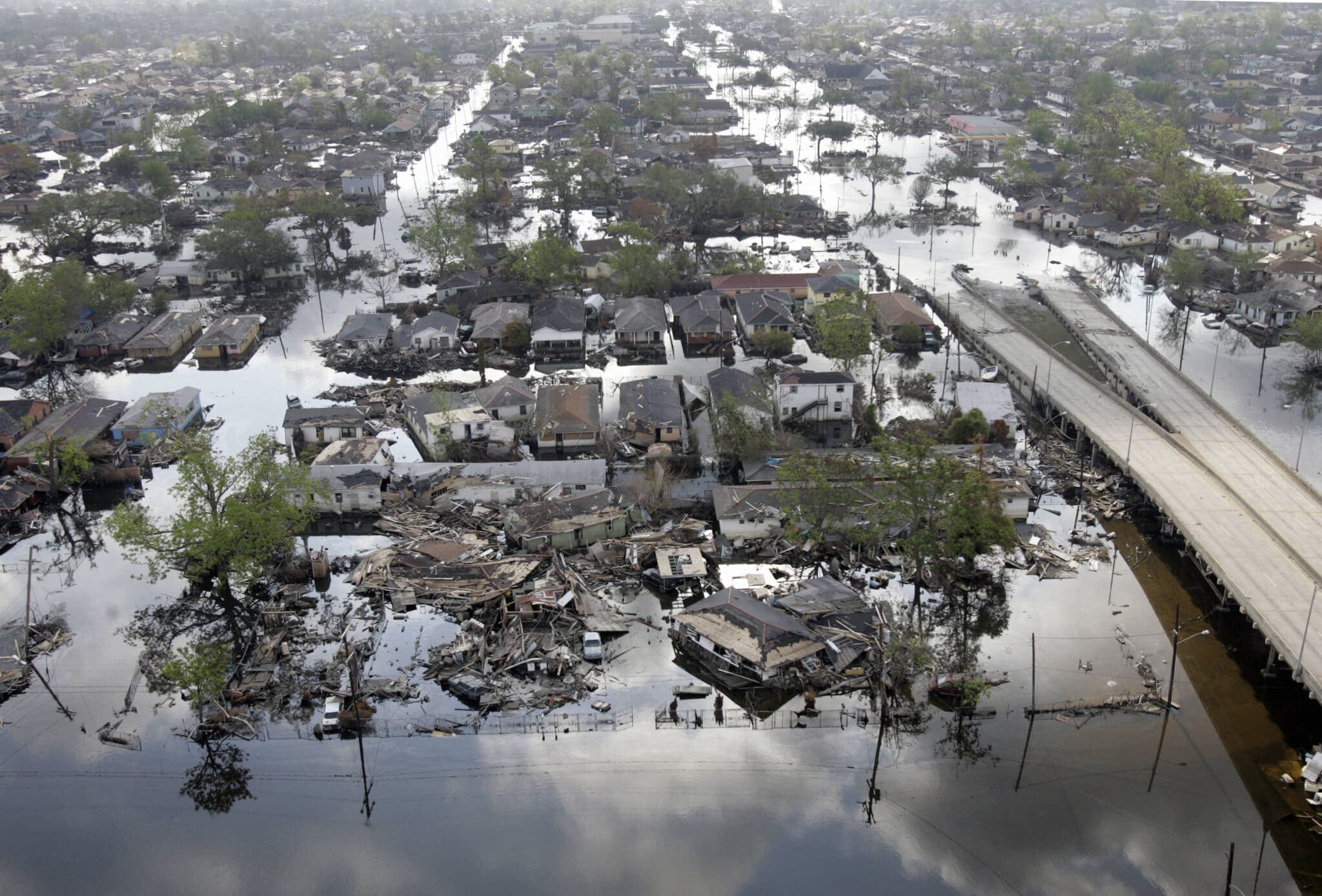
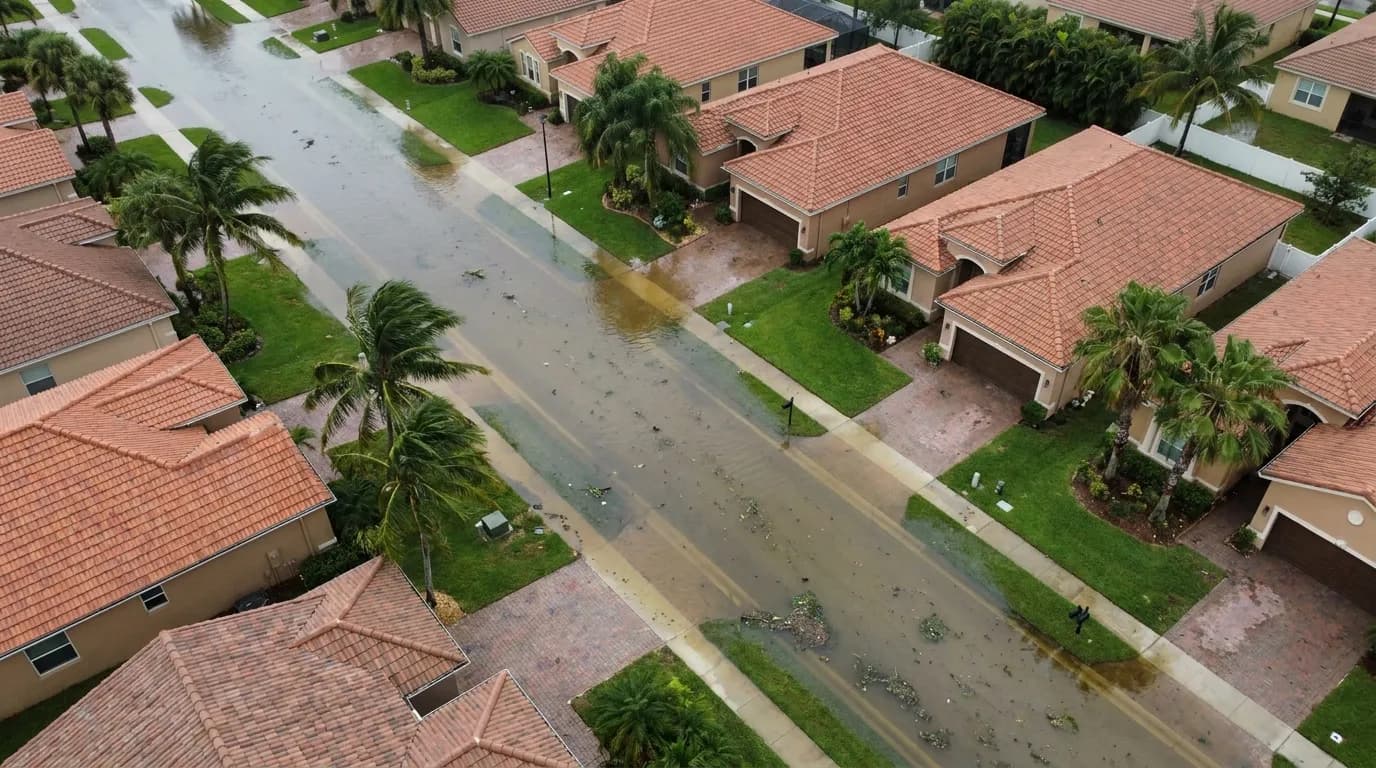
Most homeowners policies do not cover flood damage, which generally requires a separate flood insurance policy. Flooding refers to rising water, such as an overflowing river, storm surge, or runoff that enters a home from the ground up. Rain is treated differently. When wind or hail creates an opening in a roof or wall and rain enters through it, the resulting water damage is generally covered under a homeowners policy. After hurricanes and tropical storms, insurers sometimes label all water damage as flooding. The difference between rain damage and flood damage often decides whether a water damage claim is paid. A deductible is the amount the policyholder pays before insurance coverage begins. An insurer may close a claim without paying anything when the estimated damage is less than the deductible. Deductibles may be a flat dollar amount or a percentage of the home's insured value. If hail causes $6,500 in roof damage, that policy pays nothing. TDI's guide to deductibles also notes that home and auto deductibles apply to each separate claim. Texas insurers must list the exact dollar amount of each deductible on the policy's declarations page, or on a separate page. A below-deductible denial is only as accurate as the repair estimate behind it. When an adjuster's estimate leaves out damaged areas or uses low repair prices, a contractor's estimate may show that the true cost exceeds the deductible.
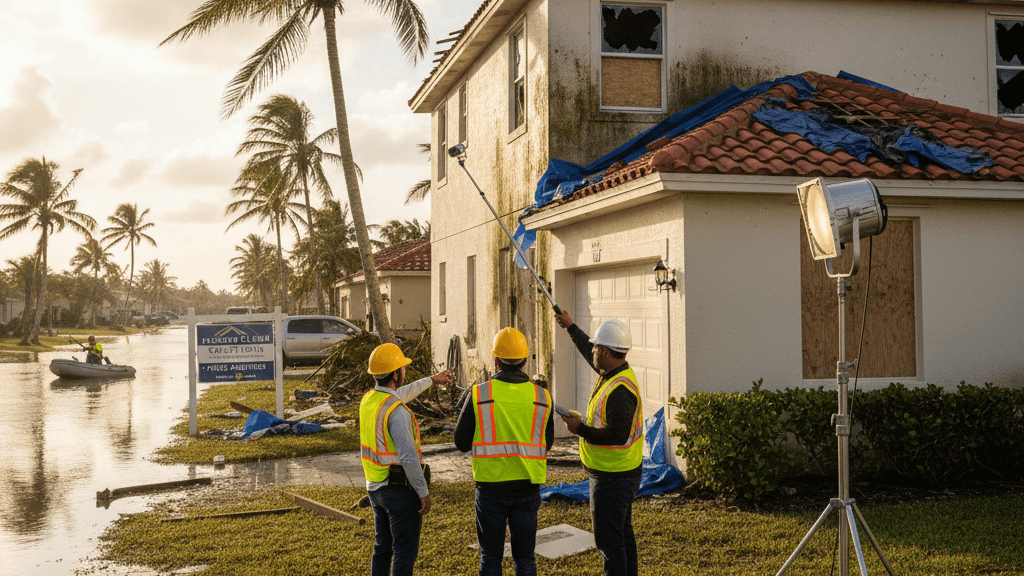
Policies require prompt notice of a loss. According to the TDI home insurance guide, most insurers set deadlines for filing a claim, and some policies allow one year unless the policyholder shows good cause for a delay. TWIA wind and hail policies allow one year from the date of damage. Late reporting is common with hail. Roof damage is often hard to see from the ground, and many homeowners do not discover it until a leak appears months later. In those cases, the reason for the delay and the condition of the property both matter. Property owners are expected to protect their property from further damage after a storm. TDI advises making only temporary repairs, such as tarping a roof or boarding up broken windows, because an insurer might deny a claim if permanent repairs are made before it inspects the damage. TDI also recommends keeping receipts for repair materials, since they may be needed to receive full payment. Some claims are delayed or denied because the insurer says it lacks information. Insurers may request a signed and notarized proof of loss, which is a sworn statement listing the damaged or lost property. Under Texas rules, however, an insurer may only request information reasonably needed to investigate the claim. Keeping organized records helps prevent this type of denial. TDI recommends saving all claim communications, including notes from phone calls, along with damage estimates and receipts.
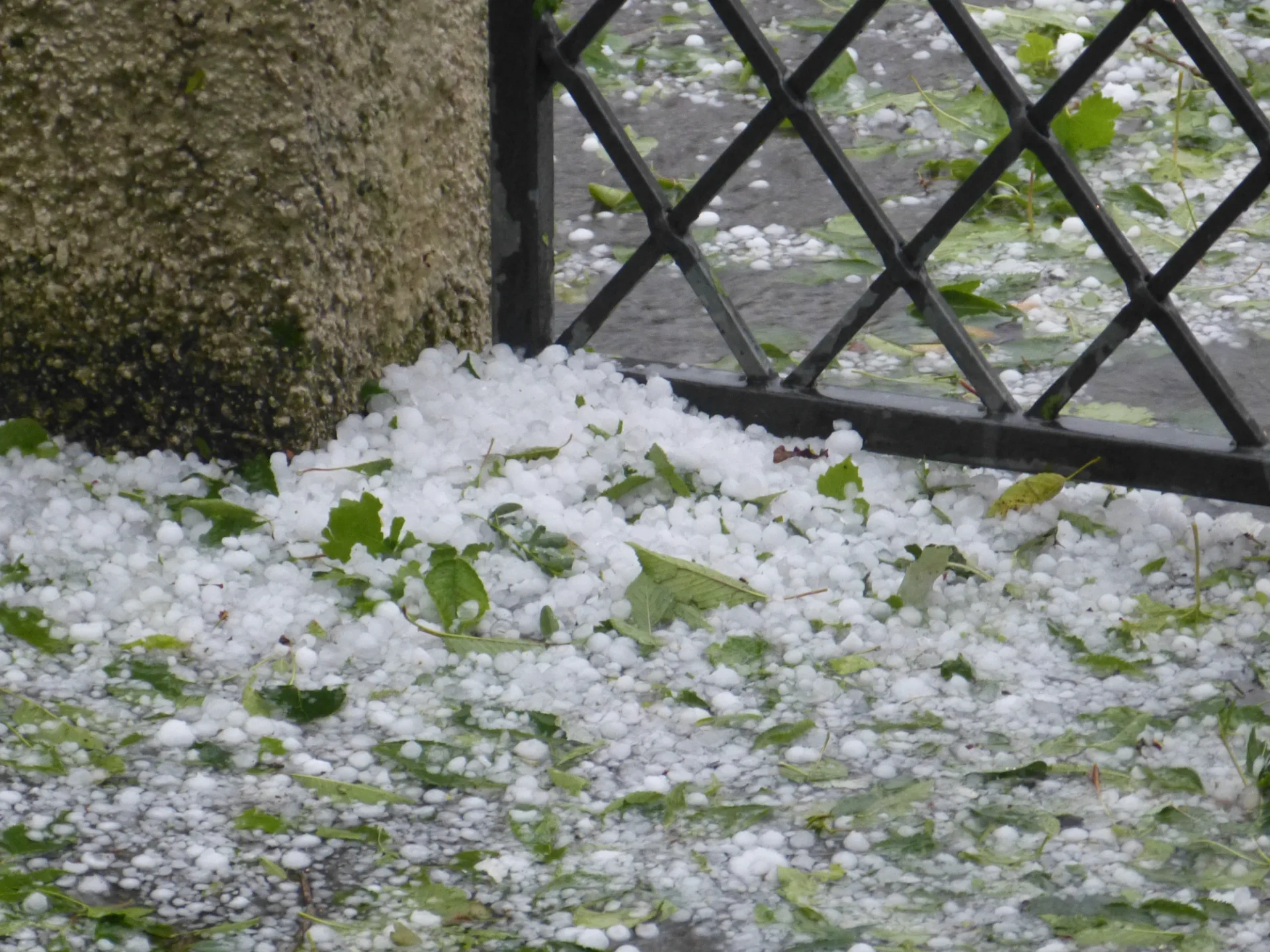
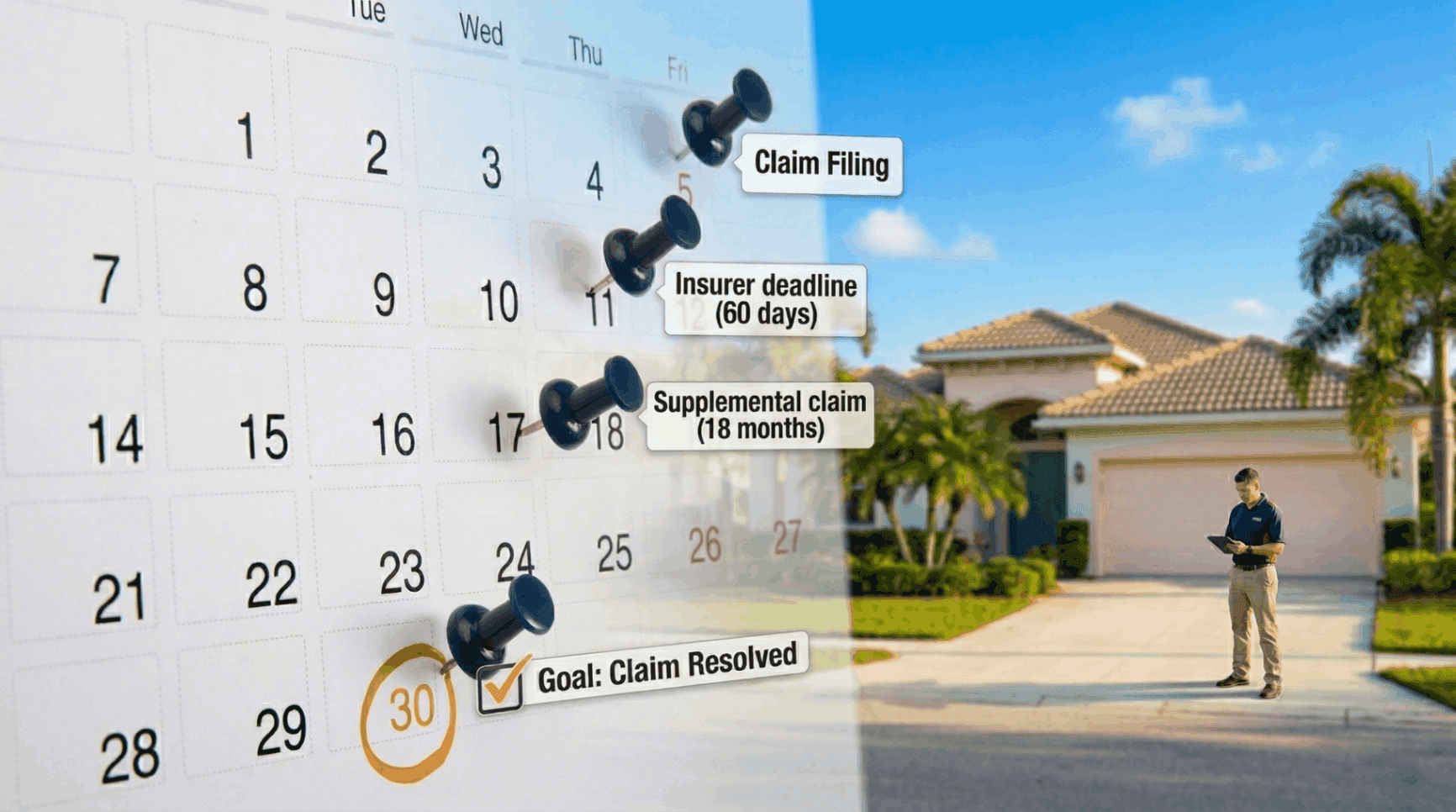
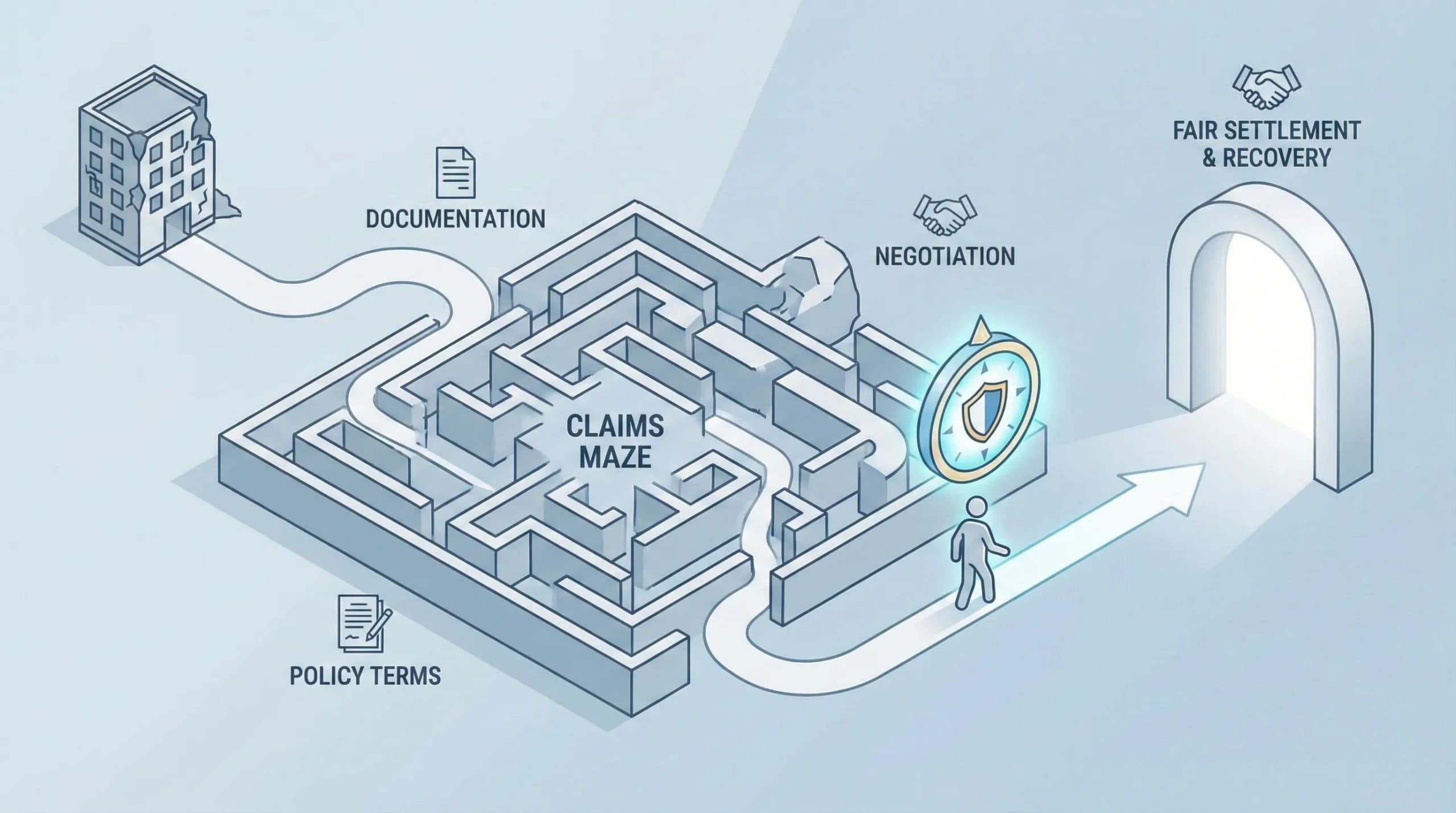
Hail, falling trees, and windblown debris also damage cars and trucks. Storm damage to a vehicle is generally covered only under comprehensive coverage, sometimes called other than collision coverage. A liability-only auto policy does not pay for damage to the owner's own vehicle. When comprehensive coverage applies, vehicle storm damage claims often turn on the repair estimate or the value assigned to a vehicle declared a total loss. Insurers typically base that value on reports comparing similar vehicles for sale. The Texas Consumer Bill of Rights for homeowners, dwelling, and renters insurance summarizes several protections that apply when a claim is filed. Under these rules, an insurer must explain in writing why it denied all or part of a claim, and it cannot refuse to pay a claim without a reasonable investigation. Texas law also sets deadlines for handling claims. An insurer must acknowledge a claim within 15 days, approve or deny it in writing within 15 business days after receiving all the information it needs, and pay within 5 business days after approving it. The decision deadline can extend to 45 days if the insurer explains why it needs more time, and TDI can add 15 more days after a weather-related catastrophe. When an insurer misses these deadlines, the policyholder may be able to collect the claim amount plus interest and attorney's fees. After a storm claim is denied, property owners have several options. The National Association of Insurance Commissioners advises policyholders to get any denial in writing and keep all claim paperwork. Policyholders may also request a complete copy of their policy from their insurer at any time. Property owners can ask the insurer to reconsider by explaining why the insurer should pay more and sending supporting documents, such as a contractor's repair estimate. Appraisal resolves disputes over the amount of a loss, not whether the policy covers it. Each side hires an appraiser, the two appraisers choose an umpire, and the umpire's decision binds both sides. Public adjusters work for the policyholder rather than the insurer, must hold a TDI license, and charge a fee. Policyholders who believe a claim was unfairly denied can file a complaint with TDI, and the agency can ask the insurer to review its decision. For damage caused by a disaster, Texas law requires written notice to the insurer at least 61 days before filing a lawsuit, with shorter notice allowed if waiting would cause a missed filing deadline. Texas property owners whose storm damage insurance claims were denied, underpaid, or delayed may be eligible to file a lawsuit if they owned a home or vehicle in Texas that was damaged by wind, hail, a hurricane, a tornado, or rain entering from above, filed an insurance claim for the damage, and had the claim denied, underpaid, or delayed by the insurance company. If you or your family meet all of these criteria, you may qualify to file a lawsuit and receive compensation. Five Star Claims Adjusting can help property owners in Florida and Texas navigate the storm damage claims process, assess whether a denial is justified, and pursue maximum recovery for legitimate claims. Our team specializes in hurricane and storm damage assessment, working alongside restoration contractors and legal professionals to ensure policyholders receive fair treatment from their insurers.
This article has been sourced from press releases and cross-referenced with multiple websites. Facts originally seen at Source.