Before you clean up, document the damage and leave the water line alone.
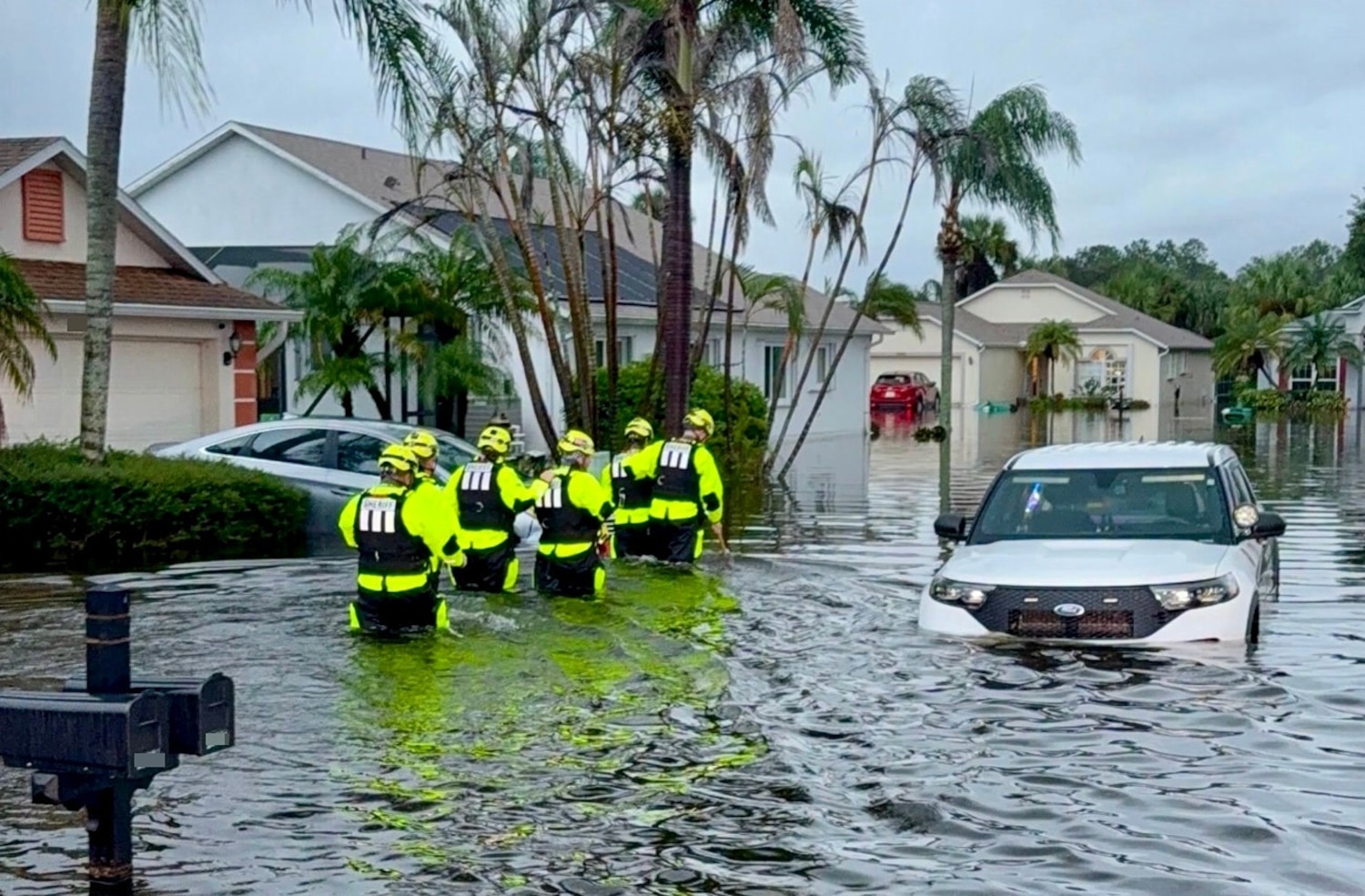
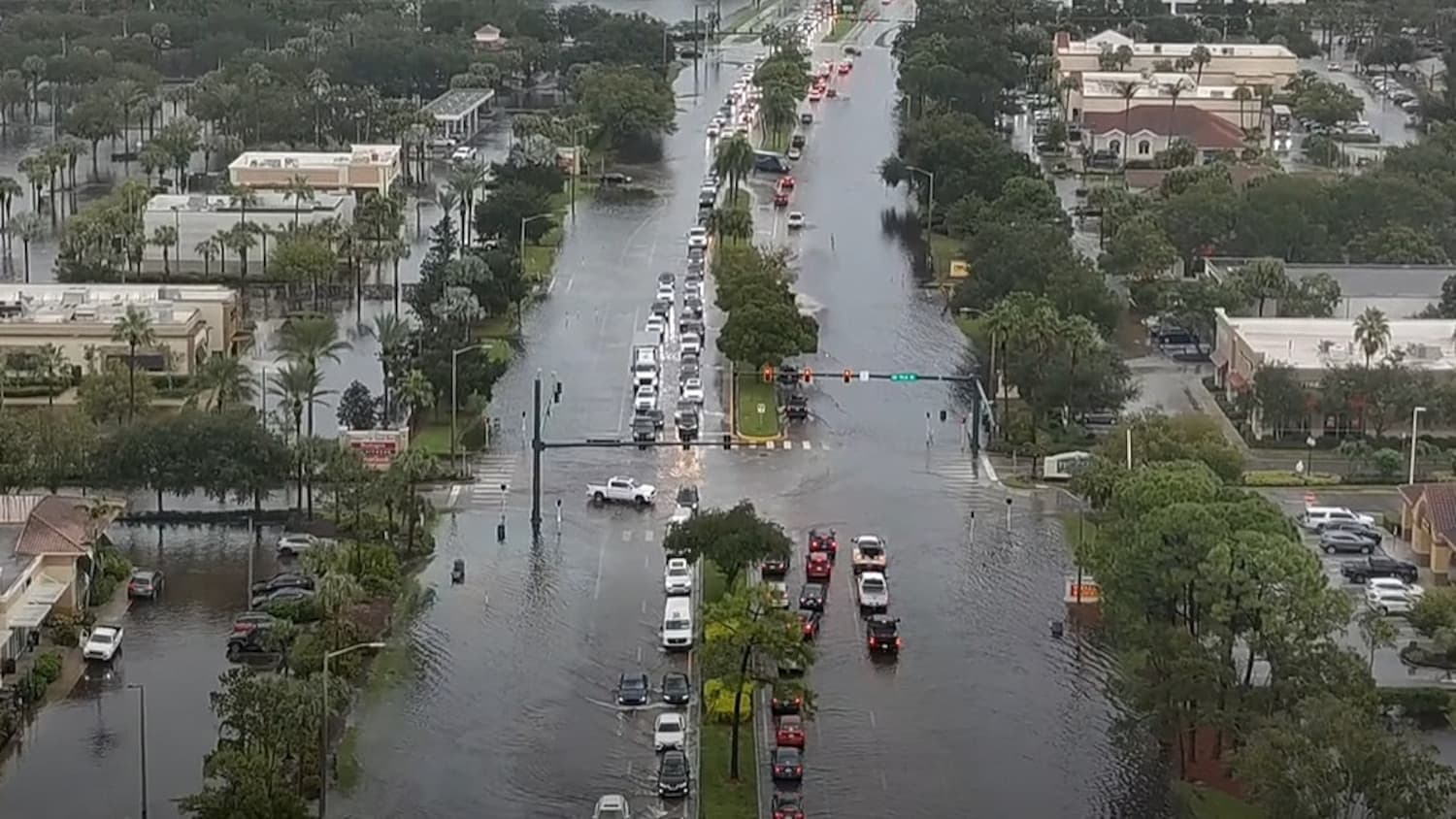
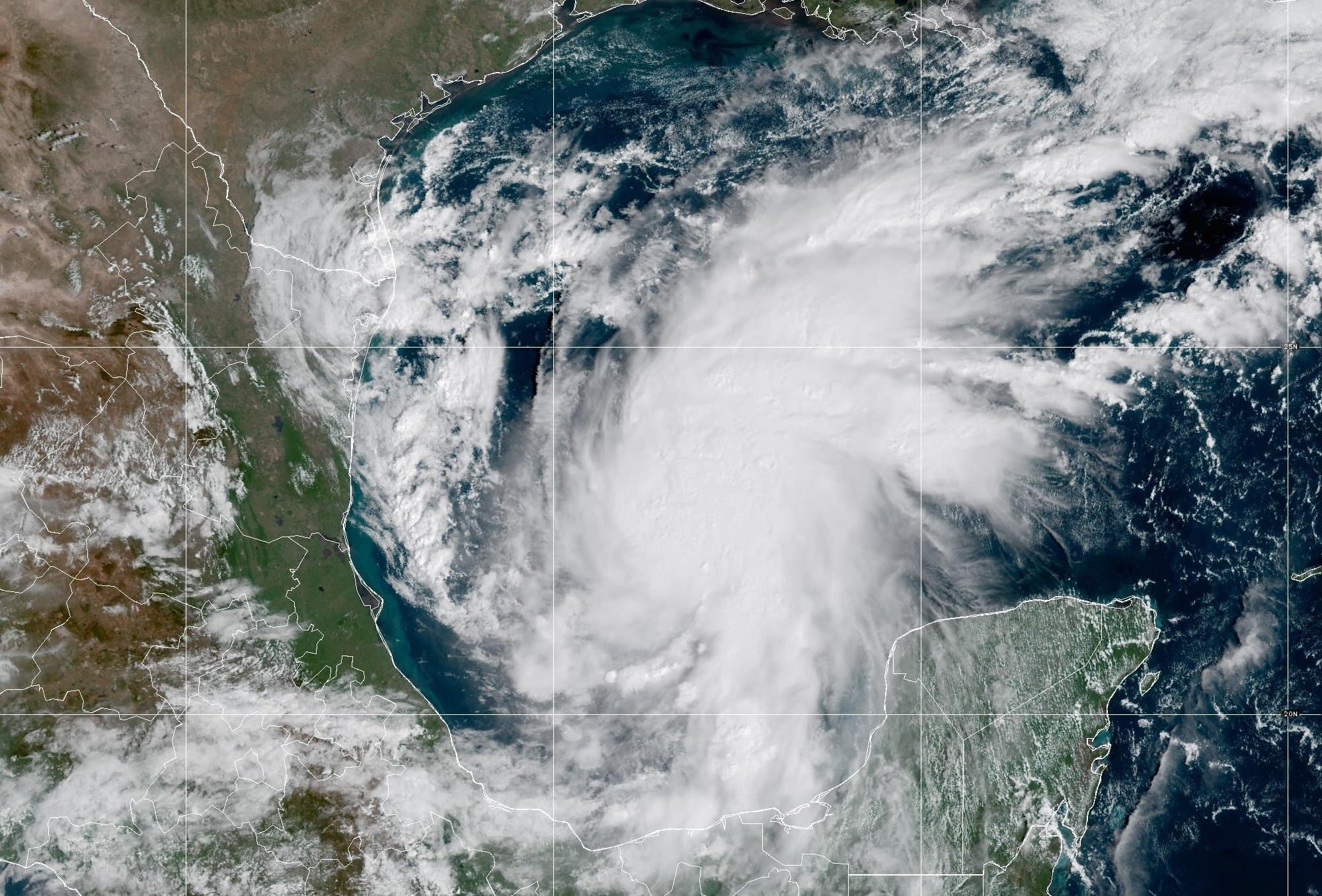
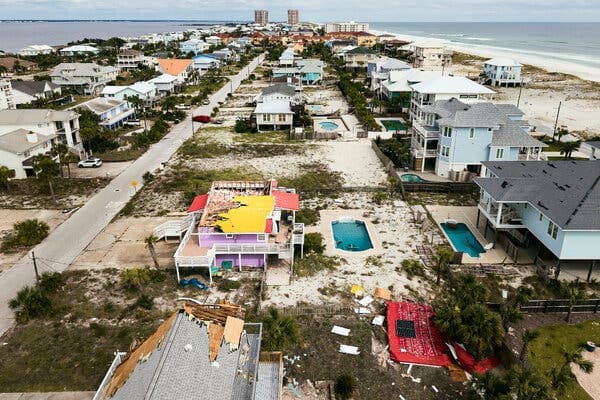
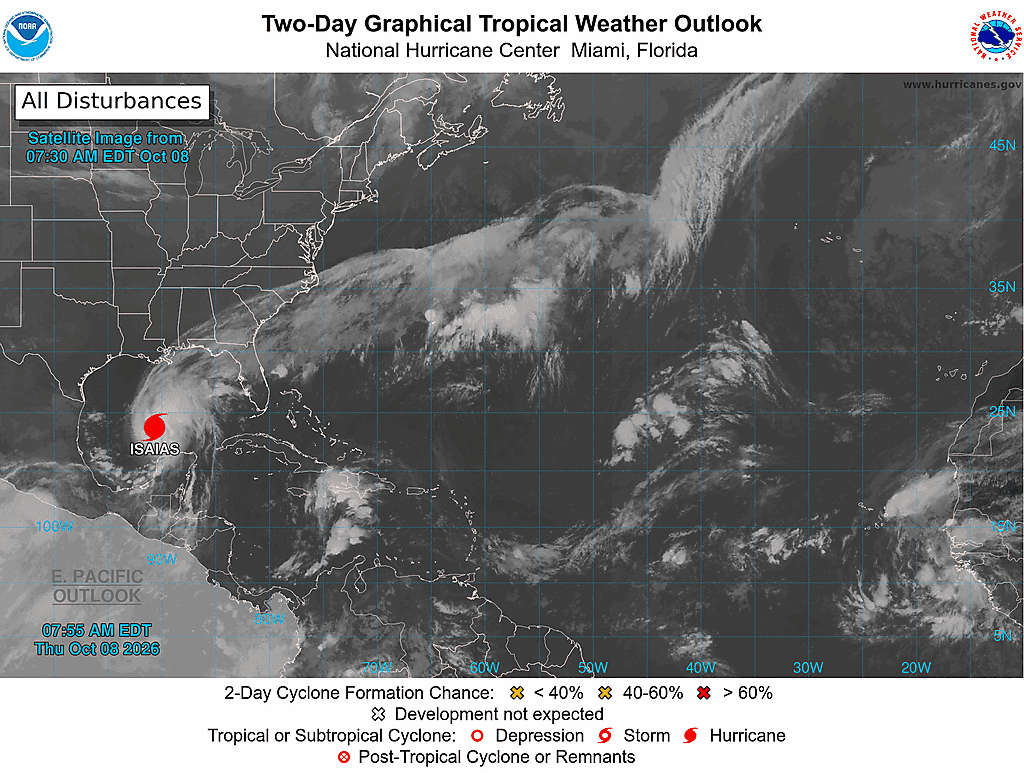
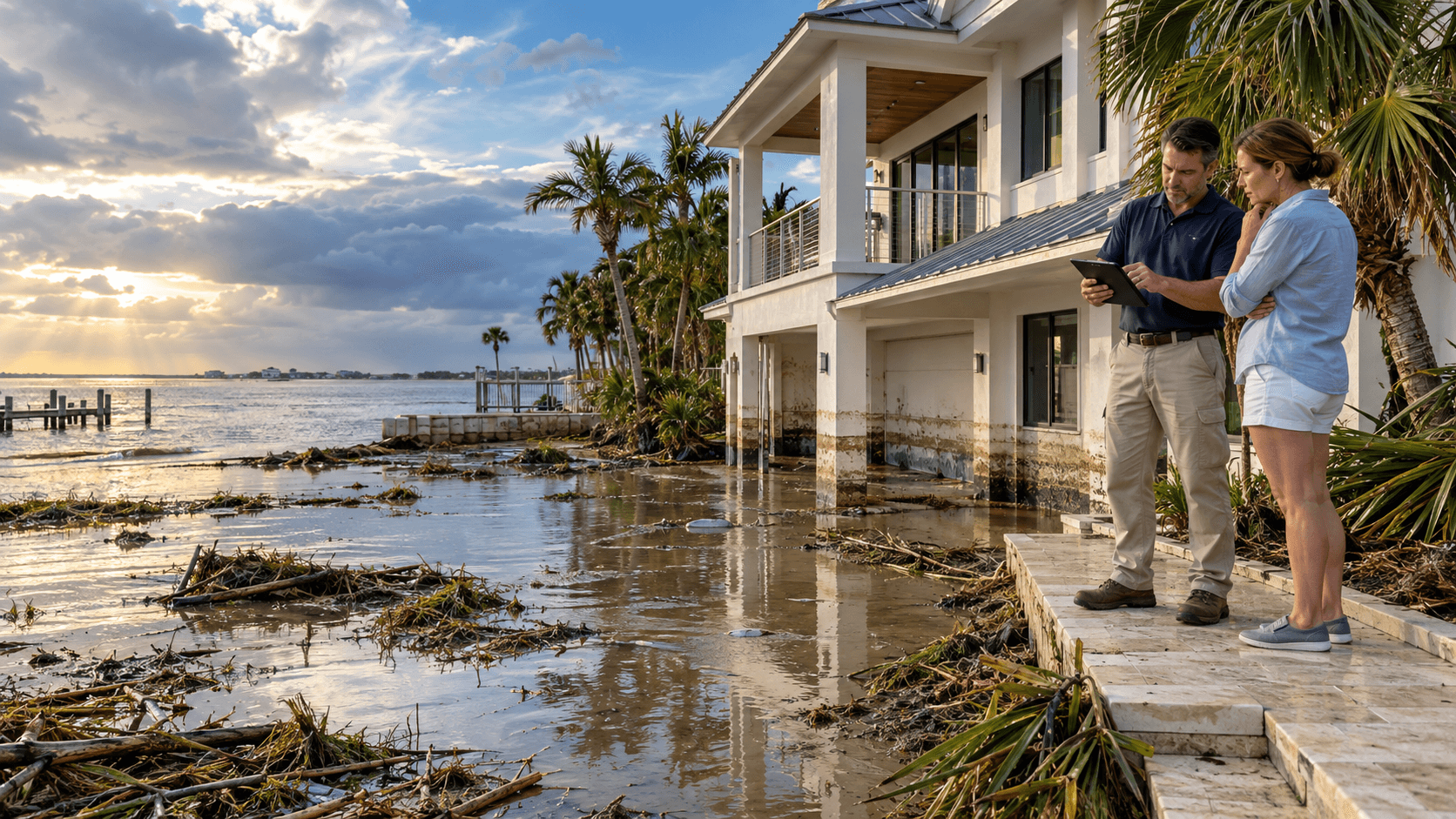
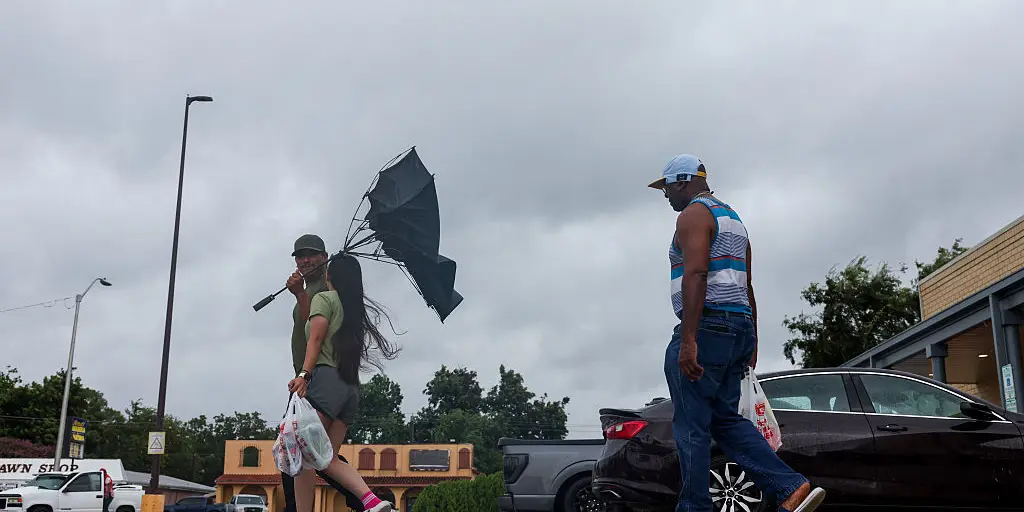
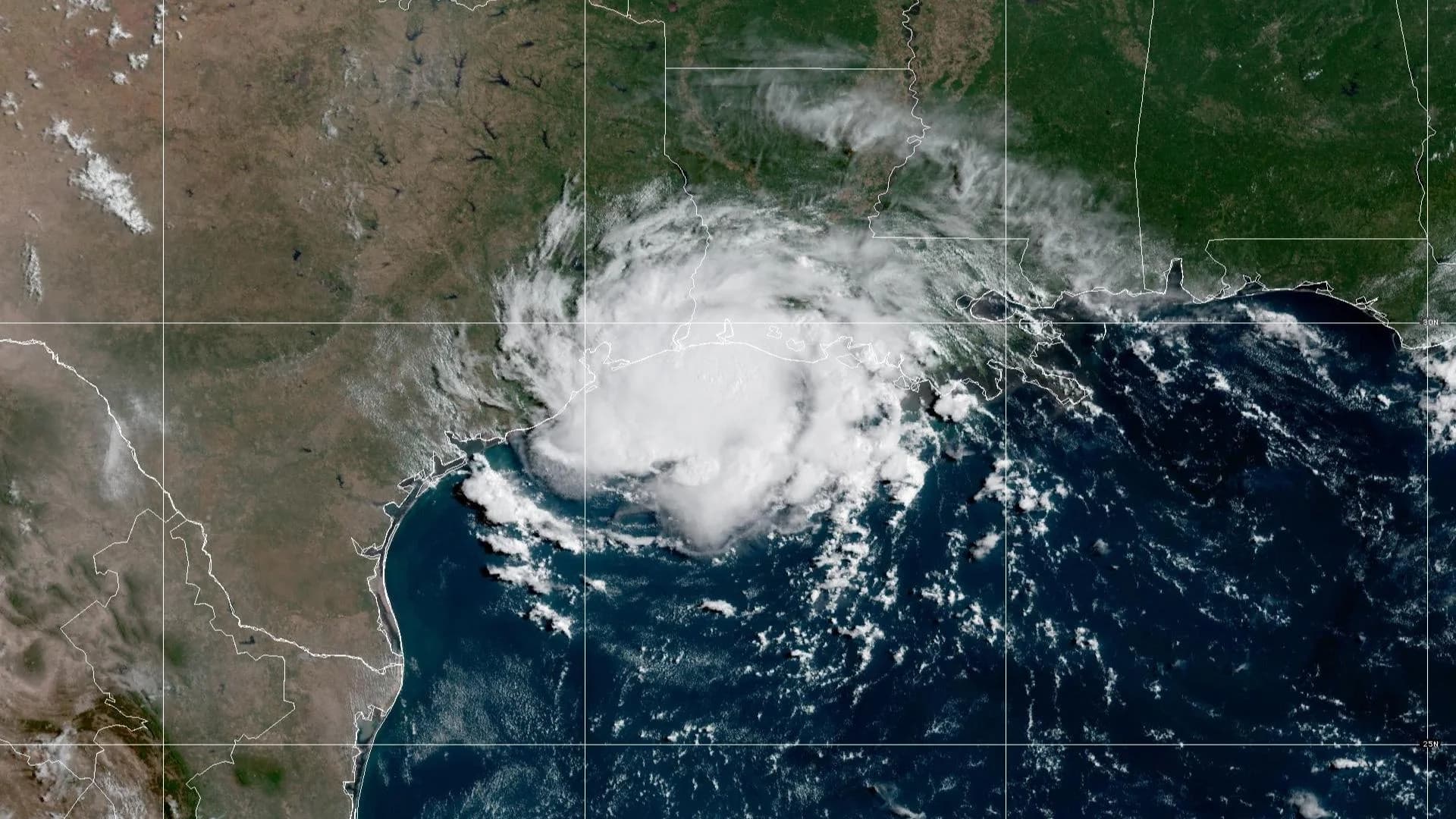
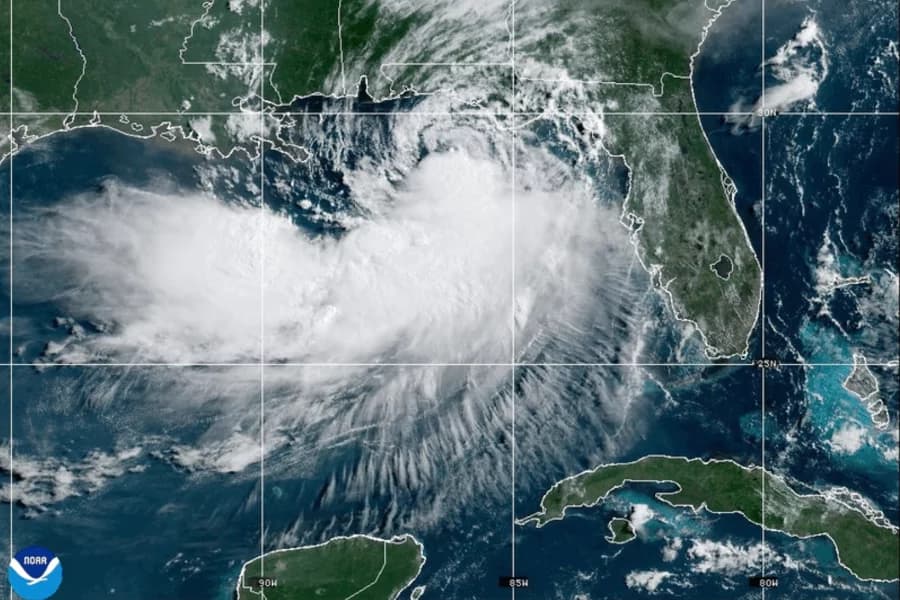
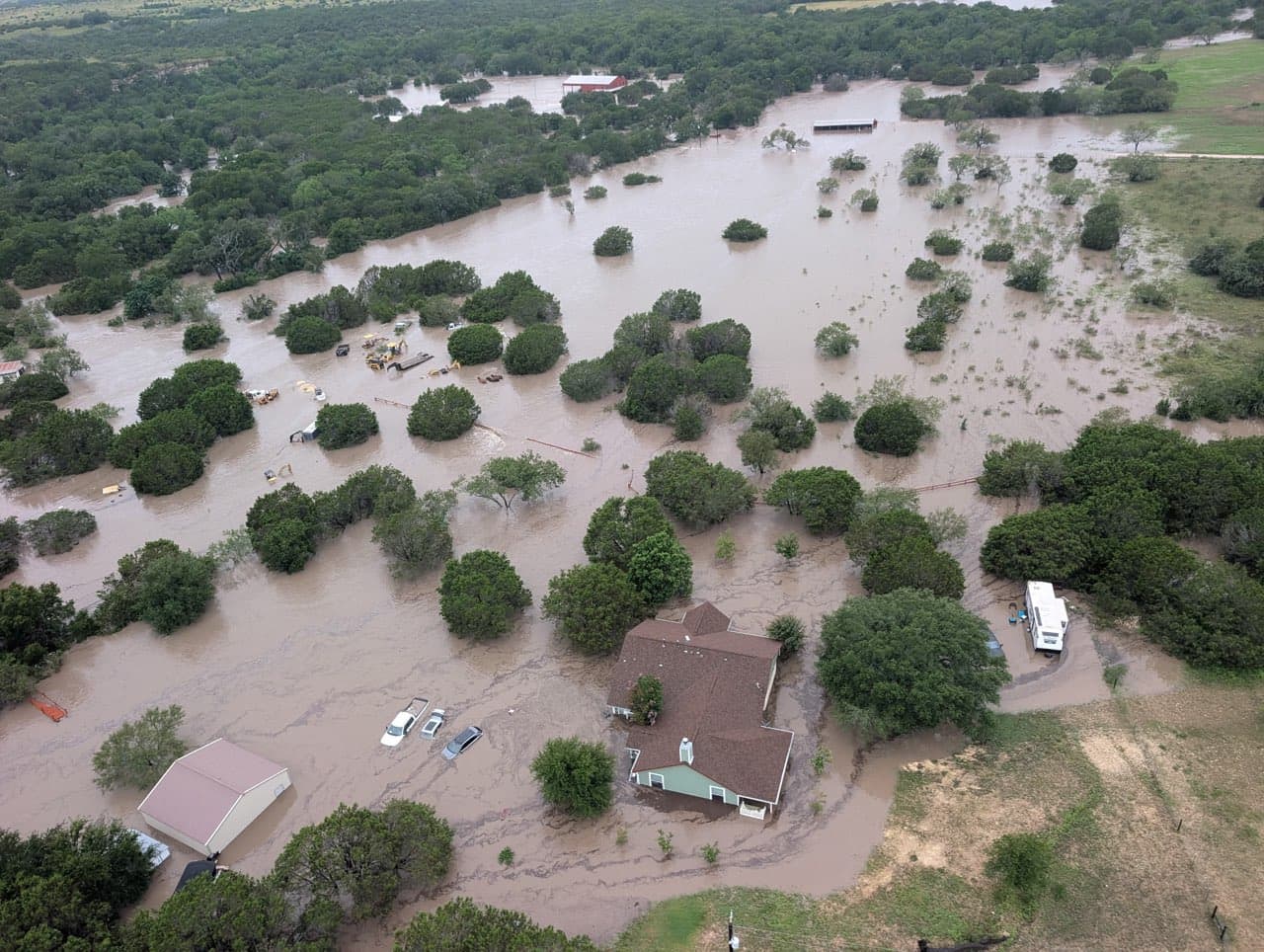
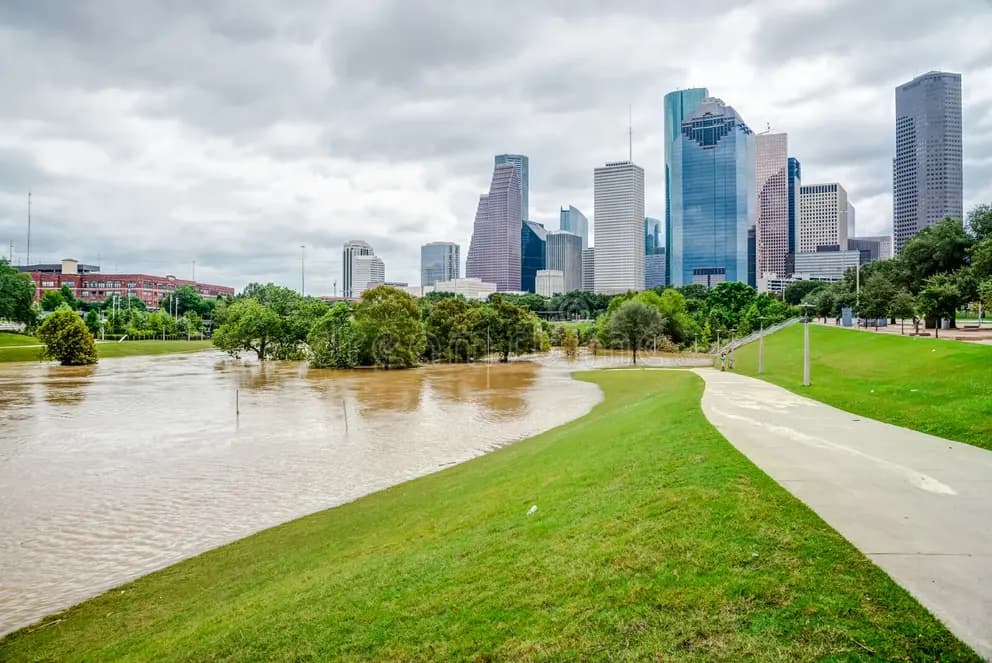
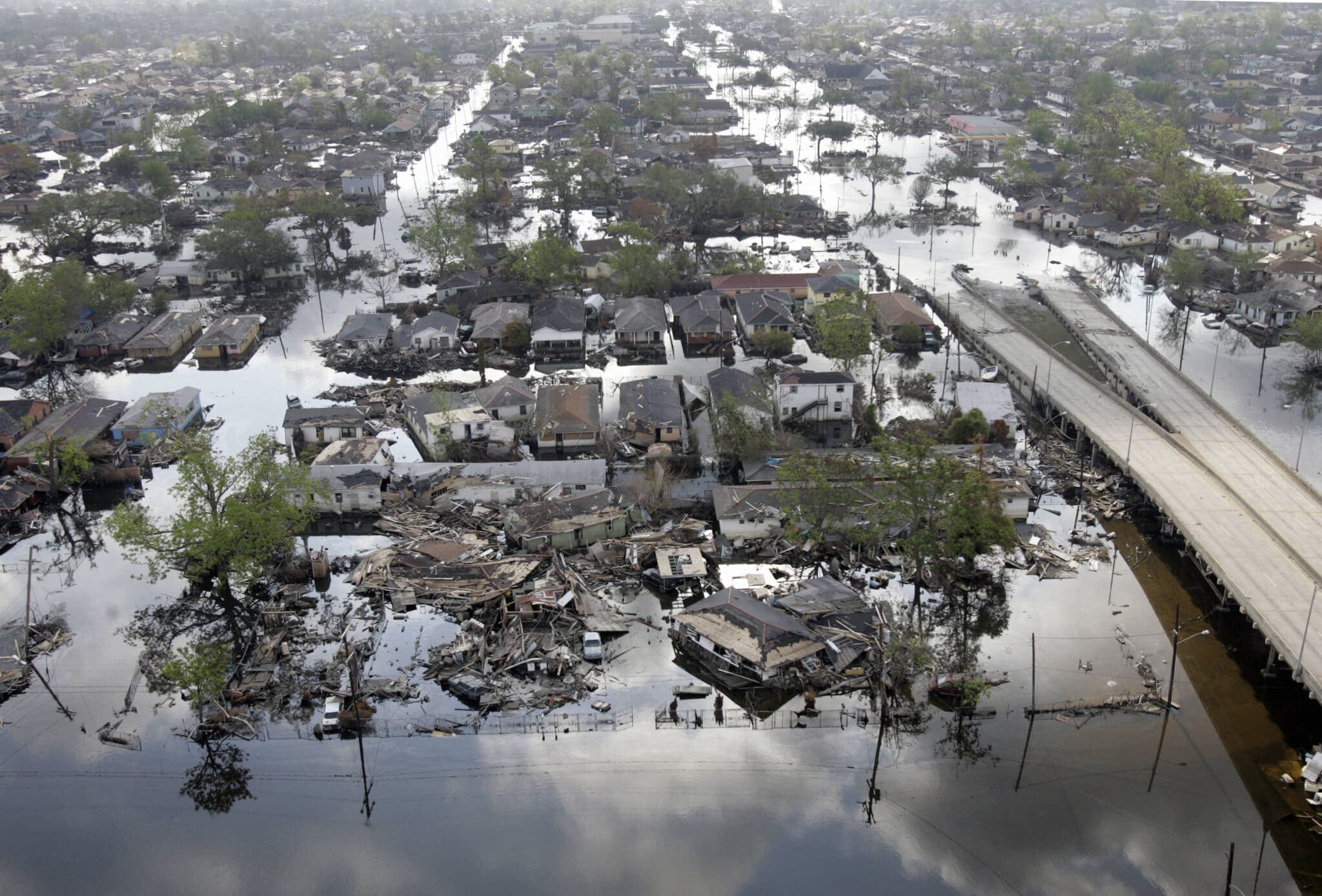
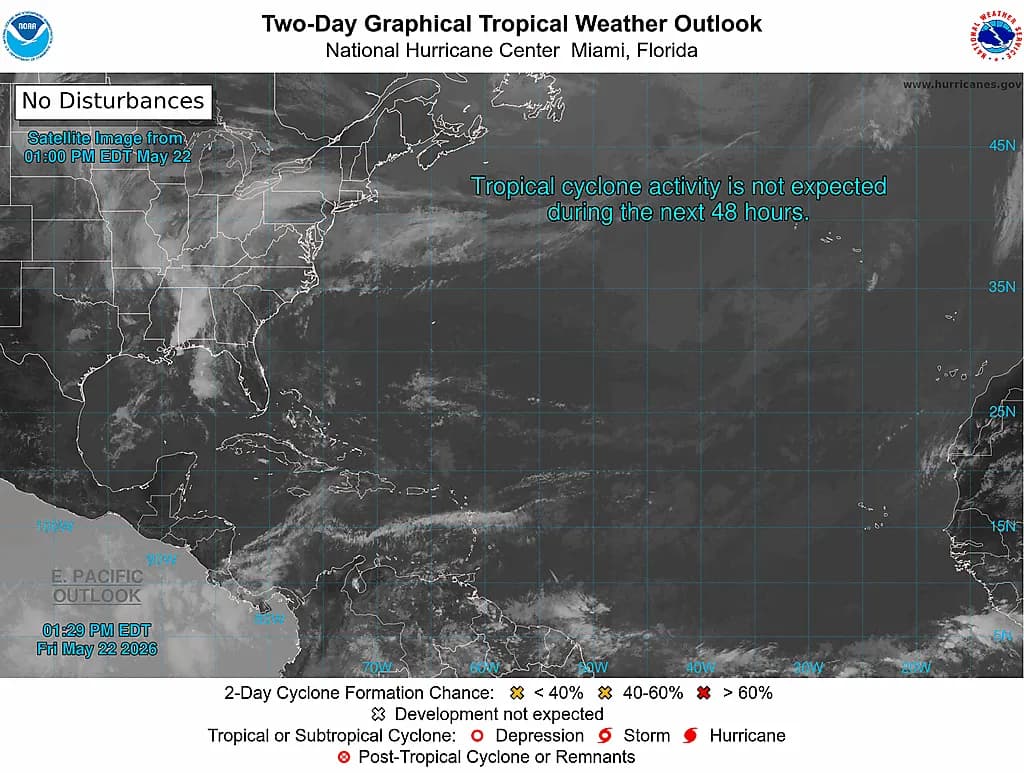
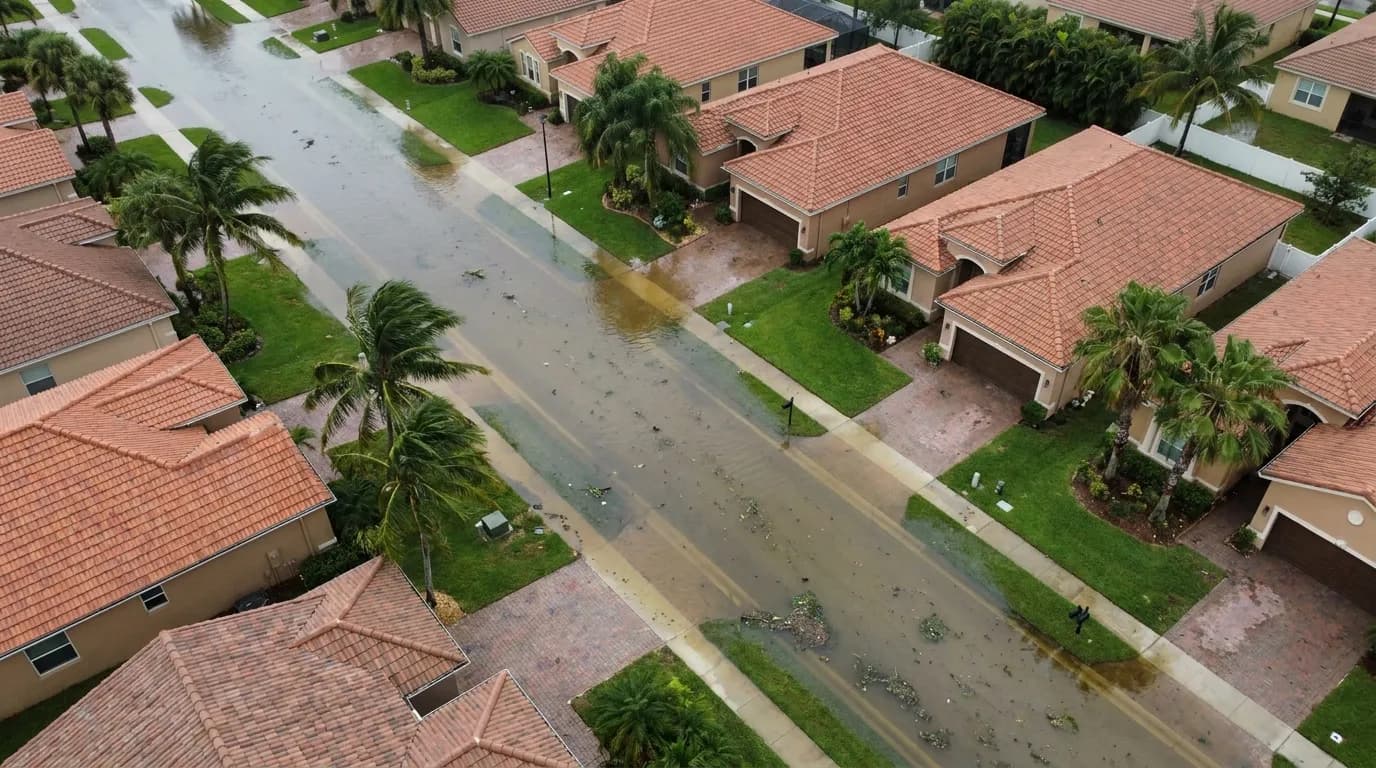
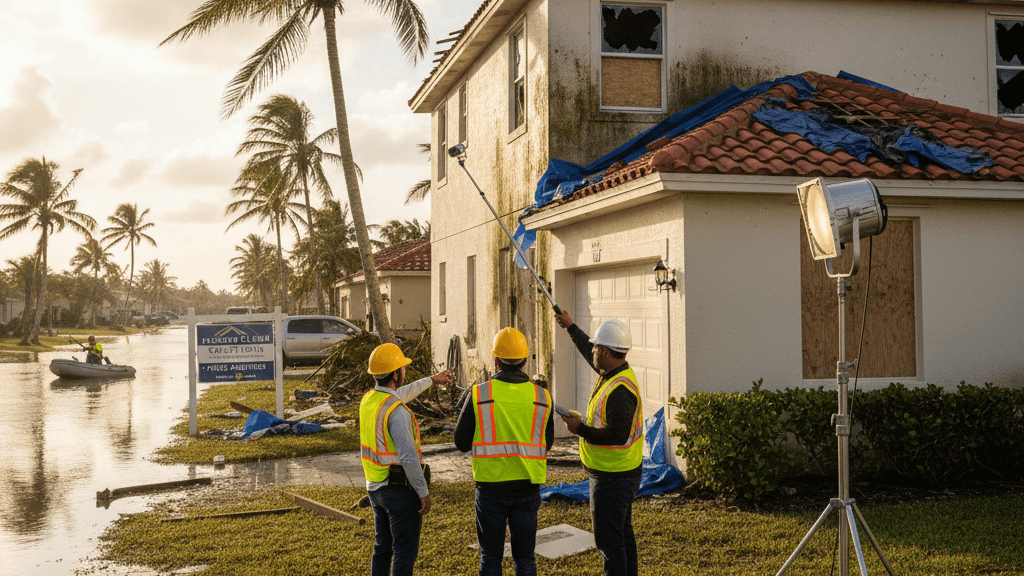
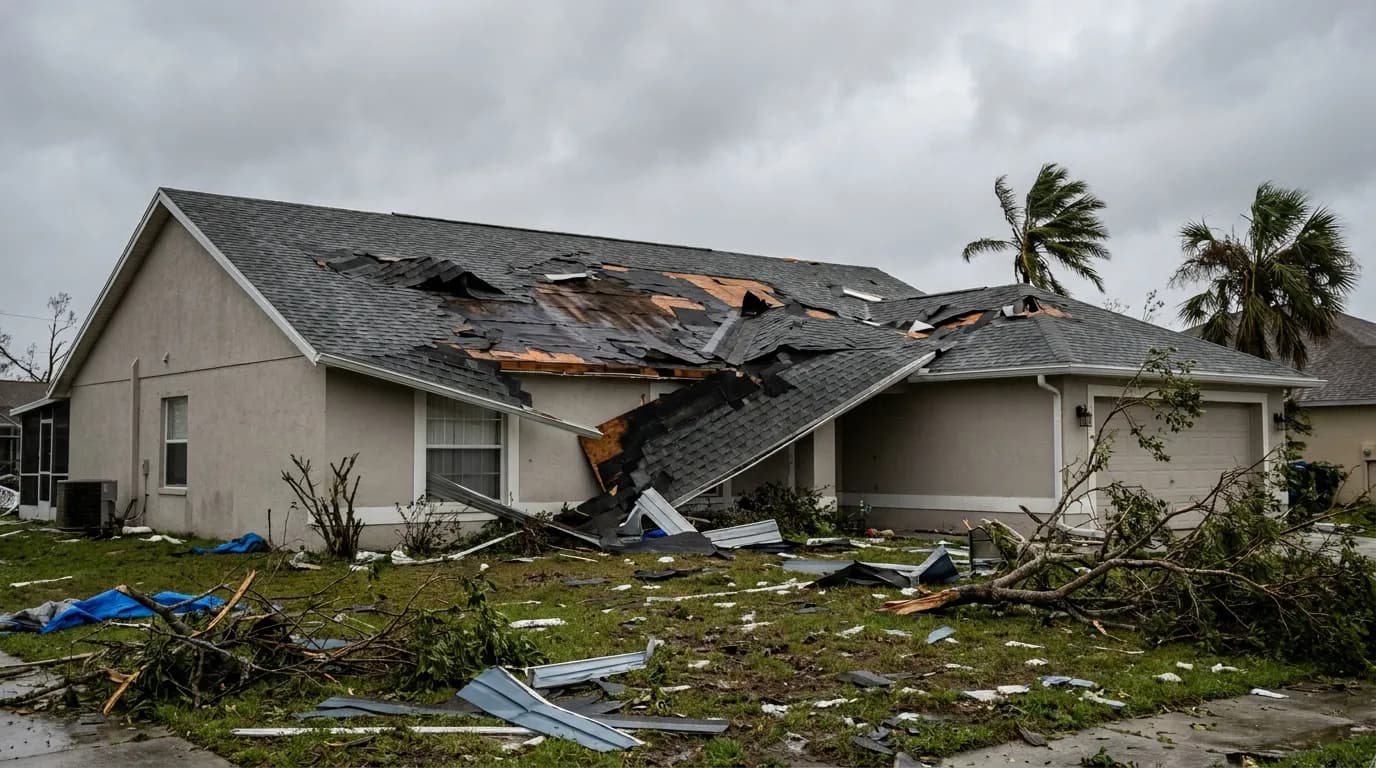
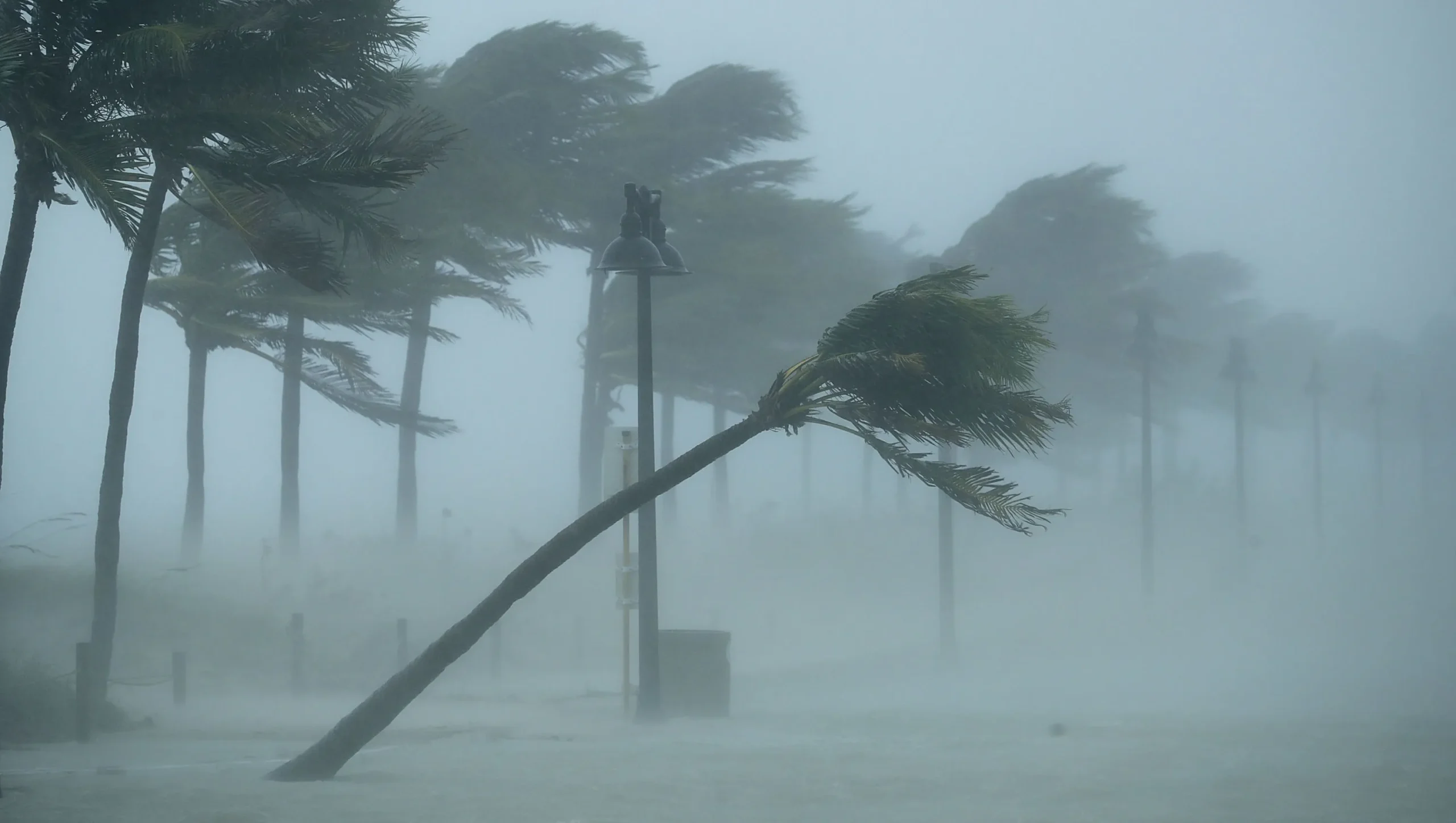
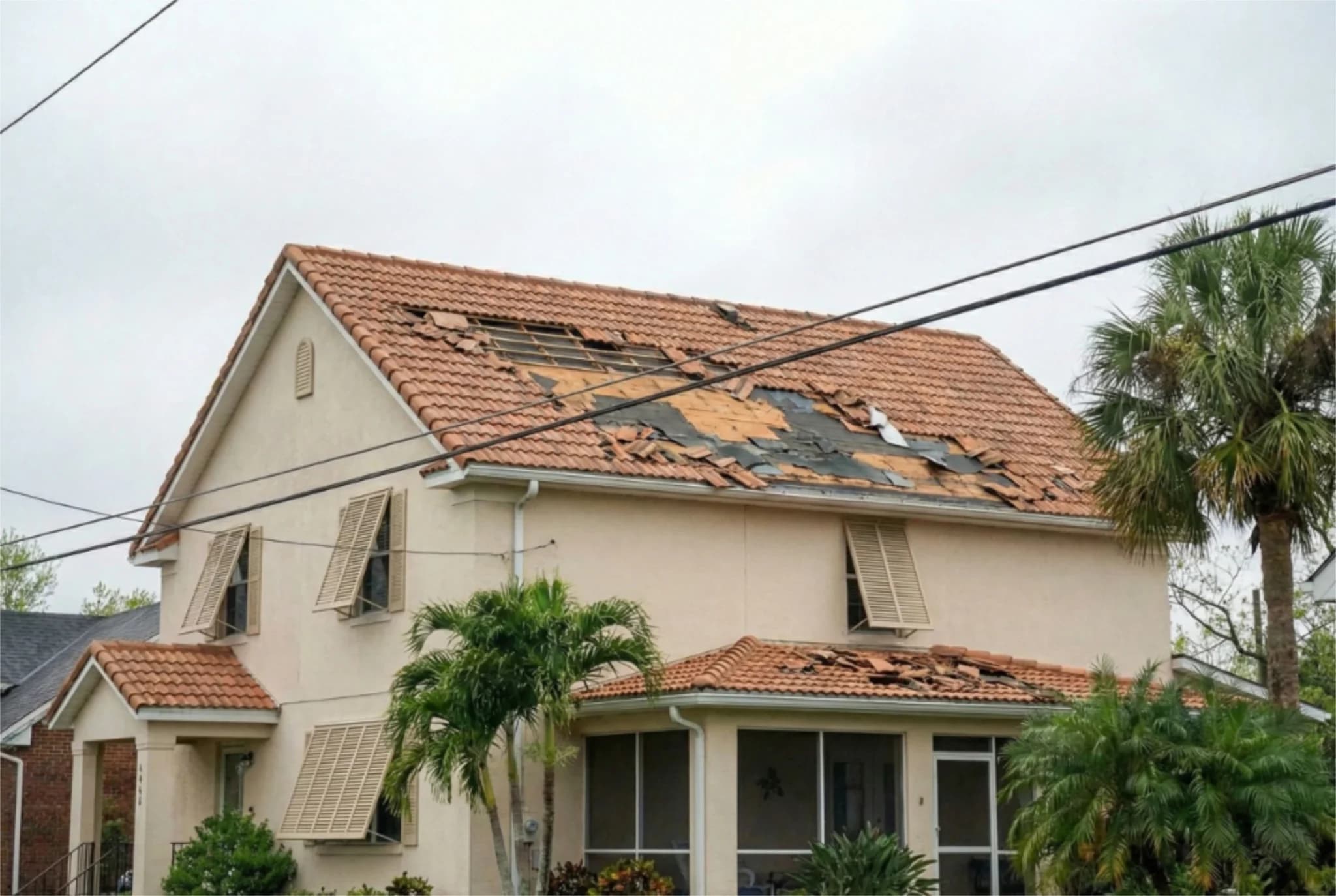
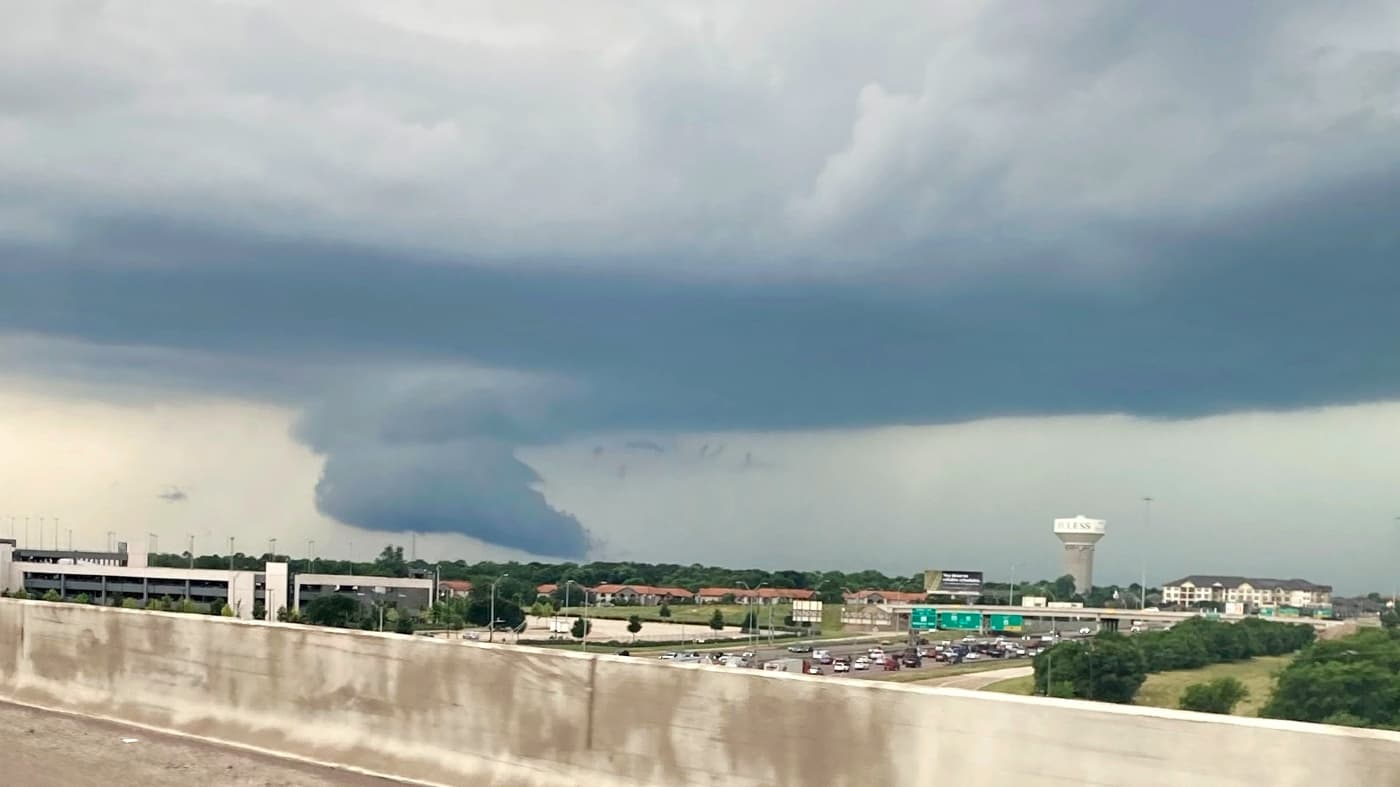
Flood water has reached homes and businesses across Florida's East Coast. Once it recedes, the instinct is to start pulling up carpet, wiping down walls and getting the house back to normal. That instinct is right, and it is also the moment most claims quietly lose their strongest evidence.
Before anything gets cleaned, take an hour to document what the water did.
The water line is evidence, and it only exists once
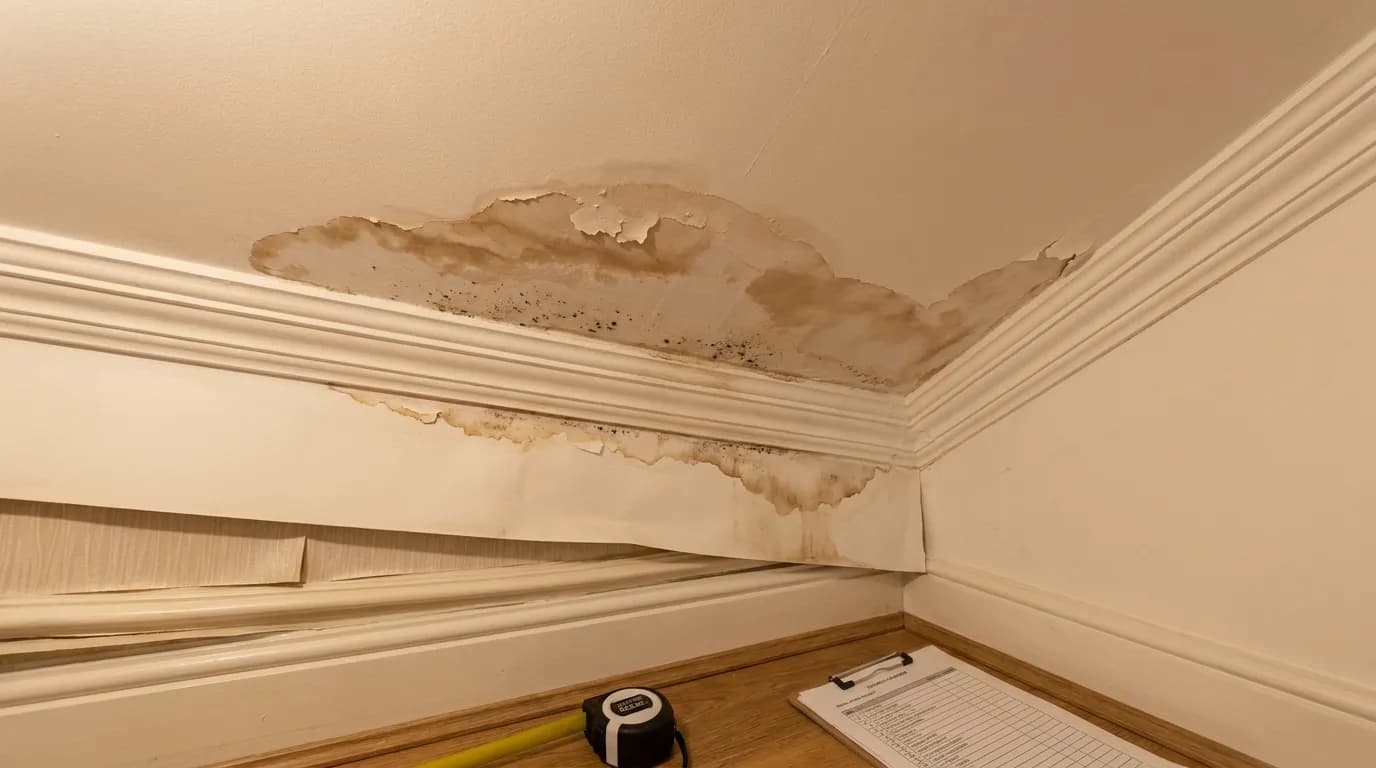
When flood water sits in a room, it leaves a mark on the wall: a faint horizontal stain a few inches or a few feet off the floor. That line is the clearest proof you will ever have of how deep the water got, and it is the first thing a mop or a pressure washer destroys.
Nothing recreates it. Not a memory, not an estimate, not a neighbor's account. If the line is gone before anyone photographs it, the depth of the flood becomes a matter of opinion rather than a matter of record, and opinion is a much weaker position to make a claim from.
So before the cleaning starts, photograph the line in every affected room, with something in frame for scale: a tape measure held against the wall, a door frame, a kitchen counter. Then you can clean.
Photograph and film before you move anything
Still photos and video do different jobs, and a claim is stronger with both. Work room by room and capture:
• Wide shots of each room from the doorway, so the extent of the water is obvious in context
• The water line on the walls, with a tape measure or a ruler in frame
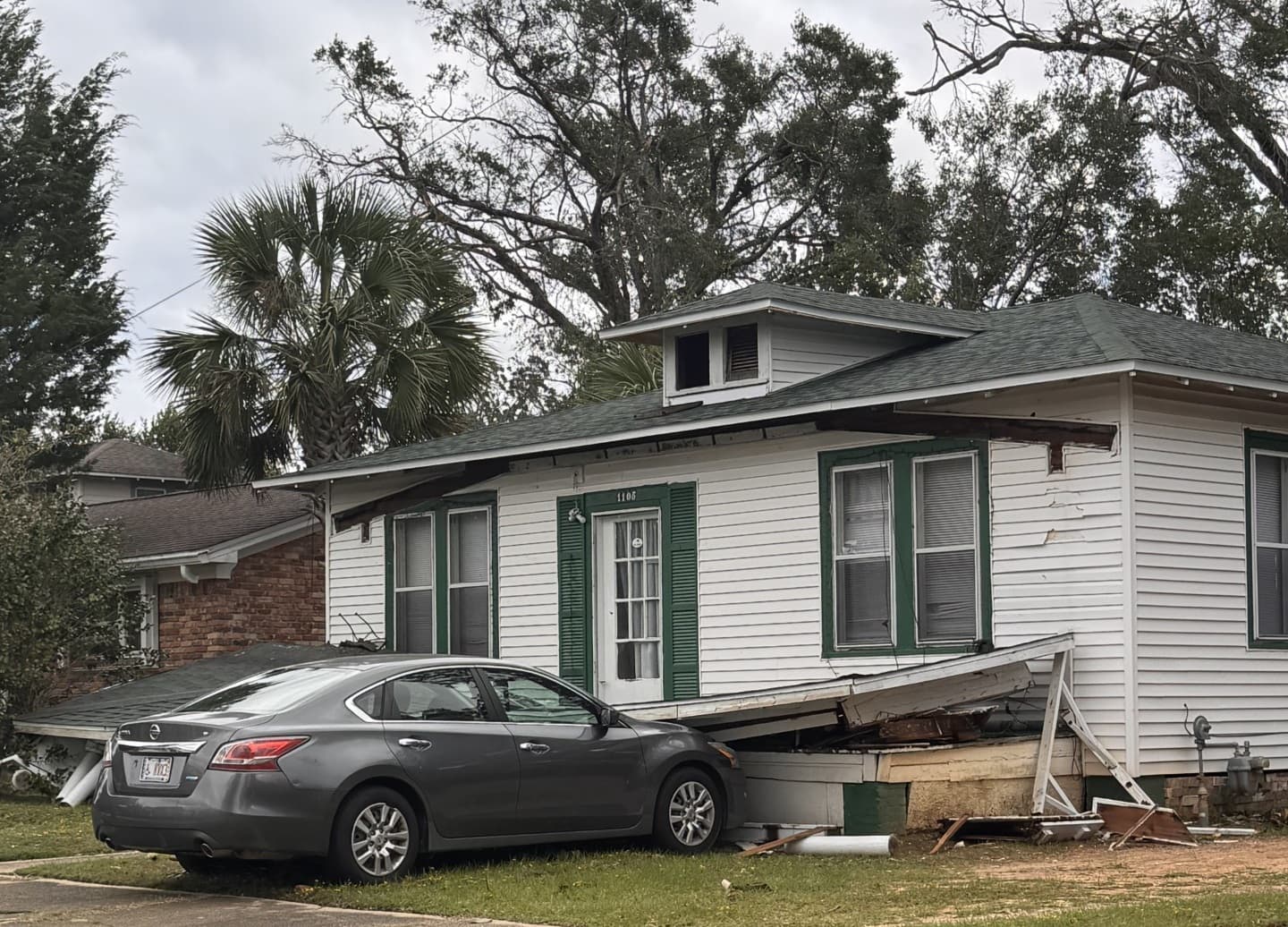
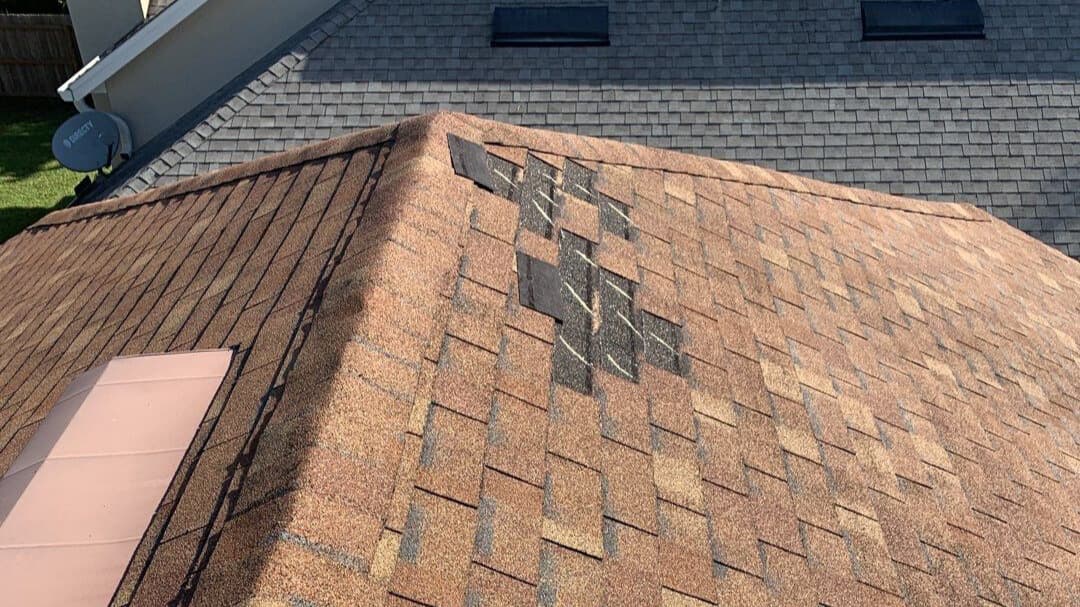
• Close shots of damaged flooring, baseboards, drywall and cabinetry
• Appliances, the HVAC system, the water heater and the electrical panel, especially anything the water reached
• Furniture and personal belongings, including the underside and the back of upholstered pieces
• The outside of the building, the yard and the street, which shows where the water came from
Then walk the property once with a video, narrating what you are seeing and the date. Video picks up what a still frame misses, and a continuous walkthrough is harder to argue with than a folder of disconnected images.
Keep every receipt from the days that follow: a dehumidifier, a hotel room, replacement clothing, a restoration crew. Those costs are part of the loss.
Document first, then dry out
Documenting is not a reason to leave standing water in a house. Mold can establish itself in wet drywall and carpet within a day or two, and a delay that creates a second, avoidable problem helps nobody.
The sequence that protects both the property and the claim is simple. Photograph and film first. Then get the water out, open the structure up, run fans and dehumidifiers, and remove what is soaked through. Where it is safe to do so, leave one stretch of wall with the water line intact until the damage has been formally assessed.
Do not throw out damaged materials and belongings until they have been documented and, where possible, inspected. A photograph of an item is worth much more than a description of an item that went to the curb last week.
Flood claims move on a clock
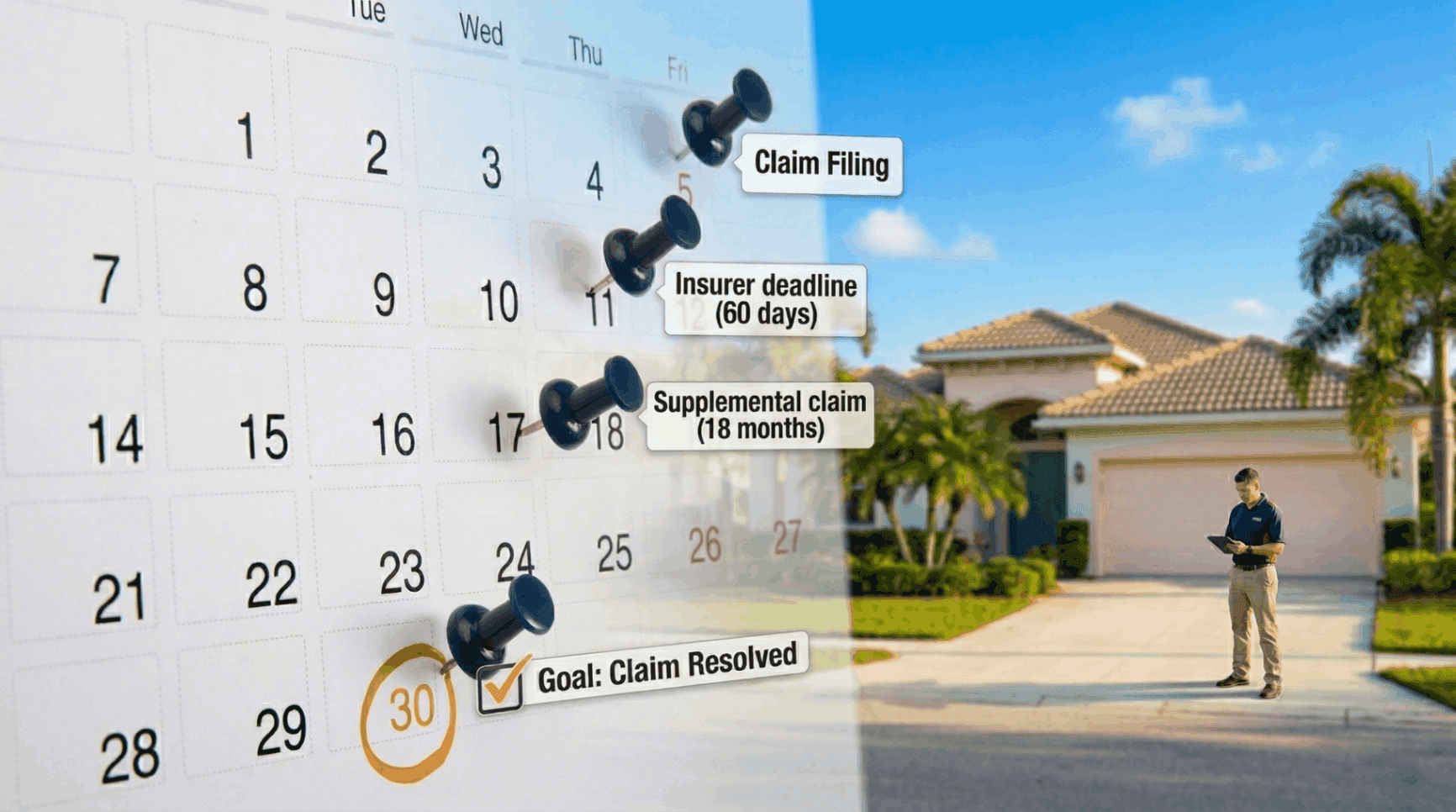
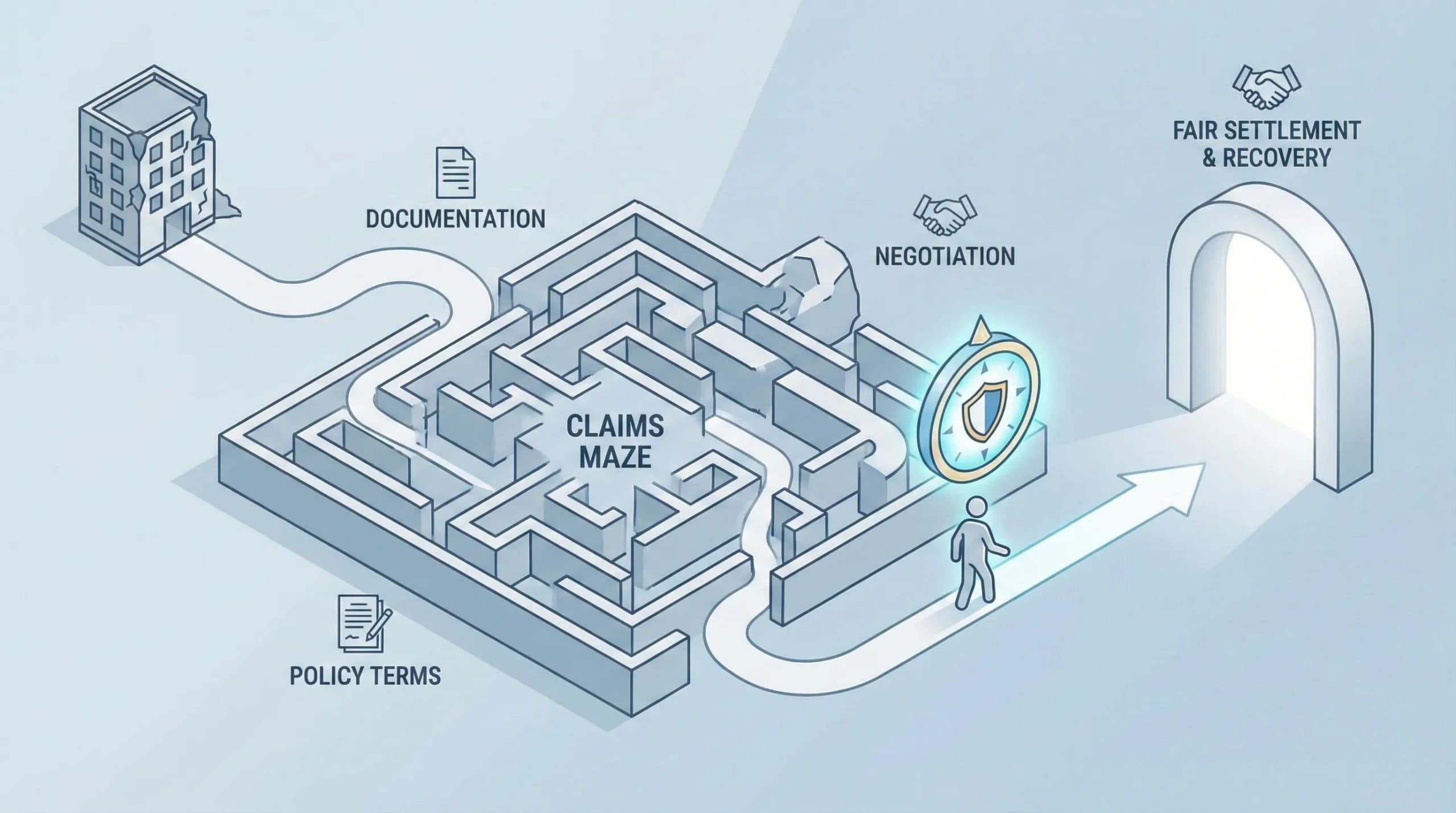
Property insurance claims are time-sensitive, and flood claims in particular run on deadlines for notifying the insurer and for submitting a proof of loss. Those deadlines are set by your policy and by the program your flood coverage sits under, and they do not wait for a household to feel ready.
It is also worth knowing, before you need to, that flood damage is generally handled separately from a standard homeowners policy. Coverage for rising water usually comes through a separate flood policy, whether through the National Flood Insurance Program or a private flood insurer. What your own policy covers, and what it excludes, is specific to your documents.
Read the policy. If what it says is not clear, that is a reason to ask someone whose job is reading them.
What a public adjuster does at this stage
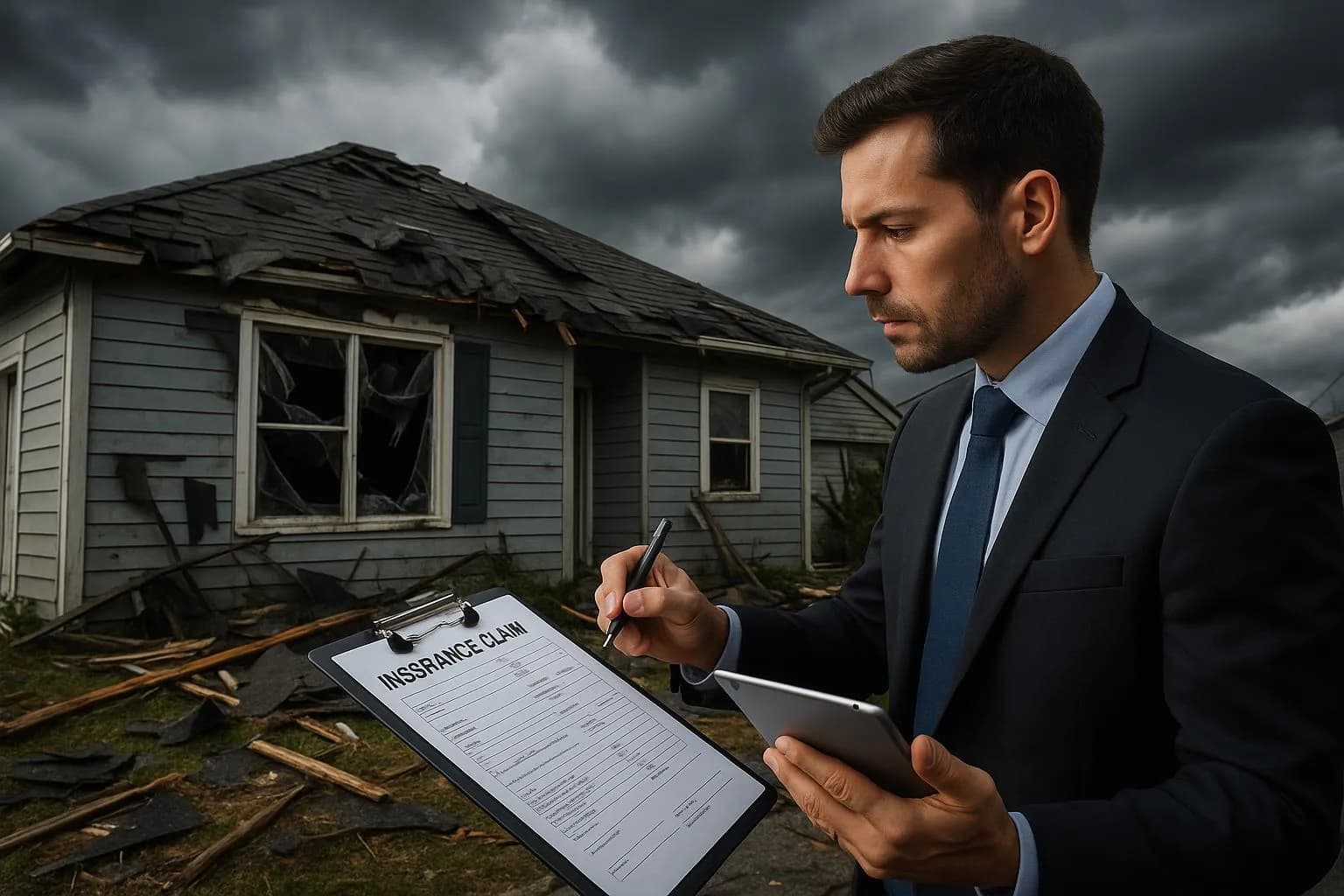
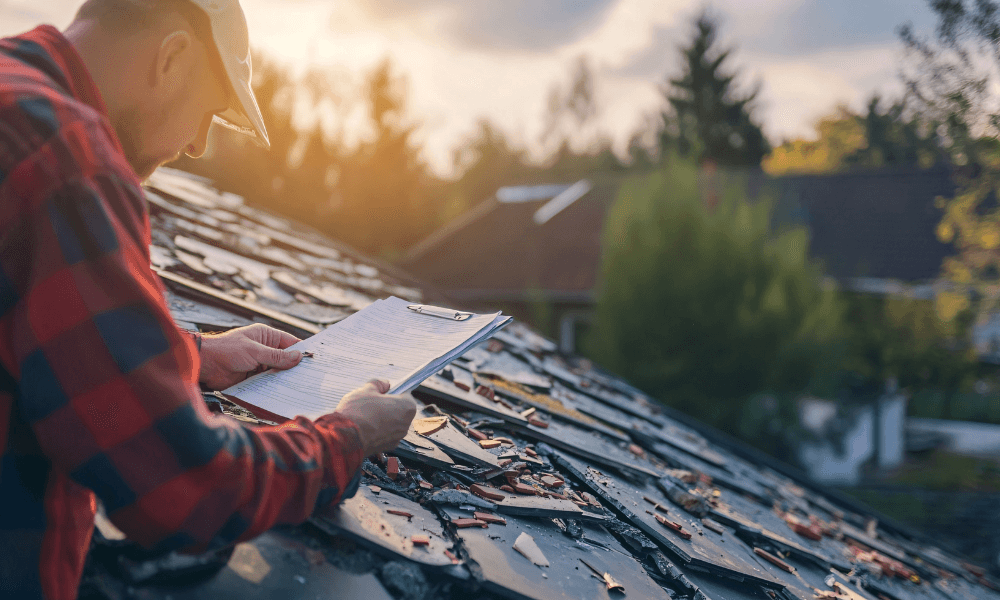
A public adjuster works for the policyholder, not for the insurance company. The work is assessment and documentation: inspecting the property, identifying damage that is easy to miss, putting a value on the loss and presenting the claim.
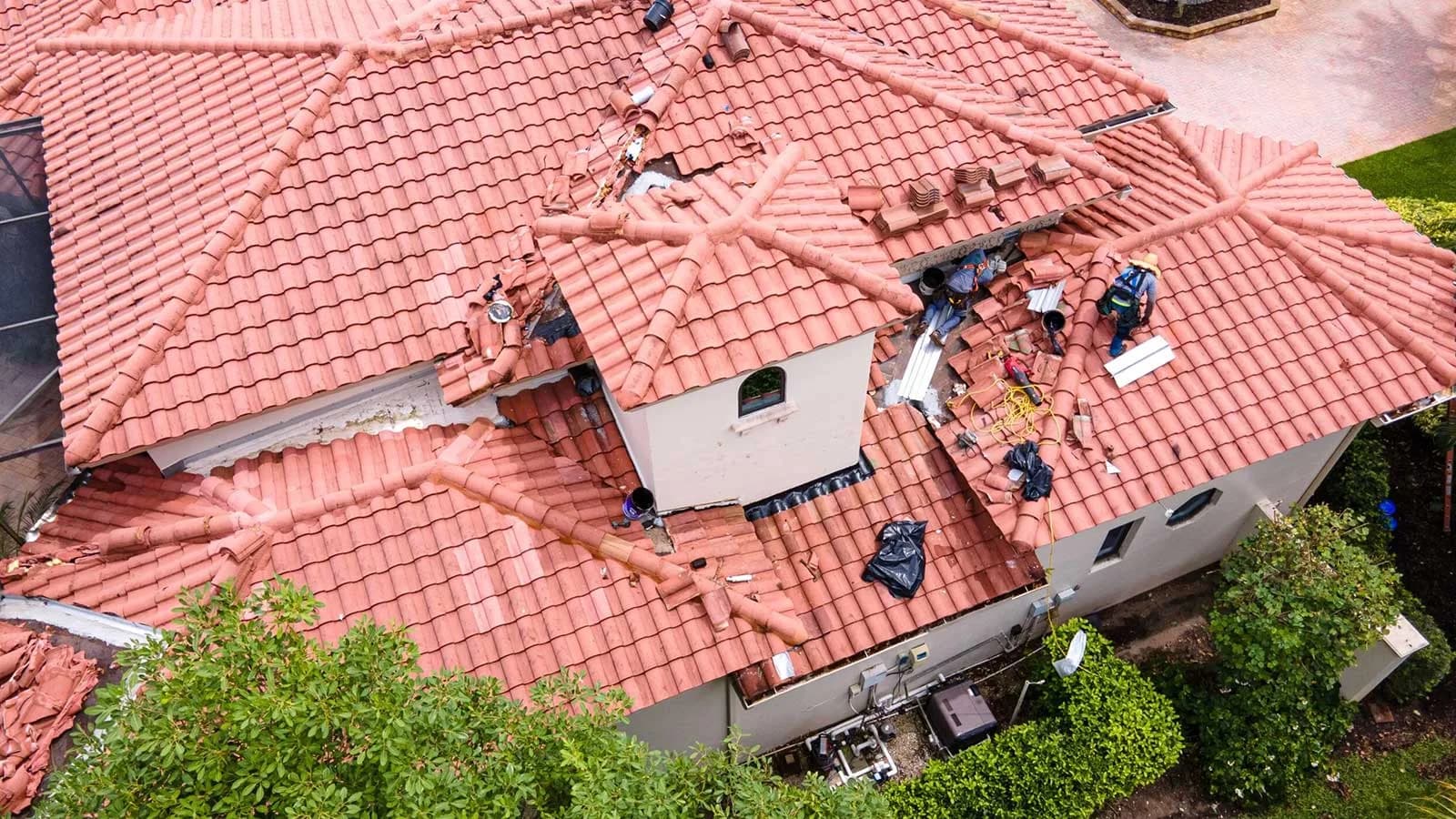
Water damage is where that matters most, because so much of it is not visible from the middle of the room. Moisture travels up drywall and into insulation. It reaches subfloor, cabinet bases, ductwork and the inside of wall cavities. Damage to an HVAC system or an electrical panel that has been submerged is not something a quick walkthrough reveals.
Five Star Claims Adjusting offers a free property inspection and policy review for property owners affected by this flooding. The inspection is an assessment of what the water actually did. The policy review is a plain reading of what your coverage says about it. Neither commits you to filing anything.
If your home or business took on water, start with the photographs, before the cleanup. Then call.
Five Star Claims Adjusting, Public Adjusters. Request a free inspection at fivestarclaimsadjusting.com.
This article is general information about documenting property damage and is not legal advice or a statement of what any particular policy covers. Coverage, deadlines and obligations are determined by your own policy documents. For advice on your situation, speak with a licensed public adjuster or attorney.