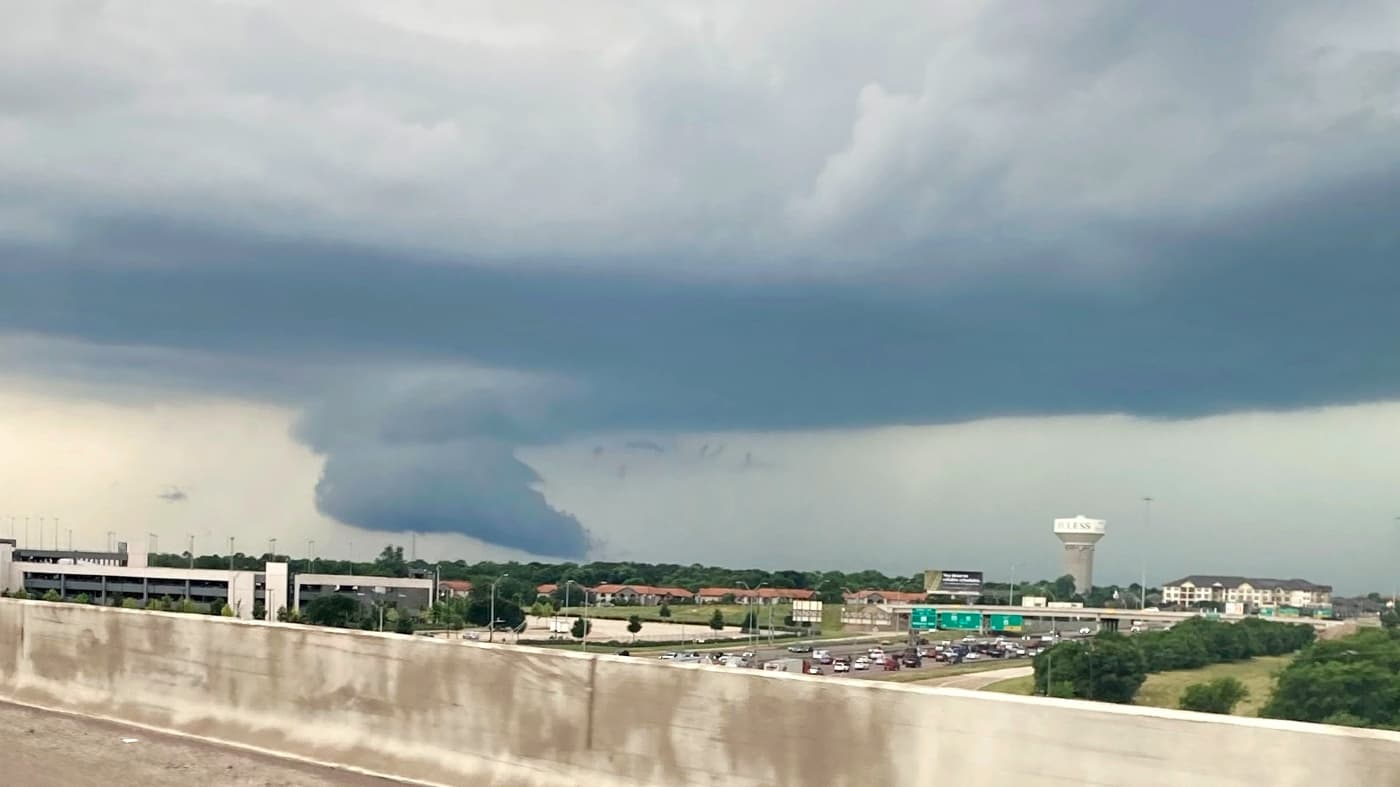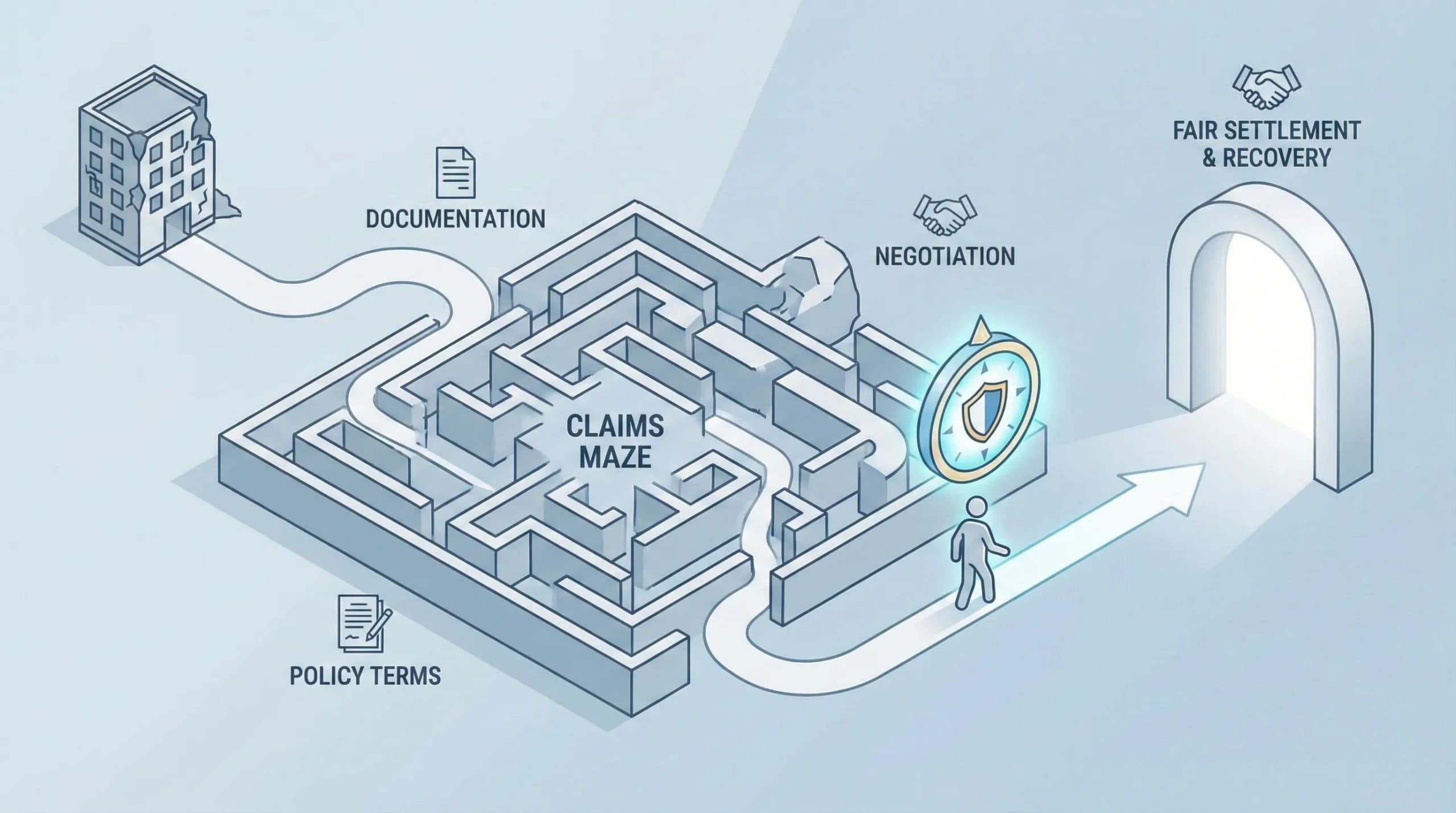
Wind deductibles, roof valuation, coinsurance and waiting periods are settled long before a storm. What to check while the building is still dry.
A commercial property claim is usually decided twice. Once when the damage happens, and once years earlier, when somebody signed a policy nobody has opened since.
Boards, owners and property managers tend to meet their own coverage for the first time in the week after a loss, which is the worst possible moment to learn what it says. Commercial policies have grown steadily more restrictive since the 1990s, and the provisions that decide the size of a settlement are rarely the ones set in the largest type.
Here are six of them, and what to check while the building is still dry.
The wind deductible is a percentage, not a dollar amount
Most commercial policies in Florida and Texas carry a separate windstorm or named storm deductible written as a percentage of the insured value, commonly 2 to 5 percent, rather than the flat figure that applies to everything else.
On a building insured for 12 million dollars, a 3 percent wind deductible is 360,000 dollars that comes off the loss before anything is paid. Many boards budget for the flat deductible on the declarations page and discover the percentage only when the first estimate arrives.
Find the number now, in dollars rather than in percent, and make sure reserves reflect it.
Roof damage may be paid at actual cash value
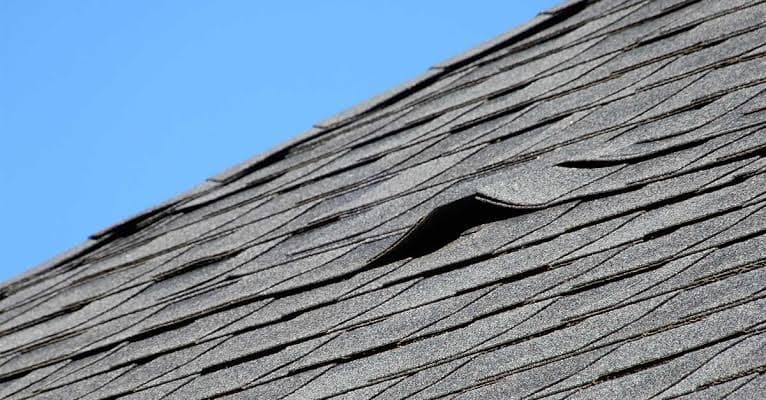
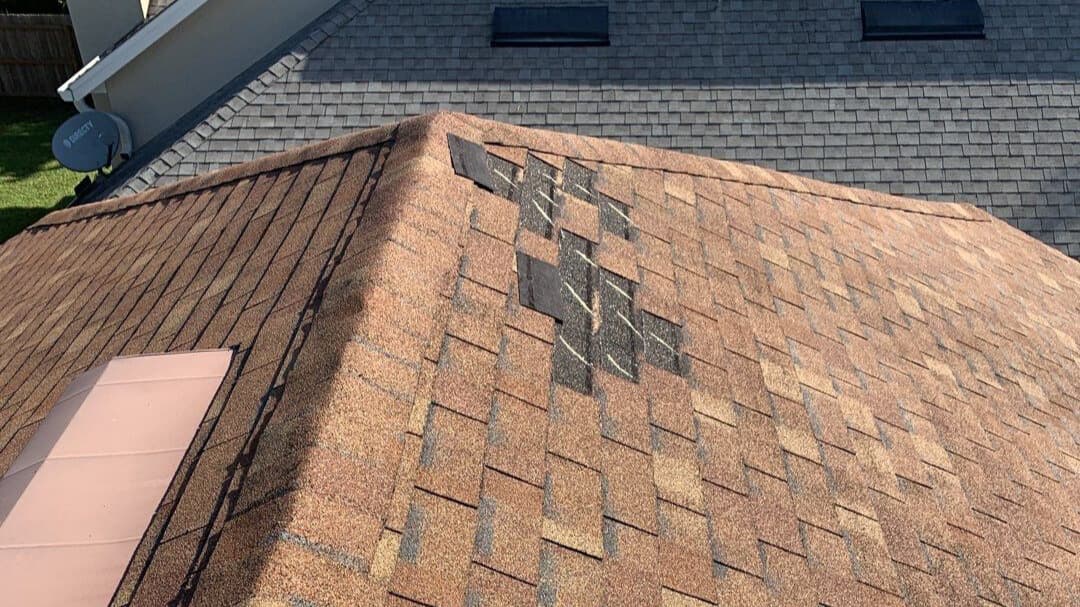
Replacement cost coverage on a building does not always extend to the roof. A growing number of commercial policies schedule the roof separately at actual cash value, which is replacement cost less depreciation for age and wear.
On a twenty year old roof that difference can be most of the claim. The language is usually in an endorsement rather than the main form, so it is easy to miss at renewal.
Cosmetic damage exclusions
A cosmetic damage exclusion lets a carrier treat dents and marks that do not affect the way a roof or wall sheds water as something other than covered damage. Hail claims are the common setting.
The exclusion is not a verdict on its own. Whether damage is cosmetic or functional is a technical question, and it is answered with documentation, testing and often an engineer, not with a first impression.
Coinsurance quietly shifts the loss back to you
Coinsurance requires that a property be insured to a stated share of its value, usually 80, 90 or 100 percent. Insure it for less and the carrier pays a proportionate share of the loss.
The arithmetic is unforgiving. A building that should carry 8 million dollars of coverage under the clause but carries 6 million is insured to 75 percent of the requirement, so a covered loss is paid at roughly 75 percent of its value, less the deductible. The shortfall is the owner's regardless of how large or small the damage was.
Construction costs have moved sharply in recent years. A limit that satisfied the clause three renewals ago may not satisfy it today.
Business income does not start on the day of the loss
Business income and lost rent coverage normally begins only after a waiting period, often 72 hours. Nothing in the first three days is recoverable, and the clock starts at the loss, not at the moment operations actually stop.
What follows that waiting period has to be proven with records. Profit and loss statements, rent rolls, occupancy history, payroll and tax returns are what turn an interruption into a number. Start assembling them in the first week, while the year looks normal and nobody has to reconstruct it from memory.
Protective safeguards are a promise you already made
Protective safeguard endorsements make coverage conditional on keeping specific systems in service. A sprinkler system, a fire alarm, a central station connection, a security service.
If one of those was out of service at the time of the loss and the carrier was not notified, the endorsement can be raised against the claim. This is the one item on this list that can be fixed in an afternoon: confirm which systems are named, and confirm they are all working.
The policy review belongs before the season, not after the storm
Each of these provisions is readable in a quiet month and unreadable in the week after a fire or a hurricane, when the same people are also dealing with displaced tenants, emergency vendors and a carrier adjuster who arrives with a schedule of their own.
A complete pre loss review covers the deductible in dollars, the roof valuation, the coinsurance requirement against current replacement cost, the business income waiting period and limit, and every protective safeguard named in the policy. It also establishes who photographs what, and who calls whom, before anybody needs to know.
Five Star Claims Adjusting's Commercial Claims Division works with condo associations, HOAs, property managers and business owners on exactly this, both before a loss and during a claim. A policy review and a 14 point inspection cost nothing, and they are considerably easier to schedule in February than in September.
To arrange a review of your commercial policy, call 888-578-2735, or reach Edward Bittman, Vice President of Commercial Claims, at (561) 512-5544.
This article is general information about how commercial property policies are commonly written. It is not legal advice and it is not a statement about what any particular policy covers. Coverage depends on the language of your own policy and the facts of your own loss. For advice on a specific claim, speak with a licensed public adjuster or an attorney in your state.