Catastrophic ground cover collapse and sinkhole loss coverage are not the same thing, and the engineering report usually settles the rest.
Most Florida sinkhole claims are decided by one line on the declarations page, written years before the first crack appeared. There are two very different sinkhole coverages in this state, and most homeowners hold only the narrower one without ever having been told the difference.
Knowing which one you bought is the first thing to establish, because it changes what has to happen before your policy responds at all.
The two coverages
**Catastrophic ground cover collapse** is the one every Florida property policy includes. It is not a general sinkhole coverage. It responds only when a specific set of conditions is met together: an abrupt collapse of the ground cover, a depression in the ground clearly visible to the naked eye, structural damage to the building including the foundation, and the structure being condemned and ordered vacated by the government body with authority to issue that order.
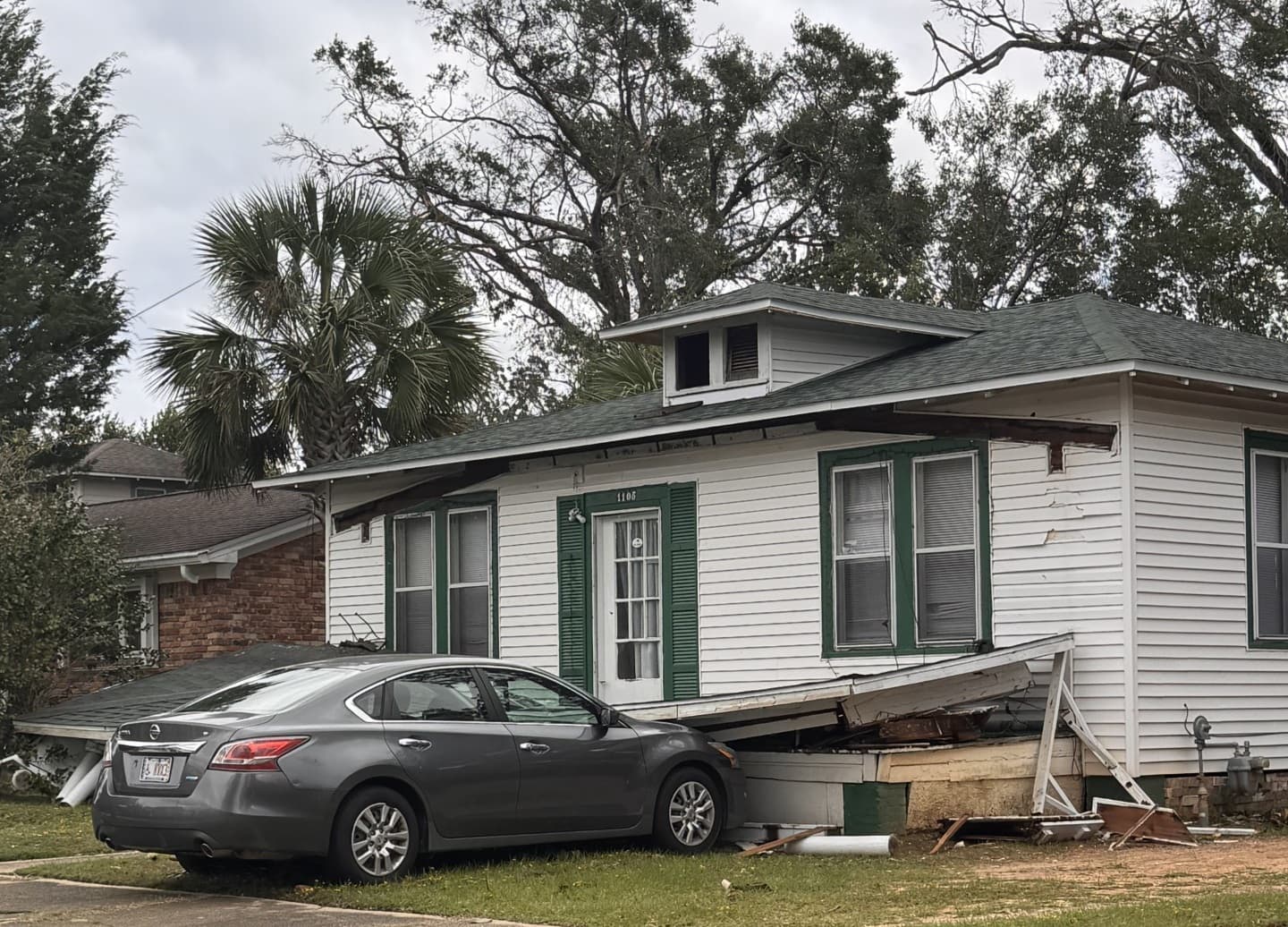
Read that list again, because the word doing the work is together. A house with stair-step cracking through the block, doors that no longer latch and a floor that has dropped an inch is a house with serious damage. It is usually not a catastrophic ground cover collapse, because nothing abruptly collapsed and nobody has condemned it.
**Sinkhole loss coverage** is the broader one. In Florida it is optional, it carries an additional premium, and it responds to structural damage caused by sinkhole activity without waiting for a collapse. If you have it, your claim is about whether sinkhole activity caused the damage. If you do not, your claim is about whether the far narrower definition has been satisfied.
Check your declarations page before you do anything else. That single line sets the whole argument.
The engineer's report decides the claim
Once a sinkhole claim is reported, the insurer engages an engineer or a geologist to test the subsurface. Borings are taken, the soil profile is logged, and the report concludes what caused the movement.
That report effectively decides the claim. Not the adjuster, not the photographs of your walls, and not how bad the damage looks. The conclusion in that document is what the file is built on.
Its findings generally land in one of a few places: sinkhole activity, ordinary settlement, poor compaction during construction, or a drainage problem. Only the first of those is a covered cause.
What to look at in that report
An adverse report is not the end of the claim, and it is not unusual for a second look to find something.
Three things are worth examining. **The testing method**, because the technique chosen affects what can and cannot be detected. **The boring locations**, because borings placed away from the distressed area can miss the void that is causing it. **The scope**, because a report that assessed part of the structure cannot speak confidently about the rest of it.
None of that makes the first report wrong. It means the conclusion rests on choices that can be reviewed by someone working for you rather than for the insurer.
Neutral evaluation
Florida operates a neutral evaluation program through the Department of Financial Services for disputed sinkhole findings. It exists precisely because these claims turn on competing technical opinions, and it gives a policyholder a route that is neither accepting the report nor going straight to litigation.
It is a real option and it is underused, usually because nobody told the homeowner it existed.
The signs people read as settling
The reason sinkhole claims are so often reported late is that the early evidence looks like an old house being an old house.
Doors and windows that stop latching. Stair-step cracking through block walls. Floors that slope, or sound hollow underfoot. Separation where the driveway or the pool deck meets the house. Cracks that come back wider after being patched. Below grade, broken plumbing and sections of slab dropping away.
Any one of those has innocent explanations. Several of them together, getting worse over months, is a pattern worth testing rather than repainting.
Do not wait to report it
Florida sets a time limit on sinkhole claims that is shorter than most people assume, and it runs from when you knew or reasonably should have known about the loss, not from when you decided it was serious enough to call about.
That is the practical argument against watching a crack for another season. Documenting the date you first noticed movement, and reporting promptly, protects the claim regardless of what the testing eventually finds.
Frequently asked questions
**Is sinkhole damage covered by homeowners insurance in Florida?**
It depends which of the two coverages you hold. Catastrophic ground cover collapse is included in every policy and is narrow. Sinkhole loss coverage is optional, costs an additional premium, and is far broader. Your declarations page says which one you bought.
**My claim was denied because there was no catastrophic ground cover collapse. Is that the end?**
Not necessarily. It depends on which coverage you hold and on what the engineering report concluded and how it reached that conclusion. A denial on those grounds is worth having reviewed before you accept it.
**Can I get my own engineer?**
Yes. A policyholder is entitled to their own experts, and on a claim that turns entirely on a technical report, a second qualified opinion is often what moves it.
**How long does a sinkhole claim take?**
Longer than most claims, because testing has to be scheduled, performed and reported before anyone can argue about the result. Plan in months rather than weeks.
Have the report reviewed before you accept it
If you have a sinkhole report in front of you and you are not sure whether its conclusion is sound, that is exactly the point at which a second set of eyes is worth the call. Five Star's inspection and claim review cost nothing, and the firm works on contingency.
Call 888-578-2735 for a free claim review.
This article is general information about how Florida sinkhole coverage is commonly structured. It is not legal advice and it is not a statement about what any particular policy covers or what any deadline is in your situation. Coverage, procedure and time limits depend on your own policy, the facts of your loss and current law. For advice on a specific claim, speak with a licensed public adjuster or an attorney.