Cause and duration settle the file, not the mold itself. Plus the one sequencing mistake that erases the evidence in week one.
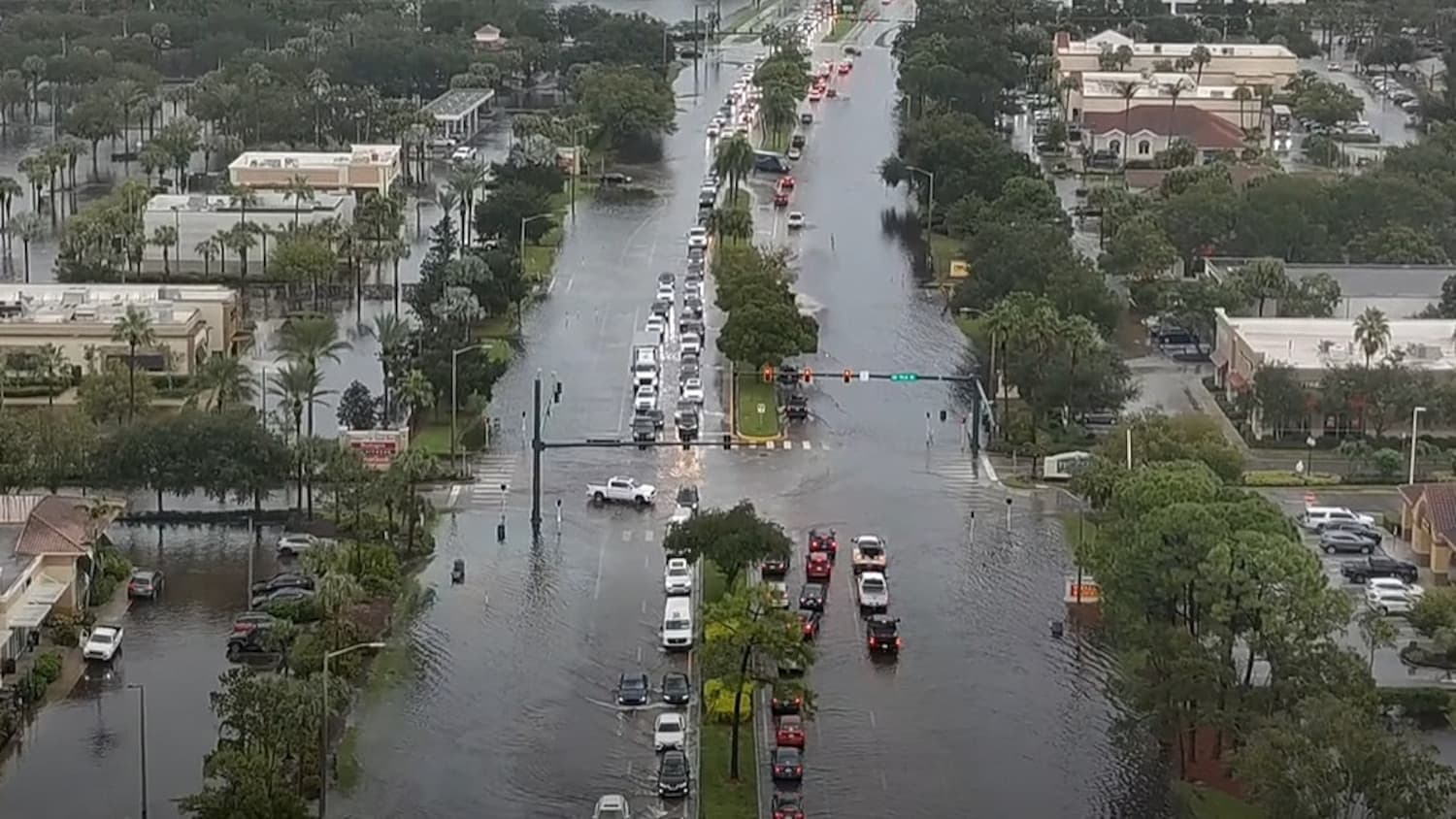
A mold claim is almost never decided on the mold. It is decided on the water that came first, and on how long that water sat there before anyone noticed.
That single fact changes what you should be doing in the first week, and most property owners spend that week doing the opposite.
It is a water claim wearing a different name
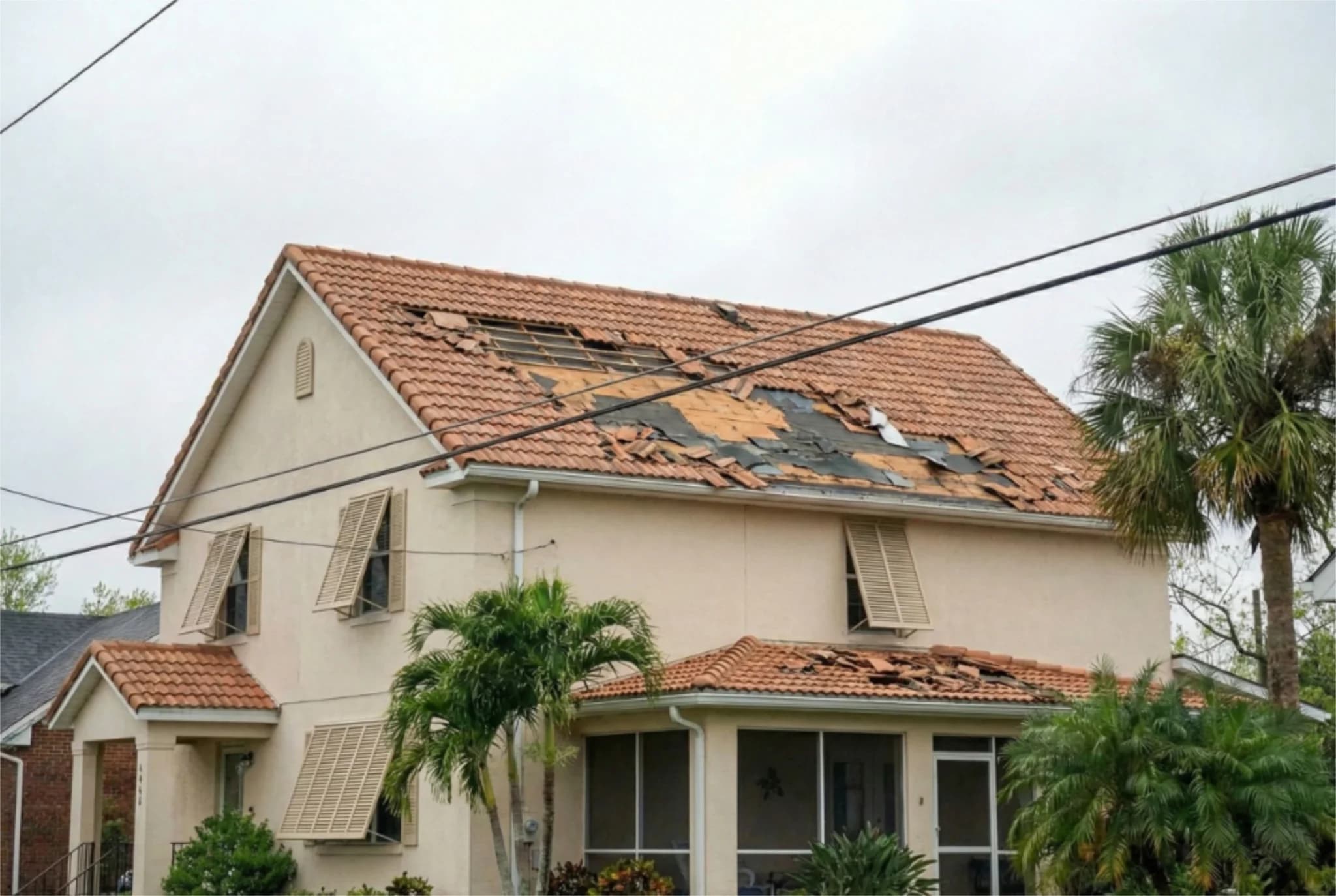
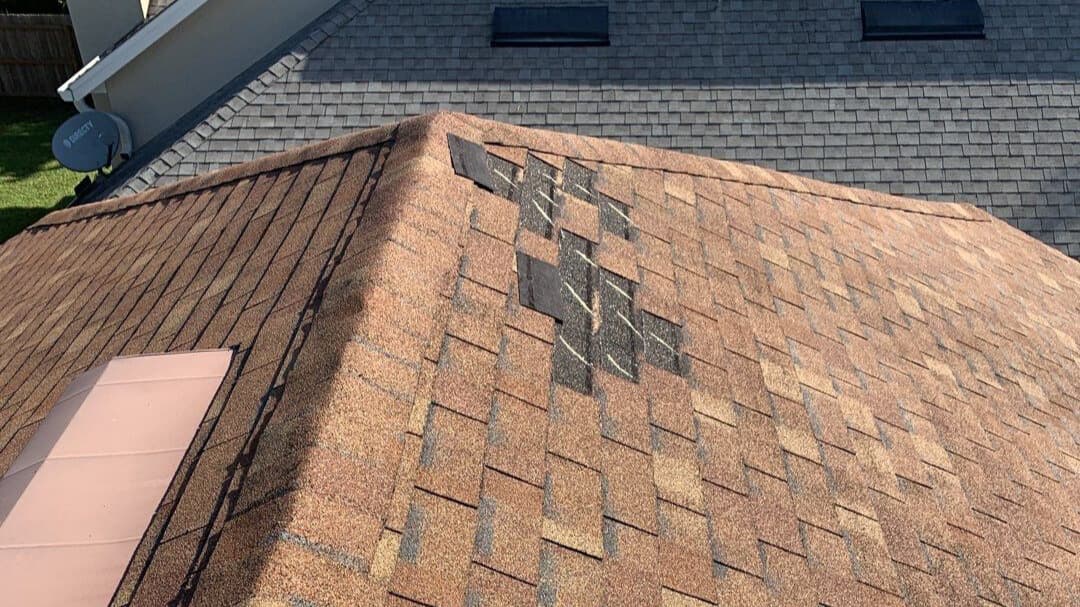
Property policies generally do not treat mold as a peril in its own right. Mold tends to be treated as a consequence. If the water that fed it came from something sudden and accidental, a pipe that burst, a supply line that let go, a roof opened by a storm, then the mold that follows is often handled as part of that loss.
If the water came from somewhere gradual, a slow seep behind a shower pan, condensation, humidity, a leak that was visible for months, the usual answer is different. Most policies treat gradual water intrusion as maintenance rather than as an insured event, and the mold inherits that answer.
So the question an adjuster is actually working on is not how much mold there is. It is where the water came from and how long it ran. Build your claim around that question, because that is the one being asked.
The two lines on your declarations page
Before anything else, find your declarations page and look for two things.
**A mold or fungi sublimit.** Many Florida policies carry a separate cap for mold remediation that is far smaller than the dwelling limit. It is a specific number, it is often a small fraction of the policy, and it can cap the remediation portion of your claim regardless of what the work actually costs. Knowing that number before you start tells you what the ceiling is.
**Whether you bought more.** Some policies allow the mold limit to be increased by endorsement. If someone bought that endorsement at some point, it changes the arithmetic entirely.
Neither of these is something an adjuster will raise for you early. Look them up yourself.
Stabilize, but do not erase
This is the part people get wrong, and it is the most expensive mistake available in the first week.
You are required to prevent further damage. That is a real obligation in nearly every policy, and ignoring it can hurt the claim. So dry the area, run containment, stop the water at its source.
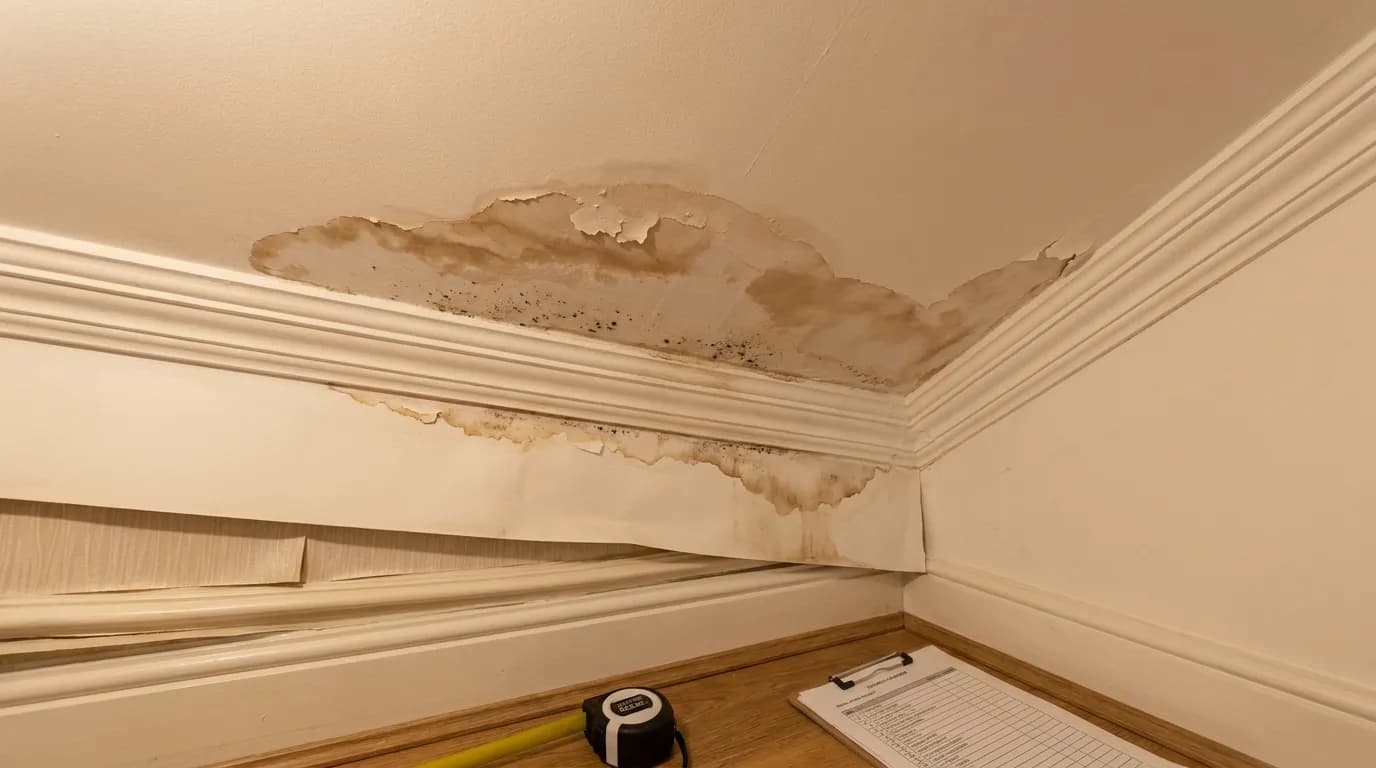
What you should not do is remediate before anyone has documented what is there. A remediation crew is very good at making mold disappear, and once it has disappeared, so has the evidence that your claim rests on. Demolition before documentation turns a provable loss into an argument about what used to be behind the wall.
The order that protects you: stop the water, dry and contain, photograph and sample, and only then remediate. Where it is practical, keep the material that gets removed. A bagged section of contaminated drywall in the garage has settled more disputes than any description of it ever will.
What is behind the drywall is what decides it
Surface cleaning does not touch contaminated framing, insulation or ductwork, and a claim written from what is visible on the wall is written from the smallest version of the loss.
The things worth establishing before repairs begin: moisture readings in the wall cavities and under the flooring, not just on the surface; the extent of the affected area mapped rather than estimated; the condition of insulation and framing where material has been opened up; and whether the HVAC system moved spores into parts of the building nobody has looked at yet.
Photograph the source of the water as well as the mold. If a supply line failed, the failed line is the single most useful photograph in the file, because it is the thing that establishes sudden and accidental rather than gradual.
Report it, and do not wait for certainty
Policies require prompt notice of a loss. Waiting until you are sure how bad it is, or until a contractor can tell you a number, is time working against the claim in two directions at once. The mold keeps spreading, which raises the cost, and the delay itself gives weight to the argument that the water had been running for a long while.
Note the date you first saw water or smelled something, report it, and let the investigation establish the extent. You do not need a number to report a loss.
Frequently asked questions
**Is mold damage covered by homeowners insurance?**
It depends almost entirely on the source of the water. Mold following a sudden, accidental water event is often covered as a consequence of that event. Mold from long-term seepage, humidity or deferred maintenance usually is not. Your own policy language and your declarations page govern.
**My claim was denied as a maintenance issue. Is that final?**
Not necessarily. A denial on those grounds is a conclusion about cause and duration, and conclusions about cause can be reviewed. What matters is whether the evidence supporting it is sound and whether the original inspection looked in the right places.
**Should I get mold testing done?**
Sampling before remediation is worth considering, because it documents what was present while it is still there to document. What it cannot do is tell you where the water came from, which is the part the claim turns on.
**Can I start the repairs?**
Stabilize immediately. Hold the demolition and remediation until the loss has been documented. Repairs made before anyone recorded what was behind the wall are repairs made at your own risk.
Have it looked at before the wall goes back up
If you have water damage with mold behind it, or a mold claim that came back denied as maintenance, the useful moment to get a second opinion is before the repairs are finished. Five Star's inspection and claim review cost nothing, and the firm works on contingency.
Call 888-578-2735 for a free claim review.
This article is general information about how mold is commonly treated under property insurance policies. It is not legal advice, and it is not a statement about what any particular policy covers, what any sublimit is, or what any deadline is in your situation. Coverage, procedure and time limits depend on your own policy, the facts of your loss and current law. For advice on a specific claim, speak with a licensed public adjuster or an attorney.